
Introduction
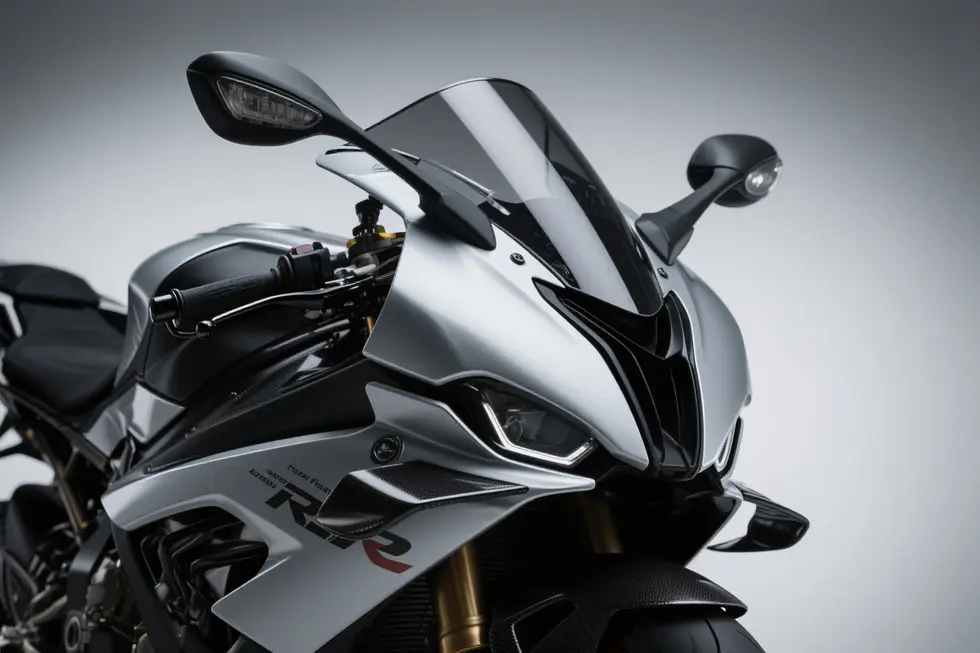
Front fairings are more than decorative skin on a motorcycle; they are a strategic asset that impacts aerodynamics, durability, assembly efficiency, and aftermarket value. For business owners across OEMs, Tier 1 suppliers, aftermarket brands, and repair networks, the right front fairing can unlock performance gains, streamline manufacturing, and expand revenue through customization and upgrades. Contemporary designs increasingly fuse lightweight composite materials with modular architectures, enabling faster assembly, easier repair, and smarter integration of sensors and lighting. As electric motorcycles gain share and consumer demand for personalized aesthetics grows, front fairings must balance wind-deflection and rider comfort with durability, cost efficiency, and regulatory compliance. This article examines the front fairing on a motorcycle through four tightly connected lenses:
- Aerodynamics and Performance: How the shape, integration, and materials influence drag, stability, and energy efficiency on road and track conditions.
- Materials, Manufacturing, and Durability: The trade-offs between carbon fiber, fiberglass, polymers, and emerging composites, plus manufacturing approaches and life-cycle considerations.
- Customization, Aftermarket Solutions, and Trends: How modular designs, 3D-printed components, and brand storytelling create new value and revenue streams.
- Safety, Compliance, and Integration: The regulatory and systems considerations that ensure safe, reliable integration with headlights, sensors, and electronics.
Across these chapters, business leaders will find actionable considerations for product strategy, supplier selection, risk management, and go-to-market planning. The evolution toward lightweight, composite fairings with integrated sensors and modular systems is not just a design trend—it’s a strategic shift that affects cost, performance, and customer satisfaction. The example of aftermarket options like the Ermax Nose Fairing illustrates how a naked-bike platform can be transformed into a sportier, weather-protective profile with retro-modern appeal, broadening appeal and increasing unit value. Finally, advances in 3D printing, smart sensors, and modular assemblies present opportunities to differentiate in crowded markets while meeting OEM standards for fit, durability, and safety. The following chapters translate these dynamics into business-focused insights you can apply when evaluating products, sourcing, and market positioning for front fairings on motorcycles.
Tables of Contents
Chapter 1: Aerodynamics and Performance of the Front Fairing on a Motorcycle
- Winglets, Wind Tunnels, and Flow Control: CFD-Driven Front Fairing Design for Real-World Stability
- From Wind, Wallet, and Wear: Economic Realities, Manufacturing Costs, and Lifecycle Performance of Motorcycle Front Fairings
- Wind, Rules, and Global Routes: Positioning Front Fairings at the Intersection of Society, Standards, and Supply Chains
Chapter 1: Aerodynamics and Performance of the Front Fairing on a Motorcycle
1. Winglets, Wind Tunnels, and Flow Control: CFD-Driven Front Fairing Design for Real-World Stability
Front fairings are not mere cosmetic shells; they are active partners in a bike’s aerodynamics. By shaping the flow around the machine, they influence how air splits, accelerates, and reattaches along the chassis. The primary goals are to shield the rider from buffeting, minimize form drag, and create a stable front end at high speeds. In racing and high-speed street riding, the fairing’s surfaces push on the air to generate downforce that helps the front wheel stay planted during braking and hard deceleration. Designers balance this downforce against added drag, knowing that every kilogram of pressure can trade top speed for stability. The result is a coherent aero package that blends efficiency with rider comfort.
Modern development relies on computational fluid dynamics to prototype wing-like features, airfoils, and flow-control devices without extensive wind-tunnel time. CFD lets engineers iterate shapes, tilt angles, and edge profiles to optimize downforce and drag for a given geometry. Concepts such as winglets and contoured trailing edges are used to extract lift where needed or to suppress turbulent separation. In race-oriented fairings, these features can deliver meaningful front-end stability, improving turn-in confidence and braking feel at speed. The trade-off remains crucial: a higher downforce usually costs some top speed, so the aero design must align with the bike’s intended performance envelope. CFD thus guides, but wind-tunnel testing confirms, the real-world balance.
To manage flow under and around the nose, manufacturers incorporate scoops, S-ducts, and redesigned intake mouths that shepherd air into cleaner streams before it meets the fork crowns or cooling fins. These micro-features minimize side turbulence, reduce lift at sensitive angles, and guide air toward cooling channels when needed. Lightweight composites enable complex geometries that would be costly with metal, supporting integrated ducts and smooth transitions from nose to cockpit. While CFD points the way, wind-tunnel validation remains essential to confirm performance under crosswinds, gusts, and road vibrations. Teams test scale models and full-size prototypes, adjusting geometry until measured forces match the predicted drag-downforce balance.
Universal wing concepts aim to deliver gains for sport and naked bikes alike, refining stability without an obvious aero silhouette. Subtle tweaks include modest fore-aft edge extensions, angled endplates, and small intake lips that curb separation. Engineers also consider rider comfort, tuning fairings to cut turbulent wake that would buffet the helmet in crosswinds. The result is an aero package that translates racing wind-tunnel language into street-usable behavior, increasing rider confidence and reducing fatigue on long rides. For enthusiasts upgrading their machine, aftermarket variants demonstrate how wind protection and aggressive lines can coexist with daily practicality, illustrating the continuum from comfort to sportiness; see the C63 front fairings option for a representative example. C63 front fairings.
CFD and wind-tunnel data underpin decisions about materials, tooling, and lifecycle performance. While 3D-printed or modular designs enable rapid prototyping and on-bike customization, they also raise questions about durability and weather resistance. The move toward lightweight composites, integrated sensors, and modular mounting reflects a broader trend: aero features must deliver measurable gains without becoming fragile add-ons. Designers consider manufacturing scalability, supply chains, and assembly times alongside aerodynamic performance. The outcome is a front fairing that is not an isolated layer but a tightly integrated aero system whose success depends on precise geometry, validated by computation and testing, and sustained by thoughtful production and support.
Ultimately, riders experience stability, control, and fatigue reduction rather than a single metric. The best designs blend clean external lines with internal channels that respond to rider inputs and power delivery. As materials and sensing capabilities evolve, aero packages can adapt to conditions, maintaining a stable platform for acceleration, cornering, and braking. The continuing evolution remains a dialogue between simulation and tangible validation.
2. From Wind, Wallet, and Wear: Economic Realities, Manufacturing Costs, and Lifecycle Performance of Motorcycle Front Fairings
The front fairing sits at the critical intersection between aerodynamic optimization and the economic calculus that riders and builders must navigate. Its contribution to reducing buffeting, quieting wind noise at highway speed, and stabilizing the front end in crosswinds translates into measurable comfort and confidence for long rides. Yet these aero gains are inseparable from the costs and practicalities of getting a fairing onto a motorcycle, and from how it performs over time. In the aftermarket ecosystem, the economics are driven by a balance between price, weight, durability, and fit. Across the typical pricing spectrum, aftermarket front fairings tend to cluster in a relatively accessible range, often between a few hundred dollars. These price points reflect a mix of materials, from carbon fiber to advanced composites, and a focus on precise fitment with factory-style mounting points. The result is a package that offers meaningful wind protection and a refreshed aesthetic without the higher sticker shock of OEM pieces. In addition to price, promotional factors play a role. Industry notes point to value-added benefits like free shipping on orders over a threshold, which can tilt the decision in favor of aftermarket options for riders completing a longer-term upgrade rather than pursuing a dealer-installed modification. The broader implication is that riders can achieve aero-enhanced performance and styling at a lower upfront cost, potentially improving resale appeal through improved appearance and perceived value, all without dealership markups. The economic logic, however, hinges on choice of materials and the intended use of the bike. Carbon fiber and other advanced composites deliver weight advantages and stiffness that support aero performance, yet they come with higher material cost and more demanding fabrication processes. In practice, this often means a trade-off: lighter, stiffer fairings may command a premium, while more affordable options emphasize robust durability and straightforward installation. The manufacturing costs of aftermarket fairings reveal a similar duality. Typical cost brackets for parts designed as aftermarket upgrades reflect both the raw material expense and the tooling, molding, and finishing steps necessary to achieve a precise fit. Raw gel-coat bases are common in the production pipeline, offering a flexible canvas for custom painting. This flexibility is attractive for riders seeking a tailored look, but it can introduce additional costs and time for finish work. Installation remains a practical consideration as well. Easy fitment and compatibility with existing mounting points shorten downtime and improve the perceived value of the upgrade, factors that influence consumer choice just as strongly as the sticker price. The lifecycle performance of front fairings rests on material quality and maintenance. Quality composites provide durable performance that can last for years, and the ongoing maintenance of a gel-coated surface—keeping it smooth and free of micro-damage—helps preserve aerodynamic efficiency and appearance. The modular nature of many fairings also supports longevity, allowing riders to add windshields, vents, or other accessories without compromising fit. Importantly, while the literature notes clear aerodynamic benefits and sensible maintenance practices, it does not provide rigorous quantitative data on fuel savings or exact drag coefficients for aftermarket configurations. The absence of precise metrics underscores a broader reality: real-world performance depends on the rider’s setup, riding conditions, and the specific fairing design. This nuance matters as the conversation moves toward broader implications. The economic narrative of front fairings intertwines with manufacturing strategy, consumer incentives, and lifecycle stewardship, setting the stage for how regulatory standards, sustainability considerations, and geopolitical dimensions might shape future design choices. For readers interested in a concrete installation and a snapshot of the aftermarket landscape, one practical reference highlights the availability and integration of fairing options through reputable retailers, showcasing how the right choice can balance performance, aesthetics, and value. See West End Motorsports’ fairing options for example of how providers frame fitment and access to upgrades in a way that complements the rider’s aero goals. West End Motorsports fairing options
3. Wind, Rules, and Global Routes: Positioning Front Fairings at the Intersection of Society, Standards, and Supply Chains
Front fairings are more than aero shells; they shape how a rider experiences speed itself. By directing clean air toward the bike’s centerline and shielding the chest, they reduce fatigue on long rides and enhance front-end stability in gusty weather. At highway pace, the fairing becomes a cockpit partner, smoothing wind pressure and cutting buffeting so the rider can focus on line and rhythm. The effect is especially pronounced on naked or sport-inspired bodies, where sculpted edges and tuned transitions control flow with surgical precision, yielding a calmer handle and steadier responses in crosswinds or rain.
Performance gains arrive with trade-offs. A well-designed fairing can generate downforce to keep the front tire planted during hard braking and corner entry, while steering the turbulent air away from the rider. Features such as winglets, ducts, and meticulously shaped surfaces push this balance toward stability at high speed. In racing contexts, the aim is to maximize front-end grip without sacrificing too much drag; on street machines, designers emphasize lightweight construction and quiet operation. Even so, certain yaw angles can produce modest drag penalties, reminding us that multiobjective optimization governs modern fairing design.
Regulatory frameworks reflect the road-versus-track split. Track-only fairings are typically undrilled and must preserve original lighting arrangements, while street fairings must integrate with OEM headlights and indicators and avoid major changes to steering geometry or mounting points. This regulatory logic steers geometry, mounting hardware, and the tolerance stack that governs fit and visibility. The outcome is a spectrum: streamlined shells built for performance on the track and more conservative, weather-protective enclosures for everyday riding. In all cases, safety, visibility, and compatibility with other systems guide aesthetic and functional choices, shaping what features can transition from lab-tested wind tunnels to real-world use.
From a societal perspective, a stable front end translates to safer riding over long distances and in adverse conditions. Reduced buffeting and better crosswind handling lower rider fatigue, which in turn can reduce accident risk during fatigue-prone hours or highly variable weather. Yet aero-centric fairings provoke questions about maintenance, repairability, and environmental impact, especially when composite skins are joined to complex mounting hardware. Widespread adoption depends on skilled installation and accessible spare parts, ensuring that an aero solution remains reliable rather than merely aspirational for a subset of riders. The broader implication is a quieter, more predictable ride on the open road, which can encourage longer journeys and more consistent riding behavior across diverse climates. The industry sometimes frames fairings as hidden heroes of the road, a perspective explored in industry narratives What Makes Motorcycle Body Parts the Hidden Heroes of the Road.
Geopolitically, fairing design sits within global material networks and manufacturing ecosystems. Lightweight composites—carbon fiber, advanced resins, and specialty polymers—depend on cross-border supply chains that can be stressed by market forces. Digital fabrication and modular production offer speed and customization, allowing new shapes to be tested with less material waste. But this global reliance also means policy shifts, tariffs, and sustainability criteria subtly steer which materials are favored and how they are sourced. Designers increasingly imagine fairings not only for speed but for responsible production, recycling, and end-of-life management, aligning performance goals with environmental considerations across regions.
Ultimately, the front fairing sits at the crossroads of physics, policy, and personal preference. Engineers balance wind energy, rider comfort, street-legal constraints, and the visual identity each rider seeks. The trajectory of development—sensor integration, modular attachments, and wind-tunnel-informed shaping—points toward a future where aerodynamic efficiency blends with data-driven customization. The fairing becomes not just a component but a doorway to safer, longer, and more deliberate riding, reflecting how the road, the rules, and the global supply chain converge in a single, moving shell.
Final thoughts
The front fairing on a motorcycle sits at the intersection of performance, durability, and customer value. For business leaders, it is a lever that can drive efficiency in manufacturing, differentiate product lines through customization, and expand revenue through aftermarket ecosystems. Aerodynamic optimization translates into real-world fuel savings and improved stability at higher speeds, while material choices and manufacturing approaches determine cost, weight, and lifecycle performance. The latest trends— modular designs, lightweight composites, and integrated sensor/lighting solutions—offer new ways to meet evolving consumer expectations, especially in electric and mixed-fuel platforms. However, success depends on balancing regulatory compliance, safety integration, and supply-chain resilience. By aligning product strategy with these four lenses, a company can deliver front fairings that perform, endure, and scale across markets while maintaining a distinct competitive edge. The signal is clear: a well-designed front fairing is not a mere accessory—it is a strategic asset that can elevate product quality, brand perception, and business performance.
Upgrade your ride with UltimateMotorX’s premium motorcycle fairings—durably crafted, precision-fitted, and stylish. Meeting OEM standards for easy installation, our collection suits upgrades or replacements. Shop now for fast shipping, secure checkout, and expert support. Give your bike the ultimate quality it deserves!
About us
At UltimateMotorX, we’re rider-founded experts in top-tier motorcycle fairings. We source premium materials, partnering with trusted manufacturers for perfect fits and durability. Enjoy expert advice, hassle-free returns, and seamless shopping. Ride with confidence—style and quality guaranteed!