
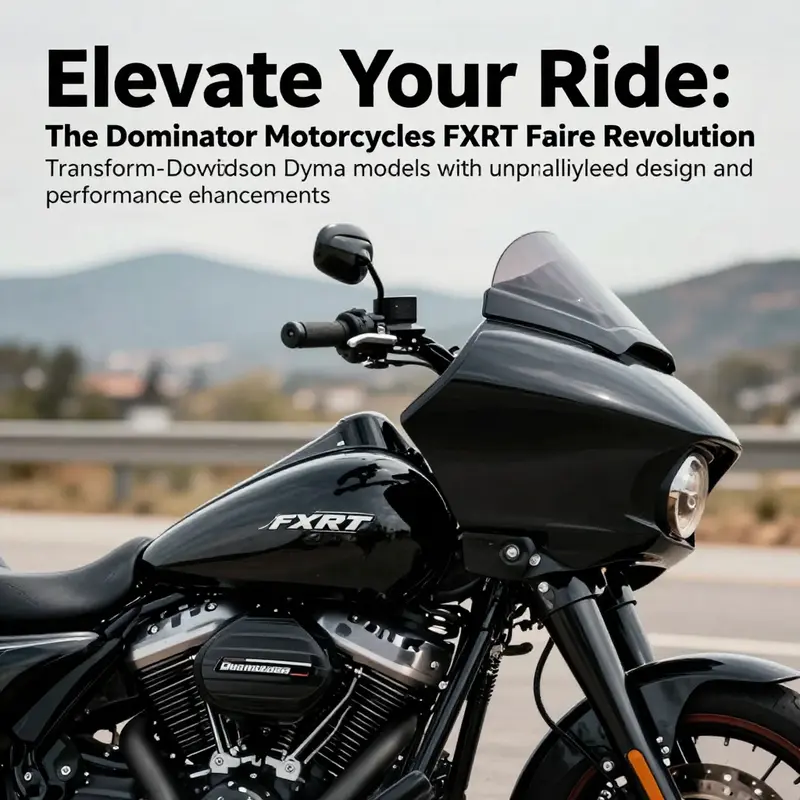
The Dominator Motorcycles FXRT Fairing is a pivotal upgrade for Harley-Davidson Dyna enthusiasts seeking both aesthetic appeal and performance benefits. As a business owner in the motorcycle customization market, understanding the nuances of this high-quality glass fibre fairing can enhance your offerings and appeal to your clientele. This article explores the fairing’s design features, performance enhancements, compatibility with Harley-Davidson models, customization options for Dyna Clubstyle and FXR models, and its reception in the community, providing you with comprehensive insights to better serve your customers.
null
null
Aerodynamic Harmony: A Glass-Fibre Fairing for Power and Pace in V-Twin Cruisers
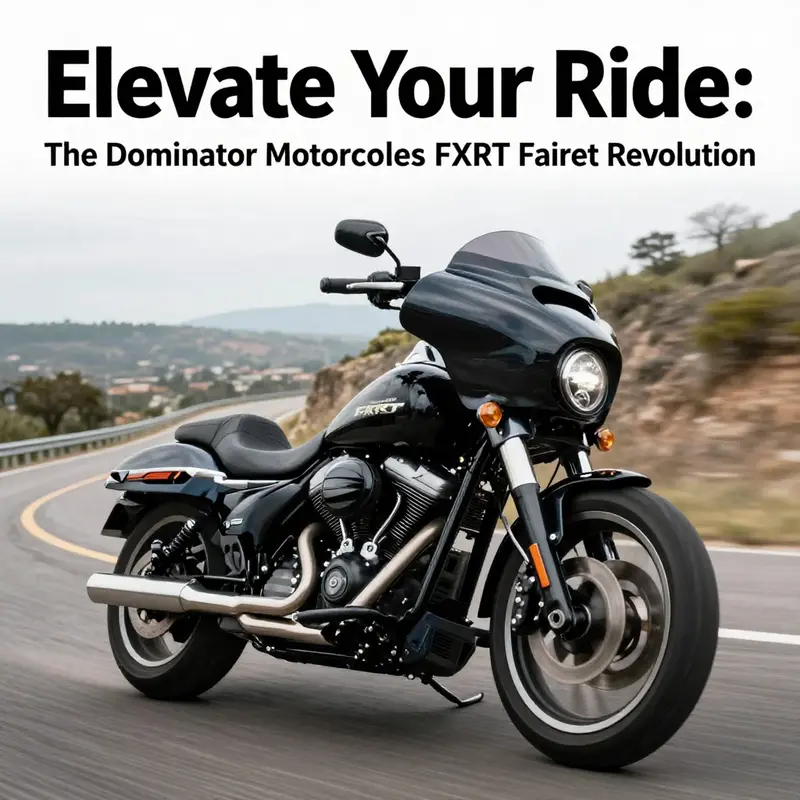
On open highways the genuine test of a touring bike is not only the engine’s ability to breathe but the wind’s appetite for drag. A well-conceived fairing does more than sculpt a silhouette; it acts as an active partner in riding comfort, steering stability, and performance under pressure. The concept discussed here centers on a glass-fibre fairing designed to align with the proportions of large V-twin platforms, providing a clean, aggressive stance while guiding air around the rider and the machine. It is crafted in the Netherlands, where a tradition of precise composites and careful fit meets the demands of riders who ride long days and chase straightaways alike. This chapter follows the thread from concept to concrete results: how a single, purpose-built component can influence handling, energy efficiency, and the bike’s visual language, turning a cruiser into a machine that feels faster, steadier, and more purposeful at speed. The narrative remains focused on how form and function converge to elevate the everyday experience of riding, not merely on how the bike looks in a showroom photograph.
Constructed from high-quality glass fibre, the fairing is both light and stiff, a balance that matters when wind pressures push against the front of the bike at high speeds. The manufacturing choice ensures a smooth, continuous surface that resists flex under mid-corner gusts and maintains the sculpted profile across temperature ranges. The fairing’s integration with the bike’s existing geometry is more than cosmetic; it is engineered to preserve, or even enhance, the machine’s natural balance. Mounting points align with stock hardware, and the molded lines trace the chassis in a way that looks almost factory, a term enthusiasts use when a modification stays true to the craft and not a borrowed look. The Netherlands-based fabrication also means attention to tolerances, with a finish that accepts common protective coatings and resists the universal threats of road salt, stone chips, and UV degradation. The result is less a simple add-on and more a reimagining of how air, rider, and chassis interact in the bike’s front third.
Air travels first to the fairing’s leading edge, then past the rider’s torso and shoulders, with the contours guiding that flow around critical interfaces such as the cockpit and the engine bay. A well-shaped fairing reduces frontal area without sacrificing access to instrumentation, and it can cut the force of buffeting that makes long rides tiring. The success of this design is in its careful tapering: a lower cradle that wraps the frame, a shoulder that opens toward the rider’s field of view, and a top line that lines up with the headstock, creating a cohesive wind envelope. In practice, the result is more than a cleaner look. At highway speeds, the bike sits more solidly, with less tendency to wander when gusts reach across the lane. The rider experiences improved control, especially when riding through crosswinds or negotiating the shadow of large trucks. The effect is a measurable improvement in steady-state stability and a reduction in fatigue that accumulates over hours on the road.
From a design perspective, the fairing achieves a balance between aggression and refinement. The lines are sculpted to echo the bike’s existing silhouette, so the modification reads as an evolution rather than a departure. The goal is to deliver a finished, almost factory-quality appearance—like a performance upgrade that wears the factory badge with pride. The aesthetic impact matters because air management is inseparable from style; a well-proportioned fairing makes the rider feel that speed and control are in sync with the bike’s character. Even small details, such as the curvature at the edges and the subtle transition between paint-ready surfaces and the mounting area, contribute to a sense of completeness. Riders who value an integrated look will notice that the line of the fairing complements the fuel tank, the seating position, and the exhaust routing, producing a unified, purposeful presence that looks equally right on a long Sunday ride and a weekend sprint to the coast.
Beyond looks, the fairing plays a practical role in supporting performance-oriented upgrades. When paired with a high-displacement, high-output powertrain and performance exhaust, the bike can exploit a cleaner air path and reduced energy losses in the front end. Weight matters in handling, and this glass-fibre option keeps the overall mass at a point that preserves the bike’s natural balance. The frame, forks, and wheels respond more predictably as wind loads shift, and the rider’s sense of direction remains clear at speed. The combination of a lighter, stiff front end and a more streamlined air profile helps with acceleration feel in the early midrange and with maintaining momentum through high-speed runs. This synergy between the fairing and powertrain upgrades supports a more confident ride, where throttle response and aerodynamics work in concert rather than competing for attention. It’s a reminder that a single component can influence not just the bike’s look but the way it behaves when pushed toward the limits of its design envelope.
Installation and fit are about reverence for the bike’s architecture as much as about mounting hardware. The fairing is designed to sit within the existing envelope of the machine, with alignment guides that simplify positioning and minimize the risk of misfit. Careful torque in the mounting points, proper cable routing, and a check of instrument clearance help preserve the rider’s visibility and the dash’s readability. While the install is achievable for a skilled owner, many riders prefer to have a professional handle the process to ensure the finished surface remains pristine and the fit remains consistent across seasons. The result, when done right, is a seamless front end that looks native, not added on.
For the rider, the experience is a different kind of precision—one that comes not from extra horsepower alone but from the way air and chassis work together. The wind’s impact softens, handling becomes steadier in gusty conditions, and long days in the saddle feel significantly easier. It is a reminder that performance parts are as much about feel as they are about numbers, and that the best upgrades blend into the ride’s rhythm rather than shout over its character.
Maintenance follows the same logic as manufacture: treat the surface with care, avoid abrasive cleaners that can dull the finish, and protect the edges with a clear coat that stands up to UV and road debris. A glass-fibre fairing asks for regular inspection of mounting points and a quick wipe-down after riding in salty or wet conditions. With light care, the surface remains smooth and the lines stay sharp, preserving the visual impact and aerodynamic benefits for years. The goal is a front end that ages gracefully along with the rest of the motorcycle.
Placed within the broader path of performance customization, this fairing embodies the principle that form and function can rise together. It is more than a cosmetic upgrade; it is a deliberate tuning of how air meets the bike, rider, and road. For those who want speed without surrendering substance, it offers a coherent, purposeful option.
External resource: official product page
Windward Convergence: Installing an FXRT-Style Fairing on Harley-Davidson Dyna
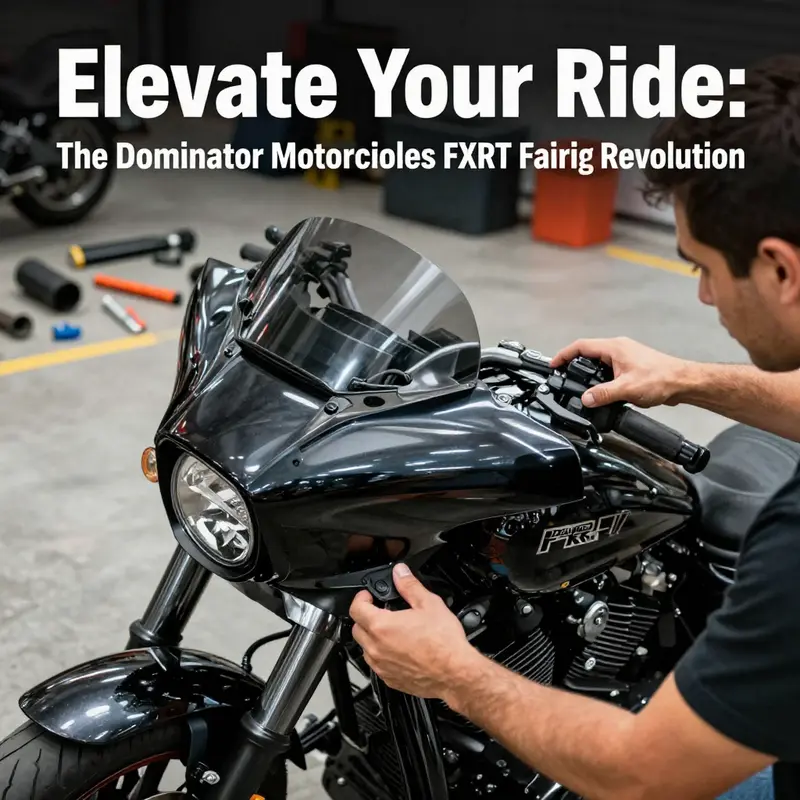
Embarking on a project to fit an FXRT-inspired, glass-fibre fairing onto a Harley-Davidson Dyna opens a conversation between form and function. The result can sharpen the bike’s silhouette, improve wind management, and create a distinctive, sport-leaning riding experience. Yet cross-brand fitment is not a guaranteed bolt-on, and thoughtful planning matters more than any single kit.
The first question is fitment geometry: the FXRT shell was designed around a different chassis and mounting scheme than the Dyna. Direct compatibility is rarely achieved without adapters, new brackets, or some trimming of non-structural parts. A successful outcome rests on careful measurements, a plan for bracket positioning, and a willingness to adjust handlebars, headlight alignment, and instrument layout.
Wind and rider position come next. A properly tuned fairing can smooth the air pocket around the rider, reduce buffeting at highway speeds, and improve comfort on long days. The shadow of the fairing on the tank and headstock, the windscreen curve, and rider posture all interact. Small changes—raised bars, a slight tilt of the headlight, or a moved instrument cluster—can restore visibility and access while preserving the aesthetic of the FXRT lineage.
Electrical routing deserves equal attention. Headlights, indicators, and controls must be kept accessible, protected from abrasion, and waterproofed. The front-end’s additional wiring needs clean paths that won’t interfere with steering, fork movement, or service loops.
Finally, safety and resale matter. Ensuring secure mounting, maintaining frame and fork integrity, and preserving service access can influence long-term reliability and value. With patience and professional guidance, the collaboration between brand-design language and bike-specific geometry yields a front end that looks like it belongs, performs smoothly, and remains serviceable.
In short, FXRT-inspired fairing installation on a Dyna is a cross-brand collaboration that rewards planning, precise measurement, and a respect for both bikes’ engineering. The end result is a unique, highway-ready stance that echoes the FXRT heritage while honoring the Dyna’s personality.
Racing-Inspired Fairings on a Classic Cruiser: Crafting Aerodynamics and Style for a Modern Chassis
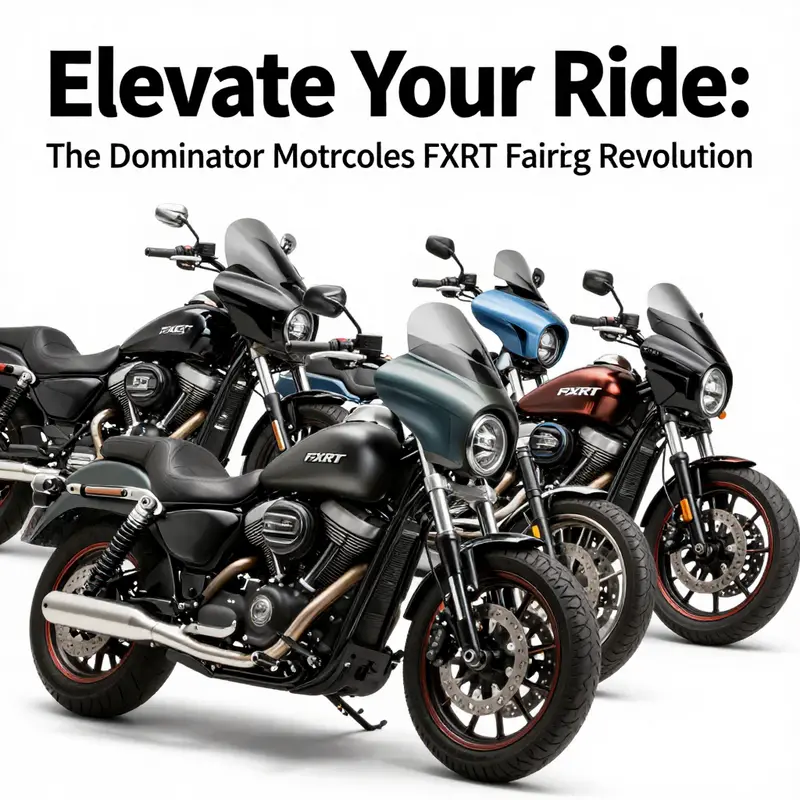
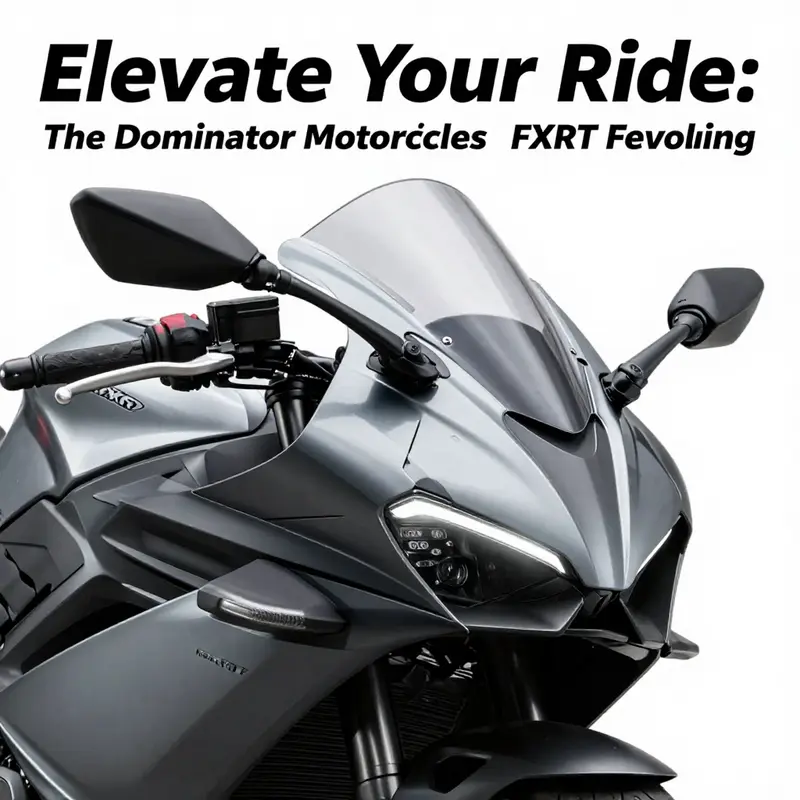
A fairing that blends aggressive aesthetics with practical shielding can redefine how a rider interacts with a motorcycle. When the goal is to combine a racing inspired silhouette with a broad cruiser chassis, the result is more than a cosmetic upgrade; it is an engineering choice that reshapes aerodynamics, rider ergonomics, and the machine’s presence on the road. A glass-fiber fairing designed to fit a wide cruiser platform arrives as both sculpture and shield, with an integrated windscreen and sculpted panels forming a unified statement against wind and weather. The balance matters: the fairing should complement the bike’s classic lines while adding a modern resonance. The goal is not speed alone but how air travels around the bike and how the rider experiences it.
The design language emphasizes clean lines, small gaps, and a sense of motion even at rest. Ergonomics are guided by a form that funnels air in a controlled pattern, reduces buffeting, and smooths airflow over the torso and shoulders. A well-executed fairing respects the bike’s geometry, aligning with tank, cockpit, and seat to create a cohesive silhouette. European craftsmanship often translates into precise brackets, mounting points, and edge finishes that feel reassuring. Small details like tight radii, uniform gaps, and a windscreen at an optimal height contribute to a look and feel that is integrated rather than added on.
Color and finish turn the fairing into a personal statement without sacrificing performance. Bold hues help the bike stand out, while matte finishes and chrome accents emphasize muscular lines. Durable finishes resist fading over miles of sun and rain, keeping the fairing looking fresh through time. Graphics and lighting carry a critical role: graphics can trace the fairing’s contours, while integrated LEDs along the edges frame the shape and improve visibility at night.
The fairing interacts with the frame and components through careful mounting and alignment. Brackets must secure the unit without disturbing geometry, and some builds benefit from subtle handlebar adjustments to optimize reach. Alignment with tank and seat is essential to avoid tension points. If additional protection is desired, crash bars can be painted to match the fairing and reinforce the visual continuity of the chassis.
Suspension and ride height are also part of the equation. A fairing changes the bike’s stance slightly, so riders may tune suspension or adjust ride height to preserve planted handling at speed and comfort at rest. The result is a front end that feels connected to the rider and the fairing’s aerodynamic aims.
Beyond cosmetics, performance upgrades often flow from the fairing choice: a well-matched exhaust and tune can improve throttle response and midrange torque, while a larger fuel capacity may suit long rides. Wiring and electronics can be tucked neatly into the fairing’s inner cavity, keeping the cockpit clean. A forward-looking approach may even integrate a compact digital dash or GPS, marrying classic aesthetics with modern convenience.
The broader takeaway is that a racing-inspired fairing on a classic cruiser opens a spectrum of possibilities. Done thoughtfully, it yields a cohesive machine that communicates speed and control through its silhouette while delivering comfort, protection, and efficiency. The process rewards clear planning, steady mounting, and a unified vision of how the bike should ride and feel when the rider sits behind the shield.
Riding the Edge: Market Pulse and Rider Voices on the Retro-Inspired Cruiser Fairing
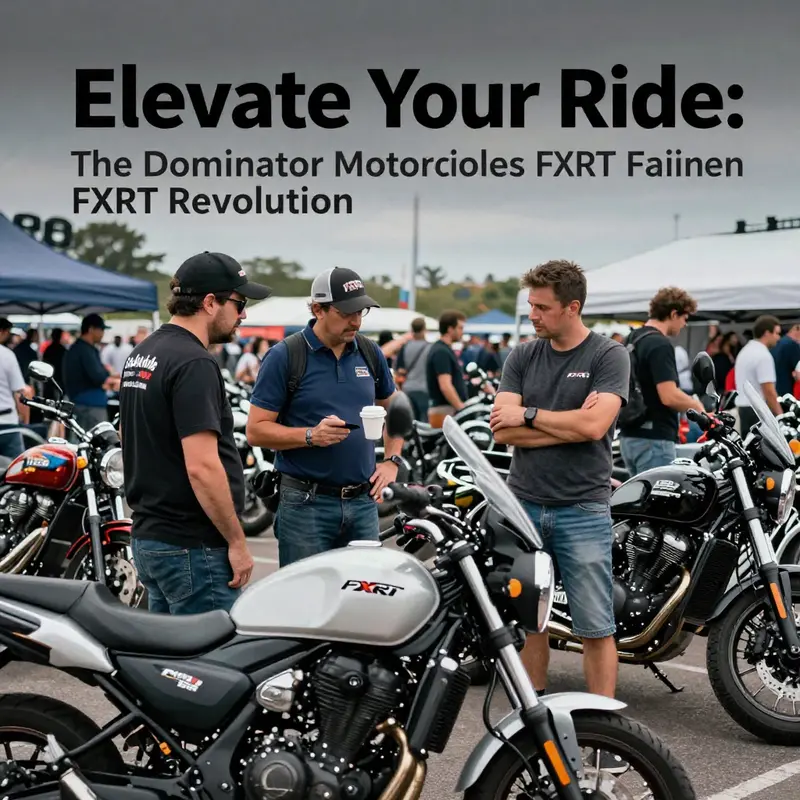
Across the aftermarket motorcycle landscape, a clear shift favors high-quality, retro-inspired fairings that blend look, wind control, and mounting precision. Riders increasingly value components that deliver both aesthetic punch and practical gains, rather than mere cosmetic upgrades. A Dutch-made, glass-fiber fairing built for classic cruiser platforms exemplifies this trend. It is designed to hug the bike’s lines while introducing a sharpened silhouette that invites attention on the road. The combination of precise fit, durable materials, and a premium finish reflects a broader demand for parts that feel engineered rather than improvised. In practice, these pieces are judged not only by how they look but by how they perform at highway speeds and how reliably they align with existing hardware. The conversations that surround these components reveal a community eager to see equipment that respects both form and function, offering an upgrade that feels integrated rather than tacked on. This sense of thoughtful design resonates with riders who view their machine as a long-term companion rather than a temporary showpiece, turning a simple accessory into a meaningful performance cue on the road.
Market signals from retailers and builders reinforce this appetite for premium, aerodynamically aware fairings. Designers emphasize wind deflection as more than comfort—it impacts fatigue, focus, and safety on multi-hour journeys. A well-executed shell can tame the worst gusts and reduce buffeting around the chest and neck, enabling riders to maintain a steadier posture and energy over long stretches. Materials matter as much as artful curves. Durable ABS plastics and fiber-reinforced composites withstand sun exposure, temperature swings, and the occasional mishap in a garage or driveway. The finish is part of the performance story—clean lines, uniform paint lay, and robust sealing create a sense of durability that supports confidence when riders eye the clock and the highway. Buyers increasingly demand transparent documentation: mounting points that align with a specific frame geometry, torque specs for fasteners, and notes about potential adapters or minor frame touches. Companies that publish detailed installation guides and gather verified reviews become trusted guides in a market where the heat of a sunlit afternoon can expose gaps between promise and practicality. The upshot is a premium category that rewards manufacturers who blend technical clarity with aesthetic ambition, turning an upgrade into a durable feature that endures through years of rides and weather.
Community sentiment mirrors these market currents in a way that few other aftermarket segments can claim. The fairing described in this context earns praise for its fit and robustness. Enthusiasts repeatedly highlight how the shell mirrors the bike’s original geometry, creating a more aggressive, factory-like stance without sacrificing ride comfort or control. Riders report noticeably improved wind protection during long days in the saddle, a benefit that translates into less upper-body fatigue and more miles per day. The finish often receives compliments—edges that remain sharp after prolonged exposure to sun and rain, paint that holds without cracking, and a gloss that stays even as the bike ages. These qualitative gains are reinforced by practical observations about appearance: the piece brings a swept, purposeful profile to a platform that rewards clean lines and a cohesive silhouette.
Yet, the community does not shy away from the realities of the installation journey. Several riders describe a path that can be intricate and may require professional installation or frame-related modifications to achieve a clean, secure fit. The process is sometimes longer than a typical bolt-on upgrade, involving careful alignment, shim tricks, or even minor repositioning of nearby components. The time investment is paired with a cost one must weigh against the benefits of wind relief and a striking new look. In forums and build threads, this candid transparency becomes a catalyst for collective learning: owners share mounting tips, note which tools to gather, and post before-and-after photos that document the transformation. The tone across discussions is pragmatic—valuing accuracy and reliability as much as the thrill of a dramatic new appearance. Taken together, the reception paints a picture of a robust market that rewards thoughtful engineering while reminding potential buyers that a high-impact aesthetic often comes with a measured installation process and a careful budgeting of time and resources.
The broader ecosystem surrounding such components further informs market perception. Buyers increasingly evaluate a component not just on its immediate visual impact but on how well it integrates with a range of platforms. This preference for compatibility prompts manufacturers to publish mounting schemes and offer documentation that anticipates common setup paths and potential hurdles. In that sense, the fairing community resembles a collaborative workshop, where builders exchange practical insights about fitment, weathering, and long-term maintenance. The conversation also points toward a diverse spectrum of options that span different eras and design languages. For readers seeking a sense of how design language travels across brands and model lines, it is worth noting how related aftermarket families tackle the same problem from different starting points. To get a broader sense of what’s possible, explore the BMW fairings category. BMW fairings provides a useful cross-section of fit, finish, and engineering choices that illuminate the trade-offs riders consider when upgrading older machines or shifting toward a bolder visual identity.
In sum, the market for retro-inspired, premium fairings continues to mature as riders demand products that deliver a holistic upgrade: better aerodynamics, improved comfort, and a sharper, more assertive appearance. The rider community helps calibrate this market by signaling what works in real-world riding, not just on glossy mockups. The path from concept to road-ready upgrade now depends as much on transparent documentation and credible user feedback as on the visual promise of a new silhouette. As manufacturers respond with better fitment guides, clearer installation steps, and packages that minimize additional parts or modifications, the value proposition becomes clearer: a single, well-executed accessory can redefine the riding experience across miles and seasons.
External resource: https://www.dominatormotorcycles.com
Final thoughts
The Dominator Motorcycles FXRT Fairing presents a compelling enhancement for Harley-Davidson Dyna enthusiasts, combining style with substantial performance benefits. By understanding its design features, ease of installation, and customization options, business owners can effectively position this product within the motorcycle customization market. The positive reception and trends within the community also highlight the fairing’s growing popularity, making it a valuable addition to any motorcycle shop’s offerings.