
The motorcycle industry is continually evolving, driven by increasing demand for customizations and repairs. One critical aspect of motorcycle maintenance that business owners must address is the replacement of fairings. Fairings not only enhance the aesthetic appeal of motorcycles; they also serve vital functions such as aerodynamic efficiency and protection against the elements. Understanding the costs associated with fairing replacement is essential for business owners who want to provide accurate estimates to customers and ensure profitability. This article outlines the various factors affecting fairing replacement costs, detailing the ranges of expenses and installation fees. Each chapter will delve into specific aspects of fairing types, pricing, and installation, allowing business owners to approach fairing replacement with confidence and clarity.
Pricing the Patchwork: A Real-World Guide to Replacing Motorcycle Fairings
Replacing motorcycle fairings is a task that seems straightforward until you start weighing the different paths to get your bike back on the road. The sticker price is only part of the story. A full or partial replacement hinges on a web of choices—type of fairing, material, whether you buy OEM or aftermarket parts, and the make and model of the motorcycle. When you factor in labor, paint, hardware, and potential customization, the cost picture becomes as nuanced as a race-ready chassis. Getting a clear sense of what you’ll spend requires moving beyond a single price tag and mapping out how each decision reshapes the overall budget.
First, the scope of the replacement sets the tone for the price. Fairings come in several configurations: full sets that cover the entire bike, half sets that replace the front or rear sections, and clip-ons or smaller panels that address localized damage. The market has a wide spectrum. New fairing sets can range from roughly two hundred dollars on the low end to well over a thousand dollars for premium or OEM components on high-performance machines. This spread mirrors the quality and origin of the parts. Aftermarket sets, which are commonly designed to fit multiple models or generations, tend to cluster in the $200 to $800 range. They offer a practical blend of cost and functionality for riders who want to restore the look without paying top-dollar OEM prices.
If you gravitate toward OEM parts, the price trajectory shifts upward. Original equipment manufacturer fairings are designed to match exact factory specifications, finish, and fit, which often carries a premium. For many riders with high-end sport bikes or bikes with distinctive bodywork, the OEM option is about more than a perfect fit; it is a guarantee of color match, contour, and mounting hardware compatibility. That precision, however, comes with a higher price, frequently pushing single or full-fairing kits toward the upper end of the spectrum, sometimes into the $800 to $1,000 range or higher for the complete front and side panels. The decision between OEM and aftermarket isn’t just about the sticker price. It often depends on the degree of exact color matching you require, whether you’re chasing pristine showroom aesthetics, or if you’re willing to trade some nuance in exchange for substantial savings.
Those price ranges become more meaningful when you relate them to real-world examples that illustrate both the breadth of options and the constraints of fitment. For instance, a modern front fairing set for a popular Yamaha model on the newer or mid-range spectrum can be priced modestly, with complete sets sometimes landing in the $100 to $150 per part range in certain markets. In other words, a full fairing kit—while still a sizable investment—can present a much more accessible entry point for riders who want a fresh look without breaking the bank. In contrast, a high-performance machine from a premium brand might command higher figures for the same scope, simply due to the engineering and the finish quality that aligns with the bike’s performance expectations.
It’s not just the base price of the fairings that riders need to anticipate. Labor costs for installation are a separate and significant factor. Professional installation is typically quoted in the range of $100 to $300, depending on the complexity of the fit, the shop’s hourly rate, and whether any special tools or procedures are required for removing old panels and mounting new ones. A straightforward swap on a relatively simple model may lean toward the lower end of that band, especially if the rider has some mechanical aptitude and basic tools. But more intricate bikes, those with intricate bodywork or accessibility challenges, can push labor costs toward the higher end. If your replacement involves custom fitting, trial fitting, or extra steps like removing and reapplying fasteners and shield supports, you should anticipate additional labor time. In some cases, a cautious approach that includes minor trimming, alignment checks, and test fitting can add multiple hours to the job, edging the total cost closer to the upper end of the spectrum.
Beyond the parts and labor, there are ancillary costs that can surprise the unwary. Paint matching is a frequent expense when the new panels don’t perfectly align with the bike’s current color or finish. Even when you buy color-matched OEM or aftermarket sets, there can be nuance in shade, gloss, or texture that requires professional paint work or a custom blend. Paint can be priced by the panel or by the bike, depending on the shop’s process. If the bike requires a color that’s unique or requires a multi-stage finish—like metallics, pearlescent coats, or matte/rasp-free textures—the paint bill can rise quickly. Adhesive kits for proper sealant and weatherproofing are another item to factor in, as are fasteners: any damaged screws, bolts, brackets, or mounting hardware that needs replacement will add to the total. In some cases, a common salvage approach is to reuse existing hardware, assuming it’s in good condition and compatible with the new panels, but that’s not always feasible. These smaller line items accumulate, especially for riders who want a factory-like fit and finish or who plan to repaint the entire bike to a new color scheme.
The materials themselves influence price in meaningful ways. ABS plastic remains the workhorse for many aftermarket sets. It is relatively affordable, durable, and easier to work with for paint apps. Carbon fiber fairings, meanwhile, carry a premium rationale rooted in lightness and rigidity. Carbon fiber sets are often lighter, with a distinct tactile and aesthetic appeal, but they can push total costs past the $1,500 mark when you consider both the panels and the required labor for shaping or finishing. Carbon fiber needs careful finishing, as its unique weave and resin characteristics can demand specialized preparation. For riders who chase track readiness or a more aggressive aesthetic, the carbon route may be worth the extra investment; for daily riders, the toughness-to-cost balance of ABS or other plastics is typically more appealing.
In the broader marketplace, the availability and timing of parts also impact cost. OEM or limited-edition sets may be scarce or backordered, especially for older or discontinued models. When demand outpaces supply, prices can creep upward and delivery times can extend, sometimes turning a planned weekend repair into a wait-and-see exercise. Conversely, the aftermarket sector often provides more immediate access to a range of panels, sometimes with quicker shipping or alternate color options, but with variability in fit and finish across manufacturers. In short, availability can tilt the value equation in favor of aftermarket parts or, for some, toward OEM sets that guarantee exact compatibility.
To navigate these choices effectively, riders benefit from careful planning and due diligence. The core goal is to align cost with expected outcome: how close the finished result will resemble the bike’s original look and how robust the installation will be over time. A practical approach starts with a clear assessment of the bike’s current condition, the nature of the damage, and the rider’s priorities. If the damage is localized to a single panel, a partial replacement can be a smart strategy; the cost is often far more manageable than replacing a full suite. If the damage is widespread or if the bike is a showpiece or a model whose value hinges on pristine bodywork, a full fairing kit with careful color matching and finishing may be the most economical choice in the long run, simply because it minimizes ongoing touch-ups and mismatches.
Another factor involves the decision to assemble the kit yourself or to work with a shop that offers a complete service, including fitment and finishing. DIY assembly may substantially reduce labor costs, but it requires the right tools, mechanical confidence, and a careful eye for alignment. It can also leave you with a less polished result if the panels don’t seat perfectly or if gaps and seams reveal themselves after a test ride. Shops, on the other hand, optimize the fit and finish but charge for the expertise. A balanced plan might involve sourcing the parts yourself while paying a professional for the final fit and touch-up work. In this hybrid path, buyers can often strike an ideal balance between cost and quality, leveraging aftermarket parts for affordability while preserving professional alignment and aesthetic quality where it matters most.
What does this mean for the typical rider budgeting for a fairing replacement? It means building a price envelope that accommodates the variability described above. If you’re replacing a standard full fairing on an everyday motorcycle, anticipate a total in the vicinity of $300 to $800 for the parts and labor, assuming average speeds and typical color matching needs. This aligns with a common industry snapshot that a 2026 source references as a baseline. For riders who demand OEM-level fidelity or who own higher-end sport bikes with intricate bodywork, the overall cost can easily approach $1,000 or more for the set alone, with labor and painting potentially doubling that figure depending on the complexity and the shop’s rates. If you’re considering more specialized materials or custom finishes—like carbon fiber panels integrated with unique textures or logos—the total could exceed $1,500 once all factors are accounted for. These figures aren’t just abstractions; they reflect how shops structure pricing around the physical demands of installation, the precision required for aerodynamics and fit, and the color work needed to preserve or regenerate the bike’s signature appearance.
A practical path to budgeting begins with a solid research phase. Prospective buyers should verify compatibility with their exact motorcycle model and year before making a purchase. Compatibility isn’t just about a model name; it’s about generation differences, mounting points, wiring, and sub-frame interfaces that can differ even within a single model line. Real-time listings from reputable retailers or marketplaces can be invaluable here, letting you compare prices across various vendors and gauge whether a given set aligns with your bike’s year and trim level. It’s sensible to cross-check the panel count and the precise panel shapes with the shop or supplier; a misfit can trigger additional modifications, repainting, or even the need for return logistics that complicate the project and inflate costs.
For riders who want a clearer sense of options before committing, there are authoritative catalogs and retailers that organize fairings by make and model. A chapter-worthy reminder is to explore model-specific selections like those available for common brands and to use compatibility filters that many retailers provide. When you land on a potential set, read the listing closely for notes on fitment changes across generations, included hardware, and whether the price covers any mounting brackets or only the outer shells. It’s easy to underestimate how much hardware or brackets can cost, and those items sometimes aren’t included in the initial price. If in doubt, consult with a technician or a shop that specializes in your model to confirm what’s included and what remains to be procured separately. This due diligence can save a surprising amount of time and money in the long run.
As part of the decision-making process, the broader marketplace can offer insights into pricing dynamics beyond the sticker price. Platforms that aggregate listings and compare vendors give a sense of prevailing market rates and help you identify the most cost-effective combinations of parts and services for a given model. If you’re exploring real-time options, it can be useful to note how different regions price parts and how shipping charges factor into the total. In some cases, a seemingly expensive OEM kit can become a competitive choice when you factor in the cost of paint, installation time, and the quality of the finish you require. In others, a robust aftermarket set may deliver the right balance of appearance, performance, and affordability for a commuter bike or a weekend warrior.
The psychology of replacement is worth considering, too. A rider’s willingness to pay for cosmetic perfection varies widely. Some want a perfect, factory-like appearance that suggests meticulous maintenance, while others are content with a new look that is visually convincing but not an exact match in every shade and texture. Both goals have legitimate value, and each shapes the overall budget differently. Aesthetics aside, it’s essential to preserve integrity and safety: properly installed fairings protect the rider and the bike in the event of a minor crash by channeling air correctly and protecting internal components. That safety-minded view often justifies investing in higher-quality panels or professional installation to ensure that the fairings don’t shift or rattle during high-speed riding, which could degrade handling over time.
In the end, cost is the product of choices and the alignment of expectations with reality. The numbers—roughly $200 to $1,000 for the fairing set itself, $100 to $300 for installation, plus paint, hardware, and possible add-ons—form a framework you can use to build a precise estimate for your bike. If your plan includes a color refresh or a complete aesthetic overhaul, factor in paint and finish costs accordingly. If you aim for a quick restoration with decent visual fidelity, aftermarket parts coupled with professional mounting can deliver a solid result while staying within a sensible budget. The key is to begin with a clear assessment of the scope, then compare compatible options across OEM and aftermarket providers, and finally set aside a contingency for paint and hardware—two areas that frequently surprise budget-minded riders with their impact on total cost.
For those who want a practical starting point, consider compiling a short list of compatible sets for your exact model and year, then request quotes that itemize the parts, labor, paint, and any required hardware. This approach yields apples-to-apples comparisons that illuminate where you can save and where you should invest. It’s also wise to ask about any included warranty or return policy, since the robustness of a setup often correlates with how a vendor stands behind its components. A fairing replacement, though primarily cosmetic, is a repair that touches the bike’s aerodynamics, protection, and even resale value. Approaching it with a methodical plan helps ensure your investment yields lasting satisfaction and a ride that feels like new again.
If you want to see model-specific options and how they’re grouped for quick reference, you can explore category pages that curate fairings by brand and model line. For example, riders may browse the Yamaha fairings catalog to identify sets that match their bike’s precise generation. This kind of resource can serve as a practical starting point to gauge what’s realistically available, what prices look like for your model, and how different finish options compare in terms of cost and fit. Yamaha fairings collection
In sum, replacing motorcycle fairings is a project that blends engineering, aesthetics, and negotiation. It demands a clear understanding of how your choices affect a six-figure sum of a typical weekend repair budget or a more modest outlay for a commuter bike. The lines between affordable and premium are shaped by the type of fairing, the material, the choice between OEM and aftermarket, and the level of finish you require. The more you plan, the more accurately you can predict the total cost and time to completion, and the better you’ll be at avoiding surprises that derail a project midstream. As long as you verify model compatibility, account for labor and paint, and weigh the long-term value of OEM versus aftermarket options, you’ll emerge with a fairing replacement that not only revives the look of your bike but also preserves its performance, protection, and pride of ownership.
External resource for broader listings and guidance: https://www.cycleworld.com/parts-finder/
Beyond the Panels: Unpacking Types of Motorcycle Fairings and What Replacing Them Really Costs
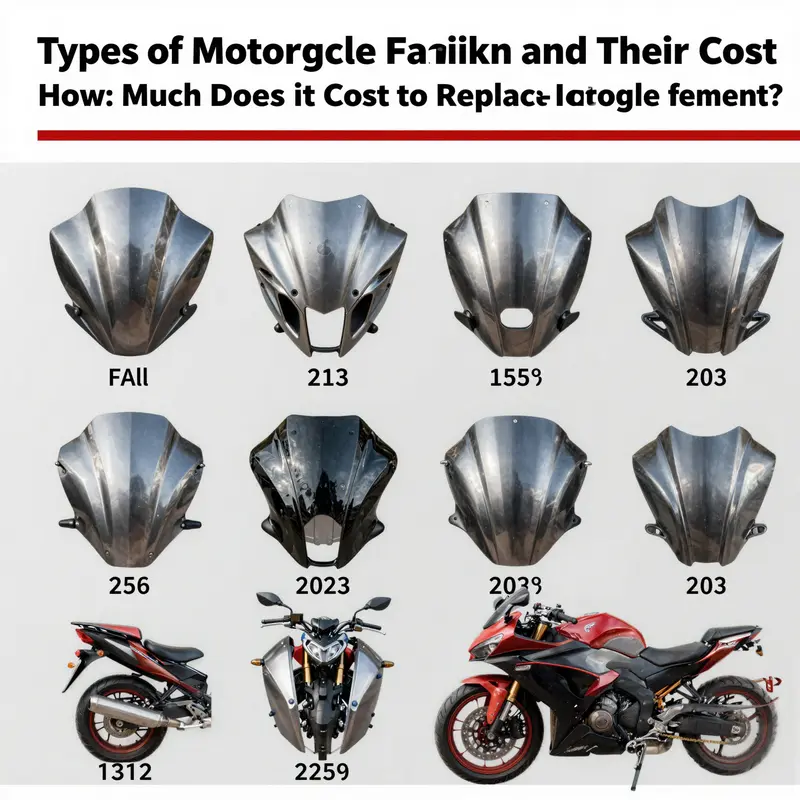
Replacing motorcycle fairings is as much a finance question as it is a fit-and-finish project. The cost landscape bends around what kind of shell you choose, what materials go into it, and how precise the installation needs to be to preserve performance and safety. Far from a single price point, the decision map runs from practical, affordable replacements to premium, purpose-built configurations. The first step is to understand the typology of fairings themselves. Fairings are not mere cosmetic shells; they influence aerodynamics, rider protection, engine cooling, and even handling characteristics at speed. The type you select will shape the required labor, the finish work, and the long-term durability of the bike’s bodywork, so a thoughtful approach matters as much as the sticker price. In broad terms, riders tend to group fairings into three broad families: full fairings that enclose the front and much of the sides, half fairings that focus on the upper front and a portion of the sides, and tail or rear fairings that sculpt the back end of the machine. Each family serves distinct goals. Full fairings maximize wind protection and contribute the most to aerodynamics, but they come with higher costs both in purchase and in potential repainting and alignment work. Half fairings offer a lighter footprint, faster installation in many cases, and a more aggressive look, yet they may require additional work to protect the exposed engine or lower frame and to preserve a coherent color story across the bike. Tail fairings can refresh the bike’s silhouette and sometimes improve rear airflow, but they generally represent a smaller portion of the overall spend unless they’re bundled into an all-in-one kit designed for a complete makeover. For many riders, the decision hinges on how much of the bike they want to cover and how much performance emphasis they place on shaping the airflow around the rider and the machine. The practical consequences of this choice ripple through the total cost, with full kits often occupying the upper end of the price spectrum and partial kits offering a way to refresh the look with a lighter investment.
When it comes to material and construction, the spectrum mirrors the range of prices. Basic injection-molded plastic fairings are the mainstream option. They provide durability that suits daily riding and weekend track sessions without breaking the bank, and they align with a wide variety of bike models. Typical ranges for these injection-molded sets sit around two hundred dollars up to roughly five hundred dollars, depending on how complete the kit is and whether it includes the necessary mounting hardware. In many markets, some suppliers sweeten the deal by including free shipping, which can tilt the perceived value in a buyer’s favor. The practical takeaway is that this tier delivers reasonable aesthetics, dependable fitment for common models, and a straightforward path back to the road after a mishap, especially when you’re not chasing perfect color matching across every panel.
Above the entry-level tier lies the premium category, a tier that is often defined by materials and customization. Carbon fiber and other advanced composites can push the price well beyond the standard range, reflecting a lighter weight, increased stiffness, and a finish that some riders associate with serious performance or show-quality aesthetics. It is not unusual for tailored, high-end sets to command prices that reflect their engineering pedigree, specialized layups, and the craftsmanship involved in hand-finished work. For most riders, this level of investment is a decision tied to performance goals and long-term ownership plans rather than a quick fix after a minor dent. The takeaway here is that material choice and customization dramatically alter the cost, and it’s important to balance the desire for weight savings and visual impact with the practical realities of the bike’s use, the rider’s expectations, and the maintenance cycle.
A separate, crucial dimension is the type of OEM versus aftermarket parts you source. OEM fairings are designed to match the exact factory geometry and finish, which often translates to a higher price. Aftermarket sets can achieve substantial savings, but they may require more labor to achieve perfect alignment, ensure proper sealing, and obtain a color match that suits the rest of the paintwork. The labor component is not simply the act of mounting; it encompasses bracket alignment, grommet replacements, and sometimes adjustments to latching mechanisms. A misaligned panel can create wind noise, vibration, and gaps that undermine both appearance and performance. For this reason, many riders budget for professional painting and finishing even when the shell itself is a bargain, because paint quality directly affects both the bike’s resale value and its exterior durability against chips and UV exposure.
As with any repair or upgrade, there are concrete price anchors that help situate a replacement in practical terms. Basic front or full fairing kits for a common mid-range bike are often quoted in the three-figure to five-hundred-dollar band, depending on completeness, color options, and whether free shipping is offered by the supplier. In a more specialized inspection, a front fairing set for a mid-range model can appear around the low three figures in FOB terms, illustrating that initial purchase costs can be surprisingly accessible if you are willing to source aftermarket components. For example, a typical full ABS body kit designed for a mid-2000s sport-class machine might be priced within roughly two hundred to five hundred dollars, with some listings including free shipping as a convenience and cost saver. This illustrates the practical truth: for many riders, the entry point for a full replacement sits in a price range that is approachable but still demands careful selection to ensure fitment and finish meet expectations.
Yet even these numbers do not capture the entire story. Many riders discover that the “all-in” cost often embraces additional line items such as painting, clear coat protection, and sometimes minor bodywork or panel adjustments to ensure a seamless look across the entire bike. A paint job, in particular, can be a non-trivial line item that adds value to the final appearance and durability. The better the color matching across multiple panels, the more cohesive and resilient the finish tends to be, particularly in climates with varying sun exposure and road salt. The labor for painting, curing, and final polishing can run weeks and dollars, especially if the project requires multiple coats and a meticulous blend to avoid shade mismatches between panels. In practice, even when you start with a modest shell, you may want to reserve a portion of the budget for finish work that preserves the aesthetic integrity of the bike for several years.
For some riders, the total cost takes on a different dimension when installation complexity and time are counted as a currency of their own. A straightforward replacement you can complete with standard tools and a methodical approach is very different from a project that requires dramatic realignment, new brackets, or a complete repaint of the entire surface. The labor component, therefore, is a real hinge point. If you plan to do the work yourself, you may save on the labor portion, but you should still factor in the time, the necessity for proper torque sequences on mounting points, and the risk of misalignment if you lack the right mounting hardware. If you hire professionals, you should anticipate a multi-hour job, plus the possibility of a follow-up visit for adjustments after the paint has cured. The result is not only a more precise fit but also a finish that stands up to stone chips and UV degradation far better than a hurried, DIY paint job could achieve. The bottom line is straightforward: your total outlay will be the sum of the shell, the hardware, the paint, and the labor, all scaled to the bike’s model, your chosen materials, and the desired level of finish.
As you navigate the price landscape, it helps to set expectations about what constitutes a good deal. A bargain front-fairing kit priced around the low three figures can be a tempting entry point, especially if you are replacing a damaged panel on a bike that you plan to ride rather than display. However, you should be aware that some lower-cost options may require more labor, have less consistent color matching, or lack the exact fit that a perfect OEM replica would offer. Conversely, a more premium package might promise a tighter fit and a higher-quality surface, but you should weigh that potential payoff against your riding plans, the bike’s age, and how long you intend to keep the machine in this configuration. The practical method is to map your goals—restoration, daily rider, or performance brief—and to estimate the total cost of ownership including the finishing touches. If you’re aiming for a look that mirrors the factory finish, and you want minimal future headaches, the combination of a precise shell with meticulous painting and a careful installation plan often delivers the best long-term value.
A final layer of realism comes from how markets operate and how sellers present options. Real-time listings across platforms can reflect shifts in price tied to supply chain conditions, seasonal demand, and regional shipping costs. The market offers a spectrum of choices, from affordable, entry-level shells to fully engineered, high-performance packages. For a reader looking to anchor expectations, it’s helpful to consider a few representative benchmarks within this spectrum. A basic, robust front-fairing kit for a common mid-size bike can sit in a price neighborhood that makes replacement accessible to many riders. A more comprehensive ABS kit, designed to deliver a more complete aerodynamic shell and to handle the rigors of track or aggressive street riding, anchors the upper portion of the budget. In this truth lies the practical rule of thumb: price often maps to the breadth of coverage, fit accuracy, and the finish you desire, rather than representing a single universal cost to replace fairings. That is why the best approach is to treat the cost as a tiered ladder rather than a single rung, and to plan your purchase around fit, finish, and long-term durability as much as around the initial price tag.
To bring a concrete sense of what this means for planning, remember that the lowest price entry point is typically a basic ABS or basic injection-molded full or partial kit, while the highest realistic costs appear when you pursue premium materials, meticulous painting, and a precise, model-specific fit. This is not merely about the shell; it’s about how the shell integrates with brackets, seals, and the mounting hardware that holds the whole assembly in place, as well as how the color story across all panels is controlled. The practical upshot for a rider planning replacement is to start with the type that best matches the intended use, then confirm compatibility, and finally budget for the finishing touches. It’s also worth noting that genuine replacement parts may not always be necessary; a well-matched aftermarket shell can deliver nearly identical aesthetics and aerodynamics at a lower price, provided you invest in the right supporting services, such as paint, polish, and proper alignment. If you want a sense of the market’s breadth and you’re curious about the kinds of catalog options that exist for a given bike family, you can browse the Suzuki fairings collection, which offers a direct route to the core choices riders tend to encounter when replacing or upgrading their shells: Suzuki fairings.
For readers who want to explore even broader market options and compare how different suppliers present the value proposition of their shells, an external resource can provide a snapshot of the global marketplace. The following listing illustrates a typical full-fairings offering in an online platform that ships internationally and includes a variety of fitment options, colorways, and price tiers: https://www.alibaba.com/product-detail/Motorcycle-Full-Fairings-for-sale_1600652783768.html
In summary, the cost of replacing motorcycle fairings is a spectrum rather than a fixed number. It is shaped by the fairing type—full, half, or tail—the materials used, whether the parts are OEM or aftermarket, and the amount of labor and finishing work required to achieve a clean, durable result. The practical budgeting framework recognizes entry-level affordability on one end and premium, bespoke performance on the other, with color matching, paint quality, and exact model compatibility acting as the critical modifiers in between. By approaching the decision with a clear sense of the bike’s purpose and a realistic appraisal of the total cost of ownership—shell, hardware, labor, and finish—riders can navigate replacement with confidence. The goal is to restore or elevate the bike’s silhouette and performance while keeping a responsible leash on cost, time, and expectations for longevity. The journey from panel to panorama is more than a price tag; it’s a careful orchestration of design intent, material science, and practical mechanics that together determine the true value of replacing motorcycle fairings.
Riding the Ledger: Navigating Installation Costs When Replacing Motorcycle Fairings
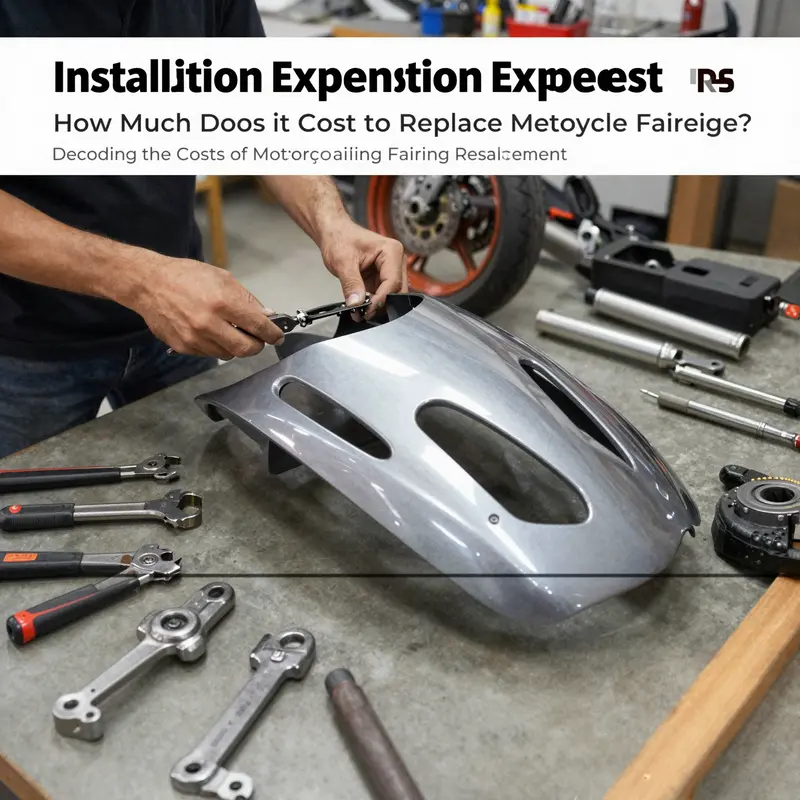
Replacing motorcycle fairings is more than a cosmetic upgrade or a crash repair. It is a financial decision that blends the price of parts with the labor and finishing work needed to restore a clean, functional silhouette to the bike. For riders who want a fairing rebuild that preserves value and performance, the total cost becomes a function of choices made early in the process. The part you select, the model in question, and the shop you trust to do the job all shape the final figure. In the early part of 2026, the market presents a clear spectrum. On one end sits the cost-conscious path of aftermarket fairings, where a complete set can be found for a few hundred dollars. On the other end sit OEM fairings, which promise exact factory fit and finish but can exceed a thousand dollars for a full set. The labor to install them adds another layer, and that price can swing with the bike’s design complexity and the technician’s rate. This chapter stitches together these threads to offer a practical sense of what owners should expect when they set out to replace fairings and why the numbers matter not only in the moment but as part of a longer ride with the machine.
The first anchor in this cost landscape is the choice between aftermarket and OEM parts. Aftermarket fairings are widely available and designed to mimic the look and shape of the original pieces, often using durable plastic or fiberglass. They tend to deliver the best value for most riders who want a refreshed appearance or repair after a cosmetic incident. The typical price range for a complete aftermarket set is around three hundred to eight hundred dollars, depending on the bike, the finish, and whether the set includes all panels or just major pieces. It is common for aftermarket front or midsection sets to be sold individually or as partial kits as well, which can affect the overall sticker price if your bike needs a partial replacement rather than a full shell. A key point here is that these prices refer to the fairing components themselves; you should budget separately for installation, finish work, and possible hardware replacement. For instance, a new front fairing set for a popular modern scooter might be priced at roughly one hundred twenty to one hundred thirty dollars per set, FOB, illustrating how modest a portion of the total bill the raw part can sometimes be. In sport bike segments, full fairings for certain models can be found in the two hundred to five hundred dollar range for ABS body kits, with the final cost climbing only when you add fasteners, mounting hardware, and shipping into the equation.
When you step into OEM territory, the price ladder rises noticeably. OEM fairings aim for the exact fit and factory surface finish, which means they often carry a premium not just for the part itself but for the assurances that it aligns with the bike’s build tolerances and design specifications. For a complete OEM fairing set, typical estimates can exceed one thousand dollars, and depending on the motorcycle and the year, that number can rise further if you require color matching, decals from the original design, or special finishes. The higher price reflects the precision engineering that goes into factory components, the potential for better long-term resell value, and the assurance that every mounting point is in its intended location. It is worth noting that some OEM prices can drop if a shop acquires used but undamaged fairings, though the tradeoffs in finish quality and compatibility with newer bodywork remain a factor to weigh.
Beyond the parts themselves lies the work of installation, which is rarely a silent part of the bill. Labor costs for this kind of job can span a broad range, from roughly one hundred fifty to four hundred dollars, depending on where you live and the shop you select. A few variables drive that spread. The overall complexity of the bike’s design matters: a straightforward naked or sport bike with a relatively simple fairing layout will usually be quicker to fit than a model with intricate mounting points, integrated lights, or sensitive electronics housed within the panels. If the fairings include or must integrate lighting harnesses, wiring, or sensors, the installation can extend the time required and thus the labor cost. The labor figure also reflects the shop’s hourly rate, which tends to be higher in urban areas or at specialists with a reputation for precision work. When a fairing set needs custom fitting, trimming, or adjustments to align with the frame or subframe, you can easily see the labor push toward the higher end of the spectrum.
Painting and finishing steps, while technically separate from the act of bolting fairings on, are often part of the total outlay for a full replacement. In a best-case scenario, you swap the panels, fit them, and call it done, but most riders choose to repaint or touch up to ensure color consistency across all pieces. This adds cost and time, sometimes doubling the finishing work. A common approach is to have the shop primer, sand, and paint the new panels to match the existing color, followed by a clear coat to seal the finish. If you want decals or a custom livery, plan for additional costs, since these are specialized tasks that demand a careful hand and sometimes a production-grade color match. It is here that the price delta between aftermarket and OEM starts to show more clearly. OEM kits may come with a finish that requires less paint work to achieve factory appearance, while aftermarket shells can demand more extensive painting to blend with the rest of the bike’s look.
The practical reality is that most riders will see a total price range that sits roughly in the middle when you consider both parts and labor: a typical installed cost for a complete fairing replacement often lands in the neighborhood of four hundred fifty to about one thousand two hundred dollars, depending on the exact model, the chosen parts, and the scope of finishing work. If you opt for OEM components only, the all-in figure can tip past the thousand-dollar mark, especially when you account for color matching and decals. If you opt for aftermarket parts with basic finishing, you might stay nearer the lower end of the spectrum, yet you still should budget for painting and mounting labor to ensure the new panels sit cleanly against the bike’s chassis.
A number of additional considerations can nudge the final figure in either direction. Shipping costs for the panels, especially for large full fairing sets, can add modestly to the bill. Some retailers offer free shipping on higher-ticket orders, and that can change the relative value of a given choice. Hardware is another piece of the equation. A fairing replacement often requires new fasteners, brackets, and sometimes rubber grommets or mounts if the old pieces are damaged or worn. The cost of these small but essential components is typically small compared to the price of the panels themselves, but the cumulative effect of replacing several pieces can be noticeable. The possibility of a paint job expands the timeline, too. If the shop needs to stage the bike or hold the bike for several days to complete a paint sequence, you may incur storage fees or a longer animation of the project window. All of these factors reinforce why a simple line item in a parts catalog is rarely a reliable predictor of what you will actually pay once the job lands in the shop’s queue.
Compatibility across models is a practical concern that deserves careful attention. Fairings are designed to fit within specific frame geometries and mounting points. While aftermarket sets are broadly compatible with many generations, some bikes require unique attachment points or undertray configurations, and licensing or warranty concerns can apply to certain manufacturers. If you have a crash-damaged chassis, assessing whether structural alignment is affected becomes part of the diagnostic process, potentially adding time and cost to the labor estimate. It is wise to verify compatibility with the exact make, model, and year before purchase. A quick check with the seller or a trusted mechanic can prevent the mismatch that leads to frustrating returns and rework.
The process of deciding comes down to a balance between fit, finish, and future maintenance considerations. If you ride a modern sport bike with sophisticated air management, wind protection, or integrated electronics, you might lean toward OEM components for the predictability of fit and the potential for better long-term stability. If you ride a model where aftermarket options have matured and pricing is more favorable, you may opt for aftermarket panels with an eye toward quick cosmetics and lower upfront costs. In either case, a clear plan helps prevent sticker shock. Start with a careful inventory of the panels you need, a reliable estimate from a reputable shop, and a concrete timeline for finishing work. Make a list of what is included in the labor charge, including any required disassembly, panel alignment, wiring work, mounting hardware replacement, and paint preparation. If you can, secure a bundled estimate that includes both parts and labor, so you can compare apples to apples rather than chasing a string of line items that only tell part of the story.
For riders who want a model-specific sense of what to expect, it helps to consult catalogs that segment fairing options by model family. For example, when dealing with a Suzuki GSXR family bike, there are full fairing kits that range in price and finish and a well-established pattern of availability across years. To explore model-specific options, you can browse the GSXR fairings catalog. This resource often reflects the practical reality that one model can require a precise combination of panels and mounts to achieve a clean, secure fit, and it underscores how a careful parts choice communicates with a shop’s ability to deliver a polished result. The takeaway is simple: the better you understand the particular needs of your bike, the more accurate your cost picture becomes, and the more likely you are to avoid surprises once the work begins.
As you finish building your cost picture, remember that timing matters as much as price. If you rush a replacement, you may miss critical checks for wiring harness compatibility, sensor alignment, and the potential need for reprogramming or recalibration after installation. A thoughtful approach allows the mechanic to verify that the panels align perfectly with the bike’s body lines, that gaps and seals seal as intended to prevent wind noise and water intrusion, and that the paint finish will endure through longer exposure to sun and road grime. The goal is not merely to replace parts but to restore the ride’s integrity and the machine’s profile, so the investment translates into reliable performance and a satisfying return on appearance.
For readers who want to deepen their understanding of the broader considerations that shape fairing replacement, a well-regarded resource compiles practical guidance on what to look for, what to avoid, and how to plan a project that balances aesthetics, fit, and durability. External reference: BikeExif offers a comprehensive guide on fairing replacement that delves into the practicalities, from choosing aftermarket versus OEM to navigating compatibility and finish choices. You can explore that guide at the end of this chapter for a broader perspective on the process and common pitfalls. To see model-specific parts and catalogs in action, you can also examine model-aligned offerings in a dedicated fairings catalog such as the GSXR section linked here: GSXR fairings catalog.
In sum, the cost to replace motorcycle fairings is not a single number but a spectrum shaped by part type, material, finish, and the labor required for proper fit and finish. Buyers who clearly map out the parts they want, confirm compatibility with their bike, and secure a transparent estimate from a shop are far more likely to avoid sticker shock and arrive at a repair or upgrade that preserves both the bike’s performance and its visual appeal. The middle ground—aftermarket sets with careful mounting, paint matching, and precise alignment—often delivers the best balance of value and quality for most riders. But when fit and finish demand factory-grade precision, the path to OEM is worth the extra cost, as long as the buyer understands the full scope of the work ahead. For those who want a deeper dive into the process and the decision points, the external resource cited above provides a broader framework for evaluating options and planning a successful replacement.
External reference: BikeExif has a detailed, practical guide on fairing replacement that covers the decision-making process, installation considerations, and tips for avoiding common mistakes. Access it here: BikeExif fairing replacement guide
Final thoughts
Understanding the costs related to motorcycle fairing replacement is crucial for business owners looking to navigate this essential aspect of motorcycle maintenance. By analyzing pricing factors, the types of fairings, and installation expenses, business owners can present well-informed estimates to customers, ultimately enhancing service and profitability. Keeping abreast of these details not only aids in competitive pricing but also strengthens trust between businesses and their clientele. Therefore, investing time in understanding these costs will lead to better service and could result in increased loyalty and repeat business.