
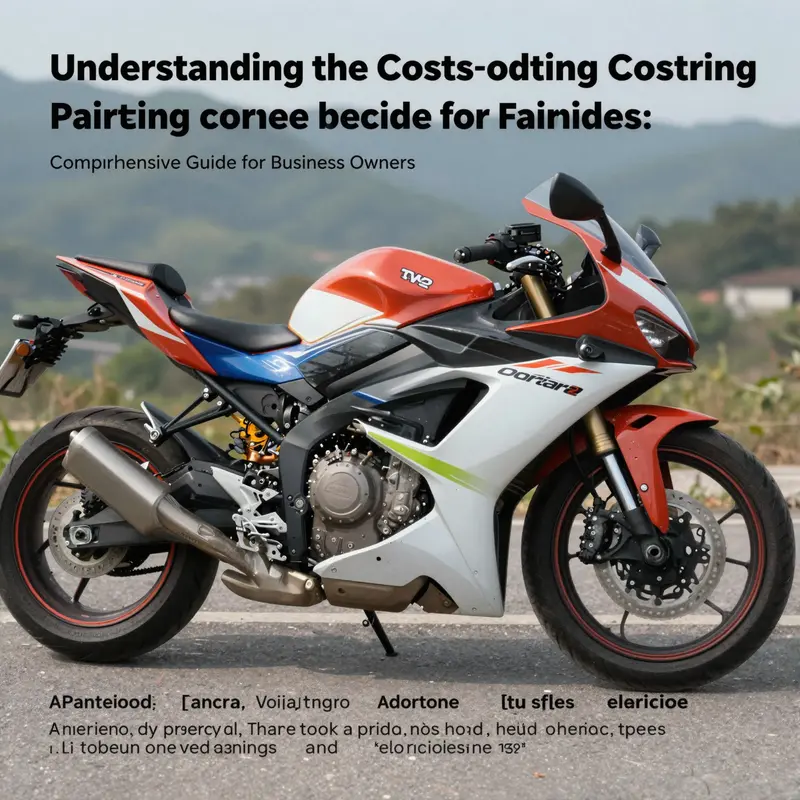
The motorcycle industry is competitive, and presentation plays a crucial role in attracting customers. One of the key aspects that can dramatically enhance the appeal of a motorcycle is its fairings. However, painting motorcycle fairings involves various costs and considerations that can impact a business’s bottom line. Understanding these costs is essential for business owners who either provide painting services or want to guide their customers effectively. This guide will explore the expenses associated with professional painting, the DIY approach, factors affecting the cost, and where to source reliable quotes. Each chapter is designed to equip you with the knowledge necessary to navigate these costs confidently.
Color, Craft, and Coin: Unraveling the Real Budget for Motorcycle Fairing Paint Jobs
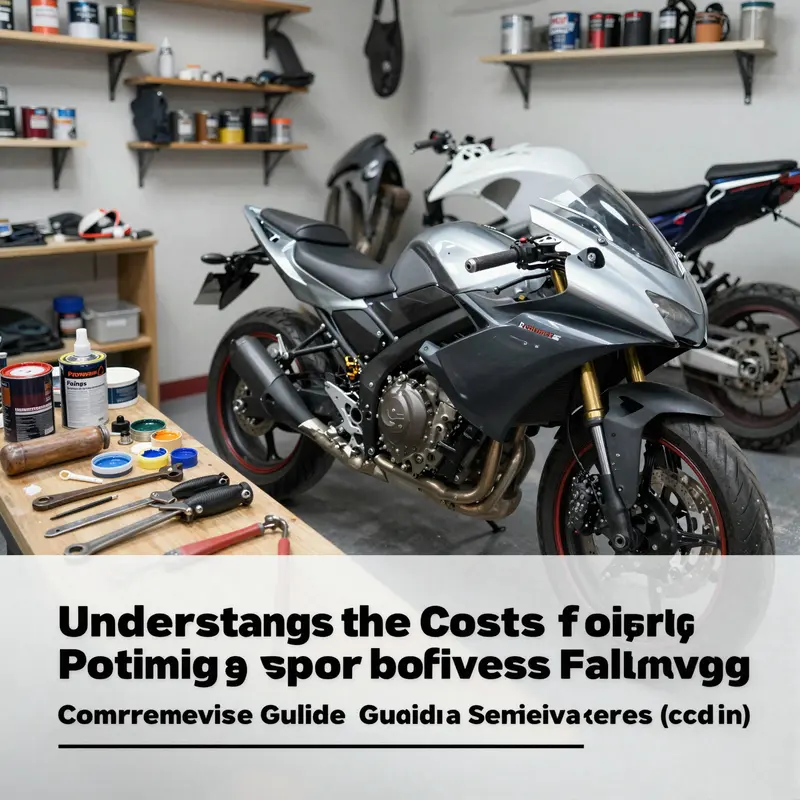
Painting motorcycle fairings is usually a project that sits at the crossroads of aesthetics, protection, and budget. The fairings are among the first things people notice on a bike, and the cost to refresh their look can be surprising in its range. The numbers you’ll encounter are not random; they reflect the choices you make about finish quality, design complexity, and whether you’re turning a weekend project into a professional showcase or simply giving your bike a clean, durable color. In practice, the price you pay for painting fairings starts with a few clear forks, each tied to a different set of expectations about durability, appearance, and time. Understanding these forks helps riders align their dreams with a realistic budget, so that the result not only looks good but also stands up to riding conditions, weather, and the inevitable minor scrapes that come with life on two wheels. The journey from a simple color change to a high-end custom finish is less a single leap than a careful series of steps, with costs accumulating as the scope expands.
Begin with the most fundamental distinction: DIY versus professional painting. Doing it yourself keeps the price within reach, but it also demands equipment, skill, and a fair amount of time. On the materials side, a DIY kit or bulk purchases for primers, base coats, and clear coats can bring you into the range of roughly $100 to $300. This bracket covers the essentials—sandpaper and body filler to restore a surface, primer to promote adhesion, base color, a clear top coat for protection, some masking supplies, and a spray gun or gun adapter. It’s not simply about picking a color; it’s about committing to a process that includes meticulous surface preparation and multiple curing steps. Safety gear is essential too, including a respirator, gloves, and eye protection. The cost is real, but so is the time investment. Those who’ve tackled this as a DIY project often learn the hard way that even small mistakes in prep or application become expensive and time-consuming fixes later.
If you opt for a professional shop, the table of values shifts dramatically—but so does the quality of the outcome. For a straightforward, single-color repaint, you’ll often see base pricing in the neighborhood of $350 to $600. This reflects surface preparation, priming, color application, and a clear coat that seals and glosses the finish. The simplest jobs still demand careful prep: removing what’s on the fairings, addressing any residual damage or scratches, and ensuring the surface is smooth enough for even color coverage. The number may creep higher if the fairings are large, complex, or in unusually poor condition. When a shop is asked to repaint a fairing that’s part of a set, or if the bike is a newer model with tight tolerances, you may see the quote inch toward the $600 to $800 band even for a basic color change.
Beyond the basics, the real price hinges on the scope of customization. A blanket color change remains within reach—think of it as a clean, durable shell that looks sharp because of alignment and finish. But if you want something that turns heads, the budget changes. Custom designs, intricate airbrushing, and graphic work push you into the $800 to $1,500 range, and then upward from there. Airbrushed details, hand-painted metallics, pearlescent layers, or color-shifting effects require more time, more layers of careful curing, and a more expensive palette of paints. The result can be stunning, with depth and nuance that a solid color cannot match. It’s not unusual for premium shops to exceed $2,000 for full, high-end customization, especially if the project includes multiple colors, chrome accents, or specialty finishes. A few boutique outfits will offer even higher price points for limited-edition looks or ultra-premium materials, but the average rider’s needs are typically satisfied within the ranges just described.
A parallel path to a striking look is a full vinyl wrap on the fairings. Wraps can be a powerful way to achieve bold designs, matte textures, carbon fiber aesthetics, or even chrome-like finishes without the labor of airbrushing. Professionally applied wraps for an entire set of fairings generally start around $800 and can climb past $1,500, depending on the intricacy of the design, the number of pieces involved, and the quality of the film. Premium films with specialized finishes—such as chrome, mirrored, or high-gloss carbon look—can push the price higher, approaching or surpassing the $2,000 mark. The wrap route offers advantages in some scenarios: quick color changes when the rider wants a temporary vibe or a non-permanent option when a finish is particularly challenging to apply with traditional paints. The downside is that wraps can be less forgiving of edge damage and may require replacement if the fairings suffer heavy impacts or abrasion. For many riders, a hybrid approach makes sense: a solid base color through traditional painting for durability, with accent graphics or a few bold elements added via wrap or airbrushed highlights.
Finish quality matters, too. Metallics, pearls, or color-shifting paints add a layer of complexity that justifies a higher price. Metallics can obscure dust or imperfections if not applied with care, and pearl formulas demand precise layering to maintain color depth. Color-shifting finishes, which seem to change hue as light moves across the surface, require even more exacting control in application and curing. Each of these choices adds roughly $150 to $400 to the base price, but the impact on the final appearance can be dramatic. It’s a small difference in material cost for a markedly different visual payoff, which is why many riders treat these finishes as a premium upgrade rather than a standard option.
In most shops, there are additional services that can surprise a buyer when they’re not anticipated. Some repairs—such as filling in dents or deep scratches—are priced separately, often in the $75 to $200 range per repair. When fairings are removed for painting, there is often a separate charge for fitting and alignment, which might run $50 to $100, because the work involves reassembling parts to exact tolerances after the paint has cured. Removal and reinstallation of fairings may be included in a package, but some shops itemize it as a separate fee of $100 to $200. It’s a reminder that the final price is not just about color; it’s about achieving a seamless, secure fit when the paint adds a layer of thickness to joints or mounting points.
Location also nudges the numbers. Urban areas and regions with a high cost of living typically show higher labor rates, which translates into higher quotes for the same service. A shop with a reputation for meticulous prep work and flawless color matching can command premium pricing, particularly if its client base includes riders who show off their bikes in public events or showrooms. In these cases, the trade-off is straightforward: you pay a bit more now for a finish that’s expected to hold up visually and structurally over time, with minimal need for revisits. Conversely, smaller shops or those in more rural settings might offer lower prices but with shorter guarantee periods or more limited options for finishes.
Factors such as the fairing’s condition at the outset should never be overlooked. Cracks, deep gouges, or warped panels require repair work before any paint touches the surface. The more repair that’s needed, the higher the total cost will be, because the prep stage becomes more intensive. Likewise, if the fairings are of unusual shapes or include nonstandard attachments, mounting can become delicate and time-consuming. The time element itself is part of the equation; a project that stretches over several days to allow for cure times, multiple sanding passes, and color checks will naturally incur higher labor charges. A shop’s hourly rate often reflects this reality, with more experienced technicians and longer cure windows delivering the best results, but at a premium.
When you begin gathering quotes, a practical approach is to think through your priorities in three layers: the base color or finish, the design complexity, and the presence of any supplementary services. If your core requirement is a clean, durable color to refresh a tired look, you’re most likely in the $350–$600 interval for a professional job. If you crave a design that stands out—custom graphics or a wrap—the price moves up toward $800–$2,000, depending on the scope and materials. If you want metallics, pearlescents, or color-shifting finishes, add a modest premium on top of the base for the depth and complexity those finishes demand. If, in addition, you want zero headaches in the process—removal, reinstallation, alignment, and cosmetic repairs—expect to see variable line-item charges added to your quote and a total that reflects the full package. The best way to navigate this is to request a detailed, itemized written estimate from a few shops, then compare not just the bottom line but the clarity of the service description, the quality of the shop’s portfolio, and the expectations they set for maintenance and post-work care.
A practical consideration is also the integration of new look with existing parts and color continuity. If you replace a single fairing or pair of panels, you’ll want to confirm that the new paint aligns visually with the rest of the bike. This may require color matching, which can add a bit of time and testing to the process. It’s worth noting that some shops will remove and reinstall the parts as part of the package, while others will quote it as a separate service. If you’ve already removed the fairings yourself, the final stage is simply reassembly, but if the shop performs the removal, you’ll see that included in the labor line item.
The choice between paint and wrap also begs a larger question about long-term maintenance and resale value. A high-quality paint finish tends to endure well with proper care—regular washing, keeping UV exposure to a minimum, and addressing stone chips as soon as they appear. A well-applied wrap can be excellent for a bold, eye-catching look, but it may require attention to edge lifting, punctures, and color uniformity along seams. Whether you lean toward paint or wrap, the ultimate determinant of value is consistency and durability over years of riding. If you anticipate frequent color changes or want to experiment with ever-new looks, wraps offer more flexibility; if you prize ruggedness and color permanence, traditional paints may serve you better in the long run. Either way, budgeting should reflect not just the initial cost but the expected lifespan of the finish and the potential needs for touch-ups or early replacement.
For riders who want to anchor their decision in practical facts, it helps to see a few representative scenarios. A basic, solid-color repaint on a standard-sized bike cradle might land in the $350 to $600 range. If the project includes removing and reinstalling the fairings and performing minor dent repairs, you could be looking at $500 to $900 for a paint-and-fit package. A full graphic wrap on the entire set, with a premium film and a complex design, can push you toward $1,500 to $2,500 or more, especially if the bike has multiple pieces or if the wrap requires precise color matching across panels. Metallic or pearlescent finishes add a few hundred dollars but deliver a level of depth that can be worth it for riders seeking a standout look. The most experimental, high-end finishes, including color-shifting paints, are the sort of projects that demand not only money but time and trust in the technician’s ability to deliver a flawless result. In short, the price ladder is not arbitrary; it mirrors the growing demands of finish quality, design complexity, and the logistical realities of working with motorcycle fairings.
If you’re weighing options, a useful tactic is to review local portfolios. A shop’s work on prior bikes provides insight into their color matching, their handling of edge lines, and the durability of their chosen materials. Portfolios help you assess whether the shop’s aesthetic aligns with your tastes, and reading customer notes can reveal how the shop handles issues that arise after delivery. The decision is rarely purely financial. It’s about value: how the finish looks when you push the bike out into daylight, and how well it holds up after months of exposure, cleaning, and occasional track-day scrapes. The more you know about finishes, the more confidently you can calibrate your budget against the expected reward—whether that reward is a showroom-perfect gloss, a bold matte statement, or a carbon-look wrap that sizzles under streetlight beams.
For readers who want a quick reference frame as they shop, the “DIY” line is the most economical option, while professional color work with basic color changes remains widely accessible. If you’re chasing high impact visuals with a long-lasting finish, plan for the higher end of the price range and keep an emphasis on durability, not just design. And if you’re curious about how the materials themselves influence performance, a broader technical resource on fairing materials can provide deeper context. For those exploring Honda-specific or other brand fairing options, you can explore a category of components that preserves compatibility and proportions as you plan color and finish. See the Honda fairings collection for examples of how a factory look can translate into aftermarket updates while preserving fit and form. You can find that at the Honda category page here: https://ultimatemotorx.net/product-category/honda-fairings/.
The big takeaway is clear: prices reflect choices as much as services. If you want to keep costs predictable, start with a precise scope—single color or minimal design, single fairing or whole set, and whether removal and reinstallation are included. If you crave a bold, bespoke look, be prepared for a broader budget and a longer timeline. Either path benefits from a candid conversation with the shop about expectations, a thorough written estimate, and an understanding that a great paint job can transform not just the way a bike looks but how it feels when you ride it. As with all custom work, the most satisfying outcomes often emerge when there’s alignment between dream and discipline, between the vision you have for the bike and the practicalities of the budget you’re willing to commit.
External resource:
For a deeper technical perspective on materials, finishes, and performance standards relevant to motorcycle fairings, you can consult a detailed technical overview here: https://www.hondamotor.com/technical/fairing-materials. And if you’re exploring Honda-specific fairing options or want to see how different models approach fairing design, you can browse related categories at the internal link above to get a sense of compatibility and shape that informs color and finish decisions.
DIY Fairing Paint: Real Costs, Materials, and Steps to Paint Your Motorcycle Fairings Yourself
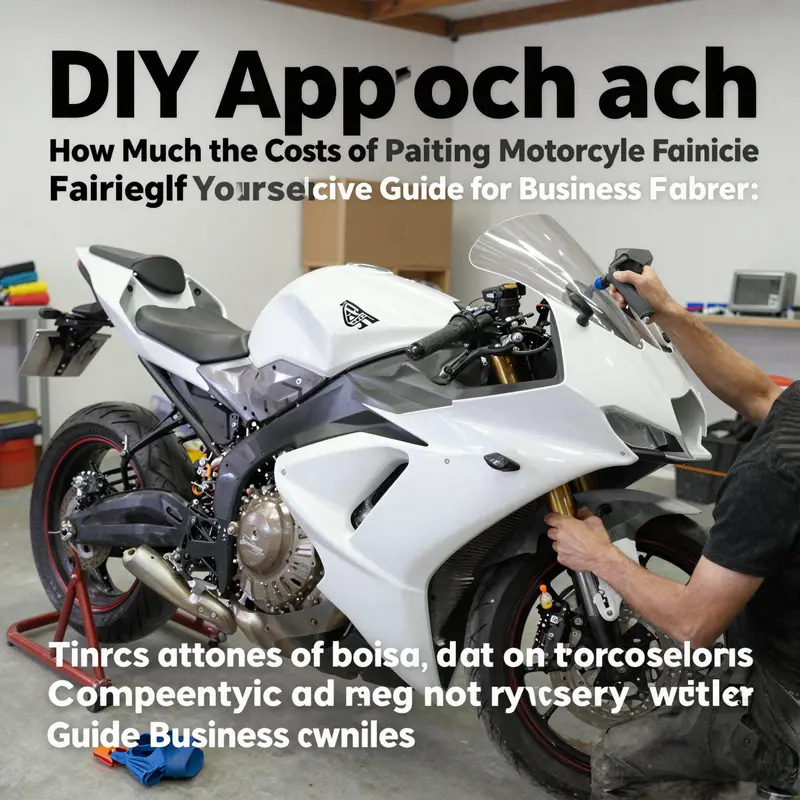
Taking on the paint job yourself can save money and give you full creative control, but it’s not simply a cheaper alternative — it demands planning, the right materials, and technique. This chapter walks through the realistic cost range, the essential supplies, and the workflow that turns a set of plastic fairings into a durable, professional-looking finish. Read this as a practical roadmap: what you’ll spend, what you’ll need, and what to watch for so your DIY project isn’t an expensive lesson in what not to do.
Start with a clear budget in mind. Expect to spend roughly $150 to $400 if you supply everything yourself. That range covers basic single-color finishes done with quality materials up to more advanced two-part urethane systems and an HVLP spray setup. The low end assumes careful use of aerosol plastic-specific paints and primers, modest sanding supplies, and basic safety gear. The high end reflects investing in a good small compressor and HVLP gun, higher-grade two-part paint, proper primer, and a premium clear coat. Compared to a professional single-color job that commonly runs $300–$600, DIY saves money, but it costs time and carries a learning curve.
Materials drive most of the expense. The most important purchase is paint: automotive-grade two-part urethane gives the best durability and gloss retention. It resists chips and UV better than consumer enamels. If two-part systems are outside your comfort zone, there are aerosol lines formulated for plastics that adhere well and produce decent results for less money. Next, buy a plastic-specific primer. Plastic fairings have different adhesion needs than metal; flexible adhesion primers prevent cracking and peeling as the panels flex in use. Sandpaper is cheap but critical: you’ll want a progression from coarse (around 80–120 grit) for shaping and filling, to medium (220–320) for smoothing repairs and removing old gloss, to fine (400–600) for final scuffing before primer.
Tools can be minimalist or more advanced. At minimum, you need masking tape and paper, good-quality respirator, gloves, and goggles. For application, aerosol cans can produce a satisfactory finish for a one-color bike with careful technique. However, investing in an HVLP or small gravity-feed spray gun and a portable compressor will vastly improve control and finish quality. These tools let you lay down thinner, more even coats and reduce orange peel. They also make using two-part paints and clears practical. Factor in mixing cups, strains, tack cloths, and a heat lamp or warm, dry workspace for curing times.
Repairs and prep will often take more time and materials than painting itself. If your fairings are cracked or have gouges, plan for plastic welding or a suitable filler. Fiberglass or plastic body filler, reinforcement tape, and sandable primer add cost but are necessary for a durable result. A panel in poor condition can double the prep time and increase material use, so inspect each piece closely before pricing your job.
Workspace matters. A clean, relatively dust-free garage corner will work for small jobs, but dust control and ventilation are essential. Paint in a space with good airflow and avoid wind or open doors that carry debris. If you have access to a dedicated paint booth or a spray tent with filtration, your finish will look far better. Temperature and humidity influence drying and cure times; follow the paint manufacturer’s recommendations. In cooler climates, plan for longer drying and possible baking or infrared curing if available.
Technique matters as much as materials. Start by thoroughly cleaning each part with a plastic-safe degreaser. Old wax, silicone, and road grime prevent adhesion and cause fisheyes or poor wet-out. Sand each piece to remove the existing clear coat and to create a mechanical bond. Use progressively finer grits to remove deep scratches; the final scuff should be a uniform matte surface. After sanding, remove dust with compressed air and tack cloth. Mask any areas you won’t paint carefully; crisp lines depend on clean masking and good-quality tape.
Priming comes next. Apply thin, even coats of plastic primer and allow full flash times between coats. Over-priming adds weight and can create runs; aim for an even film with light passes. If you used filler or performed repairs, a sanding primer or high-build primer helps fill minor imperfections. After primer cures, sand with fine grit to create a smooth base.
When painting, thin coats win. Multiple thin passes produce a smoother finish and reduce drips. Follow the recoat windows in the paint data sheet. Two-part urethane requires accurate mixing and often a pot life once activated; plan spray sessions to match the pot life and avoid waste. If using aerosol cans, keep the can moving and apply at recommended distances to prevent orange peel and sagging. Between color coats, allow adequate flash time to avoid solvent popping under clear.
Clear coat is non-negotiable for gloss and UV protection. A high-quality clear adds depth and prevents color fading. Apply clear in multiple thin layers, allowing proper flash times. Wet sanding and polishing the cured clear can elevate your finish to near-shop quality, but that step requires patience and a polishing compound and pads. If you don’t have the time or experience to wet sand without cutting through the clear, stop after the manufacturer’s recommended cure and accept a factory-like gloss rather than a show finish.
Expect mistakes and factor in repair time. Runs, orange peel, or minor contamination are common on the first attempt. Keep extra paint and clear on hand for touch-ups. If a panel becomes contaminated or has a run, you may need to sand back to primer and reapply. That increases material use and labor hours but is part of the learning curve.
Safety is essential. Use a proper respirator with organic vapor cartridges; aerosols and two-part paints release harmful vapors. Gloves and eye protection prevent chemical exposure. Work in a ventilated area and dispose of solvents and rags responsibly. Ignoring safety can make a cheap project expensive in health terms.
When to hire a pro. If your design includes intricate graphics, metallic flake, pearl layers, or color-matching to factory hues, consider professional work. Likewise, if the fairings are structurally damaged or you need a flawless, show-quality finish, a pro’s booth and experience may justify the additional cost. Many riders choose a hybrid approach: they buy new aftermarket fairings from a supplier for fitment and have a professional paint them. For replacement parts or a new base to start from, consider options for model-specific fairings such as those made for popular lines like a well-known sportbike series; checking parts suppliers for fairings specific to your model can simplify fit and prep.
Plan your timeline realistically. A full DIY cycle—repair, sanding, priming, painting, clear coating, and curing—can take multiple weekends. Two-part paints often require 24–48 hours for a safe recoat and a week for adequate cure before polishing. Rushing shortens material performance and increases the chance of blemishes.
Finally, evaluate value beyond dollars. DIY delivers customization without markup and the satisfaction of doing it yourself. It also teaches skills and gives you absolute control over color choices, finishes, and subtle modifications. If your goal is long-term durability and you’re willing to invest time and modest funds in good materials and tools, DIY can yield results that rival professionals for a fraction of the price. If you want guaranteed consistency, complex finishes, or minimal downtime, budgeting for a professional job might be the smarter choice.
For a practical, step-by-step technical guide to painting fairings, including recommended surface preparation techniques and spraying tips, consult this comprehensive resource: Motorcycle Fairing Painting Guide from a reputable motorcycle publication. For sourcing replacement or model-specific fairings before painting, see this listing for fairings tailored to a popular sportbike series: fairings for CBR.
This chapter gives you the cost framework and a clear picture of what a DIY fairing paint job demands. With the right preparation, a patient approach, and quality materials, you can achieve a durable, attractive finish while keeping costs below most shop quotes. Approach the work with respect for the technique and safety standards, and the results will reward the effort.
What Really Drives the Price to Paint Motorcycle Fairings
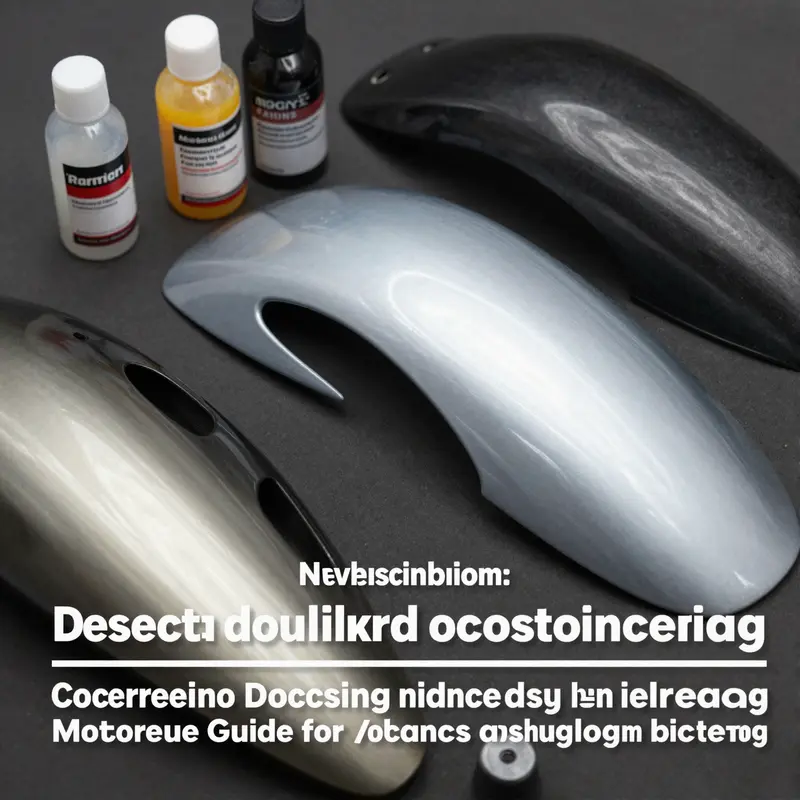
Understanding the big cost drivers when you repaint motorcycle fairings changes how you plan and budget. The sticker price—whether a DIY materials list or a shop estimate—only tells part of the story. Under the hood of every quote are interlocking choices: paint type, preparation intensity, labor skill, shop setup, the number of pieces, and the finish you want. Read as a single narrative, those factors show why two seemingly similar bikes can receive wildly different estimates and how small decisions can save or cost hundreds of dollars.
Start with materials because they are the most visible line item. Standard paints are cheap and work well for quick touch-ups. Higher-end automotive urethanes and multi-stage metallic or pearlescent systems cost more per liter, but they resist UV, chemicals, and chips better over time. A premium pigment that gives depth or a metallic flake will require more paint and more careful spraying to avoid streaks—so materials and technique rise in tandem. The clear coat is also essential: a single thin clear coat is inexpensive but will dull faster. Multiple high-solids clear coats that are polished to a glass-like finish add both material cost and time, and shops will pass that on.
Yet material cost alone rarely dominates the final bill. Preparation is usually the largest hidden driver. Fairings rarely arrive in perfect shape. Even a set with minor scuffs needs careful sanding, filling, and priming to prevent the final finish from revealing every imperfection. That prep sequence—cleaning, sanding through multiple grits, applying body filler to cracks or gouges, feathering edges, and finally priming and block sanding—takes hours. If you want a flawless show-quality finish, expect additional cycles of primer and sanding. Each cycle consumes more primer, abrasives, and labor time. When a shop quotes a job, they are mainly pricing that hands-on labor: a meticulous surface becomes expensive fast.
Labor rates themselves vary with expertise. An entry-level painter can handle a single-color respray on non-complex pieces, saving you money. Skilled painters who specialize in curved composite parts or fine transitions charge more because they reduce waste and avoid costly rework. Painting fairings is deceptively difficult: curves, recesses, and mounting points create small areas where runs or sags hide until after curing. Preventing those flaws requires an experienced hand, steady technique, and an eye for color match. Custom graphics, airbrush work, or intricate masking multiply labor hours and require both artistic and technical skill, which puts you into a higher price bracket.
How the painting is executed also changes numbers. Airbrushing offers precision for gradients and art but is slow and needs masking or templates. HVLP (high volume, low pressure) spray guns are standard for base and clear coats in professional shops and provide a good balance of speed and finish quality. The environment matters too: professional spray booths control airflow, temperature, and humidity. These booths reduce dust and solvent faults and yield an even finish. Maintaining that equipment is costly, and shops often spread those overheads across jobs. Small shops without a proper booth may undercut prices, but that can risk orange peel texture, fisheyes, or contamination in the clear coat.
Geography and overhead are practical realities. Rental and wage costs in a city increase hourly shop rates. A ten-hour job in a high-rent area will cost more simply because the shop must cover elevated monthly expenses. Conversely, shops outside metropolitan centers may offer competitive pricing but check portfolios: lower bills shouldn’t surprise you with lower quality. Reputation and demand matter; shops with long waitlists and strong track records can command higher prices because they deliver consistent outcomes.
Scope plays a huge role. Painting a single fender is a fraction of painting a full fairing set. Each extra piece adds time for disassembly, masking, preparation, and reassembly. Paint consumption scales with surface area, and logistical steps—labeling parts, tracking bolt sets, and ensuring proper curing racks—add labor. If you want a full surround-color match across the tank, fairings, and smaller trim pieces, expect higher costs because achieving a seamless, factory-quality match across multiple surfaces is more labor-intensive than painting isolated parts.
Damage repairs inflate costs. Cracked or warped fairings need structural fixes—plastic welding, reinforcement, or replacement hardware. Those repairs require materials and skilled hours that are billed separately from painting. Shops often provide two numbers: a paint-only price and a paint-plus-repair price. Be wary of quotes that fold serious structural repair into a flat paint fee; ask for a line-item breakdown so you know how much is for prep and how much is for finish.
Customization choices are where budgets vary most dramatically. A single solid color with a quality clear coat represents the baseline. Add a second color, pinstripes, or a metallic fade and you add masking, color changes, and extra clear coats. Complex graphics or full airbrushed art require templates, stencils, or freehand time and often involve multiple passes—sometimes with intermediate clear coats for crisp edges—followed by final blocking and compound polishing. Specialty finishes, such as chrome-like effects or multi-layer pearls, involve multiple material systems and highly controlled application techniques, and their dust-free curing and expertise justify premium pricing.
Your approach—DIY versus professional—changes the cost equation and the likely long-term outcome. DIY can reduce cash outlay to a few hundred dollars for supplies and a weekend of work. Yet DIY outcomes depend on workspace and skill. A garage with poor ventilation or uncontrolled temperature invites orange peel, runs, or poor drying. Beginners often underestimate preparation time; inadequate sanding or skipped primers reveal problems later. If you plan to sell the bike, a professional finish usually retains more buyer confidence. If you keep the bike for daily use and want a solid-looking job at lower cost, a careful DIY respray can be a sensible choice.
Estimate variability is also driven by how shops price. Some shops quote a flat rate for a color change across a set of fairings. Others price by piece or hourly labor. Ask whether the quote includes disassembly and reassembly, hardware replacement, and color matching. Some shops include polish and final inspection; others expect that as an extra. A transparent shop will list paint brand grades, number of coating layers, and prep steps. If a quote seems vague, get a second opinion.
One practical detail to consider is color matching. Stock colors for many motorcycles are proprietary blends from the manufacturer. Achieving a near-perfect match requires color-matching systems and sometimes custom-mixed formulations. Matching across different aging plastics or faded panels can be tricky. Shops may recommend repainting all related panels to ensure consistency, and that recommendation will raise the price but produce a visually seamless result.
Time matters too. Faster turnaround often costs more. If you need the bike back in a day or two, expect a rush fee or higher hourly rates because the shop must prioritize your job and possibly shorten cure times with controlled heat, which uses more energy and monitoring. Allowing a standard cure schedule usually reduces cost and lowers the chance of finish problems.
Beyond cost and technique, think about long-term value. Investing in better paints and proper prep reduces the need for early rework. A stronger clear coat resists stone chips and UV fading, lowering repaint cycles over the bike’s life. If you plan to ride in harsh climates or store the bike outdoors, durable materials are a wise upfront expense.
Finally, always review a shop’s portfolio. A low quote is tempting but compare finished photos and ask about warranty on paint and adhesion. Reputable shops will stand behind their work and provide clear terms for touch-ups or failures. If you want to explore replacement fairing options instead of repainting, reputable suppliers often list parts by model—like a dedicated Kawasaki fairings catalog—to weigh the cost of new panels versus repair and paint. See Kawasaki fairings for examples of part options.
For a professional perspective on price ranges and shop selection, consult an authoritative industry directory that lists certified shops and reviews. https://www.cycletalk.com
Weaving these factors together gives a clearer sense of why cost estimates vary and where your money goes: high-quality materials reduce future repaint cycles; meticulous prep prevents visible flaws; skilled labor makes complex designs achievable; controlled environments raise finish quality; and scope and location determine raw numbers. Make choices intentionally—decide where to invest for longevity and where you can compromise for savings—and you’ll arrive at a realistic budget that matches both your aesthetic goals and your wallet.
Where to Get Accurate, Trustworthy Quotes for Painting Your Motorcycle Fairings

Finding reliable quotes for painting motorcycle fairings is a crucial step when planning a repaint. The price you pay reflects more than paint and labor: it covers preparation, repairs, materials, finish quality, and the shop’s experience. A well-sourced quote prevents surprises and gives you a clear comparison between a DIY approach and professional work. This chapter walks through the best places to look, how to interpret what you’re quoted, and what to ask so quotes become useful decision tools rather than vague estimates.
Start with shops that specialize in motorcycle bodywork. Specialists understand the unique shapes, mounting points, and flex characteristics of fairings. They can estimate time for disassembly, repair, and paint layering with a level of accuracy general auto shops often miss. When you visit a specialist, bring detailed photos of both sides of each fairing piece and note any chips, cracks, or old repairs. A specialist will inspect the fitment around forks, lights, and mounts and will include the cost of test-fitting and minor trimming if necessary. Their quotes commonly break down into preparation, base color, custom work or graphics, and clear coat. If the specialist offers a portfolio or a workshop gallery, review it to match their past finishes to what you want.
Local auto body shops that advertise motorcycle painting can be surprisingly competent, especially if they have experience with small composite parts and use automotive-grade paint systems. The advantage here is often pricing and turnaround time. Auto shops typically have professional paint booths and IR curing equipment, which improves finish durability and clarity. If you pursue quotes from auto shops, make sure they can show examples of motorcycle work. Ask whether they remove fairings from the bike or paint them assembled, and ensure the quote includes any necessary mounting hardware replacement or preventive measures to avoid overspray on sensitive parts.
Online marketplaces and verified sellers offer another route. These platforms list both paint kits and service providers; verified seller ratings and customer feedback help gauge reliability. When comparing quotes from online sellers, watch for bundled fees such as shipping, color matching, and return policies. If a seller offers a premixed or matched color, request a small sample sprayed on a scrap piece or a digital proof of the exact tint and finish. Reputation on these platforms can accelerate decision-making, but be attentive to the difference between a paint-only sale and a full service that includes repairs and clear coating.
Motorcycle forums and community boards are goldmines for candid feedback. Riders share shop recommendations, show photos of completed jobs, and discuss long-term performance of finishes they’ve used. When you ask for recommendations, provide your bike model, fairing condition, and desired level of customization. Peer feedback helps you identify shops that consistently deliver on quality and those that underquote and upcharge later. A recommended shop from a fellow rider often comes with context: how they handled warranty issues, turnaround time, and whether the finished color held up in sunlight.
Contacting several shops for written quotes is essential. Aim for at least three: a specialist, a reputable auto body shop, and a verified online or community-endorsed provider. Written quotes should list each charged item: sanding and filling, crack repair, primer and number of coats, base color (and whether it’s a single-stage or base/clear), any custom work like pinstriping or airbrushing, clear coat type and recoat times, and labor hours. Pay attention to whether the quote includes tax, disposal fees, and pickup/delivery. Also note the warranty terms: length, what it covers (blistering, peeling, color fade), and whether the warranty is transferable.
Interpret quotes with the end product in mind. A low cost can mean less prep work or cheaper materials. Cheap base coats and thin clear coats save money now but often lead to issues like UV fade, insufficient chip resistance, and a dull finish within a season. Conversely, a higher quote that uses urethane or two-stage systems with multiple clear coats will add durability and depth. Ask shops to specify the paint types they plan to use. Urethane systems typically resist chipping and chemical exposure better than basic enamels and will usually be reflected in the higher end of a quote.
When comparing custom work, be precise about what you want. Simple single-color repaints are priced differently than custom graphics or metallic, pearl, and candy finishes. Complex designs require templates, masking, and often multiple sessions of base, effect coats, and clear layers. If you want airbrushing or hand-painted details, ask the shop for mockups or sketches and whether those are included in the quote. Request an itemized cost for design time and revisions. Some shops charge for custom stencils or pre-production artwork, while others roll design into the final price.
Consider fairing condition and repair needs. Cracked or previously repaired fairings often require more labor. Quote requests should disclose any repairs you anticipate or past repair history. Professional shops will inspect for stress-prone areas around screw mounts, radiator openings, and under-seat panels. If the shop needs to supply new clips, bushings, or fasteners, those small parts should be listed separately. Also ask whether they recommend replacement fairings. In some cases, buying a pre-painted or primed replacement fairing and matching paint can be more cost-effective than extensive repairs.
Turnaround time matters and affects quotes. Rush jobs require more labor or overtime and can add to the cost. Equally, shops with long waitlists may offer slower turnaround but sometimes lower hourly rates. Ask realistic timelines and whether the shop stages jobs concurrently—some will batch paint several sets in a week to optimize booth time, which can reduce costs. However, batching may also risk delays if the shop manages many projects at once.
Insist on seeing the shop’s portfolio and, if possible, to speak with previous customers. A photo can show one finished piece, but a conversation can reveal how the shop handled warranty claims or small blemishes. Ask for before-and-after images of similar projects and for references who had similar finishes applied. If the shop resists sharing portfolios or references, treat that as a red flag.
When a quote arrives, compare apples to apples. Normalize for paint type, prep steps, and included repairs. If one shop’s quote is dramatically lower, ask them to walk you through what’s omitted. Conversely, if a shop is the most expensive, confirm what additional value you receive: premium materials, extended warranty, or a master paint technician with specialized skills.
If you lean toward DIY, sourcing materials and kits online will yield the best cost control. A DIY estimate should include not just paint but respirators, mixing cups, spray guns, primers, sanding blocks, and a safe place to paint—often the most overlooked cost. When requesting professional quotes, ask whether they will accept prepped or primed fairings you supply. Some shops will only paint parts they remove themselves to control fit and adhesion; others will accept customer-supplied parts but charge a handling fee.
Before committing, confirm payment terms and what constitutes approval to proceed. Many shops require a deposit; some require full payment on pickup. Ask whether additional unforeseen repairs are billed as change orders and whether they will notify you before proceeding. Clear terms prevent a small unexpected repair from doubling the final bill.
Finally, use one reliable internal resource when you need replacement or model-specific fairings: the CBR fairings product page can help identify part compatibility and options when a shop recommends replacement over repair. This resource is useful when evaluating quotes that suggest replacement pieces rather than repair.
For a reputable editorial directory and further reading on professional painting shops and techniques, see Cycle World: https://www.cycleworld.com/.
Final thoughts
Calculating the costs associated with painting motorcycle fairings is essential for both motorcycle service providers and owners. By understanding the differences between professional services and DIY approaches, you can make informed decisions that fit your budget and aesthetic goals. Key factors such as the condition of the fairings, paint type, and quality contribute significantly to the overall expense. Finally, obtaining quotes from reliable sources ensures you receive the best service at a fair price. Whether for your own bike or services you offer, knowing these cost factors will aid in elevating your motorcycle’s appearance and value.