
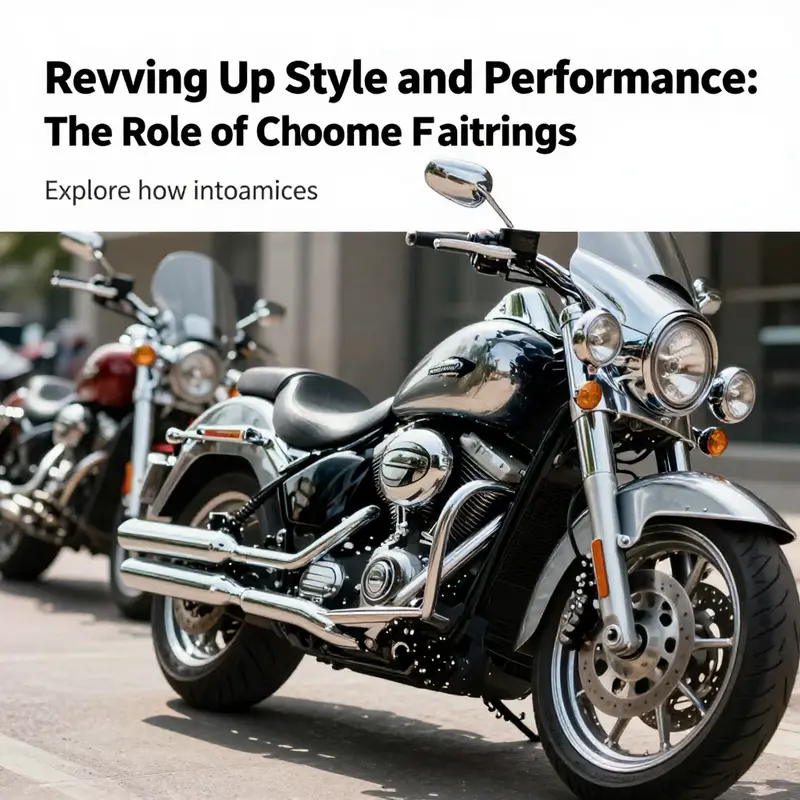
Chrome motorcycle fairings have emerged as a vital component for enthusiasts and business owners alike, offering not just a striking visual appeal but also boosting performance through aerodynamic enhancements. These accessories serve the dual purpose of protecting essential components while elevating the overall design of the motorcycle. This article will delve into the aesthetic allure of chrome fairings, their performance advantages, and the expansive customization options available, ensuring a comprehensive understanding of their significance in the motorcycle world.
null

null
Chrome Fairings: The Shine That Serves the Shape
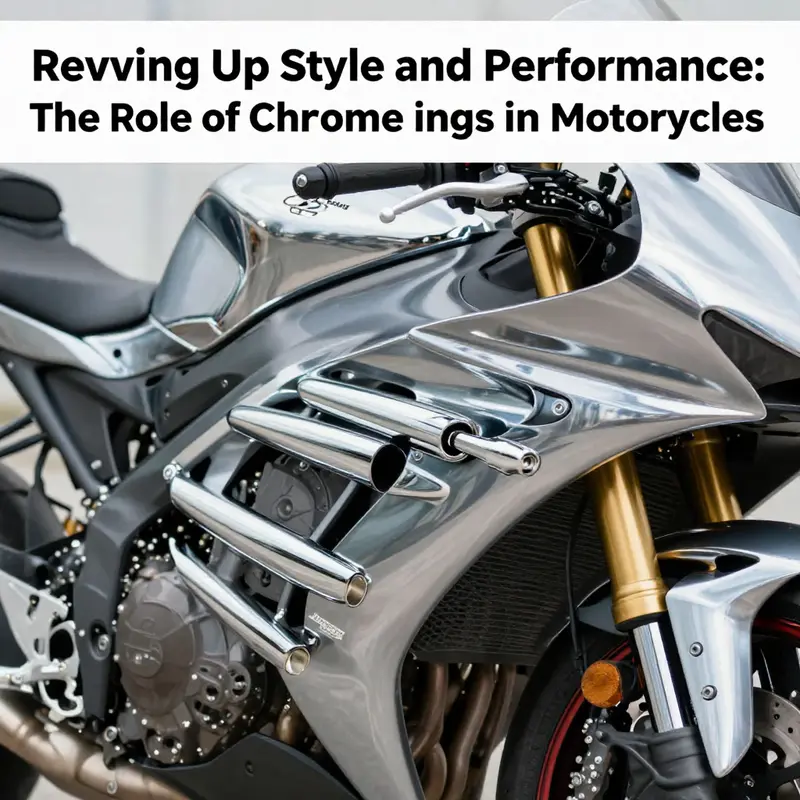
Chrome fairings sit at a curious intersection of luxury and function. The shine signals care and detail, but the real performance comes from the fairing’s shape, transitions, and mounting rigidity. Chrome acts as a protective, durable skin over an underlying core of ABS or fiberglass, adding mass but also long lasting gloss that resists weathering. The aerodynamic impact of chrome is largely incidental: the gains come from the geometry, not the finish. When the finish is smooth and consistently applied, it preserves the intended airflow and makes the overall silhouette appear cleaner. Maintenance matters: polishing, protective sealants, and regular cleaning keep the chrome from dulling, but improper care can introduce micro-scratches that disrupt the surface.
In practice, chrome is most appropriate on models where a premium look complements a classic or touring character. It pairs well with well integrated vents and mounts and does not substitute for thoughtful wind management. If weight is a concern, the chrome layer is relatively light on modern panels, and the performance penalty is modest compared with the stability benefits of a well designed fairing.
Conclusion: Chrome is a finishing touch that embodies a philosophy: shine and precision together, but the core aerodynamic wins come from the fairing’s form and attachment. For readers exploring fitment, verify alignment to frame and clearance to moving parts, ensure the chrome won’t interfere with cooling intakes.
Shine in Control: Chrome Fairings as Aesthetic Statement and Engineering Choice
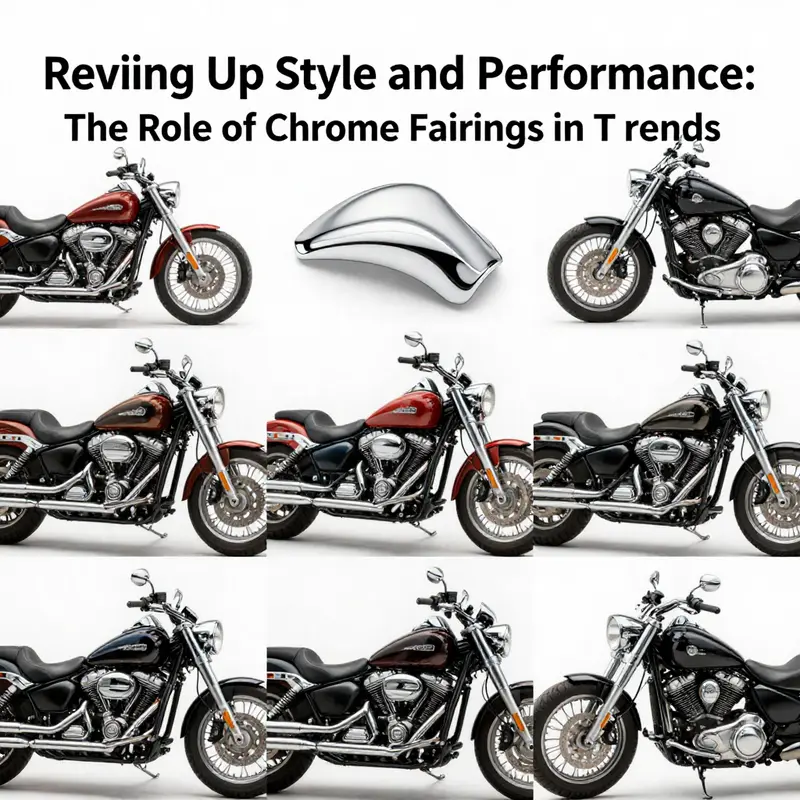
Chrome fairings sit at a curious intersection of art and engineering. They are not merely decorative shells that cloak the bike from weather or wind; they are a language riders use to tell a story about speed, presence, and personal taste. In a marketplace saturated with choices, chrome finished panels can transform a machine from a utilitarian vehicle into a moving sculpture that gleams under streetlights, highway sun, and the gaze of fellow riders. But behind the mirror-like surface lies a careful balancing act between form and function. The chrome is more than a shine; it is a coating that must endure the rigors of road grime, minor impacts, and the constant tug of airflow around a complex machine. To understand chrome fairings is to look at the way light, air, and bodywork meet at the same point and to recognize how aftermarket components have evolved to honor both aesthetics and performance.
The appeal of chrome begins with spectacle. The reflective surface catches passing light and multiplies the presence of the motorcycle on the road. A chrome fairing can create the impression of a larger, more sculpted silhouette, even on a bike whose native lines might be more restrained. The effect is not purely visual; it changes how the machine reads at speed. The eye traces the chrome as it follows contours, emphasizing the bike’s geometry and length. For riders who want a showpiece that remains coherent with the machine’s original character, chrome understands the art of restraint as much as the art of shine. The result is a look that can feel timelessly classic yet unmistakably contemporary when paired with modern aerodynamics and instrumentation.
Material choice anchors this visual promise to practical realities. Chrome fairings are typically built from durable base materials such as ABS plastic or fiberglass. These substrates provide the strength and flexibility needed to withstand everyday use while staying relatively light. The polished chrome layer applied over the base is what delivers that mirror-like finish. The process is meticulous: a layer of chrome is deposited or plated in a controlled sequence, then finished with multiple polishing stages to achieve a uniform, high-gloss surface. The outcome is a panel with depth and reflection that invites the eye to explore the interplay of light with the bike’s lines. However, the finish is only as good as the surface beneath. Flaws in the substrate, improper bonding, or over-ambitious compression during installation can lead to microcracks, peeling, or dull spots that dull the chrome’s life and reduce its visual impact.
From a durability standpoint, chrome fairings carry a trade-off that buyers consider in the balance between form and function. The chrome layer looks spectacular, but it can be more susceptible to wear than other finishes if it is not cared for properly. Road grit, weather, and ultraviolet exposure all contribute to the gradual dulling of the surface. Scratches suffered in urban riding or minor impacts can complicate repairs; in some cases, local polishing and re-chroming are needed to restore the mirror-like appearance. Because chrome is a relatively thin layer compared with the structural material beneath, any damage to the base or plating can ripple into the finish. This makes maintenance a central part of ownership. Regular cleaning with non-abrasive cleaners, careful drying to avoid water spots, and a light, protective wax or coating strategy are common-sense steps riders adopt to preserve the chrome’s luster. The goal is not simply to remove dirt but to establish a protective cadence that keeps the surface responding to light rather than absorbing it as a dulling film.
Integrating chrome fairings into a motorcycle’s aerodynamic profile is a subtle discipline. It is tempting to think that adding a high-shine panel would disrupt airflow, but modern chrome fairings are designed with aerodynamics in mind. The base shapes are shaped to minimize drag, create smooth trajectories for the air, and shield essential components such as the engine, radiators or intakes, and the electrical systems from debris and moisture. Chrome coatings are applied to panels that already account for venting and channeling air. In models where cooling is a critical factor, such as touring and sport-touring configurations, fairing design includes vent scoops and strategically placed ducts. Chrome does not inherently change those engineered pathways; rather, it renders them in a way that remains faithful to the original aerodynamic intent while offering the rider a distinctive aesthetic. The reflective surface can even contribute to glare patterns that help some riders gauge wind gusts or adjust the rider’s posture in response to crosswinds. It is a reminder that aesthetics and function often travel together, not apart.
Choosing chrome fairings also means evaluating fit and compatibility. Aftermarket offerings are typically designed to align with common geometries and mounting points, providing a relatively straightforward installation path for riders who want to preserve the bike’s original engineering logic. The promise of “guaranteed fitment” or compatible attachment hardware gives a sense of security when investing in cosmetic and functional upgrades. Yet the reality is nuanced. Each bike model has unique fairing lines, mounting brackets, and gap tolerances. A chrome fairing that looks perfect in a brochure must be carefully checked against real-world gaps, fasteners, and the instrument cluster geometry. The rider who pursues chrome fairings often approaches the project like a small restoration: you must measure, test-fit, and envision how the chrome surface will age with the bike’s own aging process. Even when fitment is technically sound, the finished product interacts with other components—the headlights, turning signals, mirrors, and windshield—so that every alignment becomes a personal statement about balance and cohesion rather than a collection of parts slapped onto a frame.
Beyond fit and finish, chrome fairings serve a protective role. They act as a shield for the more delicate engine dress and internal components, helping to deflect wind-borne debris and weather exposure that might otherwise degrade plastics or expose fasteners to corrosive elements. For riders who spend long hours on highways or who ride in regions with challenging weather, the chrome panels add a layer of defense that supports routine maintenance and reduces the frequency of cosmetic repair needs. The reflective surface can also make the bike more legible to others on the road. In this sense, chrome is not simply a vanity feature; it contributes to a sense of presence that can influence how other road users perceive the machine’s size and proximity, which in turn can subtly affect riding behavior. The chrome’s luminosity becomes part of the motorcycle’s identity on the street and on the track where the rider’s confidence is tied to clarity and visibility as well as speed.
As trends ebb and flow in the customization world, chrome fairings appear in a spectrum that ranges from bold, full-panel expressions to more nuanced accents that pepper the bike with reflective highlights. A full chrome main fairing can dominate the silhouette in a manner that evokes classic chrome motorcycles of a bygone era, reimagined for contemporary engineering. More minimalist paths include chrome side accents, vent rims, or small chrome pockets integrated into otherwise matte or solid-color fairings. This spectrum allows riders to calibrate the visual impact to their personal temperament, riding goals, and the bike’s base design. For touring riders, chrome can convey a sense of durability and refinement that aligns with long-distance aesthetics. For sport riders and commuters seeking a sharper look, chrome accents can offer a dramatic line that mirrors the bike’s speedlines without overwhelming the overall geometry. The broader trend toward personalization thus finds a functional ally in chrome: it is a surface treatment that invites experimentation while preserving respect for the machine’s core architecture.
The decision to invest in chrome is also a decision about maintenance discipline and lifecycle costs. Chrome fairings, because of their high-gloss surface, reward consistent care but demand attention when damage occurs. Repairs, whether through local refinishing or panel replacement, can be more involved than with simpler paint finishes, especially when the chrome layer requires rejuvenation after scuffing or dulling. This reality nudges riders to integrate maintenance into their riding calendar. A schedule that aligns washing, inspection, and polishing with seasonal mileage peaks can help keep the chrome fairings looking as good as new for as long as possible. It also invites riders to consider pairings with protective measures. For example, a clear coat or sealant that sits atop the chrome layer can extend its life by reducing micro-scratches from gravel and small debris while maintaining reflectivity. The best practice is to treat chrome fairings as a high-value asset of the bike—part aesthetic backbone, part functional shield, and part daily reminder of the rider’s commitment to care and craft.
In the broader conversation about customization, chrome fairings occupy a space that is both nostalgic and forward-looking. They nod to the timeless appeal of chrome plating—an era when shiny, polished surfaces defined the aspirational look of motorcycling. At the same time, they adapt to modern manufacturing, where lighter substrates, precise tolerances, and better coatings allow chrome to integrate with telematics, lighting, and ergonomic considerations without sacrificing shine. The result is a dynamic, evolving practice in which the rider negotiates personal taste, budget, and the practicalities of road life. The chrome fairing becomes a companion in that negotiation, a constant companion that catches the eye while offering shelter, control, and a sense of continuity with a richer history of motorcycle design.
For riders who want to explore options without leaving the curve of their budget behind, chrome is frequently presented as a premium but lasting upgrade. The upfront investment reflects the dual promise of visual impact and protective function, while ongoing care promises long-term beauty. The decision can be contextualized within a larger philosophy of customization: the goal is not to cover the bike with extraneous hardware, but to refine, elevate, and harmonize the machine’s lines, its mechanical heartbeat, and the rider’s experience of the road. Chrome fairings, when chosen deliberately, reveal a rider’s confidence in their taste and their willingness to balance showmanship with stewardship. The open road becomes the workshop where chrome’s mirror surface plays with light, where every curve and angle becomes part of a larger dialogue about speed, safety, and self-expression.
As the discussion broadens beyond the surface, it is worth noting how chrome fairings relate to other components that riders frequently pair with their upgrades. A chrome finish can complement or contrast with a windscreen, a tank cover, or chrome or polished accents on engines and exhausts. It can also interact with other material choices such as carbon fiber, brushed aluminum, or matte black surfaces. The interplay among textures and finishes—shiny, reflective chrome alongside more understated or textured surfaces—can heighten the rider’s sense of depth and complexity in the bike’s overall personality. This interplay is where the aesthetic story becomes a functional one: chrome should not visually overpower the bike but should instead underline its lines, highlight its contours, and, crucially, respect the rider’s comfort and control on the ride. In this sense, chrome fairings do not exist in isolation; they are part of an ongoing sculptural conversation between rider, road, and machine.
For those who want to situate chrome within a broader education about motorcycle customization, a careful study of standards, materials, and practical applications helps. The field documents how chrome and other finishes conform to industry expectations for durability, safety, and performance. It explains why certain materials are chosen for particular environments, how coatings interact with base plastics, and what maintenance regimens best preserve the finish under different climates. Such resources underscore a simple truth: chrome is not merely a cosmetic choice. It is a design decision that carries implications for weight, heat management, aerodynamics, and long-term upkeep. The educated rider who embraces chrome as part of a broader customization strategy tends to approach ownership with a mindset of ongoing care, thoughtful integration, and an appreciation for the visual poetry that chrome can lend to the journey on two wheels.
In closing this exploration of chrome fairings as both aesthetic centerpiece and engineering ally, the rider discovers that polish is more than skin-deep. It is a signal—a signal that the motorcycle wearer values artistry and engineering in equal measure, that they see the road as a canvas and the bike as a responsive instrument. Chrome fairings, when chosen with care, render a machine that speaks with light, a machine that moves with a quiet confidence on the highway, and a machine that remains faithful to the rider’s intent wherever the road might lead. They embody a philosophy of customization that prizes polish and purpose in equal measure. For those who want to glimpse what is possible, a broader catalog of options and releases offers a window into the evolving landscape of chrome fairings and the many ways a rider can shape their ride without surrendering the machine’s core character. 2023new
For readers who want a broader glimpse into the ongoing evolution of motorcycle accessories, a comprehensive external resource that delves into standards, properties, and applications provides a robust foundation for informed experimentation and thoughtful upgrading. The study outlines how materials, coatings, and design choices interact to create durable, reliable, and safely integrated aftermarkets that respect lighting, aerodynamics, and rider comfort. It is a vital companion to anyone considering chrome as part of a larger customization plan and serves as a reminder that good gear starts with good principles. To explore these standards and properties in greater depth, consult the resource Understanding Customized Motorcycle Accessories: Standards, Properties, and Applications. This guide offers detailed insights into how chrome and other finishes integrate into modern motorcycle customization, making it an essential read for anyone considering a high-impact upgrade.
External resource: Understanding Customized Motorcycle Accessories: Standards, Properties, and Applications. https://www.motorcyclecustomizationguide.com/accessories-standards-properties-applications
Internal link: For those curious about how the latest releases in a broad catalog of aftermarket fairings are categorized, see the 2023 new releases page 2023new.
Final thoughts
Incorporating chrome fairings into the motorcycle landscape not only enhances the visual appeal but also significantly contributes to performance optimization. As the market for these accessories continues to expand, business owners can tap into the growing demand for customized bikes that blend style with functionality. By understanding the importance of chrome fairings, motorcycle enthusiasts can create a ride that is uniquely their own while appreciating the technical advantages these components offer.