

If you’re a business owner in the motorcycle industry, understanding product specifications can significantly impact your offerings. Airstream motorcycle fairings have garnered attention, yet they remain largely misinterpreted as a brand focus. This article will explore misconceptions surrounding ‘Airstream motorcycle fairings,’ delve into the types of motorcycle fairings available, discuss how aerodynamics affect performance, examine specific models and their features, and ultimately analyze market trends and future directions in motorcycle fairings. By grasping these elements, you can enhance your product line and better cater to the needs of motorcycle enthusiasts.
Demystifying the Airstream Myth: Aerodynamics, Misconceptions, and the Real Workings of Motorcycle Fairings
The very phrase “Airstream motorcycle fairings” invites a double take. On one level, it conjures the clean, teardrop-shaped aesthetics we associate with streamlined travel. On another, it hints at a brand or product line that many riders assume exists in the motorcycle market. In truth, the landscape around motorcycle fairings is less about a single label and more about a family of shapes and principles that share a common purpose: to bend air to the rider’s benefit. The term Airstream, well known in other industries for its distinctive, polished silhouettes, has entered discussions about motorcycling only as a metaphor for wind-ajar performance rather than as a concrete, identifiable product line. What matters, and what this chapter aims to unpack, is how these fairings work, how designers decide between different silhouettes, and how riders navigate the sea of options without getting lost in branding minutiae.
A motorcycle fairing is often described in terms of its position and function. The upper fairing sits at the bike’s prow, encasing the headlight and the cockpit, and it is the primary interface between rider, machine, and the oncoming air. A lower fairing, by contrast, tames the underside of the chassis, protecting the engine bays and undercarriage from debris while guiding high-speed air toward cooling systems or away from sensitive components. Half fairings, which cover only the upper front and extend back toward the midsection, offer a compromise: they reduce wind pressure on the rider while preserving a more open, nimble feel. Quarter fairings, the most minimalist, emphasize lightweight efficiency and a clean look while still providing a measurable aerodynamic edge. Although these categorizations are simple, they signal a deeper truth: every fairing choice is a negotiation between air, heat, weight, and rider experience.
From an aerodynamic standpoint, the aim is to manage flow in ways that reduce drag and buffeting without compromising control or visibility. When air rushes toward a motorcycle at speed, it follows the contours of the bike, sometimes separating from the surface in turbulent eddies. These eddies can create drag, increase fuel consumption, and shift the bike’s handling at crucial moments. A well-designed fairing smooths the air path, encouraging laminar flow where it matters and using carefully placed edges and contours to steer wake in a predictable direction. In practice, that means designers pay close attention to how curvature interacts with surface roughness, how the fairing couples with the rider’s cockpit, and how it integrates with the motorcycle’s headlights and instruments. It is a balancing act: too aggressive a profile can create new vortices and unstable zones, while an overly cautious shape may fail to deliver meaningful wind protection or cooling efficiency.
Amid this technical focus, misconceptions often creep in. Some riders assume that all Airstream-like aesthetics are purely cosmetic and offer little practical benefit. Others believe that only certain models can accommodate these features, as if a fixed chassis and a fixed geometry make one fairing obstruction offline. In reality, most contemporary fairings are designed with a spectrum of fitment in mind. The goal is not to force every bike into a single shape but to provide a toolkit of profiles that can be mounted on a wide range of chassis through adaptable brackets and universal attachment points. This reality helps explain why the conversation around fairings frequently overlaps with discussions about compatibility. A universal-fit approach does not mean a one-size-fits-all solution; it means that many shapes can be tuned to a variety of frames with careful alignment and support brackets, so riders can achieve both aesthetic cohesion and aerodynamic payoff.
Designers also confront a delicate interplay between weight and stiffness. Fairings contribute to the bike’s overall mass, especially when carbon fiber or composite skins are used. While lighter materials can improve acceleration and handling, they must still resist flex under aerodynamic loads and road shocks. Stiffness matters because a flexing panel loses its seal against wind, producing unwanted vibrations or flutter at highway speeds. This is why the mounting system and internal bracing are as crucial as the outer shell. A fairing that looks fast at rest can perform poorly in motion if its mounts allow any wobble or misalignment that disrupts the clean air path. Conversely, an overbuilt structure can add unnecessary weight and reduce the bike’s feedback through the handlebars, diminishing rider confidence. The most successful solutions are those that integrate skin and substructure as a single, responsive system rather than as two disparate parts bolted together after the fact.
Beyond raw geometry and materials, there is a broader ecosystem of fairings that shapes rider experience. In the aftermarket and OEM spaces, a spectrum of silhouettes and mounting philosophies exists, from full enclosures that blend into the front of the bike to more modular arrangements that emphasize maintainability and service access. For riders who chase long-distance comfort or high-speed stability, the upper fairing becomes a cockpit shield, directing air toward the rider’s torso and helmet while guiding heat away from the engine bay. For urban riders or those who value a lean, aggressive feel, a smaller, lighter fairing can reduce mass and provide a more immediate connection to street feedback. The choice is seldom about chasing a single ideal form; it is about aligning airflow management with riding goals, weight balance, and ergonomic preference.
An important nuance often overlooked in glossier write-ups is how fairings interact with other components: the cockpit windscreen, gauges, headlights, and even the fairing’s seams where panels meet. A fairing’s effectiveness is partly a function of how well these elements are integrated. A well-designed shell does not just carve wind smoothly; it also minimizes turbulent zones that can form behind mismatched edges or poorly sealed joints. This integration extends to cooling airflow. Engines demand effective cooling, especially in warm climates or during sustained high-speed runs. A lower fairing can help channel air into radiator intakes or around the engine block, while upper portions must avoid obstructing airflow to radiators or oil coolers. The result is a holistic buildup where every line, cutout, and join contributes to a coherent aerodynamic narrative rather than a collection of parts slapped onto a frame.
All of this underscores a practical reality: the broader motorcycle community values fairings not merely as a styling cue but as a functional, performance-oriented component. Aesthetic appeal may draw a rider to a particular silhouette, but the deciding factors often hinge on fit, weight, wind protection, heat management, and the ease of maintenance. The design philosophy behind fairings is patient and iterative. Prototypes are tested in wind tunnels, on roadways, and in real-world riding conditions. Small refinements—such as sharpening a leading edge here, widening a cutout there, or adjusting a mounting point a few millimeters—can translate into meaningful reductions in drag, improvements in rider comfort, or steadier handling at speed. Riders who appreciate this depth begin to see fairings as a dynamic interface rather than a static shell. They recognize that a streamlined appearance can coexist with practical compromises, and they understand that the true test of any fairing is how it performs under the diverse demands of daily riding and the unpredictable rhythms of the road.
For readers who want a concrete reference point that illustrates the wide spectrum of fairing design and fitment, consider exploring cataloged options within established bike categories. A practical example is the collection of fairings associated with motorcycles across the spectrum of performance and purpose, which demonstrates how different lines approach compatibility and aesthetics without being constrained to a single blueprint. This kind of resource can illuminate how designers adapt a relatively universal language of curves and panels to fit specific chassis geometry, mounting schemes, and rider needs. It also highlights how expensive, premium features are not always necessary for meaningful aerodynamic benefits; smart shaping and precise integration can deliver a noticeable difference even in more modest setups.
As this exploration unfolds, it becomes clear that the term “Airstream” in the context of motorcycle fairings is best understood as a metaphor for air-friendliness rather than a brand badge. The myth of a single, monolithic solution dissolves when riders see fairings as a spectrum of choices that reflect different priorities: wind protection, cooling, weight, ease of maintenance, and personal riding style. With this perspective, riders can navigate the marketplace with discernment, picking shapes that harmonize with their bike, their routes, and their own sense of velocity. For those curious about how specific fitments translate into real-world results, a practical touchpoint exists in the way certain cataloged fairings demonstrate the balance of stiffness, weight, and airflow management—an abstract principle made tangible by on-bike performance.
External reference: https://www.airstreammotorcyclefairings.com
Internal reference: For a sense of how profiles are adapted to a modern chassis, see the catalog of Fairings for BMW S1000RR. This resource illustrates how different mounting strategies and skin-to-frame interfaces shape the overall aerodynamics and rider comfort, even when the bike itself differs in its core geometry and intended use. The lesson is simple: the most effective fairing systems are those that treat air as a companion to design rather than an adversary to be fought with brute force.
Streamlined Boundaries: How Aerodynamic Fairings Shape Performance, Comfort, and Style in Modern Motorcycles
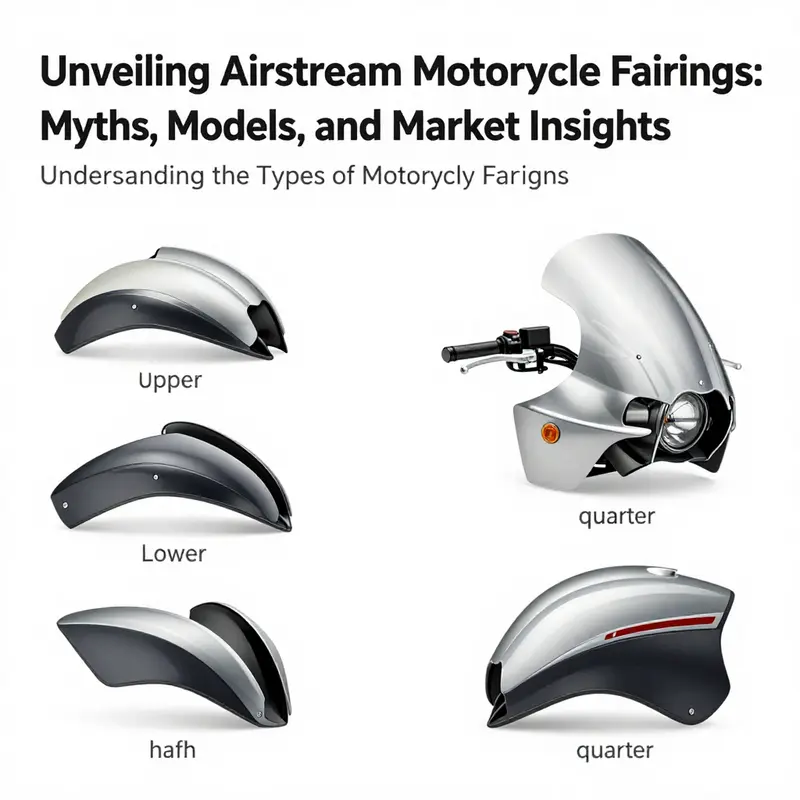
Airstream, as a term, often conjures images of smooth travel trailers gliding through open highways. Yet the same sea of air that hums past a caravan also textures the ride of every motorcycle. While there is no widely recognized motorcycle part branded as “Airstream fairings,” the idea of shaping air to improve performance, comfort, and style sits at the core of every fairing design. When riders speak of aerodynamics, they are not simply chasing a glossy silhouette; they are negotiating wind load, noise, heat, and the precise ways air flows around the rider and the machine. A fairing is, in essence, a negotiated boundary between machine and atmosphere. It is a sculpted surface that guides, diverts, and uses air rather than simply withstanding it. The result is a motorcycle that feels more planted at speed, less battered by crosswinds, and more capable of maintaining a steady rhythm over long miles. The conversation about fairings then unfolds along a spectrum—from the most enveloping shells that crown the bike, to lighter, minimalist skins that hint at speed without fully enclosing the rider. Each choice reflects a rider’s priorities: top-end speed, daily comfort, maintenance practicality, or personal expression through form and color.
Understanding the types of fairings helps ground that conversation. Full fairings cover the majority of the engine and frame, creating a continuous air channel from the nose to the tail. They are a staple of sport and touring motorcycles because their shape can shave drag, keep the rider more shielded from wind and weather, and shelter the hands from chill gusts. The aerodynamic payoff can translate into steadier handling at high speeds and more predictable weather resistance, which in turn supports longer, more comfortable riding legs and reduced fatigue. Yet the same fullness that brings these benefits also introduces weight and maintenance considerations. Access to the engine, radiators, and other components can become more complex, and the painted surface bears the brunt of stone chips and micro-cracks in harsher climates. These are trade-offs every rider must weigh when deciding how enveloping their air boundary should be.
Half fairings offer a different balance. They cover the upper portion of the bike—primarily the headlight, instrument cluster, and often the upper portion of the fuel tank—while leaving the lower engine and frame exposed. This design delivers meaningful wind protection for the rider’s upper body without the mass and maintenance footprint of full fairings. The rider benefits from easier engine access, simpler refurbishment, and a more open riding feel that some describe as a greater sense of connection to the bike’s mechanical heartbeat. The effect on aerodynamics is still significant, though less dramatic than a full fairing. The air boundary remains practical and efficient, deflecting a portion of the wind while preserving an edge of air for cooling and chassis airflow. For riders who navigate urban streets, twisty backroads, and casual highway cruising, half fairings strike a practical middle ground that keeps the machine’s soul visible while still offering shelter from the weather’s harsher touch.
Quarter fairings, the smallest and most minimalist category, cover only the frontmost region—typically around the headlight area and the upper fork. They aim for a clean aesthetic with a touch of wind deflection. The aerodynamic gains here are modest, but even small deflections can reduce fatigue on longer rides and improve rider comfort at moderate speeds. The appeal of this design lies less in cloaking air than in reducing the visual and tactile noise that comes from exposed facets of the bike. For café racers and light sport-touring machines, quarter fairings offer a lean, aggressive look while preserving access to essential maintenance points. They are also easier to retrofit or remove, making them attractive to riders who like changing the bike’s character with a quick swap.
Beyond the typology, the material and construction of fairings determine how these shapes translate into ride quality. Traditional fairings often rely on robust, impact-resistant polymers such as fiberglass-reinforced composites or thermoplastics. Modern builds increasingly incorporate lightweight carbon fiber or advanced multi-material laminates, trading a portion of durability for weight savings and a refined stiffness-to-weight ratio. The choice of material influences everything from the feel of the wind pressure at high speeds to how the panel handles vibration and heat from the engine and exhaust. In addition, the mounting system—brackets, fasteners, and sometimes quick-release mechanisms—plays a crucial role in both performance and practicality. A well-integrated mounting strategy keeps fairings stable through uneven roads, wind gusts, and quick directional changes, reducing noise and preventing rattles that would otherwise undermine the enclosure’s aerodynamic integrity.
A fairing’s design also speaks to the rider’s relationship with the machine. The silhouette—how the nose blends into the windscreen, how the sides sweep back toward the rider’s hips, and how the lower surfaces tuck around the engine and chassis—becomes a language of speed and control. The windscreen height and curvature interact with the fairing’s geometry to channel air above the rider’s helmet or, in some cases, to direct a stream toward the shoulders for better thermal balance. The storytelling aspect of fairings is inseparable from their physical function. A sleek contour can evoke a feeling of precision and discipline, while a rugged, more angular shape can communicate endurance and versatility. In both cases, the objective remains the same: to create a boundary where air becomes a useful partner rather than an adversary.
Riding comfort and highway endurance, of course, hinge on more than raw aerodynamics. When a rider sits in a carefully shaped wind envelope, the body experiences steadier pressure, reduced turbulence, and lower exposure to gusts. This translates to less shoulder and neck strain, lower helmet lift in gusty conditions, and a steadier line through long, straight sections. Heat management is another practical benefit. Fairings channel air to radiators and engine bays, facilitating cooling while directing exhaust heat away from the rider. The cooler, calmer cabin created by a thoughtful fairing design supports longer hours in the saddle, which matters whether the rider is chasing weekend miles or daily commutes.
Of course, customization is an essential dimension of fairing culture. Riders often seek to align the bike’s aerodynamics with their personal aesthetic and the practical realities of their locale. The choice may hinge on climate, road quality, and the rider’s height and posture. Taller riders might favor taller windshields and broader upper surfaces to glean additional airflow relief, while riders in high-traffic cities may prioritize easy maintenance and frequent stowage checks. The color and finish of the fairing influence the bike’s overall presence, and paintwork can be tailored to reflect a rider’s identity or align with a broader customization theme. In all cases, the integration of fairings with dashboards, instruments, and lighting demands careful attention to the line of sight and the electrical routing. A good fairing design respects the rider’s view of the instrumentation while ensuring that headlight illumination is not compromised by any aerodynamic obstructions.
Within this ecosystem of options, riders often explore ecosystems that categorize and guide compatibility and style. An entry point in the broader catalog of fairings lies in brand-aligned collections that offer model-specific shaping and mounting solutions. For instance, a catalog page dedicated to a family of fairings provides a map of compatible shapes, mounting points, and aesthetic options. This kind of resource helps riders choose a fairing that maintains the bike’s geometry while offering the wind protection and sharp looks they desire. For those who want to see a representative spectrum of how fairings are grouped and offered, a popular reference point is the BMW fairings collection, which demonstrates how different shapes and mounting schemes align with a bike’s frame, rider height, and intended use. BMW fairings offers a sense of how an organized catalog presents compatibility and design variation in a way that is both informative and practically actionable.
As riders navigate the complexity of fairing selection, it is useful to keep in mind that the aerodynamic goal is not simply to “cover” the bike. It is to orchestrate air in a way that supports the rider’s goals—whether that is top-end acceleration stability, comfortable long-distance cruising, or a nimble, responsive daily ride. The right fairing can reduce fatigue on a cross-country stretch, improve cornering confidence by stabilizing wind gusts, and provide a sense of shelter that makes the ride feel both controlled and effortless. The wrong balance, conversely, can increase weight, complicate maintenance, or introduce wind noise and turbulence that erode comfort over time. The nuance lies in understanding how each type—full, half, or quarter—reacts to a rider’s posture, the bike’s geometry, and the road’s characteristic winds. The result is a tailored aerodynamic experience that matches the rider’s ambitions.
The broader industry perspective on fairings recognizes that aerodynamics intersect with material science, vehicle dynamics, and even weather-facing realities. A fairing is not a single component but a system: it works in concert with the windscreen, the cockpit’s instrumentation, the cooling system, and the bike’s chassis geometry. This holistic view helps riders appreciate why a seemingly simple choice—one type of fairing over another—can ripple into multiple ride-quality outcomes. It also underscores the value of thoughtful maintenance. Regular inspection for chips, cracks, and fastener loosening preserves aerodynamic performance and the rider’s comfort. Simple repairs or refinishing can rejuvenate the visual and functional integrity of the fairing, ensuring it continues to do what it was designed to do: streamline the imperfect drama of air into something more predictable and, ultimately, more enjoyable.
For readers seeking a deeper dive into the science behind fairing performance and how different architectures affect industrial and practical outcomes, there is a broad spectrum of research and practical guides that explore fairings’ types, properties, and performance implications. External resources such as those analyzing the relationships between fairing shapes, drag reduction, and wind-management strategies offer a broader lens on why riders choose specific configurations and materials. If you are curious about the broader engineering context, you can explore materials, mounting strategies, and performance metrics in trusted technical discussions available online.
In summary, the language of motorcycle fairings is a conversation about control—control of air, of heat, of noise, and of rider fatigue. It is a conversation about how shape and substance come together to create an experience that is not merely faster or prettier, but more comfortable, more reliable, and more personal. The different fairing types—full, half, and quarter—each tell a story about where a rider sits on the spectrum between enveloping protection and accessible performance. The material choices and mounting philosophies determine how that story is told in the real world, whether on a highway at 120 miles per hour or during a daily commute through a wind-blasted city. This is not just engineering; it is a form of riding philosophy, where air is not merely to be outrun but invited to cooperate with the rider’s aims. External insights into the broader design implications of fairing systems can expand this understanding further, linking the practical decisions riders make with the larger forces that shape how motorcycles move through air at speed.
Airstream-Inspired Motorcycle Fairings: Aerodynamics, Stability, and Rider Comfort
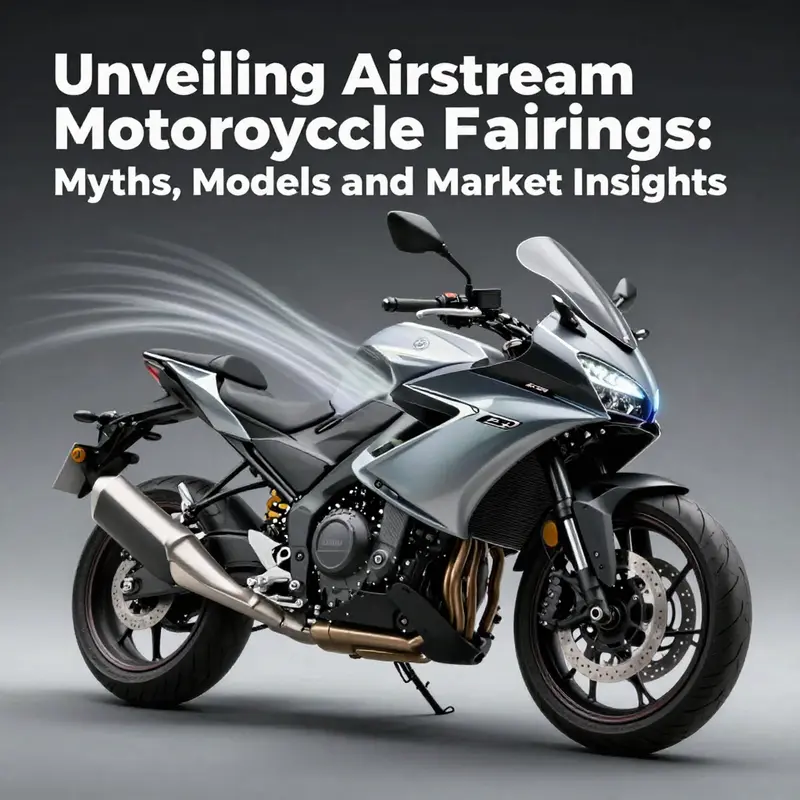
The term airstream-inspired motorcycle fairing describes a carefully sculpted shell that guides air around rider and machine with minimal disruption. The aim is not only a sleek silhouette but a practical envelope that reduces drag, shields the rider from wind and weather, and preserves cooling and visibility as speeds rise.
The front and upper fairing acts to split and steer the flow, using long, continuous lines to delay flow separation. By shaping the leading edge with a gentle sweep and extending the surface downstream, engineers encourage attached flow, reduce wake, and improve high-speed stability and comfort for long rides.
Designers face tradeoffs between aerodynamics and engine cooling, access for maintenance, and rider protection. Vents and ducts must channel air where it’s needed while keeping the rider’s helmet clear and the instrument cluster readable. The rider’s posture also interacts with the corridor of airflow, so a forgiving, adaptable form often wins over a perfectly laminar but impractical profile.
Modern practice relies on computational fluid dynamics and wind-tunnel testing to explore shapes quickly and verify performance. Surface roughness and microtextures can delay separation and tailor turbulence to maintain boundary-layer attachment, contributing to quieter operation and more predictable handling.
A key insight from recent research is that small curvature refinements can shift when and where flow separates, altering pressure distribution and vortex formation. These micro-adjustments can meaningfully cut drag and enhance stability without sacrificing maneuverability at lower speeds.
Beyond pure numbers, fairings influence real-world ride quality—reduced fatigue, steadier steering, and quieter air around the rider. The practical ecosystem includes aftermarket options that must fit a rider’s posture, luggage needs, and climate while preserving the core air-focused design philosophy.
Practically, engineers and riders compare upper and side panel configurations, evaluate cooling strategy, and consider how modular or adjustable geometry can adapt to hot days, long trips, or different bikes. A disciplined approach treats airflow as a design constraint that can be tuned rather than a single fixed shape.
Viewed this way, the fairing becomes a calculated partner in performance, shaping how air and rider experience speed, stability, and endurance. The field continues to evolve toward modularity, smarter vents, and adaptive geometry that keeps airflow aligned with rider goals across varied machines and conditions.
Airstream-Inspired Aerodynamics: How Motorcycle Fairings Shape Speed, Comfort, and Protection

The phrase airstream motorcycle fairings often invites questions rather than straightforward answers. In the motorcycle world, there is no well-defined product line named “Airstream” tailored for fairings. The term you’ll encounter more often is the broader idea of aerodynamic, wind-deflecting shells that streamline the rider’s position and shield vulnerable components from road spray and debris. Airstream, in this context, is less a brand and more a metaphor for the way a fairing interacts with air—how its geometry choreographs flow around a vehicle moving through open air. This distinction matters because it anchors the reader in a practical, design-forward understanding of what fairings do, how they are built, and why riders choose one configuration over another. The value of a properly engineered fairing goes beyond aesthetics. It is measured in comfort over long hours in the saddle, the steadiness of a bike’s rhythm at highway speeds, and the protective margin it offers for critical engine and electrical components beneath the skin.
At their most fundamental level, fairings are about control of air. They are typically categorized by how much of the bike they cover: upper fairings that cradle the headlight and instrument cluster, lower fairings that sculpt airflow around the engine and undercarriage, half fairings that cover the front half of the bike and preserve some openness at the rider’s thighs, and quarter fairings that offer a light touch of wind protection near the front fork. Each form serves a practical purpose: upper fairings concentrate stability and reduce rider fatigue by channeling air away from the rider’s torso; lower fairings protect engine bays and exposed components from road debris while contributing to cooling efficiency by guiding air toward radiators and underbellies. When a rider contemplates a fairing upgrade, the choice is rarely about a single feature. It is about how the entire form integrates with the chassis geometry, the rider’s posture, and the bike’s intended use—urban commuting, long-distance touring, or spirited canyon running.
The absence of a single, dominant “Airstream” line does not diminish the importance of the design language these kits embody. Instead, it highlights the diversity of materials and construction approaches that manufacturers bring to the table. The most common production-grade fairings rely on impact-resistant plastics such as ABS for durability and cost efficiency, while higher-end options may use fiberglass or even carbon fiber composites to shave weight and refine stiffness. ABS offers a balanced blend of impact resistance, flexibility, and ease of molding, which makes it a practical choice for mass-market kits and aftermarket replacements. Fiberglass can yield more complex shapes with less tooling complexity, making it a preferred option for mid-range kits that aim for strong performance without the premium price tag of carbon fiber. Carbon-fiber variants, meanwhile, deliver exceptional strength-to-weight ratios and a distinct feel of sport-oriented refinement, though they come at a premium and require careful handling during installation due to their stiffness.
Beyond material choice, the texture of a fairing’s influence on performance lies in its aerodynamics. Designers translate the rider’s line of sight, seating position, and elbow-to-knee clearance into curves and cavities that manage separation, pressure recovery, and vortices. The goal is to maintain a smooth pressure gradient around the bike so there is less buffeting at highway speeds and less wind noise near the rider’s helmet. This is where the science of fairings intersects with the art of motorcycle fitment. A well-engineered fairing reduces drag not merely by tucking the rider under a canopy, but by shaping a seamless pathway for air to follow as it encounters the bike’s front end, then exits along the sides and rear. The result can be a rider who feels less fatigue on long rides, fewer gust-induced shifts in steering feel, and a more confident sense of stability at speed.
Of course, the choice between full, half, or quarter fairings also hinges on the rider’s relationship with wind. Some riders prefer a more open, exposed feel that comes with minimal shielding; others seek maximum wind deflection and weather protection. This is where modularity and fit become crucial. A full fairing can provide comprehensive wind protection and instrument housing, but it demands precise alignment with the bike’s bodywork and mounting points. A half fairing can strike a balance, offering significant wind management while preserving access to the tank and cockpit for a more tactile riding experience. Quarter fairings, in their simplest form, are often chosen to emphasize styling lines while providing a touch of frontal protection. The decision is a negotiation between comfort, weight, and the aesthetics of the bike’s silhouette.
Rider comfort is not solely a matter of air being diverted from the torso. It also involves how effectively the fairing manages heat and helps maintain a stable operating temperature for the engine and nearby components. In many configurations, the lower sections of fairings guide air toward the undercarriage, assisting with cooling while also acting as a shield against stones and spray. Where a fairing meets the road, stone protection becomes a tangible benefit; the outer skin absorbs and deflects impact, while the inner structure bears the brunt of vibrations and minor collisions. For riders who spend long hours on the road, this protective layer translates into lower maintenance costs and a longer-lasting engine ecosystem.
Designers and manufacturers who aim for long-term viability also consider installation compatibility. A fairing system must align with mounting brackets, tank shapes, dash assemblies, and the bike’s frame geometry. In practice, this means that reputable aftermarket kits prioritize precise fit and straightforward installation that requires minimal or no structural modification. The ideal scenario is a kit that arrives with all necessary hardware and clear alignment cues, enabling riders to upgrade their aerodynamics without a headache. It is here that the conversation often returns to the practical benefits of a well-conceived kit: predictable fit, reliable weather protection, and consistent airflow management across a wide range of speeds and riding positions. For readers curious about how a specific bike might accommodate a fairing, a helpful way to explore is to examine dedicated fitment pages that illustrate compatibility with various frame styles and accessory brackets. A useful reference in this regard can be found in the fairings category that focuses on a particular brand’s lineup, which showcases how a kit is designed to fit a specific frame while maintaining clean lines and the intended silhouette. See the BMW fairings category for an illustrative example of this approach. BMW fairings.
When riders seek performance and reliability, the materials, construction, and workmanship become the primary criteria. The best fairing kits undergo scrutiny for impact resistance, long-term flexibility, and the ability to withstand temperature cycling without warping or cracking. Fortified plastics and resilient composite layers can preserve fitment across years of riding, including the vibrations of uneven roads and the rapid heat cycles produced by sustained highway speeds. The structural strength of the mounting system is equally important. Strong brackets and reliable fasteners prevent flexing that could degrade the seal between the fairing and the bike’s frame, which would otherwise permit air leakage and wind noise to intrude into the cockpit. This is not merely a matter of cosmetics or a minor upgrade; it touches on rider safety and the ergonomics of steering at speed. As with any significant modification, riders should look for reviews and installation notes from experienced owners to gauge how a kit stands up to daily use, long trips, and variable weather conditions.
The broader ecosystem around fairings also emphasizes maintainability and serviceability. Well-made fairings are designed with removable panels and straightforward access to the engine, radiators, and electrical connections. This thoughtful architecture reduces downtime during maintenance or minor repairs and makes routine checks less disruptive to the rider’s schedule. A fairing’s internal cavities can harbor moisture and dust if poorly sealed, so quality gasket geometry and fit are as important as the outer shell’s strength. From a practical perspective, care and cleaning routines matter too. A smooth, non-porous surface is easier to wash and less likely to accumulate grit that could abrade paint or degrade glossy finishes over time. The choice of finish, whether matte, gloss, or textured, also interacts with the rider’s aesthetic preferences and how the bike will age in sunlight and weather exposure.
Customization remains a central appeal of modern fairings. Beyond material choice, riders can select fairings with integrated lighting, instrument clusters, and storage features that align with their riding style. Such integrations can streamline the cockpit, reduce the need for extra accessories, and contribute to a cohesive, race-inspired or touring-oriented look. The design conversation often returns to one core question: how does the fairing complement the bike’s original lines while providing meaningful gains in speed, stability, and comfort? The answer lies in a balanced combination of shape, material, fit, and finish that respects the bike’s geometry, the rider’s posture, and the intended use case.
As fairing technology continues to evolve, we see ongoing experimentation with modular components, lighter materials, and refined aerodynamics. The aim is to deliver predictable airflow across speeds, maintain stable handling in gusty conditions, and reduce fatigue on long days in the saddle. This ongoing evolution also entails careful attention to maintenance and compatibility, ensuring that riders can upgrade without sacrificing reliability or safety. The end result is a spectrum of options that lets riders tailor the air with intent—no matter the bike or the road ahead.
External reference: For a broader overview of how fairing kits are evaluated and selected in the market, see the in-depth review at Motorcycle.com, which analyzes durability, affordability, and performance across a range of kits: https://www.motorcycle.com/best-fairing-kits/.
Streamlined Horizons: Airstream-Inspired Aerodynamics and the Next Wave of Motorcycle Fairings
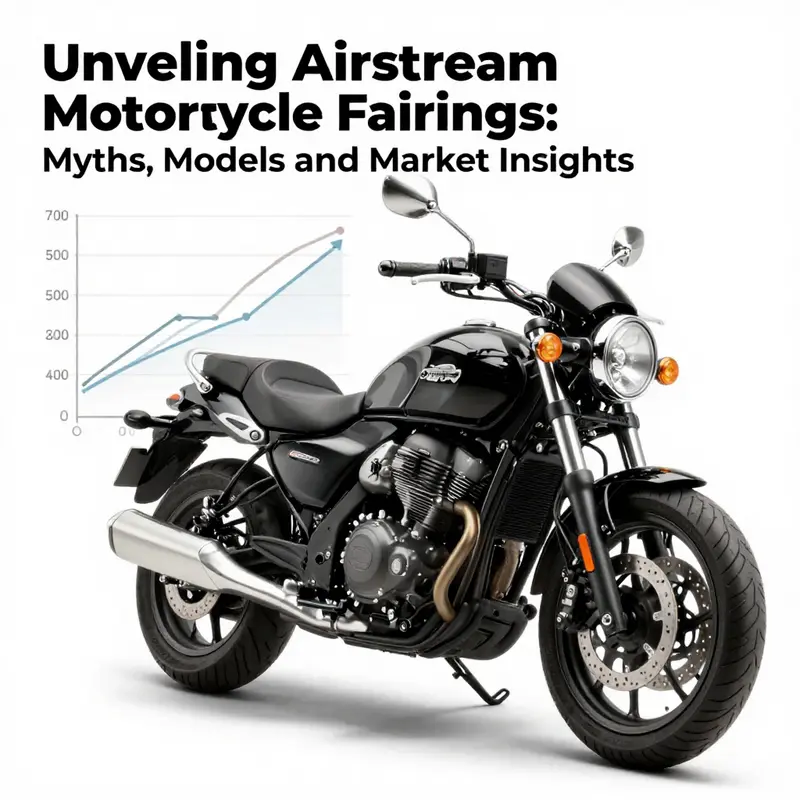
The idea of an air-streamlined form catching the wind as a rider cuts through open terrain has long inspired both travel and automotive design. In the world of motorcycles, the term that most closely echoes that influence is not a single brand or model but a design language that emphasizes smooth, continuous lines and carefully sculpted surfaces to manage air. While there is no direct, branded line of fairings named after a renowned style of travel trailers, manufacturers and designers increasingly pursue an aerodynamic identity that echoes the efficiency and elegance of those long, low shapes. This chapter looks at how that aesthetic translates into practical engineering decisions for motorcycle fairings, why it matters for performance and comfort, and what the market signals suggest about the road ahead. It is a field where form and function ride together, shaping ride quality, fuel economy, and the rider’s experience in real, measurable ways. The market data that anchors this discussion is robust: the global motorcycle fairing market stood at about USD 15.3 billion in 2025 and is projected to grow at a CAGR of roughly 10.12 percent from 2026 to 2033. Those numbers reflect more than style; they point to a sustained interest in aerodynamics as a core performance lever, alongside materials science and digital design tools that make ever more precise wind modeling feasible for a wider set of motorcycles.
Aerodynamics in fairing design has evolved beyond simply shielding the rider from wind. The foremost aim is to optimize the airflow around the motorcycle as a whole. When a bike slices through air at high speed, turbulence forms in places that can slow acceleration, increase fuel burn, and cause fatigue for the rider. A well-designed fairing smooths those transitions, guiding air to reduce drag, improve downforce where needed, and maintain stability across curves and straights. This is not merely about a sport bike’s naked vanity; it is about a practical maritime-like discipline on two wheels. Across the spectrum of street, sport, adventure, and touring machines, the goal is to achieve a balance where the rider remains shielded yet feels the wind pressure as manageable rather than overwhelming. As speeds rise, the benefits compound. Less drag yields more efficient fuel usage, more consistent engine loading, and a smoother, more predictable feel. In longer rides, comfort becomes a function of how air interacts with both rider posture and the motorcycle’s body. A refined fairing path can ease wind gusts around the torso and shoulders, reduce head buffeting, and lessen the effort required to maintain a steady, upright posture on highway miles that stretch toward the horizon.
Beyond the passive form, the industry is increasingly embracing active or adaptive aerodynamic concepts. The most ambitious statements in this direction describe systems that sense riding conditions and adjust the fairing geometry in real time. Such systems promise to modulate downforce and flow channels as speed, wind direction, and rider position change. The potential impact is profound: an active aero mechanism could broaden the envelope of high-speed handling, reduce rider fatigue on long journeys, and offer a new kind of performance customization. In theory, a concept with adaptive surfaces could push downforce when cornering at pace, release it at straight sections to minimize drag, and optimize cooling flow to the engine and components. If realized at scale, these developments could reshape the competitive landscape by combining high power with intelligent wind management. The idea of adaptive aerodynamics intersects with several other advances in the field: more efficient, lighter materials; better digital simulations that can predict complex three-dimensional flow; and sensor networks that turn wind, speed, and posture into actionable feedback for the rider or the machine’s control system. Taken together, these threads describe a future where the fairing is not just a shell but a dynamic interface between machine, rider, and environment.
In the present, the direction is already visible in how designers approach fairing geometry and integration. The emphasis is on modularity and multi-function surfaces. A modern fairing often blends with storage solutions, instrument panels, and windshields in ways that preserve aerodynamics while expanding the bike’s utility. The upper fairing, lower fairing, and half or quarter variants each serve distinct aerodynamic and protective roles. The upper fairing primarily addresses wind protection and head-tree smoothing, including the path of air around the rider’s helmet and shoulders. The lower fairing acts as a shaper for the air interacting with the engine bay and undercarriage, aiding cooling and protecting vital components from road debris. These design choices are increasingly informed by computational fluid dynamics and wind tunnel validation, which allow engineers to test multiple geometries quickly and iteratively. Designers aim for a seamless, almost seamless integration with the bike’s chassis, thereby erasing the visual cues of the components beneath while still delivering structural stability and serviceability. The idea of a cohesive, flowing silhouette also has a psychological effect: it signals capability and precision, attributes riders subconsciously seek in a machine built for performance, reliability, and long-haul endurance.
Market dynamics reinforce the technical direction. With nearly a decade of growth ahead, manufacturers are investing in materials that offer higher stiffness-to-weight ratios and greater impact resistance without adding mass. This is critical because any heavier fairing that does not yield proportional performance gains can undercut the total package. Advanced composites and thermoplastics provide a path to thinner, lighter shells that still withstand road abrasion and stone impact. Moreover, emerging manufacturing practices, including rapid-curing resins and modular assembly techniques, enable quicker model updates and more customizable configurations. The result is a broader range of fairing options that can be tailored to the rider’s needs—more protection for aggressive riding or lighter, more aggressive lines for sport-oriented machines. Digital simulation tools complement these physical materials by predicting how every millimeter of curvature influences wake, drag, and noise, helping designers push the boundaries of what is feasible without increasing risk or cost.
In practice, this translates into a spectrum of design explorations that balance aesthetic appeal with measurable performance. A dominant theme is the pursuit of clean lines that maintain driver visibility and instrument readability while shaping the air in a way that supports predictable handling. The relationship between the rider’s posture and the fairing’s geometry becomes an integral part of the engineering challenge. If the rider sits more upright, fairings must redirect air around the torso more gently; if the posture is leaned forward, the aero path must offer different cues to keep the cockpit calm at speed. These subtleties matter, because even small changes in airflow can influence ride quality and the rider’s perception of control. In a market that values both performance and comfort, the best fairings offer a coherent story: a surface that appears to glide with the bike, while delivering tangible improvements in ride stability, cooling efficiency, and sound management.
For readers exploring the current landscape, the practical takeaway is that the fairing is no longer a mere shell. It is a carefully engineered, integrated system. A modern fairing must consider compatibility with accessories, data connectivity, and, increasingly, rider-assistance features. The integration with electronic controls and user interfaces is as important as the artistry of the form. Understanding this helps explain why the market is projected to grow at a healthy pace in the coming years: customers want more value from their fairings than merely a wind shield or surface decoration. They expect a holistic solution that links aerodynamics with comfort, protection, and versatility for diverse riding contexts. For those who want to explore current catalog options and how they approach the fairing as a system, a practical route is to study categories that group fairings by brand and platform. A representative example is the BMW fairings catalog, which demonstrates how a premium, integrated approach can be realized in production. See the collection here: BMW fairings.
Looking ahead, several forces will shape the next generation of airstream-inspired fairings. Material science will push further into tougher, lighter, and more heat-resistant composites. Digital tools will enable higher-fidelity simulations that reduce the gap between virtual prototypes and real-world behavior. Smart technologies hold the promise of adaptive interfaces that respond to wind, speed, or rider posture, providing a more tailored experience without requiring manual adjustments. And throughout all of this, the design language will remain anchored in the principle that air should be treated as an ally rather than a stubborn adversary. The road ahead is not about chasing a single signature look; it is about crafting a versatile, intelligent, and aesthetically coherent system that can adapt across riding styles and terrains. In that sense, the airstream-inspired approach is less a fad and more a disciplined trajectory toward more capable, efficient, and enjoyable motorcycles.
For readers seeking additional context on market trends and projections, external research consolidates these observations. See Grand View Research for a broader market analysis and outlook: https://www.grandviewresearch.com/industry-analysis/motorcycle-fairing-market
Final thoughts
In conclusion, while the term ‘Airstream motorcycle fairings’ may conjure misconceptions, it is vitally important to distinguish between branding and product types. Understanding the various types of motorcycle fairings, their aerodynamic implications, and market trends can directly benefit business owners looking to innovate and enhance their current offerings. As the industry evolves, keeping abreast of these developments will ensure your business remains competitive and responsive to customer needs.