
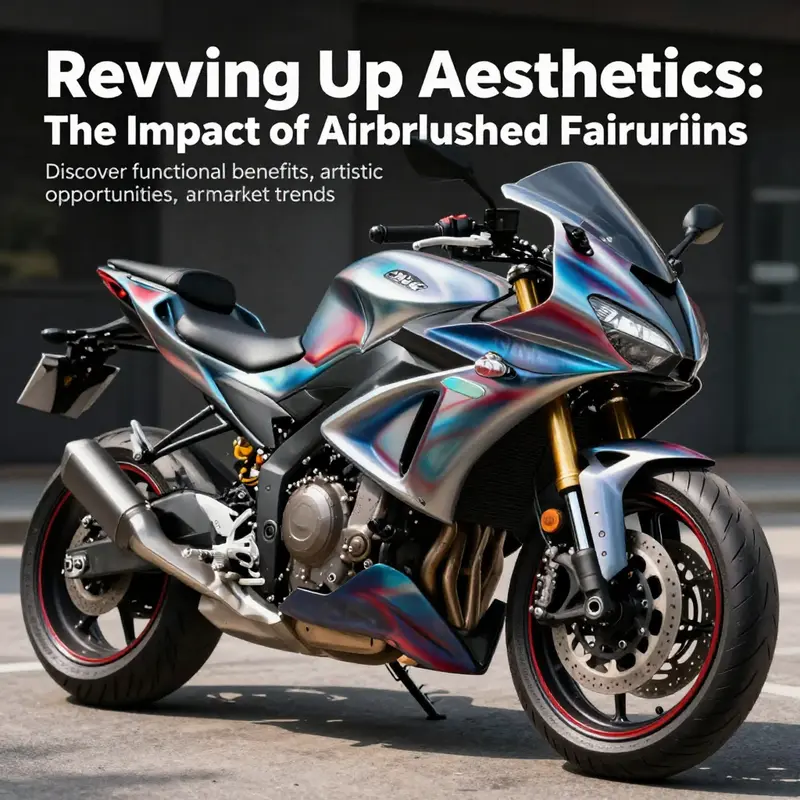
Airbrushed motorcycle fairings represent an innovative intersection of performance and artistic expression, an appealing sight for many bike enthusiasts. For business owners in the motorcycle industry, understanding this dynamic can unlock new opportunities for growth and customer engagement. From enhancing the aerodynamics of a bike to showcasing stunning artwork, airbrushed fairings offer both practical benefits and visual appeal. This article explores the functional advantages of these custom pieces, goes deep into the artistry behind the airbrushing process, and analyzes current market trends that underscore the importance of personalization in motorcycle culture. Understanding these aspects will help businesses better serve their customers and capitalize on the rising demand for unique motorcycle modifications.
Art, Armor, and the Ride: Understanding the Real-World Value of Airbrushed Motorcycle Fairings
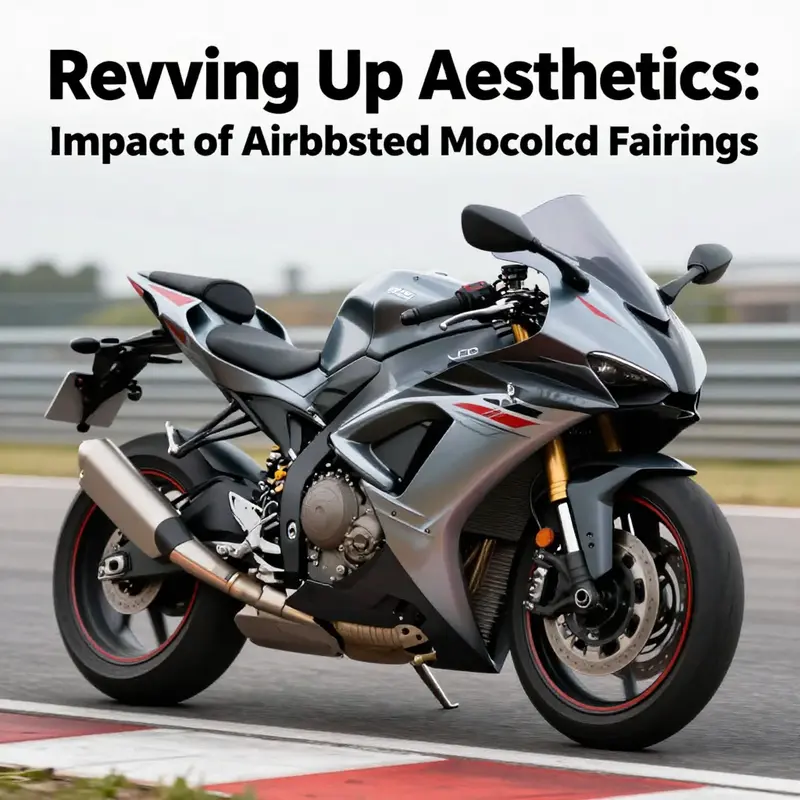
Airbrushed motorcycle fairings sit at a curious intersection of art and engineering. They are not merely shells that wrap a bike in color; they are canvases that travel through wind, road salt, heat, and rain, carrying a rider’s story as surely as they carry fuel and gear. When we talk about the functional benefits of airbrushed fairings, the conversation often centers on aesthetics. Yet the subtle ways in which a finish and a well-chosen material influence daily usability, maintenance, and ride experience deserve careful attention. In the broad spectrum of motorcycle customization, airbrushed fairings offer a distinctive blend: a personal statement dressed in durable protection, a surface finished with an artful hand, and a practical layer that contributes to shielding the underlying structure from the elements. The result is a product that feels more like a partner on the road than a mere cover, a fusion of form and function that invites riders to look at the bike and into the ride at the same time.
The materials that commonly form the backbone of airbrushed fairings are chosen for a balance between lightness, rigidity, and resilience. Polycarbonate, acrylic, and various composite plastics are typical hosts for intricate airbrushed designs. Each material brings its own character to the finished surface. Polycarbonate, for example, is widely praised for its impact resistance and clarity, which makes color work pop while offering a forgiving spine against road debris. Acrylic, with its strong scratch resistance and excellent optical properties, can support highly detailed artwork that maintains its sharpness over time. Composite plastics, which blend resins with reinforcing fibers, can deliver a tailored stiffness that helps the fairing hold its shape under load and wind pressure. The choice of substrate subtly affects how the artwork ages, how the paint adheres, and how the surface responds to cleaning and protection treatments. In this sense, airbrushed finishes are not simply painted pictures; they are the visible face of a layered design process that considers performance, durability, and the rider’s expectations for upkeep.
The painting itself is the centerpiece of the experience. Airbrushing unlocks possibilities that go far beyond applied color. It enables gradients that shimmer with depth, shading that creates the illusion of motion even when the bike is still, and fine line work that can render everything from skeletal motifs to eagle silhouettes with astonishing precision. The painting is not static decoration; it is a narrative in motion. A rider who chooses an intricate motif often seeks continuity between the bike’s silhouette and the art that graces it. The contour lines of a fairing can guide the eye along a design, echoing your body position during a corner or a straightaway, or they can deliberately contrast with the bike’s geometry to draw attention to a particular feature, such as a vent or a subtle curvature. In this way, the airbrushed finish becomes a dialogue between rider, machine, and road—an assertion of identity that travels wherever the motorcycle goes.
But the aesthetic value of a finish is not simply about personal expression. The craft involved in a high-quality airbrushed job contributes to the long-term protection of the fairing itself. Modern, weather-resistant paints are designed to endure sun exposure, rain, and varying temperatures without the colors bleeding or fading prematurely. A properly executed airbrushed finish is typically topped with a clear coat that seals the artwork and provides a layer of UV resistance. This clear coat serves multiple roles: it hardens the surface against minor abrasions, acts as a sacrificial shield against chips, and creates a uniform barrier that makes routine maintenance feasible. When a rider wipes down the fairings, the finish benefits from careful cleaning and the occasional application of a protective wax or sealant, which helps sustain the gloss and guards against micro-scratches that accumulate with time and road grit. While the paint layer is thin relative to the structural skin of the fairing, its upkeep matters. A neglected finish can dull, crack, or delaminate over years of exposure, diminishing both the artwork and the perceived value of the bike. Regular, gentle maintenance is a practical extension of appreciating the artistry.
Durability and protection are not the same thing as aerodynamic performance. The research that frames this discussion emphasizes a critical point: airbrushed fairings, by themselves, do not materially improve downforce, reduce drag in any meaningful sense, or improve stability at high speeds. The aerodynamic benefits in motorcycle design arise from engineered shapes, airfoil cross-sections, venting strategies, and the integration of features like winglets and specially contoured fairings. An airbrushed surface can be part of a well-chosen aesthetic package that complements aerodynamic performance, but it does not by itself deliver a significant aerodynamic advantage. This distinction matters for riders who chase purely performance-driven upgrades. The fairing’s outer surface may influence boundary layer behavior at the edges or interact with the paint layer’s thickness, but any measurable effect on posture, wind yaw, or high-speed handling would be a result of the underlying fairing geometry rather than the artwork itself. In practical terms, if a rider cares about wind noise, fatigue, or high-speed stability, the priority should be on choosing fairings whose design already prioritizes aero efficiency, and then selecting an airbrushed finish that does not compromise the surface integrity or introduce imbalanced local stiffness.
This is where the story of airbrushed fairings often bends toward balance. A rider who wishes to preserve performance while embracing artistry may blend decorative finishes with advanced, purpose-built fairings designed to enhance comfort on long rides or provide high-speed confidence. The idea is not to exalt a finish as a performance hack but to recognize that the aesthetic layer can coexist with, and even reinforce, practical design goals. For example, sport-touring configurations might pair semi-faired surfaces with a restrained, weather-resistant airbrushed finish to maintain a calm wind experience during extended highway miles while still delivering a striking personal touch. In contrast, a full fairing crafted for high-speed stability may be matched with an airbrushed motif that emphasizes bold lines and high-contrast shading, ensuring the bike stands out without introducing visual clutter that might distract the rider in dynamic riding conditions. The art becomes a harmonizing force rather than a disruptor—a way to express identity while maintaining a solid baseline of function.
The material and painting decisions also have practical implications for care and longevity. The key to a durable airbrushed finish lies in the synergy of substrate choice, paint quality, and protective sealing. A rider who understands this synergy can enjoy a finish that resists UV breakdown, adheres well to the base plastic, and withstands the occasional brush with a wash mitt or a bug splash on a long ride. Yet even with the most robust finishes, there are realities to manage. Cleaning should be done with mild, non-abrasive cleaners and soft cloths to avoid micro-scratches that can accumulate with aggressive scrubbing. Solvents and harsh chemicals should be avoided because they can degrade the clear coat, soften the paint, or loosen the adhesion of the artwork. Regular inspection of the edges and seams is prudent. The heat from direct sun, occasional contact with hot surfaces, or the stress of road debris can wear at the perimeters where paint flakes might begin to lift. When touched up or restored, the artistry can be refreshed without compromising the underlying structure, reinforcing the idea that airbrushed finishes, when properly maintained, are not a single moment of creation but a continuing collaboration between rider and craftsman.
Beyond the technical and maintenance considerations, there is a philosophical dimension to airbrushed fairings. They enable a rider to craft a narrative that follows them from curb to coastline, from city streets to mountain passes. A design, whether it evokes a fierce predator, a soaring eagle, or a mythic landscape, can carry emotional resonance that echoes the rider’s journey. The desire for personalization—making a bike that communicates something meaningful about who the rider is—drives much of the decision to adopt airbrushed finishes. It is not simply about standing out; it is about wearing a story in a format that moves with the machine. Some riders choose motifs that reference personal milestones, cultural symbols, or affinities for particular places they have traveled. The art becomes a mnemonic device that makes each ride feel like an ongoing chapter of a larger story. In this sense, airbrushed fairings fulfill a social function as well, signaling taste and experience to fellow riders, spectators, and even curious bystanders who may not share the same technical vocabulary but recognize the care and care taken in the craft.
The practical path to achieving this balance—artistic richness without sacrificing upkeep or everyday usability—often starts with a thoughtful design brief. Riders considering airbrushed finishes should assess how a motif aligns with their riding environment, their typical climates, and their maintenance habits. A design that relies on very subtle shading or fine line work might require additional protective steps to maintain clarity, while larger, bolder motifs can be more forgiving of minor wear, provided they are sealed properly. Knowledge of color fastness and how colors age in sunlight is crucial; some color blends are more susceptible to fading than others, and a well-chosen palette can preserve the intended look for years of riding. The selection process also encompasses the compatibility of the artwork with existing fairing shapes and the rider’s preferred ride characteristics. A design that echoes the bike’s lines creates a more cohesive visual impression; one that fights against the fairing’s geometry can feel discordant in motion. This is where artistry and engineering meet: not as rivals but as collaborators who, together, shape a rider’s sense of motion and identity.
In practical terms, riders who are curious about integrating an airbrushed finish into their bike’s existing look should start with a clear understanding of their expectations. Do they want a finish that reads as a bold statement at a standstill, or one that reveals itself in motion, its tones shifting with light and angle? Do they prefer a single dominant motif or a layered composition that reveals new details as the bike angles through a corner? Each choice influences how the artwork is planned, how the surface is prepared, and how insurance and maintenance considerations might be discussed with a shop or a craftsman. It is essential to approach the project with realism about durability and upkeep, while also embracing the possibility that the final piece will be an evolving conversation between the rider and the craftsperson. The process often begins with sketches and digital previews, moves through pre-assembly masking and surface preparation, and culminates in a protective clear coating that safeguards the artwork from road impacts and the harsh realities of weather exposure. The end result is not only a protected surface but a visible testament to the rider’s commitment to a unique persona on two wheels.
For readers who are considering this journey, a practical step is to explore portfolios of skilled airbrush artists who bring a track record of clean lines, precise shading, and durable finishes. While the aesthetic remains the primary driver, the technical competence behind the craft determines how well the final work behaves in the real world. A design that is sympathetic to the fairing’s curvature, a substrate with a stable base, and a robust protective layer all contribute to a finish that remains legible and vibrant after thousands of miles. It is this fusion of visual storytelling with careful material science that makes airbrushed fairings compelling. They are not a guarantee of improved performance, but they are a reliable way to cloak a bike in expressive artistry while preserving, and in some cases enhancing, daily practicality. The rider emerges with a machine that carries personal meaning and a practical shield against the elements, a composite of narrative and utility that speaks to why many motorcyclists pursue customization in the first place.
The broader market for custom finishes supports this dual identity of art and utility. A diverse pool of artists and technicians can tailor finishes to a rider’s taste, from bold, almost graphic silhouettes to delicate, museum-like portraits. Even within a given category, the range of finish options—from glossy high-shine to satin or matte tones—can influence maintenance routines and the perceived care required. A gloss finish, while striking, often shows scratches and dust more readily, necessitating more frequent cleaning and polishing. A satin finish can mask minor marring better but may require different cleaning approaches to preserve its texture. The artistry is enhanced when the rider and the craftsman discuss the end use of the bike. Will it spend more time in the garage, in urban traffic, or on long touring routes? The intended environment informs how aggressively the surface is sealed and how resilient the paint must be to UV exposure and temperature fluctuations. In this way, art and practicality align not only in the final appearance but in the ongoing experience of ownership.
From a consumer perspective, the decision to adopt airbrushed fairings should weigh costs, upkeep, and the intangible value of self-expression against the primary function of protecting the bike. The finish may be a significant investment, but it also has the potential to retain value by offering a high-confidence maintenance regime and by projecting a strong, distinctive image that can differentiate a bike in a crowded market. It is important to partner with technicians who understand both the craft of airbrushing and the realities of motorcycle maintenance, ensuring that the final product can withstand daily riding while still delivering the intended emotional payoff. A well-executed project becomes more than a cosmetic upgrade; it becomes a durable, individualized companion on the road, one that can endure through many seasons of weather, miles of highway, and the shifting moods of the rider who owns it.
For readers who want a sense of the broader context, the existing literature on fairings notes that the aesthetic dimension often carries tangible value for the rider experience. A well-applied airbrushed design can enhance visibility in certain lighting or reflect a rider’s affiliation with a community, a theme that extends beyond the bike itself. This social aspect, paired with the technical realities of durability and upkeep, helps explain why airbrushed fairings have resonated with touring enthusiasts, sport bike owners, and custom builders alike. The artwork becomes a shared language for a sport that is as much about personal rhythm and road rituals as it is about speed and raw performance. In this sense, the art and the engineering meet not as a compromise, but as a mutually reinforcing choice that honors the rider’s broader values—speed, style, resilience, and the stories carried along every mile.
From a practical standpoint, riders who plan to pursue airbrushed finishes should approach the process with a clear plan. Establish a protective strategy that includes a high-quality clear coat and regular maintenance, choose imagery that can age gracefully on the surface, and ensure the underlying fairing is of a material that can hold a paint layer without excessive flexing or cracking. The aim is to achieve a balanced outcome where the artwork remains legible and impactful, while the fairing continues to protect the rider and the bike with steadfast reliability. The result is a cohesive narrative of craft and craft, of color and curvature, that travels with the machine and the rider for years to come. In this sense, airbrushed fairings offer not just a look but a way of riding—one that blends personal storytelling with the practical realities of motorcycle life.
For readers who want to explore related resources and see how different looks are implemented in practice, a visit to a curated fairing category can be informative. A relevant collection that aligns with the discussion of aesthetics and care is the BMW fairings catalog, which showcases how design choices interact with protective, aerodynamic, and maintenance considerations across a family of models. This category highlights how a consistent silhouette can host diverse art styles while maintaining the functional integrity riders rely on day after day. If you are curious about how a given category handles the balance between form and function, a quick look at the available options can provide a concrete sense of how artists approach curvature, edge treatment, and surface preparation in a way that respects both artistry and engineering. The conversation about airbrushed finishes is richer when paired with real-world examples of how fairings are constructed, painted, and maintained in contemporary motorcycle culture.
External reference: Motorcycle performance insights into fairings types, properties, and how they enhance industrial performance can provide a broader understanding of how surface treatments interact with structural design. See https://www.motorcycleperformance.com/fairings-types-properties-industrial-benefits for additional context on how fairing choices intersect with performance-oriented design and protective considerations.
Internal resource: For readers seeking practical avenues to explore fairing options and related categories, you can browse the BMW fairings catalog to examine how design language translates across models and remains compatible with a variety of aesthetic treatments. Anchor text: BMW fairings
Moving Canvases on Two Wheels: The Fusion of Function and Art in Airbrushed Motorcycle Fairings
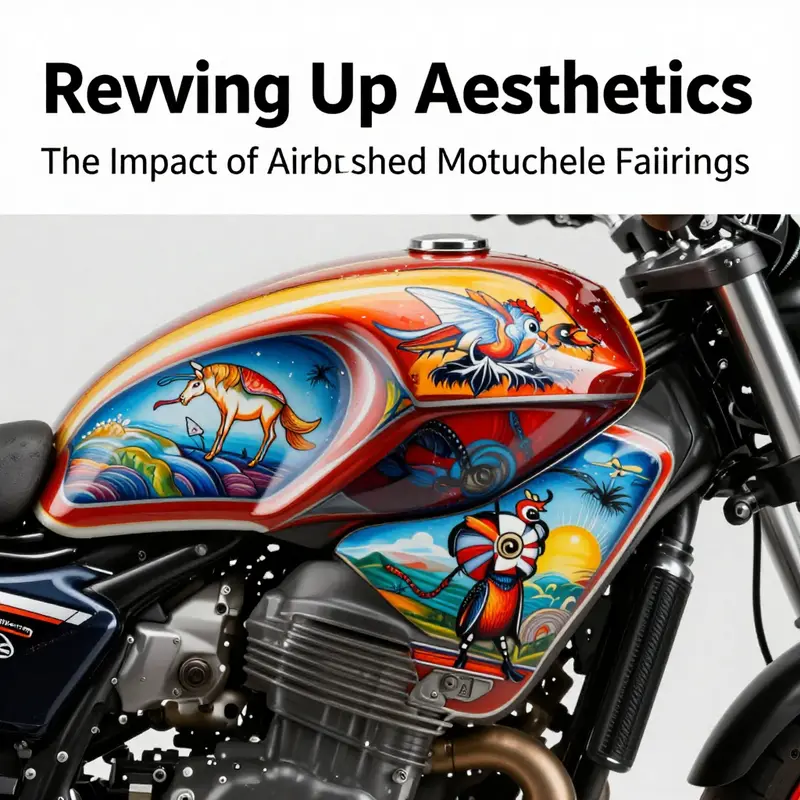
Airbrushed motorcycle fairings turn a bike into a moving canvas. They fuse engineering with personal expression, shaping both aerodynamics and identity. The process begins with substrate selection—polycarbonate, acrylic, or composite plastics that balance toughness, lightness, and formability—along with a layered coating system from primer to base coats and protective clear finishes. Surface preparation matters as much as the painting itself: meticulous sanding, cleaning, and sometimes filling micro imperfections ensures color fidelity and adhesion. The painting is a dialogue between control and spontaneity, where the airbrush builds gradients and depth through translucent builds and feathered edges. The imagery ranges from geometric patterns to landscapes, logos, or symbols that carry personal meaning, all designed to respect the bike’s flow and rider’s intentions. A successful design remains legible at speed, harmonizes with the machine’s silhouette, and endures the road’s demands. Community and craft intersect as riders, painters, and builders share techniques, test color theories, and document progress online, advancing a living tradition. Advances in masking, layering, and finishing expand the range of effect, from subtle glow to bold contrast, while always prioritizing durability and safety. In the end, airbrushed fairings are more than decoration; they are integral components of a rider’s story, a moving sculpture that travels through light, wind, and time.
Moving Canvas: Market Currents, Craft, and Personal Expression in Airbrushed Motorcycle Fairings
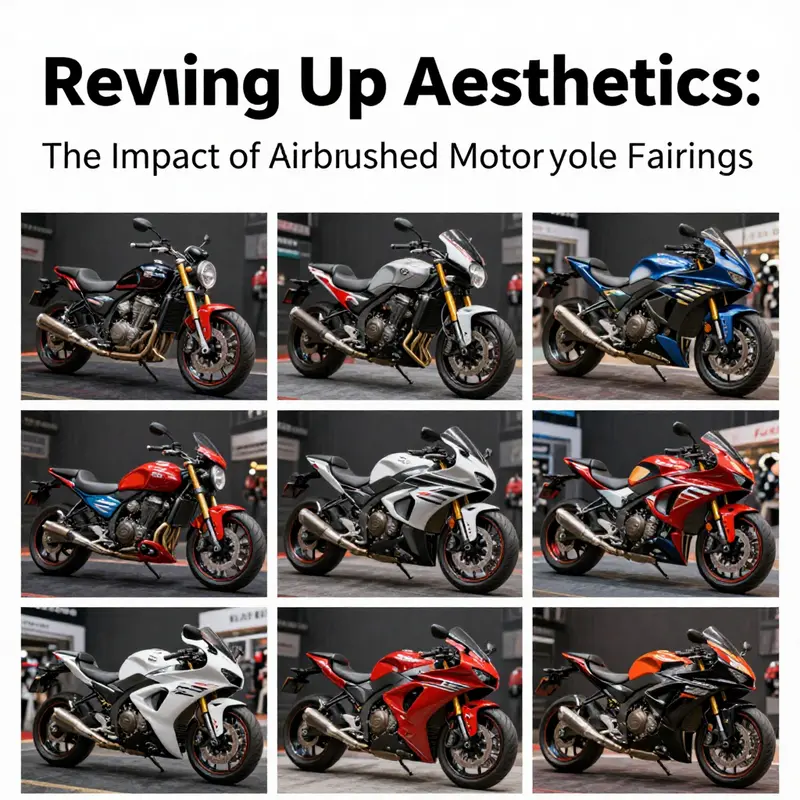
The skyward arc of a motorcycle’s silhouette has always invited movement and momentum, and within that motion the fairing sits as both shield and stage. When the shell that wraps a bike becomes a canvas, the line between engineering and artistry blurs into a single narrative: performance is enhanced, identity is expressed, and every ride becomes a statement. Airbrushed motorcycle fairings encapsulate this fusion. They are not merely protective shells that streamline airflow or guard delicate components; they are platforms where craft, technology, and culture intersect. The market signals a thriving confidence in this approach, driven by riders who want more than speed or efficiency. They want a bike that speaks to who they are while keeping them safe and comfortable on the road. In this sense, airbrushed fairings are a touchstone for a broader shift in motorcycle culture—toward customization as a fundamental aspect of the riding experience, not a mere afterthought or luxury add-on.
The numbers underpinning this shift are instructive. The market for motorcycle fairings—broadly, the composite shells and protective covers that form a bike’s front-facing armor—reached a robust footing of about USD 15.3 billion in 2025 and is projected to grow at an annual rate just over 10 percent through 2033.Those figures point to more than just rising demand for replacement parts; they reveal a continuing willingness to invest in upgrades that marry aerodynamics with aesthetics. The aftermarket segment, in particular, has matured into a space where design, engineering, and consumer desire intersect in tangible, purchasable form. Customers are no longer satisfied with stock appearances or simple color changes. They seek designs that reflect personal stories, travels, and ambitions—skulls and eagles only scratch the surface of the visual language now circulating through workshops and showrooms alike.
At the core of this trend is a simple, powerful driver: customization as a route to identity. Riders increasingly view their machines as extensions of themselves, and airbrushed finishes provide a high-impact method to articulate that identity in a way that factory paint often cannot. The rise of intricate airbrush work—from highly detailed skull motifs to expansive eagle emblems and then to more abstract or nature-inspired patterns—transforms the fairing from a purely functional surface into a wearable piece of art mounted on a wheel-driven stage. The artistic vocabulary is wide, but the essential logic remains consistent: the right image, skillfully applied, can heighten the perception of speed, precision, and personal narrative long before a single mile is logged.
This aesthetic expansion rides alongside a parallel technical evolution. Manufacturing techniques have evolved to accommodate more flexible, durable canvases that support increasingly ambitious artwork. Fiberglass and other composite materials have become common in the fabrication of fairings, not because artists demand fragility but because engineers recognize these materials’ potential to blend form and function. The result is a surface that can be intricately painted without compromising structural performance. The painter’s brush meets the builder’s blueprint, and the outcome is a shell that stands up to wind pressure, vibration, and the occasional splash of rain with equal poise.
The fairing, in this modern context, serves multiple roles. It is a primary aerostructural component that channels air to reduce drag and protect the rider and core systems from debris, water, and weather. It is also a carefully curated surface where color theory, line work, and composition interact with the bike’s geometry. The rider and the painter negotiate a shared space: the rider’s shape and movement guide how the artwork flows across panels, and the artwork, in turn, influences how the rider perceives the machine, changing the perceived balance, ergonomics, and even the perceived weight of the bike. When done well, airbrushed fairings become a form of kinetic sculpture that remains fully functional in high-speed riding.
Aesthetics, however, do not exist in isolation from practicality. The market’s growth is underpinned by a constellation of real-world considerations: durability, weather resistance, ease of maintenance, and compatibility with a broad range of motorcycle types. The fairing must survive the rigors of touring, sport riding, or daily commuting while offering a reliable surface for complex airbrushed imagery. This means that artists and fabricators work within strict constraints: colors must remain vivid under ultraviolet exposure, clear coats must resist road salts and chips, and the substrate must maintain its shape and stiffness under heat and wind pressure. In practical terms, that translates into choosing finishes and coatings that protect the artwork without compromising the panel’s precision or aerodynamics. The end result is a fairing that can be cleaned and polished to a showroom shine while the artwork beneath remains legible and compelling after thousands of miles.
Market dynamics also reflect the evolving expectations of riders across different segments. Sport-touring enthusiasts, who demand a blend of performance and comfort, seek fairings that reduce fatigue by managing wind blast and noise while showcasing artistry that survives close scrutiny on long days in the saddle. Commuters, increasingly drawn to personal expression, want designs that are resilient enough for variable daily conditions, from rain to dust to urban grit. Custom-built machines—one-off creations that fuse multiple influences or technologies—tend to push the envelope even further, challenging fabricators to integrate sophisticated art with the bike’s structural skeleton and electronic systems. Across these groups, the common thread is a desire for customization that does not compromise safety or performance. In other words, riders want the best of both worlds: enhanced aerodynamics and a striking, personal aesthetic that remains durable enough for real-world riding.
The materials story supports this convergence of aesthetics and engineering. Traditional thermoplastic bases, including polycarbonate and acrylic, provide clarity, impact resistance, and a sound foundation for airbrush artistry. When paired with modern coatings, they yield a surface that remains vibrant while resisting yellowing, cracking, or crazing under exposure to sun and weather. The infusion of fiberglass and composite materials has expanded design possibilities. Composite fairings offer greater shape flexibility, enabling more intricate curves and panel combinations that artists can adapt to distinctive motifs. This flexibility matters because a well-composed airbrushed design follows the bike’s lines rather than fighting them. It respects the machine’s geometry, reinforcing the illusion that the artwork grew out of the bike rather than sitting on top of it.
In this context, the airbrushing process itself deserves closer attention. The technique requires a seamless collaboration between designer, painter, and technician. The process often starts with a meticulous idea sketch, translated into a 3D understanding of how the artwork will wrap across flat panels and curved surfaces. The painter calibrates air pressure, needle size, and masking strategies to render fine lines and soft gradients that survive riding conditions. Layering becomes a key method: multiple translucent passes create depth, while protective clear coatings seal the work against abrasion and UV exposure. The resulting piece is not just a picture but a guarded surface whose history can be read in micro-scratches, color shifts, and the way the light catches the design as the machine moves. Maintenance routines become part of the artwork’s lifecycle. Riders learn to wash with non-aggressive soaps, to dry panels promptly, and to reapply protective coatings where needed to extend the life of the image without diminishing its clarity.
The cultural dimension of customization adds texture to the economic picture. Riders channel influences from music, street art, motorsport heritage, and regional iconography into their fairings. A skull motif may symbolize fearless endurance or rebellious spirit, while an eagle can denote freedom or a keen, predatory focus on the road ahead. Abstract patterns—geometrics, tessellations, or nature-inspired swirls—offer a way to explore color relationships and motion in a non-narrative way. The palette itself becomes a conversation between rider and artist: high-contrast schemes that pop in traffic, or subtle blends that mirror the reflective quality of metal and glass. Each design becomes a personal emblem, and the fairing, in turn, becomes a billboard that travels with the rider’s stories—stories that often begin with a ride and continue with the design that accompanies it.
From a consumer perspective, the decision to pursue airbrushed fairings often follows a practical path. First, the rider evaluates the base platform: the bike’s geometry, the panel count, and the availability of aftermarket shells that can be integrated with existing electronics and fuel systems without sacrificing performance. Then comes the design phase: how a motif or motif family can align with the bike’s lines and ride stance. The selection might favor motifs that emphasize speed and movement, inviting the eye to trace the bike’s silhouette as it travels through space. It could also pursue a narrative arc—an artwork that tells a rider’s personal journey or a thematic homage to a beloved place or memory. Once the artwork is in place, the practicalities of fitment and installation take center stage. Panels must align with fairing tabs, mounting points, and windshields. The process requires skillful handling, ensuring that the skin remains taut and that seams are tight enough to prevent water intrusion while not distorting the image beneath.
This integration of art and engineering is reflected in the broader market trajectory. The growth forecast indicates that customization is moving from novelty toward necessity for many riders who want to differentiate themselves within a crowded field. In this sense, airbrushed fairings are not a transient trend but a durable movement within the customization economy. They reflect a cultural shift toward storytelling through vehicle design, supported by materials science and finishing technologies that can protect—and even enhance—the artwork over time. The future of this space may see even tighter integration with digital design tools and automatable finishing processes that retain a hand-painted feel while delivering consistent quality at scale. As technology makes it possible to simulate lighting effects, textures, and weathering, designers can preview how a design will respond to sun, rain, and shade before the first spray is applied. This predictive capability reduces risk and expands the range of ideas that artists can safely explore in airbrushed finishes.
Yet the market’s vigor rests not only on the allure of a well-executed design but also on the perceived value of the finished product. Consumers weigh the benefits of a custom look against the cost and longevity of the artwork. Durability, warranty coverage, and maintenance requirements become legitimate parts of the purchasing calculus. In turn, manufacturers and studios respond by refining core offerings: better substrate compatibility, more durable coatings, and clearer guidance on care regimes. The net effect is a more confident consumer base, a more professional artistic ecosystem, and a broader array of choices for riders who want their bikes to function as high-performance machines and as living canvases at the same time.
If the arc of customization continues to bend toward richer, more durable art, the narrative of airbrushed fairings will increasingly hinge on how well design and engineering can be harmonized. The best work will respect the bike’s innate dynamics while inviting viewers to see the machine through a new lens—one where speed, control, and personal story are inseparable. This alignment—between the rider’s identity, the engineering realities of airflow and protection, and the painter’s craft—will determine not only which designs endure but also how riders talk about their machines once they’re out on the road. In that conversation, the fairing becomes a translator: geometry speaks in gloss and color, airflow becomes a studio of movement, and the rider’s life becomes a series of kilometers painted in light and texture. That is the essence of airbrushed fairings today: an enduring blend of function, art, and storytelling that keeps moving forward with the road.
For readers seeking practical paths to begin or deepen a project, the landscape is approachable yet demanding in equal measure. Start with a clear assessment of the bike’s fairing structure and the intended riding conditions. Consider how a motif will wrap around the curves and where light will play across it as the machine moves. Think about maintenance: the right coatings, the right cleaning regimen, and the schedule for re-sealing the finish to preserve color depth and edge sharpness. Engage with skilled artists who understand the interplay between design and protection. They should be able to translate a concept into a set of stencil layouts, masking plans, and spray sequences that ensure precise alignment panel to panel. Finally, treat the design as a long-term patchwork: it will accumulate mileage, chips, and stories. The true measure of success is not only how striking the artwork looks in a showroom but how it holds up under the realities of road life and how the rider feels when the wind rushes past the fairing and the artwork seems to come alive with the machine’s motion.
For those who want to explore options and see how this ecosystem is shaping up in real-world spaces, one can browse curated fairing categories that host a range of styles and fits. These platforms provide a useful sense of scale for what is possible, what people are buying, and how the market is evolving in response to rider demand. The evolving consumer base—sport-touring riders who push for efficiency, commuters who value individuality, and builders who treat motorcycles as evolving works of art—together sustains a dynamic, growing ecosystem that rewards both technical excellence and creative risk. As designers push the envelope, and as riders demand more personal, protective expression, airbrushed fairings stand as a compelling intersection of performance, aesthetics, and identity. The road remains the ultimate workshop, and every mile adds another note to the ongoing composition of design and motion.
External context helps frame this narrative. For broader industry context and market projections, see the external resource on motorcycle fairing market trends and applications: https://www.marketsandmarkets.com/Market-Reports/motorcycle-fairing-market-284917273.html
Internal link reference: To see how a major aftermarket platform channels customization through category pages, you can explore the Honda fairings category on a representative supplier site: Honda fairings. This example illustrates how retailers present a spectrum of fairing shapes and finishes that customers can mix with personal artwork, while also highlighting the practical constraints of compatibility and fit across a popular motorcycle range. The blend of catalog breadth and customization flexibility is typical of the market’s current architecture, where design potential is matched with available form factors and installation considerations, allowing riders to begin with a concept and move toward a tangible product that integrates with the bike’s mechanical and electrical systems.
Final thoughts
Airbrushed motorcycle fairings stand at the crossroads of functionality and creativity, making them a compelling choice for riders seeking personalization. From improving aerodynamics to allowing riders to showcase their individuality, these fairings cater to a diverse range of motorcycle enthusiasts. For business owners, investing in airbrushed customization options is not only a way to attract more customers but also to enhance the overall brand experience. As market trends continue to evolve, staying ahead with innovative, artistic offerings will be crucial for success in the competitive motorcycle landscape. By embracing the full potential of airbrushed fairings, businesses can unlock new avenues for customer engagement and loyalty.