
In the competitive landscape of the aftermarket motorcycle parts market, Air Tech motorcycle fairings have carved out a notable niche. These composite fairings, which blend materials such as fiberglass and resin-reinforced plastic, offer a balance of durability and lightweight design suited for various motorcycle models. Understanding Air Tech fairings involves a detailed exploration of their materials and design principles, economic impact on riders and markets, installation processes, performance benefits, and potential challenges. Each chapter delves deeper into these aspects, providing motorcycle business owners with the knowledge to make informed decisions regarding fairing options for their clientele.
Molding the Wind: The Materials Craft Behind Air Tech Motorcycle Fairings
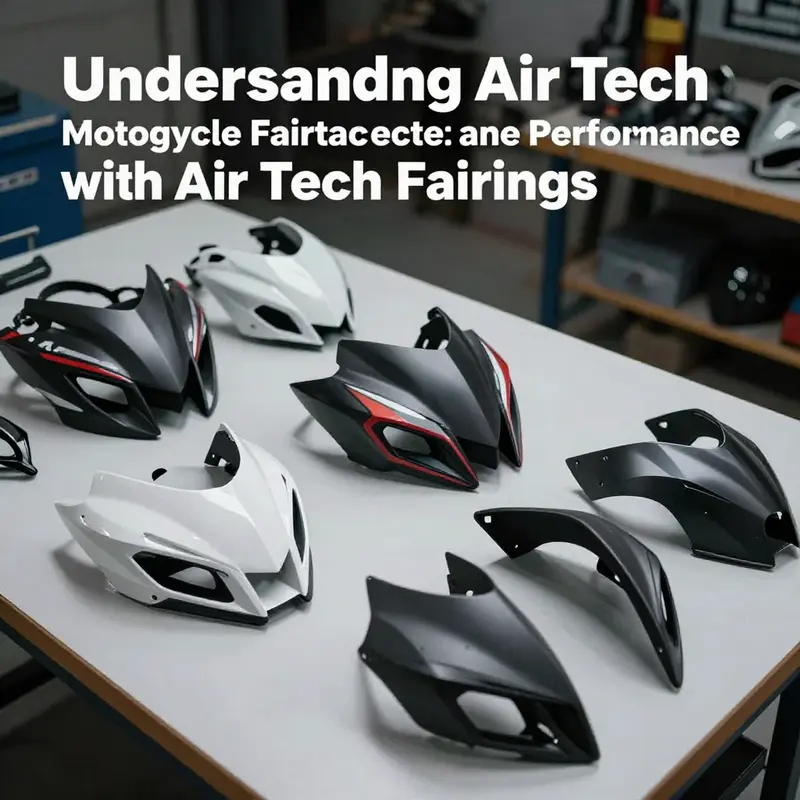
Air Tech motorcycle fairings sit at the intersection of sculpture and science, where form is tuned to fold the wind and function is measured in grams saved and seconds shaved off lap times. The chapter’s throughline is simple yet demanding: every contour, fiber, and resin choice is a deliberate decision to improve aerodynamics without sacrificing durability. At the heart of this approach is a sophisticated use of composite materials and manufacturing methods designed to deliver predictable, repeatable performance on both the race track and the highway. What sets these fairings apart is not a single feature but a system of materials and processes that work together to create a lightweight, stiff, and weather-resistant shell that still conforms to the exacting shapes demanded by modern sportbikes and sport-tourers alike. In practice, Air Tech and similar composites deploy a suite of materials and techniques that begin long before the mold is closed and end long after the rider stops for a break in the shade.
The production backbone rests on carefully selected reinforcement and resin systems, supported by a line of auxiliary materials that may seem mundane until you see their impact in the finished part. High-elongation bagging films, release films, and even small-bore tubing may appear modest, yet they are essential to the resin transfer molding (RTM) or vacuum bagging processes that give fairings their precise geometry and consistent performance. The films provide controlled air pathways and pressures, while release layers prevent the cured composite from sticking to its mold. Tubing supports the vacuum environment, maintaining a uniform seal and steady resin distribution. These elements, taken together, enable manufacturers to form complex, highly engineered shapes that would be difficult to replicate with simpler methods. The resulting parts benefit from tighter tolerances, so mounting points align cleanly and the fairing’s surface finishes match the expectations of riders who demand both speed and style.
From this foundation, the design choices unfold in a way that directly affects rider experience. Aerodynamic efficiency is not just about aesthetics; it translates into tangible gains in stability at speed and a reduction in rider fatigue over long hours of wind exposure. A well-shaped fairing smooths the air around the rider and engine, directing pressure away from sensitive components and minimizing buffeting. The composite skin also serves as a shield for the bike’s mechanicals, helping to manage heat and protect exposed areas from debris, rain, and UV exposure. In this context, UV degradation resistance and thermal stress resistance are not afterthoughts but core specs. The materials are expected to stay dimensionally stable as temperatures swing and the sun burns down, preventing sagging or cracking that could compromise the windscreen or the mounting interface. These attributes matter especially when riders rely on fairings for long-distance comfort and on-track confidence, where even small changes in featherweight construction can ripple into handling characteristics.
The discussion of materials would be incomplete without acknowledging durability concerns that have tempered some riders’ enthusiasm for older, cheaper composites. Some users report that under harsh weather conditions or in the event of an impact, certain lower-grade fairings may exhibit microcracking or cosmetic wear that eventually requires maintenance. This reality underscores a central trade-off in aftermarket composites: cost efficiency versus long-term resilience. It also highlights the importance of accepting proper expectations and maintenance routines. When shopping for a fairing kit, a careful evaluation of fitment, condition, and history is essential. Compatibility with the specific motorcycle make and model is not merely a matter of fit; it touches performance and safety. Even with high-quality materials and robust processes, an incorrect installation can introduce misalignment, stress concentrations, or routing conflicts for wiring and vents. The buyer’s diligence—examining mounting points, inspecting edge finishes, and verifying the resin cure quality—can determine whether the kit will behave the way the wind models promised.
Behind the scenes, the aerodynamic performance asked for by racers and enthusiasts is achieved by translating a wind tunnel or computational model into a tangible shell. The integrated design must accommodate the bike’s frame geometry, rake, and riding posture while offering access for routine maintenance. A composite shell that is too stiff may resist minor tolerances and create fitment headaches; one that is too compliant may flex under load and alter aerodynamics. The balance is struck through a combination of reinforcement patterns, controlled layups, and careful resin content. These decisions influence not only how air flows around the bike but how the shell stands up to fatigue and debris in real-world conditions. The end result is a fairing that looks as good as it performs, with a surface finish capable of withstanding sunlight and road grit for seasons at a time.
For riders curious about platform-specific options, the catalog landscape often features entries that speak to compatibility and style without compromising the core performance ethos. In practice, a simple, reliable path for evaluation is to confirm fitment against the intended model and to review materials data sheets for UV resistance and impact performance. A practical approach to assessing a kit’s value combines on-page specifications with user-supplied feedback about fit, finish, and longevity. The conversation around materials is not about chasing perfection in theory; it is about pursuing a real-world balance between stiffness, weight, aerodynamics, and protection. When done well, the result is a fairing system that reduces rider fatigue on long trips, shields the engine from the elements, and contributes to a machine that feels both integrated and aerodynamic at speed. For riders who explore the nuance of a bike’s wind profile, the materials story behind Air Tech fairings offers a lens into how advanced composites transform a two-wheeled silhouette into something sharper, more efficient, and more resilient.
In the broader context of aftermarket options and the evolving sportbike ecosystem, these composite solutions are part of a wider push toward modular, accessible performance upgrades. The promise lies in predictable manufacturing quality and in the ability to tune geometry and materials to match riding intent—whether pursuing the crisp lines of a racing look or a more protective, wind-sheltered ride. While cost remains a practical consideration, the decision to invest in a composite fairing weighs long-term factors such as durability, repairability, and the ease of installation. The market’s ongoing dialogue about fairing design continues to push for materials that combine impact resistance with lightness, while also offering finishes that resist weathering and maintain a showroom gloss. This evolving landscape invites riders to think of fairings not as a cosmetic add-on but as a critical component of bike performance, one that connects the machine’s aero profile with the rider’s comfort, confidence, and control. For readers seeking an additional catalog-focused reference, explore the Yamaha fairings collection to understand how platform-specific considerations translate into production-ready shapes. Yamaha fairings. External resources on Air Tech’s material and process foundations can be found at the company’s official technical hub, which outlines the role of high-elongation bagging films, release films, and small-bore tubing in modern composite fairings: https://www.airtech.com
Riding the Wind and the Wallet: The Economic Footprint of Aerodynamic Motorcycle Fairings
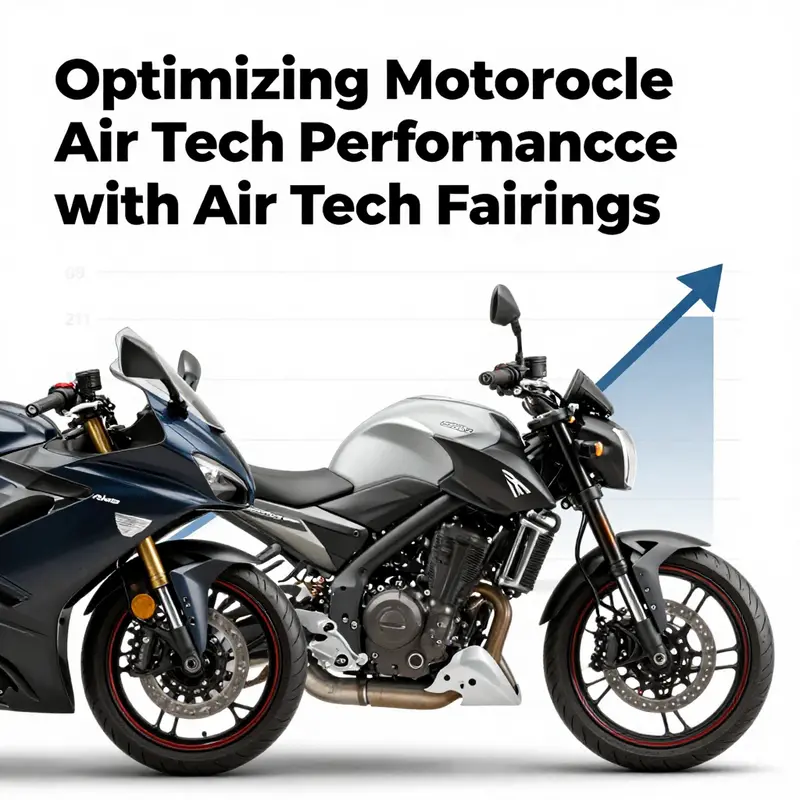
Economic choices about aerodynamic fairings unfold as a choreography of costs and benefits that resonate with riders from the first inspection of a kit to the last mile of a long ride. The upfront investment, often higher for high-quality assemblies made from durable plastics or reinforced composites, is weighed against downstream savings. Not every rider needs the highest-end setup. Yet for those who log substantial highway time, even modest gains in aerodynamics can translate into meaningful fuel savings over tens of thousands of miles. When wind resistance drops, the engine works less to maintain speed, and that reduced strain can accumulate into quieter operation, steadier throttle response, and lower fuel consumption on long stretches. The sooner a rider recognizes this, the more the purchase becomes about long-term value rather than immediate dollars spent. The materials themselves contribute to the equation. Impact-resistant ABS, polycarbonate, and lightweight fiberglass each offer a different blend of rigidity, impact tolerance, and weight. A kit that feels sturdy at first glance may still reveal its true value only after a season of exposure to sun, rain, and highway debris. Weather exposure matters: UV-protected coatings and stabilized resins resist yellowing and brittleness, preserving aerodynamic clarity and fit over time. In the long run, durability supports resale value and reduces the frequency of replacement parts, so the economic advantage expands beyond what is seen in an initial receipt. The narrative here is not only about savings at the pump. It also concerns the quiet costs of protection. When a fairing shields engines and radiators from stones, salt spray, and stray debris, it can slow the onset of hidden wear. That translates into fewer unplanned maintenance events and lower repair bills, which many riders report as the practical payback of a well-chosen aero kit. A customization specialist who surveys rider experiences highlights a consistent pattern: upgrades that blend aerodynamic efficiency with robust protection tend to yield the most compelling cycles of cost and benefit. The rider’s experience becomes a practical demonstration of how design choices translate into tangible economics, especially for those who ride in climates where weather and road conditions impose recurring challenges. The math is not purely mechanical; it involves comfort, fatigue, and the ability to extend riding seasons. When wind pressure is managed effectively, riders experience less fatigue during long hours in the saddle. That improved stamina reduces the likelihood of costly errors or accidents, which in turn lowers the risk of expensive damage or medical expenses associated with longer trips. The net effect is a more predictable ownership experience—one that reduces the intangible but real costs associated with rider discomfort and inconsistent performance. From a market perspective, this reliability feeds a broader trend toward performance-oriented, cost-conscious upgrades. The global motorcycle fairing market is pursuing lines of innovation that combine aerodynamic efficiency with practical durability. Riders increasingly demand solutions that address sport performance, adventure touring, and daily commuting alike. This demand drives manufacturers to pursue lighter materials, smarter airflow management, and coatings that resist wear. The result is a widening spectrum of options that makes the initial decision feel less risky: there are affordable kits for budget-conscious buyers and high-performance panels for enthusiasts who crave maximum efficiency and protection. Within this spectrum, compatibility becomes a central concern. A fairing is not a one-size-fits-all component; fitment challenges can escalate installation costs and undermine performance if the pieces don’t align with the bike’s geometry. In practice, this means thorough fitment verification before purchase and, oftentimes, professional installation to ensure that aerodynamics and shielding perform as intended. For riders who want to explore compatibility across brands, there is a broad ecosystem of aftermarket options. One accessible route is to explore a dedicated category that serves multiple models and makes, such as a Honda fairings collection that accommodates a range of CBR, VFR, and VTR variants. This approach helps riders balance cost and fit while maintaining a more predictable quality standard. For those curious about the broader market landscape, the pricing and availability of aftermarket panels have become more transparent as online marketplaces and dedicated retailers expand their inventories. The growing availability of used kits, while attractive on price, introduces a different calculus. Used composites may show signs of wear or altered fit, and buyers must assess condition, fit, and potential material fatigue. In this respect, the economic equation resembles a risk assessment: a lower upfront price can conceal higher long-term costs if wear is underestimated or if the kit has not aged gracefully. Those who understand this nuance often pursue a middle path—sourcing from reputable sellers, verifying fit against their exact model year, and choosing kits with clear maintenance histories. The market’s evolution also reshapes how riders think about value. A decent aero kit can extend a bike’s usable life by enhancing its performance envelope, thereby pushing resale values upward for well-maintained examples. This dynamic matters for owners who plan to trade or upgrade in the coming years, as it adds a layer of financial justification to the anecdotal appeal of better handling and wind protection. The economic story, therefore, is a layered one. It interweaves upfront costs, fuel and maintenance savings, durability, fitment risk, and resale potential into a coherent narrative about why riders choose aero-enhanced fairings in the first place. As competition among manufacturers intensifies, the industry pursues innovations that deliver more performance per dollar—such as integrated airflow management features or coatings that preserve gloss and structural integrity. The result is a more accessible market for a wider range of riders, where affordability does not necessarily mean compromising on core aerodynamic goals. The consumer benefits expand in tandem with industry expectations: better comfort on longer rides, clearer protection for engine components, and a more predictable ownership experience. Together, these factors influence not only individual decisions but the trajectory of the aftermarket ecosystem, including how enthusiasts perceive the value of appearance versus function and how retailers curate their catalog to meet ever-shifting demands. For readers seeking a broader industry context, additional market research provides a macro view of growth and opportunity in this space. External reference: https://www.marketsandmarkets.com/Market-Reports/motorcycle-fairing-market-169842738.html. For those curious about brand-specific fit and accessory ecosystems, one practical entry point is a Honda fairings collection that helps ensure model-specific compatibility while navigating the realities of aftermarket choices. See the Honda section for a well-curated starting point: Honda fairings. The convergence of design ingenuity and economic pragmatism continues to shape rider expectations, and it remains a central thread in the ongoing story of how aerodynamic performance translates into real-world value on the road.
null
null
The Aerodynamic Edge and the Shield: Air Tech Fairings as Performance and Protection
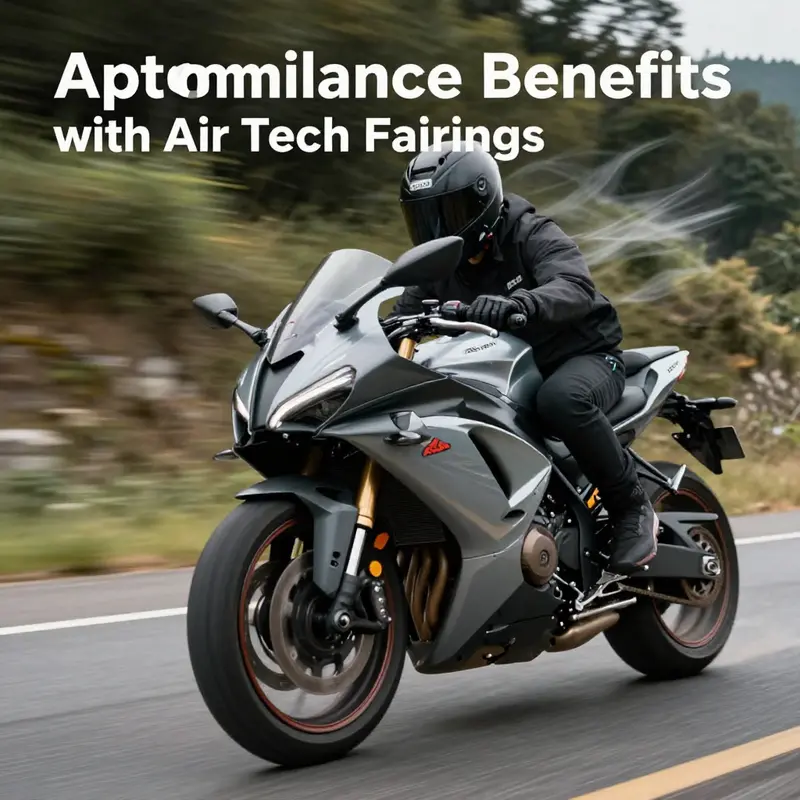
Riding a sport or sport-touring machine with a well-engineered fairing is less about vanity and more about the physics of wind and heat and the practical realities of long days in the saddle. Air Tech motorcycle fairings are designed to influence airflow around a bike in three connected ways: reducing drag, smoothing turbulence, and providing a shield that protects critical systems and the rider from the road’s harsher elements. The idea is simple in concept, but the execution requires attention to form and material behavior at speed. When a fairing is drafted to tuck the wind into controlled paths, the machine becomes more than just a silhouette on the highway. It becomes a streamlined body that slices through air with less resistance. That reduction in drag translates into tangible performance benefits: steadier high-speed stability, lower fuel consumption, and a rider fatigue profile that feels almost softer, especially after several hours under a beating sun or a driving rain. The math behind it is straightforward in practice. Aerodynamics don’t rely on magic tricks; they rely on shaping the flow so that air follows the bike rather than colliding with it. The fairing’s surfaces, edges, and contours guide air to stay attached longer to the bike’s surface, minimizing wake turbulence behind the rider and chassis. In long-haul riding or highway commutes, this makes a palpable difference in how the arms, chest, and shoulders endure wind pressure. The rider remains more in control and less beaten by gusts and eddies, and that translates into steadier steering inputs and reduced micro-corrections. The result is not just comfort; it’s a more predictable ride at speed, which is a form of performance in its own right. The right composite material plays a central part in achieving that reduction in drag while keeping weight manageable. Air Tech fairings often balance durability and lightness by using reinforced plastics and lightweight fiberglass in a way that preserves the aero profile while withstanding the realities of road use. The choice of materials also matters when the bike traverses sun and rain. UV exposure, road salt, and grit can take a toll on any plastic surface, but a well-made fairing acts as a shield for more sensitive components. The engine casing, exhaust system, and wiring harnesses sit just behind the outer shell; they rely on a barrier that blocks direct debris and water spray that can otherwise accelerate wear or lead to maintenance headaches. A robust fairing can deflect stones and spray, guarding these vitally linked systems against micro-cracks, chips, and premature aging. In practice, durability comes from a careful combination of rigidity and energy absorption. The best fairings are not outright brittle or overly flexible; they are rigid enough to hold the aero shape under aerodynamic loading, yet capable of absorbing small impacts without cracking. This is where the material choice—be it reinforced ABS or fiberglass composites—becomes critical. Reinforced ABS plastics offer stiffness, impact resistance, and a reasonable weight, which is part of why they are commonly favored in sport and touring kit applications. Fiberglass, while slightly heavier in some formulations, can be tuned for strength and can be molded into complex contours that chase aero perfection. The choice is not about chasing the highest stiffness alone; it is about choosing a system that performs predictably in real-world conditions: wind, rain, potholes, and occasional off-road detours. Full fairings deliver the most complete shield and aerodynamic coverage, wrapping the bike’s sides, belly, and sometimes the tail into a cohesive shell. But the modern approach recognizes that many riders benefit from partial configurations—half or three-quarter fairings—that still deliver wind deflection without closing off maintenance access or impeding cooling. In this sense, Air Tech kits reflect an engineering philosophy: provide versatile coverage that does not force riders into a single use case. The practical upside of this is multi-model compatibility. A fairing set needs to be adaptable enough to fit a range of popular platforms while maintaining precise alignment with mounting points and lines of the bike. Compatibility is a nontrivial factor. If the fairing does not sit flush or if the edges create gaps at turn signals or near the radiator, the aero gains are compromised and maintenance becomes more difficult. This is why due diligence during purchase matters, including fitment verification for a specific bike model. A rider contemplating an upgrade should assess condition, especially when buying used kits. Warped panels, missing mounting hardware, or delaminated layers can undermine both aesthetics and performance. Yet when a kit is properly selected and installed, the payoff transcends looks. The improved cockpit experience is real. The wind pressing on the chest becomes more uniform, reducing the fatigue that often accumulates with long stints in a straight-line wind. This physically translates to better control and more precise throttle and brake inputs, particularly at highway speeds where small aerodynamic inefficiencies can magnify over miles. The aesthetic payoff, while secondary to function, is not incidental. A sleek, aggressive silhouette communicates intent and complements the machine’s engineering story. It signals to the rider that the updates are designed with airflow and protection in mind, rather than merely cosmetic. For those who crave a tailored look that still respects performance, a well-designed Air Tech kit can be a gateway to a more confident riding posture and a longer riding life. The structural shield it provides is equally important. Engine components, wiring, and exhaust systems sit behind a barrier against days when grit and moisture become part of the ride. A properly built fairing acts as a rain shield and a debris guard that helps to prevent small stones from scuffing the paint and causing micro-damage. In harsh weather or on rough roads, that protective role can prolong the life of visible finishes and hidden components alike. This is an integrated value proposition: better aerodynamics, enhanced rider comfort, and durable protection from the road’s hazards, all woven together by material choices and manufacturing discipline. Experts in motorcycle customization have long noted that a carefully engineered fairing kit contributes to long-term reliability and rider satisfaction. The impact is not merely about speed or style. It is about creating a ride experience where the bike’s core systems remain shielded, the rider remains comfortable, and maintenance remains manageable between service intervals. When wind is managed effectively, the rider spends less energy fighting air pressure and more energy enjoying a controlled, responsive machine. The engineering narrative behind Air Tech fairings aligns with the broader technical literature on motorcycle aerodynamics, which emphasizes that aero gains come from a holistic approach: the geometry of the shell, the smoothing of seams, the alignment with the bike’s existing lines, and the choice of material and finish. A well-executed kit reduces drag and adds stability, while delivering a surface that resists weathering and continues to look purposeful after thousands of miles. For riders who seek model-specific fit, you can explore targeted options such as Honda fairings, which illustrate how aftermarket kits can be tuned to particular frames while maintaining the aerodynamics and protection described above. This chapter’s synthesis of aero gain and protective shielding reflects a growing consensus in the enthusiast community: the most satisfying upgrades are those that blend performance with practicality, and the best kits deliver both. For readers seeking a broader technical perspective on the benefits of fairings, Cycle World summarizes the aerodynamic and protective advantages with emphasis on real-world ride quality and reliability. See the external resource for a technical backdrop to these observations: https://www.cycleworld.com/motorcycles/tech/2025/11/benefits-of-motorcycle-fairings-aerodynamics-protection/
Riding the Edge: Navigating Fit, Durability, and Compatibility in Composite Aftermarket Fairings
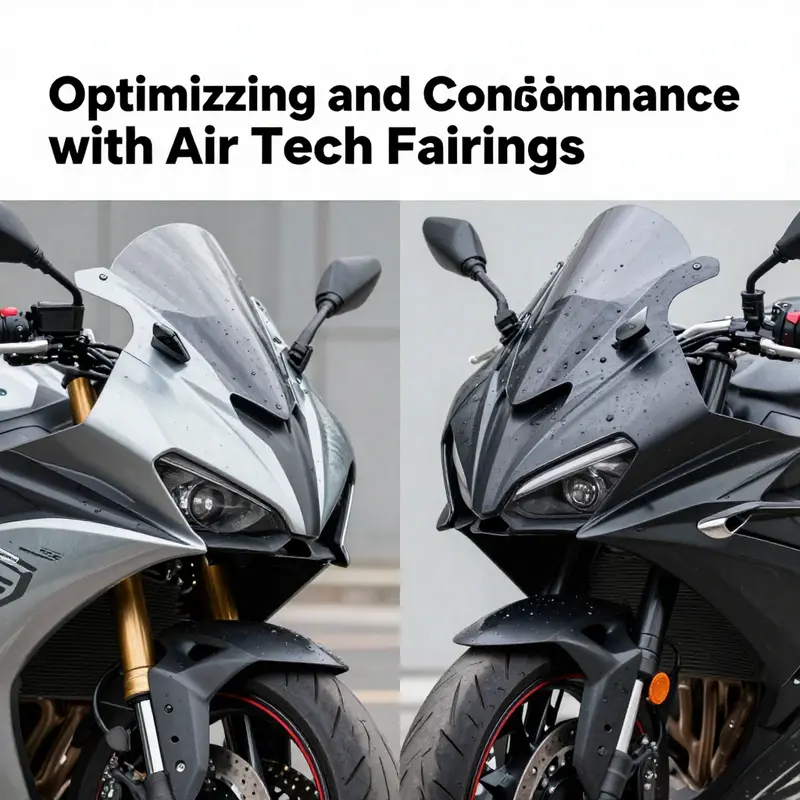
Riders chasing a cleaner silhouette and a steadier wind in their helmet can find a compelling prospect in composite aftermarket fairings. These kits promise a practical blend of weight savings, stiffness, and cost that can transform the look and feel of a bike without pushing the budget into high-end, purpose-built solutions. The typical language around these parts describes a layered approach—fiberglass or resin-reinforced plastics, sometimes marketed as a composite blend designed to balance rigidity and resilience while keeping price accessible. The upside is tangible: a sleeker line, potential aerodynamics gains, and an exterior that can shield engine components from road spray and debris. Yet the appeal rests on certain verities, and those verities become especially important once a rider moves from theory to installation, on a specific model with its own geometry and tolerances. In many cases, the kits are offered as full, half, or quarter fairings, depending on the bike and the rider’s goals. Some listings show parts in used condition, which adds another layer of consideration: it’s not just about whether the pieces fit, but how they’ve aged, how they’ve been stored, and what kind of surface condition remains under the finishing coats. The decision to pursue such fairings, particularly when shopping second-hand, hinges on a careful cost–benefit calculus that weighs the promise of cosmetic and aerodynamic improvements against fitment unpredictability and potential maintenance overhead.
The most immediate terrain for any discussion of aftermarket composite fairings is fitment. The concept of a flawless reveal—the tight, even line where the fairing meets the motorcycle’s bodywork—sounds straightforward, but reality often diverges. Even when all mounting tabs line up on paper, small deviations in manufacturing can translate into real gaps or misalignments once the pieces are bolted onto a frame. Riders commonly encounter a gap that isn’t quite in harmony with the stock profile, or a panel that sits slightly off the intended contour. Solutions tend to be pragmatic rather than glamorous: light sanding to remove high spots, repeated test-fitting to find the elusive alignment, and, in some cases, minor modifications to mounting points or inner supports. It’s not unusual for enthusiasts to report that achieving a truly seamless look requires patience, an eye for symmetry, and a willingness to test and adjust. The risk, of course, is that an imperfect reveal can undermine both aesthetics and aerodynamics, affecting function as much as form. The manufacturing chain behind aftermarket composites is not always equally precise across every batch, which means fitment can vary even within the same model line.
Durability is another axis that matters deeply once the initial impression wears off and the bike is exposed to real-world conditions. Composite fairings are designed to deliver a light footprint and respectable rigidity, but their long-term performance under sun, rain, and road salt depends on material quality and the protective styling layered on top. UV exposure is a particular concern. Over time, UV rays can degrade resin systems and the outer surface, leading to chalking, color fade, or micro-cracking in some lower-grade formulations. The degree of durability can hinge on the exact resin system, any reinforced fibers, and the presence of protective coatings. While a robust fiberglass or reinforced composite may resist minor impacts and abrasion, cheaper or thinner composites may soften or crack after repeated exposure to heat cycling and sunlight. For riders who log many miles in sunny climates or who ride year-round, the cumulative effect of weathering becomes a real factor. The interior surfaces may also suffer if a fairing’s thickness varies, or if the lamination process has inconsistencies, allowing moisture to work its way in or creating stress concentrations that invite cracking under impact or upon rough handling.
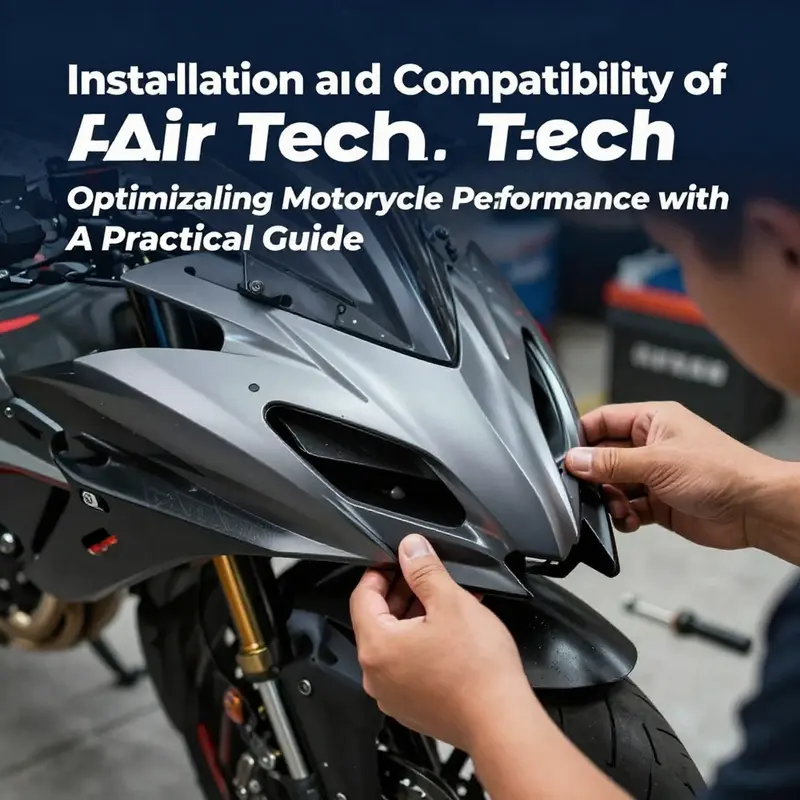
Compatibility adds a third dimension to the decision matrix. It isn’t enough for a panel to look like it belongs; it must align with the motorcycle’s underlying geometry. Model-specific fitment is crucial because even small variances in mounting points, radiator shrouds, or under-tank contacts can cascade into installation challenges. A fairing designed to accompany a particular make and model often assumes precise points of attachment, grill shaping around the headlight area, and compatible clearance with exhaust heat shields and fairing pegs. If any of these elements are misaligned, the rider may encounter not only stubborn installation but suboptimal aerodynamics, which can negate the claimed performance benefits. In practice, verification steps matter as much as the initial assessment: checking the tab locations, measuring mounting thickness, examining the inner flanges for consistent thickness, and confirming that any auxiliary bracing does not clash with existing hardware. The use of older or used pieces heightens these concerns, because fatigue, warping, or hidden damages can become apparent only after the parts are in place and the bike is moved through a few cycles of heat and wind.
Cost considerations sit alongside fitment and durability as a practical guidepost for anyone evaluating these options. For riders who prioritize value, the appeal is clear: a more affordable route to shaved weight and a fresh look compared with OEM components or premium, custom-fab alternatives. Yet the price tag should be weighed against potential downstream costs, such as refinishing, repaints after UV-related fading, or additional hardware modifications. A bargain in the short term can translate into higher maintenance or a longer iteration cycle before the bike is visually and functionally satisfactory. The prudent approach is to align purchase decisions with a clear appraisal of the fairing’s provenance, the seller’s credibility, and the return possibilities if the fitment proves less than ideal. Inspecting surface uniformity, checking for evidence of prior repair, and asking about prior storage conditions can reduce the risk that a lower upfront price becomes a longer-term liability. In the end, value rests not just in the sticker price but in whether the kit delivers consistent performance, reliable fitment, and durable aesthetics across seasons and miles.
For riders who want to observe a real-world example of how this balance plays out, the learning is clear: verify fitment for your specific bike, scrutinize material quality, and approach compatibility as a design constraint rather than a decorative feature. The practical path forward is to treat aftermarket composites as a toolkit rather than a turnkey replacement. If you are exploring options for a particular model line—say, a Yamaha platform, for instance—you can further investigate the available fairings in the related category that curates parts by model and year, which helps with more targeted fitment checks and comparisons. See the Yamaha fairings catalog for a model-specific starting point and to gauge how others have navigated the same questions, especially when balancing look, wind protection, and the constraints of a fading budget. Yamaha fairings
The broader lesson, reinforced by reviews and field notes from riders, is that a successful transition to aftermarket composite fairings requires more than excitement about a new silhouette. It demands a measured approach: one that respects fitment realities, anticipates material behavior over time, and evaluates compatibility not as a single moment in the installation but as an ongoing interplay between the bike’s anatomy and the fairing’s form. If you can embrace that framework, the journey from box to bike becomes less about chasing a perfect plug-and-play and more about achieving a durable, aesthetically pleasing, and wind-efficient update that remains serviceable and safe through miles of highway and byways. As with any significant upgrade, the maintenance mindset matters: routine inspections, timely refinishing, and mindful handling to avoid micro-damage can extend the life of an aftermarket kit and preserve its performance. The aim is not to pretend the installation is trouble-free but to cultivate a practical, methodical process that yields reliable results rather than a flawless but fragile appearance.
For readers seeking further grounding in materials and longevity considerations for motorcycle fairings, a broader review of materials, fitment, and durability can provide useful context. External sources discuss the spectrum of fairing materials and how they perform under typical riding conditions, offering practical guidance that aligns with the realities described here. https://www.bikeradar.com/uk/motorcycles/gear/best-motorcycle-fairings/
Final thoughts
Air Tech motorcycle fairings represent a significant choice for riders seeking performance optimization and aesthetic appeal. By understanding their materials and design, economic implications, installation practices, and performance benefits, business owners can attract customers with tailored solutions that enhance riding experiences. While challenges exist, including durability and weather resistance, making informed choices around Air Tech motorcycle fairings will empower riders and support your business growth in the competitive motorcycle aftermarket landscape.