
Introduction
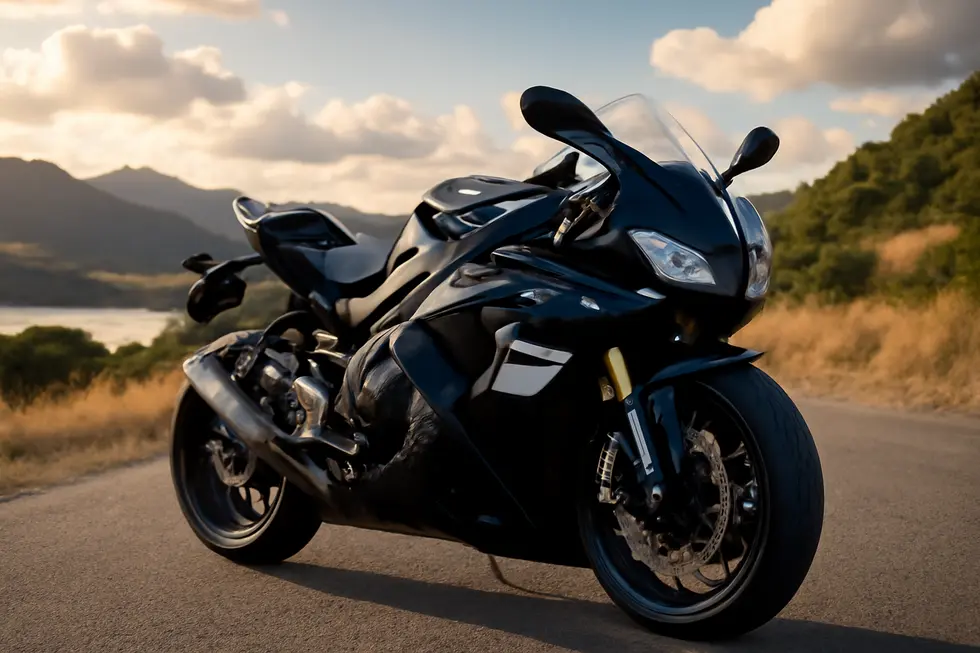
Fairings have transformed motorcycle riding, combining aerodynamic benefits with aesthetic appeal. For business owners in the motorcycle industry, grasping the significance of fairings is crucial for understanding customer preferences and enhancing product offerings. This article examines fairings through three lenses: their aerodynamic and protective roles, their historical evolution originating from café racer culture, and their impact on customization and style. Each chapter builds upon the last, providing a comprehensive understanding of fairings’ relevance to motorcycle dynamics and market trends.
Tables of Contents
Chapter 1: Aerodynamics and Protection: The Critical Benefits of Fairings on Motorcycles
- Harnessing Aerodynamics and Rider Safety: The Multifaceted Benefits of Motorcycle Fairings
- Streamlined Protection: How Fairing Design Elevates Motorcycle Efficiency
- The Dual Role of Motorcycle Fairings: Benefits and Limitations Explored
Chapter 1: Aerodynamics and Protection: The Critical Benefits of Fairings on Motorcycles
1. Harnessing Aerodynamics and Rider Safety: The Multifaceted Benefits of Motorcycle Fairings
Motorcycle fairings serve as both a strategic design element and a protective barrier for riders, offering a range of advantages that significantly enhance the riding experience. These aerodynamic panels, crafted from materials like fiberglass and ABS plastic, not only reduce wind resistance but also shield riders from the harsh elements, ensuring both comfort and safety during long rides. The engineering behind fairings is rooted in the simplistic goal of improving efficiency; they help streamline airflow around the motorcycle thereby minimizing drag, which is crucial for high-speed performance.
Aerodynamic Benefits
When a motorcycle is equipped with fairings, it experiences improved acceleration, enhanced top speed, and better fuel economy, particularly noticeable at speeds exceeding 55 mph. For instance, studies have demonstrated that aerodynamic modifications can raise fuel efficiency by 3 to 7% under certain conditions, allowing the engine to operate under less strain. This becomes all the more vital in competitive environments like MotoGP, where the introduction of advanced fairings has led to the development of components such as winglets, capable of generating significant downforce—up to 70 kg. This added stability is instrumental in improving edge handling, controlling wheelies, enhancing braking precision, and enabling sharper cornering. However, these aerodynamic benefits come with trade-offs, including increased drag and rider fatigue; thus, striking a balance between innovation and rider comfort is paramount.
Protection and Durability
Beyond their aerodynamic prowess, fairings also function as a formidable line of defense against external factors. By minimizing wind blasts and shielding against debris, fairings play a critical role in reducing rider fatigue, especially on extended journeys. They also safeguard vital motorcycle components from the ravages of weather and road hazards. The durability of a well-crafted fairing is essential; high-quality kits typically utilize impact-resistant materials that are resistant to UV damage, ensuring longevity while maintaining structural integrity. For example, a fiberglass kit installed on a motorcycle not only alleviated rider fatigue over months of usage but also showed no signs of warping—a testament to its resilient design.
Practical Considerations for Upgrading
For avid motorcyclists looking to enhance both the aesthetic appeal and performance of their machines, investing in quality fairings presents a worthwhile venture. Options for customization abound, with finishes ranging from classic gloss to modern metallics, achieved through elaborate multi-layer paint processes that also bolster weather resistance. Riders often report increased satisfaction with handling and performance post-upgrade, making fairings indispensable components for both street and track applications. As both a protective and performance-enhancing fixture, fairings demonstrate their indispensable role in modern motorcycling, marrying the twin principles of aerodynamics and rider safety with striking visual appeal.
2. Streamlined Protection: How Fairing Design Elevates Motorcycle Efficiency
Fairing design plays a pivotal role in the performance of motorcycles, seamlessly blending aerodynamics with protective features. These streamlined body panels are engineered to reduce drag, enhance stability, and shield the rider from the elements, effectively transforming the riding experience. The intricacies involved in fairing design can significantly affect a motorcycle’s performance metrics, particularly in high-speed riding scenarios.
Effective fairing design begins with an understanding of airflow. As a motorcycle accelerates, air resistance becomes a critical factor. Fairings are developed to channel air around the bike and rider, thereby minimizing drag. This is particularly evident in sport and racing motorcycles, where fairings are designed to allow riders to adopt a ‘tucked-in’ position for optimal aerodynamics. By creating a low-pressure zone behind the bike, fairings reduce turbulence and enhance handling stability, especially at high velocities.
Moreover, the material choice for fairings is crucial. Most modern fairings are constructed from high-grade fiberglass or advanced plastics, offering a fine balance between durability and weight. These materials not only withstand aerodynamic pressures but also provide shielding against debris, weather, and other potential hazards on the road. This protective aspect is particularly important in racing contexts, where a rider’s visibility and comfort can significantly influence overall performance.
The visual appeal of fairings cannot be overlooked, either. The vivid colors and unique finishes often associated with motorcycle fairings stem from an elaborate painting process, designed to enhance aesthetics while contributing to aerodynamic efficiency. Gloss, matte, and metallic finishes are meticulously layered to create an attractive, durable surface, reflecting both style and functionality.
In addition to these factors, fairings serve vital touring purposes, especially in long-distance riding scenarios. Motorcycles like sport-tourers are fitted with fairings to protect against wind buffeting, which can lead to rider fatigue during prolonged journeys. This wind protection allows for better focus and comfort, ultimately increasing riding enjoyment. Furthermore, fairings on touring models often support additional accessories, like luggage systems and passenger seating, ensuring versatility and functionality in various riding conditions.
Overall, the relationship between fairing design and motorcycle performance is a dynamic interplay of aerodynamics, protection, and aesthetics. Just as automotive design has embraced the integration of aerodynamic principles seen in vehicles like the Porsche 911 GT3, so too have motorcycles evolved to enhance rider experiences through sophisticated fairing elements. Getting the design right extends beyond looks—it’s about creating a motorcycle that rides seamlessly through the air, delivering both speed and comfort, whether on the racetrack or the open road. To understand more about the practical aspects of motorcycle fairings, feel free to explore additional resources here.
3. The Dual Role of Motorcycle Fairings: Benefits and Limitations Explored
Motorcycle fairings serve as pivotal components that not only enhance the aerodynamic efficiency of a motorcycle but also play a significant role in rider protection. Their design is meticulously engineered to streamline airflow, effectively reducing wind resistance and drag, particularly at high speeds. The benefits of this aerodynamic optimization are well-documented, with fuel economy improvements ranging from 3% to 7% when cruising above 55 mph. This lower drag facilitates a more efficient engine performance, leading to enhanced acceleration and higher top speeds. In the realm of competitive racing—like MotoGP—advanced fairings often incorporate winglet technology to generate substantial downforce, significantly improving a motorcycle’s stability and handling during high-speed maneuvers. While these aerodynamic enhancements contribute to racing success, they can inadvertently increase drag in certain conditions, necessitating a delicate balance between performance and design.
Equally important is the protective aspect of fairings. They serve as a crucial line of defense against the elements, shield riders from wind blasts, adverse weather, and potential road debris. Quality fairings are constructed from durable materials such as ABS plastic or fiberglass, which ensure robustness against impacts and other environmental stresses. An impressive example is the Warp9 Racing fairing kit, specifically designed for the Suzuki GSX-R750, which has demonstrated exceptional durability over extensive usage in diverse conditions, resisting wear and discoloration.
However, while the advantages are considerable, it is vital to acknowledge the inherent drawbacks associated with motorcycle fairings. The initial investment can be substantial, often exceeding several hundred dollars for a complete fairing kit. Moreover, achieving an optimal fit can pose challenges, as poorly designed fairings are prone to cracking or fading, thus compromising their efficacy and aesthetic appeal. Weight is another factor to contemplate; while fairings contribute to comfort by reducing rider fatigue on long trips, they also introduce additional mass that can stress tires and affect handling.
Another nuance to consider involves the maintenance of fairings. Regardless of their glossy or metallic finish, all fairings require routine upkeep—especially in terms of protective coatings to defend against scratches and degradation. Aesthetically pleasing fairings, while integral to ensuring a polished appearance, necessitate extra attention to retain their original luster over time.
In conclusion, motorcycle fairings undoubtedly enrich the riding experience through increased aerodynamic performance and rider safety features. However, understanding the associated costs, potential drawbacks, and maintenance requirements is essential for any rider contemplating the addition of fairings to their motorcycle. For further details on fairing kits and specifications, you can explore resources like Top 10 Best Fairing Kits for Motorcycles: Durable and Affordable Picks.
Final thoughts
Fairings play a multifaceted role in the motorcycle industry, serving to enhance aerodynamics, provide protection, and offer opportunities for customization. Understanding these aspects allows business owners to cater to the diverse needs of riders, ensuring that products remain relevant and appealing. With their rich history and ongoing evolution, fairings continue to influence both performance and aesthetics, making them indispensable in the motorcycle landscape.
Upgrade your ride with UltimateMotorX’s premium motorcycle fairings—durably crafted, precision-fitted, and stylish. Meeting OEM standards for easy installation, our collection suits upgrades or replacements. Shop now for fast shipping, secure checkout, and expert support. Give your bike the ultimate quality it deserves!
About us
At UltimateMotorX, we’re rider-founded experts in top-tier motorcycle fairings. We source premium materials, partnering with trusted manufacturers for perfect fits and durability. Enjoy expert advice, hassle-free returns, and seamless shopping. Ride with confidence—style and quality guaranteed!