

Motorcycle tail fairings play a crucial role in modern motorcycle design, offering a host of advantages that extend beyond mere aesthetics. For business owners in the motorcycle industry, understanding the multifaceted benefits of tail fairings can lead to better product offerings and improved customer satisfaction. This article delves into various aspects of motorcycle tail fairings, including their aerodynamic benefits, enhancements in rider and passenger comfort, the variety of materials used in their construction, guidelines for proper installation and maintenance, and their contributions to the overall aesthetic of motorcycles. Each chapter is designed to provide insights that can help businesses make informed decisions in product development and customer engagement.
Tailored Traction: Harnessing Aerodynamics with Motorcycle Tail Fairings
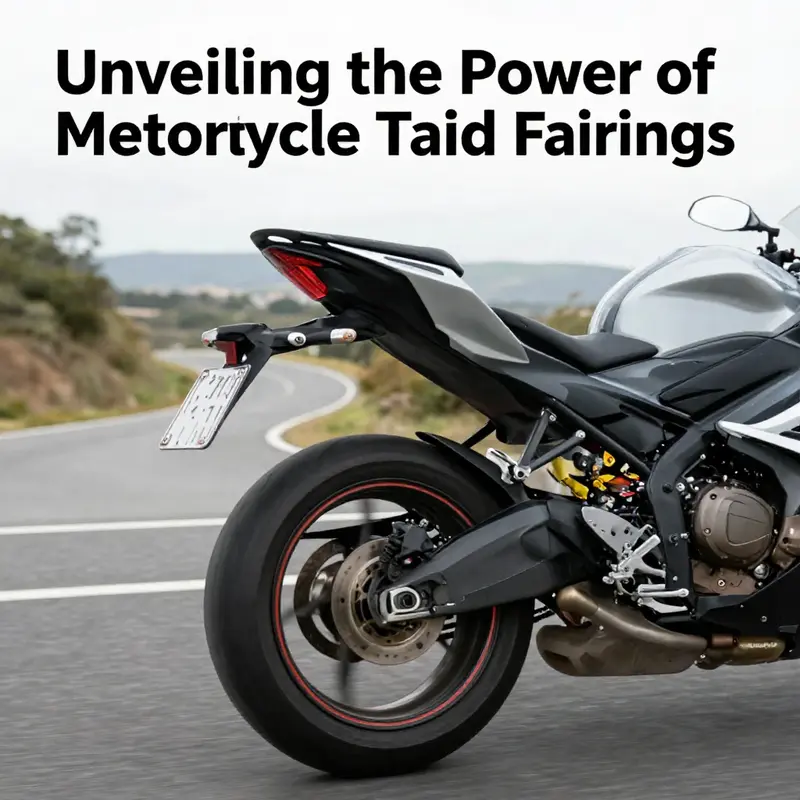
Motorcycle tail fairings are much more than a cosmetic upgrade; they are a vital component engineered to enhance a bike’s aerodynamic performance and improve overall stability. The intersection of technology and design in a tail fairing can be seen in its ability to generate downforce and manage turbulent airflow, transforming the riding experience while subtly influencing dynamics that affect both speed and safety. This chapter delves into the science and engineering behind these aerodynamic benefits, exploring the principles that allow a simple yet elegantly designed fairing to provide significant improvements in performance and rider comfort.
The essence of aerodynamic efficiency in a motorcycle tail fairing lies in its clever manipulation of airflow. As a motorcycle accelerates, especially at high speeds, the natural tendency is for air to disrupt the vehicle’s motion, creating turbulence and potentially destabilizing the bike. In this dynamic environment, the tail fairing acts as an invisible hand that tames the air around the rear portion of the bike. By creating a smoother flow, it minimizes drag and reduces the eddies of turbulent air that form behind the motorcycle. The reduction of drag not only enhances fuel efficiency but also allows the bike to maintain higher speeds with less energy expenditure. This principle is akin to the streamlined design of modern sports cars and aircraft, a testament to how advanced engineering concepts have been adapted to even the smallest components in motorcycle design.
One of the most significant contributions of tail fairings is their ability to generate downforce. Downforce is a critical force that presses the motorcycle firmly onto the road, ensuring stability during high-speed maneuvers and sudden changes in direction. The design of a tail fairing often mirrors the inverted wing principle found in aircraft. In this concept, the fairing is shaped in a way that forces faster moving air above it and allows slower moving air to circulate beneath. As a result, the pressure underneath the fairing increases relative to the pressure on top. This lapse in pressure creates a downward force that significantly enhances rear-wheel traction, especially during cornering or rapid acceleration. Without this critical force, riders would face challenges such as rear-wheel lift, where the back of the motorcycle loses contact with the road, thereby reducing control and increasing the risk of accidents.
Beyond generating downforce, tail fairings serve as essential devices for managing turbulent airflow. When a motorcycle moves through air, it inevitably creates a wake behind it; this wake is filled with swirling, unstable air that can contribute to erratic riding conditions. The fairing works by deflecting this turbulent air, smoothing out potential disruptions and channeling the airflow in a more predictable pattern. This process is vital not only for performance but also for rider comfort. When turbulence is minimized, the intensity of windblast encountered by both the rider and passenger is reduced, making long-distance rides less fatiguing and more enjoyable. In scenarios where the motorcycle is built specifically for two-up riding, the fairing becomes even more significant—acting as a shield that helps protect the passenger from excessive wind pressure and ambient debris.
The relationship between aerodynamic design and performance is particularly evident in high-performance motorcycles and racing environments. In competitive settings, every fraction of a second counts, and even minor aerodynamic improvements can lead to significant changes in lap times. High-performance motorcycles, such as those seen in premier racing events, often feature tailor-made tail fairings that are designed to work in concert with other aerodynamic components. The integration of advanced sensor technologies within some modern fairings has allowed for dynamic adjustments in real time. These systems continuously monitor variables such as speed, wind conditions, and road inclination to adjust the fairing’s positioning for optimum performance. Though such advanced configurations are primarily found in racing machines, the principles behind them trickle down to consumer models, offering everyday riders enhanced stability and safety during spirited riding.
In addition to performance enhancements, the aerodynamic benefits of tail fairings play an essential role in fuel efficiency. A significant portion of a motorcycle’s energy is usually expended in overcoming air resistance. When a tail fairing is designed with precision, it effectively reduces the wake behind the bike, thereby minimizing the energy lost to drag. The streamlined design results in a more efficient conversion of fuel energy into forward momentum. For motorcycle enthusiasts who undertake long journeys or tours, the fuel savings not only reduce frequent stops but also contribute to a less strenuous riding experience overall. Over time, the reduction in fuel consumption adds up, making the tail fairing a practical upgrade for those who cherish both performance and economical travel.
A further dimension to the benefits of tail fairings is their role in enhancing rider safety. When a motorcycle experiences severe gusts or encounters environmental disturbances, the aerodynamic stability provided by the fairing can be a deciding factor between maintaining control and facing unpredictable behavior. This is particularly important when riding on uneven surfaces or in conditions where the wind is variable. By keeping the bike firmly planted through the downforce it creates, the fairing helps mitigate risks associated with sudden changes in road conditions or erratic air movements. The stability offers riders a degree of confidence, knowing that their bike is less likely to succumb to unpredictable aerodynamic forces. Even if the improvement in stability is only marginal in some everyday scenarios, in high-performance or emergency situations, those small gains can be instrumental in ensuring rider safety.
The engineering behind tail fairings involves the careful selection of materials as well. Modern tail fairings are predominantly made from robust substances such as ABS plastic, fiberglass, or carbon fiber. The choice of material is dictated by the need to resist impact while maintaining flexibility and lightness. Lighter materials contribute to less overall weight, thus reducing the inertia that must be overcome when a motorcycle accelerates or decelerates. Moreover, these materials are designed to withstand exposure to various weather conditions, ensuring that the aerodynamic profile remains consistent over time. Their durability means that even after years of rigorous use, the fairing can continue to offer aerodynamic benefits without significant degradation in performance.
The role of a tail fairing extends into the realm of design aesthetics as well. While its primary function is aerodynamic, its contribution to the overall look of the motorcycle is undeniable. Manufacturers often design these components to complement the bike’s body lines, resulting in a harmonious blend of form and function. The smooth contours and integrated look can transform a utilitarian motorcycle into an object of desire for enthusiasts who not only seek performance but also appreciate visual perfection. Riders looking to boost the appearance of their bikes while enhancing performance often find that a well-crafted tail fairing offers the best of both worlds. From the subtle curves that echo the lines of a sophisticated design to the carefully engineered surfaces that manage airflow, the tail fairing becomes a symbol of both style and substance in the motorcycle community.
Beyond personal enjoyment, enthusiasts interested in exploring a variety of designs and performance enhancements can gain further insights into optimized aerodynamic solutions. For instance, if you are intrigued by how specific models leverage advanced fairing designs for improved performance, you may find it worthwhile to explore additional resources that detail performance enhancements for particular motorcycle models. One such resource provides a comprehensive look at performance-focused designs, and you can learn more about these innovations by browsing a selection of well-designed options available for high-performance bikes like the BMW S1000RR. For further details on how these aerodynamic solutions are tailored, check out the range of specialized fairings offered for the BMW S1000RR here.
Integrating aerodynamic theory with practical engineering in the design of motorcycle tail fairings is an example of applied physics meeting everyday needs. The calculated manipulation of airflow, creation of downforce, and management of turbulence are advancements that have evolved from fundamental aerodynamic principles. In the engineering laboratories and design studios where these fairings are conceptualized, iterative testing and computational fluid dynamics models play a crucial role. Engineers study the behavior of air using wind tunnels and advanced simulation software, which enables them to fine-tune the characteristics of each fairing. Every curve and contour is a response to a specific aerodynamic challenge, resulting in improved stability, performance, and efficiency. In this way, a tail fairing represents the culmination of years of research and technological innovation, thoughtfully applied to solve practical issues faced by riders.
The benefits of aerodynamic efficiency provided by tail fairings are not limited to a single aspect of riding. Instead, they reflect a multifaceted improvement in performance, covering everything from enhanced grip and traction to superior fuel economy and safety. The ability of a tail fairing to generate downforce helps secure the motorcycle’s contact with the road, reducing the likelihood of unexpected shifts in stability during sudden maneuvers. Meanwhile, the reduction of turbulent airflow improves the riding experience by mitigating windblast and reducing the overall aerodynamic drag acting on the bike. Such comprehensive benefits ensure that the tail fairing is not merely an add-on but a fundamental component that enhances the utilization of a motorcycle’s inherent capabilities.
As technology continues to advance, the evolution of tail fairings is likely to bring even more sophisticated aerodynamic capabilities to the forefront. With increasing integration of electronic systems that allow for adjustments in response to changing riding conditions, future designs may offer adaptive solutions that further optimize the aerodynamic profile in real time. These innovations promise to make riding safer and more efficient, while also pushing the boundaries of what is possible in motorcycle design. For those interested in understanding the next generation of these performance-enhancing components, industry experts recommend staying informed through specialized publications and detailed online resources. A thorough understanding of the aerodynamic principles coupled with real-world application can inspire new advancements that may revolutionize motorcycle performance.
For a detailed exploration of these topics and a look at the latest innovations in aerodynamic design for motorcycles, enthusiasts can also reference additional insights provided by reputable external sources. One such excellent resource on advanced aerodynamic principles in motorcycle tail fairings is available for further reading here. This article offers in-depth technical details and broader context, helping readers appreciate the sophisticated interplay of science and design that defines modern motorcycle engineering.
In summary, the aerodynamic benefits of motorcycle tail fairings are profound, touching on aspects of performance enhancement, fuel efficiency, and safety. Through the generation of downforce and efficient management of turbulent airflow, these fairings ensure that a motorcycle remains stable and performs optimally even under challenging conditions. Their thoughtful design, engineering precision, and material innovation coalesce to transform how riders experience speed and control. As technology evolves, so too will the capabilities of these aerodynamic devices, continuing to set new benchmarks in motorcycle performance and design.
Enhancing Rider Comfort: The Subtle Power of Motorcycle Tail Fairings
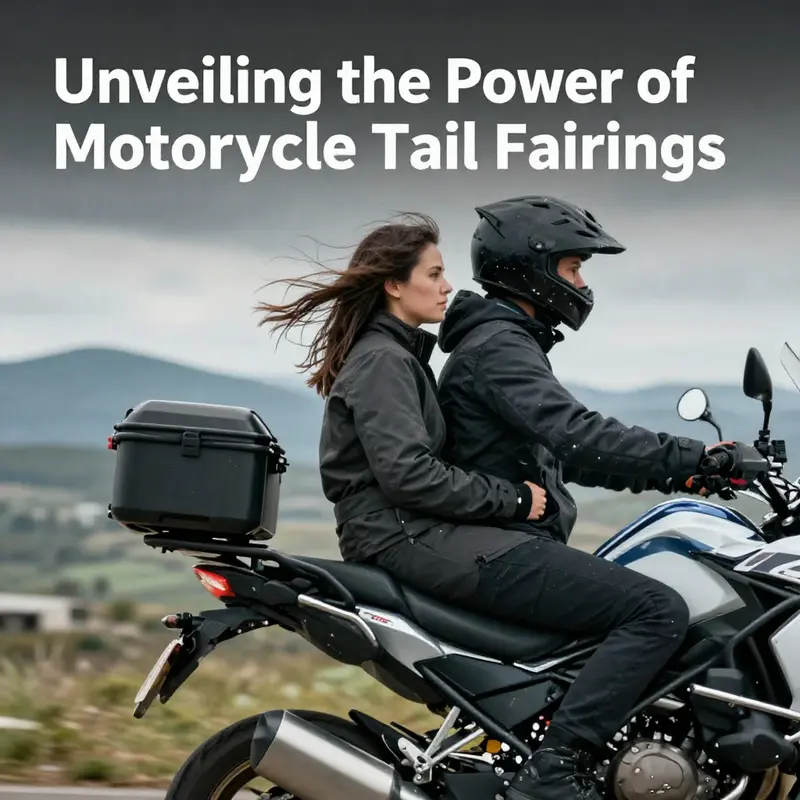
Motorcycle tail fairings are far more than a cosmetic afterthought; they serve as an essential component that dramatically enhances rider comfort and overall riding experience. When a rider embarks on a long journey, every element of the motorcycle must work in concert to reduce fatigue, minimize wind resistance, and create an inviting atmosphere. The tail fairing, delicately integrated at the rear of the motorcycle, not only shields the rider and passenger from unpredictable weather elements but also plays a pivotal role in managing airflow around the rider’s upper body. This results in a softer, more balanced exposure to the wind, reducing the turbulent buffeting that can sap energy on long rides.
Integrated into the bike’s overall design, the tail fairing functions by smoothing the passage of air around and over the rider, effectively decreasing wind pressure on both the helmet and upper torso. Advanced aerodynamic designs, honed by extensive fluid dynamic analysis and wind tunnel experimentation, have demonstrated that even a modestly sized tail fairing can lead to a dramatic reduction in wind disturbance. Studies have indicated that riders might experience as much as a 50% decrease in the pressure felt on their visors. By improving how air flows around the motorcycle, tail fairings help to maintain a stable riding position at higher speeds, turning even rough headwinds into a more manageable force.
This enhanced aerodynamic profile not only contributes to comfort but also subtly improves fuel efficiency and overall performance. A streamlined rear design minimizes drag by guiding airflow smoothly, which in turn lessens the energy required from the engine to maintain speed. This effect is most noticeable on tours or lengthy commutes where every increment in efficiency translates to a more relaxed and economical ride. In effect, the tail fairing becomes an unassuming ally providing both functional and economic benefits. The balance between function and form in these add-on components is a testament to thoughtful engineering and design considerations that prioritize the rider’s daily experience.
Beyond the measurable reduction in wind resistance, the tail fairing provides a stable, supportive surface for rear passengers. This benefit is especially important in two-up riding scenarios, where both the driver and the pillion must contend with the force of the wind. By intercepting much of the disruptive turbulence, the fairing offers a soothing barrier that reduces the shock of wind blast. Riders and passengers alike gain added protection from not only wind but also debris and rain, ensuring that journeys remain enjoyable regardless of the weather. This dual role – reducing aerodynamic drag and offering protective coverage – underscores the multifunctional nature of the tail fairing.
Material selection for these components is another critical factor. The use of durable and resilient materials like ABS plastic, fiberglass, and carbon fiber means that tail fairings can withstand the rigors of long rides and varying weather conditions. The materials not only have to maintain their structural integrity over time but also need to resist scratches and minor abrasions that occur in everyday use. Manufacturers often coat these surfaces with scratch-resistant layers, ensuring that the fairings retain their sleek appearance even after prolonged exposure to the elements. The marriage of durability with aerodynamic efficiency exemplifies the practical considerations that go into crafting a component which stands up to the challenges of both performance and style.
Installation ease is a factor that is often appreciated by riders looking to upgrade their motorcycles without delving into extensive mechanical modifications. Many modern tail fairings are designed with simple, user-friendly mounting systems that can be integrated into a bike’s framework with relative ease. This simplicity of installation does not compromise the secure attachment necessary for a component that must function perfectly at high speeds. Designers have anticipated the need for adaptability across different motorcycle models, ensuring that whether a rider is on a cruiser, a sport-touring bike, or a touring machine, the fairing can be adjusted to envelope the rear in a manner that most benefits its occupants. This thoughtful design consideration reinforces the idea that every set of curves on the motorcycle plays a role in the overall riding comfort.
In addition to the purely functional aspects, a well-designed tail fairing harbors a significant aesthetic appeal. The exterior surface of the fairing, often finished in a dark, smoke-like tone, contributes to the motorcycle’s polished, factory-fresh look. This sleek appearance is not just for show; the refined aesthetics enhance the motorcycle’s overall aura and make it feel complete as a cohesive unit. The method in which the black or dark finish complements any motorcycle paint job is a subtle nod to the rider’s personal style, reinforcing that performance and visuals can indeed coexist. When riders choose a tail fairing, they are not only opting for improved functionality but also expressing a taste for high-quality design and the assurance of reliability.
Furthermore, enhanced audio clarity during rides is an additional but often overlooked benefit of a well-integrated tail fairing. As the fairing effectively minimizes wind turbulence around the upper body, riders experience a notable reduction in wind-induced noise. This decreased noise level can enhance the overall audio experience, whether the motorcycle is equipped with a high-end sound system or simply the natural acoustics of the engine. The reduction in ambient noise helps riders to focus on the subtle sounds of the environment and the bike’s own mechanical rhythm, turning every ride into a more immersive sensory journey. This harmonious balance between the rider and machine contributes to a state of relaxed focus, allowing for longer rides with less fatigue.
The benefits of tail fairings extend well into the realm of personal and economic well-being. For dedicated riders who traverse long distances, the cumulative effect of reduced wind resistance and improved rider posture can have profound implications for overall physical comfort. By lessening the direct impact of wind and weather, these fairings decrease the likelihood of incurring neck and shoulder strain. Over time, this improved ergonomics can significantly enhance the riding experience, making long trips not only bearable but enjoyable. It is a reminder of the intricate relationship between performance design and everyday comfort—one that encourages riders to invest in modifications that pay dividends over the span of countless miles.
Moreover, the integration of a tail fairing is emblematic of the broader trend towards thoughtful customization in motorcycle design. Enthusiasts seeking to upgrade their machine’s performance or appearance often start with small yet impactful modifications that collectively transform the ride. A tail fairing, with its aerodynamic advantages and stylish aesthetic, is a prime example of how innovation and functionality can be seamlessly merged. Riders often find that a single upgrade can lead to a cascade of improvements, where the benefits of enhanced comfort encourage further enhancements to the bike’s overall performance. This cycle of incremental, user-driven innovation plays a crucial role in the motorcycle community, fostering a spirit of continuous improvement and personalized expression.
The process of integrating a tail fairing into a motorcycle is a microcosm of the larger journey of motorcycle customization. It embodies the intersection between science and art, where careful measurement and meticulous design converge with a deep understanding of what makes riding enjoyable. Engineers and designers work closely to determine the optimal shape and placement of the fairing, ensuring that it neither obstructs visibility nor compromises safety. The resulting product is a carefully crafted balance that offers both tangible performance benefits and a visual appeal that elevates the motorcycle’s design. This holistic approach is what distinguishes modern motorcycle enhancements from earlier, more utilitarian modifications.
One cannot overstate the importance of proper fitment and technical compatibility when selecting a tail fairing. Riders must ensure that the component they choose aligns with the specific model and requirements of their motorcycle. A slight misalignment in installation can lead to unexpected aerodynamic issues or reduced effectiveness in wind deflection. Therefore, it is advisable to consult manufacturer guidelines and, if necessary, work with an authorized dealer to verify that the fairing meets the bike’s specifications. In doing so, riders not only secure the functional benefits of improved aerodynamics and comfort but also preserve the structural integrity and warranty conditions of their motorcycle. For more detailed fitment information and compatibility tips, interested riders can explore collections such as the Yamaha motorcycle fairing collection, which offer a range of options tailored to different riding needs.
In summary, the motorcycle tail fairing is a prime example of how engineering detail and design refinement coalesce to create an element essential to riding comfort and performance. By smoothing the flow of air around the rider, these components mitigate the harsh impact of wind, giving long-distance journeys a more relaxed and controlled feel. They also enhance the aesthetic appeal of the motorcycle, contributing both to its streamlined look and robust defense against the elements. More than just an accessory, the fairing is a subtle, yet powerful, upgrade that addresses several practical challenges of riding—from minimizing fatigue and enhancing air circulation to ensuring that both the rider and passenger are shielded from adverse conditions.
The thoughtful integration of tail fairings into motorcycle design is an enduring testament to the importance of user experience. As riders seek to maximize every facet of their journey, the contribution of these fairings grows ever more significant. The pursuit of comfort and performance is an ongoing dialogue, one where every design decision has the potential to transform a routine ride into an extraordinary adventure. For avid riders and weekend warriors alike, investing in a well-designed tail fairing is a decision that pays off continuously, enhancing not only the operational efficiency of the bike but also the overall joy derived from the ride.
To explore more about how aerodynamic enhancements can revolutionize your riding experience, you may visit Harley-Davidson’s official resource for additional insights into wind deflection technology and its impact on motorcycling comfort.
Engineering the Ideal Tail Fairing: Mastering Material Composition for Performance and Aesthetics
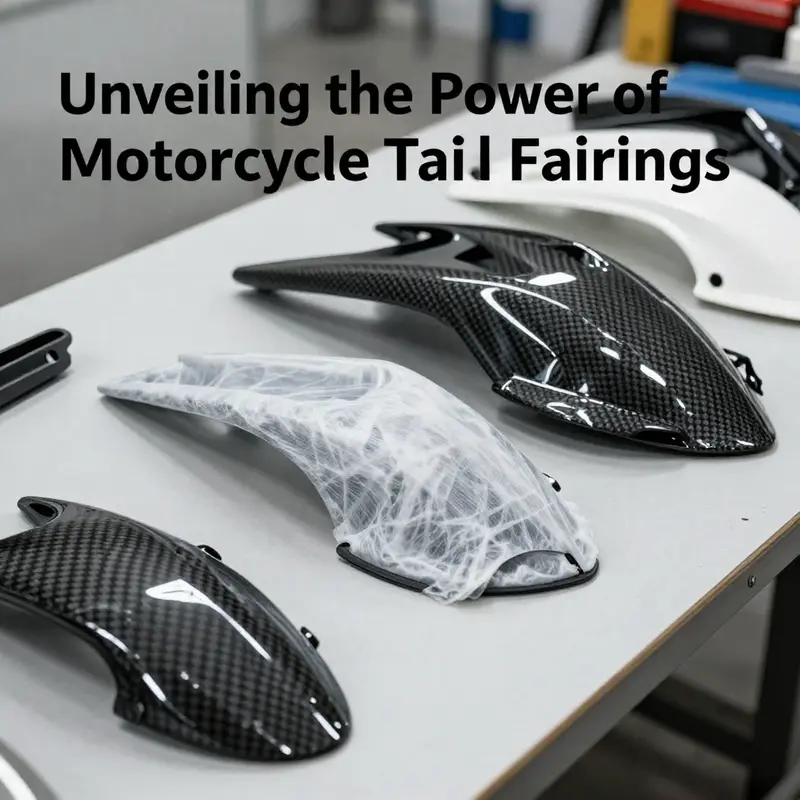
When exploring the world of motorcycle tail fairings, one cannot overstate the importance of the materials used in their construction. Every material choice, from ABS plastic to aluminum alloy, contributes not only to the durability and aerodynamic performance of the fairing but also to the overall character and styling of the motorcycle. In an era where both function and form are prized, understanding the properties of each material becomes essential for riders seeking both efficiency and a refined look.
The journey begins with ABS plastic, a popular material choice that blends exceptional impact resistance with cost-effective durability. ABS is prized for its ability to absorb shocks without significant deformation, making it an ideal candidate for riders who face frequent variations in weather and road conditions. The sleek, modern finish that ABS offers is complemented by its lightweight properties, ensuring that the overall mass of the motorcycle is not unduly increased. This lightweight nature not only facilitates effortless handling but also contributes to the vehicle’s improved fuel efficiency and stability at high speeds. With ABS plastic, manufacturers can design tail fairings that seamlessly integrate with other components, providing a cohesive appearance while suppressing turbulent airflow and reducing drag.
Moving beyond ABS, polycarbonate (PC) emerges as a material of choice in situations where visual clarity and enhanced impact resistance are paramount. Unlike its ABS counterpart, polycarbonate offers the added benefit of transparency. This characteristic is especially valued in custom designs where the rider’s personal style can shine through. Polycarbonate’s exceptional performance under extreme temperature variations, including resistance to UV degradation, ensures that the fairing remains clear and undistorted over time. Although it tends to be slightly more expensive than ABS, the benefits of long-term durability and the aesthetic charm it offers often justify the added expense for high-performance applications.
In the realm of metal materials, aluminum alloy distinguishes itself with its unique blend of strength, lightweight composition, and ease of customization. Tail fairings made from aluminum alloy are engineered to withstand the rigors of high-speed riding and off-road conditions alike. The material’s excellent resistance to corrosion, even when exposed to high levels of moisture and harsh environmental conditions, makes it a favorite among touring and sport-touring enthusiasts. The natural luster of aluminum, when polished, conveys a sophisticated and contemporary look that many modern riders find appealing. Furthermore, the machinability of this metal opens up a world of potential for custom designs, allowing manufacturers to create tailored solutions that cater to an individual rider’s aesthetic preferences. The result is not only a robust protective layer for the motorcycle’s rear components but also an addition that harmonizes function with style. For those interested in exploring a variety of tailored fairing options, checking out the range of available models, including those in the Honda range, can provide a practical insight into design variations.
Stainless steel offers another option that, while heavier than plastics and aluminum, provides unmatched durability and a timeless, aesthetically rugged look. Known for its exceptional resistance to rust and physical impacts, stainless steel fairings are built to endure extreme conditions. The robustness of stainless steel makes it a preferred choice for riders who venture into off-road terrain or inclement weather and require a dependable barrier against debris and environmental hazards. The material’s distinct silver sheen adds to the fairing’s visual impact, resulting in a design that appears both classic and industrial. The weight of stainless steel, however, means that it is best suited for motorcycles where performance is not overly compromised by additional mass. Manufacturers who opt for stainless steel often emphasize the long-term value and protective characteristics it offers, ensuring that riders have a durable defense against the stresses of long-distance touring.
Composite materials represent another avenue, particularly in scenarios where a balance of strength and design flexibility is desired. Techniques involving resin and fiberglass reinforcements allow for fairings that are both lightweight and resilient. These composites enable designers to experiment with curves, textures, and geometric patterns that are difficult, if not impossible, to achieve with metal or straightforward plastics. Custom or limited-edition tail fairings often incorporate these composites to create unique, stylish, and functional components. By merging modern aesthetics with practical performance benefits, composite materials allow riders to experience motorcycle design that feels like a personal expression. Their ability to be molded into aerodynamic shapes further contributes to reducing drag and promoting fuel efficiency—a significant advantage for long-distance rides.
When selecting the optimal material for a tail fairing, riders and manufacturers must consider various factors including budget, weight, environmental exposure, and overall design intent. For riders who prioritize long-distance touring and require a component that can handle both the rigors of sustained high speeds and the unpredictability of changing weather conditions, metals such as aluminum alloy or stainless steel provide a high level of security and longevity. These materials, with their inherent strength and excellent resistance to environmental wear, ensure that the rear fairing not only protects the motorcycle’s sensitive components but also complements the aesthetic nuances of a premium ride.
Conversely, for those who favor cost-effectiveness, ease of maintenance, and a sleek modern look, ABS and polycarbonate stand out as excellent choices. Their lighter weight not only reduces the overall burden on the motorcycle’s engine but also facilitates quicker acceleration and improved handling. Moreover, these plastics tend to be more forgiving in the event of minor impacts, often only requiring economical repairs rather than complete replacements. It is this blend of practicality and performance that continues to make ABS and PC materials popular choices among a vast array of riders. When considering the overall impact on riding dynamics, a lighter fairing material contributes positively to fuel efficiency and performance, ensuring that a motorcycle’s power is directed optimally towards propulsion rather than being bogged down by cumbersome components.
There is also a noteworthy aspect regarding the visual integration of the tail fairing with the rest of the motorcycle. A well-matched material choice can greatly enhance the overall aesthetic appeal of the bike, ensuring that every aspect from the design to the finish is harmoniously balanced. Whether it is the industrial charm of stainless steel or the sculpted finesse of composite materials, each option brings a distinct style and personality to the motorcycle. The decision often rests on the individual rider’s taste and the specific performance goals they have set for their bike. The interaction between various materials not only defines the motorcycle’s appearance but also impacts its aerodynamics—a critical component when designing a machine optimized for speed and efficiency.
The integration of aerodynamic principles into the design of tail fairings is deeply interconnected with their material composition. Aerodynamics play a crucial role in reducing drag, and the choice of material can significantly influence airflow around the rear of the motorcycle. For instance, the smooth surfaces achievable with ABS plastic or polycarbonate can promote laminar airflow, thereby decreasing turbulence and allowing for a more efficient ride. On the other hand, the structural rigidity of metals like aluminum or stainless steel ensures that the fairing maintains its shape under high-speed conditions, thus contributing consistently to aerodynamic performance over time. Every design decision is a trade-off between visual appeal, aerodynamic efficiency, and long-term durability, leading to a complex interplay that cannot be ignored by engineers or riders alike.
Furthermore, the manufacturing processes involved play a critical role in determining the final characteristics of the tail fairing. Injection molding techniques used for plastics allow for intricate designs while ensuring that the final product is uniform. Similarly, advances in metal forming and machining have enabled producers to create aluminum and stainless steel fairings that are as elegant as they are functional. The evolution of composite manufacturing techniques, which combine resin and fiberglass, continues to push the boundaries of what is possible, giving rise to fairings that are not only lightweight and resilient but also capable of withstanding the demanding conditions of long-distance riding. The balance between these manufacturing techniques and material properties provides manufacturers with a versatile palette from which to design components that cater to the diverse needs of riders around the world.
In crafting the perfect motorcycle tail fairing, the choice of material becomes a defining factor that influences nearly every attribute of performance and style. Each material presents its own set of advantages and challenges, whether it be the resilient yet cost-effective attributes of ABS, the impact resistance and clarity of polycarbonate, or the robust and customizable features of metals like aluminum alloy and stainless steel. Composite materials add an extra dimension of creative freedom, allowing for innovative designs that push the limits of aerodynamics and artistry.
Ultimately, the decision rests on a careful assessment of one’s riding habits, environmental exposures, and personal style. Riders who spend long hours on the road and require maximum performance under varying conditions may lean towards the robust, long-lasting properties of metals or composites. Meanwhile, daily commuters or casual riders might appreciate the simplicity and economic benefits of ABS or polycarbonate tail fairings. Manufacturers are continuously refining these materials, striving to strike the perfect balance between weight, strength, and aesthetic appeal, thereby advancing the art and science of motorcycle design.
For riders eager to explore further practical applications and variations, a wealth of options is available, as evidenced by the diverse range offered in categories such as Honda fairings. Understanding the nuances of material selection can lead to not only an improved riding experience but also an appreciation for the intricate engineering behind every motorcycle detail.
For further details on motorcycle luggage materials and current product offerings, refer to eBay’s collection of motorcycle fairings and body kits.
Seamless Integration: Mastering the Installation and Maintenance of Your Motorcycle Tail Fairing
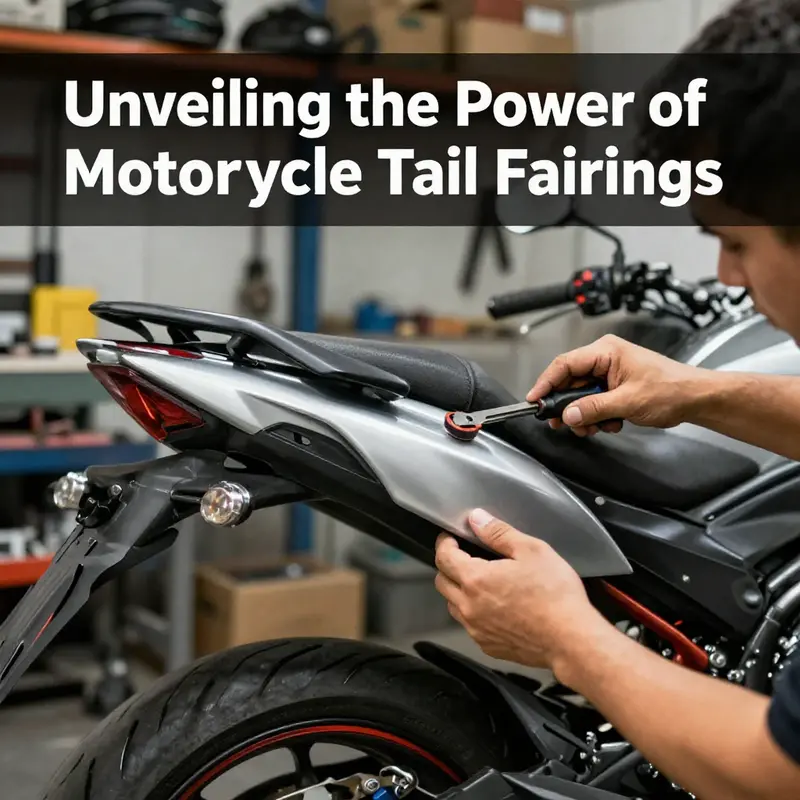
A motorcycle tail fairing is much more than just an accessory; it is an essential component that contributes to the overall aerodynamic efficiency, rider comfort, and visual appeal of your bike. Whether you are preparing for long-distance touring or simply looking to refresh your motorcycle’s appearance, understanding the nuances of installing and maintaining your tail fairing can elevate your riding experience in more ways than one. This comprehensive discussion explores the meticulous process of fitting a new tail fairing and outlines careful maintenance practices that will keep your bike looking pristine and performing at its best over extended periods of time.
To begin with, proper installation is a task that demands both patience and precision. The process starts with careful preparation, where a rider or technician gathers all the necessary tools – including an assortment of screwdrivers, wrenches, mounting hardware, and, in some cases, durable adhesive materials. The environment in which this work is performed should be clean and spacious, ensuring that no debris or misalignment issues interfere with the installation process. A clean working space plays a pivotal role, as it minimizes the risk of contaminating mounting surfaces, which in turn ensures the longevity of the fairing after installation.
The first major step involves removing any existing tail fairing or attachments. This phase is not merely about unscrewing or detaching components; it is also about understanding the original design of the motorcycle’s framework. With the old components removed carefully and systematically, all screws and fasteners should be stored properly, as these pieces are essential for reassembling the parts later on. This attention to detail is crucial because improperly stored or mismatched components can lead to gaps or misalignments that compromise the aerodynamic efficiency of the motorcycle.
Alignment is the cornerstone of an effective tail fairing installation. The new fairing panels must be tested against the motorcycle’s existing bodywork to ensure perfect congruence. The goal here is to achieve a flush, integrated look where the fairing seamlessly melds with the rest of the bike. Misalignment not only detracts from the aesthetic appeal but also creates turbulence in the airflow around the rear of the motorcycle. The reduction of turbulence is directly linked to improved fuel efficiency and higher top speeds, which are benefits that riders appreciate over long journeys. In crafting this visual and functional unity, every hole, curve, and contour of the fairing should correspond exactly with the mounting points of the motorcycle frame.
The fastening and securing phase is particularly delicate. In many cases, the installation guide provided by manufacturers outlines the exact torque settings and placement of screws or adhesive applications. Whether you opt for mechanical fasteners or modern bonding agents, ensuring that all seams remain flush and tight is imperative. If any gaps are visible or if there is even the slightest wobble in the fairing, it indicates that further tightening or re-adjustment may be needed. Riders should spare a moment to re-examine all contact points along the fairing’s edge to guarantee that it will hold up against high-speed winds and varying weather conditions. For many riders, especially those who invest in complete kits like comprehensive fairing sets that include not only the tail but also front and side panels, professional installation is often recommended. Such expertise minimizes the risk of damage during the process and guarantees that the structural integrity of the fairing is maintained.
Once installation is complete, the focus naturally shifts to maintenance. A well-installed tail fairing will deliver outstanding performance, but like all external components exposed to the elements, it requires consistent care to fend off the slow creep of environmental wear. Regular cleaning plays an important role in this respect. Washing the fairing with mild soap and water is recommended to remove accumulated dirt, grime, and road debris. Harsh chemicals and abrasive materials should be avoided, as they can scratch the surface or strip away protective coatings that shield the fairing from UV rays. Keeping a routine cleaning schedule not only improves appearance but also prolongs the material’s lifespan.
Protection against the damaging effects of the sun is another key maintenance consideration. Materials such as ABS plastic, fiberglass, or carbon fiber can degrade over time if not properly protected. For riders who depend on the fairing’s durability, occasional application of a UV-protective wax or sealant can play a decisive role in preventing fading and cracking. This treatment should be applied every few months, particularly after periods of intense sunlight exposure or inclement weather. Consistent upkeep using trusted products fortifies the fairing against the harsh impacts of both light and moisture, ensuring that it remains functional and attractive throughout its service life.
Periodic inspections serve as the watchtower for identifying potential issues before they escalate. Every so often, a careful examination of the fairing is advised to check for signs of stress or wear – these include minor cracks, loose fittings, or even impact damage that might have occurred during unexpected encounters on the road. Riding conditions can often be unpredictable, and even the most robust fairing can suffer from unforeseen incidents. When such issues are detected early, they can be addressed promptly, thereby avoiding expensive repairs or complete replacements later on. This vigilance is particularly important after long rides or if you have encountered rough terrain, where hidden damage might go unnoticed until it becomes a significant problem.
In addition to routine cleaning and inspections, many riders look toward upgrades or replacements as a means of customization or simply to replace damaged parts. In such cases, opting for individual component replacements instead of full kits can be a pragmatic and cost-effective solution. For instance, if only the tail section of the fairing has been compromised, many manufacturers offer standalone tail panels that are compatible with a range of models, including popular options like the RS125. Using these targeted replacements, riders can maintain the overall aesthetic and functionality of their motorcycle without undertaking a complete overhaul. An example of such a product can be explored in the range of available options including styles like the RS125 Tail Fairing Kits, which are designed to integrate seamlessly with the bike while providing robust performance.
Beyond the physical components, the installation and maintenance process also embodies a philosophy of care and attention to detail that enhances the overall riding experience. In every phase, from the initial removal of the old fairing to the final application of protective sealants, there is an opportunity to engage with the mechanics of your motorcycle on a deeper level. This hands-on approach not only cultivates a better understanding of the bike’s structure but also fosters confidence and appreciation in its design. Riders who invest time in these tasks often find that the effort pays off in terms of both performance benefits and the satisfaction of having a motorcycle that truly reflects their dedication to quality and detail.
The integration of a tail fairing should be viewed as a critical aspect of motorcycle maintenance that goes hand in hand with routine service schedules. Much like a well-oiled engine or a carefully adjusted suspension, the fairing plays a significant role in ensuring that every ride is as smooth and enjoyable as possible. Over time, consistent care will help maintain the striking appearance and aerodynamic efficiency of the motorcycle, making it not only a pleasure to ride but also a source of pride for any enthusiast. The clear-cut benefits—from enhanced fuel efficiency due to minimized aerodynamic drag to reduced rider fatigue by improving overall wind protection—speak volumes about the importance of giving due attention to both installation and post-installation care.
Moreover, proper installation and subsequent maintenance are crucial elements in preserving the safety of the motorcycle. A fairing that is securely attached minimizes the risk of unexpected detachment while riding, which can be a hazard at high speeds. The steps taken to ensure that the mounting hardware is correctly fastened, combined with the routine inspections for any signs of wear or damage, create a reliable support system that adds to the motorcycle’s structural integrity. This reliability is particularly essential for bikes that frequently carry a passenger, where the fairing not only offers aesthetic value but also provides a shield from intense wind blasts and other adverse weather conditions. Ultimately, attentive installation and careful maintenance contribute both to safety and the long-term performance of the motorcycle.
The process of installing and maintaining a motorcycle tail fairing can transform routine maintenance into an engaging and rewarding part of motorcycle ownership. It does not require advanced mechanical expertise, but rather a commitment to detail and adherence to manufacturer recommendations. By following a structured process and paying attention to the small details—whether it’s ensuring that every screw is tightened to the proper specification or that protective coatings are applied regularly—riders can maintain a fairing that not only elevates the biking experience but also stands up to the ravages of time and weather. This self-reliance and attention to detail can also lead to a deeper appreciation for the craftsmanship involved in modern motorcycle engineering.
For those who appreciate both performance and aesthetics, a comprehensively installed and well-maintained tail fairing is a testament to the art of motorcycle customization. Every step of the process, from the initial removal of outdated components to the detailed finishing touches, is an exercise in thoughtful engineering. Each movement, each tool used, and every bit of adhesive applied plays a role in creating a harmonious blend of form and function. Over months and even years, the cumulative results of careful maintenance contribute significantly to the longevity and reliability of the attachment. Ultimately, these efforts ensure that your motorcycle will not only perform optimally but will also continue to turn heads wherever the road takes you.
In summary, the practices of installation and maintenance of a motorcycle tail fairing are integral aspects that define the life and style of your bike. By embracing a careful, methodical approach, riders can enjoy the dual benefits of improved aerodynamic performance and a visually appealing finish. The elements discussed – from preparation and installation to regular cleaning, UV protection, and periodic inspections – form a cohesive strategy for extending the service life of the fairing and maximizing its aerodynamic advantages. Each phase is interconnected, and successful results depend upon the consistent application of recommended practices.
For riders seeking additional guidance, especially in areas such as precise fitment or understanding the specifics involved in complex fairing kits, valuable information can be found in official resources. Detailed installation guides and part-specific instructions are available through dedicated manufacturer websites. For further details and expert advice on maintaining robust and stylish fairings, please visit the official resource at Harley-Davidson Warranty Information.
Sleek Harmony: How Motorcycle Tail Fairings Transform Aesthetics and Function
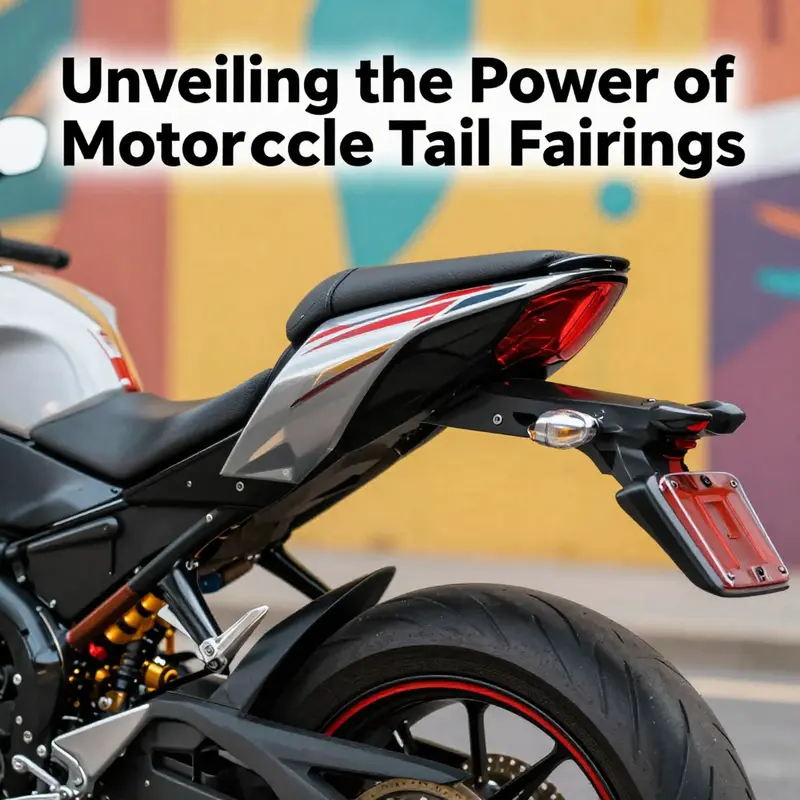
The motorcycle tail fairing is more than a simple accessory; it is a vital element that bridges the gap between aerodynamic performance and striking visual design. This component serves as a graceful finishing touch to a motorcycle’s overall look while reinforcing its engineering integrity. Riders know that a tail fairing not only protects vital components but also plays a pivotal role in defining the bike’s personality. With its smooth curves and carefully integrated design cues, the tail fairing creates a sense of cohesion that enhances both the vehicle’s performance and its curb appeal.
The design of a motorcycle tail fairing often reflects an emphasis on streamlined geometry and harmony with other bodywork elements. Manufacturers invest considerable thought into every curvature, angle, and surface texture. These details ensure that the fairing blends naturally with a motorcycle’s frame and surrounding parts. The result is a design that speaks to both form and function, with each line contributing to a visually refined profile. The fairing often supports essential components such as taillights and turn signals, which can be housed seamlessly in its contours. This integration provides a contemporary look that is both aggressive and elegant. Manufacturers sometimes opt for materials like ABS plastic or fiberglass to achieve the right balance of durability and light weight, while premium builds might use carbon fiber to further enhance the design lines and reduce overall mass.
In many ways, the tail fairing serves as a canvas for creativity and personalization. Riders who choose customized finishes often select chrome accents or unique color schemes to assert their individuality. This sense of personalization transforms the motorbike into an extension of the rider’s own style and taste. Artful designs on tail fairings are as much about making a statement as they are about ensuring comfort and protection. A rider’s appreciation for fine details is often reflected in this very component. Whether the design is minimalistic or highly intricate, its presence on the motorcycle affirms that functionality does not need to compromise aesthetic appeal.
The fairing’s role in enhancing aerodynamics cannot be understated. Even though it might not provide the dramatic wind deflection of full fairings, its effect is far from negligible. The tail fairing improves airflow by reducing harsh turbulence behind the motorcycle. This streamlined design not only minimizes drag but also contributes to better stability at high speeds. As wind patterns interact with the motorbike, the fairing channels air smoothly around its curves, ensuring a balanced distribution of pressure. This attention to aerodynamic detail is evident in both sporty machines and touring models, where long-distance comfort and improved performance are critical. The refined design of the tail fairing thus becomes an integral part of the motorcycle’s strategy for achieving higher fuel efficiency and a more exhilarating ride.
The integration of aesthetic form and functional utility is often best illustrated by how the fairing interacts with the rest of the motorcycle’s design. All parts of a bike are meant to work together, and the tail fairing is no different. When properly designed, it reinforces the narrative of a well-conceived machine that is built for both speed and style. Its smooth lines and subtle contours complement the aggressive stance of sports models and the graceful presence of touring bikes. For instance, riders who appreciate the performance aspects of their bike while prioritizing comfort know that a quality tail fairing allows for a reduction in wind resistance, which in turn aids long-distance control and stability. The design language it adopts can range from the bold, angular lines typical of performance models to a more understated, curvaceous form seen in luxury touring bikes. Each approach is a testament to the fairing’s versatility and its ability to enhance the motorcycle’s overall design ethos.
A close look at the manufacturing details reveals that the tail fairing is engineered to perform reliably in various weather conditions. Its robust construction protects rear components from adverse elements such as wind, rain, and debris, ensuring that the motorcycle remains both visually appealing and functionally sound. Weatherproofing is an essential aspect of its design, especially for riders who frequently venture on long journeys. Beyond mere durability, this protective feature adds a layer of reassurance to the design, showing that every detail is thoughtfully crafted. The union of aesthetics and functionality is at the heart of the fairing’s design philosophy, proving that a well-designed motorcycle component does not need to sacrifice style for utility. The balance struck between these elements is what elevates the motorcycle to a level where both performance and beauty are clearly evident. Moreover, when tail fairings are integrated with other components, the entire machine gains a purposeful and streamlined look that resonates with both casual riders and seasoned enthusiasts.
This cohesive integration is also evident when the motorcycle is viewed as a complete package. Educated riders and collectors quickly recognize how a tail fairing enhances the overall look of the bike. It plays a significant role in achieving what many describe as a factory-original or custom-tailored appearance. Enthusiasts who value craftsmanship and meticulous design often gravitate towards models that emphasize every detail, including how subtle elements like the tail fairing are executed. It supports not only a pleasing silhouette but also contributes to the bike’s dynamic performance capabilities. When the tail fairing is harmonized with the front and side panels, the result is a unified design that exudes both sophistication and sporty energy. This integrative approach helps to minimize visual clutter and underscores a commitment to quality that is apparent from every angle. For those interested in exploring similar integrations in fairing designs, one can read more about the benefits of specialized fairings on the Kawasaki Ninja fairings page.
The story of the motorcycle tail fairing is both one of technical ingenuity and artistic expression. It is a component that manages to marry high performance with aesthetic finesse. Each fairing is a unique blend of design innovation and engineering prowess. In an era where visual appeal is just as significant as mechanical ability, tail fairings stand out as a prime example of how thoughtful design leads to superior riding experiences. Their capacity to reduce drag, enhance fuel efficiency, and maintain performance integrity, all while offering a visually appealing finish, demonstrates a deep understanding of both the practical and emotional needs of riders. The fairing’s contribution to a motorcycle’s overall design is significant and multifaceted. It represents a careful balance between contemporary design trends and the traditional expectations of motorcycle enthusiasts.
Ultimately, the value of a motorcycle tail fairing lies in its ability to provide riders with a superior riding experience that is as visually impressive as it is functionally robust. The design process behind each fairing involves a meticulous attention to detail, where even the smallest curve or reflective surface serves a purpose. Whether it is to improve aerodynamics or to add a touch of personal style, the tail fairing is an emblematic fusion of art and science. This component not only enhances the machine’s performance but also tells a story of modern craftsmanship and enduring style. In a competitive market where both performance and aesthetics matter, the tail fairing emerges as an essential element that can transform the motorcycle from a simple mode of transport into a work of art.
For those seeking additional insights into the dual role of performance and aesthetics in motorcycle design, a comprehensive external resource is available. The Kawasaki ZX-7R Fairings Guide: Performance, Technical Features, and Applications Explained provides a detailed exploration of how fairings contribute to overall motorcycle excellence. This guide underscores the importance of thoughtful design choices that enhance a motorcycle’s functionality while also elevating its visual allure. When investing in a motorcycle, riders increasingly appreciate components that embody both beauty and performance, making the tail fairing a critical area of innovation and creativity.
In summary, the motorcycle tail fairing is a masterstroke of design that merges technical requirements with aesthetic appeal in a way few other components can. It is an area where engineering precision meets artistic expression, resulting in a component that truly enhances the motorcycle experience. The interplay of aerodynamic finesse, protective functionality, and striking beauty ensures that the tail fairing remains a standout feature on modern motorcycles. With its ability to unify design elements and provide both performance benefits and visual impact, the tail fairing is an indispensable part of the motorcycle’s overall identity. Its presence on the rear of the bike signals to riders and onlookers alike that every detail has been carefully considered, making it an icon of both style and substance in the realm of motorcycle design.
Final thoughts
Motorcycle tail fairings are more than just decorative elements; they are essential components that enhance rider experience, improve aerodynamics, and contribute to the overall look of the bike. By investing in quality tail fairings, business owners can offer products that not only appeal to the visual senses but also satisfy practical needs for comfort and performance. Understanding the intricate benefits of these components can empower businesses to make informed decisions in their product lines and customer service approaches, ultimately elevating the riding experience.