
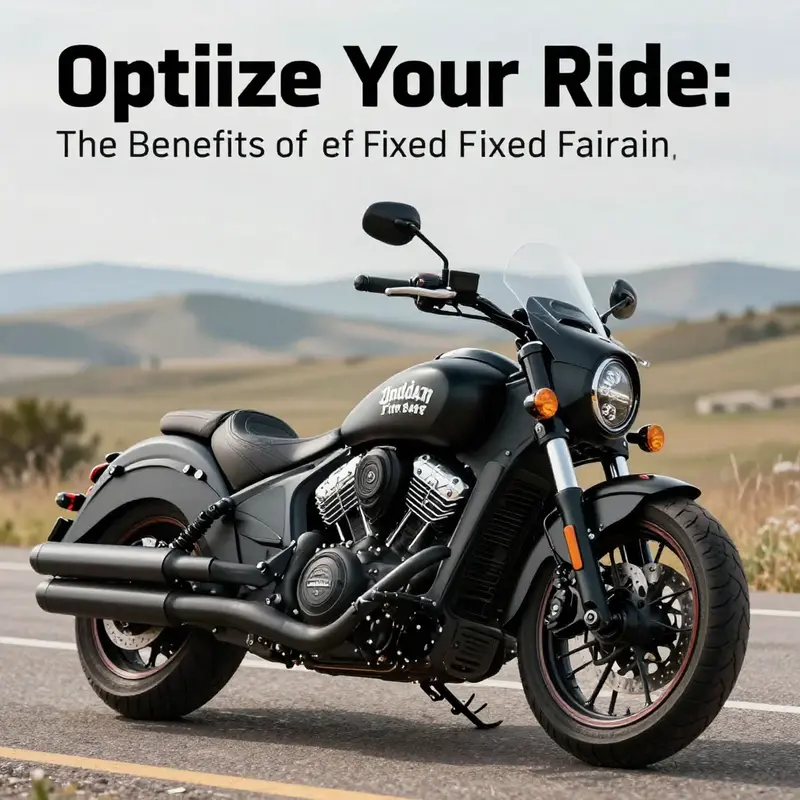
Indian Motorcycles have long been synonymous with quality and engineering excellence, particularly when it comes to accessories that enhance riding experience. Among these accessories, the fixed fairing stands out as a crucial aerodynamic component tailored for select models, such as the Chieftain and Roadmaster. This article delves into the technical aspects, market availability, performance enhancements, customization options, and economic implications of Indian Motorcycle fixed fairings. By understanding these elements, business owners can better cater to the needs of motorcycle enthusiasts looking for reliability and style in their riding experience.
Fixed Fairings Under the Microscope: The Technical Craft of Indian Motorcycle Aerodynamics
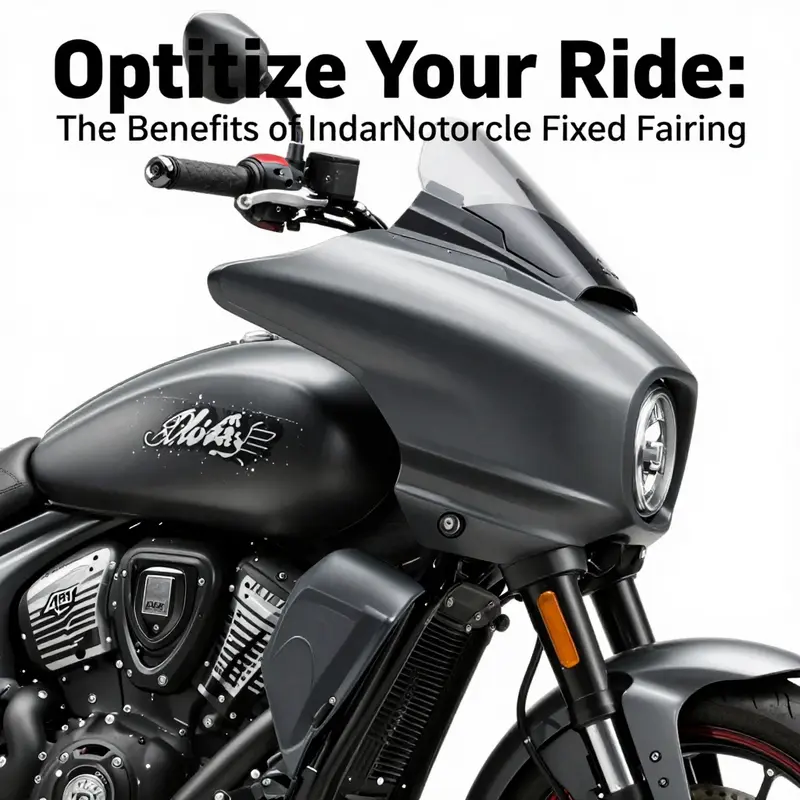
Fixed fairings on Indian motorcycles are more than a styling cue; they are a carefully engineered interface where aerodynamics, chassis rigidity, rider comfort, and stealthy aesthetics converge. The umbrella idea behind a fixed fairing is to sculpt the airflow in a way that tames turbulence around the front end, guiding wind smoothly over the rider and the bike’s surfaces. When done well, this yields a ride that feels quieter at high speeds, more stable in crosswinds, and less fatiguing over long distances. The research snapshot of newer touring configurations highlights how a fixed, integrated shell can shrink wind-induced chatter without compromising the bike’s personality. It frames a riding experience that is not merely about speed but about the endurance of a journey, where the machine and rider become a single, continuous line against the road.
In practical terms, the aerodynamic work of a fixed fairing begins with controlling the most unruly element of a motorcycle’s environment: the air that rushes toward the rider’s chest and helmet. The goal is to minimize buffeting, a phenomenon that makes the torso and neck work harder to chase stable headwinds as speed climbs. The next-generation concepts emphasize a streamlined front that slices through air with less wake left behind. This cleaner flow reduces drag and can contribute to modest gains in efficiency, a subtle but meaningful benefit for long-haul riders who spend hours at highway velocities. The emphasis is not solely about cutting wind; it is about shaping it so that the shove of air at the rider’s shoulders in a crosswind becomes a navigable, predictable force rather than an abrupt, fatiguing gust.
Materials play a decisive role in delivering these benefits with reliability. A fixed fairing needs to be robust enough to resist weather, UV exposure, and road debris while remaining light enough not to unsettle the bike’s weight balance. High-impact resistant polymers form the backbone of many production shells, offering a favorable blend of rigidity and flexibility. In more performance-focused or premium lines, carbon fiber may be employed to shave weight further and to achieve a crisper, more sculpted silhouette. The integration of the fairing with the frame and bodywork is not an afterthought; it is a design principle. A well-integrated fairing behaves as a single structural and aerodynamic entity, ensuring that the lines of the shell complement the bike’s geometry rather than fighting against it. The outcome is a clean, cohesive appearance that looks as if the fairing emerged from the bike’s original design rather than being bolted on later.
From a design perspective, the visual language of a fixed fairing has to wrestle with two parallel objectives: catching the eye and delivering function. The silhouette often borrows a bold, enveloping shape that surrounds the front of the bike while preserving a clear line of sight for the rider and a direct channel for airflow. Subtle details—how the fairing noses into the headstock, where the lower edge hugs the tank, and how the wind interacts with the upper curves—can influence both aerodynamic performance and perceived quality. The front profile may incorporate sculpted contours that guide air toward vents or intakes while avoiding sharp discontinuities that create premature separation at speed. The result is a form that reads as purposeful rather than merely decorative, a characteristic that aligns with the broader pursuit of long-haul comfort and modern technology.
The human-machine interface gains prominence in the design narrative as well. The fixed fairing is not just an aerodynamic shell; it becomes a carrier for some of the bike’s most visible technology. In the latest configurations, the shell accommodates premium audio systems and advanced displays, facilitating a connected riding experience that goes beyond maps and gauges. A well-executed fairing can create a protected platform for speakers and speakers’ wiring, as well as a display mount that remains readable in bright sunlight and distant glare. In practice, this means riders can enjoy their music or navigation without the fairing feeling like an afterthought to the bike’s core engineering. The visual language of the shell harmonizes with the instrument cluster, the rider’s line of sight, and the bike’s overall texture, producing a sense of coherence that enhances both form and function.
The fixed fairing also speaks to a broader philosophy of customization and durability. OEM implementations often aim for seamless compatibility with the bike’s existing styling cues, color options, and mounting points. This approach allows riders who crave a factory look to achieve a polished, integrated appearance while benefiting from aerodynamic gains. At the same time, the market recognizes a spectrum of aftermarket or accessory-oriented options that offer variations in wind management, wind deflection, and visual accents. These alternatives provide a way to tailor the aerodynamic profile to personal riding style, climate, and road conditions, all while maintaining a cohesive visual identity with the rest of the bike’s design language. The balance between factory precision and aftermarket flexibility is a recurring theme in how fixed fairings are perceived: they are both a performance feature and a statement of the rider’s relationship with the machine.
An interesting dimension in the ongoing dialogue around fixed fairings concerns how they interact with the bike’s electronics and display architecture. In the most recent narratives, the fairing is not merely a passive shell; it acts as an efficient cradle for technology that shapes the rider’s experience. The curvature and volume of the shell can influence heat management for internal components and the routing of cables, panels, and speakers, all of which factor into durability and serviceability. Because the fairing is a constant point of contact with the road’s environment, from spray and salt to humidity and sun, its long-term performance depends on both material choices and precise fitment. A well-designed shell remains visually fresh and mechanically stable across years of riding, routes, and seasons, preserving the bike’s aesthetic while supporting modern conveniences that many riders now expect as standard.
A practical note for riders considering a fixed fairing is the lifecycle question. In a market where style can shift with trends, a fixed fairing’s value often lies in its longevity and its capacity to maintain aerodynamic performance over time. Maintenance is typically straightforward: regular inspection for cracks, UV-induced fading, and seal integrity around mounting points will keep the shell performing as intended. Cleaning and care procedures are straightforward and help preserve the shell’s finish and color, which matters when designers aim for a tone that complements the bike’s overall appearance. The interplay between durability, ease of care, and a timeless silhouette is central to why fixed fairings persist as a core element of long-haul focus in motorcycle design.
For readers who want a broader sense of how fixed fairings are positioned across the industry and to explore related catalogues, a practical route is to examine catalog-style collections that group fairings by mounting style and region. This broader view helps illuminate how fixed fairings relate to other fairing families in the market, and how different manufacturers approach balance between aerodynamics, aesthetics, and rider comfort. If you want to peek into a catalog that highlights defined fairing categories, you can explore the BMW fairings catalog—an example of how a manufacturer frames fairing options in relation to bike architecture and rider needs. https://ultimatemotorx.net/product-category/bmw-fairings/
For deeper, model-agnostic insights into fixed fairing performance and integration, consider the external design resources that document how modern touring configurations around the world handle wind, heat, and electronics. The technical discourse often emphasizes the same core ideas: smooth airflow, structural integration, and a coherent rider experience. As riders compare fixed fairings, they tend to look for how well a shell complements the bike’s stance, how it meets weather challenges, and how it contributes to an overall sense of control at speed. The discussion moves away from a simple look at coverage and toward an understanding of how a well-executed fixed fairing helps the rider stay in contact with the road—feeling connected, protected, and in command of the journey rather than fighting the elements.
In this light, the fixed fairing becomes essential to Indian motorcycle design language as a whole. It embodies a philosophy that values enduring performance and a contemporary rider experience, not merely a modern silhouette. It is a reminder that the best aerodynamic shells are not the ones that shout the loudest at the showroom floor but those that quietly perform over thousands of miles, maintaining stability, comfort, and a sense of unity between machine and rider. The chapter of fixed fairings, therefore, is a story about how technology, craft, and taste converge on the front of a bike to define what it means to ride long distances with confidence and character.
External resource: https://www.indianmotorcycle.com/vehicles/street-glide
Riding the Market: Availability and Access for Indian Motorcycle Fixed Fairings
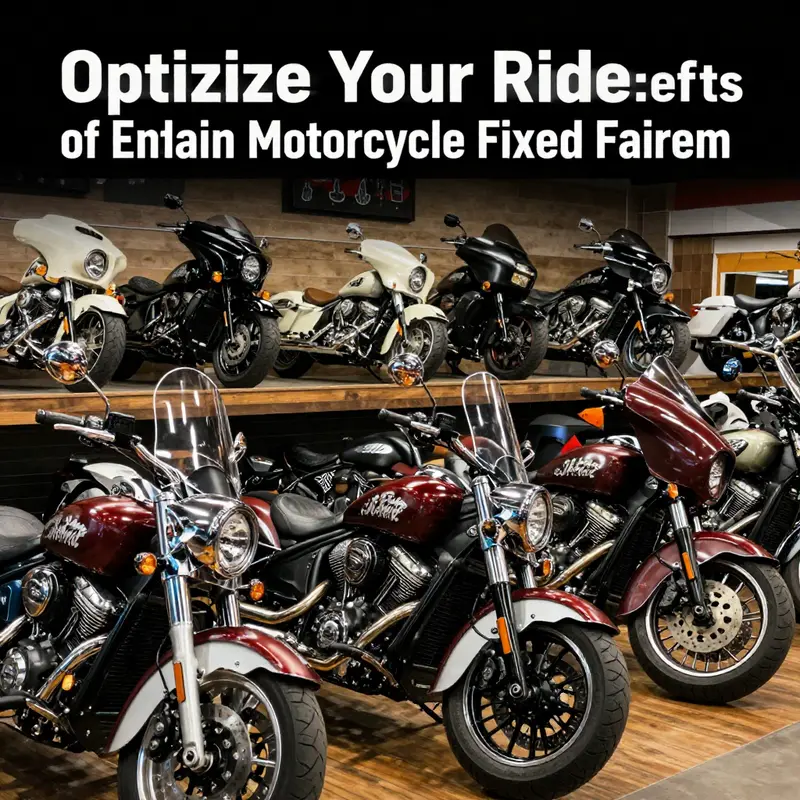
Fixed fairings are more than decorative shells. When designed and fitted well, they shape airflow, reduce rider fatigue, and give a motorcycle its signature stance. For riders drawn to Indian’s distinctive silhouette and the practical wind protection that a fixed fairing can offer, understanding how these components reach the market is essential. This chapter traces the availability and access pathways for Indian motorcycle fixed fairings, focusing on how ownership and upkeep meet a rider’s desire for comfort, control, and a cohesive look on the road.
In regions with strong official networks, fixed fairings often appear as factory options or as OEM accessories that match the model’s geometry, mounting points, and weather seals. The process tends to be straightforward: visit an authorized dealer, confirm the exact fit for the model year, choose a finish, and rely on trained technicians to preserve aerodynamics and electrical integrity. The advantage is predictable fit, warranty alignment, and preserved resale value because the fairing is designed as part of the bike rather than a later addition.
The aftermarket route is equally important. Independent suppliers offer fixed or semi-fixed fairings designed for a wider range of frames. Selection can enable different wind management goals, price points, and materials such as ABS or carbon fiber. Fitment may require additional measurement and sometimes custom mounting hardware. Buyers should read compatibility notes carefully, verify mounting point geometry, and, if possible, request a pre-installation fit.
Region and dealer density shape availability. In markets with robust dealer footprints, official catalogs and service networks can guarantee fit, color matching, and warranty coverage. In regions with smaller dealer presence, riders often rely on specialized workshops and reputable online retailers, while still looking for compatibility assurances and professional installation.
Material quality and finish matter. OEM pieces emphasize consistent tolerances and weather resistance; aftermarket options vary more, but can offer lighter weight or different aesthetics. The choice affects ride feel and long-term durability, so evaluation of weight, stiffness, and finish should accompany price comparisons.
Practical buying guidance. Confirm model year compatibility, understand finish options, and follow proper installation sequences with sealed joints and weatherproofing. The rider who approaches the upgrade with patience is rewarded with a cohesive look, preserved handling, and a wind profile that feels integrated rather than imposed.
External references. In the Indian context, genuine parts from the factory catalog preserve warranty and ensure alignment with the bike’s design language. For broader context, look at how OEM and aftermarket fairings are structured across brands, and verify fit through documented mounting standards and product notes. For example, online catalogs and reference pages can illustrate common mounting patterns and finish options, while a careful test fit with a capable workshop is often the decisive step before purchase.
Wind, Weight, and Worth: Fixed Fairings on Indian Motorcycles
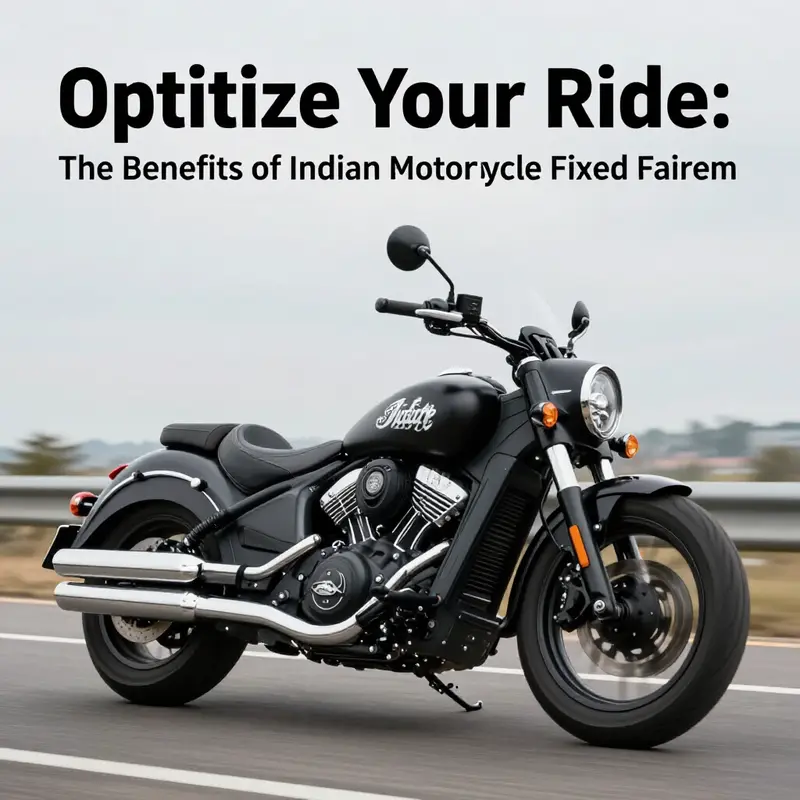
Fixed fairings are more than decorative enclosures; they are aerodynamic components crafted for specific bikes to tame wind and shape the ride. On Indian motorcycles, these panels blend with the bike’s long lines and emotional design language while delivering tangible performance and comfort gains. The idea is to pair function with identity, so the fairing feels integrated, not tacked on. The core elements of a fixed fairing typically include a forward wind deflector wing, side panels that guide the air along the sides of the tank, and sometimes a front intake or duct that helps manage air around the radiator or engine bay. Each component plays a role in steering the air where the rider meets it. When correctly executed, the result is knock-on benefits: reduced wind pressure on the chest and arms, less helmet buffeting at highway speeds, and improved stability as the front end cuts through the air. Materials and finish: many fixed fairings for touring cruisers use ABS engineering plastic because it resists weather, flexes enough to absorb minor impacts, and stays affordable. Higher-end kits may use carbon fiber or composite blends for stiffness and lighter weight. The finish options range from gloss to matte and color-matched coatings, sometimes with surface textures or etched logos. The goal is to fit with the motorcycle’s styling so the fairing looks like it belongs. In practice that means designers consider the bike’s lighting, windscreen height, and the rider’s seating posture when shaping the deflector and the side panels. Compatibility and installation: fixed fairings are not one-size-fits-all. OEM or dealer-installed kits are designed for particular model generations and require precise mounting points. Aftermarket kits may broaden compatibility but can demand careful alignment, bracket selection, and sometimes weatherproof sealant to prevent water intrusion. The installation often involves removing or adjusting the windscreen, drilling or bolting into dedicated mounting points, and resealing joints to preserve the bike’s weather resistance. When fitment is imperfect, you can get rattles, wind noise, or air leaks that negate the intended benefit. A professional installation is sensible especially if the kit interacts with other touring accessories or a tall windscreen. Performance and riding experience: the most tangible effect of a well-designed fixed fairing is a calmer, more predictable airflow at speed. With the air steered efficiently around the rider, you feel less turbulence in the chest, shoulders, and head. The fairing can also influence the bike’s steering feel by reducing the crosswind impact on the front end, which matters on long straights and sweeping highways. Because the rider’s hips and shoulders still bear the same seating posture, the benefit is mostly in comfort and endurance rather than dramatic power gains. The air’s movement also has knock-on effects on engine cooling, radiator efficiency, and even fuel economy in some configurations, though those benefits are modest and depend on climate and ride style. Aesthetics and identity: the look of a fixed fairing can define the bike’s character just as much as its lines. A clean, well-fitted fairing suggests purposeful touring capability, while a busy assembly of vents and edges can read as sportier or more aggressive. For riders who want a coherent flow from fairing to tank to fenders, color-matching and finish choices are critical. Some manufacturers offer factory options with integrated lighting and paneling that respects the bike’s loom and wiring, while aftermarket routes allow broader customization, sometimes at the cost of longer lead times or more extensive service. Practical considerations: price and maintenance must factor into the decision. Fixed fairings range from affordable, lightweight aftermarket wing-deflector kits to higher-cost, full-fairing assemblies in carbon fiber. The price is influenced by materials, the complexity of aerodynamics, and whether installation requires additional hardware or paints. Maintenance is straightforward in good weather but demands attention after impacts or heavy riding. Clean, waxed surfaces help prevent UV degradation of plastics, and periodic checks for loose fasteners keep the interface between fairing and frame tight and quiet. If the fairing includes a front intake, ensure its filters are clean and the ductwork is intact to preserve cooling performance. For readers exploring compatibility and options across brands, forums and catalogs show a variety of approaches. A reading of accessible listings can offer a sense of what travelers expect from fixed wings, how subtlety a wind deflector can alter a helmet’s buffeting, and where to prioritize ease of installation versus ultimate fit. Honda fairings provides an example of how another manufacturer structures its kits, including mounting points and finishing options, which helps illustrate the logic behind the Indian lineup’s own solutions. If you are considering a fixed fairing for an Indian motorcycle, start with a clear understanding of your riding goals. Are you chasing a quieter cockpit for long highway sessions, or are you aiming for a more integrated aesthetic that matches your bike’s proportions? Will you rely on the factory option, which tends to fit precisely but can carry a higher price tag, or do you want the flexibility and variety of aftermarket assemblies that may require more careful fitment? In any case, verify compatibility with your wheelbase, windscreen, and any hard bags you plan to run. Check whether the kit includes all mounting hardware, seals, or protective gaskets, and assess whether the finish options align with your paint and decals. The investment in a fixed fairing is not just about wind and sound; it is about confidence and the sense that the bike’s front end has a coherent, protective shell rather than a haphazard add-on. Beyond the showroom, fixed fairings offer an opportunity to tailor a motorcycle to a rider’s geography and rhythm. A well-chosen kit can mean fewer stops to adjust posture, fewer fatigue-induced breaks, and longer rides without the stop to reset shoulders or neck. That is not to say every rider will notice a dramatic, instant transformation; rather, the cumulative effect over hours on the road can be meaningful. Handling, comfort, and a sense of investment in the machine all ride on the decisions about a fairing’s presence, shape, and finish. In the end, the choice blends engineering with personal taste, and the result—whether understated or bold—can help a rider feel that the bike is not simply a machine for travel but a crafted companion on the road. External resource: https://www.aliexpress.com/item/1005003827863690.html
Shape, Speed, and Style: Crafting Fixed Fairing Customization for Indian Motorcycles
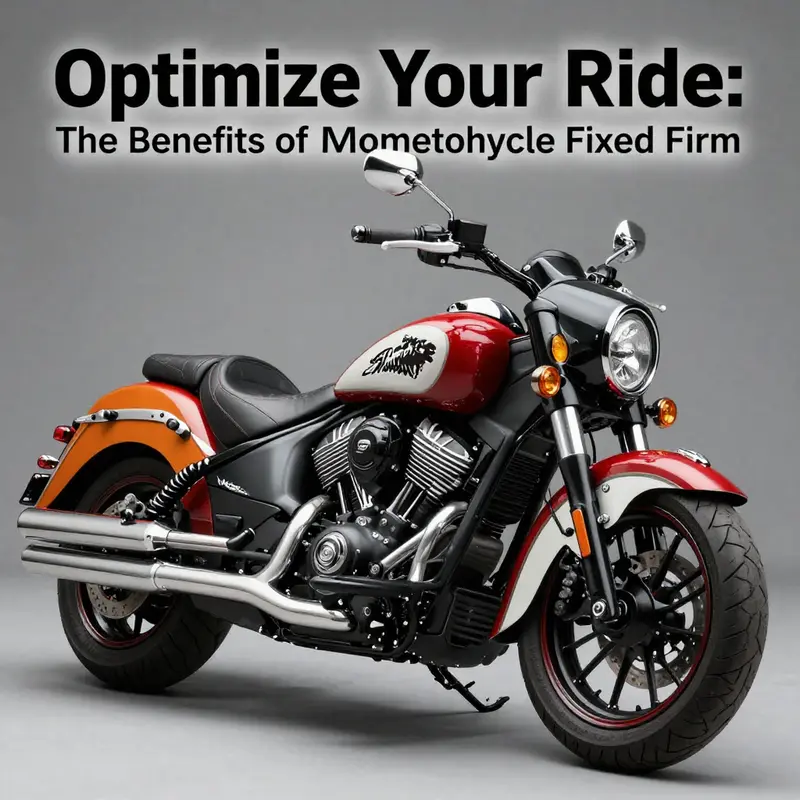
A fixed fairing on an Indian motorcycle is more than a styling cue; it is a carefully engineered interface between rider, machine, and atmosphere. When riders customize, they are tuning aerodynamics, wind protection, weight distribution, and the tactile relationship between rider and throttle. In cruiser and touring contexts, fixed fairings tame the wind across long miles, improving stability at speed and reducing fatigue over hours in the saddle. For those who value both a strong visual statement and practical gains, the fixed fairing is a crucial node where form and function meet. The design intent behind these aerodynamics-driven components is to guide air more smoothly around the rider, minimizing turbulent wake and reducing helmet buffeting, while also weaving in space for lights, indicators, and sometimes a subtle display of color and texture. The fixed fairing is both a performance device and a canvas for personal expression, a dual role that aligns with heritage and customizability.
From a construction standpoint, fixed fairings for Indian motorcycles typically incorporate front deflection, side air panels, and intake features. The front deflection acts like a shield, redirecting air away from the rider’s chest and shoulders. The side panels help sculpt airflow along the bike’s silhouette, sealing gaps and smoothing the transition between the fairing and the engine cradle. An intake scoop, when present, serves to channel air for engine breathing and cooling, while contributing to the fairing’s character lines. Materials range from engineering plastics for impact resistance to carbon fiber for stiffness and weight savings, with finishes designed for durability and paint or wrap flexibility. In practice, better-equipped options emphasize weather resistance, UV stability, and resilience against road grit, with consequences for weight and handling that riders will feel at highway speeds.
The customization landscape is layered. OEM-inspired fixed fairings are designed to integrate with existing bodywork and fasteners, offering a clean, factory-appearing transition that’s often easier to install and maintain. Aftermarket and accessory options promise broader aesthetic flexibility and sometimes more aggressive shapes. These solutions may be marketed as wing or deflector systems that bolt onto the headstock or into predrilled mounting points, and they can add features like integrated LED clusters or mounting provisions for a compact display, while keeping the fairing’s core goal intact: manage wind and create a calmer, more controlled riding environment at highway speeds. The practical takeaway is that fixed fairings can be a gateway to performance gains and personalized style, but results depend on fit with the bike’s geometry, the rider’s stature, and the intended use—daily commuting, weekend trips, or long touring.
For readers evaluating choices, two broad categories emerge: near-permanent OEM-integrated designs and modular, detachable options that can be swapped or removed for maintenance. The economics reflect that spectrum: high-quality finishes and precise integration can command a premium, while aftermarket offerings may provide more affordable wind protection that matches a rider’s style, sometimes at the cost of a slightly less seamless OEM look.
Riders also consider how a fixed fairing interacts with other upgrades. LED signatures and color-matched accents can be embedded or coordinated with the bike’s lighting system, improving nighttime visibility and profile. A compact display or modern TFT cockpit can be positioned to complement the dash without crowding the instrument cluster. In short, the fairing becomes a hub for technology that enhances usability, while preserving wind protection and ride comfort.
Installation realities center on precise alignment and secure mounting. Fixed fairings are typically installed with factory hardware and sometimes additional brackets, with attention to torque and alignment to avoid stress on mounting points. Some riders prioritize serviceability, choosing designs that keep access to the engine and front end straightforward, while others prefer aftermarket solutions that emphasize easy removal for seasonal changes or maintenance.
Material choice, fit, and finish determine longevity. Engineering plastics with UV stabilizers and protective coatings resist abrasion from road debris and sun exposure, while real carbon fiber offers a lighter, stiffer alternative for performance-minded riders. The surface texture and color choices contribute to how decals or wrap designs look, and how color sits on the panel across lighting conditions. The result is not just wind reduction, but a coherent presentation of the bike’s identity—combining aerodynamics, protection, and personal expression for daily use and longer journeys.
For readers exploring the market, fixed-fairing options span OEM-style wind deflectors, side air panels, and intake scoops designed for specific frame geometries, alongside third-party deflectors that may require mounting adaptations. Price scales with material, finish, and complexity. A glossy, detachable touring fairing designed for a newer generation can be in the several-hundred-dollar range, reflecting the balance between visual impact, wind protection, and removeability for storage or maintenance when desired. This spectrum shows how a fixed fairing can offer a blend of integration and modularity.
The broader ecosystem of accessories often accompanies a fixed fairing. LED signatures and accent lighting can enhance nighttime visibility, while a compact dashboard upgrade—such as a modern display—can modernize the cockpit without compromising the fairing’s clean exterior. When thoughtfully coordinated with fairing lines, the result is a riding experience that feels timeless and contemporary: wind protection and stability aboard a motorcycle that reflects the rider’s intentions and style. As riders weigh options, fixed fairings remain a pathway to balancing aerodynamics, aesthetics, and comfort, supporting longer journeys and personal expression on the road.
For readers curious about related options beyond a single brand, there are catalog pages and category guides across manufacturers that illustrate fairing styles and compatibility considerations. External references, such as a fixed fairing kit listing with wing-style deflection elements, can illustrate typical configurations and pricing in real marketplaces. See the example of such a listing here: https://www.aliexpress.com/item/1005003827863690.html. This resource helps visualize how components appear in practice and what riders might expect in terms of scope and price.
In summary, fixed fairings for Indian motorcycles embody a careful compromise between aerodynamics, protection, and personal expression. They offer a way to sculpt the air a rider experiences, reduce fatigue over long miles, and present a visual signature aligned with the owner’s identity. Whether choosing a near-OEM integrated look or a modular, upgrade-friendly route, the fixed fairing remains a focal point in the customization journey, where riding goals, maintenance preferences, and wind management converge into a single, cohesive design for daily use and long-distance adventure.
Wind, Worth, and Wheels: The Economic Realities of Indian Motorcycle Fixed Fairings
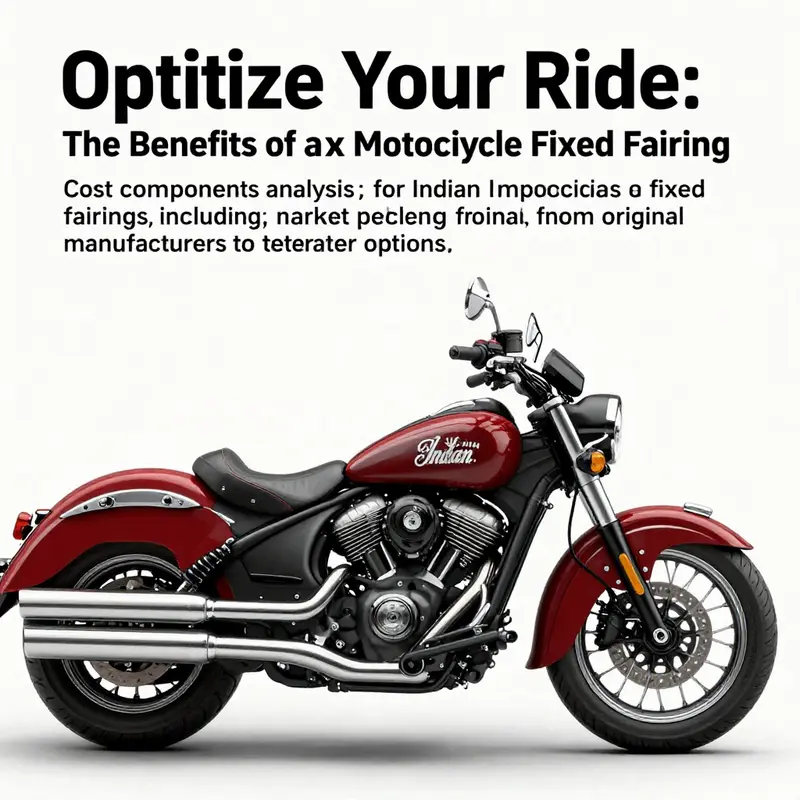
The fixed fairing on an Indian motorcycle is more than a wind-catching shell. It is a carefully engineered interface where aerodynamics, aesthetics, and ownership economics converge. In the broader riding ecosystem, fixed or semi-fixed fairings have become a focal point for riders who want to extend comfort on long highway miles while preserving a classic look. For the Indian line, the conversation around fixed fairings often revolves around three intertwined questions: what wind and weather do to ride quality, how the fairing complements the bike’s enduring design language, and what kind of financial footprint they create for owners and enthusiasts alike. While direct economic data specific to Indian fixed fairings is sparse, a broader look at the industry offers useful context. The global motorcycle fairing market has shown robust interest as riders pursue better efficiency, quieter wind environments, and more integrated instrument layouts. That broader market signal matters because fixed fairings are not isolated accessories; they sit at the junction where consumer expectations, manufacturing capabilities, and aftermarket options meet.
At speed, the wind is a demanding partner. A well-designed fixed fairing cuts through air while guiding it in a way that steadies the chassis and reduces rider fatigue. The aerodynamic effect translates into tangible benefits: steadier steering feel, less need to fight turbulence at highway velocities, and reduced drag that can sharpen efficiency and comfort on longer trips. These benefits, while not always quantified in one clear price tag, influence how riders value a touring machine in the premium segment. The economic implication then is not merely the sticker price of the fairing itself but how it contributes to total ownership costs, including fatigue-related time off the road, fuel efficiency over the long haul, and the perceived value when the bike changes hands. In this sense, the fixed fairing becomes part of a rider’s return on investment for a touring experience rather than a simple cosmetic add-on.
Design matters in two directions: first, the fixed fairing must harmonize with the bike’s legacy silhouette, and second, it must integrate with practical needs such as wind deflection, air intake, and instrument protection. A well-executed fairing preserves the brand’s visual identity while offering a more comfortable ride that remains faithful to the bike’s character. The result is a synergy where form reinforces function, and function, in turn, preserves form. This synergy has downstream economic effects: riders who perceive a fairing as an authentic extension of the bike’s heritage may be more inclined to view the added cost as an investment in long-term enjoyment rather than an expendable upgrade. The perceived value, then, hinges on craftsmanship, materials, and the fit with the machine’s geometry and aesthetics. Common material choices—high-strength ABS engineering plastic for factory-intended pieces and carbon fiber for high-end aftermarket or premium factory variants—carry distinct cost implications. ABS components are typically more affordable, easy to replace, and weather-resistant in most environments. Carbon fiber, while offering a lighter and stiffer option, commands a premium price and a different set of maintenance considerations. Either route must contend with sun exposure, humidity, and temperature swings that can affect color stability and structural integrity over time. The economic calculus for owners includes not just the initial purchase but ongoing care: paint maintenance, potential impact mitigation after a tip or a minor collision, and the cost of repainting to match color schemes or lineages.
The market’s halo effect broadens the economics beyond the bike and its direct accessorization. A fixed fairing can raise the overall perceived value of a touring motorcycle, which can influence resale dynamics. For buyers who prize a cohesive, purpose-built appearance, a fairing is part of a package whose value is judged by how well it integrates with wind protection, noise levels, and ergonomic access to controls. When the fairing aligns with the rider’s vision of comfort and style, it can help sustain demand for the model in second-hand markets. Conversely, if the fairing’s fit requires additional fitment work, special hardware, or more frequent maintenance, the perceived value can soften. This is why compatibility—how well a fairing aligns with a vehicle’s mounting points and air-flow architecture—becomes a practical economic factor. A bolt-on, modular approach can lower ownership risk by allowing easy upgrades or replacements, while more integrated solutions may promise a seamless aesthetic but demand higher upfront costs and potentially costlier servicing.
An expansive aftermarket ecosystem further shapes the economics. Riders who seek a customized, wind-tuned experience often explore a spectrum of bolted-on fixed wing deflectors and wings from independent manufacturers. The economic footprint here is twofold: first, the price range reflects material choices and installation complexity, from economical, bolt-on options to more elaborate assemblies that require professional mounting. Second, the breadth of offerings stimulates a micro-economy around installation services, color-matching, and protective detailing. This ecosystem supports a form of price elasticity in which enthusiasts weigh the value of bespoke tuning against the convenience and warranty implications of factory-fitted pieces. Even within a single brand family, the same design language can be achieved through different routes, each with its own cost structure and maintenance profile. In practice, riders often balance long-term reliability with immediate gratification—the sense that a fairing not only looks the part but also protects investment by reducing wear on the rider’s posture, shoulders, and back during extended rides.
Operational realities color the economic picture as well. Fixed fairings change the vehicle’s aerodynamics, which can influence windscreen behavior, cockpit noise, and instrument ventilation. These changes may alter maintenance patterns and increasing or decreasing the frequency with which certain seals or mounting hardware should be inspected. With weather extremes common in many markets, UV resistance and colorfastness become more than cosmetic considerations; they affect long-term appearance and, therefore, resale appeal. The decision to invest in a fixed fairing often reflects a rider’s anticipated usage pattern. Those who log many miles on highway legs, contend with varied weather, or seek a more composed ride across long commutes are more likely to consider the total cost of ownership and the long-range value of the upgrade. In that light, the fairing’s economic story is not simply about the price tag. It is about predictability in performance, durability under climate stress, and the ease with which a rider can recoup value should they decide to sell or trade up.
To understand the broader landscape, one can glance at how other segments approach fairings and wind management. A quick look into the variety of fairing options across brands reveals a shared emphasis on compatibility and style. For riders who enjoy comparing options, a practical approach is to examine how different manufacturers balance aerodynamics, weight, and ease of installation. This comparative mindset helps illuminate the economic implications: a lighter, easier-to-install fairing may carry a slightly higher per-pound cost but offer savings in labor and downtime during upgrades. A sturdier, weather-resistant piece may fetch better long-term reliability and, in markets with harsh riding seasons, a greater cost efficiency over the life of the motorcycle. The net effect is a dynamic where design decisions ripple outward into ownership costs, perceived value, and the choices riders make when they plan upgrades or replacements.
For readers navigating the broader ecosystem of fairings, it helps to consider the channels through which choices are made. The aftermarket space often features a spectrum of offerings in which fitment, finish, and texture can be customized to harmonize with a bike’s chrome accents, paintwork, and overall silhouette. In this sense, the economics of a fixed fairing are as much about creative alignment as about raw material costs. The rider who values a cohesive, timeless look may see the fairing as a humane investment that blends aesthetics with practical wind management. Those prioritizing budget-friendly upgrades may favor simpler, bolt-on solutions that deliver the core benefits at a lower upfront cost, even if they compromise on some refinements. Either path feeds into a richer, more diverse riding culture in which fixed fairings are not merely accessories but instruments of personal and financial decision-making.
Within the wider context of the riding community, there is also a bridge to the broader fairing world. For readers curious about how different marques approach wind protection, a quick exploration of related categories—such as the BMW fairings category—can illuminate how design priorities shift with each brand’s philosophy and engineering approach. See the BMW fairings category for a sense of how another maker translates wind management into a distinctive visual identity and mounting strategy. This cross-brand perspective underscores that fixed fairings, regardless of the maker, exist within an ecosystem where performance, aesthetics, and ownership economics are inseparable.
External resource: https://www.aliexpress.com/item/1005003827863690.html
Final thoughts
In conclusion, the Indian Motorcycle fixed fairing is more than just an accessory; it enhances performance, stability, and aesthetic appeal for motorcycle enthusiasts. By understanding its technical aspects, market options, and potential for customization, business owners can better meet consumer demands in this competitive market. Furthermore, recognizing the economic implications associated with fixed fairings allows for strategic planning that can enhance profitability while supporting customers’ desires for personalized and optimized riding experiences.