
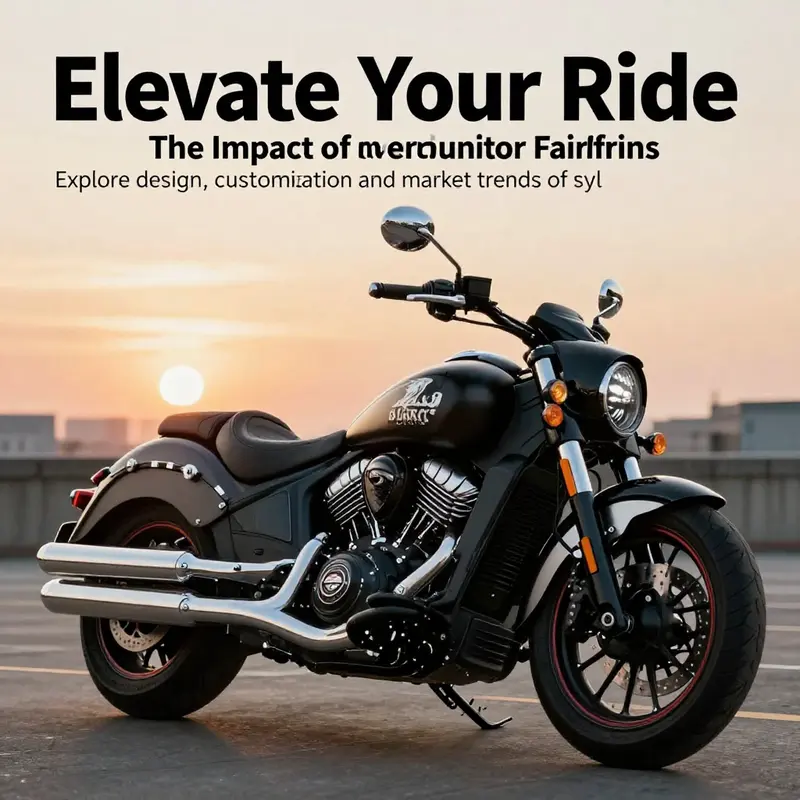
Indian motorcycle fairings represent a significant advancement in motorcycle customization, allowing business owners in the motorcycle industry to cater to an evolving customer base that values both aesthetics and functionality. These aerodynamic body kits not only enhance visual appeal but also improve performance by reducing wind resistance, thus providing a pivotal opportunity for businesses to capitalize on this growing demand. In the chapters that follow, we will delve into the design and functionality of Indian motorcycle fairings, highlighting their integral components and performance enhancements. Next, we’ll explore the customization options available and the importance of ensuring compatibility with various Indian motorcycle models. Finally, we’ll examine the current market trends and purchasing options, positioning business owners to make informed decisions that align with consumer preferences.
Contours of Performance: Designing Indian Motorcycle Fairings for Aerodynamics, Protection, and Style
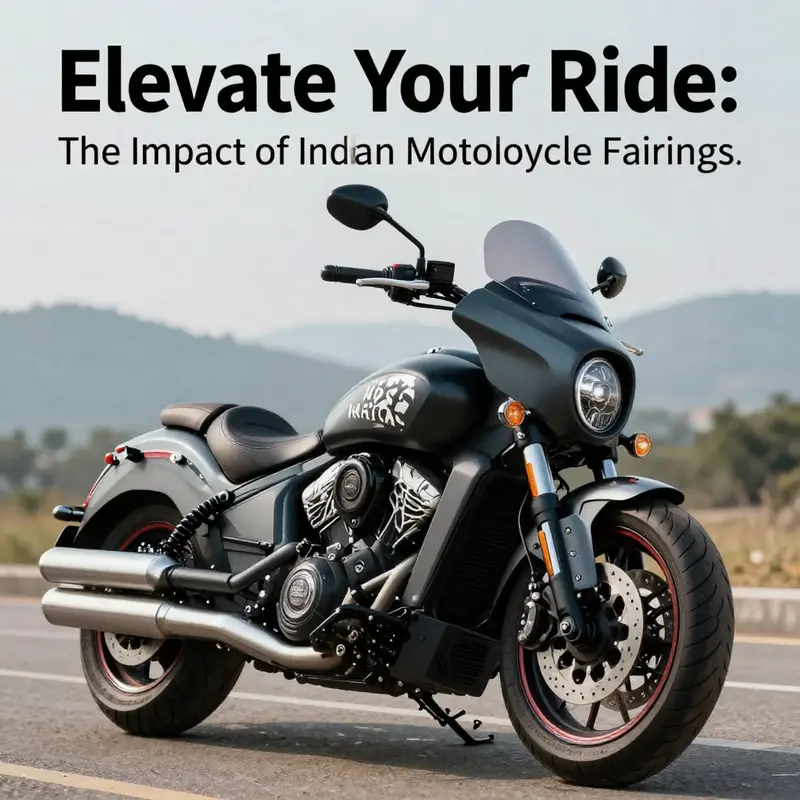
The fairing is more than a shell wrapping a motorcycle; it is a carefully engineered interface between air, rider, and machine. On Indian motorcycles, the fairing plays a pivotal role in shaping the riding experience. It is the visual manifesto of the bike’s character, yes, with its clean lines and bold silhouette, but it is also a functional system that guides air, shields a rider from the elements, and anchors a suite of integrated technologies. In this way, the design of Indian motorcycle fairings embodies a synthesis of aesthetics and engineering that underpins both performance and comfort. A fairing’s form follows function, and in the context of modern motorcycling, that maxim is expressed in every contour, vent, and mounting point. The result is a bodywork that does more than look the part; it actively contributes to efficiency, rider endurance, and the rider’s in-saddle experience across a spectrum of riding scenarios, from long highway treks to spirited canyon runs.
Aerodynamics sits at the core of fairing design. The primary objective is to streamline airflow around the front end of the motorcycle. By smoothing the air as it approaches the rider, fairings reduce drag and minimize turbulence that would otherwise buffet the torso and shoulders. The practical effect is a measurable improvement in high-speed stability and throttle response at highway speeds, where even small drag reductions accumulate into meaningful gains in efficiency and control. The fairing’s smooth contours reflect a careful balance: they must be shapely enough to carve clean airflow, yet robust enough to withstand the realities of road debris and inclement weather. In many designs, air is guided through integrated channels and vents that manage pressure distribution around the rider’s upper body. These features mitigate high-pressure zones that can fester behind the windshield and create fatigue-inducing air pockets. When a rider sits tall on a touring-oriented build, a thoughtfully designed windscreen and partner panels work together to direct air away from the chest and neck, reducing muscular strain over miles of US highways or country lanes. In sportier configurations, the same principle translates into more immediate stability at speed, with the fairing guiding air in a way that helps maintain precise steering inputs and predictable feedback from the front tire.
The materials chosen for Indian fairings reinforce the balance between lightness, rigidity, and weather resistance. Typically, ABS plastic and fiberglass form the backbone of most stock and aftermarket panels. ABS offers impact resistance and easy moldability, which is essential when intricate curves and attachment points must align with the motorcycle’s frame and subassemblies. Fiberglass contributes additional stiffness and can be shaped to achieve nuanced profiles that optimize airflow without adding excessive weight. These materials also handle environmental exposure well. Regular road spray, UV exposure, temperature swings, and road debris demand a protective capability, and the combination of ABS and fiberglass provides a practical compromise between durability and manufacturability. It is a reminder that the best fairings are not just about being striking visual statements; they are resilient, weather-ready components prepared for life on two wheels.
Beyond airflow, the rider’s experience is core to fairing design. A well-executed fairing reduces wind fatigue by buffering the rider from wind pressure, minimizing the constant airstream that can erode concentration over long rides. This is particularly important when journeys extend into the late hours or cross diverse climates, where gusts and crosswinds can toggle a rider’s posture and focus. In addition to wind deflection, many fairings incorporate adjustable features that let riders tailor protection to their preference and riding conditions. Some models offer wind deflectors that can be adjusted to influence the interaction between the rider and the air stream, providing another degree of personalization without requiring a toolkit or OEM-level service. Other configurations lean toward full enclosure, creating a more tunnel-like air environment that maintains a stable flow around the rider’s torso. In either case, the intended outcome is a calmer cockpit where the rider can maintain form, grip, and breathing rhythm with less distraction from environmental forces.
The integration of the fairing with other systems on the bike is a testament to thoughtful design. Modern Indian fairings are not standalone shells; they are modular components with mounting points allocated for ancillary hardware and electronics. The interfaces often include provisions for lighting, mirrors, GPS units, and cameras, enabling a clean, cohesive visual language while delivering practical functionality. The lighting housings, for example, not only illuminate the road but also contribute to a rider’s visibility, creating a more complete safety envelope. The mirrors remain correctly placed without creating aerodynamic drag or visual clutter, and the GPS or camera mounts are positioned to minimize vibration transmission to the device while preserving the fairing’s aerodynamic integrity. This level of integration speaks to a design philosophy that treats the fairing as a central body element rather than a peripheral add-on. The result is a cockpit that feels unified, with the electronics and aesthetics working in concert rather than competing for attention.
The choice between model-specific and universal-fit fairings reflects a broader conversation about customization, compatibility, and reliability. Model-specific fairings are engineered to align precisely with the bike’s geometry, ensuring that mount points sit where they should, gaps are minimized, and the lines of the fairing match the bike’s character. Universal-fit options broaden compatibility but often trade some level of precision for broader applicability. The key for any owner navigating these options is fitment verification. The alignment of mounting points, the correct clearance with exhaust outlets and fuel tanks, and the consistency of gaps around panels all affect how well a fairing performs and how it looks once installed. A missy fit is not only unsightly; it can alter airflow characteristics, invite rattling, or irritate electronic mounting points. When buyers seek authentic and high-quality fairings, marketplaces that offer guaranteed fitment can provide peace of mind by curating parts that match specific motorcycle models, avoiding the common frustration of ill-fitting aftermarket components. The trade-off between personalized styling and precise fitment becomes part of the rider’s professional sense of judgment, the kind of decision that turns a simple accessory into a reliable performance upgrade.
The role of aftermarket pathways in shaping the ownership experience is also a practical consideration for riders who want to tailor their bike to a particular purpose. Touring rigs benefit from fairings that emphasize comfort and weather protection, while sportier builds may seek profiles that emphasize airflow, weight distribution, and aggressive lines. A well-chosen fairing supports an accentuated stance without compromising the bike’s balance or the rider’s range of vision. The modular approach—where fairings are designed with mounting points for lights, GPS devices, cameras, and other accessories—enables riders to assemble a tailored ecosystem around the cockpit. This is not merely about plugging devices into the bike; it is about ensuring those devices harmonize with the aerodynamics, the silhouette of the bike, and the rider’s ergonomics. For owners who want to explore options across different styles, the possibility of swapping panels while preserving core fitment makes it feasible to experiment with touring, performance, or retro-inspired looks without starting from scratch.
In this broader ecosystem of design, the fairing also speaks to the brand’s iconic visual language. The lines, angles, and proportions convey a sense of motion even when the bike is stationary. The fairing becomes a signature—the first impression of the bike’s intent before the engine is even started. It is where craftsmanship meets engineering, where the sculpted exterior hints at the discipline that lies beneath. This philosophy resonates with riders who value both aesthetics and function, those who want a bike that exudes modernity while delivering a seamless ride across long distances. The visual identity of the fairing reinforces confidence and pride in ownership, reinforcing the bond between machine and rider that is so integral to motorcycling culture.
A practical takeaway for riders and builders alike is to approach fairing selection with a holistic mindset. Beyond the obvious questions of fitment and price, there is a quiet calculus about weight, rigidity, and how the fairing interacts with wind at varying speeds. Lightweight panels that maintain rigid form under wind pressure tend to deliver more predictable steering and less vibration transmission through the handlebars. Rigidly mounted fairings guard against panel flutter and reduce the risk of rattling over rough surfaces. The acoustics of the cockpit—the pitch and tone of the air as it streams past the rider—also contribute to the sense of control and calm. Some riders report that a well-tuned fairing reduces cabin noise by redirecting air around the rider’s head and shoulders in a way that minimizes the resonance of wind at highway speeds. In this sense, the fairing plays a dual role: it is both a shield and an amplifier, shaping perception as much as performance.
The practical realities of upkeep and replacement are not glamorous, but they are essential to the long-term ownership experience. Like any external body panel, fairings endure exposure to sun, rain, road salt, and subtle impacts from road debris. The best designs anticipate these hazards with sturdy joints, well-engineered attachment systems, and finishes that resist UV degradation and color fading. When a rider eventually trades in or updates their setup, the ease of panel removal and replacement becomes a factor in the total cost of ownership. The ability to swap a fairing for a different aesthetic or performance orientation without disassembling the entire front end is an attractive prospect for riders who love to iterate on their configurations. This practical dimension underscores the value of high-quality fairings as lasting components rather than disposable add-ons.
The broader ecosystem of fairing design is not confined to a single brand or a single approach. Across manufacturers and market segments, the core principles remain the same: facially, the fairing is the face of the motorcycle; functionally, it is a channel for air, a shield from the elements, and a platform for integrated systems. The Indian fairing family, in this sense, participates in a global conversation about how motorcycles meet riders at the edge of speed and weather, how form guides function, and how style can be a catalyst for better ride quality. For readers who want to explore the full breadth of how fairings can transform riding, examining how other brands approach similar challenges can be instructive. The iteration of design ideas across brands offers a field of study in which the essential trade-offs—aero gains versus weight, protection versus visibility, integration versus modularity—become clear. This cross-pollination enriches the options available to riders who want to personalize their machines without compromising the core performance and reliability that define modern motorcycling.
For those who want to see practical demonstrations of a fairing’s impact, consider the broader reference landscape. Manufacturer literature and rider-first test reports emphasize that even modest aerodynamic refinements can translate into meaningful improvements in fuel efficiency, wind protection, and handling at speed. A windscreen’s height and curvature, the angle of the side panels, and the placement of the lower fairing segments all contribute to a stable, predictable ride. The interplay of these elements is often more nuanced than a casual eye might notice: a gentle taper here, a subtle indentation there, and a precisely tuned join line all work in concert to reduce drag, minimize stall points, and shape the sensation of forward thrust. The end result is a cockpit that feels calmer, more controlled, and more inviting to ride for long hours. The rider’s choices—how much deflection they prefer, how much protection they want from spray, and how much wind pressure they can tolerate—become part of the design conversation rather than a post-purchase adjustment. This is the essence of a well-conceived fairing system: it anticipates rider needs, respects the machine’s engineering, and presents itself as a coherent, beautiful, and functional whole.
The narrative of the Indian motorcycle fairing is also a reminder of how market channels shape what riders encounter. Original equipment and genuine aftermarket options together create a spectrum of choices that balance fit, finish, and price. Riders who prioritize guaranteed fitment may gravitate toward curated listings that verify compatibility with specific models, reducing the risk of misfit and the associated headaches. And those who want to experiment with a different visual language or a new aerodynamic profile can still pursue options that align with their ride goals, provided they invest time in verifying mount points and ensuring that the chosen panels will maintain the bike’s intended geometry. The ongoing dialogue between riders, retailers, and manufacturers sustains a dynamic marketplace where form and function evolve in step with rider expectations and technological advancement.
In conclusion, the fairing on an Indian motorcycle is a thoughtful integration of aerodynamics, rider protection, and versatile functionality. It embodies a philosophy that design and engineering can reinforce one another, producing a ride that is not only faster and more efficient but also more comfortable, visually striking, and adaptable to a range of riding styles. The best fairings respond to the rider’s needs as they evolve—whether that means extending highway range on a long journey, refining a track-inspired posture for spirited weekend sessions, or simply embracing a durable, weather-ready silhouette for urban commutes. They are, in essence, a narrative in panels, a crafted interface where air, light, and intention converge to elevate the everyday act of riding. For anyone curious to delve deeper into the technical specifications and design insights behind Indian fairings, the official manufacturer resources provide a detailed foundation, while marketplace discussions and community feedback illuminate real-world performance and fitment realities. The journey from concept to cockpit is a reminder that great fairings do more than shape a bike’s exterior; they shape the experience of riding itself.
Relevant Source: For detailed technical specifications and design insights into Indian Motorcycle fairings, refer to the official Indian Motorcycle website: https://www.indianmotorcycle.com
Internal link: For a sense of how different fairing configurations address airflow, mounting, and styling, explore the BMW fairings category described here: BMW fairings
External resource: https://www.indianmotorcycle.com
Beyond the Shell: Customization, Compatibility, and Carbon-Fiber Aerodynamics in Indian Motorcycle Fairings
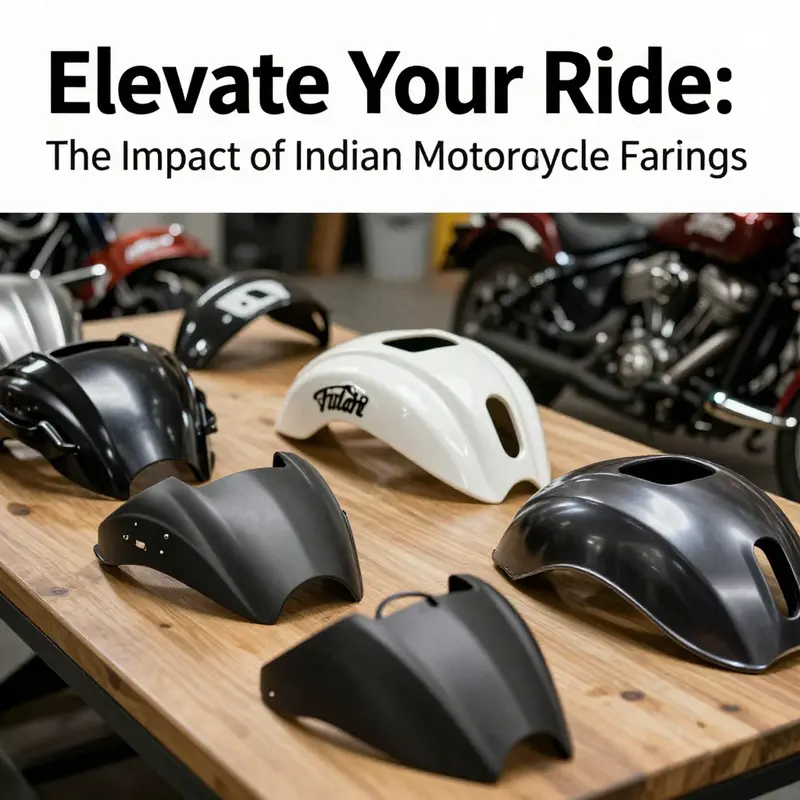
Air does not merely flow around a bike; it is a partner in how the machine feels, behaves, and ages on the road. Indian Motorcycle fairings, as aerodynamic body kits, embody this partnership by blending form and function into a single, rider-focused package. They are more than stylistic add-ons; they shape the rider’s experience by shaping the air that surrounds the machine. At their best, fairings align with a motorcycle’s inherent geometry, complementing engine heat management, rider posture, and wind protection, while also carrying a design language that communicates velocity even when the bike is stationary. The visual drama they offer is not accidental—the sculpted lines, the way the surfaces catch light, and the integration points for front windshields, side panels, and tail sections are all part of a carefully choreographed design. When a rider looks at a well-crafted fairing, the eye reads a confident line that suggests both stability at speed and a readiness for long days on the road. This is where customization begins, not as a mere trend, but as a deliberate search for balance between aesthetics, weight, and the mechanical realities of a touring or performance-focused build.
Material choice is foundational to that balance. In the everyday catalog of motorcycle fairings, ABS plastic and fiberglass have long served as reliable, cost-effective options. They offer broad compatibility, easier repairability, and reasonable impact resistance. Yet, for riders who chase lighter weight and a crisper performance envelope, 100% carbon fiber emerges as a defining option. Carbon fiber, with its renowned strength-to-weight ratio and fatigue resistance, enables a thin-walled, more aerodynamically shaped shell without the bend of excess mass. When carbon fiber fairings are employed, the rider can feel the difference in steering effort, in the ease with which the bike slips through gusts, and in the way the front end feels planted at high speeds. The difference is not merely theoretical; carbon fiber carries a practical payoff in ride quality and responsiveness, especially when a fairing is sized and tuned to a specific model’s rake, trail, and weight distribution.
Within the spectrum of customization, fairings tailored for Indian motorcycles are frequently designed to meet the needs of distinct riding intents. Touring-oriented builds emphasize substantial wind protection, a calmer ride over long distances, and generous storage integration through tail sections and side panels. Performance-focused setups, by contrast, push for a more aggressive silhouette, tighter line work, and careful attention to airflow around the rider’s torso and helmet. The goal in either case is not merely to look fast but to realize tangible gains in aero efficiency, comfort, and control. In a carbon-fiber configuration, these gains can be amplified: thinner panels can maintain the same rigidity, while internal bracing and optimized cutouts help to streamline airflow and reduce turbulence. It is in the nuanced combination of panel geometry and mounting precision that a fairing becomes a true aerodynamic instrument rather than a cosmetic shell.
The parts that compose a modern fairing—front windshields, side panels, tail sections, and integrated lighting housings—are designed to work as a cohesive system. When installed with care and verified fit, they align with the bike’s frame geometry, engine cooling pathways, and rider positioning. The result is not only a cleaner line but also more predictable wind behavior around the rider’s torso and helmet, less buffeting, and a calmer lower-speed ride that translates into greater fatigue resistance over long miles. Customization, therefore, is a conversation about how those components relate to a particular rider’s physiology, preferred saddle height, and riding posture. A taller windshield can mitigate helmet buffeting for a taller rider, while a lower, sportier windscreen may accentuate the bike’s aggressive stance for a weekend canyon run. The choices defined in this dialogue reverberate through weight distribution, center of gravity, and even tire wear over time, underscoring how deeply intertwined aesthetic choices are with mechanical realities.
To speak to the issue of compatibility with honesty, it bears noting that not every part from one brand or model line will neatly cross over to another. In this space, mounting points, frame geometry, and engine layout function as the underlying grammar of fitment. Even when a component is marketed as universal or broadly compatible, a closer look often reveals small but consequential mismatches: misaligned mounting holes, gaps between panels that reveal the frame rails, or interference with heat-shielding and wiring looms. These aren’t cosmetic concerns; they are structural and electrical considerations that can impact handling, ride quality, and safety. The stakes rise when a rider contemplates mixing components from contrasting families that have evolved on different platforms. A fairing built around a touring platform with a specific head-shield angle, for example, may not simply bolt onto a sports-oriented chassis without alterations to mounting brackets, bracing, or even the fairing’s internal stiffeners. The world of aftermarket accessories—with its promise of customization—confronts the rider with the truth that compatibility is not a marketing slogan but a real design constraint rooted in how the machine was engineered at the factory.
In practical terms, this means it is prudent to approach customization with a clean set of questions. First, what is the core design aim? If the priority is wind protection, how will the chosen fairing interact with the rider’s height, seated position, and helmet profile? If aerodynamics are the dominant concern, what is the fairing’s intended drag coefficient, and how do the side panels influence cornering stability and crosswind response? If aesthetics are the driver, where does the line of the fairing sit in relation to the bike’s overall silhouette, and how will that line harmonize with the bike’s other chrome accents or matte finishes? Second, what mounting realities exist? Are the required brackets, fasteners, and bushings included, or must they be sourced separately? Is there a need for additional protection around sensitive electrical connectors or the radiator shroud? Third, will the fairing’s weight distribution affect handling noticeably, especially when paired with luggage systems or a heavier rider? These questions go beyond surface aesthetics; they are about preserving or enhancing the bike’s fundamental balance.
In addressing compatibility with care, a disciplined path emerges. Builders should begin with a clear model-year specification, then examine the fairing’s intended mounting geometry against the bike’s frame geometry. It is essential to verify anchor points on the subframe or the head-stock area and to confirm that the chosen fairing’s lower edge will not conflict with the front fender or the brake system. Designers often publish mounting templates; where those guides exist, they should be treated as first-class references. A prudent approach also involves cross-checking the fairing’s internal bracing layout with the bike’s structural elements to ensure there is no unintended flex, which could degrade aerodynamics or produce rattles over time. When in doubt, consult the official resources of the manufacturer or a trusted aftermarket supplier who documents fitment notes and model-year compatibility with precision. This diligence pays dividends in the long run, reducing the risk of costly post-purchase modifications, unexpected fitment gaps, or safety concerns arising from misaligned panels or stressed mounting hardware.
The rhetoric of customization must also acknowledge the realities of universal fitment claims. Some vendors promote universal fitment as a panacea for compatibility, but universal fitment can mask compromises in alignment, gaps, or scale mismatches with a bike’s frame. In practice, universal kits may require custom fabrication, new brackets, or trimming and reshaping of panels. These adjustments can add up quickly, affecting the overall cost, the time to install, and the integrity of the installation. A rider who plans a long-term upgrade path—adding windshields, fairing lowers, or a full carbon-fiber shell—will benefit from prioritizing model-specific or model-family-specific parts when possible. The difference is not simply about a snug bolt-on; it is about the chain of tolerances that influence rider feedback, aero performance, and the long-term durability of the interface between fairing and bike.
For readers who want to explore the broader landscape of brand-specific fairings while staying anchored to credible sources, a direct catalog such as the Honda fairings collection can be informative. It offers a reference point for how aftermarket lines approach mounting geometry, edge profiles, and integration with headlights and turn signals in a diverse ecosystem. See the Honda fairings catalog here: Honda fairings. This reference is illustrative rather than prescriptive for Indian motorcycles, but it helps illuminate the common engineering decisions behind fairing design and how manufacturers solve similar problems across brands. In the end, the guiding principle remains the same: respect the bike’s native geometry, verify fitment with precise measurements, and insist on compatibility that preserves safety, performance, and ride quality.
To ground these considerations in practical steps, the following approach is often productive. Begin with a performance and comfort objective, not a mere look. If you want to reduce rider fatigue on long rides, quantify how wind pressure shifts with different screen heights or with the addition of side-deflectors. If you seek a more aggressive profile for spirited rides, study how a slimmer profile affects buffet and helmet lift at moderate to high speeds. Then map these objectives to the bike’s physical realities. Measure key anchor points, confirm the clearance around the handlebars at full lock, check for interference with brake lines and sensor housings, and verify that the weight distribution remains within the bike’s designed envelope. If a fairing promises a carbon-fiber finish, consider the manufacturing tolerances and finishing processes that accompany carbon panels. The surface quality, the resin cure, and the seam alignment all contribute to a premium look and also influence long-term resilience against UV exposure, road debris, and temperature cycling.
As part of a balanced, thoughtful approach, always align your plan with credible information and clear, model-specific fitment data. The official Indian Motorcycle website and trusted aftermarket suppliers are the go-to anchors for what will work and what will not. They help prevent the misalignment of expectations with reality and provide a practical path toward a build that is as good to ride as it looks. In the broader ecosystem of aftermarket fairings, the aim is not to force a one-size-fits-all solution, but to curate a combination of parts that, when properly matched, yield a coherent, safe, and high-performance result. The rider’s objective—comfort on extended journeys, precise handling in demanding corners, or a visually bold stance—reads through the selection of materials, the fidelity of the fit, and the care taken in the installation.
In closing, the spirit of customization in Indian Motorcycle fairings is a conversation about deliberate engineering choices. Carbon fiber, as a material, offers tangible benefits in weight and rigidity, which translates into more responsive steering, more stable high-speed behavior, and a surface that can be shaped to optimize airflow. The reality of compatibility requires a disciplined evaluation of mounting points, frame geometry, and model-year specifics. Universal fitment may be convenient in principle, but the practical benefits tend to accumulate when the parts are aligned with the bike’s own design language. For riders who embrace this careful balance, fairings become more than protective shells; they become a tailored extension of the rider’s intentions—an aerodynamic partner that respects the bike’s architecture while letting personality, riding goals, and riding conditions converge into a single, memorable ride.
External resources for deeper exploration include the official Indian Motorcycle site, which provides authoritative specifications and compatibility guidance.
https://www.indianmotorcycle.com
Riding the Wind: Market Currents, Customization, and the Practical Anatomy of Indian Motorcycle Fairings
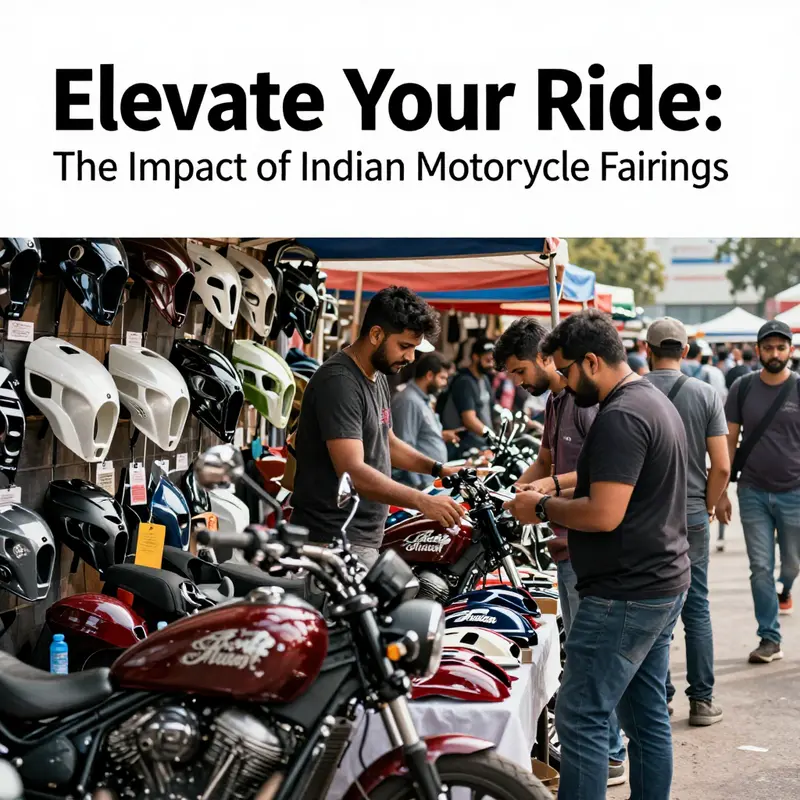
The visual language of a motorcycle is written in lines, curves, and the way air splits around a rider at speed. A fairing does more than dress a bike; it shapes dynamics, comfort, and even perception. For riders who invest in the Indian motorcycle line, the fairing becomes a focal point where form and function meet. The materials, the fit, and the craft all contribute to how a bike handles, how it feels on a long ride, and how its owner expresses personal style. As the market for two-wheeled urban mobility expands, fairings have evolved from purely decorative add-ons into integral components of performance, durability, and customization. This chapter explores the market trends that are driving fairing adoption for Indian motorcycles, the spectrum of purchasing options available to riders, and the practical considerations that help buyers navigate a landscape crowded with choices and claims.
Riders today often see a motorcycle as a canvas for self-expression as much as a machine. In many urban settings, commute times are rising, and riders are looking for ways to reduce fatigue, improve stability at highway speeds, and enjoy longer rides with less wind pressure on the torso and shoulders. Fairings—composed of front windshields, side panels, tail sections, and integrated lighting housings—are designed to work together to reduce wind resistance, channel air efficiently around the rider, and increase rider comfort at speed. They also contribute significantly to the bike’s aesthetic, imparting a modern, purposeful look that can range from understated to aggressively sculpted. The choice of material matters here as well. ABS plastic, fiberglass, and polycarbonate are common in factory and aftermarket fairings because they offer a balance of stiffness, impact resistance, and weight. Lighter components help keep the overall mass down, which translates to improved handling and fuel efficiency, while still delivering the structural integrity needed to withstand road debris and weather exposure. The durability of these materials is crucial for riders who ride year-round or in regions with harsh road conditions, and it is a major reason why many enthusiasts gravitate toward fairings that are engineered to withstand a variety of climates and road scenarios.
Beyond the physical properties, the market for Indian motorcycle fairings reflects broader consumer trends in customization and personal styling. Consumers are increasingly looking at motorcycles as extensions of their identities, using accessories to convey a sense of speed, performance, or elegance. The demand for high-quality, aesthetically refined fairings has grown in step with the broader aftermarket ecosystem. A robust aftermarket scene means more design options, including sleeker profiles, sharper edges, and more integrated visual elements such as LED lighting and sensor housings. For riders who want a more contemporary look, fairings provide an opportunity to marry classic silhouette with modern tech and design cues. Yet the market is not solely about looks. Much of the appeal lies in the performance and comfort gains that well-designed fairings can deliver. When the fairing reduces fatigue by deflecting wind away from the chest and arms, riders can maintain better posture over longer rides, which is especially valuable for touring or weekend adventure trips. The aero gains can also influence fuel efficiency and stability in gusty crosswinds, contributing to an overall more confident riding experience. These benefits are not only felt on the highway; even urban riding benefits from smoother air flow and reduced buffeting around urban canyons and through wind tunnels formed by tall buildings.
The growth of the aftermarket sector further amplifies the customization narrative. A large and youthful rider base, coupled with a thriving network of small and mid-sized manufacturers, produces an ever-expanding catalog of fairings. This expansion is shaped by a push toward lightweight designs and durable materials, with manufacturers experimenting with blends of ABS, polycarbonate, and fiberglass to achieve the best balance of stiffness, impact resistance, and price. For many riders, the appeal lies in a modular approach: a fairing kit that can be adapted to different riding styles, from aggressive sport-styled lines to touring-friendly configurations that emphasize weather protection and comfort. At the same time, the market tends to reward quality over sheer quantity. A fairing that cannot withstand weather exposure or that deforms under minor impacts quickly loses its appeal, even if the initial price is attractive. Consequently, buyers increasingly seek parts that offer real-world durability, consistent color matching, and strong warranty support.
A notable trend shaping fairing design is the influence of electric two-wheelers. As electric scooters and motorcycles gain traction, fairing designers are responding with cleaner lines, smoother transitions, and integrated space for electrical components. Electric models often emphasize a minimalist, futuristic aesthetic, which pushes fairing makers to deliver components with seamless radii, precise fits, and weather-resistant finishes. The shift toward electric mobility also nudges the market toward more compact, modular designs that can accommodate battery-specific packaging while maintaining rider comfort and wind protection. This evolution does more than reflect technological change; it redefines what riders expect from fairings in terms of airflow management, noise reduction, and the overall sense of propulsion and speed that a well-executed fairing conveys.
The way riders shop for fairings has also transformed. The rise of digital platforms has reconfigured how buyers discover, compare, and purchase parts. Online marketplaces offer a breadth of options—from OEM-sourced components to a wide range of aftermarket designs—paired with reviews, fitment details, and price transparency. For many buyers, these platforms are the first stop in the journey to upgrade. They allow for quick comparisons across models and aesthetics, and they provide access to trusted sellers who stand behind their products. Yet the online experience is not a substitute for in-person fitting or professional installation. Some fairings require precise alignment, careful drilling, or the removal and reassembly of other components. For those undertaking installations themselves, knowledge about the mounting points, gaskets, and weatherproof seals becomes essential. For others, working with a specialized shop or a technicians’ network is the more prudent path. This reality reinforces a two-track market: broad online visibility and a complementary network of skilled installers who can guarantee that fitment, finish, and function meet expectations.
From the purchasing perspective, Indians riding or owning a touring, cruiser, or performance-oriented build face several critical considerations that help navigate the market. First is compatibility. Fairings are often marketed with universal fitment claims, but the precision of fit can vary significantly between brands and model years. It is essential to confirm that the fairing is designed for the rider’s specific motorcycle model and year. A misfit can cause alignment problems, interference with other components, or reduced aero effectiveness, ultimately diminishing the value of the upgrade. Second is material quality. Opting for ABS or polycarbonate is generally a safer bet when durability and weather resistance are priorities. These materials offer robust impact resistance and better resistance to UV exposure than many basic plastics. Fiberglass remains a common alternative, especially for those seeking a stiffer surface and a certain price-performance balance, but it can be heavier and more susceptible to cracking under certain impacts if not well reinforced. Third is installation complexity. Some kits arrive with comprehensive mounting hardware and detailed instructions, while others require professional fitting. The ability to source the necessary tools or installation kits, as well as the available expertise in a shopper’s area, can significantly influence the total cost and satisfaction of the upgrade.
Warranty and return policies also deserve careful attention. A reputable seller will back its fairings with a warranty that covers manufacturing defects and a reasonable return policy if fitment issues arise. These promises reduce the risk associated with a relatively sizable investment in styling and performance components. When buyers approach fairing selection with these considerations in mind, the process becomes less about chasing the flash of a new design and more about ensuring that the upgrade adds tangible value to a particular motorcycle’s geometry, weight distribution, and aerodynamics.
An important practical aspect for buyers is the existence of model-specific fits versus universal options. The Indian two-wheeler market is highly diverse, and while universal options can be appealing due to their broad compatibility, they can compromise fitment precision and visual integration. Model-specific or year-specific designs often deliver cleaner lines, better sealing against the weather, and more predictable mounting points. This balance—between universal convenience and model-specific precision—defines much of the purchasing decision. It also feeds into the education buyers need when browsing marketplaces. Reading product descriptions carefully, inspecting fitment diagrams, and comparing images with the bike’s existing profile are essential steps in reducing the risk of an ill-fitting upgrade. Buyers who invest time in this due diligence frequently report higher satisfaction, fewer installation surprises, and stronger long-term performance from their fairing choices.
With these realities in mind, the purchasing landscape today offers several viable routes for Indian riders seeking fairings. Online marketplaces provide breadth and price competition, while specialized stores anchor the experience with hands-on fitting, color-matching services, and professional installation. Direct-from-manufacturer channels give riders access to brands that focus on quality control, precise fitment data, and tailored design options. Imported brands extend the palette of materials, finishes, and engineering approaches for riders who want premium aesthetics and advanced engineering. In all cases, buyers should verify fitment before ordering and consider the total value proposition, not just the sticker price. After all, a well-chosen fairing can reduce wind fatigue, protect panels from debris, and elevate a bike’s look in a way that is both immediate and lasting.
For readers curious about how this ecosystem translates into a concrete shopping path, it helps to think in terms of a few actionable steps. Begin with a model-year check and confirm your bike’s geometry and mounting system. Then narrow your selection by material preference, weighing ABS and polycarbonate for weather resilience against fiberglass for a stiffer, potentially more affordable option. Consider installation options: if you prefer DIY, verify that you have access to the necessary tools and that the kit includes mounting hardware and weather-stripping. If you’d rather rely on professionals, choose a retailer or shop that offers installation services and post-installation checks. Finally, compare warranty terms and return policies to minimize risk should the fitment not meet your expectations. Throughout this process, a disciplined approach to what you want from the upgrade—whether it’s sportier looks, better weather protection, or quieter highway cruising—will guide you toward a choice that remains coherent with the bike’s overall character.
As a practical note for readers who explore online inventories, one can observe how browsing becomes a more intuitive experience when category pages are well organized. A good online catalog presents clear model-fit confirmation, high-quality images from multiple angles, and a straightforward path to compatible accessories. It also helps when a retailer can demonstrate the difference between a sport-oriented profile and a touring-friendly design, enabling buyers to visualize how the air will flow around the rider at different speeds. In this sense, the fairing is not simply a cosmetic upgrade; it is a carefully crafted aerodynamic element that interacts with the bike’s frame, engine heat, and rider posture. The best designs manage to harmonize these factors, giving the rider a sense that the machine has been tailored to their specific riding context—whether that context is steady highway miles, twisty mountain passes, or urban commutes that demand comfortable wind management.
To illustrate how buyers translate design language into real-world decisions, consider how a well-integrated fairing might align with a bike’s existing lines, color scheme, and lighting. A cohesive look depends on precision in color matching, edge radii that mirror the bike’s silhouette, and gasket acoustics that minimize wind noise. The result is a unit that reads as a single, deliberate design choice rather than a patchwork of aftermarket additions. When these elements align, the rider experiences not just improved comfort and performance, but a heightened sense of pride in ownership. This is why many enthusiasts approach fairing upgrades not as a one-off accessory but as a step in a longer journey of customization, maintenance, and expressive styling.
In terms of where to begin the journey, the landscape of purchasing options provides a spectrum of pathways that can suit different priorities. Online marketplaces offer reach and competitive pricing, and they can be especially helpful for riders seeking to compare numerous brands and fitment claims in a short period. Specialized motorcycle stores provide the hands-on experience and professional guidance that riders often want, especially when tackling a first fairing project or a more complex install. Direct-from-manufacturer channels can be appealing for those who value ongoing support, documentation, and a more tightly controlled production-to-customer pipeline. Imported brands introduce an additional layer of choice, often appealing to riders who want premium materials, classic or futuristic styling cues, and the prestige of a globally recognized brand strategy. Each channel has its own advantages, and many riders benefit from using a hybrid approach: sourcing hardware online while engaging a professional installer for the final fit and finish.
As buyers navigate this space, it is essential to remember that the goal is more than merely swapping panels. The right fairing should mesh with the bike’s intended use, the rider’s comfort needs, and the bike’s structural characteristics in a way that improves efficiency, reduces fatigue, and enhances everyday usability. The most satisfying upgrades are those that endure under a rider’s real-world conditions, with finishes that hold up to sun and rain, and mounting systems that remain secure after miles of highway and city streets. The outcome is a sensorial experience—how the wind feels, how quiet the ride becomes, and how the overall aesthetic communicates a rider’s personal stance on speed, travel, and craft.
For readers who want a quick reference while exploring options, one practical tip is to look for fairings with documented fitment horsepower—measurements and tested alignments that show how precisely panels align with the frame’s mounting points and fairing brackets. The more transparent the manufacturer or retailer is about these details, the more confident a buyer can be in the eventual result. In the end, the fairing is as much about the journey of selection as it is about the physical product itself. A carefully chosen fairing is a tool that helps a rider feel more connected to the machine, enabling longer, more enjoyable rides and a more personalized presence on the road.
If readers are curious about how this ecosystem is evolving in real-market terms, it is useful to look at parallel developments in related markets where fairings and decorative body kits have become standard for a wide range of models. The narrative in these markets mirrors the Indian experience in important ways: demand for customization, the push toward durable, lightweight materials, growing online sales channels, and the enduring value of a trustworthy installation process. The interplay among design, materials, and distribution channels creates a dynamic environment in which riders, retailers, and manufacturers collaborate to define what a modern fairing should deliver. In this collaborative space, the fairing is a living interface between rider intention and machine capability, offering a tangible manifestation of how modern motorcycles continue to evolve as both machines and canvases for personal expression.
To illustrate the purchasing journey in a concrete, ride-ready sense, consider the following synthesis: begin with a clear sense of what you want from a fairing—wind protection, weight, aesthetics, or a combination of these elements. Next, identify how your bike’s geometry and powertrain will respond to a new aerodynamic surface. Then, compare materials, installation requirements, and warranty terms across options. Finally, align your choice with a trusted retailer that can provide installation support or straightforward return policies if fitment issues arise. This approach helps ensure that a fairing upgrade yields an enjoyable, durable, and visually cohesive result that resonates with the rider’s broader goals for the motorcycle.
From the perspective of the broader Indian motorcycle scene, fairings represent a convergence of performance, style, and consumer aspiration. They embody a philosophy that values efficiency, rider well-being, and a personalized look that stands out in a crowded marketplace. The ongoing expansion of online marketplaces, the careful curation by reputable manufacturers, and the growing technical rigor around fitment and installation all point to a trajectory where fairings become a more integrated, essential element of the motorcycle ownership experience. As urban riders continue to embrace two-wheeler mobility, fairings will likely evolve to meet new demands—lighter, stronger, and more adaptable to the electrical and digital technologies shaping next-generation motorcycles. In this sense, the chapter’s core message is not simply about a cosmetic upgrade but about how a practical aerodynamic component can redefine riding pleasure, efficiency, and personal expression in a rapidly changing market.
Internal link reference: For readers exploring a category that demonstrates how standardized fitment and clear product organization can ease decision-making, see the Honda fairings category. This page illustrates how a well-structured catalog helps buyers compare fitment, materials, and finish across multiple designs in a single place, supporting a more confident upgrade process. Honda fairings
External resource: As you consider the macro dynamics behind two-wheeler markets and consumer behavior, an industry overview provides useful context about growth drivers, urban mobility trends, and the widening ecosystem of accessories that accompany modern motorcycles. External resource: https://www.statista.com/topics/4652/motorcycles-in-india
Final thoughts
Incorporating Indian motorcycle fairings into your business offerings can significantly enhance the riding experience for customers, blending style with functionality. With a focus on design, customization, and market awareness, business owners have the tools to effectively meet consumer demand and establish a competitive edge in the motorcycle accessory industry. By staying informed on the latest trends and ensuring product compatibility, your business can not only thrive but also contribute to the evolving world of motorcycle customization, ultimately elevating the riding experience for enthusiasts.