
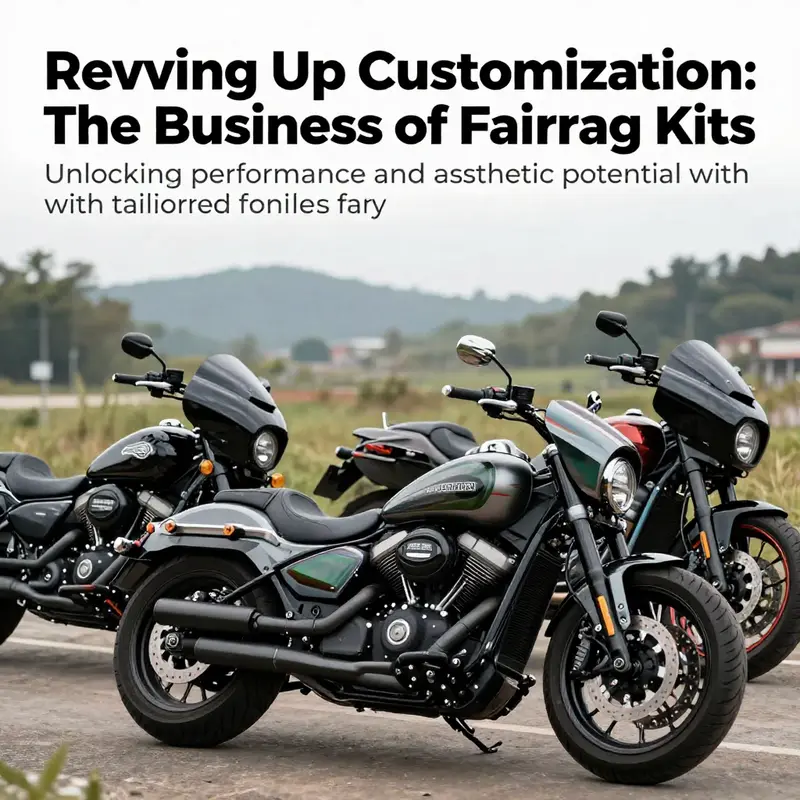
Custom motorcycle fairing kits are more than just an aesthetic upgrade; they represent essential tools for business owners seeking to enhance the riding experience and performance of their motorcycles. As enthusiasts increasingly demand unique and personalized rides, understanding the significance of these kits becomes paramount. This article delves into crucial aspects, including performance enhancements, material selection, installation processes, market trends, and varied customization options. Each chapter will equip business owners with insights to better serve their clientele and capitalize on emerging opportunities in the motorcycle customization landscape.
Performance Enhancements through Custom Motorcycle Fairing Kits: Aerodynamics, Weight, and Control
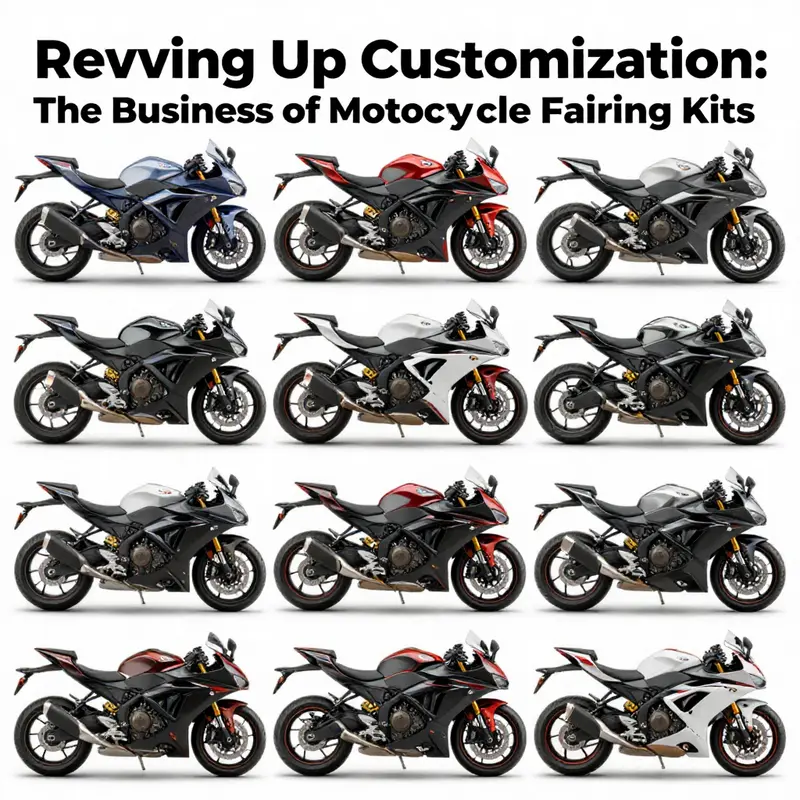
Custom motorcycle fairing kits sit at the intersection of form and function. They are not merely cosmetic upgrades; they are engineered components designed to refine how a machine slices through air, carries its rider, and responds to input at the edge of performance. When a rider considers a fairing kit, they are weighing how a reshaped front profile, carefully contoured side panels, and integrated wind protection will transform handling, stability, and endurance on the track or along open highways. The essence of these kits is aerodynamic efficiency, and that efficiency translates into tangible effects: less drag, more consistent stability at speed, and smoother airflow around the rider’s body. The most visible gains are often felt in the way the machine behaves at high velocity, where turbulence can amplify resistance and induce subtle, fatiguing buffeting. By guiding air more cleanly around the bike and rider, a well-designed fairing kit reduces the energy that must be expended to maintain speed. This is not a single, dramatic improvement but a composite of several interlocking benefits that accumulate with time, especially on longer rides or on circuits where precision and endurance win races of milliseconds as well as miles per hour.
Materials are a major determinant of how far those aerodynamic advantages can travel into the realm of practical riding. Lightweight composites—commonly fiberglass or carbon fiber—offer a favorable balance between stiffness, impact resistance, and weight. The lighter the kit, the more it contributes to overall mass distribution without sacrificing structural integrity. In turn, a marginally reduced weight helps suspension dynamics, steering response, and, crucially, the rider’s sense of connection to the machine. A fairing that carries a touch more mass can dampen moveable mass in corners, subtly aiding turn-in behavior and transition. At speed, even small reductions in unsprung weight or gyroscopic interactions can translate into crisper feedback through the bars and pegs, a welcome enhancement for riders who chase rhythm and consistency as much as top speed.
Beyond weight and stiffness, the arrangement and finish of a fairing kit influence how air interacts with the bike’s geometry. A front profile that blends smoothly into the downdraft and the rider’s line of sight creates a laminar flow that resits separation. When airflow remains attached, the effective drag drops and the aerodynamic lift generated by the fairing remains controlled, which improves high-speed stability. A well-integrated windshield or wind deflector can redirect air away from the chest and head, reducing fatigue on long stints in the saddle. These gains matter not just to the rider who spends hours at speed, but to anyone who rides for sport or commuting where confidence under wind pressure becomes part of the value equation.
The spectrum of fairing configurations invites choices that align with riding style and environment. Full fairings deliver the most comprehensive wind protection and the strongest aerodynamic performance for aggressive riding and track use. They enclose more of the upper body and engine area, creating a cohesive shape that guides air with fewer interruptions. Half fairings, by contrast, strike a practical balance: substantial aerodynamic gains with easier access to the engine and cooling system, along with less weight and a lighter projected footprint. Quarter or partial fairings can be appealing when the aim is to modulate wind exposure without committing to a full body wrap. Each option introduces its own set of trade-offs, and the optimal choice is often a matter of how a rider spends most of their time—on a track, on a highway, or weaving through city streets.
Aesthetic customization naturally accompanies performance considerations. Graphics and decals can transform a machine’s identity without disturbing its airflow, offering a non-invasive route to personal expression. When graphics are applied thoughtfully, they align with the fairing’s contours, supporting the illusion of speed even at rest. This synergy between appearance and aerodynamics underscores a broader principle: the best fairing kit does not merely cover the bike; it tunes it. The graphics become an extension of the rider’s intent, echoing the lines of the fairing and reinforcing a sense of purpose each time the bike is seen on the road or in the pit.
Installation and maintenance are practical aspects that determine whether performance gains are accessible to real-world riders. A kit designed for a precise fit reduces installation time and minimizes the risk of gaps that could disrupt airflow. Clear mounting points, compatible fasteners, and accessible access to engine components support maintenance routines, enabling riders to service the bike without compromising the aerodynamics that were achieved in the first place. For many riders, the ability to upgrade or revert to stock configuration with minimal downtime is a key part of the kit’s value. It means performance can be tuned to the season, riding conditions, or evolving personal preferences without becoming a long, disruptive project.
In considering how much a fairing kit can influence performance, it helps to think in terms of a holistic system rather than isolated parts. Aerodynamics, weight distribution, and rider comfort all feed into a feedback loop. A smoother front profile reduces the drag coefficient, which lowers the horsepower required to achieve the same speed. That power savings can be redirected toward acceleration, stability in gusty conditions, or sustained mid-range performance. Lighter weight improves agility and the rider’s ability to respond to mid-corner adjustments, while wind management reduces fatigue, helping maintain form and focus over longer stints. When these threads come together, the rider experiences a more composed ride, the bike feels more willing to respond, and the line through a corner feels more repeatable—an especially valuable attribute to track riders who depend on consistency to shave tenths and seconds from their lap times.
For riders who seek both performance and personalization, there is value in a graphics-focused upgrade that remains non-invasive to the core aerodynamics. Decals and racing stripe designs can visually sharpen the bike’s silhouette and cue the eye to a streamlined shape, even when the machine is stationary. This approach honors the rider’s aesthetic preferences while preserving the existing aerodynamic advantage of the kit. The balance between performance and personalization is a reminder that a fairing kit is not a one-size-fits-all solution; it is a flexible platform that can be tailored to fit a rider’s goals, whether they lean toward speed, efficiency, or expressive style.
Questions of compatibility and model-specific fit are a practical consideration, but the underlying principle remains constant: the kit should harmonize with the bike’s geometry to realize the intended gains. That harmony is achieved when the kit’s contours mirror the bike’s lines, when mounting points align with the chassis without introducing tension or misalignment, and when the overall weight distribution remains within the rider’s preferred range. As with any performance-based upgrade, the best outcomes come from selecting a kit that fits the intended use-case, taking into account riding conditions, comfort, and the desired level of maintenance access. In this sense, performance is not solely about the top speed or cornering prowess; it is also about how the overall riding experience feels over the miles and in the middle of a long weekend at the track.
For readers curious to explore a broad spectrum of fairing options, one path is to consider a general catalog that organizes kits by return-to-road practicality and track-grade performance. The 2023new category provides a sense of current design directions and how newer kits blend aerodynamics with ease of installation. This resource can help frame a decision that respects both performance objectives and the realities of daily riding. 2023new
External resources can deepen understanding of how a fairing kit’s design shapes performance, including analyses of airflow, pressure distribution, and material properties. For a detailed treatment of the Yamaha R3 fairing kit overview, see an external reference that discusses performance, composition, and best practices in fairing design: https://www.motorcyclefairings.com/yamaha-r3-fairing-kit-overview/.
In sum, a custom fairing kit is a structured upgrade that can elevate speed, stability, and rider comfort while offering a pathway to personal expression. The most successful choices align with a rider’s goals, fit smoothly with the bike’s geometry, and respect the practical realities of installation and maintenance. The result is a cohesive system where every panel, contour, and finish serves a purpose beyond appearance, delivering measurable improvements in the riding experience and, for those who chase times, tangible on-track gains.
Material Alchemy: How Material Choice Shapes Performance and Style in Custom Motorcycle Fairing Kits
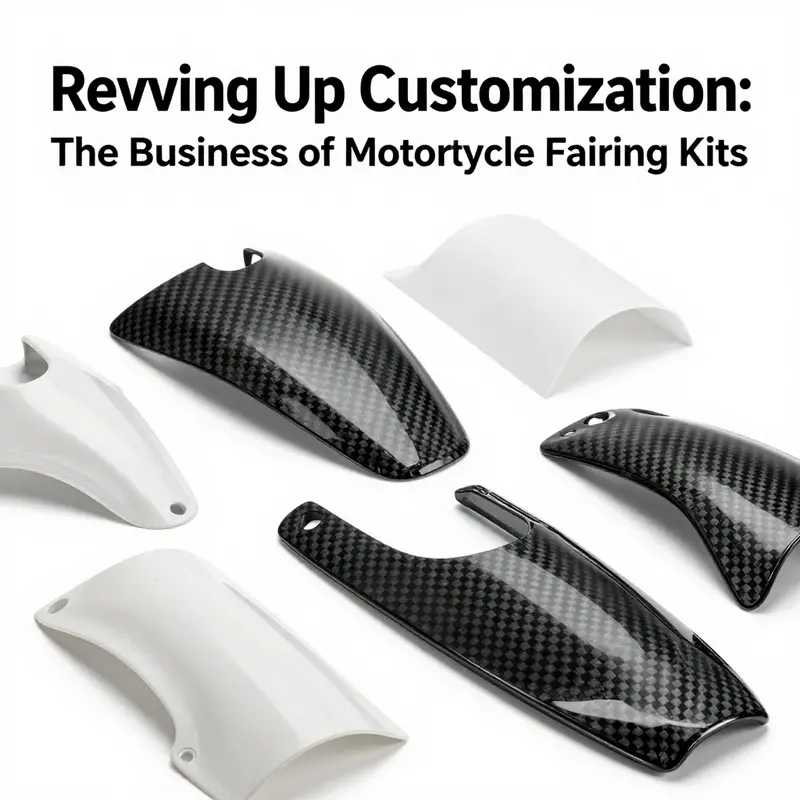
Material choice in custom motorcycle fairing kits is both a technical decision and an aesthetic statement. ABS basic panels deliver durability and ease of repair at low cost, while fiberglass offers flexible shaping and customization without the premium price of carbon fiber. Carbon fiber provides exceptional stiffness and weight savings for performance builds, but comes with higher cost and a more complex repair workflow. Metal components are used sparsely for structure, heat shielding, or pivots where durability matters. Practical builds often combine materials in layered solutions, such as carbon or fiberglass skins over ABS backing, to balance aero performance, weight, and repairability. The overall goal is a design that matches riding goals, climate, and budget, while preserving a finish that stands up to miles on the road.
From Bare Frame to Bespoke Silhouette: Mastering the Installation of Custom Motorcycle Fairing Kits
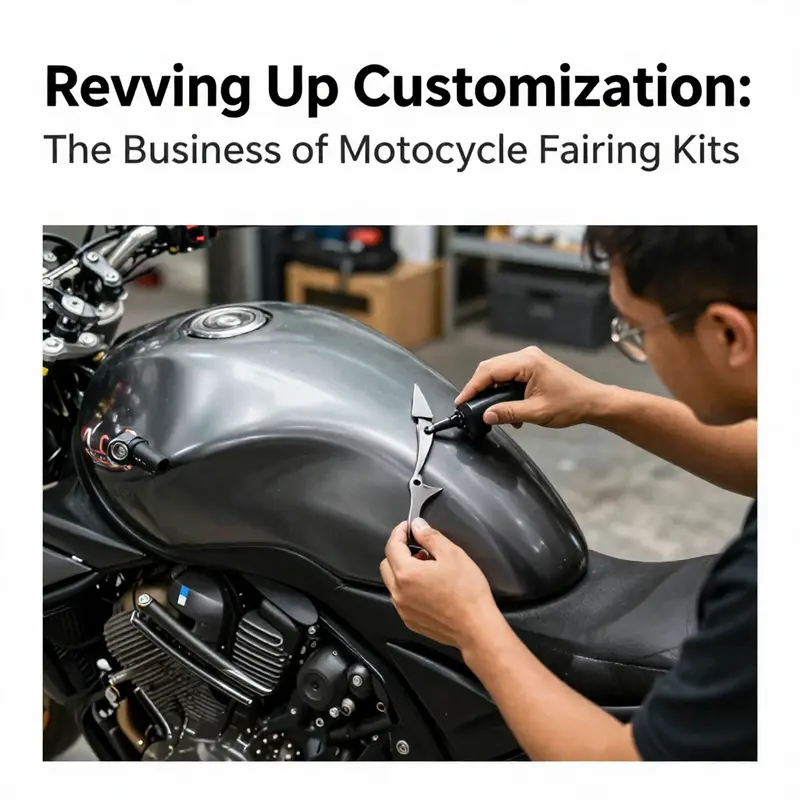
Installing a custom motorcycle fairing kit is more than bolting on new panels. It is a careful conversation between the bike’s skeleton and the fabric that wraps it, a process that blends aesthetics, aerodynamics, and practical reliability. A well-installed kit does not shout; it speaks with clean lines, precise gaps, and components that withstand vibration and weather. The mechanical dance begins with preparation, a period of respect for both the parts and the rider’s expectations. This chapter follows a patient, model-agnostic path through the installation, staying focused on fit, function, and finish.
Begin with preparation, a step that influences every decision that follows. Gather the tools listed in the kit’s manual: a socket and wrench set, a full range of screwdrivers, Torx drivers if the kit calls for them, and a drill with assorted bits for any minor mods. Have files handy to smooth rough edges, a measuring tape or caliper for precision, a torque wrench to protect threads, and electrical tape with a small assortment of connectors for clean, secure wiring. Set aside a clean, well-lit workspace where you can lay panels flat and keep fasteners organized. Before you touch a fastener, skim the installation notes again and note any model-specific quirks, like unusual fastener types or special spacers the kit uses. Even the most well-made kit can require a moment of adaptation when it meets a particular machine’s geometry.
Removing the existing fairing is the first real chapter in the story. The rider who practices care here will be rewarded with easier alignment later. Start by locating and removing all screws and hidden fasteners, working methodically so no clips are forgotten. As you free each piece, disconnect any electrical connectors linking lighting and indicators. It helps to label connectors with small stickers or to take a photo as you go, so reassembly proceeds without guesswork. When panels come away, place them in a safe area to avoid scuffs, and inspect the mounting points for cracks, burrs, or corrosion. A clean mounting surface is the foundation for a tight, lasting fit. If you discover damage, address it before continuing; a warped frame or a degraded mounting block will ripple through the entire assembly.
With the old panels out of the way, the dry-fit begins. This is where the kit earns its keep, revealing how well the new pieces align with the bike’s contours. Place each fairing segment on the frame and settle it into position as if you were testing its aesthetic and aerodynamic potential. Look for misaligned holes, interference with handlebars or mirrors, and any part that catches on the frame during simulated movement. Expect to make tiny adjustments: re-drill a hole here, file a sharp edge there, or insert a spacer to coax height alignment into harmony. Using high-quality hardware designed for motorcycle vibration is wise here—stainless bolts and locking washers provide durability without loosening under engine heat and road shocks.
The moment of securing the kit arrives only after fitment is verified. Tighten in a cross-pattern to distribute pressure evenly and avoid skewing the panel’s alignment. Start with loose fasteners to permit small shifts as you confirm the lines meet the bike’s outline. Revisit each connection point and ensure nothing binds against the steering column, triple clamps, or suspension travel. If a hole doesn’t line up with an inner mounting point, don’t force it. Consider modest modifications guided by the installation manual or, if needed, a professional evaluation. Cable routing for lights, indicators, and sensors should be smooth and shielded from sharp edges. When the wiring harnesses are reconnected, secure them with sleeves or zip ties that won’t pinch once vibration returns. A tidy harness not only looks professional but reduces the risk of intermittent electrical issues on the road.
Sealing joints becomes more than just weatherproofing; it helps suppress wind noise and shield fasteners from moisture. Apply a light bead of sealant or gasket maker around joints where water might otherwise creep in, especially at lower fairing seams and around the headlight housing. Wipe away excess to prevent it from marring the finish. The goal is a seamless, weather-resistant barrier that remains flexible through temperature swings. After sealing, recheck every fastener’s torque, adjusting as needed to match the manufacturer’s specifications or the kit’s recommendations. The torque values matter; overtightening can crack panels or strip threads, while under-tightening invites rattles and misalignment over time.
Electrical systems require careful attention as well. Reconnect headlights, turn signals, and any auxiliary lighting according to the kit’s wiring diagram. A quick function check before taking the bike off the stand helps identify issues while you can still access the connectors. If a diagnostic progress bar appears on a digital meter or a tiny indicator lamp refuses to illuminate, retrace your connections and examine the grounds. The moment you confirm proper lighting behavior, you’ve earned the right to call the installation a success—at least for that day’s ride. If the design includes integrated winglets, fairing vents, or aerodynamic fins, ensure their surfaces remain free of tool marks and scratches; any blemish can undermine the visual integrity you aimed to achieve.
As confidence grows, consider not just how the kit looks but how it supports performance. A well-fitted fairing kit can reduce drag and improve stability at speed by guiding airflow along the fairing’s contours and around the rider’s position. These gains often come with practical trade-offs, such as the need for precise alignment and occasional minor modifications. The goal is a cohesive look that mirrors the machine’s lines, enhances its presence on the road, and remains durable under vibration, speed, and weather. If a specific geometry features a subtle tweak in panel curvature or a slightly altered mounting point, embrace the change as part of the customization journey rather than a defect.
For riders exploring model-specific options, the availability of kits can include some brands whose fairings are designed with a particular chassis in mind. If you find yourself shopping for a BMW-compatible kit, for example, you can navigate to the dedicated BMW fairings category to review available designs and finishes. This resource helps ensure you pick a configuration that harmonizes with the bike’s silhouette and paintwork, reducing the need for aggressive modifications. See the BMW fairings category for options aligned with the bike’s architecture and your aesthetic goals.
As the installation nears its end, the finish work becomes a meditation on precision. Double-check all gaps between panels; the lines should read as continuous, with uniform gaps at the joints. Touch up any scuffs with careful polishing and, if you’re pursuing a high-gloss finish, follow the preparation steps common to aftermarket bodywork, including careful masking of edges and a compatible clear coat to guard against UV fading. A thoughtful final pass—inspect, adjust, polish, and test—often yields a result that just feels right when you stand back and look the bike over from a few angles.
If you anticipate the possibility of future adjustments or swaps, document the mounting points and any custom spacers or shims you used. A brief notes section in the installation journal makes reassembly straightforward should you ever upgrade or swap panels again. It also helps you keep track of torque settings and connector arrangements for future maintenance. While this process may appear meticulous, the payoff is a fairing kit that integrates with the bike’s frame like a single, engineered unit, not a set of aftermarket add-ons.
For riders who want a deeper, model-agnostic reference, a detailed installation guide is available online that covers tool requirements, safety checks, and common pitfalls. This guide complements the hands-on, bike-specific approach described here and provides a broader framework for success on any model. As you move through the steps, remember that the best installations result from methodical attention rather than rushed improvisation. The road rewards patience with a fairing system that performs as well as it looks, ride after ride.
External resource: for a comprehensive walkthrough that spans multiple model families, consider RevZilla’s motorcycling fairing installation guide, which outlines steps, safety considerations, and troubleshooting tips in a model-agnostic manner. https://www.revzilla.com/blog/motorcycle-fairing-installation-guide
Riding Forward: Trends Redefining Custom Motorcycle Fairing Kits in a Value-Driven Market
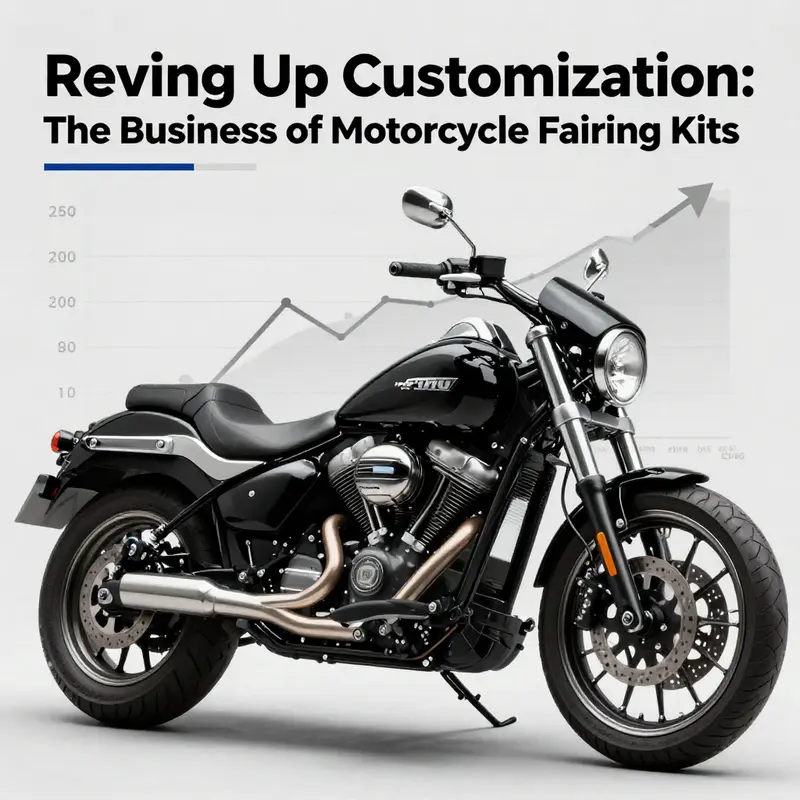
If the mid-2020s have revealed one truth to riders and makers alike, it is that customization is not a luxury but a practical language for performance, identity, and resale value. The market for custom motorcycle fairing kits is shifting in tandem with rider expectations and global manufacturing realities. Riders want more than eye-catching panels; they want lightweight, durable, and easy-to-fit solutions that align with their riding style, climate, and budget. The result is a convergence of minimalist aesthetics, smarter materials, and broader customization options that together redefine what a fairing kit can deliver. A well-designed kit now acts as a performance accessory, a weather shield, and a personal statement in a single, cohesive package. Along this evolving path, the conversation about fairings moves from purely cosmetic upgrades to integrated systems that influence aerodynamics, comfort, and even fuel efficiency over longer rides and volatile road conditions. The industry’s response has been to blend engineering pragmatism with expressive design, creating a spectrum of choices that cater to everything from daily commuters to track-focused riders, all while keeping the installation approachable for most hobbyists and enthusiasts.
Minimalist design dominates much of the contemporary market discourse. The appeal is clear: lighter weight, fewer protrusions, and a visual language that emphasizes function as much as form. Quarter fairings—small units mounted near the headlight or handlebars—offer a straightforward route to improvement without blocking engine access or visibility. For many riders, especially those on sportier or naked configurations, this approach translates into improved aerodynamics without sacrificing the naked bike’s clean profile. The trend toward low fairing kits also reflects practical needs: riders who log long miles often prefer panels that can be swapped quickly after a ride or during a service interval, keeping downtime to a minimum while preserving a sleek, modern look. In a similar vein, naked-bike aesthetics have gained momentum as an intentional design choice, offering a modern, uncluttered silhouette that pairs well with high-contrast finishes and bold color accents.
Material choice remains a fundamental differentiator in this market. Fiberglass remains common for its affordability and decent resilience, but it is increasingly joined by advanced composites and metals. Aluminum offers a compelling balance of strength and lightness, while stainless steel can deliver exceptional durability in harsher climates or high-corrosion environments. Regional preferences mirror climate and factory infrastructure: aluminum-based fairings have seen strong buyer interest in Swiss markets, where weight and stiffness contribute to ride quality, while stainless steel variants gain traction in markets with demanding environmental exposure. These regional nuances are more than curiosities; they signal where manufacturers tailor their offerings to local riding conditions and maintenance ecosystems. The evolution of materials also deepens the customization story. A shop can craft a panel set with precise tolerances and skins that respond predictably to heat and UV exposure, ensuring color integrity and surface finish over time. In practice, this means riders can choose a kit that not only looks a certain way but stays true to its appearance through miles of varied weather.
Customization has become a central differentiator as well. Riders increasingly seek bespoke solutions that harmonize with their bike’s color scheme, finish, and personality. High-end cosmetic details—such as forged billet aluminum derby caps, dual-anodized finishes, or machined graphite highlights—underscore how durability and aesthetics can be married in a single component. For many, the appeal lies in the ability to reflect personal identity without compromising performance. Manufacturers respond with options that range from palette-driven color packages to performance-oriented textures and finishes that resist abrasion and fading. The end result is a kit that feels exclusive without feeling ostentatious, a balance that resonates with riders who want a product that tells a story as the bike tells theirs.
Beyond appearance, designers and engineers are incorporating features that improve real-world performance. Aerodynamics is no longer the mere art of shaping panels to look fast. Even modest wind-shedding components can reduce fatigue, enhance stability at speed, and contribute to modest fuel savings on long rides. While the kits discussed in popular discourse emphasize aggressive looks, many riders value a clean, stable ride that preserves handling characteristics rather than overpowering them with visible aerodynamic devices. This is where thoughtful integration—such as well-sealed joints, precise gaps, and compatibility with existing instrumentation and lighting—delivers tangible benefits. In practice, a well-made kit fits snugly, aligns with existing mounting points, and allows serviceable parts to be replaced without disassembling large sections of the bike. The result is a modular sense of ownership where a rider can upgrade in stages, swapping in a fresh look and subtle aero improvements without a full chassis overhaul.
Market dynamics are shaped not only by design principles but by the broader manufacturing and distribution landscape. Global production has become more agile, with a growing emphasis on value-driven offerings that preserve resale value while delivering reliable performance. The trend toward cost-effective kits that do not sacrifice core functionality reflects a broader consumer expectation: high value, lower price barriers, and predictable outcomes. For riders now able to source components from international suppliers, the ability to maintain or enhance resale value becomes a key selling point. The idea that a bike can be upgraded with components that still fit later when it is resold makes these kits more attractive to a wide range of buyers. In this context, online platforms and direct-to-consumer channels have accelerated access to a wider array of fairing options, enabling quick comparisons of fitment, colorways, and finishing options. The result is a marketplace that rewards clarity, reliability, and honest representation of performance and fit.
With this shift comes a more sophisticated approach to fitment and compatibility. New platforms emphasize precise model-specific measurements, which helps ensure that a kit can be mounted with minimal modification and no unintended interference with headlights, radiators, or electronic harnesses. The rise of modular, easy-to-install designs means a rider can swap to a different look without long downtime or specialized tools. This is particularly appealing to everyday riders who crave practicality alongside style. The story of customization evolves from being about vanity to being about personalization that respects the rider’s routine and the bike’s maintenance cycle.
As the market broadens, so does the conversation about value. A growing portion of buyers is balancing price against durability and serviceability. Chinese-made fairings have entered the mainstream conversation as a credible option for many riders seeking a strong balance between cost and function. The affordability factor is not simply about the sticker price; it also reflects the ability to maintain or refresh a bike’s appearance without eroding perceived value upon resale. This trend underscores a fundamental shift: performance upgrades that were once the preserve of high-end hobbyists are becoming accessible to a broader audience, enabling more riders to experience the benefits of better aerodynamics and a more personalized aesthetic without a prohibitive initial investment.
For riders who want a sense of direction when choosing a kit, the market now rewards clarity over hype. Quality indicators such as consistent fit across models, robust jointing, UV-stable finishes, and thoughtful mounting solutions help buyers distinguish between options that will last and those that require ongoing maintenance. In practice, this means looking for kits that offer straightforward installation instructions, standardized hardware, and clear warranty or return policies. It also means expecting recognition of regional use cases—kits that can withstand humidity, dust, and road salts, while preserving color integrity and gloss over time. The end result is a category that can satisfy both the browser-scroller looking for a quick visual upgrade and the serious rider who wants a complete, harmonized bodywork package.
Looking ahead, the trajectory of custom fairing kits points toward even greater integration with the bike’s broader ecosystem. Designers are embracing modular mounting schemes, quick-release fasteners, and color-matching technologies that simplify personalization and reduce downtime. The aim is to empower riders to express themselves with confidence while keeping the core mechanics, cooling, and electrical systems discreet and accessible. This mature, value-oriented market recognizes that the best fairing kit is one that complements the bike’s chassis and the rider’s ambitions—whether that ambition is a weekend track session, a cross-country tour, or simply a more expressive daily ride. To explore a practical, category-focused example of how these ideas translate into real-world options, a user can consult a dedicated category that aggregates model-specific offerings and accessory fits in a comprehensive, browsable catalog, which makes it easier to align aesthetic goals with mechanical compatibility. For those who want to explore a related model family in more depth, a representative catalog page can be a useful starting point. (External technical standards and performance analyses for fairing kits, such as Yamaha XJ6 fairing-kit analysis, offer deeper insights into materials, finish, and performance expectations.) For more context on mainstream model-specific choices, see the external resource: https://www.example.com/yamaha-xj6-fairing-kit-analysis-2026.
Within the broader ecosystem, one practical pathway to inspiration and validation is to browse model- or category-specific pages that curate compatible options across a spectrum of brands and bikes. For riders who prefer a direct, brand-specific journey, a focused catalog can illuminate the most common fitments and finishing options that align with a rider’s existing bike. Meanwhile, the community continues to value how well a kit integrates with the bike’s original lines, preserving the machine’s silhouette while delivering a refreshed, contemporary look. In this sense, the market’s progress is not about abandoning the essence of a bike’s design but about elevating it through thoughtful, well-engineered enhancements. The result is a more capable, expressive riding experience—one that remains faithful to the bike’s core geometry while inviting personal interpretation through color, texture, and finish.
In sum, 2026 marks a turning point where value-driven decisions, minimalist aesthetics, and material innovation converge to redefine custom motorcycle fairing kits. The shift toward accessible, easy-to-install packages that still deliver meaningful performance gains and striking looks reflects a market that respects both the rider’s time and their aspiration for a bike that is uniquely theirs. As producers continue to refine joining methods, finishes, and compatibility, riders will find more reasons to see a fairing kit as a smart, practical upgrade rather than a cosmetic afterthought. The road ahead suggests a future where high value, personal expression, and dependable performance go hand in hand, making the choice to customize a bike not only feasible but deeply rewarding for riders at all levels of expertise.
Shaping Speed and Style: The Full Spectrum of Custom Motorcycle Fairing Kits
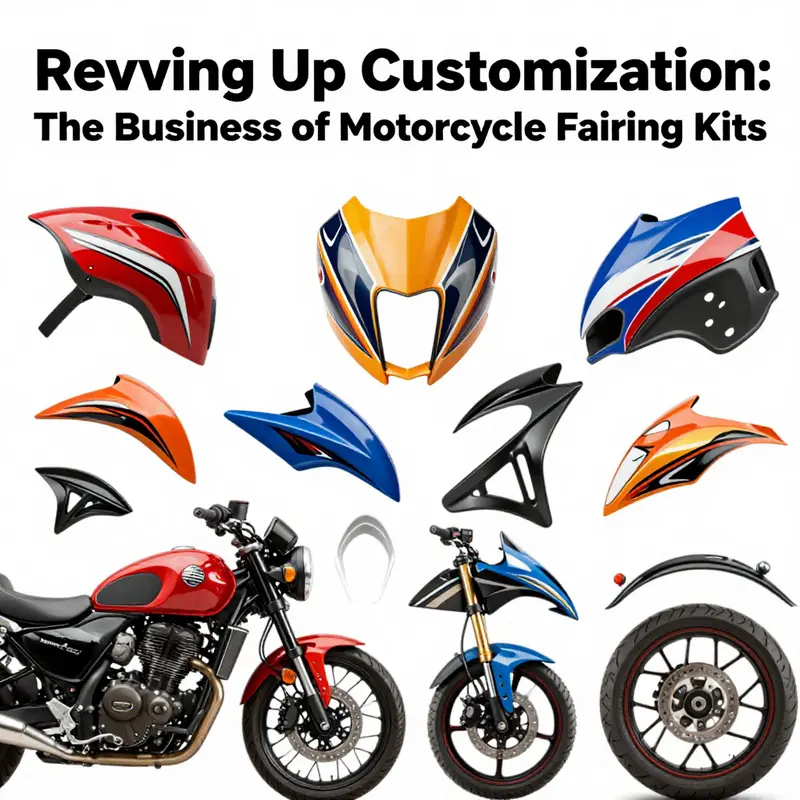
Custom motorcycle fairing kits reframe a bike’s identity. They are not merely cosmetic; they influence aerodynamics, balance, and how the rider feels in the saddle. A complete kit bundles front and rear fenders, side panels, tank covers, and often integrated wind deflectors into a single, precisely engineered shell that bolts onto the existing frame with minimal fuss. The allure starts with the materials: high-grade ABS, carbon fiber, or advanced injection-molded composites, chosen for durability and exact fit. Precision manufacturing matters because even a fractional misalignment can create wind leaks or rattles. When done well, the fairing forms a single aerodynamic surface that smooths airflow and reduces turbulence around the rider. That streamlining translates into quieter air behind the head and shoulders, a more stable helmet trajectory, and a subtle but real improvement in efficiency at speed. For many riders, the appeal is equally emotional: a bike that looks and feels faster simply because its skin has been redesigned to echo a particular line or era.
Color customization sits at the core of most offerings. Riders can pick from classic solids like black or white, then graduate to vibrant hues or metallics that catch the eye in the sunlight. Some manufacturers go further, providing color-matched finishes designed to align with the bike’s existing paint or to establish a brand-new palette. The result is a surface that seems to belong to the rider, not simply to the factory. This is where design freedom matters, because color is not just taste; it affects visibility and perceived speed. A glossy red or deep blue can reflect light differently than matte, altering how the panel reads from a distance and up close. The broad color libraries on reputable platforms help buyers gauge how a finished kit will feel on the road, and they enable careful planning before a single bolt is touched. In many cases, color choices dovetail with texture options—high-gloss, satin, or matte—each altering the kit’s tension with the bike’s lines and the rider’s stance.
Beyond color, the design language carried by modern fairing kits is where the rider’s personality often emerges. Track-inspired lines, bold graphics, and even sponsorship-style decals let a helmet be followed by a machine that broadcast a story. Importantly, many kits embrace modularity. Instead of replacing the entire shell, riders can swap front panels, side covers, or wind deflectors, refreshing the look as fashions or moods shift. This modular approach keeps options open without forcing a complete do-over, which lowers the barrier to experimentation. It also makes routine maintenance easier because individual panels can be removed for access without dismantling the whole assembly. When combined with water transfer finishes or decals, modular kits offer a kinetic canvas: you can change the look for a weekend ride, then revert to a subtler appearance for daily commuting. The result is a personal bodywork that evolves with the rider’s evolution as a rider.
Material choice carries implications that reach far beyond aesthetics. Lightweight composites reduce weight, improving handling and throttle response as the bike carries less inertia. Carbon fiber and fiberglass blends deliver stiffness and resonance control that can help with stability in gusty air. Even a modest weight drop from a panel adds up across the bike’s total mass, contributing to better acceleration and braking feel. Aerodynamically, a well-shaped fairing guides flow around the rider’s body and the bike’s silhouette, which can reduce drag and mitigate buffeting. In practice, this can translate into lower fuel consumption on long rides and steadier behavior in crosswinds. Reputable kits also emphasize safety in their manufacturing, reinforcing joints, edges, and mounting points so they hold up under vibration and heat. For riders, this combination of lightness and strength means durability alongside the aesthetic payoff, along with a sense of confidence when riding at higher speeds or through challenging weather.
Fitment and installation are often highlighted as easier than replacing the entire fairing system, and in reality the process is a blend of straightforward steps and mindful attention. Good kits align with standard mounting points, clear instructions, and standardized fasteners, reducing the risk of misalignment that can lead to gaps, rattling, or water intrusion. A well-engineered kit uses a structured sequence: verify the frame mounting points, pre-fit the panels, then tighten in stages to avoid binding. The modular approach tends to simplify installation; swapping a single panel or adding a wind deflector can be done without disassembling every panel. For riders who want a longer-term plan, the ability to mix and match components means you can refresh a look without buying a new shell. Maintenance remains manageable when panels are designed for easy removal, and surfaces are finished for resilience against cleaning chemicals and road grime. The practical side of this customization is that the rider can enjoy a transformed aesthetic without sacrificing the daily reliability of the motorcycle.
For those who prefer a subtler route, graphic kits offer a non-invasive path to change. Decals, racing stripes, and logos let owners tailor the bike’s look without altering its fundamental geometry. A water transfer printing or high-quality vinyl solution can wrap curved surfaces with complex textures and patterns, creating depth and motion that a flat paint job could not reproduce. This approach preserves the original lines while enabling bold experimentation with color, texture, and contrast. It also reduces the risk of costly repainting if taste shifts, since graphics can be updated or removed with relative ease. The broader benefit is that riders can experiment with a visual language that complements their riding style—sporty, aggressive, or understated—without committing to a full fairing replacement. In this sense, graphics become a bridge between form and function, letting speed and aesthetics coexist in a single, coherent statement.
Choosing a kit is a process of balance. Riders weigh compatibility, fitment accuracy, price, and the expected lifespan of the finish. Some model-specific pages provide detailed dimensions, while installation notes guide you toward proper alignment and the avoidance of interference with headlights or mirrors. The right kit respects the bike’s original engineering and ensures that airflow remains predictable, instrumentation stays visible, and ergonomics stay comfortable. With that in mind, many buyers treat fairing kits as upgrade projects that can scale with their goals: a sharper look for weekend rides, a more protective wind profile for longer journeys, or a distinct appearance for show nights. The decision-making process is iterative: you may start with color and graphics, then graduate to a modular swap, then consider lighter materials as you chase incremental gains in performance. The point is not to chase every possible feature at once, but to build a coherent plan that aligns with riding goals and budget.
Ultimately, the modern custom fairing ecosystem rewards deliberate choices that honor both aesthetics and aerodynamics. The rider who plans ahead can create a machine that feels unique yet remains reliable, where each panel serves a purpose and every finish meets practical demands for cleaning, shielding, and wear resistance. The beauty of a well-chosen kit is that it can stay with the bike through years of riding and evolving tastes, continually refreshed by new graphics, textures, and modular updates. As you explore options, remember that the kit is not just skin; it is a performance layer that influences how the bike moves, breathes, and communicates with the road. For a quick sense of model-specific cataloging, see the Kawasaki fairings category. Kawasaki fairings. The practical takeaway is to approach personalization as a thoughtful, staged project rather than a single, high-stakes upgrade. The path you choose should align with how you ride, what you value in aerodynamics, and how you want the bike to feel when you twist the throttle. That balance is the essence of true personalization.
External resource: https://www.alibaba.com/product-detail/KAWASAKI-NINJA650-2020-2023-Motorcycle1600799354585.html?spm=a2700.gallery-0.i1.1d4c7f4aQqJHxv&from=productdetail
Final thoughts
Custom motorcycle fairing kits not only enhance the visual appeal of motorcycles but also significantly affect performance and rider satisfaction. By understanding the various aspects of these kits—from performance benefits to material choices and market trends—business owners can better meet consumer demands and expand their offerings. Emphasizing the importance of installation processes and customization options further enhances the customer experience, making them more likely to invest in upgrades. As the market continues to evolve, remaining informed will ensure that business owners stay competitive and responsive to rider preferences.