
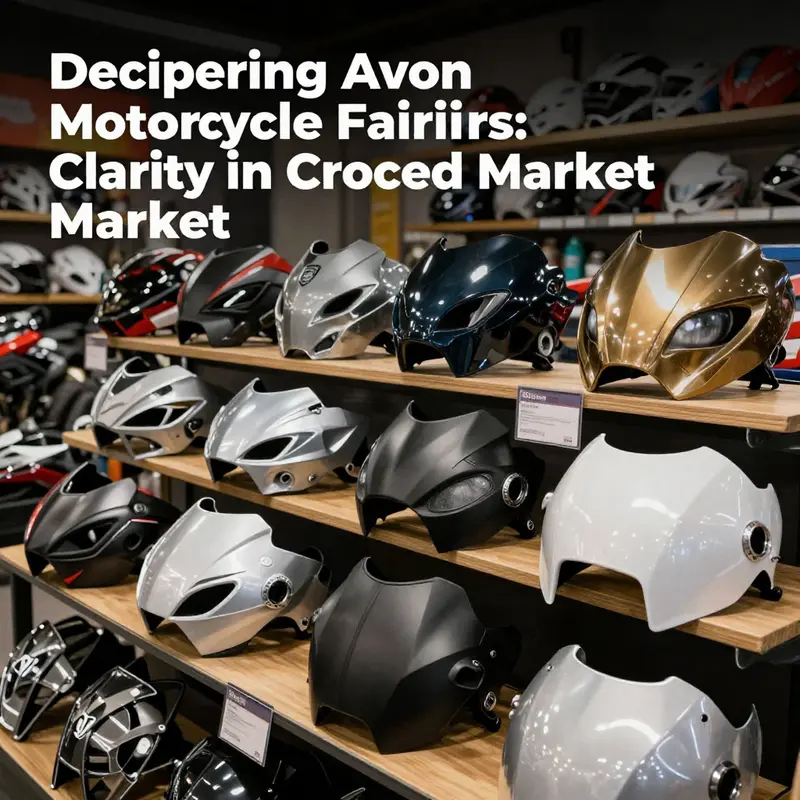
The motorcycle accessories market can often be a maze of brands, products, and misinformation. Among the most confusing topics is motorcycle fairings, particularly the brand ‘Avon.’ This article delves into the uncertainties surrounding Avon motorcycle fairings, addressing common misconceptions and laying out critical insights for business owners. We will explore relevant industry knowledge that informs fairing options, dissect different types of motorcycle fairings, examine material choices and their implications for durability, clarify compatibility issues with various motorcycle models, and guide you toward reputable sources for purchasing motorcycle fairings. Each chapter aims to build a comprehensive understanding of not just ‘Avon’ but the broader context within which motorcycle fairings operate.
Avon Motorcycle Fairings Revisited: Brand Confusion, Correct Context, and Industry Insights
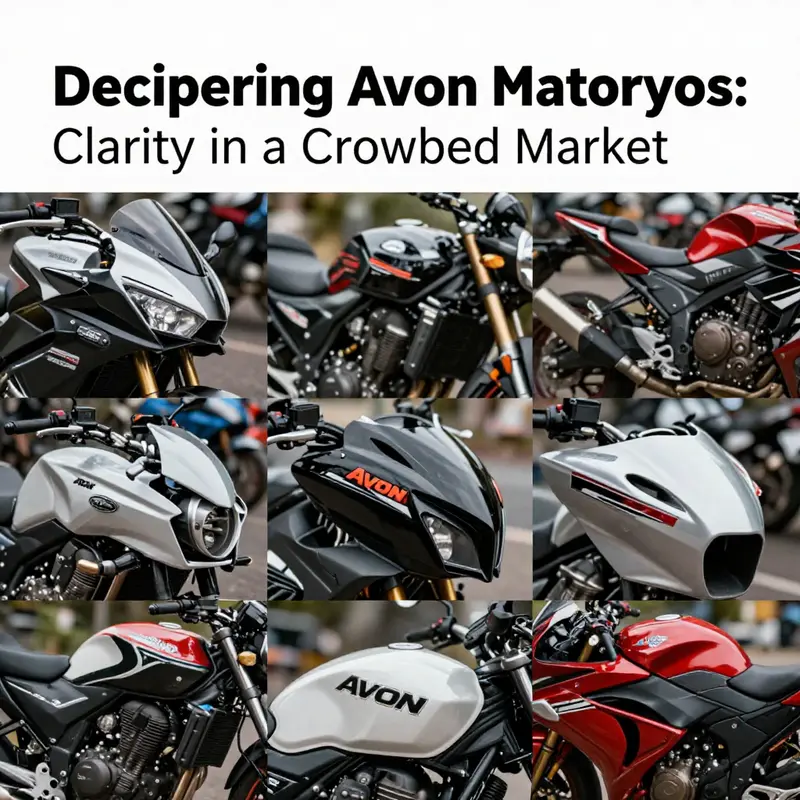
When a chapter about motorcycle fairings centers on a name like Avon, it is easy to stumble into a murkier corner of the market where branding and product categories blur. The term can surface in searches and listings that pair a familiar tire brand with components that belong to a different part of the motorcycle—the fairing. What follows is less a brand obituary and more a careful map of how real fairings are defined, how confusion arises, and how a rider can navigate the marketplace with confidence. Fairings are not merely cosmetic shells. They are structural elements that influence aerodynamics, weather protection, and even ride quality. In the literature of motorcycle parts, the word fairing refers to the bodywork that encloses or partially encloses the engine and frame. They come in several configurations, from full fairings that wrap around most of the bike to smaller, partial elements that cover only the nose or a portion of the upper body. Understanding these configurations helps situate the discussion away from misnomers and toward practical choices. A key distinction to keep in view is that fairings are designed to work with specific chassis geometries. A set built for a particular model will align with mounting points, contours, and the gaps around lights and instruments. This is why compatibility is the single most important criterion when evaluating any option, whether one is purchasing a new or second-hand fairing, or considering a factory-oem replacement versus aftermarket alternatives. The marketplace for fairings is broad and heterogeneous. It includes factory-fitted components supplied by the vehicle maker, as well as a spectrum of aftermarket products that promise lighter weight, greater strength, or more aggressive styling. The essential tension is between exact-fit, guaranteed compatibility, and the broad reach and sometimes lower price of aftermarket parts. The industry rewards those who take the time to verify fitment data, confirm mounting hardware requirements, and assess whether a given piece will align with the bike’s wheelbase, tank contours, and frame geometry. In practice, a careful buyer will begin by clarifying the target model year and trim level. Even within a single model line, small year-to-year changes can alter mounting points or surface curvature. This means that a fairing marked as compatible with a model year range still benefits from confirmation with the supplier. Further, the finish and material choice matter as much as the fit. ABS plastic remains a staple for many factory and aftermarket fairings because of its impact resistance and cost-effectiveness. Advanced aftermarket options might deploy reinforced composites or carbon-fiber strands in a bid to reduce weight while maintaining stiffness. The material choice carries implications for durability, repairability, and the ease of color-matching during installation and maintenance. The structural integrity of the fairing hinges on more than the external surface. It depends on internal ribs, mounting lugs, and the way the panels interlock with the frame and subframes. A set with strong, well-integrated attachment points will resist cracking when faced with speed-induced turbulence, minor tip-overs, or the vibration discipline that follows long highway runs. This is where certification and quality assurance become meaningful, even for aftermarket options. While there are respected standards across the industry, not every supplier provides the same level of documentation. Buyers should seek clear notes about material thickness, UV stability, impact testing, and the presence of any reinforcements in high-stress zones such as the nose or under-seat areas. Where possible, demand installation guides, mounting templates, and a list of compatible subcomponents and fasteners. The installation experience itself can reveal much about a fairing’s true character. A precise set will require only standard hand tools and basic alignment steps. It should not demand drastic modifications to the bike’s structure or to instrument housings. If a fairing demands ergonomics changes, re-drilled mounting holes, or compromises to the intake or brake lines, it is a signal to reassess or request alternatives. The broader market also invites a cautious eye toward authenticity. Reputable suppliers publish clear product specifications and model-specific fitment notes. In contrast, some listings may misrepresent compatibility or gloss over critical hardware requirements. Buyers protect themselves by asking direct questions about mounting tabs, inter-panel gaps, and whether the parts include all necessary brackets, screws, and gaskets. The quality of finishing is another practical barometer. When a fairing arrives, the surface should be uniform, with consistent texture and color across panels. Edges ought to be clean and free of jagged runs or flash that would complicate fitting or require rework. Surface treatments matter too. Weather resistance, shine retention, and resistance to chalking under sun exposure influence long-term aesthetics and resale value. In this context, the market’s breadth is both a blessing and a test. It is a blessing because riders can tailor appearance and performance to personal taste. It is a test because the spectrum includes products of uneven consistency. A prudent approach combines due diligence with a practical philosophy: prioritize fit, verify material and construction claims, and align the purchase with the bike’s intended use. If the motorcycle is a daily rider, for instance, a fairing that emphasizes impact resistance and long-term colorfastness may be preferable to an option optimized only for exotic styling. If the bike is a track-oriented machine, stiffness and aerodynamics become more critical, and the willingness to invest in higher-grade materials can pay dividends in stability and control at speed. To guide oneself through this complexity, many riders consult model-specific catalogs and category pages. These resources help map a given model to tested fitments and documented agreements with manufacturers or suppliers. A practical step is to cross-reference the model year, chassis code, and region of sale. Sometimes a fairing kit is marketed as universally compatible, but it hinges on conditional notes such as “for certain submodels only” or “requires additional brackets.” The safe path is to treat fitment as data rather than assumption and to request explicit confirmation from the seller before purchase. On the topic of brand naming, it is worth noting that confusion can intensify when a familiar name appears in contexts beyond its core domain. A well-known tire brand, with a long history in road and sport riding, can become conflated with a different category of parts in online listings and marketplaces. When this happens, the careful reader should re-anchor expectations to the functional distinctions between components and to the sources of truth about compatibility. For shoppers who want direct guidance, there are practical references you can consult. A model-specific catalog with detailed product pages, materials information, and installation notes can be an essential starting point for reliable decisions. When you encounter a listing that references a model year range without clear notes on exact fit, proceed with caution and seek a direct confirmation from the supplier. The difference between a cast panel that simply covers the front and a rigorously engineered set designed to preserve airflow and structural integrity can be subtle at first glance, yet decisive on the road. For readers who want to compare options across a spectrum of models, a reliable, model-based catalog can help separate intention from circumstance. It is here that the value of a well-curated reference becomes clear: it channels the search energy toward products that truly align with the bike’s geometry and the rider’s confidence in the fit. To support this approach, consider a model-category resource that organizes fairings by the intended model and year range. A link to such a catalog provides a practical, no-nonsense reference point for readers who want to ground their decisions in evidence and explicit fitment notes. model-specific fairings catalog acts as a dependable starting point for many riders seeking model-aligned options, while keeping the discussion anchored in the real-world mechanics of fit, finish, and durability. In the broader view, the marketplace will continue to evolve as materials science, manufacturing techniques, and regulatory expectations shape what is possible in motorcycle bodywork. The ongoing dialogue among riders, engineers, and suppliers helps separate urban myths from reliable engineering. The misattribution that sometimes surfaces around a famous name is a reminder to verify, verify again, and then ride with a fairing that you can trust to perform as promised. For readers who want a broader sense of the market landscape, a credible external reference can illuminate how the actual product categories relate to the real-world rider. External resource: https://www.avontyres.com
Beyond Brand Names: Decoding Avon Motorcycle Fairings and the Craft of Wind, Weight, and Style
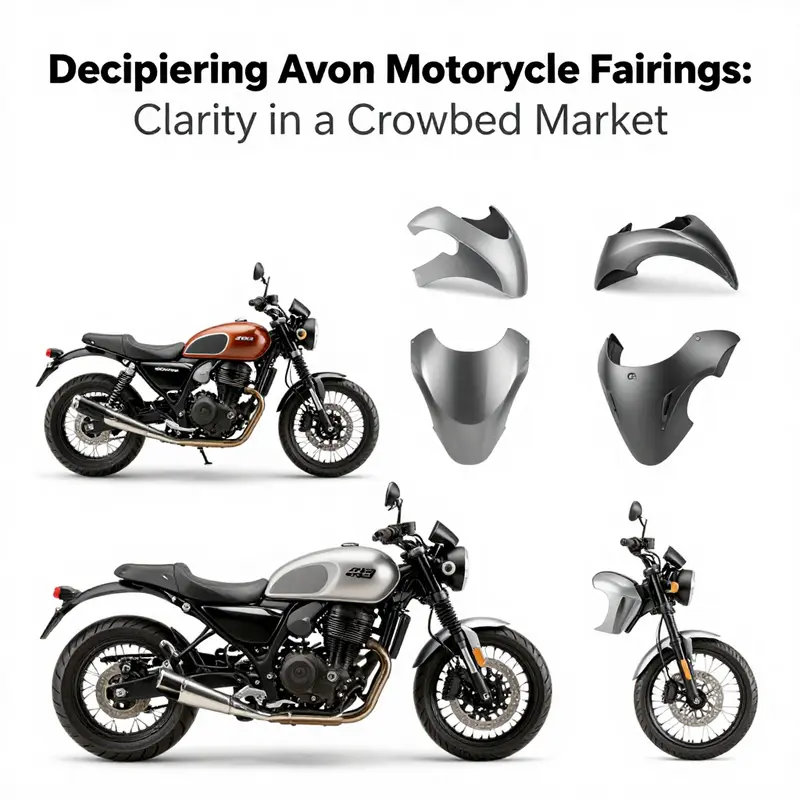
When riders begin to talk about Avon motorcycle fairings, the conversation often drifts beyond surface appearances and into the mechanics of how a fairing shapes every ride. Avon, in this context, stands as a prompt to explore the larger questions that riders face when equipping their machines: how a fairing is designed, what materials it uses, and how it integrates with a bike’s geometry to deliver both protection and personality. The market is crowded with options, and the lines between OEM components, aftermarket kits, and boutique composites can blur. In this landscape, Avon fairings become a case study in how form and function interact, how compatibility is verified, and how riders balance protection with aesthetics without losing the essence of what their bike is meant to feel like on the road or track.
To understand Avon fairings, one must first recognize the spectrum of shapes that define the category. Full fairings envelop a large portion of the motorcycle’s body, offering the most comprehensive wind management and aero efficiency. They create a smooth, continuous surface that directs air around the engine and rider, reducing fatigue on long commutes or during extended sessions on a circuit. In contrast, half fairings strike a middle ground. They preserve a more exposed engine contour and frame while still offering significant shielding of the upper torso and arms. Quarter fairings hover at the lean edge of coverage, providing a minimal but sharp statement of styling and a small boost in wind handling. Avon, like many makers, tends to position its offerings along this spectrum, aiming to deliver consistent fit, clean lines, and dependable performance that riders can rely on whether they’re chasing laps or looking for a more composed daily ride.
The decision among these formats is not simply about how much plastic covers the bike. It is about how the surface interacts with the rider’s posture, the bike’s saddle height, clip-on position, and wind envelope at typical speeds. A full Avon fairing can dramatically reduce rider fatigue by cutting through the slipstream and smoothing the pressure zones that build up at higher speeds. The half and quarter variants, meanwhile, emphasize the look and feel of the bike’s silhouette as much as the practical wind protection they offer. When an Avon kit is designed with careful attention to fitment, the result is a seamless transition where the lines of the fairing echo the bike’s natural curves rather than fighting against them. This kind of attention matters because, at the end of the day, riders judge a fairing by the way it makes acceleration feel, how stable the wind protection remains through corners, and how easy the panels are to install and maintain.
Material choice matters just as much as the silhouette. Avon, in its various offerings, typically uses a mix of high-grade ABS plastic and composites like fiberglass or light carbon fiber in more premium lines. ABS provides a balance of rigidity and impact resistance, which translates to resistance against cracks during a light tip or a low-speed crash and resistance to UV exposure that can otherwise make panels become brittle over time. Composite options bring a higher stiffness-to-weight ratio, which can improve the bike’s perceived responsiveness and the precision of those line-following edges that define a track-inspired ride. The trade-off, of course, is cost and potential repair complexity. A broader discussion of materials reveals how each choice influences not just weight, but also how the fairing behaves under stress. A lighter panel may feel more agile, but it can also flex a bit under a heavy gust or at high speed if the mounting points are not solid. A stiffer panel preserves steering precision but can transfer more vibration to the rider if the underlying structure isn’t tuned to the bike’s native mood. Avon’s approach, like many responsible manufacturers, tends to balance these variables to ensure that the fairing contributes to reasonable impact resistance and durability without sacrificing the crisp lines that define a well-cut profile.
The conversation about Avon fairings inevitably returns to fitment and compatibility. No matter how appealing a design is on paper, a fairing only fulfils its promise if it integrates smoothly with a given motorcycle make and model. This is where the shop floor becomes the proving ground. The right fairing aligns with the bike’s mounting points, parallels its curves, and respects the clearance around the engine, exhaust, and radiator systems. The wrong kit can feel loose, rattle under acceleration, or rub paint and plastics during turns. For riders, the diagnostic signal is plain: a perfectly matched Avon fairing should feel as if it grew there, not as if it was tacked on as an afterthought. This is why fitment guides, detailed instruction sheets, and model-specific catalogs matter. They translate the geometry of the bike into a concrete, actionable checklist: verify mounting holes align, confirm the air intake and cooling pathways remain unobstructed, and ensure that the mirrors, if retained, do not collide with the new panels. The emphasis on exact compatibility is not a pedantic afterthought; it is the essential condition that keeps wind management predictable and maintenance straightforward.
Beyond the mechanics of fitment, Avon fairings also invite a broader discussion about customization versus preservation. For riders who crave personal expression, aftermarket kits offer a canvas to alter the bike’s face without changing its core architecture. This is where the allure of custom or aftermarket lines comes into play. A well-chosen Avon kit can transform the bike’s appearance, matching a rider’s preferred aesthetic from aggressive, angular lines to a more sculpted, classic look. The process, however, is not merely about selecting a color or a decal set. It is a careful orchestration of materials, weight distribution, and aerodynamics. When a kit is designed with attention to join lines, edge radii, and mounting tolerances, the result is a cohesive surface that reads as a single instrument rather than a patchwork of panels. The rider experiences a sense of continuity and purpose—as if the bike’s weather protection and stance were forged together from the same design language, rather than assembled piece by piece. In such cases, Avon fairings become more than cosmetic enhancements; they become a functional extension of the rider’s sense of control and legibility on the road.
Market realities color this discussion as well. The research landscape surrounding Avon fairings reflects a broader pattern: users often encounter brand ambiguity, especially when a name is unfamiliar or when a brand is mistaken for another, more widely known maker. This is not a flaw in the product category but a reminder of the importance of due diligence. Riders should verify fitment through model-specific catalogs, confirm material specifications, and read installation notes carefully. The caution extends to the sourcing channel itself. Reputable retailers typically provide clear guidance on which models a given fairing covers and what tools are needed for installation. They also offer return policies that acknowledge the potential mismatch between expectation and on-bike reality. In short, Avon fairings, like any other fairings, perform best when purchased with a clear map of compatibility, supported by credible fitment guides and, ideally, a hands-on warranty or installation support.
As riders navigate these considerations, it is easy to see why a well-curated fairing selection becomes a fulcrum for riding joy. It is not simply about blocking wind or adding a new color; it is about how a piece of exterior hardware contributes to the entire riding equation. The right panel shape, the appropriate material, and a meticulous mount all converge to influence handling feel, power delivery perception, and even the soundscape around the rider’s cockpit. The result is an experience that fuses protection, performance, and personality into one uninterrupted ride. For some, the pursuit ends with a balanced choice that respects the bike’s original intent; for others, it begins a deeper engagement with the craft of motorcycle aerodynamics, where every edge and contour is a deliberate decision rather than a compromise.
For readers who want to explore the landscape further, a practical step is to examine category-specific catalogs that illustrate how fairings are organized by fitment. These resources help clarify what constitutes a full, half, or quarter fairing and demonstrate the kinds of mounting strategies used to attach panels securely without compromising the bike’s structure. A nearby reference point can be found in dedicated catalogs that group fairings by brand and model, and which also provide material details and installation notes. As a next step, riders can compare the visual and tactile cues of different kits—edge sharpness, panel gap consistency, and how the surface transitions from headstock to tail section. This kind of inspection cultivates a sensitivity to quality that goes beyond the initial aesthetic impression and enters the realm of long-term durability and performance. When the time comes to decide, the goal is to choose a fairing package that sustains its function through seasons of riding and through the inevitable bumps of real-world use.
To connect with practical examples and more detailed fitment mappings, riders can consult catalog pages that segment products by specific categories like bike model groups. For instance, a catalog page dedicated to a set of bike-specific fairings can be a useful orientation tool. Yamaha fairings catalog provides an illustrative sense of how such categorization looks in practice, helping readers gauge the level of specificity they should expect from each supplier. This approach makes it easier to navigate the sea of options and to glean what matters most for a given motorcycle and riding style. In the end, the goal remains consistent: a well-chosen Avon fairing should feel natural on the bike, contribute to a balanced aerodynamic profile, and offer a reliable path to personal expression on the road or track. For those seeking official specifications and broader corporate context, the brand’s own site remains an important reference point, even as they weigh fitment, material, and price against their particular riding priorities. See the official brand site for the most up-to-date technical data and fitment notes: https://www.avonmotorcycles.com/.
Avon-Style Fairings: Aluminum Armor, Aerodynamic Craft, and the Front-End Heritage
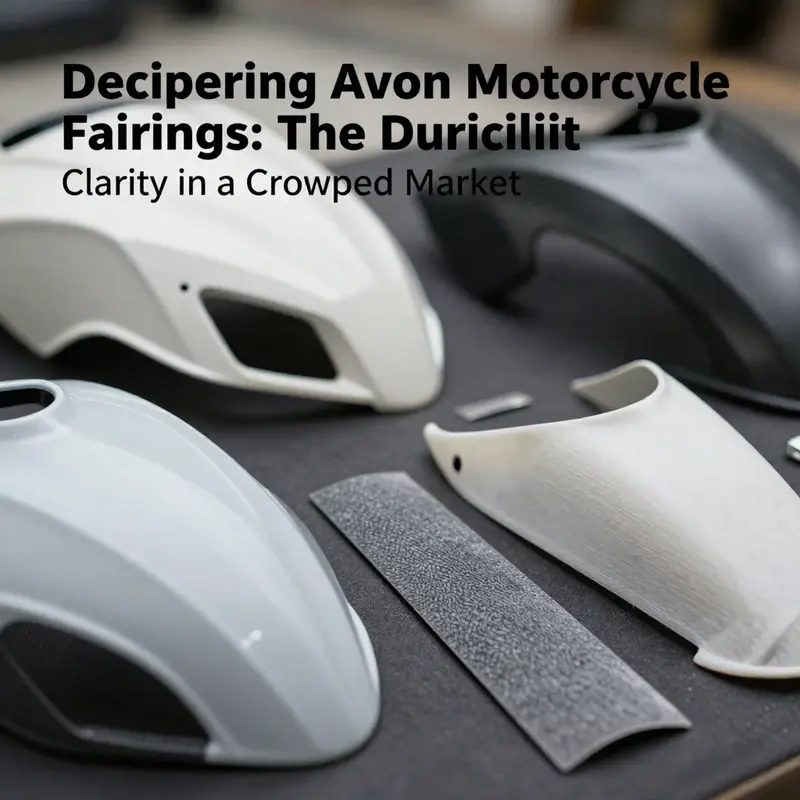
In the realm of motorcycle fairings, Avon-style designs emphasize rugged front-end protection, a clean silhouette, and predictable aerodynamics. A typical Avon-style shell uses a thick aluminum skin, commonly around 2 millimeters, chosen for impact resistance and a stable, torsion resistant form that helps minimize flex at speed. The aluminum skin shields the bike’s radiator, wiring, and instruments while contributing to a cohesive look that riders associate with durability and performance. A front-end system often integrates a headlight unit and a Plexiglas windscreen to create a seamless profile with fewer abrupt transitions, and mounting brackets and fasteners ensure repeatable alignment and reliable hold under vibrations and road input. This construction yields improved wind management, reduced surface roughness, and a sense of confidence for riders on highway miles or cornering sessions. Maintenance focuses on inspecting fasteners and seals, treating exposed edges to guard against corrosion, and rechecking mounting points after long rides. In practice, the Avon approach balances stiffness, protection, and aesthetics, offering a durable alternative to plastics that remains appealing to riders who value a classic, race inspired look and dependable front-end behavior. For those seeking model-agnostic guidance, catalog pages and category references help verify fit across marques and eras, with Yamaha fairings serving as a helpful touchstone for related content.
Avon-Style Fairings and Compatibility: Reading Universal Fit Against Real-World Motorcycle Models
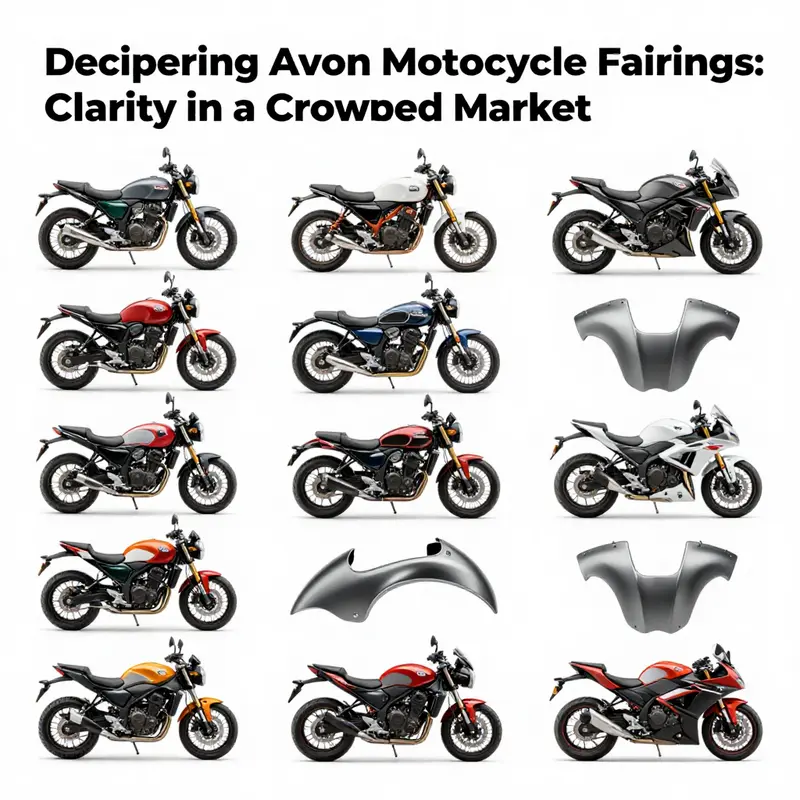
Fairings have long carried more than a simple sculpted shell for motorcycles. They shape aerodynamics, influence rider protection, and define the visual language of a bike. When a shop or a kit is advertised as Avon-style or universal-fit, the appeal is immediate: a single product line promises broad compatibility across many frames and years, a tempting shortcut for riders chasing a fresh look without chasing an exact factory match. Yet the allure of universal fit often masks a more nuanced truth. The body of a fairing might slide into place, but the supporting brackets, mounting points, and the geometry of one bike can demand careful adaptation for another. In practice, universal does not mean plug-and-play. It means an adaptable starting point, not a guaranteed finish line. This distinction matters because you are not merely aligning a shell with a frame; you are reconciling a set of design assumptions with a specific motorcycle’s architecture, every mounting point, every clearance, and every potential point of contact under pressure, wind, and road conditions.
The idea of Avon-style fairings resting on diverse frames rests on two core assumptions: a broadly compatible form and a flexible set of attachment points. The form must accommodate a wide range of profiles, from modern sportbikes to older standards, while the attachment system must tolerate variances in frame spacing, bolt patterns, and bracket thickness. In other words, the shell may be near-miss in its silhouette for many bikes, but the real limiter is not the plastic itself; it is how the fairing is mounted and how that mounting interacts with the bike’s core structure. A fairing body can physically fit on many motorcycles, but the bracket system often dictates whether it will ride true or sit awkwardly with gaps, misaligned edges, or stressed mounting points. The practical implication is clear: even when a kit is advertised as universal, a careful assessment of your particular model and year remains essential.
Industry experience reinforces this point with a practical observation. A widely cited caution from a parts retailer emphasizes a familiar refrain: the fairing may fit the bike, yet you will likely need to adapt the supporting brackets to suit your model. This caveat captures a larger truth about universal-fit designs. They are designed to be versatile, but versatility is achieved through modular, adjustable hardware rather than an exact, factory-perfect bracket set. The result is a process, not a single step. You begin with a shell that promises broad reach and end with a precise fitting story, written in measured modifications and deliberate checks rather than a seamless snap-on moment.
Understanding this dynamic helps separate the dream of convenience from the realism of installation. The body of the fairing is often engineered to align with common anchor points on a broad family of bikes, but the backstory—the frame geometry, tank mounting, radiator shrouds, and electrical routing—can be as unique as the bike itself. That is why the best-practice approach is to treat compatibility as a dialogue between the kit and the machine. Start with the manufacturer’s specifications for your exact make, model, and year, and then reach out to the seller with those details in hand. This conversation typically reveals whether the universal-fit claim is likely to be straightforward or if additional bracket fabrication, trimming, or reinforcement will be necessary. The practical outcome is a more accurate expectation of fitment time, potential costs, and the level of modification you should be prepared to undertake to achieve a clean, secure result.
As a guiding principle, measure before you mount. Take stock of the key anchors: the locations where the fairing’s upper and lower panels will attach, the width of the mounting rails, and the clearance around the steering head and the headlight assembly. Check how the fairing interacts with the windscreen: does the edge align with the wind line, and is there a risk of interference as you adjust the rake and ride height? These are not mere cosmetic questions. They dictate whether you will enjoy the intended airflow benefits, the protected rider silhouette, and the visual discipline the kit promises. If you find even small discrepancies, pause before forcing a misfit. The standard practice in this space is to document, compare, and, if necessary, engineer a targeted adaptation plan. This often involves custom brackets, small spacers, or re-drilled mount points to bring the shell into the same plane as the bike’s own geometry.
Material choice further shapes the installation experience. Original equipment manufacturer plastics typically emphasize rigidity, impact resistance, and finish that seamlessly accepts factory paints and clear coats. Aftermarket or universal kits, by contrast, present a spectrum of materials—from sturdy ABS to fiberglass composites and even lighter blends—each with its own handling quirks. ABS tends to be easier to form and repair, while fiberglass can offer a lighter weight but may demand more attention to consistent finish and moisture resistance. Because Avon-style or universal kits aim to fit a wide variety of frames, the material used also influences how forgiving the kit will be under modification. A kit that is too brittle risks cracking at mounting points during flex or under vibration, while a too-soft option may warp or peel at high speeds or in sun-exposed climates. The installer’s choice thus becomes a balance between structural integrity, cost, and the aesthetic truth you want the fairing to tell about your bike’s line.
The decision process should be thorough and patient. Begin with a clear assessment of your bike’s year, model, and any non-standard accessories installed—windshield height, headlight configuration, and even the presence of auxiliary electronics can alter the corridor through which the fairing must pass. You may discover that an exact, factory-molded piece would yield a faster, more seamless result, while a universal-fit option remains appealing for trials or for a bold, customized silhouette. In either case, the careful review of fitment data, a measured plan for bracket adaptation, and a candid acknowledgment of possible trimming or reinforcement keep you from rushing into a misfit scenario that can cause cosmetic flaws or mechanical interference.
From a buyer’s perspective, the compatibility question cannot be answered solely by an online listing or a glossy photo. You should seek model-specific guidance. The most practical source of reassurance is the model’s official specifications or direct confirmation from the seller, who can verify whether your exact combination of make, model, and year will respond well to the universal-fit premise. When in doubt, the extra step of confirming the bracket pattern and mounting hardware layout with a live technician or a knowledgeable retailer can save time, money, and frustration. In many communities, a local shop with hands-on experience in fitting aftermarket fairings can perform a pre-purchase fit check, assess bracket compatibility, and even sketch a plan for necessary modifications before any tools come out of the toolbox.
For readers who want to explore catalog options within a broader context, the fairings category provides a sense of how manufacturers segment these components and what kinds of fitment logic they employ. A reliable way to begin this exploration is to review the broader catalog that arranges fairings by model line and subcategory. Within such a catalog, you can compare how different kits align with the same baseline frame geometry and how the mounting hardware is designed to accommodate common variations across years. This approach helps you calibrate your expectations and prepare a practical installation roadmap rather than relying solely on claims of universal compatibility. If you are looking for a specific reference to a model range, you can examine the general Honda fairings category as a starting point for understanding bracket patterns, mounting points, and typical clearance tolerances. Honda fairings
The broader takeaway is simple: Avon-style fairings can be a compelling aesthetic and protection solution, but compatibility hinges on more than a single shell’s silhouette. It hinges on the nuanced fit between a multi-point mounting system and a bike’s exact frame geometry, including the ride height, bracket spacing, and any accessories that affect clearance. Even with a universal-fit claim, expect to perform a measured, informed installation that may involve bracket adaptation and perhaps minor fabrication. The reward, when done well, is a cohesive look that respects the bike’s original lines while delivering the protective and aerodynamic benefits the fairing promises.
External resources can provide practical context beyond the installation room. For readers seeking a broader overview of fairing sourcing, materials, and installation considerations, an external resource offers a practical compilation of tips and vendor guidance: https://www.motorcyclefairings.com/.
Shaping Identity on Two Wheels: Navigating Avon-Style Fairings in a Crowded Market
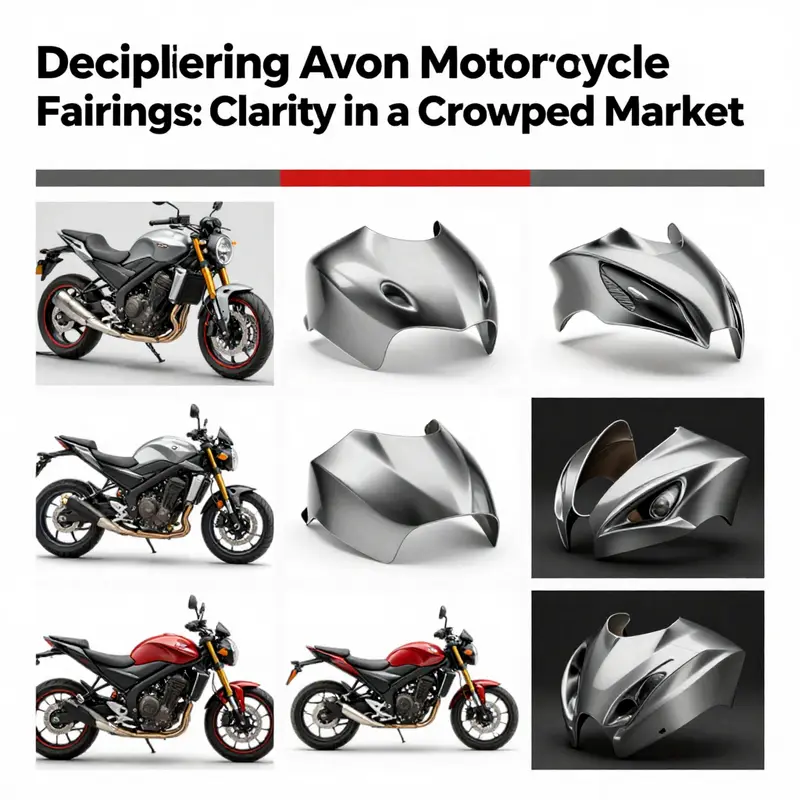
The shell of a motorcycle is more than a shield from wind and weather. It is a statement—an identity forged in curves and lines that can change the way a bike looks, feels, and performs. When riders begin to think about replacing or upgrading their fairings, they step into a market that is at once familiar and murky. Familiar because fairings are a long-standing product category with well-understood categories, materials, and fitment principles. Murky because every now and then a name surfaces that doesn’t sit easily within the established map of brands and makers. The name Avon, as it appears in some discussions about motorcycle fairings, is a case in point. In authoritative catalogs and mainstream databases, Avon does not stand out as a recognized, widely documented fairing brand. That ambiguity raises practical questions: How should a rider approach sourcing fairings when a brand’s provenance is unclear? What channels best serve riders seeking a trustworthy fit, quality, and value? And how should one interpret a listing that claims to be from Avon when no corroborating references are readily available in the mainstream lexicon of fairing manufacturers? These questions are not just about a single name. They point to a broader truth about the market: the path to a reliable fairing is built on clarity of fit, quality of materials, and the integrity of the seller as much as on the reputation of the brand itself.
To understand why Avon-like inquiries arise and how to navigate them, it helps to frame the fairing conversation around three pillars: compatibility, construction, and sourcing. Compatibility is straightforward in principle but tricky in practice. A fairing must align with the mounting points, dash layout, fuel tank shape, and sometimes even the exhaust routing of a given model. A mismatch can turn a seemingly economical upgrade into a cascade of install headaches, rattles, and cosmetic disappointments. The simplest way to mitigate this risk is to insist on model-specific compatibility. In the absence of a clearly identified brand, the buyer should lean on listings that clearly state model year ranges and provide precise part numbers or digital schematics. Construction matters just as much. Original factory parts are designed to meet exact tolerances and to maintain the integrity of aerodynamics, shielding, and weight distribution. Aftermarket alternatives vary widely in their approach to materials, thickness, and finish. ABS plastics are common for their balance of rigidity and impact resistance, but some products may use fiberglass or composite blends to shave weight. Each material class has its own footprint on durability and on how the piece behaves in temperature swings or when subjected to debris on the road. The third pillar, sourcing, is often where a so-called Avon-branded fairing would surface. In markets saturated with counterfeit and misrepresented products, a cautious buyer evaluates the credibility of the seller, the detail in product descriptions, and the transparency of warranties and return policies.
The broader market for motorcycle fairings is, effectively, a landscape of OEM parts and aftermarket offerings. OEM, or original equipment manufacturer parts, carry the strongest signal of intended fitment. They are designed to be exact replicas or direct replacements for components that left the factory, and they typically carry part numbers that can be traced back to the original model lineage. For riders who demand a perfect match and a clean install, OEM replacement parts often provide the most reliable route. Beyond OEM, there are established aftermarket channels that emphasize performance, aesthetics, or a blend of both. These are products designed to offer enhanced styling or reduced weight without compromising too heavily on structural integrity. Yet the market also includes entries that operate in the gray area—parts marketed under lesser-known names or under umbrella branding that can blur the line between genuine, verified fitment and speculative fitment. This is where diligence becomes the defining skill of the modern fairing buyer. If Avon is being encountered as a potential source, the prudent path is to approach with the same rigor applied to any uncertain listing: verify model compatibility; scrutinize the mounting points; assess finish and hardware quality; and confirm return and warranty terms before any commitment.
A practical framework thus emerges for evaluating any fairing listing, especially when it bears a name that isn’t widely named in the standard catalogs. First, insist on model-specific confirmation. A reputable listing will specify the exact year range, the model name, and the relevant sub-model or trim level. When possible, cross-reference the listing with official parts catalogs from the motorcycle’s maker or with a trusted aftermarket catalog that organizes parts by model. Second, examine the mounting philosophy. The fairing should align with standard fastener locations, bracket points, and ease of installation. If a seller cannot provide clear photographs of mounting points or a schematic showing bracket locations, this raises a red flag. Third, assess the material and finish. A genuine, well-made fairing will advertise its material composition and thickness range and will show consistent surface finish, molding integrity, and edge quality in photos. Edges should be clean, seams tight, and any painted surfaces free of overspray or fuzziness that would suggest an aftermarket coating process rushed or improvised. Fourth, check hardware and hardware compatibility. Are there mounting brackets, grommets, bolts, and spacers included? Are these standard hardware types, or are they proprietary to a specific brand? Clear, itemized listings with parts included reduce the risk of misaligned purchases. Fifth, evaluate the seller’s credibility. Return policies, warranty terms, and seller history matter. A seller who offers transparent return windows, clear warranty language, and a track record of consistent customer feedback provides a safer shopping environment than one who offers ambiguous terms or evasive responses to questions about fitment.
In the absence of definitive identification for Avon as a recognized fairing producer, a reader might still want a productive navigation strategy. A robust approach begins with acknowledging that the fairing ecosystem is organized around both vehicle maker identity and model specificity. When a badge name is unfamiliar or unconfirmed, the user’s next step should be to locate a model-specific, model-year-specific listing that ties the part to a known, verifiable reference point. This means looking for exact fitment notes, photos of the backside where mounting points are, and measurements that can be compared to the bike’s original mounting geometry. In parallel, riders can consult a trusted, model-oriented catalog or retailer that aggregates fairings by model category rather than by brand alone. These catalogs provide the practical grammar for compatibility: the shapes that define the silhouette, the line of the windshield, the angle at which the belly pan attaches, and the cut lines around the headlamp cluster. The narrative around a product does not stand alone; it converges with the bike’s structural and aerodynamic language to determine whether a particular piece belongs on a specific machine.
For readers seeking a concrete, navigable path in concrete terms, there are established sources that work well as starting points. A dedicated online retailer that specializes in motorcycle fairings organizes products by exact vehicle type and model, features detailed material descriptions, and includes installation guidelines. This kind of resource is invaluable when exploring a name like Avon, because it provides a framework to compare claimed fitment against the model’s official geometry. The value of such a catalog grows when it also clarifies whether the product is a full fairing, a midsection upgrade, or a headlight fairing component. The clarity of these categorizations can help a buyer quickly separate full body replacements from partial coverings, which in turn informs weight, balance, and center of gravity considerations during ride dynamics. In practice, a buyer moves from curiosity about a named source to a focused, criteria-driven evaluation of listings, and ultimately to a confident decision grounded in compatibility, quality, and credible sourcing.
A useful way to anchor this exploration in real-world practice is to view the process through the lens of a hypothetical, careful shopper who treats Avon as a research prompt rather than a guaranteed brand. This shopper would begin by measuring critical points on the bike: the distance between mounting bosses, the shape of the tank cutout, the curvature around the radiator housing, and the alignment of the headlamp cavity. They would then seek listings that provide precise model-year data and part numbers, and would request from sellers confirmation of these details. They would compare the claimed materials with visible indicators in product photos and would probe about whether the piece includes necessary brackets or uses the bike’s existing hardware. They would also examine the finish across all painted surfaces, the quality of edge work, and the consistency of joint lines. Only after gathering this information would they consider the price, balancing cost against the risk of misfit, return friction, and potential warranty complications.
In this context, the journey toward acquiring fairings—whether Avon-branded or not—transforms into a disciplined search for fit and faith in the supply chain rather than a quick purchase based on name recognition alone. Riders who develop this discipline not only secure better aesthetics and protection; they also preserve the resale value of their machines by avoiding damage that can result from incorrect or incompatible parts. The market rewards patience and verification. It rewards listings that provide explicit, model-specific information and that welcome questions with prompt, precise answers. It punishes listings that rely on vague claims, generic pictures, or hidden terms. And while the curiosity about a name like Avon may be natural, it should lead, not to a gamble, but to a rigorous evaluation anchored in the same principles that govern any serious fairing purchase.
For readers looking to broaden their understanding of model-specific fitment and finished presentation, a practical touchstone is to browse model-category pages that align with the bike family you ride. A catalog or retailer that segments items by model and year helps translate the abstract geometry into tangible expectations about how a fairing will sit, how much weight it adds, and how it will respond to airflow at speed. As a reminder, the goal is not to chase a brand identity in isolation but to confirm that the piece you are considering truly belongs on your machine, respects the bike’s balance, and respects the system of mounting points that keep the whole assembly secure at 140 miles per hour or in a routine stop-and-go commute. The discussion around Avon thus becomes a case study in due diligence rather than a definitive verdict on a single brand.
To close this chapter with practical orientation, consider the value of consulting credible, model-focused sources and letting those sources guide your evaluation of any unfamiliar name. When the search surfaces a brand that is not well represented in mainstream references, the prudent path is to treat it as a prompt to compare against verifiable references rather than a conclusion in itself. In the end, the right fairing—the one that fits precisely, performs reliably, and preserves your bike’s lines—will emerge not from brand prestige alone but from thoughtful selection guided by fitment integrity, material quality, and transparent sourcing. For readers who want a tangible anchor in their search process, a well-organized catalog such as the Honda fairings category can serve as a reliable reference point for understanding common geometry and alignment patterns that recur across many models and brands. Eked out through careful comparison, the path to a satisfying update becomes less about chasing a name and more about securing a cohesive, well-integrated addition to the machine.
For those who wish to explore further, an external resource provides a broader frame of reference on fairing sourcing and model-specific compatibility, and it is included here as a reference point for readers who want to deepen their practical understanding: https://www.avonmotorcycles.com.
Final thoughts
Understanding the intricacies of motorcycle fairings, especially regarding the Avon brand, equips business owners with the knowledge needed to navigate the complex market of motorcycle accessories. From differentiating between types of fairings to assessing the materials used, and ensuring compatibility with motorcycle models, each aspect is vital for informed purchasing decisions. By sourcing from reputable suppliers and having a clear understanding of market terms, businesses can improve their offerings and cater effectively to customer needs. The insights shared throughout this article serve not only to clarify the confusion surrounding Avon motorcycle fairings but also to empower business owners with actionable intelligence for success in the motorcycle market.