
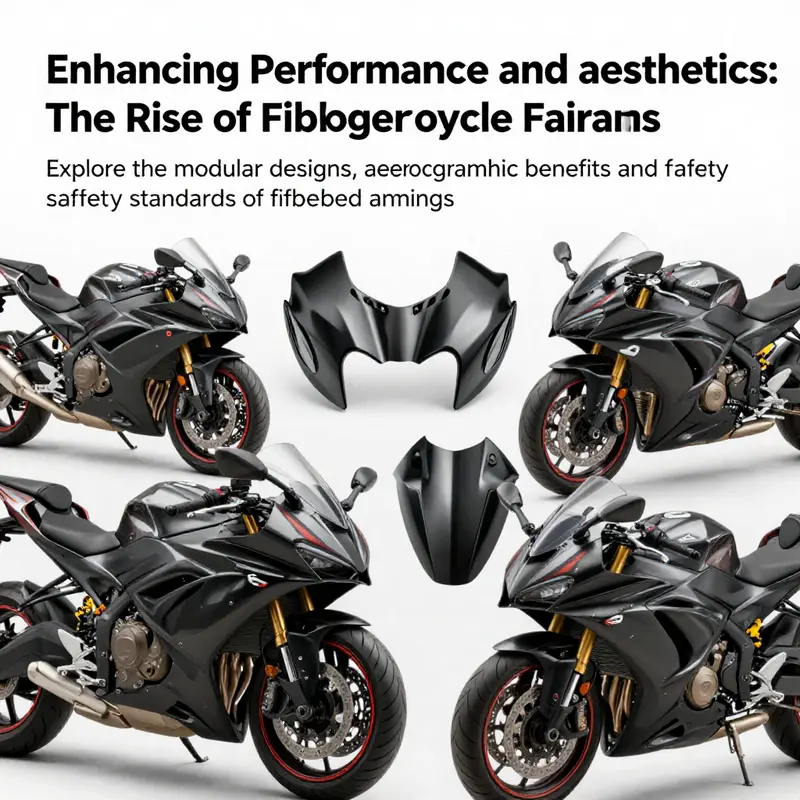
The motorcycle industry continues evolving, with fiberglass motorcycle fairings emerging as a favored choice among riders and manufacturers alike. Riding enthusiasts are increasingly seeking solutions that not only enhance the aesthetic appeal of their bikes but also improve performance and safety. This article examines three critical aspects of fiberglass fairings: the flexibility of modular customization that meets diverse rider needs, the aerodynamic advantages contributing to superior handling and performance, and the rigorous safety standards that ensure rider protection. By exploring these attributes, business owners can better understand how fiberglass fairings can influence consumer choice and enhance their offerings in the competitive motorcycle market.
Shaping the Ride: The Subtle Power of Modular Fiberglass Fairings
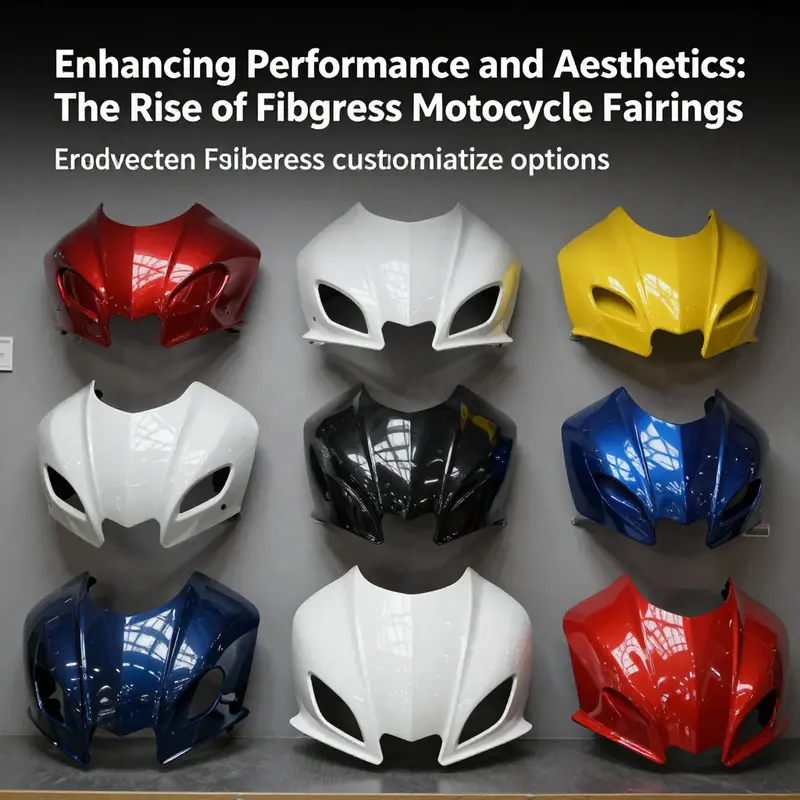
Fiberglass motorcycle fairings have moved beyond being mere cosmetic shells. They sit at the intersection of performance engineering and personal expression, presenting a design philosophy that treats each rider as an active co-designer of their machine. The core idea is modular customization: a system that lets riders swap, replace, or modify individual panels rather than overhaul the entire shell. This approach blends the strengths of fiberglass—lightweight strength, repairability, and high tolerance for shaping with complex curves—with a philosophy that values adaptability, efficiency, and style. In practice, modular fiberglass fairings let a rider evolve the look, adjust the ride’s aerodynamics, or reconfigure the bike for a different season or race class without the downtime and cost of a full fairing replacement. The logic behind this design is straightforward yet powerful: when a single panel can be exchanged in minutes, a bike becomes more than a fixed platform. It becomes a canvas that can shift with weather, performance goals, or personal mood.
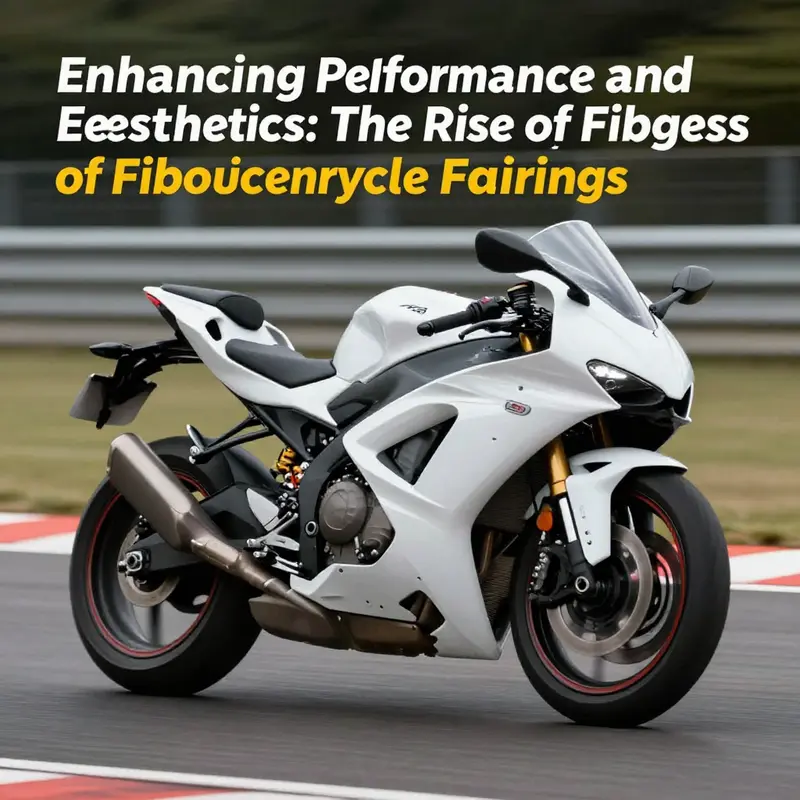
That shift toward modularity also aligns with the realities of modern motorcycling culture, where riders demand both performance benefits and a high degree of customization. A lighter shell translates directly into tangible performance gains. Every gram saved in the fairing reduces the overall mass the engine must propel, which in turn enhances acceleration, cornering responsiveness, and steering feel. The aerodynamic shape, carefully engineered but accessible to modification, reduces drag and helps the machine slice through air with less effort. This translates into smoother high-speed stability and, for long jaunts or race-day sessions, steadier handling in headwinds and gusts. In the modular paradigm, those aerodynamic advantages are not a one-size-fits-all proposition. Riders can select panels and vents that match their track demands or daily commute, preserving the core drag-reduction benefits while tailoring the flow to local conditions. The net effect is a balance of speed, efficiency, and rider comfort that stands up under the demands of varied riding contexts.
A common feature of these kits is the emphasis on practical customization. Panels can be swapped individually, allowing a rider to update graphics, color schemes, or textures without replacing the entire fairing. The front cowling, side panels, belly pans, and fender sections each become interchangeable modules. This design ethos speaks to both aesthetics and practicality: it is as easy to adjust a bike’s look for a weekend track day as it is to swap panels for a new race livery, or to repair a damaged section after a light impact without a full teardown. The modular approach also lends itself to iterative maintenance. If a panel shows wear, a rider can refresh that section while retaining the rest of the shell. The waste generated by such selective upgrades is correspondingly reduced, aligning with broader sustainability goals in a sport where riders often seek long-term value from their gear.
The engineering behind modular fiberglass fairings is, at its heart, a story of precision and compatibility. High-quality kits are designed to fit with careful tolerances, ensuring seamless transitions between panels and reliable aerodynamics even after adjustments. The goal is to preserve the integrity of the original wind profile while allowing for customization, so the drop in drag that benefits top speed and fuel economy remains consistent across panel swaps. Precision fitment reduces the risk of gaps that could compromise airflow or cause flutter at highway speeds. This is not mere cosmetic patchwork; it is a structured system where each module is tuned to work with others, maintaining the overall stability of the bike’s bodywork at high velocity. Good engineering also means thoughtful attachment methods—mounting points that align with factory interfaces, quick-release mechanisms where appropriate, and compatible fasteners that enable field swaps with standard tools. The best modular kits anticipate the realities of maintenance on the road and in the workshop, allowing for straightforward disassembly and reassembly without specialized gear.
From a rider’s perspective, this modularity offers a practical route to personalization without the risk of over-investing in a single look. A rider can experiment with color blocking, decals, or graphics in a way that would be far more costly if every panel required replacement. The ability to mix and match colors or finishes opens up a spectrum of visual possibilities, from bold race-inspired schemes to subtle, street-friendly aesthetics. And because the panels can be replaced individually, owners can refresh only the areas that need updating, preserving investment in the other panels when a new design or season arrives. Beyond the aesthetics, however, modular customization also supports functional adaptation. Different track days or street environments may benefit from particular panel configurations that optimize air intake, cooling, or protection. A rider can tailor the face of the bike to invite more airflow in hot weather or to close certain vents for a more streamlined appearance when extra speed is the priority. In all these cases, the essence of modularity remains constant: change is a feature, not a risk, and it is designed to be undertaken with confidence and efficiency.
A critical dimension of modular fiberglass fairings is their compatibility with model-specific frames and mounting systems. Reputable kits are engineered to align with precise geometry so they do not demand extensive modifications to the bike’s chassis or subframes. The installation trajectory is typically straightforward enough to be accomplished by riders who have basic mechanical aptitude, with clear guidelines that map to common mounting points and standardized fasteners. This user-friendliness does not compromise safety or performance. Manufacturers and experienced builders emphasize that the resulting assembly should feel as solid as a traditionally built fairing, with no rattles, gaps, or misalignments at speed. The best designs integrate air management features—intake ducts, vents, and rain channels—in a way that keeps the original aerodynamic intent intact while expanding the range of customization. The outcome is a fairing system that looks as if it belongs on the bike from day one, with the confidence that performance and protection remain uncompromised during aggressive riding or long-distance touring.
Visually, modular fiberglass fairings offer a degree of flexibility that is particularly appealing. The same shell can support a spectrum of finishes—from glossy to matte, from solid colors to graphic overlays—without the need for wholesale replacement. This flexibility makes it easier for riders to keep their machines current with evolving tastes or sponsorship requirements. It also enables the creation of distinct “looks” for different occasions, such as a sober, stealthy street bike for daily use or a high-visibility, race-ready configuration for a track weekend. The modular design absorbs style shifts with a minimal footprint in both time and money, while preserving the underlying structural and aerodynamic advantages that motivated the choice of fiberglass in the first place.
The practical realities of purchasing and outfitting modular fiberglass fairings are also worth considering. In today’s aftermarket landscape, a wide range of kits emphasizes modular design as a core selling point. These offerings promise quick panel swaps, tool-free or tool-light assembly, and reliable fitment, often backed by performance-oriented claims such as improved handling, reduced drag, and more predictable aerodynamics across panel configurations. Buyers should look for kits that provide comprehensive mounting hardware, clear installation instructions, and consistent panel tolerances. When a kit meets these criteria, the rider can enjoy a smoother upgrade path, where a new look or a refined air-management solution can be achieved without a professional refit. In addition to performance and aesthetics, the modular approach can help extend the life of the bike’s bodywork by concentrating wear on replaceable panels that can be renewed or refreshed as needed, rather than forcing replacements across the entire shell.
In the broader context of customization culture, modular fiberglass fairings resonate with a DIY ethos that values hands-on engagement with the bike. This is not about abandoning professional workmanship but about empowering riders to participate more deeply in the evolution of their machines. The process of selecting panels, testing fitment, choosing textures, and revising the layout becomes part of the ride’s ongoing story. It also invites a community of makers and riders to share configurations, ideas, and lessons learned from practical field use. A modular system invites experimentation with efficiency and aesthetics in parallel, encouraging riders to measure how changes in panel layout affect handling, wind comfort, or even heat management during long sessions on sun-scorched pavement.
Market access for these modular kits has grown through global marketplaces, which often feature modular designs as a central selling point. The appeal is simple: change is affordable, repeatable, and scalable. A rider may start with a basic, solid-color front end and gradually introduce accents, logos, or division lines as desired, maintaining the same performance envelope throughout. For those who track their bikes or participate in events, the modular route also enables rapid turnarounds between sessions, where a single panel swap can adapt the bike for a different class or rule set without requiring new hardware or a full repaint. This adaptability is especially valuable for riders who use their bikes across several contexts, from weekend canyon runs to light competition, because it removes the friction that often accompanies style or performance adjustments.
Finally, there is a practical realism to modular fiberglass fairings that should not be overlooked. The material itself—fiberglass reinforced with resin systems—offers a balanced blend of rigidity and impact resistance, with repairability that is often more straightforward than that of composite alternatives. Scratches, minor cracks, or paint damage can be addressed panel by panel, reducing downtime and cost. The modular framework enhances this advantage by isolating damage to a particular panel and limiting the scope of repair work. And even when a full repaint or a complete re-paneling is on the horizon, modularity helps ensure the transition remains cost-efficient and technically straightforward, preserving the bike’s overall weight distribution and aerodynamic integrity.
For readers who want to explore concrete examples of modular concepts in catalog form, many listings highlight the practical language of panel interchangeability. In catalog copy, the emphasis is on the ease of swapping front cowling or side covers without professional tools, and on how the modular pieces interlock with precision to maintain a clean, integrated silhouette. The narrative is less about one-off fashion and more about a robust framework that keeps pace with changing tastes, racing requirements, and maintenance realities. The resulting ride is not only lighter and more efficient but also more personal, a motorcycle that speaks to the rider’s evolving preferences without forcing an expensive, comprehensive redesign each time a new look or a new performance target is in order.
In sum, modular customization in fiberglass motorcycle fairings embodies a practical ideal: a bodywork system that is as adaptable as the rider who uses it. It harmonizes lightweight durability with precise fit, enabling rapid aesthetic and functional adjustments while preserving or enhancing aerodynamic performance. It supports a tactile, hands-on approach to ownership and a shift away from fixed, monolithic shell designs toward an ecosystem of interchangeable panels. It invites riders to think of their fairings not as static protection but as dynamic, evolving components that contribute to how the bike feels, handles, and projects its personality on the road. For enthusiasts who crave both performance and personalization, modular fiberglass fairings offer a pathway to keep the bike current with fewer compromises, a more sustainable upgrade cycle, and a continually refreshed riding experience.
For readers seeking a direct sense of how these ideas are organized in market catalogs, a good starting point is the dedicated fairings catalog that groups modular components by panel type and compatibility. Kawasaki fairings catalog provides a practical example of how modular concepts are presented and indexed, illustrating the balance between universal fit, precise panel delineation, and visual customization that underpins successful modular kits. Real-world listings also demonstrate how a single rider can tailor the aesthetic while preserving the performance architecture that makes fiberglass fairings a compelling alternative to more traditional materials. The broader takeaway is that modular design is less about a single feature and more about an integrated system that aligns with the way riders use their machines across years of riding.
As with any significant aftermarket choice, prospective buyers should approach modular fiberglass fairings with a clear sense of their priorities. If the aim is to minimize downtime while maintaining a high standard of fit and finish, a modular approach makes sense. If the priority is ultimate top-speed performance on a specific track, the focus should be on how panel configurations influence cooling, aerodynamics, and weight distribution. If the goal is for a personal statement that reflects taste and personality, the ease of swapping panels to refresh color and graphics is a compelling motivator. And if sustainability matters, the ability to refresh or replace only parts of the shell, rather than the full fairing, can reduce waste and extend the life of the entire bodywork system. The modular concept, then, is not a hobbyist curiosity but a practical philosophy that aligns with how riders actually use, adjust, and care for their motorcycles over time.
External reference: A practical glimpse into current modular options can be found in online listings that emphasize easy panel swaps and precise fitment, including catalogs that highlight the modular construction of fairing sets. For a concrete example of modular design in a real market listing, you can explore the product detail page that showcases swap-friendly panels and the emphasis on maintaining aerodynamic integrity through modularity: https://www.alibaba.com/product-detail/KAWASAKI-NINJA650-2020-2023-Motorcycle-Fairings_1601084974128.html
null
null
On the Right Side of the Wind: Safety Standards that Shape Fiberglass Motorcycle Fairings
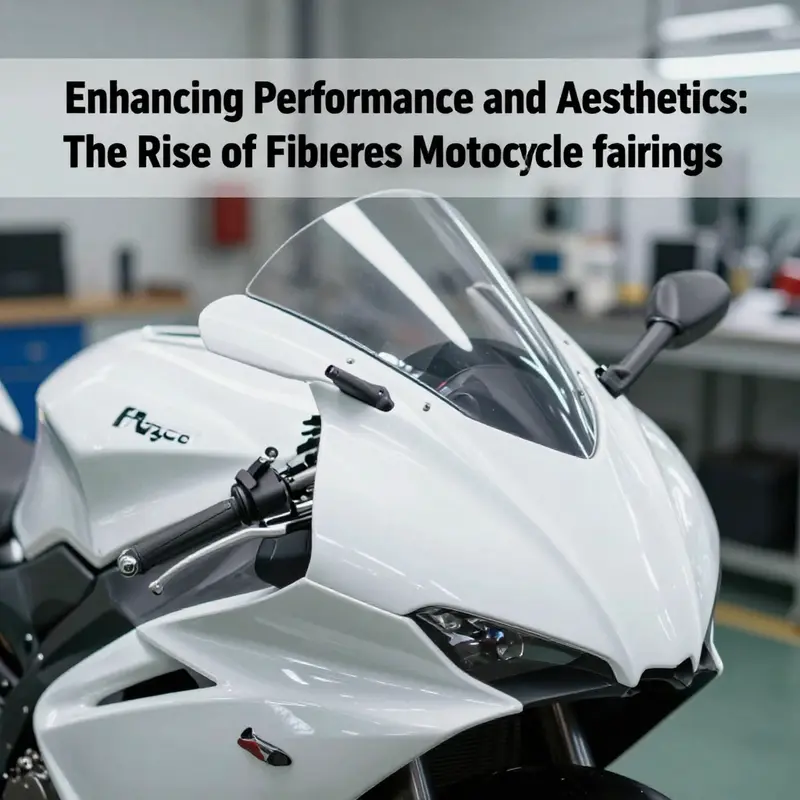
Fiberglass motorcycle fairings have earned a reputation for delivering a compelling blend of aerodynamic efficiency, tactile feedback to the rider, and a customization-friendly surface that can be reshaped without a full replacement. Yet the allure of lighter weight and modular styling must be balanced with a rigorous attention to safety and conformity. In this chapter, we trace how safety considerations and regulatory expectations influence the design, production, and installation of fiberglass fairings, and how riders can navigate these standards to maintain both performance and protection on the road.
The central premise of fiberglass fairings is their structural behavior under dynamic conditions. Fiberglass composites, while robust for their weight class, exhibit a different failure profile than metals or newer carbon-based systems. Under a high-speed impact or a heavy collision, a fiberglass component may crack or shatter more readily than advanced composites, potentially producing sharp fragments. This reality does not render fiberglass unsafe; it simply sets a design challenge: the fairing must be engineered to minimize fragmentation and to absorb energy in a controlled manner. Engineering teams address this through targeted reinforcement, strategic layups, and the integration of energy-dissipating materials in critical zones. The result is a product that maintains aerodynamic integrity in everyday riding while offering enhanced protection when the stakes rise. It is a careful balance: keep the aerodynamic envelope intact, preserve the rider’s line of sight and protection, and prevent secondary hazards from debris.
To translate performance into safety, manufacturers and regulators rely on a framework of impact resistance and fragmentation controls. While there is no universal mandate that every fiberglass fairing must pass a specific crash-test standard in all jurisdictions, the design philosophy often aligns with robust internal testing and with broader vehicle safety expectations. In many cases, manufacturers voluntarily adhere to enhanced internal quality control standards because the fairing’s performance directly affects how a bike handles wind, steering response, and rider fatigue during long rides. The goal is not merely to pass a test; it is to ensure that in a collision, the fairing behaves predictably, contributes to the rider’s protection, and minimizes risk to others on the road.
The regulatory landscape that imprints these expectations is diverse. In the United States, the Department of Transportation sets baseline safety standards for motorcycle components. However, DOT standards focus more on lighting, braking, and fundamental vehicle safety rather than prescribing material-level performance for fairings. This creates a space in which manufacturers can pursue higher safety margins through voluntary compliance or certification programs without losing the flexibility needed to optimize weight and aerodynamics. In Europe, the regulatory environment is more explicit about protective equipment and vehicle components through bodies like the Economic Commission for Europe. Regulations such as ECE guidelines influence the testing practices that manufacturers may follow, especially for components that interact with rider protection and structural integrity during accidents. While ECE R120 does not govern fairings in a direct, prescriptive way, it serves as a touchstone for the kinds of impact resistance and material safety considerations that many manufacturers adopt as best practices.
The practical implication for riders is twofold. First, the installation of fiberglass fairings must be performed with care and precision. Poor mounting can introduce vibration, wind noise, and turbulence that degrade stability at speed and heighten fatigue. Worse, improper mounting can create point loads that stress the fairing and surrounding frame, potentially reducing energy absorption capability in a crash and increasing the chance of component dislodgement. A properly engineered mounting system, coupled with correct torque specifications and compatible hardware, helps ensure the fairing maintains its intended aerodynamic performance while contributing to overall motorcycle safety.
Second, riders should look for fairings that reflect thoughtful design around impact zones. Some aftermarket kits include reinforced sections in areas known to experience higher collision forces or cornering loads. Energy-absorbing materials, such as strategically placed foam inserts or compliant composites, may be integrated to reduce the risk of sharp edges becoming projectiles or causing secondary injuries. These design features are not mere add-ons; they are part of a coherent safety strategy that harmonizes weight, stiffness, and energy management to preserve rider protection during an accident.
The conversation about safety also intersects with the ethics of material choice and the practical realities of maintenance. Fiberglass is comparatively easy to repair, repairability being one of its practical advantages. For riders who are comfortable with basic panel repair, damaged sections can often be replaced or mended without deep structural surgery. This repairability advantage, however, should not be mistaken for a license to neglect maintenance. Regular inspection for cracks, delamination, or moisture intrusion is essential because water and heat can compromise resin networks and reduce the effectiveness of energy absorption features. Moreover, the ability to repair a fairing cheaply and quickly does not absolve riders from proper riding practices and protective gear. A fairing cannot compensate for inadequate protective equipment or reckless riding; it can, however, reduce the risk by maintaining a stable wind envelope and protecting vital components from debris and weathering.
From a manufacturing standpoint, there is a steady evolution toward material hybrids and enhanced resin systems. The push is toward increasing stiffness where it matters most for aero performance while preserving enough compliance to absorb shocks without failing suddenly. Hybridized constructions blend fiberglass with reinforcing layers or polymer resins chosen to improve impact resistance and to manage delamination risk. The challenge is to achieve these gains without adding prohibitive weight or compromising repairability. This balance is not merely a technical concern; it shapes the feel of the bike on the road. A well-designed fiberglass fairing should feel like an extension of the motorcycle’s chassis—responsive to the rider’s input, stable at high speeds, and forgiving in the event of a miscalculation.
For enthusiasts who crave both style and safety, the modularity of fiberglass fairings is a double-edged sword worth understanding. The ability to swap individual panels—front, sides, or tail sections—allows riders to refresh the bike’s look without draining resources on a full kit. Yet modularity also introduces considerations about fit and integrity. When replacing a single panel, compatibility with mounting points, alignment with neighboring panels, and consistent surface finish must be verified. Even small misalignments can alter airflow patterns, potentially altering drag, lift, or buffeting. The safer path is to rely on components designed to integrate with specific model lines and to follow installation guidelines that account for tolerances and the bike’s existing aerodynamics. In practice, this means choosing kits crafted to align with the bike’s original geometry and using matching hardware and mounting strategies that preserve the intended safety margins.
The topic of compliance naturally leads to the topic of testing. While formal crash testing for every fiberglass kit is impractical in the aftermarket space, reputable manufacturers often subject their products to rigorous internal tests that simulate real-world conditions. These tests may cover impact resistance in key zones, fragmentation behavior under controlled energy inputs, and durability under vibration and temperature variations that mimic road life. This approach provides a practical assurance for riders who demand dependable performance rather than theoretical guarantees. When such testing is transparently documented, it becomes a telling signal of a company’s commitment to safety beyond the minimum. For riders, this knowledge translates into greater confidence when they choose a kit and mount it on their bike, knowing that the product aligns with a culture of quality and care rather than a minimal compliance posture.
A rider’s decision-making process regarding fiberglass fairings, then, sits at the intersection of performance expectations and safety commitments. The weight savings and aerodynamic shaping promised by fiberglass must be weighed against the potential for fragmentation and the necessity of secure mounting. This assessment is not about choosing between fiberglass and other materials in a binary sense; it is about selecting products whose design ethos prioritizes predictable behavior in both calm and chaotic riding scenarios. When riders demand the highest levels of reliability, they often seek out kits with robust impact zones, reinforced joints, and energy-damping features. They also prioritize compatibility with their bike’s frame geometry and wheelbase because even modest deviations can ripple through the aerodynamics, altering stability and control at highway speeds.
The role of standards, while sometimes abstract, is tangible in daily riding. Standards shape the expectations of manufacturers and set benchmarks that influence the cues riders use to evaluate products. A kit that quotes a high resistance to impact, a well-integrated energy-absorbing layer, and a tested mounting system signals a disciplined engineering approach. This, in turn, translates into a more predictable ride—one where wind noise remains manageable, where buffeting is minimized, and where the rider’s focus can stay on navigation, line selection, and throttle control rather than the nuisance of fluttering panels or rattling fixings. In environments with diverse climate conditions, the resin systems and fiberglass layups also determine how well a fairing resists UV degradation, moisture ingress, and temperature-induced expansion, all of which affect long-term safety and plastic fatigue resistance.
From a rider’s perspective, safety is not an abstract ideal but a practical discipline. It manifests in the installer’s diligence, the kit’s engineering claims, and the ongoing maintenance routine. It means confirming that the kit uses compatible mounting hardware and that the fit is checked after the first ride and after every significant impact or collision. It means inspecting for loose fasteners, ensuring that seals and gaskets around the cockpit area maintain weatherproofing without compromising flexural behavior, and verifying that the integrated aerodynamic surfaces do not introduce unexpected loads on the forks or steering linkage. It also means staying informed about evolving standards and how they may influence the recommended service intervals or the availability of updated components. The rider who treats safety as an ongoing practice, rather than a one-time concern during purchase, is the one who sustains both performance and protection as the bike ages.
In closing the practical loop, the discussion of fiberglass safety standards is not a dry regulatory aside. It is a living dialogue that shapes how fairings contribute to a bike’s overall safety envelope. It explains why some manufacturers emphasize reinforced impact zones, why some kits include energy-absorbing inserts, and why installers are urged to follow precise torque specs and alignment procedures. It also explains why the aftermarket landscape can feel rich and varied: a wider selection of shapes, finishes, and fitment options exists because safety and performance can be achieved through different design choices, provided those choices are backed by thoughtful engineering and responsible manufacturing practices. For riders, the takeaway is clear. Choose fairings not only for their looks and weight savings but for the clarity of the safety story behind them. Look for products that demonstrate a coherent design philosophy—one that respects the rider’s safety, acknowledges the realities of road impacts, and aligns with respected testing and quality-control practices. And recognize that the right fairing, installed and maintained with care, can become an invisible partner in the ride, contributing to stability, comfort, and confidence across long distances and high-speed stretches alike.
To connect these ideas with real-world accessibility, riders often explore existing aftermarket ecosystems that provide compatible options across model lines. When interested in a platform that curates a wide range of fairing styles while emphasizing compatibility, riders can explore a curated selection such as Kawasaki fairings collection. This reference is not a substitute for model-specific guidance from manufacturers, but it can serve as a practical starting point for assessing fitment logic, panel replacement strategies, and the availability of reinforced panels designed to meet safety-conscious engineering standards. It is toward such practical resources that riders can turn when they wish to balance aesthetics with the traction of tested, safety-minded engineering in fiberglass systems.
The broader takeaway for enthusiasts and builders alike is that fiberglass fairings live at a productive intersection of weight, stiffness, and protection. The safety and standards narrative is not about limiting creativity; it is about ensuring that the very ideas that make fiberglass appealing—modularity, repairability, and aero efficiency—do not come at the expense of rider protection or public safety. When safety is embedded in the design philosophy, when test results are translated into tangible features, and when installation practices honor precise tolerances, fiberglass fairings can offer a compelling blend of form and function that stands up to the demands of real-world riding. This is where the story of fiberglass fairings converges with the rider’s pursuit of a safer, more efficient, and still visually expressive motorcycle experience.
External resource for further reading: a comprehensive overview of vehicle safety regulations and their implications for motorcycle components can be found through the European Commission’s vehicle safety portal, which provides regulatory context relevant to designers and riders alike. https://ec.europa.eu/growth/sectors/automotive/vehicle-safety_en
Final thoughts
In summary, fiberglass motorcycle fairings present a compelling option for both motorcycle enthusiasts and businesses targeting performance-driven consumers. Their modular nature allows endless customization, while the aerodynamic benefits directly enhance performance and fuel efficiency. Furthermore, compliance with safety standards ensures that these fairings not only look stylish but also provide essential protection for riders. As the motorcycle market continues to evolve, the integration of high-quality fiberglass fairings offers a path to satisfy demanding riders while also enhancing business offerings in a competitive landscape.