
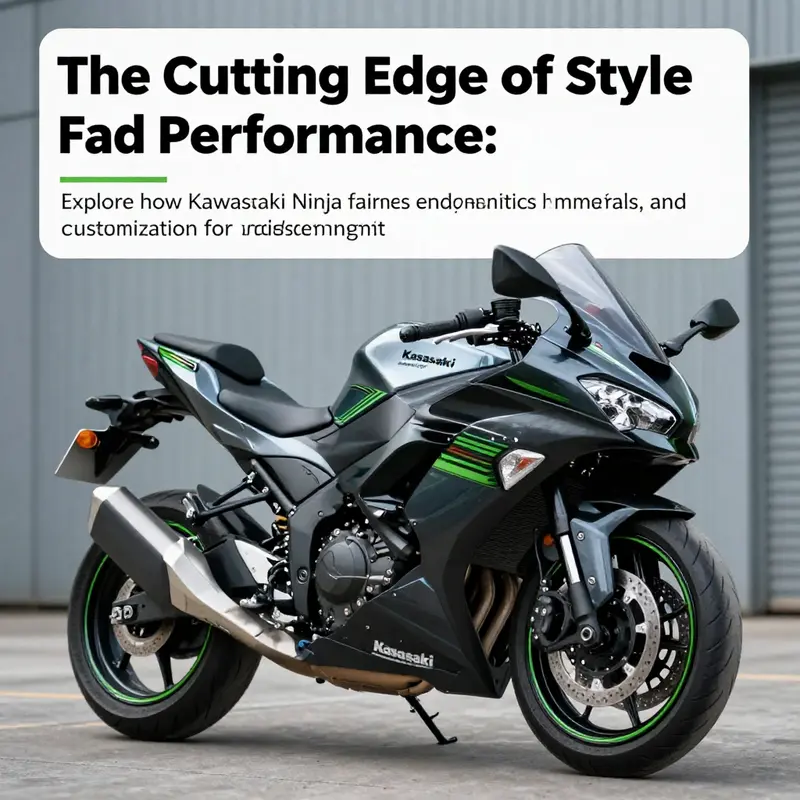
Motorcycle fairings are not just aesthetic components; they are engineering marvels that significantly impact performance, safety, and rider experience. For business owners in the motorcycle industry, understanding the nuances of Kawasaki Ninja motorcycle fairings can unlock new opportunities, whether it’s through direct sales, aftermarket customization, or enhanced rider engagement. The upcoming chapters delve into three vital aspects: first, the role of fairings in aerodynamics and performance optimization; second, the innovative materials and designs that set Kawasaki Ninja fairings apart; and lastly, the booming market for customization that caters to diverse rider preferences. Each aspect contributes to a holistic view of how fairings can elevate both the motorcycle’s performance and its aesthetic appeal, driving business success across sectors.
Unleashing Speed: The Aerodynamic Brilliance of Kawasaki Ninja Fairings
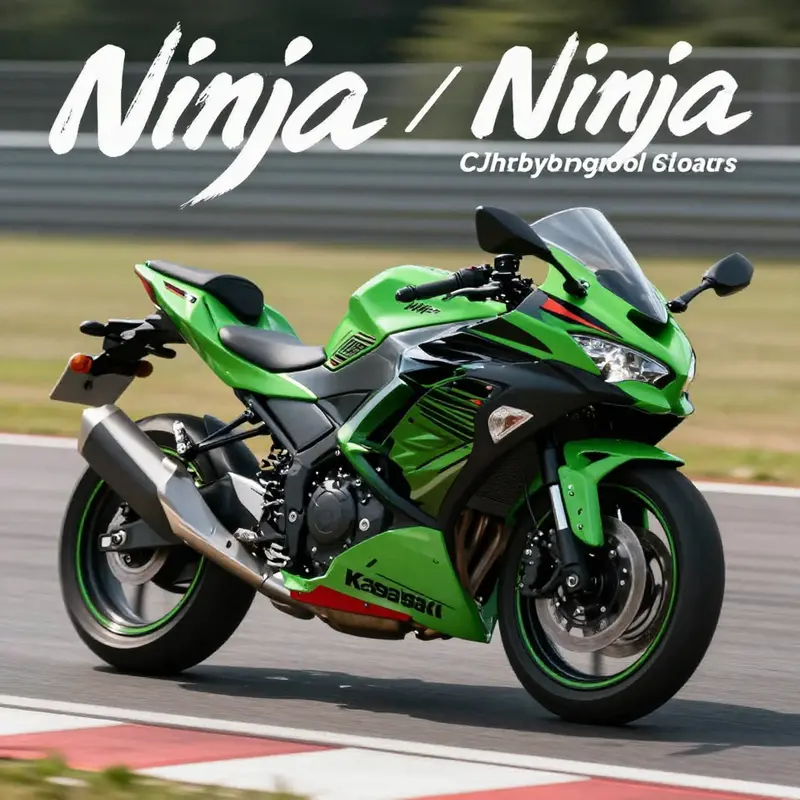
Motorcycles have always been synonymous with freedom, speed, and the thrill of the open road, but behind the raw power lies a range of engineering marvels that shape the riding experience. Among these features, the fairings of the Kawasaki Ninja series stand out, not just for their striking appearance but their critical role in optimizing aerodynamics and enhancing performance.
Within the realm of motorcycle design, fairings are more than mere aesthetic embellishments; they serve a higher purpose by facilitating airflow, providing wind protection, and aiding in overall stability. The Kawasaki Ninja, an iconic name in the world of sports motorcycles, has continuously pushed the boundaries of both design and performance through innovative fairing technologies. From the Ninja ZX-10R, celebrated for its cutting-edge aerodynamics, to the versatile Ninja 650, the engineering decisions surrounding fairings exemplify Kawasaki’s commitment to performance.
Defining Characteristics of Kawasaki Ninja Fairings
To comprehend the impact of fairings on the Kawasaki Ninja series, it’s essential to delve into the meticulous design philosophies that define each model. For instance, the Ninja ZX-10R incorporates several high-performance elements aimed at enhancing aerodynamics and manipulating airflow around the bike. Its fairings feature integrated winglets—a design inspired by the needs of competitive track racing. These winglets work like miniature wings, directing airflow to create downforce at speed, ultimately increasing grip during high-speed cornering. As a product of rigorous testing in competitive environments, notably during the World Superbike Championship, the ZX-10R showcases how fairing designs directly translate into racing success through stability and cornering capability.
In terms of materials, the Ninja series predominantly utilizes lightweight composite structures, including fiberglass and carbon fiber. These materials are not only strong but also crucial in minimizing the motorcycle’s overall weight, which is a pivotal factor for performance-oriented riders. The Ninja 650, particularly from 2020 to 2023, employs such composites, providing a significant reduction in drag and enhancing fuel efficiency. By reducing overall weight and drag by approximately 15%, these fairings boost the Ninja 650’s performance during high-speed cruising, demonstrating the tangible benefits of sophisticated fairing design to everyday riders.
The Role of Fairings in Rider Comfort and Safety
Aside from performance enhancement, Kawasaki’s fairings also address rider comfort and safety—elements often overlooked in the quest for speed. High, aerodynamic windshields and well-designed fairings mitigate wind pressure on the rider, reducing fatigue during long rides. This is particularly beneficial in high-speed scenarios where wind resistance becomes a larger factor, exacerbating discomfort and altering handling dynamics.
For example, the tall windshield of the Ninja ZX-10R not only provides a sleek profile but also efficiently redirects airflow above the rider, protecting them from the relentless force of wind at high speeds. This design detail plays a vital role in ensuring that riders can enjoy their motorcycles for extended periods without experiencing debilitating discomfort during uninterrupted high-velocity rides. Furthermore, a properly designed fairing aids in weather protection, providing a shield against rain or road debris, essential for both safety and rider experience.
Safety standards are embedded within the design of these fairings, ensuring that all materials meet rigorous industry requirements. Aftermarket options available for Kawasaki Ninja fairings also adhere to such standards, providing riders with customizable enhancements without sacrificing safety. Many aftermarket fairings come equipped with safety certifications, allowing riders to replace or upgrade components with confidence.
Customization and Individuality: A Reflection of Rider Personality
In today’s motorcycling culture, individuality is paramount. Riders now look for ways to express their personality and style, and the fairings of the Kawasaki Ninja series offer ample opportunities for customization. Manufacturers and aftermarket suppliers provide a range of options that allow riders to personalize their bikes’ appearance while benefiting from enhanced aerodynamic performance.
For instance, modular design elements of the Ninja 650’s fairings permit riders to swap out specific components rather than replacing the entire structure. This modular approach not only appeals to the aesthetic desires of the rider but also emphasizes practicality, enabling modifications based on personal riding styles and preferences without compromising the motorcycle’s performance. Many aftermarket kits are constructed from advanced materials similar to factory fairings, ensuring they fit seamlessly and maintain the original bike’s aggressive styling.
Bridging the Gap Between Aesthetics and Functionality
Ultimately, the genius of the Kawasaki Ninja fairings lies in their dual ability to be visually striking while serving essential performance-enhancing functions. Fairings are sculpted to derive maximum aerodynamic efficiency while simultaneously creating a dramatic visual impact that demands attention.
As motorcycle design trends evolve, the integration of technology within fairing structures is also on the rise. Innovations such as integrated lighting systems and advanced air intakes illustrate how modern fairing design is embracing both form and function. For example, the sleek LED lights on the Ninja ZX-10R serve an aesthetic purpose while improving visibility, thus offering practical advantages during nighttime riding conditions.
Maintaining the delicate balance between drag reduction and increased downforce remains a testament to Kawasaki’s engineering prowess. The thoughtful integration of such features into the fairing design allows for an elevated riding experience that extends beyond the racetrack and into the daily commute, providing speed, control, and style.
Conclusion
Kawasaki Ninja fairings embody more than just engineering marvels aimed at speed and performance; they represent a convergence of art, engineering, and rider comfort that makes for an exhilarating experience. The lightweight composite materials, modular designs, and aerodynamic characteristics all serve to enhance both the performance capabilities of these motorcycles and the comfort levels of the riders.
As the motorcycle industry continues to innovate, one thing remains clear: the fairings of Kawasaki Ninja motorcycles will continue to play a pivotal role in setting new standards for what riders can achieve on the open road. With ongoing efforts in design and performance optimization, Kawasaki not only enhances its reputation but also cultivates a community of enthusiasts who appreciate the intersection between speed and style. For those looking to modify or upgrade their Kawasakis, a myriad of options exists in the aftermarket realm—ensuring that every rider can find their own balance between individuality and performance.
Revving Up: The Evolution of Kawasaki Ninja Motorcycle Fairings and Their Impact on Performance
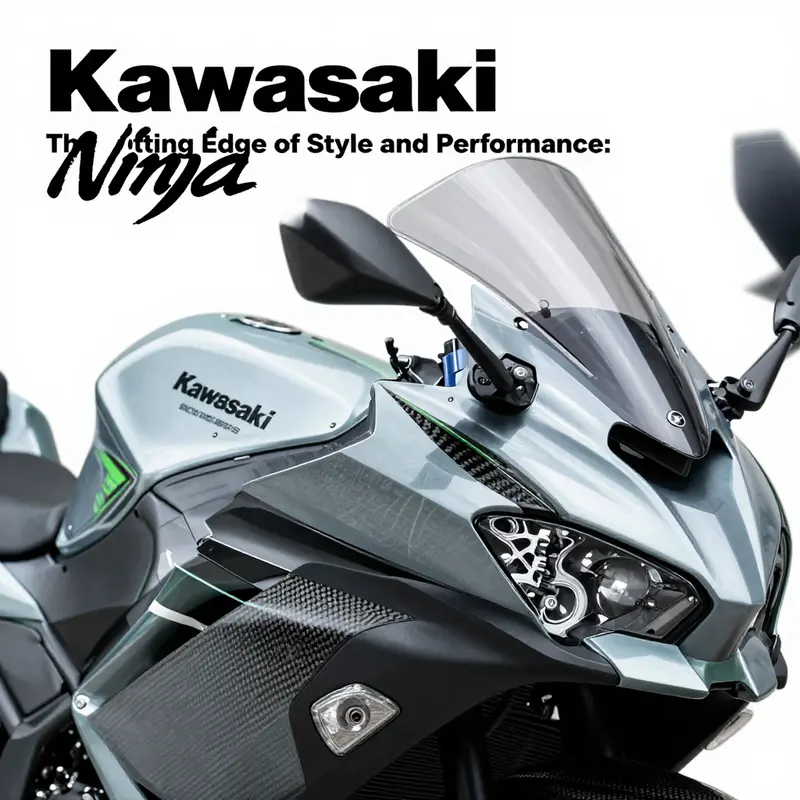
Kawasaki Ninja motorcycle fairings represent a harmonious blend of form and function—an engineering marvel that combines aerodynamic efficiency, rider comfort, and safety. These fairings evolve not only as a visual statement but as crucial engineering components that greatly influence the performance of each motorcycle, particularly the esteemed Kawasaki Ninja series. Throughout the years, advancements in materials and design innovations have redefined the fairing’s role, making them integral to the motorcycle’s identity and rider experience.
At the core of these fairings is the material composition, which plays a significant role in overall performance, durability, and aesthetics. The historically common material for fairings, especially in Original Equipment Manufacturer (OEM) parts, is ABS (Acrylonitrile Butadiene Styrene) plastic. This material is favored for its strength, impact resistance, and cost-effectiveness. Models like the Ninja 400, 650, and 600 predominantly utilize ABS due to its durability and resilience against weathering and physical impacts. It is not only easy to repair but also easy to paint, allowing for a variety of personalized finishes. As stated by CarInterior, “When choosing Kawasaki Ninja plastics, most OEM and aftermarket fairings are made from ABS.” This versatility has made ABS a staple among everyday riders who prioritize reliability and practicality.
Transitioning into performance-oriented circles, fiberglass emerges as another key player in the world of motorcycle fairings. Extensively used in aftermarket and custom builds, fiberglass offers a combination of lightweight construction and exceptional strength. Riders interested in track performance or bespoke designs are particularly drawn to fiberglass for its ability to be shaped into complex, aerodynamic profiles that can enhance speed and stability.
However, fiberglass isn’t without its drawbacks. It tends to be more brittle than ABS, making it susceptible to cracking under sharp impacts. Therefore, users who opt for this material must be more adept at installation and repair. Despite these challenges, its properties render it invaluable for performance enthusiasts and custom builders who prioritize a unique look without compromising their ride’s performance.
Moving to the pinnacle of advanced materials, carbon fiber is the crown jewel within Kawasaki’s lineup of fairings. Renowned for its ultra-lightweight yet incredibly strong characteristics, carbon fiber fairings do not just improve aesthetics; they enhance performance significantly. The strength-to-weight ratio of carbon fiber is generally unmatched, allowing for improved agility and handling as the fairings help reduce the overall weight of the motorcycle.
Despite its high-performance advantages, carbon fiber comes with a premium price tag and specialized manufacturing techniques that can limit its accessibility to some riders. For example, a 100% full carbon fiber side fairing kit for a 2021+ Kawasaki ZX-10R can be found priced between $180 and $200 per piece on platforms like Alibaba.com. This positions carbon fiber fairings within a luxury segment, appealing to serious enthusiasts and racers who demand the utmost performance from their motorcycles.
The aesthetics of each motorcycle model, particularly the Ninja series, is heavily influenced by these materials and the design innovations that accompany them. Recent fairing designs are characterized by meticulous aerodynamic optimization achieved through sophisticated computational fluid dynamics (CFD) analysis. This engineering approach has allowed designers to reduce wind resistance and drag by up to 30%. Such innovations directly translate into improved high-speed stability, enhanced fuel efficiency, and a reduction in rider fatigue caused by wind resistance.
One standout example is seen in the Kawasaki Ninja ZX-10R, designed with integrated aero winglets, compact LED headlights, and prominent ram air intake systems. These features are inspired by technologies developed through experiences in the World Superbike Championship (WSBK). The design seeks to maximize downforce while simultaneously minimizing drag, which is crucial for maintaining stability and grip during high-speed cornering. The aerodynamic contours of the ZX-10R’s fairing are not merely cosmetic but essential for optimizing the motorcycle’s performance in competitive settings.
In terms of rider comfort and practicality, the fairings also house particular design features aimed at enhancing the experience. A higher windscreen not only shields riders from harsh wind but also significantly alleviates fatigue by reducing pressure against the rider’s body during high-speed rides. This ergonomic consideration is essential for those who spend extended periods on their bikes, whether commuting daily or touring long distances.
As we venture into the realm of customization, many modern Kawasaki fairings come with modular and customizable designs. This feature allows riders to personalize their motorcycles without needing to replace the entire fairing assembly. Aftermarket kits often incorporate modular components, enabling owners to swap out specific panels, such as front fenders or side covers, easily and quickly, leading to a personalized aesthetic while maintaining overall integrity and performance.
The precision engineering behind these modular kits ensures compatibility with original Kawasaki designs, allowing for a professional finish devoid of the tedious adjustments required for universal kits. This evolution caters to those seeking individuality while also ensuring that performance isn’t compromised. The seamless integration of style and function empowers riders to craft a motorcycle that reflects their personal style while retaining the necessary performance metrics.
Moreover, safety is paramount in the design of Kawasaki Ninja fairings. High-quality aftermarket components often undergo rigorous safety certifications, ensuring that they adhere to strict industry standards. These safety features are invaluable, especially when considering the high speeds and intense maneuvers typically associated with sport motorcycles. As such, riders can embrace their riding experience with the confidence that their fairings provide essential protection against high-speed incidents.
Through the lens of Kawasaki Ninja motorcycle fairings, one can clearly see the advancements made in both material technology and design practices. Whether opting for durable ABS plastic for daily commuting or pursuing high-performance specifications through fiberglass and carbon fiber, each choice presents a unique blend of benefits tailored to various riding styles and preferences. Moreover, the aesthetic evolution, driven by cutting-edge aerodynamic science, showcases how Kawasaki continually pushes the boundaries of motorcycle engineering.
The era of Kawasaki Ninja fairings is indicative of an industry constantly evolving, innovating, and pushing towards greater performance and rider engagement. Far from being mere coverings, these fairings have matured into sophisticated engineering products fundamental to the motorcycle’s functionality and rider satisfaction. As such, they encapsulate a journey spanning performance, safety, and innovation, making each ride on a Kawasaki Ninja an exhilarating experience. For those interested in personalizing their machines, a wealth of options exists to enhance not only the motorcycle’s appearance but also its innate functionalities, ensuring that every rider can find their ideal balance between performance and aesthetics. Just like the motorcycles they adorn, Kawasaki Ninja fairings are truly a testament to the art and science of motorcycle design.
For more information on customizing your Ninja, you can explore various options available at Ultimate MotorX.
Elevating Aesthetics and Performance: A Comprehensive Guide to Kawasaki Ninja Motorcycle Fairings
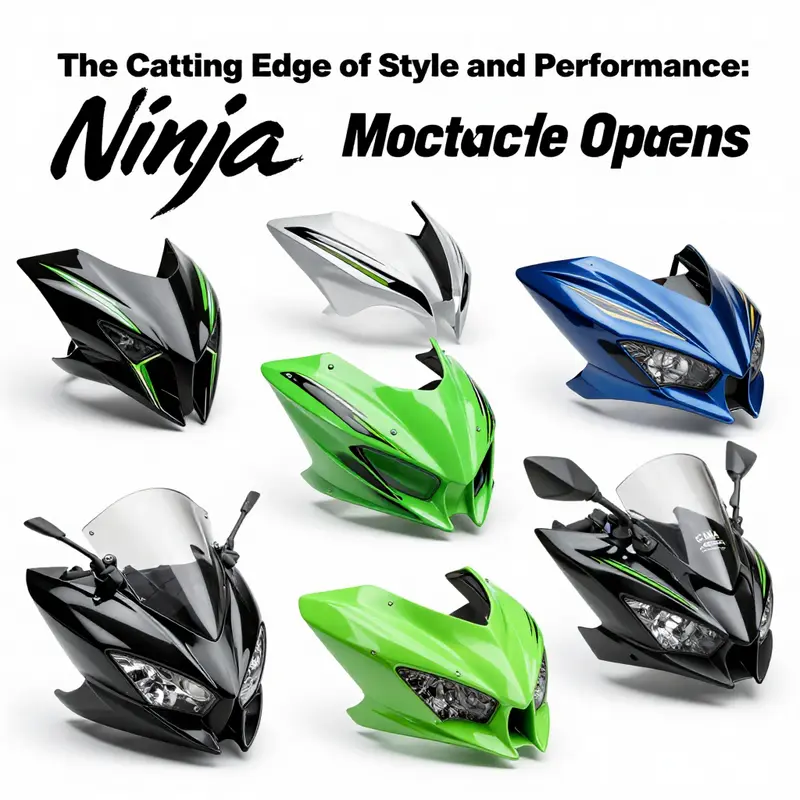
The fairings of the Kawasaki Ninja series are not merely aesthetic embellishments; they are pivotal components that enhance the motorcycle’s performance and safety. In this context, fairings come in various styles and materials tailored to meet diverse rider preferences, from those seeking improved aerodynamics to riders wishing to express a personal flair. This chapter explores the types of fairings, their material options, and the customization possibilities available in the market, particularly for models like the 2020 to 2023 Kawasaki Ninja 650.
Types of Fairings
Understanding the types of fairings is key to grasping their impact on a motorcycle’s performance.
Half Fairings:
Half fairings cover only the front section of the bike, including the headlight and upper part of the frame. These fairings strike a balance between style and functionality, providing sufficient wind protection without considerably adding to the bike’s weight. The advantages of half fairings include a classic sport-touring look, reduced weight facilitating improved handling, and better access to the engine for maintenance tasks. However, they are not without drawbacks; their aerodynamic capabilities are limited, and they offer less protection in case of an accident compared to full fairings.
Full Fairings:
Designed to encapsulate the entire front half of the motorcycle, full fairings are geared towards maximizing aerodynamic efficiency. By significantly reducing wind resistance, they improve stability during high-speed rides, leading to enhanced rider comfort on longer journeys. The trade-offs for this level of performance generally include increased weight and complexity in repairs due to the number of components involved. Nevertheless, for sportbike enthusiasts and highway commuters, the sleek appearance and performance benefits of full fairings are often worth the considerations.
Material Options
The material used in fairings plays a crucial role in their performance and cost. Riders today have several options:
Lightweight Composites:
Fiberglass and carbon fiber composites have become staples in the motorcycle industry due to their excellent strength-to-weight ratio.
Carbon Fiber:
Carbon fiber, while generally more expensive, stands out due to its remarkable strength and lightweight properties. This material enhances rigidity, contributes to improved aerodynamics, and lends a race-inspired aesthetic that many riders aspire to achieve. Additionally, carbon fiber components offer superior durability, making them ideal for performance enthusiasts who anticipate rigorous riding conditions.
Customization and Market Options
Customization options for Kawasaki Ninja fairings are abundant, appealing to riders who wish to infuse their personal style into their motorcycles. Several manufacturers and online retailers specialize in model-specific fairing kits, particularly for the Ninja series. For instance, customized kits for the 2020 to 2023 Kawasaki Ninja 650 allow riders to adapt the appearance of their bikes without requiring a complete overhaul.
Modular Designs:
These modular designs offer the unique advantage of enabling bikers to exchange individual components rather than replacing entire kits. As a result, riders can create a personalized look reflective of their individuality while still ensuring a professional appearance. Notably, these kits are engineered to fit precisely, reducing drag by nearly 15%, which is vital for high-speed riding performance.
Custom Finishes:
Beyond design, many riders opt for custom paints and finishes that further distinguish their motorcycles from stock models. These bespoke touches elevate the visual appeal while enhancing the overall riding experience.
OEM Replacements
For riders prioritizing authenticity and reliable performance, original equipment manufacturer (OEM) replacements represent a trusted choice. OEM fairings, designed specifically for Kawasaki models, uphold the quality and safety standards required for everyday riding. Moreover, they are safety-certified, assuring riders that they will provide the necessary protection during high-speed rides.
Conclusion
In summary, Kawasaki Ninja motorcycle fairings transcend mere aesthetics; they embody a blend of engineering excellence, performance optimization, and the potential for extensive customization. Riders looking to enhance their bike’s performance, visual appeal, or both have a wealth of choices, with options ranging from half and full fairings to lightweight materials and bespoke designs.
To explore the latest offerings and tailor your Kawasaki Ninja experience, visit KAWASAKI NINJA650 2020-2023 Motorcycle Fairings, detailing various fairing kits specifically designed for the modern Ninja series.
Final thoughts
Kawasaki Ninja motorcycle fairings represent the perfect blend of functionality and style, transforming riding experiences while providing significant business opportunities. As these fairings enhance aerodynamics, adopt advanced materials, and offer extensive customization options, they invite both performance-seeking riders and design-focused customers. Embracing these aspects not only benefits riders’ experiences but also positions businesses to thrive in a competitive market, catering to the evolving preferences of motorcycle enthusiasts. Ultimately, understanding the integral role of fairings can help business owners maximize their offerings and establish a lasting connection with their clientele.
undefined
About us
undefined