
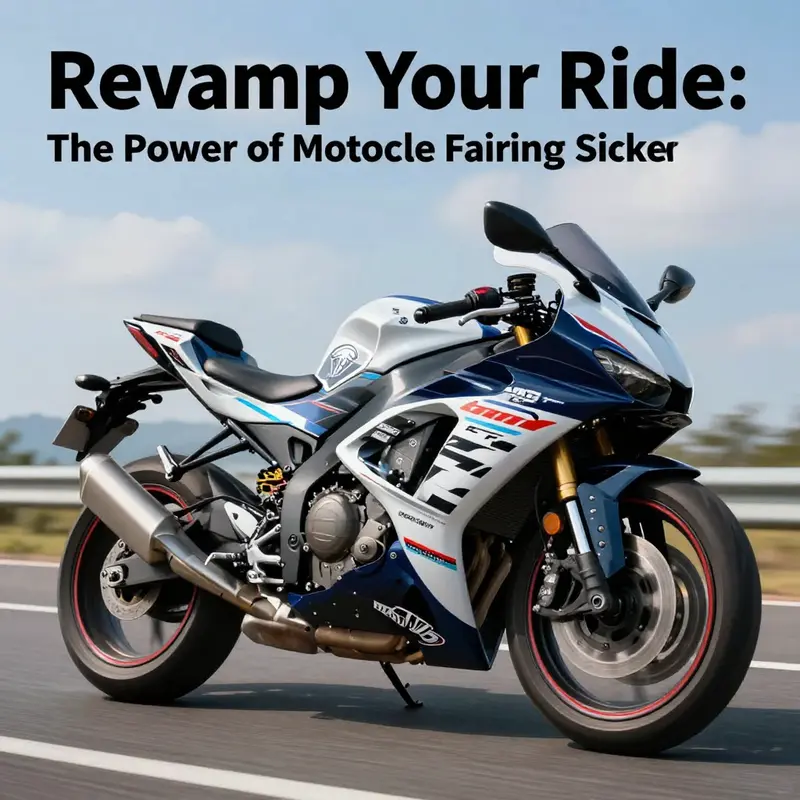
Motorcycle fairing stickers have become an essential aspect of bike culture, providing riders with the ability to customize their motorcycles while protecting their surfaces. In an era where brand identity and personalization are paramount, understanding the nuances of these stickers is crucial for business owners in the motorcycle industry. This article delves into the design and material aspects of motorcycle fairing stickers, their application techniques, durability, and maintenance, current customization trends, and their economic impact on the motorcycle industry. Each chapter aims to equip business owners with the insights necessary to leverage this growing market segment effectively.
Unveiling the Durability and Design of Motorcycle Fairing Stickers
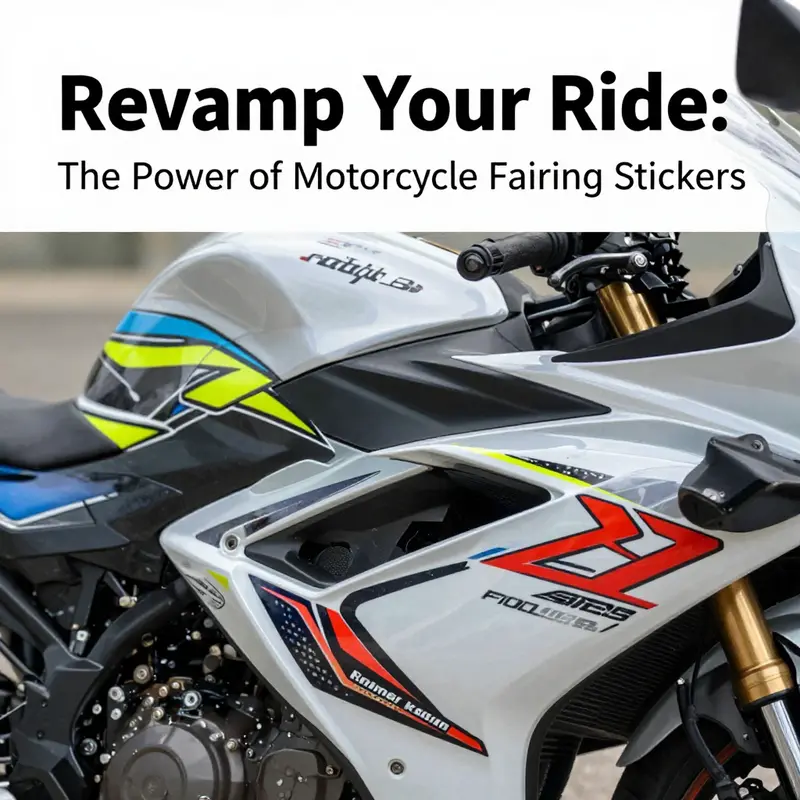
The world of motorcycle customization is a vibrant and engaging domain where riders express their individuality and reflect their passion for riding. Among the numerous enhancements available, motorcycle fairing stickers stand out not only for their aesthetic charm but also for their functional advantages. Delving into the design and material aspects of these stickers reveals a captivating blend of style and engineering meant to elevate the rider’s experience.
At the core of any motorcycle fairing sticker is the quality of materials used in their production. The most commonly employed material is high-quality vinyl, recognized for its exceptional durability and versatility. Unlike traditional decals that may fade or become brittle when exposed to the elements, modern vinyl stickers are formulated to withstand rain, extreme sunlight, and road grime. This durability is further enhanced by water and UV ray-resistant properties, ensuring that even under harsh riding conditions, these stickers retain their vibrant colors and original clarity.
Equally crucial are the impact resistance features that many premium stickers possess. Designed to endure minor scrapes and impacts often encountered on the road, these stickers help preserve the motorcycle’s fairing from unsightly damage. In scenarios where a rider’s bike slips or brushes against another object, a quality sticker can absorb some of the impact, reducing the likelihood of the underlying paint chipping or scratching. This aspect not only enhances the lifespan of the motorcycle’s appearance but also functions as a layer of protection against road debris that can mar the bike’s exterior.
For riders seeking advanced options, epoxy-coated surfaces have emerged as an innovative solution. These stickers combine the benefits of waterproofing with tick-repellent qualities, significantly extending their lifespan. Such sophisticated materials underscore a commitment to quality and usability, appealing to those who embrace outdoor adventure and long-distance travel with their motorcycles.
The visual design of motorcycle fairing stickers is equally paramount, offering riders a chance to convey their personality on the road. The possibilities for customization are boundless, ranging from simple emblem badges that represent a brand or model, to elaborate 3D decals that create a dynamic and layered look. Each design choice allows for unique expression, catering to diverse tastes and preferences among riders, ensuring that there is a sticker for everyone.
Intricate graphics have gained popularity, often showcasing detailed artistry that can transform a standard bike into a rolling canvas. Some motorcycle enthusiasts even opt for hand-drawn designs that can be applied directly onto fairings, providing a unique touch that reflects personal style and creative flair. Additionally, themes such as vintage motifs resonate with classic motorcycle lovers, forming a nostalgic link to the rich history of riding.
Optionally, many manufacturers offer model-specific stickers that are expertly tailored to fit the contours of particular motorcycles. For instance, models like the BMW S1000RR have dedicated sticker designs, ensuring precision in application. These tailored decals reinforce brand loyalty while enhancing the bike’s aesthetic presence—making them unmistakable on the roads or racing tracks. On the other hand, universal designs are accessible for riders who appreciate flexibility, allowing them to customize across different motorcycles.
When it comes to application, the ease of use is a defining factor for many riders. High-quality, self-adhesive stickers simplify the installation process considerably. Riders can apply these stickers with minimal tools and effort, resulting in a professional appearance without the need for extensive groundwork or repainting. Moreover, their removability is a significant appeal, particularly for those who love to revamp their motorcycle’s look seasonally or for special events without damaging the original paintwork.
It’s noteworthy that some decorators still utilize indoor décor-grade vinyls for motorcycle applications, which can pose a challenge. While the vibrant patterns and textures of these options are enticing, it’s vital to assess their real-world performance outdoors. Not all of these decorative vinyls are created equal, and many may not withstand the diverse challenges faced in outdoor environments. Testing by experienced riders on various surfaces illustrates that while some indoor vinyls may appear visually stunning, their practicality and durability in outdoor conditions may fall short.
Ultimately, the synthesis of durable materials and artistic design in motorcycle fairing stickers equips riders with an effective tool for personal expression while ensuring the longevity of their beloved machines. This dual purpose enables enthusiasts to enhance their motorcycles with eye-catching stickers that withstand the rigors of the road, avoiding expensive repaints or custom bodywork. As a testament to personalization in today’s motorcycle culture, fairing stickers encapsulate the spirit of adventure, individuality, and the thrill of the ride.
For those keen on exploring an extensive collection of motorcycle fairing stickers, including those tailored for popular models such as the Yamaha MT-125, visiting specialized retailers provides a wealth of options designed to cater to every rider’s specific style and needs.
Mastering the Art of Applying Motorcycle Fairing Stickers: A Comprehensive Guide
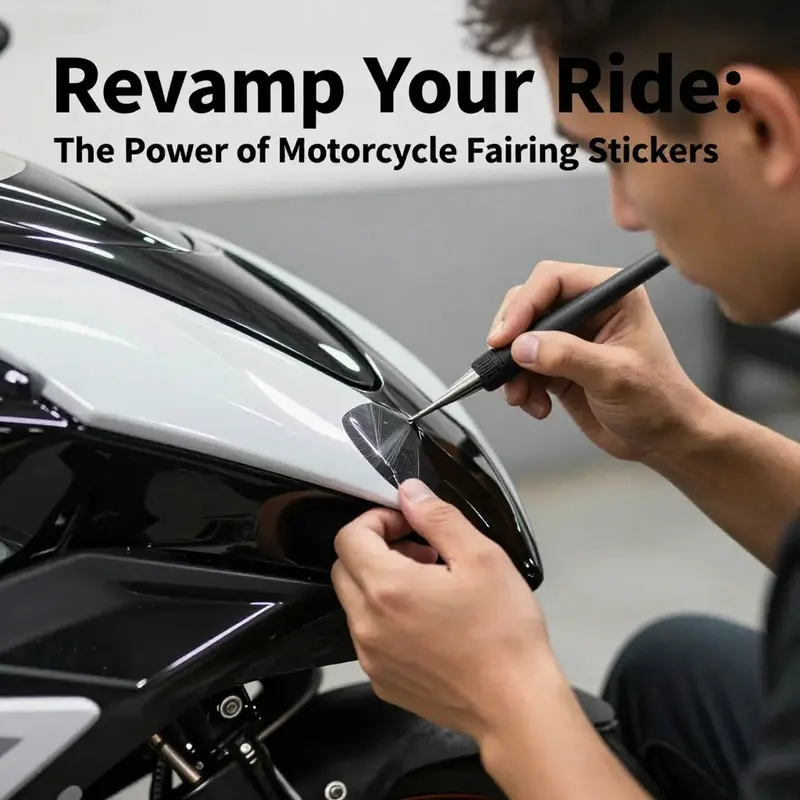
Motorcycle fairing stickers serve a dual purpose in the world of motorcycle customization: they enhance the aesthetic appeal of a bike while providing essential protection to its fairing surfaces. The process of applying these stickers is critical to achieving a professional-looking result and ensuring that the decals adhere properly over time. This chapter delves into effective techniques for applying motorcycle fairing stickers, ensuring a flawless finish that’s both durable and visually appealing.
Preparation for Application
Before diving into the application process, preparing the surface of the motorcycle fairing is paramount. This initial step can often determine the longevity and overall appearance of the sticker. The first point of action is to clean the surface where the sticker will be applied. Most professionals recommend using isopropyl alcohol or a specialized prep solution. This choice effectively removes any grease, wax, and dust that could interfere with adhesion. Riders must thoroughly wipe the area, ensuring it is completely clean and dry.
Next, it’s imperative to assess the area on the fairing where the sticker will be placed. Taking time here to visualize and plan its position will save future adjustments. Often, a quick estimation results in misalignment, which can lead to an unsightly appearance and potential removal and reapplication.
Meticulous Application Steps
Once the preparation is complete, it’s time to focus on the actual application. The alignment of the sticker is critical—riders must ensure that it is correctly positioned before officially applying it. A methodical approach can prevent complications later on. Before pressing the sticker down completely, use a squeegee or a soft, lint-free cloth to apply gentle pressure from the center outward. This step is key in eliminating air bubbles that can obscure a smooth finish.
For larger or more complex designs, applying heat might be necessary. A heat gun or a hair dryer can soften the vinyl, making it more pliable so that it conforms better to the curves and contours of the motorcycle fairing. However, users should exercise caution to avoid overheating the vinyl, which could cause warping or damage.
After achieving the desired alignment and applying the sticker, it is important to ensure that it is completely smooth, free of bumps and air pockets. This step is often overlooked but is crucial for not only aesthetic purposes but also for the longevity of the decal. Once this is satisfied, it’s advisable to allow the sticker to cure for at least 24–48 hours before washing the motorcycle or exposing it to harsh weather conditions. This curing period is essential for allowing the adhesive to bond effectively with the fairing surface, resulting in a more durable application.
Understanding Material Selection
The quality of the sticker materials significantly impacts the final result. It’s important to opt for high-quality, self-adhesive vinyl that comes equipped with a strong adhesive backing. Riders should look for premium-grade removable or permanent vinyl specifically designed for automotive or motorcycle applications. These variants are engineered to resist UV degradation, moisture, and temperature fluctuations. Such features not only enhance durability but also ensure that the vibrant colors and graphics remain intact even under challenging riding conditions.
Expanding Options and Resources
For riders looking for specific designs tailored to their bikes, numerous manufacturers now offer customized options for various models, such as the BMW S1000RR. These custom stickers are designed to fit precisely to the custom contours of the bike’s bodywork, amplifying its visual appeal on the road or at the track. This personalization allows riders to uniquely express their style while simultaneously reinforcing brand identity or racing-focused themes.
While motorcycle fairing stickers have limitations in durability when compared to more robust 3D or chrome accessories—particularly in extreme climates—they remain a cost-effective and versatile solution for motorcycle enthusiasts who desire a professional look without the extensive investment of full repaints or custom bodywork.
For those seeking further guidance or visual demonstrations of these application techniques, comprehensive resources are readily available. A helpful guide from a respected platform includes detailed instructions that walk riders through each step of the process of applying motorcycle stickers and decals, which can go a long way in ensuring a successful outcome. By following these tips and utilizing quality materials, any motorcycle enthusiast can enhance the look of their bike effectively while also protecting its surfaces.
The Enduring Appeal of Motorcycle Fairing Stickers: Durability and Maintenance Unveiled
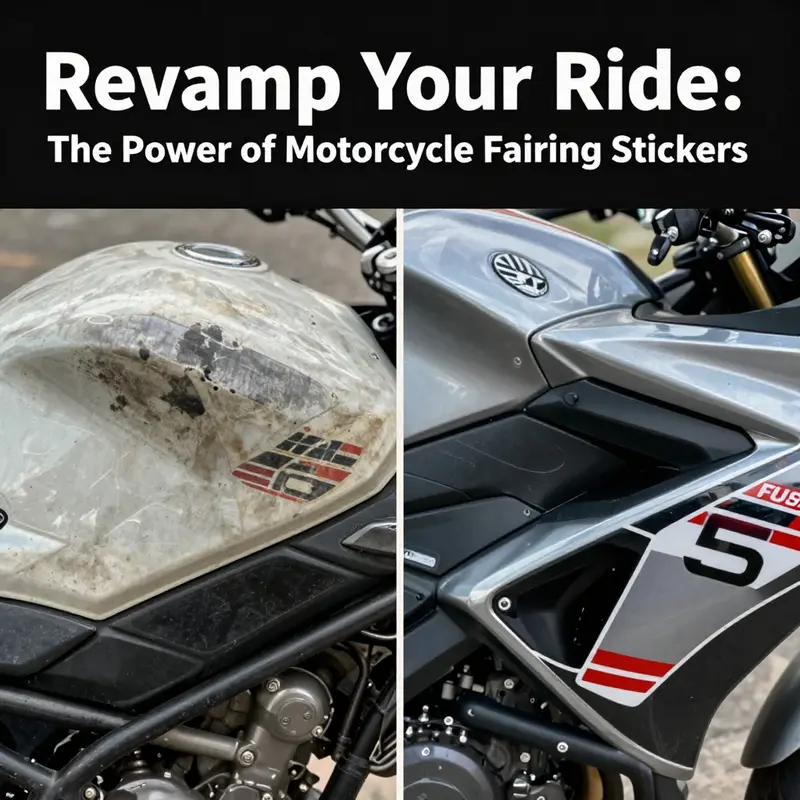
Motorcycle fairing stickers stand as a testament to the creative expression of riders and their desire to personalize their machines without the significant cost and commitment associated with painting. This chapter delves into the durability and maintenance of these stickers, illuminating factors that impact their longevity and offering practical tips for maintaining their vibrant appearance.
At the heart of a sticker’s durability lies the material from which it is crafted. High-quality motorcycle fairing stickers are predominantly made from premium PVC or PET (polyethylene terephthalate). These materials are engineered to endure the rigors of outdoor exposure, which includes relentless UV rays, rain, wind, and temperature fluctuations. Professional-grade outdoor stickers, for instance, utilize optimized PVC formulations designed to resist wear and maintain their integrity in various conditions. Some stickers boast the impressive capability of retaining their color and structure for up to three years, making them a resilient choice for motorcycle enthusiasts. Similarly, imported PET-based stickers with advanced adhesive formulations have consistently exhibited excellent weather resistance when subjected to real-world testing.
However, as with many products, the price often correlates with quality. Lower-grade stickers can be misleading in their appeal. Cheaply manufactured options might experience fading, peeling, or complete detachment within just a year. This is particularly true for those exposed to prolonged sunlight or extreme weather conditions that characterize many riders’ journeys. Even high-end colored vinyl and film wraps, admired for their aesthetics, tend to demonstrate a gradual degradation over time. Color stability plays a crucial role, as lighter hues often show signs of wear sooner than black or neutral tones, which can last up to five years due to their inherent pigment resilience.
Choosing stickers specifically rated for outdoor use ensures that riders can enjoy their stylish look without frequent replacements. Look for those that come with robust adhesive layers as these can provide stability and adhere effectively even under high-temperature conditions. High-quality outdoor stickers are often a worthwhile investment, reflecting a balance between affordability and performance.
Once stickers are in place, their maintenance is crucial for preserving their pristine condition. Regular inspection is vital. Riders should routinely check their decor for signs of lifting edges, dirt accumulation, or fading colors. A clean sticker isn’t just about aesthetics; it also contributes significantly to the longevity of the sticker and ensures it remains steadfastly in place.
Maintaining cleanliness is simple yet effective. Using a soft cloth with mild soap and water ensures the surface is free from dirt, grease, and other contaminants that could compromise the adhesive. Avoid using high-pressure washing, as this could damage both the sticker and the underlying paintwork. A gentle approach goes a long way in extending the life of the fairing stickers.
When it comes to removing stickers, one must proceed with care. The goal is to preserve the original paintwork as much as to get rid of the decal. Effective methods for removal include using a heat gun to gently warm the sticker, which softens the adhesive, making it easier to peel off. In cases where adhesive residue remains, applying isopropyl alcohol or a commercial adhesive remover can dissolve it without damaging the underlying surface. Riders are advised against the use of harsh solvents like gasoline unless absolutely necessary and should always conduct a patch test on a less visible area first. This practice prevents unintended damage to the motorcycle’s finish and provides peace of mind during the removal process.
For horsepowers fueled by aesthetic personalization, the ability to shift designs seamlessly contributes to the allure of motorcycle stickers. Not only do they allow each rider to depict their taste, but they also foster a sense of individuality. From sleek designs on a BMW S1000RR to aggressive graphics on a Kawasaki Ninja, there’s a wide assortment of designs tailored to enhance specific models. This means regardless of one’s preference for speed or style, there exists a sticker solution that aligns perfectly with the unique contours of individual motorcycle types.
For those considering customization as a part of their riding lifestyle, options abound. Websites devoted to motorcycle accessories often carry a plethora of choices that showcase the perfect fitment across various makes and models of motorcycles, whether it’s a Suzuki or a Ducati. The customization potential is nearly limitless.
The importance of quality can never be overstated. While some riders may be tempted to cut costs on lesser products, the long-term implications—both visually and financially—can be detrimental. Opting instead for high-quality, weather-resistant stickers enables riders to enjoy the professional look without the need for a full repaint. Where affordability meets durability, these stickers offer a cost-effective solution that caters excellently to the needs of motorcycle enthusiasts.
Though the performance and aesthetic longevity of motorcycle fairing stickers cannot be guaranteed endlessly, the elements discussed here can greatly enhance their lifespan. By investing in quality materials, undertaking routine maintenance, and executing careful application and removal, riders can ensure that their stickers remain vibrant and secure for an extended time.
In conclusion, while the stickers may not possess the granite-like durability of chrome or three-dimensional accessories, they present an excellent fusion of aesthetics, protection, and personalization that appeals to the heart of motorcycle culture. Proper care and protection against environmental elements are the cornerstones of ensuring these stickers continue to fulfill their purpose while maintaining the aesthetic beauty of the motorcycle. By embracing these practices and remaining informed about sticker care, riders can fully partake in the world of customization without compromising the integrity of their beloved machines.
Expressing Identity: The Evolving Trends in Motorcycle Fairing Sticker Customization
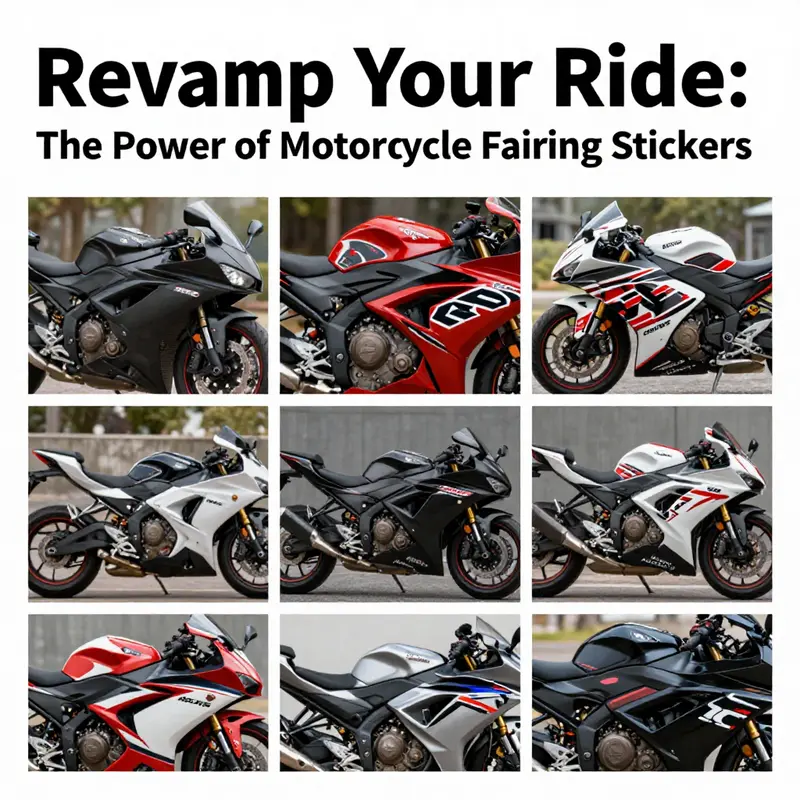
In recent years, motorcycle enthusiasts have embraced customization as an essential aspect of their riding experience, reflecting personal identity and style through every element of their machines. Among the most significant trends in this realm is the rising popularity of motorcycle fairing stickers. These decals have become more than mere adornments; they represent a canvas for individual expression, evolving from basic designs to expressive works of art that enhance both form and function.
A key factor driving this transformation is the demand for high-quality materials. Today’s stickers are crafted from durable, weather-resistant vinyl that can withstand the rigors of the road. Unlike the earlier generations of decals that were often prone to fading and peeling, modern fairing stickers are engineered to endure harsh conditions—UV exposure, rain, and temperature fluctuations—ensuring that vibrant colors and intricate designs remain vivid over time. This elevation of material quality not only enhances the aesthetic appeal of a motorcycle but also fortifies it against minor impacts and abrasions, shielding the fairing surfaces from damage during rides.
The customization trend also introduces a wealth of design possibilities that cater to diverse tastes and preferences. Today, riders can opt for customizable designs that allow for unique graphics, racing logos, or even personalized artwork tailored to their style. Online platforms have democratized this process, making a vast selection of options available at the click of a button. For instance, those with high-performance bikes like the BMW S1000RR can find stickers specifically designed for their model, ensuring a perfect fit that enhances the motorcycle’s natural lines and curves. This not only boosts visual appeal but also fosters a deeper connection between the rider and machine, engendering a sense of pride.
Ease of installation remains a significant motive behind the growing popularity of motorcycle fairing stickers. Gone are the days when applying stickers required a technician’s skill. Modern decals utilize advanced adhesive technologies that allow even novice riders to install them seamlessly. Many include removable backing systems, which facilitate clean application as well as easy removal without leaving behind residue or damaging the paint underneath. This simplicity means that riders can frequently change their stickers to match seasonal themes or special racing events, maintaining a fresh look for their bikes and keeping up with the dynamic culture of motorcycling.
Additionally, a notable trend is the incorporation of functional elements into sticker designs. Reflective materials and LED-embedded features are becoming commonplace, enhancing visibility during nighttime rides, which contributes significantly to rider safety. This merging of aesthetics with practicality encapsulates a broader movement in the motorcycle customization industry, emphasizing not just visual impact but also the functionality of every accessory.
Another trend worth mentioning is the influence of digital art and graphic design. With the digital age empowering artists and designers, unique creations can be easily shared and produced. Riders are inspired by such creative talents, often opting for stickers that celebrate various themes from motorsport history to artistic tributes. This blending of art and performance allows riders to carry their passions visibly on their bikes. Custom graphics are no longer limited to racing stripes or company logos; they can now embody anything from abstract art to personalized caricatures of the rider.
As customization continues to evolve, the environmental impact of materials used in sticker production comes under scrutiny. Eco-friendly options are gradually emerging on the market, appealing to a new wave of environmentally conscious riders. Brands are beginning to experiment with sustainable materials designed to minimize ecological footprints, providing environmentally friendly alternatives to traditional stickers without sacrificing quality or aesthetics. This conscious shift is not only beneficial for the planet; it also serves to attract a growing demographic of riders who prioritize sustainability while pursuing their love for motorcycling.
The evolution of motorcycle fairing stickers into a vital form of expression underscores their significance within the motorcycle community. They are not just accessories; they are markers of individuality, craftsmanship, and identity for countless riders. The feeling of rolling down the road, bike gleaming with personal stickers reflecting hardship or victory, often enhances the enjoyment of the ride itself. A well-customized motorcycle stands as a testament to the rider’s dedication and passion, clearly differentiating from others on the road.
For those looking to further explore the innovative landscape of motorcycle fairing stickers, platforms offering specialized designs and customizable options are becoming invaluable resources. For example, enthusiasts can find a wide range of fairing decals on sites dedicated to specific brands and models, such as the range offered for many popular motorcycle styles, ensuring they receive products that seamlessly integrate with their bikes’ designs. These sources not only celebrate the artistry behind sticker creation but also highlight a growing market that supports a community of riders sharing their love for motorcycles.
Overall, the world of motorcycle fairing stickers is dynamic and filled with possibilities. With high-quality materials providing durability and the ability to reflect a rider’s personality through unique designs, these stickers have become a staple in motorcycle customization. They offer distinct visual enhancements while ensuring functionality and protection, carving out a vital niche in the motorcycle cultural landscape. As trends continue to evolve, we can only expect that the relationship between motorcycles and their decals will deepen, leading to even more innovative combinations of art and technology on the open road.
Revving Up the Economy: The Multifaceted Impact of Motorcycle Fairing Stickers
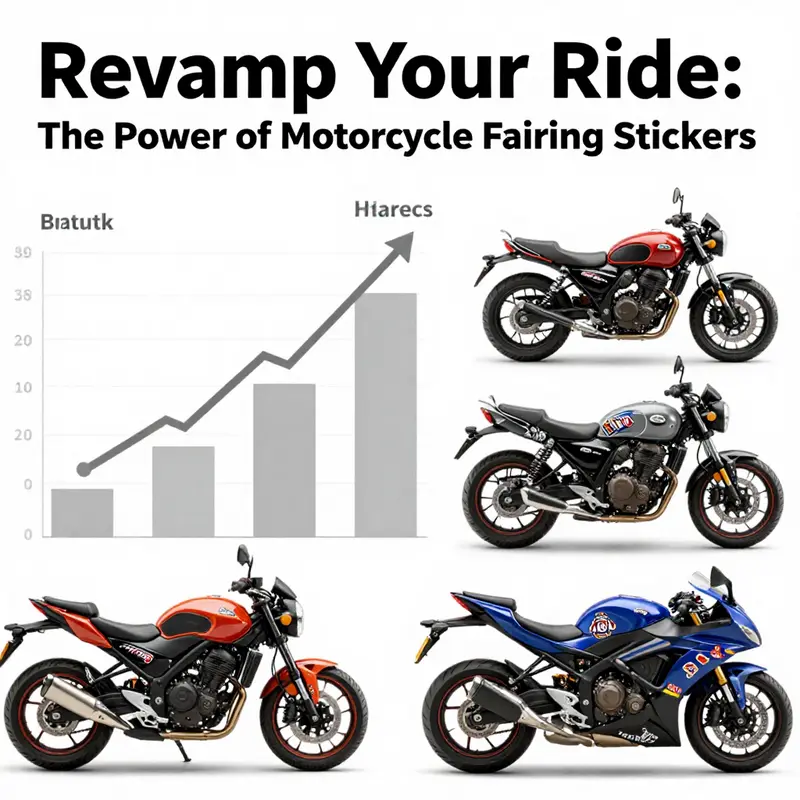
Motorcycle fairing stickers, often perceived as mere embellishments for bikes, hold significant economic sway within the motorcycle industry. They serve as a bridge between aesthetic enhancement and practical utility, transforming the way manufacturers, retailers, and consumers engage in this vibrant market. Understanding their economic impact provides insight into how something as simple as a sticker fosters intricate relationships among production, sales, and consumer satisfaction.
At first glance, motorcycle fairing stickers offer cost-effective aesthetic enhancements that can shapeshift a motorcycle’s appearance without substantial investment in materials or labor. For original equipment manufacturers (OEMs), integrating premium decals—like those with reflective or metallic finishes—can significantly elevate a bike’s perceived luxury without inflating production costs. This is particularly pertinent in competitive market niches where differentiation can sway consumer choices. Visual appeal is paramount in the motorcycle segment, where the customers’ emotional and aesthetic responses drive purchasing decisions. By appealing to these factors, manufacturers can effectively stimulate sales and enhance brand loyalty.
Further emphasizing the economic potential of these designs is the burgeoning aftermarket sector, which thrives on personalization. Motorcycle enthusiasts consistently seek ways to express their individuality through customization. Fairing stickers create a lucrative niche, resonating with DIY cultures that appreciate the transformative power of relatively inexpensive, high-impact design elements. Offering a variety of universal and model-specific stickers—like those tailored to popular brands such as Yamaha, Honda, or BMW—addresses the diverse needs of a wide consumer demographic. E-commerce platforms, including AliExpress, showcase an extensive range of options at affordable prices, sometimes under $10 per item. This accessibility democratizes customization, empowering riders from various backgrounds and enhancing the consumer experience by allowing for affordable personal expression.
The economic implications of motorcycle fairing stickers extend beyond the selling price or appeal; they also empower small businesses and budding entrepreneurs. Small-scale designers and retailers often capitalize on this market opportunity, creating unique products that cater to specific interests within the motorcycle community. These entities contribute meaningful job opportunities, supporting local economies and stimulating entrepreneurial spirit. As bike customization trends broaden, this environment nurtures creativity and innovation, further solidifying the role of stickers in the motorcycle ecosystem.
Focusing on product functionality, modern motorcycle fairing stickers are made from durable, weather-resistant vinyl, designed to withstand the rigors of outdoor environments. Features such as UV protection help prevent fading, while properties that resist water and abrasions enhance the overall life of motorcycle fairings. This durability serves both aesthetic and practical purposes: riders can enjoy a visually appealing bike while benefitting from scratch and minor impact protection. Through these practical applications, high-quality stickers inadvertently extend the longevity of the motorcycle’s structural integrity, reducing long-term repair costs and bolstering ownership satisfaction. As a result, riders perceive these products as investments in protection rather than fleeting fashions.
The increasing emphasis on durability isn’t just an occasional feature; it is quickly becoming an expectation among consumers. As riders invest in quality products, they seek others that match those standards. High-quality decals, meticulously crafted and machine-cut, not only retain superior appearance over time but also establish an underlying trust in brands that offer them. When a customer experiences satisfaction with their stickers, they foster brand affinity that may extend to their next motorcycle purchase, stimulating brand loyalty throughout the purchasing cycle.
Moreover, stickers play an essential role in promoting various brands within the motorcycle space. Riders often use them as a means of self-expression or affiliation; a sticker may symbolize a favorite brand, a racing team, or even a community rallying point. This integration of branding into everyday riding forms an organic marketing channel, highly effective because it leverages peer influence within the biking community. Exposure to various stickers can create awareness and interest in brands, drawing in potential customers without the associated costs of traditional advertising.
For instance, model-specific stickers, like those designed for the BMW S1000RR, enhance both the motorcycle’s aesthetic appeal and brand visibility. The tailored nature of these designs not only reflects the owner’s style but also accentuates the machine’s sleekness, catching the eye of other riders and passersby. This marketing strategy underscores the stickers’ role as a creative tool for brand representation that simultaneously energizes community and financial engagement. As such, they have the potential to drive sales for both manufacturers and aftermarket suppliers, amplifying their significance in the motorcycle commerce ecosystem.
Despite the apparent advantages, stickers also represent a double-edged sword in terms of long-term durability, particularly when compared to other accessory options like chrome or 3D embellishments. While they exhibit resistance to fading and general wear, stickers may not endure in extreme climate conditions as robustly as some materials. Nonetheless, this limitation is generally outweighed by their low entry price and the ease of application and removal. This aspect positions stickers as an appealing option for enthusiasts who seek quick customization solutions for specific events, such as track days, enabling distinctive appearances without the need for extensive modifications.
In conclusion, motorcycle fairing stickers play multifaceted roles within the industry. They provide crucial aesthetic enhancements that can influence buyer behavior, foster a rich aftermarket sector that supports small businesses, extend product longevity through durability, and reinforce brand identity and affiliation among riders. Their economic contributions ultimately ripple throughout the broader motorcycle community, championing creativity, customization, and engagement while maintaining accessibility for all types of riders. This delicate interplay between personalization and practicality underscores an evolved consumer culture within the motorcycle landscape, firmly placing motorcycle fairing stickers at the forefront of industry innovation.
Final thoughts
Motorcycle fairing stickers represent more than mere aesthetics; they are vital in the personalization and protection of motorcycles. For business owners, understanding the design, application, durability, and market trends associated with these stickers can enhance customer satisfaction and foster brand loyalty. As the motorcycle industry evolves, embracing innovative sticker solutions can lead to new revenue streams and customer engagement opportunities. By investing in quality fairing stickers, businesses can establish stronger connections with riders, ultimately driving both sales and community support.
undefined
About us
undefined