
Introduction
Understanding sportbike motorcycle fairings is vital for business owners engaged in the industry. These crucial components not only enhance performance but also affect rider comfort and safety. In the following chapters, we will delve into the different types of fairings, the significance of materials, innovations in aerodynamics, and their impact on rider comfort. Each section is designed to equip you with comprehensive knowledge that will assist you in making informed, strategic decisions regarding fairings for sportbikes, ultimately driving your business forward.
Tables of Contents
Chapter 1: Unleashing the Power of Full Fairings: Enhancing Sportbike Performance Through Aerodynamics
- Streamlined Dynamics: The Aerodynamic Advantages of Full Fairings for Superior Sportbike Performance
- Innovative Materials Shaping the Future of Full Sportbike Motorcycle Fairings: Performance and Protection Insights
- Overcoming Maintenance Hurdles: Insights into Full Fairings and Their Implications for Performance
Chapter 2: Striking the Perfect Balance: Semi-Sportbike Fairings for Dynamic Riding Adventures
- Aerodynamic Efficiency and Performance in Semi-Sportbike Motorcycle Fairings: A Feast for Riders Who Seek Practicality
- The Economic Dynamics of Semi-Sportbike Motorcycle Fairings: Striking a Sustainable Price and Performance Balance
- The Rise of Semi-Fairings: Embracing Practicality and Performance in Today’s Motorcycle Landscape
Chapter 3: Navigating Material Choices in Sportbike Fairings: OEM Excellence versus Aftermarket Affordability
- The Impact of ABS Plastic in Sportbike Fairings: Balancing Quality and Cost
- The Role of Fiberglass within the Spectrum of Sportbike Fairing Materials
- Carbon Fiber Fairings: Striking the Perfect Balance Between Performance and Aesthetics
Chapter 4: Forging the Future of Sportbike Motorcycle Fairings: The Convergence of Aerodynamics and Engineering Mastery
- Harnessing Aerodynamics for Peak Performance: The Engineered Innovations in Sportbike Fairings
- The Fusion of Advanced Materials and Cutting-Edge Manufacturing in Sportbike Motorcycle Fairings
- Personalization Meets Performance: The Evolution of Sportbike Fairings in Enhancing Rider Experience
Chapter 5: Enhancing Rider Experience: The Functional Elegance of Sportbike Fairings
- Tailored Protection: The Role of Sportbike Fairings in Long-Distance Comfort and Safety
- Assessing the Protective Role of Sportbike Fairings in Impact Scenarios
- Harnessing Aerodynamics: How Sportbike Fairings Optimize Stability and Control
Chapter 1: Unleashing the Power of Full Fairings: Enhancing Sportbike Performance Through Aerodynamics
1. Streamlined Dynamics: The Aerodynamic Advantages of Full Fairings for Superior Sportbike Performance
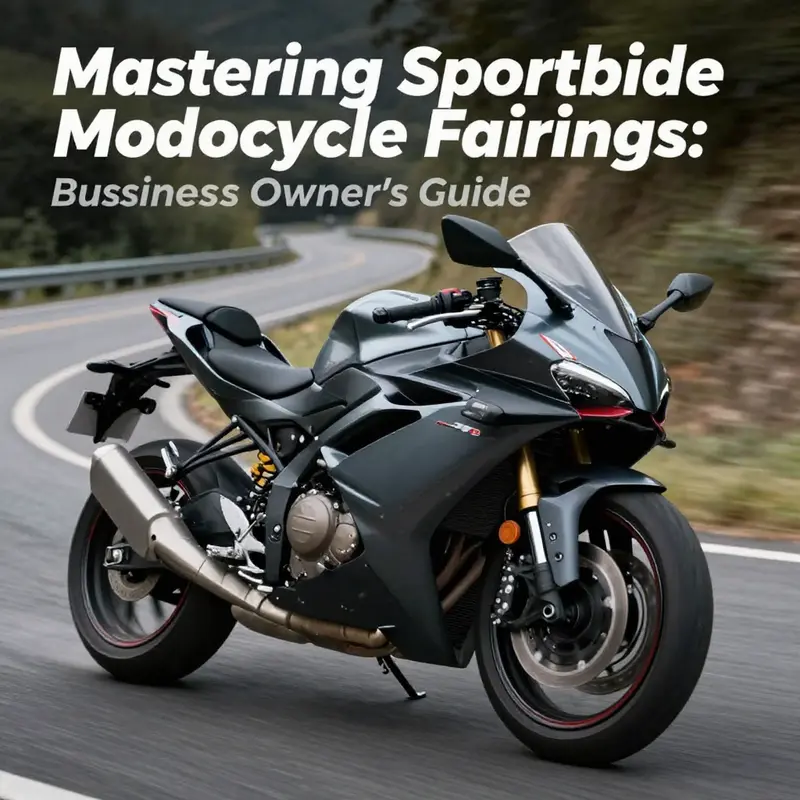
Full sportbike motorcycle fairings play a pivotal role in maximizing aerodynamic efficiency, translating to enhanced performance and improved rider safety. By enveloping the entire motorcycle, these fairings create a sleek silhouette that reduces air resistance, enabling riders to achieve higher speeds with greater ease. As motorcycles operate at elevated velocities, the force of drag becomes a significant factor impacting acceleration and stability. Full fairings are engineered specifically to minimize these aerodynamic drag forces, allowing sportbikes to slice through the air seamlessly.
One of the key advantages of full fairings is the impressive reduction in air resistance. When a motorcycle moves through the atmosphere, air exerts frictional forces against its surface. By employing a well-designed fairing, sportbikes achieve a streamlined profile that effectively channels airflow, thus reducing drag. This reduction is not only beneficial for increasing maximum speed but also enhances acceleration capabilities, giving riders the confidence they need for competitive environments, such as racetracks.
In addition to lowering drag, the aerodynamic configuration of full fairings grants riders improved stability, especially at high speeds. A stable motorcycle is crucial for maintaining control during aggressive riding, particularly when cornering or negotiating at high velocities. Fairings contribute to this stability by shaping the airflow over the bike, helping to keep it planted on the road. As riders push their limits, this enhanced grip allows for a more controlled and exhilarating riding experience, enabling sportbike enthusiasts to navigate challenging tracks efficiently.
Furthermore, an added bonus of reduced drag is its positive effect on fuel efficiency. By requiring less engine power to maintain speed, sportbikes equipped with full fairings consume fuel more efficiently, especially on long-distance rides. This is crucial for riders who embark on extended journeys or participate in endurance events, where every drop of fuel counts. The blend of performance and economy makes full fairings an attractive feature not only for racing applications but also for everyday riders.
Moreover, the comfort of the rider cannot be overlooked. Full fairings act as a shield against the wind, dramatically decreasing the blast experienced at highway speeds. This protective barrier minimizes fatigue caused by continuous exposure to turbulent air, making longer rides far more enjoyable. Riders can focus on the road and the thrill of the ride rather than being hindered by relentless wind resistance.
However, it is essential to acknowledge the trade-offs involved with full fairings. While they enhance performance, they also add a degree of weight, which can affect maneuverability in urban environments or during low-speed riding. Additionally, their intricate installation and material requirements can make repairs more costly compared to simpler fairing types. The design must also consider proper engine cooling, as the closed-off nature of full fairings can impede airflow necessary for cooling the engine in stop-and-go scenarios.
In conclusion, the aerodynamic advantages of full sportbike motorcycle fairings highlight their importance within the motorcycle industry. They address essential performance metrics such as drag reduction, stability, fuel efficiency, and rider comfort, making them indispensable for sportbike enthusiasts. For those seeking to elevate their riding experience, understanding and leveraging the intricacies of full fairing aerodynamics is key to unlocking the full potential of any sportbike. Riders can explore a wealth of full fairing options tailored to enhance both performance and aesthetics, ensuring a thrilling ride on every road. For more insights into specific motorcycle models and their fairings, visit the extensive selection available at Ultimate MotorX to find products suited to your riding style.
2. Innovative Materials Shaping the Future of Full Sportbike Motorcycle Fairings: Performance and Protection Insights
The landscape of full sportbike motorcycle fairings has undergone a remarkable transformation driven by advanced material science, which has crucial implications for both performance and rider safety. Today’s fairings are not merely decorative; they are multifaceted components meticulously engineered to optimize aerodynamic function, enhance structural integrity, and elevate safety standards. This metamorphosis is rooted in the strategic selection and application of materials designed to endure the rigors of high-speed motorcycling.
Among the materials commanding attention, high-impact ABS (Acrylonitrile Butadiene Styrene) plastics have proven indispensable. Their reputation stems from a unique combination of affordability, durability, and ease of production. ABS facilitates intricate designs through injection molding, essential for crafting the sleek, aerodynamic profiles characteristic of modern sportbike fairings. This process ensures that every curve and contour serves a purpose, minimizing drag while maximizing aesthetic appeal.
Beyond ABS, advanced polymer composites have emerged as a potential game-changer. These materials boast exceptional strength-to-weight ratios and resistance to ultraviolet (UV) degradation, demonstrating enhanced thermal stability under varied climatic conditions. A contemporary example is the integration of polymer composites in the fairings for certain high-performance machines, allowing manufacturers to push the boundaries of what is achievable in terms of design and functionality. This shift not only contributes to weight savings but also significantly influences a bike’s overall handling, crucial for sport and touring enthusiasts alike.
Not to be overlooked is lightweight aerospace-grade carbon fiber, which has taken center stage in elite motorcycle design. The remarkable stiffness paired with minimal weight makes carbon fiber the preferred choice for racing applications, where performance is paramount. Manufacturers, especially those in competitive markets like Kawasaki, leverage advanced composite production techniques to achieve impeccable finish quality and precision. Notably, models such as the ZX6R exemplify this migration toward lightweight materials, effectively enhancing speed and maneuverability while adopting an aggressive aesthetic that resonates with sportbike aficionados.
In addition to material advancements, modern fairings incorporate various engineering features that enhance rider experience. Comprehensive wind protection is a hallmark of full fairings, significantly reducing rider fatigue associated with exposure to high-speed airflow. This aerodynamic engineering is paramount for activities such as track days, where extended periods of speed demand equipment that supports the rider’s endurance and comfort.
However, maintenance considerations present a double-edged sword. The design of full fairings often complicates access to critical components of the motorcycle, making routine checks and repairs more challenging compared to their semi-fairing counterparts. Riders must balance the allure of sleek aesthetics with practical applications, considering their comfort level with maintenance tasks involved.
Moreover, while full fairings excel in wind protection, there is a growing emphasis on crash protection properties. Effective crash absorption is an essential feature, underscoring that a fairing’s design should account for potential impact scenarios. Material selection directly influences this aspect, with manufacturers increasingly exploring options that enhance both protection and performance.
In summary, the intersection of innovative materials and engineering prowess is elevating full sportbike motorcycle fairings to unprecedented heights. As technology progresses, the integration of smart materials and adaptable designs portends a future where rider experiences could be further enriched, redefining performance and safety standards in the sportbike arena. For riders keen on performance, durability, and safety, exploring fairing options tailored to individual machines will remain a vital consideration.
3. Overcoming Maintenance Hurdles: Insights into Full Fairings and Their Implications for Performance
Full sportbike motorcycle fairings offer significant advantages in terms of aerodynamic efficiency and rider protection, yet they introduce a series of maintenance challenges that can complicate ownership. These fairings, while designed to shield riders from wind and elements, create an intricate relationship between performance enhancement and routine upkeep requirements.
One primary challenge associated with full fairings is their obstructed access to crucial motorcycle components. The extended coverage often makes it difficult for mechanics and owners to reach vital areas such as the engine, air filter, and electrical connections. These components are essential for the motorcycle’s operation and safety, yet they become hidden behind layers of plastic, requiring the disassembly of the fairings for even basic service tasks. For example, accessing the battery or spark plugs often necessitates the removal of several fairing panels, which can be both tedious and frustrating.
Moreover, the time-consuming nature of servicing full fairings cannot be overlooked. Routine maintenance tasks that should take minutes can end up extending into hours due to the necessity of disassembly and careful handling of the fairings. Technicians spend extra time detaching and reinstalling components, which can increase labor costs and downtime for riders. This scenario cultivates a culture of neglect where riders might skip regular maintenance simply because the logistical hurdles appear daunting, thus compromising the performance of the bike in the long run.
The risk of damage during reinstallation also surfaces as a crucial maintenance concern. Improper handling can lead to damaged clips, broken fasteners, or chipped paint, all of which could require costly repairs. When reassembling, it becomes essential to handle every piece with precision to maintain the aesthetic integrity and structural quality of the fairings. Such risks can weigh on the reliability of a sportbike, fostering anxiety over maintenance routines that should otherwise be straightforward.
Another aspect complicating maintenance is the integration of fairings with the motorcycle’s bodywork. In high-performance sportbikes, fairings are tightly fitted to the chassis, intertwining with electronic systems. This complicated design means that performing routine checks or repairs might involve navigating past multiple components, creating an additional layer of complexity. For instance, ensuring that the electrical connections remain intact exposes technicians to potential errors, affecting the motorcycle’s electrical performance if not executed with diligence.
Despite these maintenance challenges, full fairings continue to be the preferred choice among sportbike enthusiasts for their unmatched wind deflection and protection. Riders who engage in long-distance travels particularly benefit from the comfort offered by full fairings as they minimize fatigue during high-speed descents. Therefore, while riders need to acknowledge the inherent maintenance difficulties, they must also weigh these against the performance enhancements and protective qualities that full fairings provide.
For those exploring coverage options and fairing configurations tailored to various models, the detailed guide on performance features such as the Kawasaki Er6n Fairing Guide offers insights into how different fairing choices can impact maintenance logistics and overall motorcycle performance.
Chapter 2: Striking the Perfect Balance: Semi-Sportbike Fairings for Dynamic Riding Adventures
1. Aerodynamic Efficiency and Performance in Semi-Sportbike Motorcycle Fairings: A Feast for Riders Who Seek Practicality
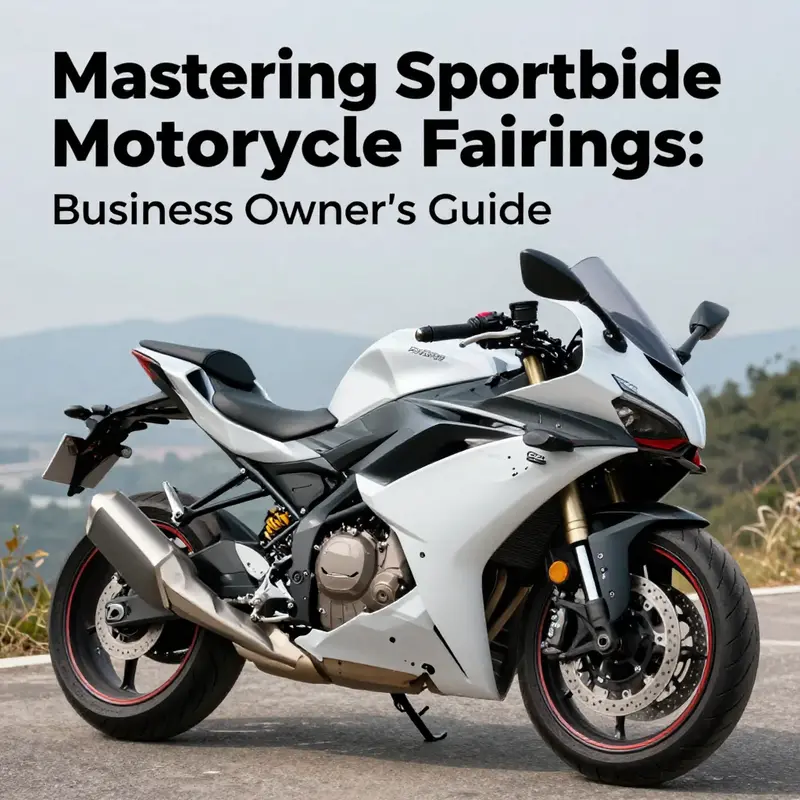
Semi-sportbike motorcycle fairings, often branded as three-quarter fairings, encapsulate a pivotal evolution in motorcycle design. They fuse the rigorous sporting aerodynamics of full fairings with a lighter, more accessible configuration favored by a swath of contemporary riders. In the realm of performance and rider comfort, these fairings serve as a balanced compromise, rendering them the ideal choice for both spirited rides and everyday commutes.
Central to the appeal of semi-sportbike fairings is their strategic design. Covering the upper and front segments of the motorcycle, they play a crucial role in streamlining airflow, enhancing aerodynamic efficiency significantly. This vigilance towards airflow dynamics not only improves straight-line speed but also contributes to high-speed stability. Riders who take their motorcycles to the limits will appreciate the substantial reduction in wind resistance that semi-fairings provide, which directly correlates to improved fuel efficiency and a smoother ride. In competitive settings or long-distance touring, such aerodynamic characteristics are paramount, allowing riders to maintain speed with less effort and reduced drag.
Despite their formidable advantages, semi-sportbike fairings present a distinct set of limitations. While they effectively enhance aerodynamics, they only partially shield riders from the elements. The exposure can result in discomfort and fatigue during extended journeys, particularly at high speeds where wind pressure is most acute. Riders accustomed to the protective envelope of full fairings may find themselves fatigued more quickly when navigating lanes or long highways atop a semi-fairing bike. This trade-off is something to consider when selecting a fairing type, as rider endurance is a critical factor in long rides.
Nevertheless, the popularity of semi-sportbike fairings persists, driven by their unique blend of characteristics that appeal to a diverse rider base. They cater admirably to enthusiasts who desire a sporty aesthetic without being encumbered by the weight or complexity of full fairing systems. Riders are drawn to this versatile design as it allows for effortless maintenance and repair—a particularly attractive feature given the rigorous demands of a bike’s operating environment. In addition to their performance benefits, the aesthetic value cannot be overlooked, with their sleek lines and sport-oriented design serving to enhance the visual appeal of the motorcycle.
What sets semi-sportbike fairings apart in the competitive motorcycle market is their weight efficiency. They provide considerable aerodynamic advantages while keeping the motorcycle lighter and more agile. This balance contributes to overall performance and handling, which is especially appealing in urban settings where maneuverability is vital.
For riders considering an upgrade, it’s essential to research compatibility with their specific motorcycle model to ensure optimal fitment and performance. With the right semi-sportbike fairings, a rider can enjoy a harmonious blend of speed, style, and comfort. More insights into the technical intricacies of performance can be gained from specialized guides, such as the comprehensive overview available on the aerodynamic design principles of major brands. Choosing wisely opens up not only the thrill of the ride but also cultivates an appreciation for the blend of engineering and art that these fairings embody.
2. The Economic Dynamics of Semi-Sportbike Motorcycle Fairings: Striking a Sustainable Price and Performance Balance
The economics of semi-sportbike motorcycle fairings reflect a rich tapestry woven from performance metrics, production costs, and consumer preferences. Manufacturers constantly grapple with the intricate balance between designing fairings that deliver superior aerodynamics and ensuring they remain economical and practical. The diverse materials employed—ranging from durable ABS plastic to high-end carbon fiber—play a crucial role in influencing not only the fairing’s structural integrity but also its cost to consumers.
High-performance materials contribute to aerodynamic efficiency, allowing for better wind deflection and reduced drag at speed. However, these advantages often come at a premium. Manufacturers investing in advanced materials science and production technology face notably high upfront costs, which, over time, may be transferred to consumers, leading to a market where prices can vary significantly. This creates a delicate balancing act, as producers must remain competitive in a landscape where consumer demand fluctuates based on broader economic conditions.
Economic influences, such as global currency fluctuations and supply chain dynamics, significantly impact manufacturers’ ability to keep prices stable and affordable. When the cost of raw materials rises due to trade policies or transport disruptions, manufacturers often find themselves in a position where they must make strategic decisions regarding their pricing strategies. Consequently, this complex interplay shapes the market for semi-sportbike fairings and governs how companies align their product features with affordability.
Consumer behavior also significantly sways the market, as purchasing power tends to wax and wane with economic climates. During periods of downturn, riders may exhibit a preference for more practical and cost-effective options, favoring semi-fairings over their more extravagant counterparts. Conversely, during times of economic growth, increased consumer confidence leads to a greater willingness to invest in premium features and advanced designs, thereby stimulating innovation in semi-sportbike fairing offerings. This cycle highlights not just an immediate reaction to economic conditions but also longer-term trends that reflect broader societal attitudes towards spending and value.
In response to shifting consumer demands, market trends reveal that manufacturers are increasingly focusing on versatile designs that cater to a wider audience. The semi-sportbike segment is no longer just about competition; it embraces those looking for practical solutions without sacrificing aesthetic appeal or aerodynamic performance. The design philosophy underlying models like the KTM RC390 showcases this approach by optimizing airflow around critical areas like the engine and fuel tank, promoting effective rider protection along with visual allure.
However, it is essential to acknowledge the trade-offs inherent in these designs. While many semi-sportbike fairings still provide adequate protection, they often compromise on full rider wind coverage, raising questions about how far one can push aerodynamic enhancements without incurring excessive costs or complications. The challenge remains clear: manufacturers must create products that offer enhanced performance while ensuring these innovations are accessible to a broader range of consumers. In this competitive landscape, understanding these economic dynamics is crucial to cultivating a successful future for semi-sportbike motorcycle fairings, balancing the scales of performance and practicality effectively within the evolving market.
For those exploring market options, a comprehensive overview of specific fairing models, such as fairings for Honda CBR, can provide valuable insights into the available choices that meet both economic and performance needs.
3. The Rise of Semi-Fairings: Embracing Practicality and Performance in Today’s Motorcycle Landscape
The perception of semi-sportbike motorcycle fairings has evolved significantly in recent years, driven largely by changing rider preferences and advancements in motorcycle technology. These semi-fairings, often recognized for their blend of aerodynamic efficiency and practicality, now occupy a prominent position within the sportbike segment. Their design encompasses the front and upper quarters of the motorcycle, providing substantial wind protection for both the rider and passenger while maintaining an engaging aesthetic that appeals to enthusiasts.
Recent analyses illustrate that semi-fairings have become a go-to choice for many riders, particularly those engaging in sport-touring or long-distance commuting. This subset of motorcyclists values the lower weight and simplified maintenance that semi-fairings offer, making them an attractive alternative to their full-fairing counterparts. For instance, the open and exposed sections alongside these fairings facilitate easier access to vital components during routine checks or repairs, a feature that resonates strongly with naturally inclined DIY enthusiasts. In a world where efficiency often trumps sheer performance, this aspect undoubtedly contributes to the growing popularity of semi-fairings.
Moreover, current market dynamics indicate a notable shift towards versatility within motorcycle design, where semi-fairings shine by harmonizing style and function. Not only do these fairings minimize aerodynamic drag—a crucial factor for high-speed stability—but they also promote enhanced cooling for the engine. This benefit is particularly salient in models like the KTM RC390, where optimal thermal management is imperative for consistent performance. Motorcycle manufacturers have been quick to recognize these attributes, leading to the incorporation of semi-fairing designs in a range of models, from commuter-focused machines to performance-oriented sport-touring bikes.
The contemporary rider’s mindset also reflects a broader sociocultural trend, placing an increasing emphasis on practicality without sacrificing enjoyment. Riders today often seek a balance that several years ago might have been overlooked; they don’t just want rapid acceleration or striking good looks, but a machine that serves multiple functions. Semi-fairings offer an attractive compromise—providing swift rideability, significant wind deflection, and limited exposure to adverse weather conditions, all while being less cumbersome than full fairings to manage and maintain.
In the current landscape, diverse models from manufacturers like Honda and Yamaha exemplify this trend with innovative offerings that incorporate semi-fairings as a key design feature. These variations not only highlight the enhanced aerodynamics but also reflect the manufacturers’ ongoing commitment to meeting consumer demands for rider-centric designs. As the industry continues to evolve, the prominence of semi-fairings is likely to increase, not just as an aesthetic flourish but as a core element of functional motorcycling.
The acceptance and embrace of semi-sportbike fairings represent a microcosm of the broader principles driving motorcycling forward. As society shifts towards valuing technology and efficiency, the usage trends of these fairings underscore a collective desire for versatility, safety, and performance—all of which contribute to a richer riding experience. In today’s market, semi-fairings are not just a design choice but a reflection of an evolving motorcycling culture that appreciates the blend of adventure, convenience, and engineering innovation. To explore available options tailored to various motorcycle models, riders can check specialized retailers such as Ultimate MotorX.
Chapter 3: Navigating Material Choices in Sportbike Fairings: OEM Excellence versus Aftermarket Affordability
1. The Impact of ABS Plastic in Sportbike Fairings: Balancing Quality and Cost
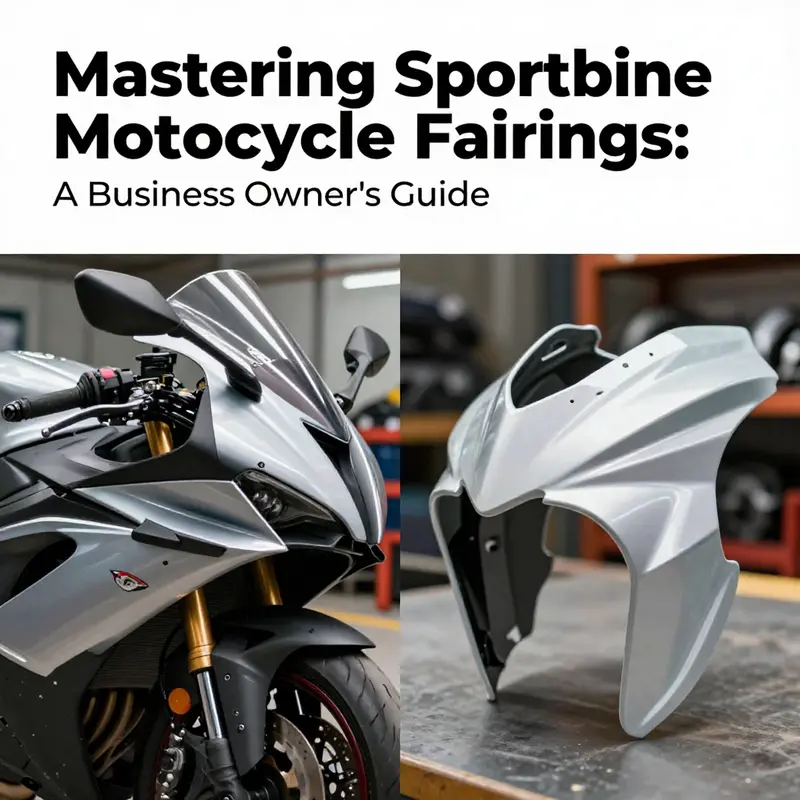
In the world of sportbike motorcycles, fairings play a pivotal role not only in aesthetics but also in performance and rider comfort. While the sleek contours of fairings capture attention, the materials used to construct them significantly influence factors such as durability, weight, and cost. One of the most prevalent materials in both Original Equipment Manufacturer (OEM) and aftermarket fairings is ABS plastic, renowned for its balance of strength and flexibility. Understanding how this material is utilized can guide riders in making informed decisions about their fairing options.
OEM fairings, exemplified by models like the Kawasaki ZX6R, often employ proprietary blends of ABS or similar engineering plastics. These advanced materials are meticulously designed to satisfy rigorous safety and performance standards. They ensure a precise fit and finish that not only enhances the bike’s aerodynamic profile but also contributes to structural integrity amid the high-stress environments encountered on the road.
Aftermarket fairings have gained traction due to their affordability and customization options. Among these, ABS plastic is a staple, appreciated for its impressive impact resistance and moderate strength, making it a popular choice for many riders seeking replacements or upgrades. Unlike fiberglass, which is heavier and more brittle, ABS maintains flexibility, reducing the likelihood of cracks and damage from minor impacts. This adaptability is particularly beneficial for sportbike riders who may encounter the occasional scrape or drop in the course of spirited riding.
The manufacturing landscape for aftermarket ABS fairings has evolved dramatically in recent years, particularly in industrial hubs across China, such as Guangdong province. Advances in manufacturing technologies, including high-precision injection molding, have refined the production process, leading to consistent quality and durability in ABS fairings. This enhanced production capability has allowed aftermarket manufacturers to create fairings that closely rival OEM standards in both performance and finish while remaining significantly more economical.
Nevertheless, the choice between OEM and aftermarket fairings—and the particular materials used—hinges on several consideration factors. Cost tends to weigh heavily in a rider’s decision-making process. While OEM fairings typically come with a higher price tag due to the assurance of meeting specific manufacturer specifications, high-quality aftermarket options offer a compelling alternative without sacrificing essential characteristics such as impact resistance and reliability. It’s essential for riders to evaluate their budget alongside their performance and aesthetic requirements.
When contemplating the benefits of ABS fairings from reputable manufacturers, it becomes clear why so many riders opt for these parts. They represent an effective blend of affordability, performance, and resilience. For those interested in aftermarket enhancements, exploring options for models from notable brands can yield impressive results, particularly for iconic names such as Honda or Yamaha. By choosing wisely, riders can achieve both a visually appealing sportbike and a machine capable of handling the rigors of daily use. Ultimately, whether selecting OEM or aftermarket, understanding the advantages and limitations of materials like ABS plastic will be crucial to enhancing the overall experience of motorcycle ownership.
2. The Role of Fiberglass within the Spectrum of Sportbike Fairing Materials
When it comes to sportbike motorcycle fairings, material choice is pivotal, particularly for those exploring custom and aftermarket options. Among the various materials available, fiberglass stands out for its unique blend of affordability and adaptability, making it a consistent choice for many motorcycle enthusiasts. However, as with any material, it presents its own set of advantages and challenges that riders must consider.
Fiberglass-reinforced plastic (FRP) fairings are often embraced by riders seeking customization on a budget. This material is not only easier to paint but also more amenable to modifications compared to higher-end alternatives like carbon fiber or ABS plastic. Custom builders frequently favor fiberglass for these reasons, enjoying the freedom it offers to personalize the bike’s aesthetics without breaking the bank. On the other hand, the practical implications of fiberglass must be understood by potential buyers.
One notable drawback of fiberglass fairings is their weight. Generally, these fairings can be 15–30% heavier than their carbon fiber equivalents. The additional mass can impact handling characteristics, especially as these bikes reach higher speeds. While fiberglass components do possess certain advantages in terms of engineering, such as resistance to cracking under specific conditions, they are also prone to brittleness. This brittleness can be a concern in scenarios involving high impact; thus, cyclists should weigh the potential for damage against their riding style and frequency of use.
For those committed to performance, the limitations of fiberglass push many toward alternatives. Carbon fiber, for instance, brings superior strength-to-weight ratios, allowing for lightweight frameworks that enhance acceleration and top speed. This makes carbon fiber a preferred choice, particularly in racing environments where every ounce matters. Despite the higher costs associated with carbon fiber, the investment often pays off through improved handling and aerodynamic advantages, which are critical for serious riders.
Another dimension to consider when evaluating fairing materials is compatibility with specific motorcycle models. Unlike OEM fairings, which offer precise fits thanks to factory standards, aftermarket fiberglass options may require modifications to align perfectly with the motorcycle. In contrast, the rigidity and consistency of materials like ABS provide a degree of reliability and uniformity that appeals to those who prioritize exact fitting and ease of installation.
Each material has its own identity and implications for the riding experience. As discussed in a detailed guide from Motorcycle.com, riders should consider how their material choices affect not just the aesthetics of their bike, but also ride dynamics, safety, and long-term maintenance. Fiberglass may represent an accessible entry point into the world of custom sportbike fairings, but it comes with trade-offs in handling and durability that should not be overlooked. Ultimately, those who deeply value performance and longevity might find that investing in higher-grade materials yields far better results over time. While fiberglass remains a viable and popular option for many, it is often wise to evaluate how it fits within the broader spectrum of fairing materials available.
For riders looking to explore fiberglass options or other aftermarket fairings, additional customization opportunities can be found by browsing selections tailored for specific models such as the Honda CBR series or the Yamaha YZF range through various suppliers. Always ensure that the components align with your motorcycle’s specifications and performance goals.
3. Carbon Fiber Fairings: Striking the Perfect Balance Between Performance and Aesthetics
When considering the various materials used in sportbike motorcycle fairings, carbon fiber emerges as the epitome of engineering excellence and design allure. Distinguished for its impressive strength-to-weight ratio and aesthetic superiority, carbon fiber fairings have become a favored choice among performance-oriented riders. This advanced material not only reduces the overall weight of the motorcycle but also ensures a significant improvement in handling and agility, making it an invaluable asset for those who seek quicker responsiveness and enhanced control.
The appeal of carbon fiber goes beyond mere performance. Visually, the material captivates with its distinctive weave pattern and glossy finish, contributing to an aggressive and sophisticated look that enhances the overall appearance of any sportbike. This dual benefit—fusing performance enhancements with an elevated aesthetic—satisfies the craving for both speed and style that many sportbike owners desire. Moreover, the lightweight nature of carbon fiber plays a pivotal role at high speeds, where reduced drag leads to improved aerodynamic efficiency that can dramatically impact riding dynamics.
However, it is important to note that carbon fiber is not the only option available in the aftermarket. While its advantages are well-recognized, the cost and manufacturing complexity often render it a premium choice. Many riders will consider alternative materials such as polypropylene (PP), ABS plastic, and fiberglass, which are also utilized in producing motorcycle fairings. These materials offer a more economical solution and are produced through established methods like injection molding or hand layup techniques, ensuring durability and reasonable performance.
Aftermarket manufacturers have increasingly turned to these alternatives, optimizing their designs to approach the aerodynamics offered by OEM (original equipment manufacturer) fairings. By leveraging innovative design and testing strategies, these companies can produce products that deliver a substantial balance between weight and robustness without the financial burden often associated with carbon fiber options. Beyond performance, manufacturers have also introduced advanced coatings and surface treatments that mimic the appearance of carbon fiber, enabling riders who want a high-end look without the high-end price tag.
Furthermore, the globalization of the manufacturing industry has introduced efficiencies in producing high-performance fairings across various materials. For instance, the Chinese manufacturing sector has established itself as a leader in the production of composite materials, driving down costs while maintaining quality. The rise of processing hubs in areas like Guangdong, with their comprehensive supply chain capabilities, enables quick iteration and customization of products—transforming raw materials into high-quality fairings efficiently.
In summary, while carbon fiber remains the gold standard for sportbike fairings due to its unique blend of performance and premium aesthetics, a variety of alternative materials have emerged that cater to diverse budgets and preferences. Riders must assess their own needs—whether prioritizing performance, cost-effectiveness, or visual appeal—when selecting their fairings. Embracing the advancements across materials ensures that every rider can find a solution suited to their distinctive journey, be it on the track or the open road. For those looking to explore a wide range of fairings, including specific models like the BMW S1000RR or the Honda CBR series, numerous aftermarket options feed into this growing market, allowing ample choice for customization.
Chapter 4: Forging the Future of Sportbike Motorcycle Fairings: The Convergence of Aerodynamics and Engineering Mastery
1. Harnessing Aerodynamics for Peak Performance: The Engineered Innovations in Sportbike Fairings
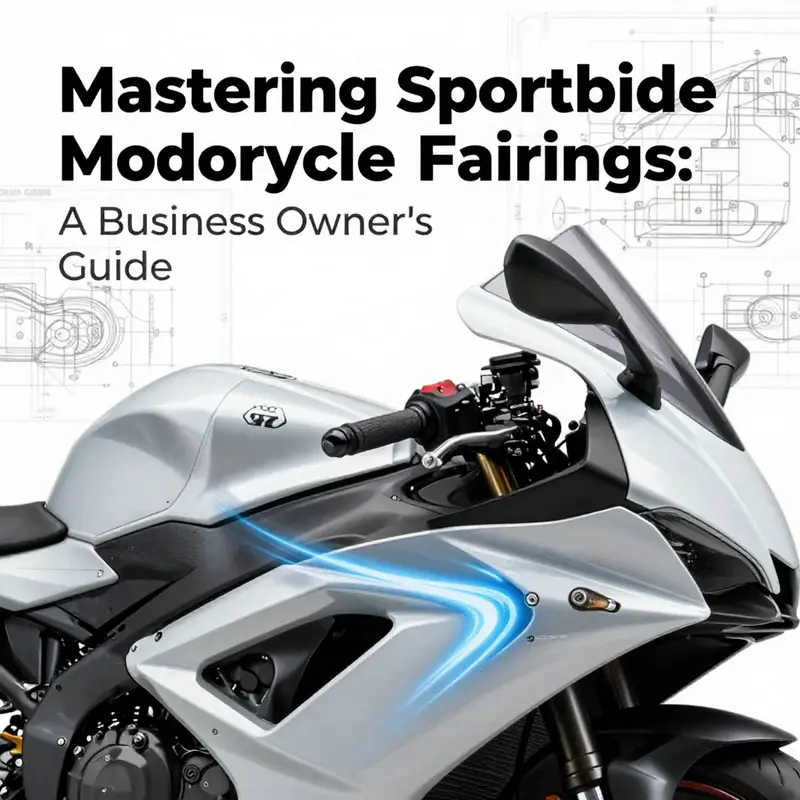
Understanding the aerodynamics of sportbike motorcycle fairings reveals their pivotal role in enhancing overall performance and rider experience. Fairings are not mere covers; they are meticulously designed components that significantly minimize air resistance and optimize airflow. This engineering discipline focuses not just on sleek aesthetics but on the essential dynamics that govern speed and stability in high-performance motorcycling. With modern sportbike fairings, both aerodynamic efficiency and rider comfort experience a remarkable transformation, paralleling advancements in materials and design methodologies.
At their core, the design of sportbike fairings aims to reduce drag—the primary foe of speed. Engineers utilize streamlined shapes that promote laminar airflow along the surfaces of the motorcycle. The effective contouring of front fairings, combined with side panels and intricately shaped rear winglets, channels air in a way that enhances downforce. This downforce counters the motorcycle’s tendency to lift at high speeds, ensuring that tires maintain optimal grip during aggressive cornering or high-speed cruising. The balance achieved through careful aerodynamics enables a sportbike rider not only to accelerate efficiently but also to handle their machine with unparalleled precision.
Advanced computational tools, notably Computational Fluid Dynamics (CFD), have revolutionized the design process. By simulating airflow patterns around a motorcycle, engineers can visualize how air interacts with various components. This precision allows for the identification and refinement of problematic areas, thus yielding fairings that are aerodynamic, lightweight, and conducive to the motorcycle’s performance. Coupled with real-world data from wind tunnel testing, these designs undergo rigorous evaluation before production, validating their efficacy in reducing drag and enhancing stability under real riding conditions.
Furthermore, modern fairings often incorporate integrated air ducts that channel airflow strategically towards essential components, such as the engine and brakes. This integration aids in cooling while preserving the overall aerodynamic integrity of the motorcycle. Such innovations not only serve mechanical purposes but also align with the aesthetic demands of riders who seek visually striking machines without compromising on performance. The engineering decisions behind these designs reflect an understanding of the balance between form and function—highly sought after in the sportbike market.
In the realm of material advancements, the introduction of lightweight composites, such as carbon fiber, remains a game-changer. These materials allow for the crafting of intricately shaped fairings that defy traditional limitations imposed by heavier materials like ABS plastic. This shift does not merely improve aerodynamics; it also leads to reductions in overall weight. Lighter fairings contribute to a sportbike’s acceleration and handling, fundamentally altering the ride dynamics while enhancing fuel efficiency. The synthesis of advanced materials with cutting-edge aerodynamic principles results in a new breed of motorcycles that push the boundaries of performance.
As the sportbike industry continues to evolve, the need for adaptability grows. Innovations such as adjustable fairings allow riders to modify their bike’s aerodynamics based on prevailing environmental conditions or personal preferences. These features reflect a deeper understanding of how nuanced adjustments can lead to staggering performance gains. In a landscape where every second counts on the racetrack, such refinements validate the critical role of aerodynamic engineering in sportbike design.
In conclusion, the intersection of aerodynamics and engineering in sportbike motorcycle fairings not only enhances performance but also facilitates a superior riding experience. The thoughtful integration of technical innovations continues to carve a path for future advancements, all while adhering to the principles of efficiency, stability, and rider connection to their machine. For an in-depth exploration of specific fairings and their aerodynamic benefits within the sportbike community, consider exploring dedicated resources centered on motorcycle design dynamics.
2. The Fusion of Advanced Materials and Cutting-Edge Manufacturing in Sportbike Motorcycle Fairings
The evolution of sportbike motorcycle fairings represents a confluence of advanced material science and innovative manufacturing techniques, aimed meticulously at enhancing performance attributes critical for modern riding experiences. Central to this transformation is the application of composite materials, which have redefined the industry standards for weight, durability, and functional performance. Among the leading materials, carbon fiber reinforced polymers (CFRP) stand out due to their extraordinary strength-to-weight ratio. By integrating these materials into the design, manufacturers can produce fairings that not only resist the immense aerodynamic forces encountered at high speeds but also reduce overall bike weight, consequently improving acceleration and handling.
Advanced thermoplastics like polycarbonate and ABS blends also play a pivotal role. These materials boast substantial impact resistance and durability, necessary for withstanding harsh environmental conditions. Their flexibility allows for more intricate designs, enabling engineers to create fairings that better channel airflow. This streamlined airflow not only enhances rider comfort but also optimizes engine cooling by guiding air to critical engine components. The balance of lightweight construction and robust performance fostered by these materials illustrates why they are preferred choices in the manufacturing of fairings suitable for both competitive and everyday riders.
The journey from raw materials to finished fairings is embodied in several sophisticated manufacturing processes. Resin Transfer Molding (RTM) emerges as a critical method, employing precise control over fiber orientation. This technique minimizes voids within the composite, thus enhancing structural integrity and overall reliability of the fairings produced. The resultant components exhibit superior mechanical properties, ensuring they can endure the rigors of both daily riding and extreme performance scenarios.
Coupled with RTM, vacuum bagging enhances the consolidation of laminated layers, ensuring a tight, void-free finish that significantly increases the component’s strength and aesthetic quality. Following that, autoclave curing further elevates the manufacturing process. By applying heat and pressure, this technique achieves optimal material properties, resulting in fairings that are light and incredibly strong. This meticulous manufacturing approach is pivotal in a market pushing for ever-more aggressive designs and uncompromising performance standards.
The design process underlying these advances is heavily influenced by principles grounded in engineering. Employing Computational Fluid Dynamics (CFD), engineers can simulate and analyze airflow dynamics around the motorcycle. This predictive technology ensures that the fairing shapes developed not only conform to aesthetic preferences but also perform exceptionally well in terms of aerodynamics. Likewise, Finite Element Analysis (FEA) is utilized to assess the structural performance under various load conditions, ensuring that the fairings will hold up under stress without failure.
Through rapid iteration, combining simulation results with real-world testing, designers refine their products continuously. This synergy of advanced materials and state-of-the-art manufacturing techniques not only advances performance metrics but also ushers in a new era of rider safety and comfort. As a result, sportbike enthusiasts can experience an unmatched synergy of style and function—one that embodies the essence of engineering excellence in motorcycle design.
For additional detailed insights into the wide variety of available fairing options for specific motorcycle brands and models, prospective buyers can explore categories tailored to their needs, such as those available for Honda or Yamaha models.
3. Personalization Meets Performance: The Evolution of Sportbike Fairings in Enhancing Rider Experience
The integration of sophisticated engineering principles into sportbike motorcycle fairings marks a significant evolution in motorcycle design, fundamentally enhancing the rider’s experience. These fairings do more than provide mere aerodynamic protection; they facilitate a personalized relationship between the rider and the machine, revolutionizing how enthusiasts interact with their bikes.
At the core of these advancements is the application of computational fluid dynamics (CFD) and finite element analysis (FEA). Manufacturers can meticulously sculpt fairing shapes to minimize drag, manage airflow, and reduce turbulence. Such technical innovations are essential for optimizing performance, especially at high speeds where stability becomes paramount. As a result, riders benefit from improved handling characteristics and responsiveness.
The advancements in material science greatly complement these engineering innovations. The traditional use of heavyweight materials has shifted toward lighter, high-performance composites like carbon fiber. These materials afford significant weight reductions without sacrificing strength or durability. This shift not only enhances acceleration but also contributes to an overall sophisticated riding experience where riders can feel confident in their machine’s capabilities.
However, beyond performance metrics, the motorcycle fairing landscape has increasingly prioritized customization, allowing riders to make personal statements through their machines. This trend is evident in modular designs that feature removable and interchangeable panels. Riders can easily adapt their bike’s aesthetic with new color schemes, graphics, or accessories like integrated LED lighting and camera mounts to suit their styles. This level of personalization transforms the motorcycle from a standardized product into a unique embodiment of the rider’s identity and passion.
Ergonomics is another critical aspect embedded in modern fairing design, directly addressing rider comfort and fatigue reduction. Features such as adjustable wind deflectors and optimized cockpit layouts are increasingly common. They ensure that the fairings not only protect against wind and weather but also contribute to a comfortable riding position, enhancing long-distance performance. Riders experience less discomfort over extended journeys, allowing for more enjoyable rides.
The integration of intelligent systems further enhances the customization experience, aligning with the rider’s preferences and riding conditions. In recent models, manufacturers have begun incorporating sensors within fairings to monitor variables such as temperature and airflow, as well as even the rider’s posture. Through these advanced feedback loops, motorcycles can now adjust elements like aerodynamic winglets dynamically, responding to speed and throttle input in real-time. This capability produces a heightened level of performance and responsiveness while fostering a deeper emotional connection between the rider and their sportbike.
Ultimately, the evolution of sportbike fairings illustrates a perfect marriage of design innovation and user experience. What’s apparent is that the rider’s desire for personalization is equally matched by the industry’s commitment to integrating advanced technologies into their creations. As the market continues its trend toward customization, sportbike fairings will undeniably play a crucial role in shaping the modern motorcycle landscape, exemplifying how engineering can harmonize with personal style to enhance the rider experience.
For those keen on exploring the latest in customization options for various sportbike models, an excellent resource is the guide at Ultimate Motor X, which offers diverse options across multiple motorcycle brands.
Chapter 5: Enhancing Rider Experience: The Functional Elegance of Sportbike Fairings
1. Tailored Protection: The Role of Sportbike Fairings in Long-Distance Comfort and Safety
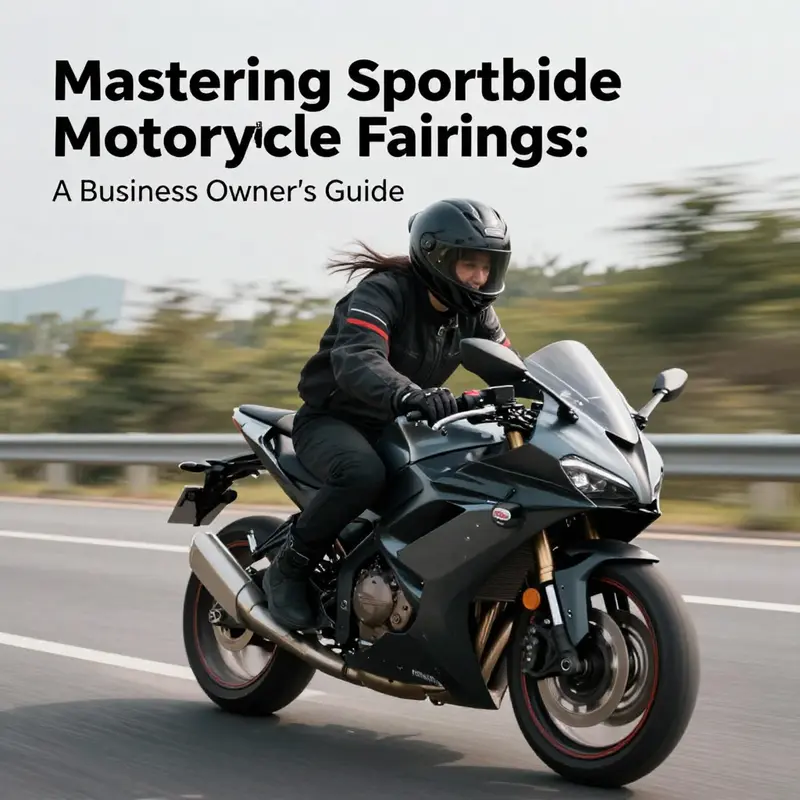
Sportbike motorcycle fairings are more than just aesthetic enhancements; they play a pivotal role in ensuring rider comfort and safety, particularly during long-distance travel. Designed to tackle the unique challenges presented by extended rides, these fairings effectively shield riders from various environmental elements while simultaneously optimizing performance. One of the most significant benefits of sportbike fairings is their ability to reduce aerodynamic drag. This reduction is crucial for maintaining stability and comfort, especially when traversing highways at high speeds. By streamlining airflow around the motorcycle, fairings minimize wind resistance that can lead to fatigue. When the wind is deflected efficiently, riders can maintain a more relaxed posture—effectively reducing muscle strain that typically accumulates during long journeys. The result is longer, more enjoyable rides without the exhaustion often associated with wind fatigue.
In addition to comfort, sportbike fairings provide exceptional high-speed stability. Models equipped with full fairings, such as those designed for the current generation of sport motorcycles, demonstrate improved control at speeds that exceed typical cruising limits. This is especially important for long-distance trips where road conditions may vary, and unpredictable factors can impact handling. Riders benefit from confidence-inspiring stability, allowing for safe navigation through challenging stretches of highway that would normally provoke anxiety on less aerodynamically refined bikes.
Mechanically, fairings serve as robust shields for the motorcycle’s crucial components. By covering areas like the engine and frame, they protect against road debris, moisture, and other dangers commonly encountered on the open road. This layer of protection not only extends the life of the bike but also enhances reliability during long tours. Riders can travel great distances knowing that their machines are safeguarded from potential hazards that could lead to mechanical failure—a difference that can be truly life-saving in certain situations.
The efficiency gains from fairings extend to fuel economy as well. With a streamlined design reducing energy losses to air resistance, engines operate more efficiently, allowing for improved fuel efficiency on long highway runs. This aspect becomes exceptionally advantageous as riders can cover greater distances without frequent refueling stops, thereby enhancing the overall travel experience.
Aesthetically, sportbike fairings provide a commanding presence that resonates with the sporty ethos inherent to these machines. The sleek and aggressive look not only attracts attention but also adds to the perceived performance potential, appealing to enthusiasts who value the combination of style and function.
While the advantages of sportbike fairings are numerous, it’s crucial to consider the associated trade-offs. Full fairings typically add weight compared to their half-fairing counterparts, which might be a disadvantage for some riders focused on extreme performance. Furthermore, they can be costlier both in terms of initial purchase and repair, should damage occur. Accessing certain engine components can also be more challenging when heavy fairings are in place, complicating routine maintenance tasks.
For riders seeking a more adaptable option, semi-fairings—covering just the front section—offer a practical compromise. These provide moderate wind protection while enhancing ease of access to engine parts and servicing areas. Although they may not deliver the full spectrum of protection a complete fairing would, they strike a balance of efficiency, functionality, and style. While sportbike fairings undeniably enhance the riding experience, the choice ultimately boils down to individual preferences and riding intentions, whether seeking maximum comfort or a more stripped-back approach.
For those looking to explore options tailored for specific models, further details can be found in specialized listings like those for Kawasaki fairings.
2. Assessing the Protective Role of Sportbike Fairings in Impact Scenarios
The importance of sportbike motorcycle fairings extends beyond aesthetics and aerodynamics; they play a pivotal role in enhancing rider safety during impactful incidents. Constructed from high-impact-resistant materials such as polycarbonate and fiberglass-reinforced plastic (FRP), sportbike fairings are designed with a dual purpose: to shield critical components of the motorcycle and to improve rider survivability in crash scenarios. Their ability to absorb and dissipate energy upon impact is essential in reducing the likelihood of penetration through the fairings, which can prevent further damage to more vital elements like the engine and fuel tank.
When evaluating their benefits, the protective characteristics of fairings stand out. By encasing essential motorcycle systems, fairings can potentially improve the overall survivability of the vehicle following a crash. For instance, if a motorcycle were to go down, the fairings can significantly limit the damage inflicted on core components, which not only aids in preventing mechanical failures during an accident but also can reduce post-crash repair costs. Riders who choose motorcycles equipped with substantial fairing protection often find that the economic impact of repairs is lessened since less damage occurs to hidden systems.
However, it is vital to acknowledge the limitations of fairings. While they provide something akin to an external shield for the motorcycle, they do not offer direct wind protection for the rider. This aspect becomes especially relevant in crash situations where riders are exposed to elements of the road and surrounding environment instead of being entirely shielded by the fairing structures. The exposure can lead to serious injuries, with risks from road rash to more severe impact injuries when protective gear is not worn. Therefore, while fairings contribute to the motorcycle’s structural safety, they are not a substitute for proper rider personal protective equipment.
Furthermore, when considering the economic factors involved, the complexity and costs associated with replacing fairings after an accident can be considerable, particularly following high-speed incidents where significant force is involved. Manufacturers have made significant advancements in fairing designs to not only improve their aerodynamic efficiency but also to integrate protective features that enhance overall safety. Some current trends include the incorporation of advanced electronic systems, such as traction and stability control, which help maintain grip and rider stability during dynamic maneuvers. While these technologies are not a direct enhancement of the fairings themselves, they considerably augment the overall safety profile of sportbikes, making the combination of advanced fairing designs and electronic safety systems a compelling argument for enthusiast riders.
In summary, sportbike fairings offer critical protective benefits that can enhance both the motorcycle’s resilience and a rider’s survivability during crashes. Nonetheless, their inherent limitations need to be understood and communicated. Riders should remain educated not only about the advantages of fairings but also about their own necessity for personal protective gear in safeguarding against the real dangers posed during an accident. As technology progresses and awareness grows, balancing structural protection with rider safety will continue to evolve, ultimately leading to even safer riding experiences.
For riders seeking a deeper understanding of the interplay between fairings and safety features in motorcycle design, exploring options such as those found in the category of Yamaha fairings can provide insightful perspectives on how advancements in materials and design contribute to both performance and security.
3. Harnessing Aerodynamics: How Sportbike Fairings Optimize Stability and Control
Sportbike motorcycle fairings play an indispensable role in elevating the riding experience by significantly enhancing the bike’s aerodynamic performance. These finely crafted components are designed with precision to minimize wind resistance, a crucial factor for riders seeking optimal stability and control at high speeds. When a motorcycle navigates through air, drag becomes a formidable adversary, exerting a force that can destabilize the bike and lead to rider fatigue. Fairings offer a solution, allowing sportbikes to slice through the air with greater efficiency, which is particularly beneficial on highways and during spirited rides on twisty tracks.
The foremost advantage of fairings is their ability to reduce wind resistance. Engineered with streamlined shapes, these panels effectively guide airflow around the motorcycle, allowing it to glide seamlessly instead of battling against a turbulent atmosphere. This reduction in drag consequently elevates the bike’s handling capabilities. Riders can enjoy improved maneuverability, as the fairings help prevent unwanted lift or wobbling, which can be a common issue at high speeds. Enhanced aerodynamic stability increases rider confidence, especially when facing sudden gusts or changes in wind direction that might otherwise unsettle a less aerodynamic machine.
Wind buffet, often cited as a significant source of discomfort during rides, is another area where fairings prove their worth. By directing airflow away from the rider’s body, fairings effectively diminish the impact of strong winds. This protection results in a more relaxed riding posture, as the rider experiences less physical strain and fatigue over long distances. Consequently, sportbike enthusiasts can enjoy extended outings without the nagging tiredness that typically accompanies exposure to relentless wind resistance. The sense of comfort provided by fairings is invaluable, especially for those looking to traverse challenging terrains or embark on lengthy journeys.
Another critical aspect of fairings is their contribution to aerodynamic efficiency, which not only enhances stability but also positively affects fuel consumption. As the motorcycle moves more efficiently through the air, it expends less energy, translating to better fuel economy—a consideration that is increasingly relevant in today’s performance-focused market. Furthermore, fairings improve thermal dynamics by optimizing airflow directed towards the engine. By allowing cooler air to pass through vital components, they aid in maintaining optimal operating temperatures, thereby enhancing engine performance and longevity.
Ultimately, the synergy between fairings and motorcycle dynamics underscores why they are non-negotiable for serious riders. Those who prioritize speed and control will find that an optimal range of fairings can yield exhilarating results, dramatically improving ride quality and overall performance. The careful selection and installation of the right type of fairing—be it full or semi-fairing—can drastically transform the riding experience, making it both exhilarating and comfortable.
For riders eager to explore the technical side of fairing designs, especially how they relate to their specific motorcycle models, resources like Motorcycle Fairings: How They Improve Aerodynamics and Rider Comfort provide valuable insights into this pivotal aspect of motorcycle engineering. Each sportbike is unique, and understanding the nuances of fairings contributes further to precision, safety, and enjoyment on every ride.
Final thoughts
In summarizing the significance of sportbike motorcycle fairings, we observe their pivotal role in enhancing performance, safety, and rider comfort. Business owners must navigate the complex landscape of full and semi-fairings, carefully considering material quality and the latest technical innovations. This informed approach will not only improve customer satisfaction but can also lead to increased sales and brand loyalty. By understanding these critical elements, you position your business to thrive in the competitive motorcycle market, ultimately ensuring your customers receive the return on investment that high-quality fairings provide.
Upgrade your ride with UltimateMotorX’s premium motorcycle fairings—durably crafted, precision-fitted, and stylish. Meeting OEM standards for easy installation, our collection suits upgrades or replacements. Shop now for fast shipping, secure checkout, and expert support. Give your bike the ultimate quality it deserves!
About us
At UltimateMotorX, we’re rider-founded experts in top-tier motorcycle fairings. We source premium materials, partnering with trusted manufacturers for perfect fits and durability. Enjoy expert advice, hassle-free returns, and seamless shopping. Ride with confidence—style and quality guaranteed!