
Introduction
Motorcycle fairing kits are indispensable for those seeking to enhance both the aesthetics and performance of their rides. By understanding the various types of fairing kits available—including full fairings, half fairings, quarter fairings, and naked bike kits—business owners can better cater to their customers’ diverse needs and preferences. Each chapter will delve into the distinct advantages and characteristics of these kits, equipping you with insights to make informed decisions that will not only satisfy your clientele but also elevate their riding experience.
Tables of Contents
Chapter 1: Harnessing Aerodynamics: The Evolution and Impact of Full Fairing Kits for Motorcycles
- Exploring the Cutting Edge: Innovations in Full Fairing Kits and Their Aerodynamic Advantages
Chapter 2: Transformative Power of Full Fairings: Navigating Economics and Consumer Insights
- The Economic and Perceptual Landscape of Full Fairing Kits: Investing in Performance and Style
Chapter 3: Elevating Performance and Style: The Strategic Role of Half Fairings in Motorcycle Design
- The Technical Advantages of Half Fairings: Blending Effortless Aesthetics with Dynamic Performance
Chapter 4: Half Fairings for Motorcycles: Striking the Perfect Equilibrium Between Style and Functionality
- Cost-Effectiveness and Practicality of Half Fairings: A Smart Choice for Riders
Chapter 5: Exploring the Efficiency and Aesthetics of Quarter Fairings in Motorcycle Design
- Elevating the Motorcycle Experience: The Practical and Aesthetic Impact of Quarter Fairings
Chapter 1: Harnessing Aerodynamics: The Evolution and Impact of Full Fairing Kits for Motorcycles
1. Exploring the Cutting Edge: Innovations in Full Fairing Kits and Their Aerodynamic Advantages
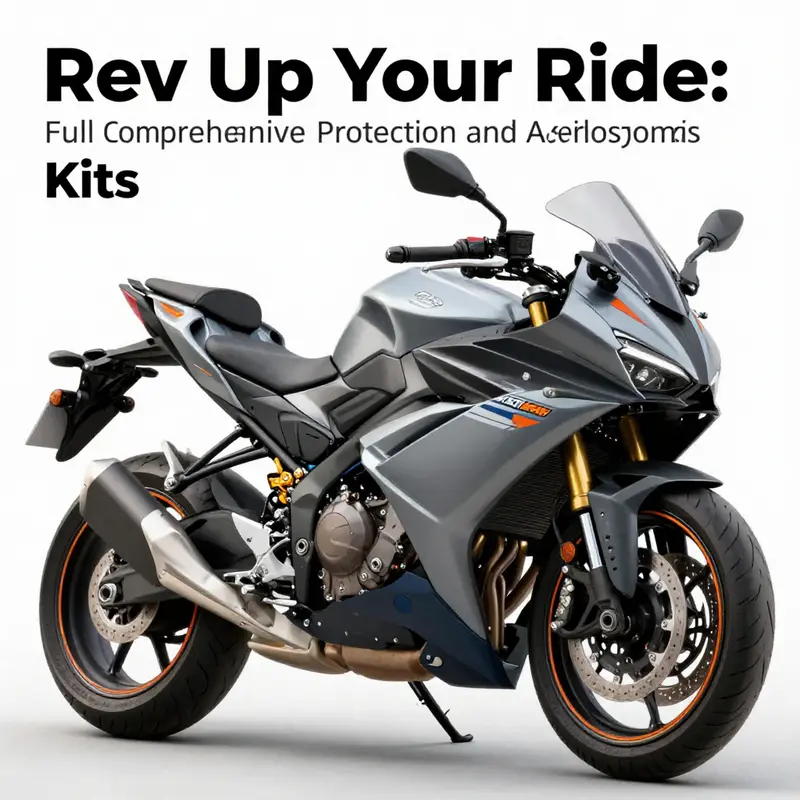
The evolution of full fairing kits for motorcycles is a fascinating testament to the intersection of innovative engineering and rider performance. These kits have transformed beyond mere aesthetic enhancements into highly functional components that significantly affect motorcycle performance, rider safety, and comfort. At their core, full fairing kits are designed to optimize aerodynamics, which is critical for any riding enthusiast aiming for speed and efficiency.
The progressive development of materials and design philosophies has led to new standards in how motorcycle fairing kits are perceived and utilized. Traditionally, fairings were often heavy and cumbersome, constructed from materials that did not provide optimal aerodynamic benefits. However, with the advent of advanced plastics and composite materials, modern full fairing kits are remarkably lightweight yet robust, offering unparalleled protection and performance. For instance, materials like injection-molded plastic and fiberglass-reinforced plastic (FRP) not only afford riders impact resistance but also foster flexibility in manufacturing, helping to create more aerodynamic shapes that reduce drag.
One standout innovation in the design of full fairing kits is the integration of computational fluid dynamics (CFD) simulations during the development phase. This technology allows manufacturers to predict airflow patterns and make data-driven design decisions that enhance aerodynamic properties. Teams can test different shapes digitally before committing to physical prototypes. This precision drives improvements in downforce during high-speed maneuvers, resulting in better cornering performance and stability. Riders can achieve significant competitive advantages on the track as a result, with less aerodynamic drag translating directly into higher speeds and better fuel efficiency.
Furthermore, modern full fairing kits often feature elegantly designed panels that not only enhance the bike’s aesthetics but also cleverly guide airflow over critical components such as the engine and brakes. This airflow management is crucial as it helps in cooling these elements, increasing reliability and performance longevity during extended high-speed sessions. Performance models, for example, utilize specifically sculpted fairings to manage airflow more effectively, allowing for reduced heat buildup that can lead to engine performance loss.
As motorcycle enthusiasts become increasingly invested in customizing their bikes to suit personal preferences and riding styles, many full fairing kits embrace modularity. This modular approach allows riders to select components that enhance either performance or aesthetics according to their specific needs. For instance, certain kits are designed to accommodate aftermarket windshields or additional aerodynamic attachments, affording riders greater freedom in tailoring their motorcycle experience.
The safety benefits provided by full fairings cannot be overstated. By encasing vital mechanical parts and components, these kits shield riders from environmental elements such as debris, water, and wind. In rigorous riding conditions—especially at high speeds—the efficiency of full fairings becomes apparent as they minimize the impact of harsh weather and road conditions on both rider fatigue and motorcycle performance. Riders can maintain focus on the road ahead rather than struggle against the elements, which translates to a more controlled and enjoyable riding experience.
However, while full fairing kits provide numerous advantages, they also bring certain trade-offs that riders must contemplate. The comprehensive coverage comes at the cost of accessibility when conducting maintenance or repairs. For example, servicing the engine may require more effort and time due to the need to disassemble parts of the fairing. Riding enthusiasts must weigh these considerations against the performance, comfort, and aesthetic improvements these kits offer. Often, dedicated sport riders and enthusiasts are willing to make this trade-off due to the notable benefits obtained during actual riding scenarios.
Additionally, the installation of full fairing kits can often come with a higher price tag compared to simpler configurations like half or quarter fairings. The complexity of shaping, tooling, and material types contributes to these costs. Yet, for many riders, the investment in a high-quality kit is justified by the performance gains and visual appeal achieved. For instance, a motorcycle equipped with a well-engineered full fairing kit can outperform its non-faired counterparts in both speed capabilities and fuel economy, appealing to both the racer and the casual rider alike.
Moreover, as technology continues to advance, future full fairing kits are likely to incorporate smarter materials and design innovations. Concepts such as integrated electronics and smart material usage, which adapts to atmospheric conditions or rider preferences, are on the horizon. This trend points to a future where full fairing kits evolve from static components into dynamic systems that contribute not just to performance but to the overall riding experience. Envision systems that automatically adjust to optimize aerodynamics based on speed or environmental conditions, creating a truly personalized ride.
In summary, the trajectory of full fairing kits reflects a commitment to both rider performance and safety, rooted in rigorous technological advances and engineering practices. Riders who opt for these kits gain significant benefits that extend beyond simple aesthetics, finding that investment in aerodynamic efficiency directly correlates with enhanced performance at every level. For those dedicated to maximizing their enjoyment on two wheels, the role of cutting-edge full fairing kits cannot be overstated. They encapsulate the very essence of what it means to ride with precision, power, and passion, all while drawing attention to the remarkable and ever-evolving world of motorcycle enhancement. For a deeper understanding of the variety of options available within the market, you might explore the diverse full fairing offerings from different motorcycle brands—each designed to cater to specific needs and preferences in the riding community.
Chapter 2: Transformative Power of Full Fairings: Navigating Economics and Consumer Insights
1. The Economic and Perceptual Landscape of Full Fairing Kits: Investing in Performance and Style
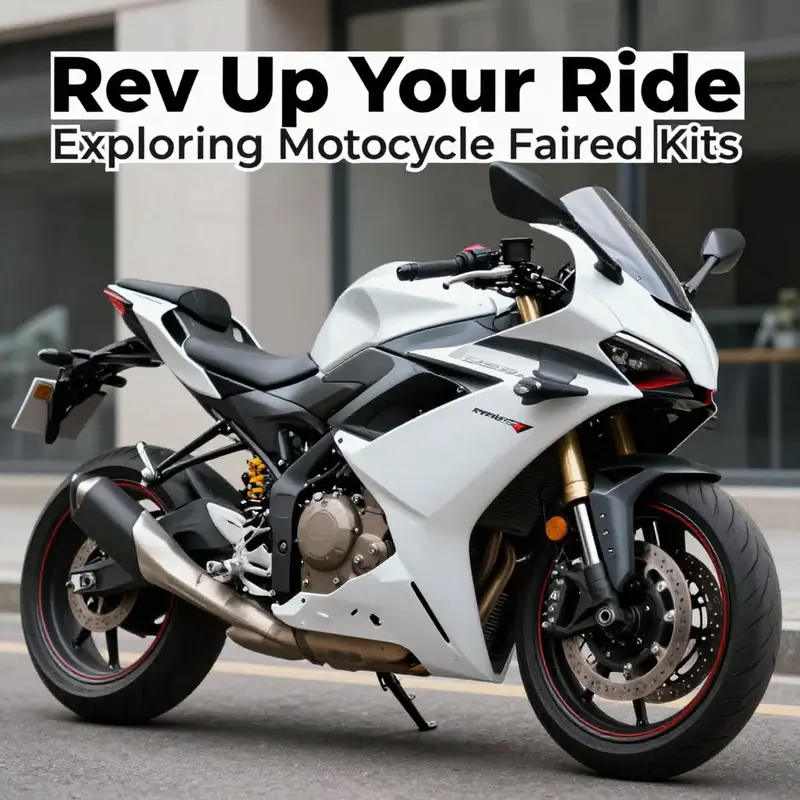
Full fairing kits for motorcycles do more than merely enhance aesthetics; they are crucial components that integrate numerous economic dimensions and consumer experiences. By providing an all-encompassing shell around the motorcycle, full fairings deliver superior protection against wind, debris, and unpredictable weather, all while enhancing the motorcycle’s aerodynamics. This unique combination significantly reduces drag, which not only amplifies fuel efficiency but also alleviates rider fatigue during extended journeys. To understand their broader implications, it’s essential to delve into the materials and durability, economic consequences, and consumer perceptions surrounding these transformative kits.
Material Durability and Performance
The material composition of full fairing kits is a critical factor contributing to their durability and overall effectiveness. Most high-performance kits utilize impact-resistant ABS (Acrylonitrile Butadiene Styrene) or lightweight fiberglass. ABS is favored for its resilience against UV rays, temperature fluctuations, and physical impacts. Meanwhile, fiberglass offers similar advantages but provides the added benefit of a lighter weight, albeit often at a higher cost. Derek Langston, a Motorcycle Customization Specialist, notes, “Riders who upgrade to well-engineered fairings often report improved comfort and fewer maintenance issues over time.” This suggests that the qualitative benefits of investing in high-quality full fairing kits outweigh the costs incurred due to their initial pricing.
Precise fitment constitutes another advantage of full fairings. These kits are engineered to integrate seamlessly with a motorcycle’s original design, which minimizes the need for time-consuming modifications during installation. Riders appreciate this fitment, as it streamlines the upgrade process while ensuring structural integrity remains intact. As a result, a well-fitted fairing can lead to fewer mechanical challenges in the long run, making it a prudent economic investment.
Exploring Economic Dimensions
Analyzing the economic implications of full fairing kits reveals a duality: despite a higher initial price compared to alternatives like half fairings, the extended value derived from reduced maintenance costs is noteworthy. The additional economic burden of acquiring full fairings is often offset by their capability to lessen wear and tear on essential motorcycle components. Though initial purchase prices are higher due to the sophisticated manufacturing processes and material costs, their ability to enhance performance and streamline maintenance can present long-term savings. This aspect alone has propelled full fairings into a popular choice among sportbike enthusiasts, highway riders, and long-distance commuters.
Despite the potential costs associated with full fairing kits, it’s vital to consider the perception among consumers. Full fairings serve as a symbol of performance and style; thus, they influence consumer choices considerably. While some riders initially hesitate due to the cost, they later commit when recognizing the benefits they provide, both in terms of functionality and aesthetic appeal. For instance, motorcycles like the Honda CBR series are often perceived not only as machines for speed but also as works of art, a perception that is intensified through the addition of full fairings.
Consumer Insights
Consumer perception plays a pivotal role in shaping the market for full fairing kits. Riders tend to associate full fairings with a high-performance image, which significantly drives demand among specific motorcycle communities. In studies, it has been identified that buyers perceive models equipped with full fairing kits as more capable and sophisticated, aligning with the narrative of purpose-built racing machines. Enthusiasts excitedly maintain that possessing a motorcycle with full fairings establishes an identity that resonates not only with performance but also with pride in ownership. The emotional connection to this enhanced riding experience cannot be underestimated.
Furthermore, the popularity of specific models like the Honda CBR600RR or CB650R underscores this perception. Riders invest in full fairing kits as an extension of their individuality and lifestyle, contributing to a larger biker culture that values performance, appearance, and personal expression. As a result, full fairings shift from a functional upgrade to a key element that articulates the rider’s identity within a community that celebrates speed, mechanics, and aesthetics.
The Push Towards Modular Designs
Current trends in manufacturing are increasingly revolving around modular designs that aim to simplify maintenance and service accessibility without compromising protection and performance. Manufacturers recognize that ease of access to crucial components is as important as the fairing’s protective features. Modular systems facilitate straightforward removability, encouraging riders to undertake routine checks and repairs without extensive investment in tools or expertise. This innovation directly challenges the perception that full fairing kits are merely elaborate cosmetic upgrades; instead, they become practical solutions in the maintenance of high-performance motorcycles. It symbolizes a step forward in consumer-conscious design, offering optimal comfort without sacrificing the machine’s mechanical integrity.
Such advancements suggest that, as the market continues to evolve, so too will consumer expectations. Riders are increasingly looking for value in fairing kits not just based on aesthetics but also on practicality and ease of maintenance. By combining performance with simplified access, manufacturers are effectively showing their commitment to riders’ needs.
Balancing Investment and Return
Ultimately, the decision to invest in a full fairing kit should be approached with careful consideration of both upfront costs and potential long-term benefits. While initial expenses may invoke hesitation, the integral advantages offsetting those costs often become apparent over time. Enhanced comfort, reduced mechanical wear, and unique aesthetic appeal contribute to a riding experience that justifies the initial outlay.
Repairing or replacing damaged full fairings can be an expensive endeavor, yet the durability offered by reputable materials often statistically ensures longevity. Riders who prioritize high-speed performance and extended comfort understand that they are investing in something beyond a mere accessory; they are integrating a crucial element into their overall riding experience.
In conclusion, full fairing kits stand as a testament to the intersection of economic foresight and consumer values. Their significance extends well beyond the traditional idea of motorcycle accessories, embedding themselves into the identities and lifestyles of riders. As enthusiasts continue to explore the market for upgrades, full fairing kits will remain a focal point, emblematic of performance, style, and identity. As such, the choice to invest in a full fairing kit emerges as not just a purchase but a declaration of commitment to the riding experience, ensuring that the motorcycle remains both a means of transport and a canvas for personal expression. Whether you’re searching for improved aerodynamics, aesthetic appeal, or enhanced durability, exploring the myriad of options available can significantly impact your motorcycle journey. For motorcycles that accommodate a full fairing kit, options abound across multiple brands, including various designs available for models from BMW, Honda, Ducati, Yamaha, Suzuki, and more. An informed choice to enhance your motorcycle with a full fairing kit can redefine your riding experience as you discover new horizons on two wheels.
Chapter 3: Elevating Performance and Style: The Strategic Role of Half Fairings in Motorcycle Design
1. The Technical Advantages of Half Fairings: Blending Effortless Aesthetics with Dynamic Performance
Half fairings have carved out a unique niche in the contemporary landscape of motorcycle design, embodying a harmonious blend of style and performance. These partial fairing kits are not just aesthetic enhancements; they play a pivotal role in the riding experience by improving aerodynamics, facilitating maintenance, and catering to a variety of riding styles. This subchapter delves into the technical benefits and considerations associated with half fairings, illustrating why they strike an admirable balance for riders who prioritize both form and function.
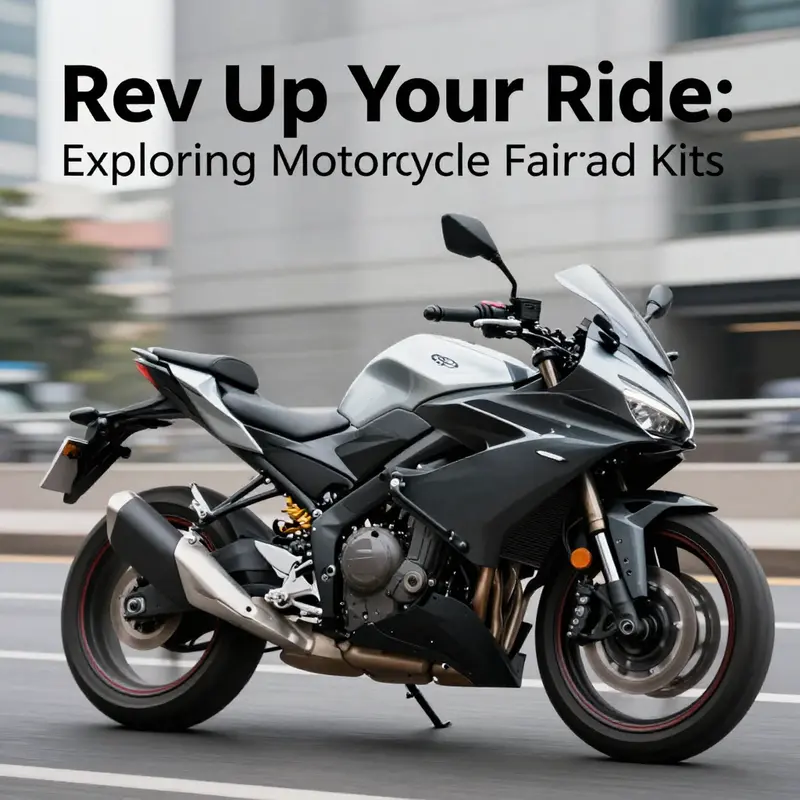
At their core, half fairings are designed to cover the upper front section of a motorcycle, encompassing the headlight, instrument cluster, and the upper fork area, while leaving the lower engine and frame exposed. By doing so, they mitigate wind resistance significantly, allowing for improved aerodynamics. Compared to naked models, motorcycles equipped with half fairings exhibit reduced drag forces, which can be particularly advantageous when tackling high-speed travel. During extended highway rides or sport-touring adventures, riders find that these fairings effectively shield vital areas of the body from the relentless onslaught of wind. Consequently, the rider experiences diminished fatigue, enabling a more enjoyable and less taxing journey.
The aerodynamic enhancements provided by half fairings yield more than just comfort; they also enhance performance. As riders speed up, the benefits become increasingly evident. With better airflow managed around the motorcycle, the reduction of turbulence not only enhances stability but also optimizes fuel efficiency. This becomes essential for those who prioritize longer commutes or enjoy spirited riding on twisty roads. Riders will find that the cutting-edge aesthetics of a bike fitted with half fairings further complement its improved handling characteristics, creating an overall sense of harmony.
Visually, half fairings present an elegant solution, merging the aggressive styling reminiscent of sportbikes with the simplified and practical appeal sought by motorcycle enthusiasts. This duality is particularly captivating for riders who favor the classic aesthetic of sport-touring motorcycles, as well as for café racer aficionados who appreciate subtle yet sophisticated design elements. Half fairings add a level of sleekness that creates a visually appealing profile without the bulk often associated with full fairing setups.
In addition to their aerodynamic and aesthetic advantages, half fairings come with the unique benefit of lowered weight compared to full fairings. As weight plays a critical role in determining a motorcycle’s handling and responsiveness, the lighter construction associated with half fairings enhances overall agility, making them an ideal choice for riders who thrive on performance. A lighter motorcycle is easier to maneuver, leading to improved cornering capabilities. This lightweight feature is particularly crucial during urban riding, where quick handling and snappy responses are prized by riders navigating city streets.
Maintenance accessibility emerges as another clear advantage. Riders often find that half fairings facilitate easier access to internal components of the motorcycle. Unlike full fairings that may require extensive disassembly or specialized tools for maintenance tasks, half fairings leave the engine, oil filter, and other critical areas conveniently reachable. This results in a more user-friendly experience, particularly for do-it-yourself enthusiasts who value the satisfaction of performing upkeep on their own machines. Tasks, such as oil changes or filter replacements, become straightforward, eliminating unnecessary complications and enabling riders to spend more time on the road rather than in the garage.
However, while half fairings boast numerous advantages, it is essential to consider their limitations as well. One primary drawback lies in their reduced lower body protection when compared to full fairings. Riders may find that their legs and lower engine components remain more exposed to elements like wind, debris, and inclement weather. Consequently, those who venture out in adverse conditions or engage in long-distance touring may need to weigh this factor more heavily when considering their fairing options.
Additionally, while half fairings do minimize wind resistance, more experienced riders may note that buffeting at high speeds can still pose a challenge without the use of an additional windscreen. Such windshields can further optimize comfort and reduce noise—elements worth considering, especially if the rider plans on achieving higher cruising speeds.
Material selection is another important aspect that must not be overlooked when it comes to half fairings. For those venturing into the aftermarket, understanding the differences in materials is crucial for ensuring durability and performance. OEM kits typically utilize high-grade materials such as ABS plastic, which not only offers impact resistance but also enhances the longevity of the fairings. Meanwhile, several aftermarket solutions may provide cost-effective alternatives while still maintaining structural integrity. Riders are urged to conduct thorough research when selecting parts to ensure compatibility with their specific motorcycle model and make—an essential step for safeguarding both performance and aesthetics.
As riders explore the market for half fairings, they are met with a wide array of options tailored to various motorcycle makes and models. This level of customization allows enthusiasts to personalize their rides while maintaining the balance of style and performance that half fairings uniquely offer. Whether a rider is looking to enhance a sport-tourer, a café racer, or a performance-focused machine, half fairings provide a versatile intermediary solution, merging the technical benefits of a sportbike style with practical necessities.
Ultimately, understanding the technical benefits of half fairings reveals their dual nature as practical components that serve both aesthetics and performance ambitions. By strategically designing motorcycles that blend style with substance, riders can enjoy an enhanced experience on the road that embraces both the excitement of high-speed performance and the charm of motorcycle aesthetics. For those ready to make the leap, it’s time to consider how half fairings can transform a ride, offering an ideal solution for anyone looking to elevate their motorcycle while perfectly balancing comfort and style in their choice. For an extensive selection of half fairings tailored to your motorcycle’s needs, check out the options available at Ultimate MotorX.
In conclusion, while half fairing kits may not be a panacea for every riding scenario, their contributions to enhanced aerodynamics, visual appeal, weight savings, and ease of maintenance position them as an excellent choice for riders seeking to balance performance with style. As enthusiasts continue to explore the potentials of their machines, half fairings represent an elegant solution for those who desire both aesthetics and functionality in their riding experience.
Chapter 4: Half Fairings for Motorcycles: Striking the Perfect Equilibrium Between Style and Functionality
1. Cost-Effectiveness and Practicality of Half Fairings: A Smart Choice for Riders
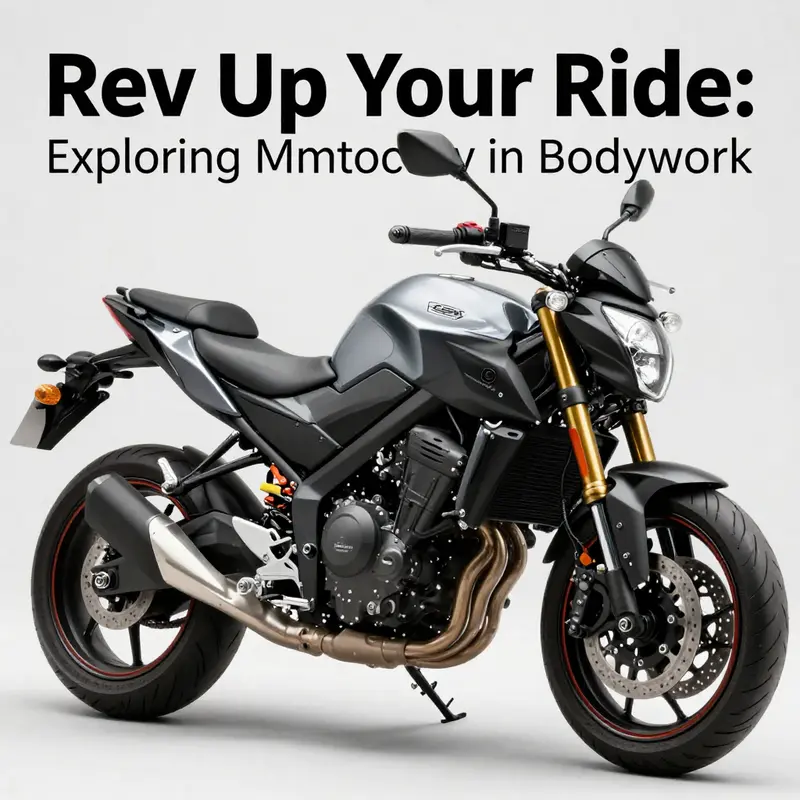
In the realm of motorcycle customization, the selection of fairing kits is not solely about aesthetics but also critical economic considerations that can significantly impact a rider’s experience and satisfaction. Half fairings hold a unique place within this spectrum, skillfully balancing style with performance while remaining economically viable. As riders increasingly seek enhancements for their motorcycles, understanding the cost implications and multifunctionality of half fairings will illuminate why they stand out as a thoughtful choice.
Economic Viability of Half Fairings
The appeal of half fairings lies in their ability to provide crucial wind protection and aerodynamic benefits without the hefty price tag often associated with full fairing kits. This economic advantage begins with material efficiency; half fairings require significantly less material compared to their full counterparts, which translates not only to lower manufacturing costs but also more accessible pricing for consumers. The typical materials used in half fairings—like polycarbonate, ABS plastic, and fiberglass—not only afford flexibility in design but also contribute to the overall reduction of expenses in both production and retail.
By choosing half fairings, riders can obtain a streamlined profile that enhances their motorcycle’s performance characteristics while keeping costs manageable. This affordability makes lasting improvements viable without necessitating a heavy upfront investment. The cost-effectiveness extends beyond the initial purchase price; the longevity of half fairings plays a vital role in ensuring wise economic decisions. Given their material composition and modular design, these kits often demonstrate resilience against the rigors of the road, minimizing wear-related expenses over time.
Performance and Functional Benefits
The tangible benefits of half fairings extend far beyond mere economic considerations. Riders seeking to enhance their motorcycles’ performance find that half fairings facilitate optimal airflow management, thereby reducing wind resistance and contributing to enhanced stability at high speeds. This aerodynamic assistance is particularly advantageous for sport-touring enthusiasts who desire a balance of comfort and speed when navigating long stretches of highway or tackling twisty roads.
Comfort is paramount when riding at elevated speeds, and half fairings address this need effectively. While full fairings deliver comprehensive protection, half fairings provide sufficient coverage to shield the torso and upper body, striking a balance between efficiency and comfort. The improvement in airflow helps reduce fatigue and enhances the riding experience, promoting longer journeys without excessive strain. Indeed, studies have shown that even moderate enhancements in aerodynamics can yield measurable improvements in fuel efficiency, a consideration not to be overlooked, especially for riders who utilize their motorcycles for daily commuting or long-distance travel.
Additionally, the lightweight nature of materials commonly employed in half fairings inherently contributes to a reduction in overall vehicle weight, fostering improved handling and acceleration characteristics. Lighter bikes are generally perceived as more responsive and engaging, offering an exhilarating ride particularly appreciated by performance-oriented motorcyclists. Thus, the integration of half fairings not only fosters a stylish profile but also optimizes the machine’s handling dynamics, creating a synergistic relationship between appearance and performance.
Maintenance and Lifecycle Cost Management
A significant factor influencing the appeal of half fairings lies in their modular structure, which offers practical benefits in terms of maintenance. Unlike full fairings that necessitate complete replacement upon damage, half fairings allow for targeted repairs. If a specific section becomes compromised, only the affected part requires replacement rather than incurring the expense of overhauling an entire system. This design advantage fosters considerable savings in maintenance costs over the motorcycle’s lifecycle, making half fairings a financially prudent investment.
Lifecycle cost-effectiveness is further bolstered by the opportunity to easily install and replace components as required, often allowing riders to undertake maintenance tasks personally. This accessibility can significantly reduce typical service charges incurred at motorcycle shops, enhancing the economic narrative surrounding half fairings. Moreover, half fairings often come equipped with standardized fittings and easy installation features, making them favorable for DIY enthusiasts keen on customizations without professional assistance.
Adaptability to Technological Advancements
The continual evolution of motorcycle design has led to the integration of half fairings into the burgeoning market of electric motorcycles. As manufacturers explore innovative materials and production techniques, half fairings present an opportunity to marry cutting-edge technology with traditional motorcycle aesthetics. Research aimed at optimizing structural performance further cements half fairings’ position within modern motorcycle design. The adaptability of half fairings not only showcases their relevance in current market trends but also anticipates the demands of future riders seeking both functionality and style.
In a landscape increasingly influenced by advancements in electric mobility, it becomes important for riders to consider how their choice of fairing kit can affect not only performance but also the overall riding experience. With half fairings standing as a testament to both practicality and aesthetic appeal, the choice caters to a diverse range of riders while remaining economically sound.
Conclusion: A Smart Choice in Motorcycle Customization
In evaluating the cost and benefits associated with half fairings, it becomes evident that these kits serve a distinct purpose for a broad swath of motorcycle riders. They deliver an appealing style and functional advantages without imposing excessive financial demands. With their blend of affordability, performance enhancements, and ease of maintenance, half fairings epitomize a smart choice in motorcycle customization.
For riders exploring fairing options—whether for aesthetic upgrades, performance enhancements, or practical considerations—half fairings emerge as a logical, economically viable option. By placing importance on long-term value while meeting immediate riding needs, these fairings help riders realize their vision for an ideal motorcycle. As a result, for anyone seeking to embrace the full potential of their motorcycle, half fairings stand ready as an indispensable ally on the journey ahead.
Chapter 5: Exploring the Efficiency and Aesthetics of Quarter Fairings in Motorcycle Design
1. Elevating the Motorcycle Experience: The Practical and Aesthetic Impact of Quarter Fairings
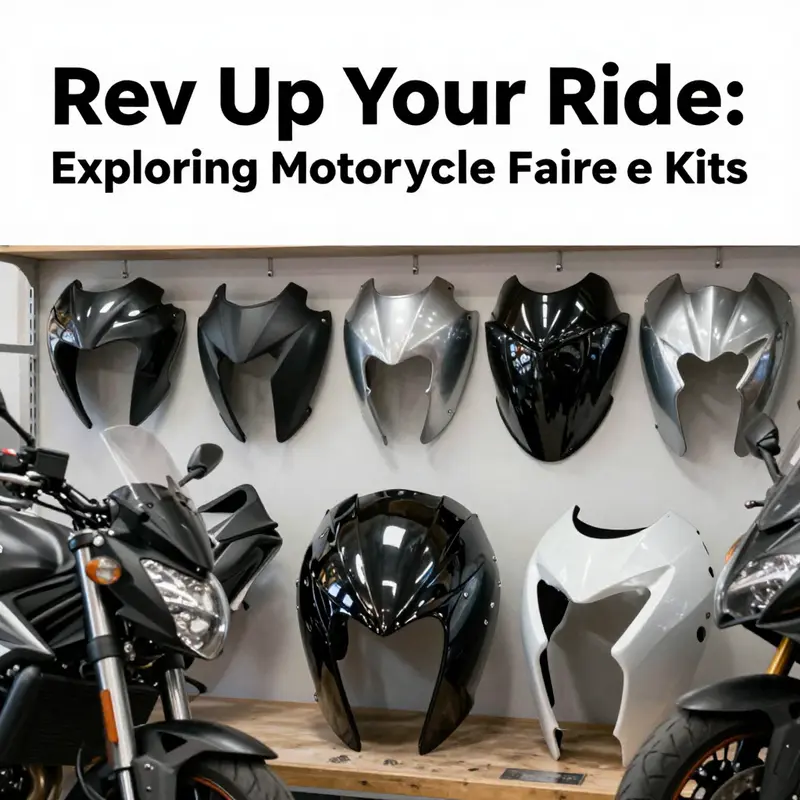
Quarter fairings represent a striking intersection of performance and aesthetic appeal in motorcycle design. While many riders seek powerful, high-octane experiences, there’s a considerable faction that prizes a stripped-down, authentic aesthetic. Quarter fairings, with their minimalist appeal, have emerged as a favored modification for those who enjoy riding naked bikes or customized builds while still wanting some aerodynamic benefits. This subchapter delves into the unique functionalities and design philosophies that quarter fairings embody, weaving together performance aspects, materials used, and the broader implications on riding culture and usability.
From an aerodynamic standpoint, quarter fairings serve a crucial role, albeit in a limited capacity compared to their full and half fairing counterparts. Their design typically encompasses only what is necessary—the area around the headlight and upper front section—allowing a significant portion of the motorcycle to remain open and unobstructed. This thoughtful allocation of coverage provides deflection of wind across the rider’s body while not completely sealing them away from the elements, achieving a delicate balance between protection and exposure. At moderate speeds, quarter fairings can enhance airflow management, directing wind away from the torso and face, thereby reducing the discomfort associated with windblast during longer rides. Riders often find that the penetration of wind, which can lead to fatigue over distance, is notably diminished, creating a more pleasant riding experience.
The aerodynamic efficiency enhancement, while minimal, contributes positively to the overall riding dynamics. Improves airflow allows for a smoother navigation through varying weather conditions and street environments, adding a level of comfort crucial for urban commuting and sport-touring. Although quarter fairings won’t provide the same dramatic drag reduction as full fairings do, the incremental benefits delivered in wind resistance can be surprisingly impactful, particularly for riders who operate primarily in city traffic or on winding roads.
Visually, quarter fairings contribute to design aesthetics significantly. For many enthusiasts, part of motorcycle culture lies in revealing the raw mechanical beauty of the machine. By enclosing less, quarter fairings cater to this desire by allowing the engine and frame to remain visible, celebrating the motorcycle’s inherent character. The use of sleek lines and often vibrant colors in quarter fairings serves not only to complement the motorcycle’s design but to distinguish it further from mass-produced models. This aesthetic refinement aligns seamlessly with the trends led by café racers and retro-styled bikes which embrace a more vintage look while still carrying modern performance aspects.
In terms of materials, quarter fairings often harness durable, lightweight substances that support both performance and durability without compromising the visual appeal. ABS plastic is commonly employed due to its impact resistance and relatively low production costs. This material is adept at withstanding varying weather conditions, ensuring longevity. Alternatively, fiberglass, known for its durability and customization potential, is also a popular choice. Fiberglass options usually come into play for custom builds where intricate designs and colorways are sought, allowing for an artistic expression that standard fairings might restrict.
The cost-effectiveness of quarter fairings cannot be understated, especially for riders not wanting to undertake major modifications to their motorcycle. The straightforward installation process coupled with low production costs makes them an ideal choice for both new and seasoned riders looking to enhance their machines without venturing into extensive structural changes. With a less daunting investment both in terms of finances and installation time, quarter fairings allow riders to experiment with their motorcycle’s aesthetic and performance with relative ease.
Furthermore, quarter fairings can synergistically enhance the riding experience when paired with other modifications. For example, combined with bar risers or adjustable footpegs, they can create a riding position that feels both sporty and comfortable, catering to the individual tastes of each rider. The enhancements afforded by quarter fairings stand to complement rather than detract from personal modifications, allowing for tailored setups that meet distinct riding styles and preferences.
The appeal of quarter fairings extends beyond their practical benefits and aesthetic enhancements. They can evoke a sense of connection back to motorcycle heritage, offering a canvas for personalization that many riders find deeply satisfying. In a world where customization is a hallmark of personal expression, quarter fairings allow riders to craft their identity through their motorcycles, fostering community engagement and personal story among enthusiasts. This sense of belonging is especially strong in local scenes where bikers come together, sharing their passion for dual-tone finishes and minimalist designs.
In summary, quarter fairings play an essential role in bridging the gap between performance needs and aesthetic desires. By enhancing aerodynamics while maintaining a raw, mechanical look, these fairings cater to a distinct set of preferences within the motorcycle community. Their contributions expand beyond mere function; they embody a culture that resonates with the heart of motorcycling. Riders looking for modifications that elevate their experience without significant alterations find quarter fairings to be an optimal choice, preserving the spirit of the bike while embracing the joy of the ride. For those considering which type of fairing will best suit their motorcycle model, further information and options can be explored especially regarding specific brands and styles through various resources dedicated to motorcycle fairings, ensuring a well-informed decision tailored to personal riding needs.
Final thoughts
Selecting the appropriate fairing kit can radically enhance a motorcycle’s performance, comfort, and visual appeal. Whether your customers are performance enthusiasts or riders looking for style, understanding the unique advantages of full fairings, half fairings, quarter fairings, and naked bike kits enables better service and support for their motorcycling needs. By equipping your store with knowledge and a variety of fairing options, you can ensure customer satisfaction and loyalty, ultimately boosting your business in the competitive motorcycle market.
Upgrade your ride with UltimateMotorX’s premium motorcycle fairings—durably crafted, precision-fitted, and stylish. Shop now for fast shipping, secure checkout, and expert support.
About us
At UltimateMotorX, we’re rider-founded experts in top-tier motorcycle fairings. We source premium materials, partnering with trusted manufacturers for perfect fits and durability. Enjoy expert advice, hassle-free returns, and seamless shopping. Ride with confidence—style and quality guaranteed!