
Introduction
Motorcycle fairings are more than cosmetic shells; they are engineered surfaces that shape aerodynamics, protect vital components, and carry brand messages. For business owners in manufacturing, retail, aftermarket services, and OEM partnerships, fairings represent a recurring revenue stream with strong margins when positioned with clarity and precision. The modern market offers an expansive canvas of finishes and designs—from gloss and metallic to carbon fiber and candy—that let retailers and brand owners tailor products to riders, sponsorships, and regional tastes. Durability under UV exposure, resistance to road debris, and ease of installation matter just as much as aesthetics, because performance and repeat business depend on reliable fitment and long-term value. As competition intensifies, the ability to pair aerodynamic efficiency with protective coverage and compelling visuals differentiates portfolios, channels, and aftersales service. This article weaves five interrelated strands to guide business decisions: (1) how fairings influence aerodynamics, protection, and performance; (2) material choices and finishes that affect durability and brand identity; (3) customization, wraps, and visual design for sponsorships and retail appeal; (4) fitment compatibility and upgrade paths that ensure scalable service and aftermarket success; and (5) the economic, historical, and market dynamics shaping today s fairing landscape. By connecting these threads, business owners can align product strategy with rider demand, regulatory considerations, and channel strategies to maximize value from fairings across the motorcycle ecosystem.
Tables of Contents
Chapter 1: Fairings for Motorcycle: Aerodynamics, Protection, and Performance
- Designing Airflow: How Fairings Shape Drag, Stability, and Rider Confidence
Chapter 1: Fairings for Motorcycle: Aerodynamics, Protection, and Performance
1. Designing Airflow: How Fairings Shape Drag, Stability, and Rider Confidence
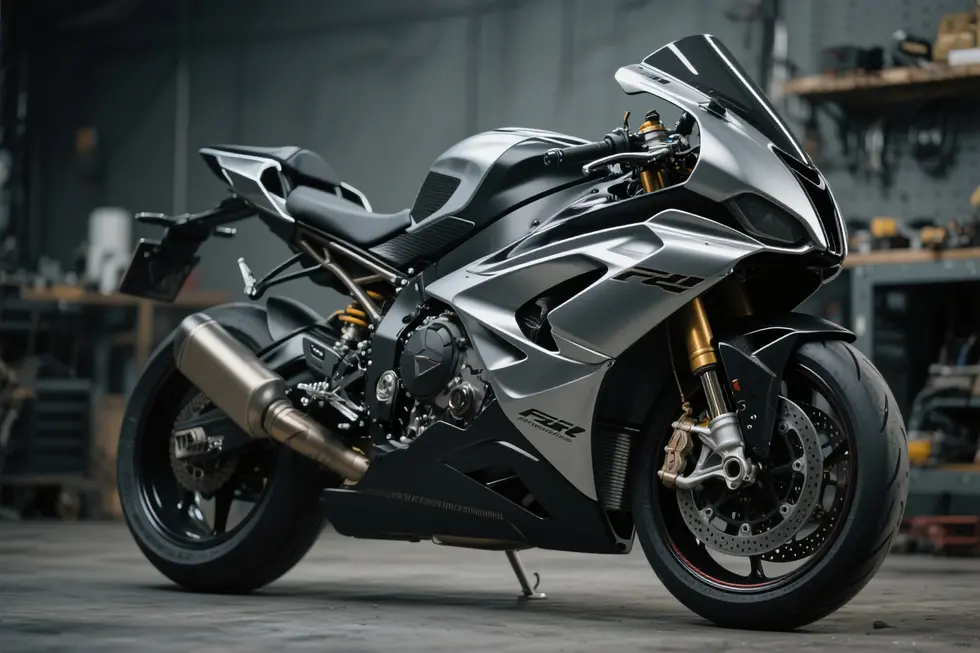
The moment a motorcycle lunges into the wind, air becomes a demanding partner. Fairings are the primary tools used to choreograph that partnership, transforming a naked body into a sleek, purpose-built profile that slices through air with less resistance and less wobble. Far from mere cosmetic panels, well-conceived fairings streamline the bike’s silhouette and tailor the wake created behind the rider. The result is fewer energy losses, more efficient use of engine power, and a riding experience that feels steadier at speed. Drag is not removed so much as redistributed into a more favorable pattern around the rider and chassis. When the air streams smoothly along curves and over protrusions, the boundary layer clings closer to the surface and separates later, reducing wake turbulence that would otherwise sap acceleration and top speed. This aerodynamic efficiency translates into higher potential speeds, quicker response to throttle input, and improved fuel efficiency for the same power output. Put another way, the fairing acts as a partner rather than a burden—displacing energy losses into a controlled, predictable flow rather than a chaotic, power-sapping commotion.\n\nThe fundamental mechanism at work is streamlining. A fairing’s geometry nudges the rider’s silhouette toward a continuous, gently contoured surface. The rider’s posture interacts with the bike’s geometry, so fairings are designed to complement typical riding positions—lower, tucked stances on sport-focused configurations and more upright lines on sport-touring setups. The aim is to minimize abrupt changes in cross-sectional area and to reduce the pressure differentials that create drag. In practice, this means smoother transitions where the front of the bike meets the rider, along the body panels, and around wheel wells. Full fairing kits and modular pieces are crafted to work with a spectrum of riding styles, from casual highway cruising to high-speed track runs, each with its own balance of protection, accessibility, and airflow management.\n\nWinglets and spoilers illustrate how aerodynamic thinking can extend beyond simple skin panels. These elements are not cosmetic flourishes; they are active devices that direct airflow to produce a more favorable pressure distribution around the front and sides of the bike. At high speeds, winglets can guide air away from the rider’s chest and knees, reducing the adverse wrap of air that tends to pull upward on the rider and toward the rear. This directional control helps keep the front end stable and the overall wake more orderly. Spoilers contribute similarly by manipulating the air near the crown of the windscreen and along the upper surfaces of the fairing. The cumulative effect is a reduction in drag and an improvement in high-speed stability and handling, especially during fast deceleration, abrupt direction changes, or when riding through crosswinds. Even without adding more power, riders feel more confidence in the bike’s behavior at speed because the air is no longer fighting against the chassis and rider as aggressively.\n\nThe interplay between fairing design and stability is subtle but essential. Aerodynamic efficiency depends not only on minimizing drag but also on shaping the flow so that the wake behind the rider remains compact and aligned with the bike’s longitudinal axis. A well-ordered wake reduces yaw and roll couplings, keeps the rear wheel planted, and lowers the tendency of the bike to feel light or twitchy at speed. This is particularly important on sport-oriented configurations, where the rider’s position creates more pronounced flow disturbances. By smoothing the transition between the rider’s silhouette and the bike’s bodywork, fairings help maintain directional control and predictable steering feel even as speeds rise and wind gusts increase. In this sense, the fairing becomes a rider aid, enhancing confidence and control as much as raw top speed.\n\nMaterials play a critical role in achieving these aerodynamic goals without sacrificing weight or structural integrity. Fiberglass, carbon fiber, and ABS plastic each bring distinct advantages and trade-offs. Carbon fiber offers an excellent strength-to-weight ratio and a surface that can be finished very smooth, which is beneficial for reducing skin-friction drag. Fiberglass balances stiffness and cost, often providing robust support for composite fairings that require precise shaping and a forgiving manufacturing process. ABS plastic is lighter on the budget and can still yield smooth, predictable surfaces when expertly formed and finished. The choice of material influences not only weight and rigidity but also the precision of fit and the longevity of the surface under the stresses of high-speed riding and exposure to the elements. Aerodynamically optimized panels are typically tested and refined with lightweight composites to ensure that added stiffness does not create unintended flutter or high-frequency vibration at elevated speeds. The end result is a panel system that maintains its shape under wind loads, preserving the intended airflow characteristics and drag reduction.\n\nAnother layer of practicality concerns how the fairing is assembled and mounted. Aerodynamic performance can be compromised by gaps, misalignments, or loose fixtures. A well-mounted fairing kits’ panels sit flush with minimal gaps, and fasteners are selected to resist the vibrations and gusts encountered on open highways and race circuits alike. Brackets and mounting hardware must be robust, corrosion-resistant, and properly seated so that the panel-to-bike interface remains stable at high speed. When the fairing is secure, the airflow remains coordinated over the surfaces rather than rattling or fluttering, which could disrupt the boundary layer and introduce unwanted turbulence. The installation ethos emphasizes precision alignment during assembly, accurate mounting on the subframe or dedicated points, and a balance between tightness and ease of service. This attention to fit enhances not only the aerodynamic effect but also the long-term durability and appearance of the panels.\n\nPaint finishes and surface texture also intersect with aerodynamics, though their impact may be subtler than the geometry itself. A smoother surface reduces frictional drag, so top-tier gloss or clear-coated finishes that yield a polished, defect-free surface can support the overall drag-reduction program. Matte finishes, while visually appealing and modern, can introduce micro-roughness if not applied with careful process control. The key is surface quality and protection: finishes should resist scratching and oxidation, maintain a consistently smooth surface, and protect against UV-induced degradation that can roughen the film over time. In practice, the most durable combinations pair a sleek fairing surface with a high-quality clear coat that preserves gloss and microscopic smoothness, ensuring that the aerodynamic advantages endure through many miles of riding. The paint and finish choice thus acts as a supporting actor in the drama of drag reduction, not the lead.\n\nBeyond the engineering and manufacturing concerns lies a practical, rider-centered consideration. When selecting fairing components, riders should seek compatibility with their bike’s frame and intended use—street, track, or a hybrid. The aerodynamic goal remains consistent across configurations: minimize drag while preserving or enhancing stability, protection, and rider comfort. For riders who want a broader set of configurations or who anticipate rapid changes to their bike’s look and performance, modular fairings or components that can be swapped in stages offer a flexible path. A well-chosen kit can lower air resistance enough to noticeably improve acceleration, reduce the power drain at sustained high speeds, and preserve fuel economy without forcing a heavier, more cumbersome setup. The right combination also considers protective coverage to keep the fairing and underlying components shielded from debris and weather, preserving the smoothness of the airfoil and the surface finish over time.\n\nFor readers aiming to explore viable configurations and to compare options in a structured catalog, there is a practical path forward. A catalog of compatible components and configurations can provide a tangible sense of how the theory translates into real-world choices. For those curious about the available components and how they integrate with a broad range of bikes, the C63 product category offers a representative cross-section of options that reflect different design priorities and mounting schemes. This resource can help riders envision how winglets, spoilers, extended chin guards, and streamlined side panels might come together with their existing frame and riding goals. The goal is to translate aerodynamic potential into a coherent, rideable reality that enhances performance while maintaining the rider’s comfort and confidence.\n\nIn sum, aerodynamic performance in motorcycles is a careful synthesis of shape, materials, and integration. Fairings do not simply cover the bike; they sculpt the path of air, shaping how the machine slices through wind, how stable it feels at speed, and how efficiently power is converted into forward motion. The most effective designs respect the rider’s need for protection, visibility, and control while optimizing the flow of air across front, sides, and rear. The result is a smoother ride, better top-end capabilities, and a more efficient use of engine output—even before considering cosmetic appeal or the pride that comes with a thoughtfully styled machine. As riding goals shift—from everyday commuting to blazing down a straightaway—the role of the fairing remains constant: to harmonize the bike’s exterior form with the invisible but powerful science of airflow, turning every gust into a manageable, predictable force that supports performance rather than undermines it.\n\nThe catalog of compatible components and configurations can be a helpful reference as you assess options and envision how these aerodynamic principles translate into a tailored setup. See the C63 product category for a representative range of fairing components and configurations.
Final thoughts
Together these chapters reveal how fairings for motorcycles intersect engineering, design, and commerce. For business owners, the pathway to value lies in selecting materials that balance durability with weight, choosing finishes that reinforce brand identity, enabling customization that supports sponsorships and differentiation, ensuring fitment and upgrade options that minimize returns and maximize serviceability, and tracking market dynamics to align product and channel strategies with rider demand. Invest in partnerships that guarantee precise OEM-like fit, and build a portfolio that can scale from showroom displays to high-volume production. When done well, fairings become a core driver of performance, aesthetics, and profitability across the motorcycle ecosystem.
Upgrade your ride with UltimateMotorX’s premium motorcycle fairings—durably crafted, precision-fitted, and stylish. Meeting OEM standards for easy installation, our collection suits upgrades or replacements. Shop now for fast shipping, secure checkout, and expert support. Give your bike the ultimate quality it deserves!
About us
At UltimateMotorX, we’re rider-founded experts in top-tier motorcycle fairings. We source premium materials, partnering with trusted manufacturers for perfect fits and durability. Enjoy expert advice, hassle-free returns, and seamless shopping. Ride with confidence—style and quality guaranteed!