
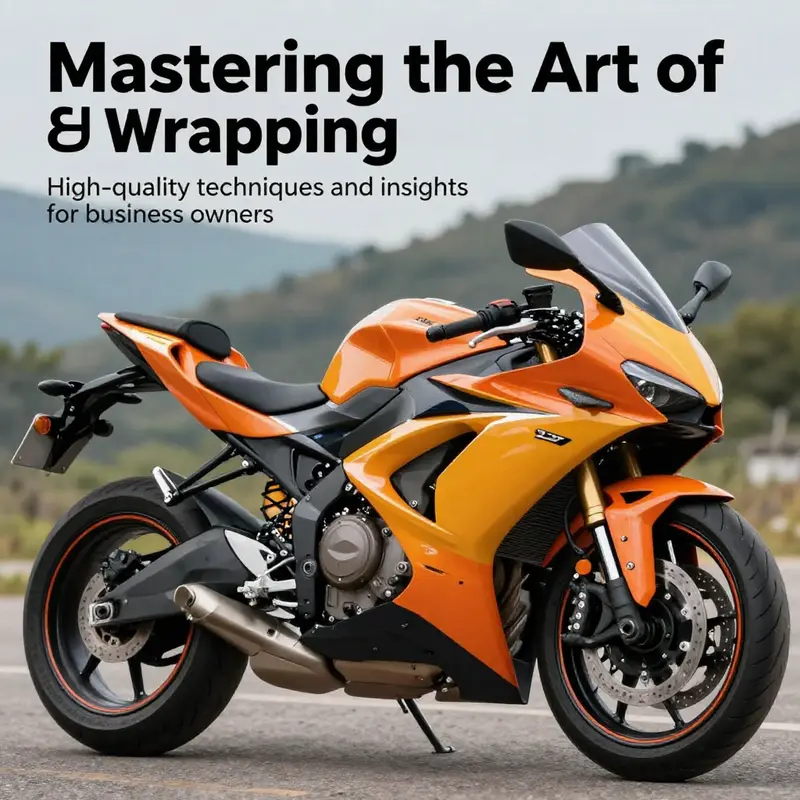
Wrapping motorcycle fairings is an essential skill for any business owner in the motorcycle customization and maintenance industry. This process not only enhances the visual appeal of a motorcycle but also protects it from damage and wear. In an age where aesthetics and durability matter, understanding the intricacies of wrapping fairings can help business owners elevate their services, attract more customers, and ensure customer satisfaction. This article will guide you through detailed techniques for wrapping fairings, the materials used, the protective benefits of wrapping, and a cost analysis to help you make informed decisions for your business.
Crafting a Seamless Skin: Advanced Techniques for Wrapping Motorcycle Fairings
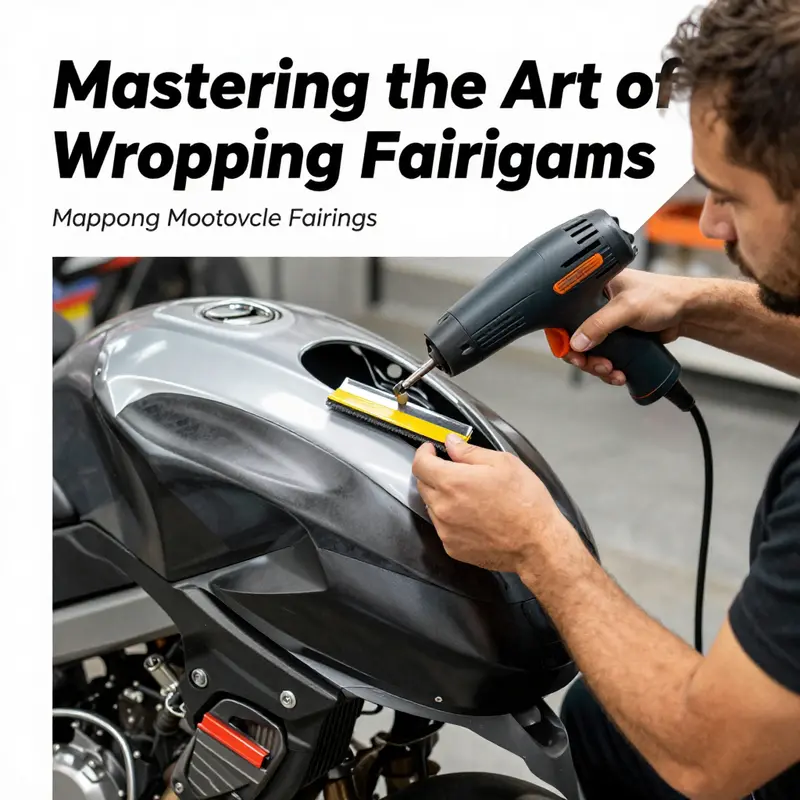
Wrapping motorcycle fairings is more than a cosmetic update; it is a disciplined craft that balances form, function, and durability. A well-wrapped panel reads like a seamless skin on the bike, hiding flaws in the underlying surface while presenting a clean, professional silhouette from every angle. The process asks for patience, precise preparation, and a thoughtful approach to material behavior. When done well, a wrap can protect the fairing from minor scratches, offer UV resistance, and give riders the chance to express identity without committing to permanent paint. The chapter that follows is not a recipe but a continuous practice—a conversation with the material, the curves, and the interplay between heat, tension, and edge management. It emphasizes a philosophy of meticulous setup, careful application, and lasting maintenance that keeps the finish looking fresh ride after ride.
Preparation begins long before the first peel of film. The surface you commit to must be trusted not to betray you with dust, residue, or micro-scratches. A dedicated motorcycle cleaner or isopropyl alcohol serves as the starting line, cutting through grease and wax that conventional cleaners might miss. The goal is a surface so clean that you can see your reflection in the fairing, not a surface with faint oily halos that invite air to cling and lift. It is worth taking extra time to rinse and dry in a dust-free environment, because even a single speck of grit can form a stubborn bubble when heat is applied or create a ridge along a seam that catches light and attention for all the wrong reasons.
Beyond surface cleanliness, inspection is essential. Small scratches or warps can become liabilities once a vinyl layer molds itself to every contour. Minor flaws may be masked by the wrap, but deeper gouges or structural deformations will often propagate under the film, producing bubbling, lifting, or premature edge curl. If you uncover serious damage, the prudent choice is to address it before wrapping begins, either by repairing the surface or replacing the affected panel. This mindset—treating the wrap as a protective, decorative skin rather than a quick cosmetic fix—sets the tone for a durable result.
With the surface prepared, the choice of wrap material becomes the next decisive step. Automotive-grade vinyl wraps designed for curved and complex surfaces excel in this discipline. A successful wrap benefits from film that is flexible enough to embrace tight bends yet stable enough to resist heat-induced distortion over time. UV resistance is not simply about color longevity; it protects against color shift and gloss reduction that can become obvious under sun exposure. Self-healing properties are a bonus, offering resilience against micro-scratches that would otherwise be footholds for wear. Adhesive quality matters as well; a reliable adhesive sticks reliably but cleans off cleanly when you choose to remove or reposition. In the world of wraps, the science of the material is as important as the artistry of the design. The better the base film can behave around curves, the more forgiving the installation becomes.
As you plan the design, consider the geometry of the fairing. Measuring should be systematic and slightly conservative. Record each panel—front, side, rear—and plan to cut the wrap slightly oversized, trimming after the film lies down. A sharp utility knife is indispensable, paired with a straightedge to achieve clean margins. For models with complex geometry, such as those found on sport touring or large touring bikes, digital design software or pre-cut templates can dramatically improve accuracy. The aim is to minimize guesswork where possible, because even a small mismatch can produce ripples at edge lines that catch the eye.
Once the material and pattern are ready, the application begins with technique rather than force. A central principle is to start from the middle of a panel and work outward. This approach helps push air toward the edges, reducing the chance of stubborn bubbles that refuse to smooth out. Heat application is a trusted ally here. A heat gun or a hair dryer softens the vinyl, increases its pliability, and allows the film to wrap around contours that would otherwise resist. Short bursts of heat, applied while gently stretching or guiding the film, are more controllable than prolonged, high heat. The operator’s hands become a form of control—the fingers feel for tension, the thumb guides the edge, and the squeegee follows to consolidate adhesive contact.
The squeegee itself deserves attention. A soft rubber version, used with a consistent, even pressure, helps push out air from the center toward the edges. Working in a methodical manner—center, then outward toward the edges, then along the contour lines—reduces the risk of introducing new air pockets. When you encounter a complex curve, ease the material with heat, then use the squeegee to coax it into place along the most natural path. For sharp contours such as the junctions around headlights or air vents, it can be necessary to make judicious cuts or pre-creases in the film, allowing a clean, precise bend rather than fighting the material’s natural resistance.
Edges and seams require particular care. The wrap should appear as a continuous surface, with seams tucked away where possible or aligned to minimize their visual impact. In practice, this means planning seam placement to occur along natural lines or under features that already divide panels. When possible, wrap edges by extending the film slightly beyond the seam and then trimming after the panel lies flat. This method helps maintain a crisp edge while reducing the risk of the wrap lifting at corners. If a seam becomes visible after initial adhesion, small adjustments often involve reapplying heat and a gentle lift along the edge with a precise blade to re-seat the film before re-pressing.
Conforming to the curves of a fairing is the craft’s center of gravity. Across the bike, curves aren’t uniform; there are sudden radii changes, compound bends, and transitions from convex to concave surfaces. In regions with tight curvature, multiple strategic cuts may be necessary, paired with careful tension management to avoid distortion. For large, flowy sections such as fairing sides, the film can be guided with a combination of heat and steady pressure to create a natural fall that mimics the original lines of the bodywork. It is a balance—too much heat and the wrap risks overstretching; too little heat and the film fights to conform, producing gathers and micro-bubbles. The skill lies in reading the surface as you go and adjusting your technique in real time.
Finishing touches elevate a wrap from a good job to a professional one. After adhesion is established across all panels, a thorough inspection under bright lighting helps reveal any residual bubbles, blade ridges, or edge detachment. Tiny bubbles are not always catastrophic; some can be lifted by carefully reapplying heat to the affected area and smoothing again. In other cases, a small entry cut near a bubble can relieve tension and allow the film to settle. The goal is a uniform, glassy surface with edges that terminate cleanly against the fairing’s features. A protective sealant or topcoat offers a final layer of gloss or matte finish and adds an extra shield against UV exposure, opponents of longevity, and the occasional swipe of wax or polish that riders might instinctively apply to a newly wrapped surface. A professional-grade sealant or protectant can bring out color depth and guard the finish against common environmental hazards without compromising the film’s breathability or flexibility.
Maintenance is a practical philosophy. Regular washing with mild soap and water preserves the integrity of the wrap, while aggressive cleaners, solvents, and high-pressure washers should be avoided on the vinyl skin. Waxing or polishing the wrapped surface is generally discouraged, as some products can degrade the adhesive layer or alter the film’s surface characteristics over time. A proactive approach to maintenance includes keeping an eye on lifting edges, especially around the mirrors, vents, and any areas where vibrations or accelerations stress the bond. If lifting begins, it is often best to address it early, reapplying heat and pressure to re-seat the edge and, if necessary, adding a touch of mild edge adhesive to restore the bond. The wrap’s resilience is most evident in how well it recovers from routine touches and how consistently it holds up to daily use across seasons.
A mindful practitioner also plans for longevity. The wrap is not a one-and-done solution but a durable skin that benefits from thoughtful ecosystem thinking. Where possible, riders can align the wrap with OEM or factory-provided protective kits that maintain compatibility with underlying components. In practice, this means choosing wrap materials and edge strategies that work with the bike’s geometry and mounting points, ensuring that lights, mirrors, and vents remain accessible and unobstructed. A nod to OEM considerations can be seen in the availability of protective kits and inner fairings that offer additional surface stability or color-match options. These choices are not merely practical; they reflect a broader philosophy of integration—where aesthetics, protection, and function fuse to preserve the rider’s investment while expanding its expressive potential.
For riders who are starting with a particular model line, patterning and fitment considerations can be daunting yet ultimately rewarding. Model-specific references—patterns that align with the bike’s true geometry—can dramatically reduce trial-and-error time. An informed approach considers how a model’s panels connect, where panel seams lie, and how the wrap can be stepped across sections to preserve continuity of color and texture. In cases where official resources or community templates exist, they can be invaluable. For example, a rider working with Honda fairings might explore the Honda fairings category to locate patterns or discussion points that guide panel layout and cutting strategy. The goal is to approach each panel as a canvas with natural stress lines, rather than as a flat piece of plastic to be slapped on and expected to conform by force alone. See the Honda fairings category for context and potential patterns that align with common fitments, which can help with accurate cutting and seam placement. Honda fairings category.
The practice of wrapping is also about design sensitivity. Colors, finishes, and textures influence how light plays across the bike’s form. Gloss surfaces reveal more of every contour, while satin or matte finishes soften lines and reduce glare. Self-healing wraps can absorb minor scuffs with time, minimizing the visual impact of road wear. The finish choice extends beyond aesthetics into how the wrap ages under sunlight and road debris. A well-chosen finish respects the bike’s lines and the rider’s intent, whether the aim is a stealthy, understated look or a bold, high-contrast statement that makes the motorcycle unmistakable from a distance. In this light, wrapping becomes a storytelling medium as much as a protective layer.
The chapter’s end is not a conclusion but an invitation to practice. It invites riders to approach each project as both a design exercise and a technical discipline. The wrap is a shared language between rider and machine, translating personality into color, texture, and line through careful measurement, patient technique, and attentive maintenance. It is about respecting the fairing’s curvature by listening to the film’s response to heat and tension, watching how the edges behave as you draw the material across a panel, and recognizing when a seam should hide or reveal itself along a vehicle’s distinctive geometry. In this sense, the process mirrors any skilled craft: it requires intention, steady hands, and an eye for nuance.
External reference for further context on protective components and accessory integration is available here: Official Harley-Davidson fairing accessories page.
Layered Shields: Materials, Mechanics, and the Durable Art of Wrapping Motorcycle Fairings
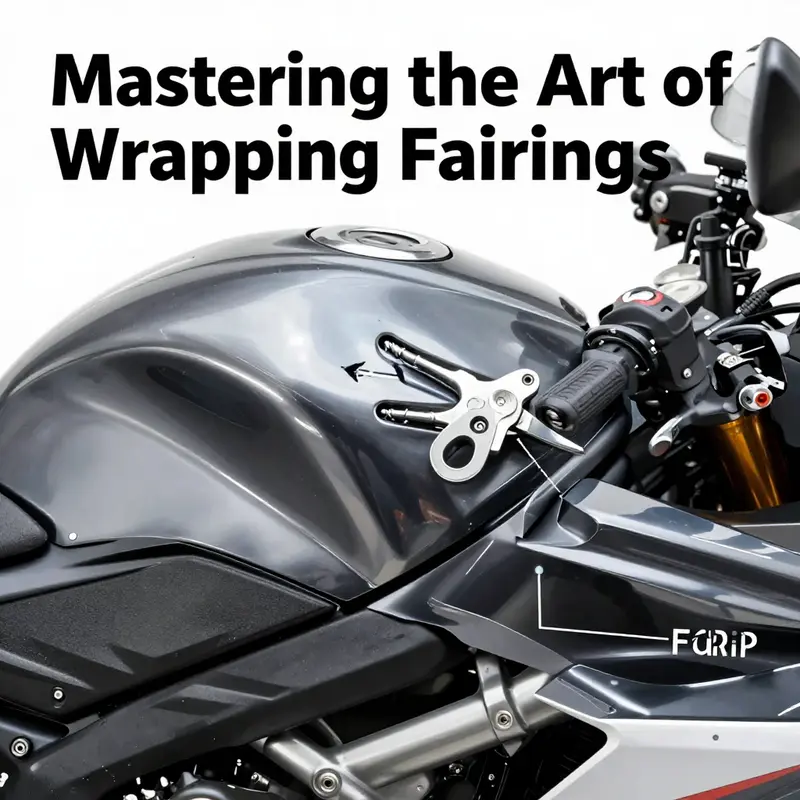
The material choices behind wrapping motorcycle fairings are more than a shopping list. They are the quiet agents that determine how a visual idea survives the open road. In this chapter we move through the material logic that underpins a professional wrap, from the film itself to the adhesive that holds it in place, and from the protective top coat that guards against the world to the backing that helps the film bend with the machine. The goal is not merely aesthetics but durability, ease of application, and a finish that remains faithful to the designer’s intent as the bike experiences sun, rain, and wind, plus the inevitable contact with gravel, brush from trees, and the occasional curb. In short, the wrap is a type of armor that also serves as a canvas; choosing the right materials is how you guarantee both protection and polish after years of use. As with many crafts, the best outcomes come from understanding how each layer works, and how those layers interact under real-world stresses.
At the heart of most wrapping projects lies a specialized vinyl film designed for flexibility and longevity. These films come in a spectrum of textures, sheens, and appearances, from smooth gloss to rich matte, from simulated carbon fiber to metallic looks. The internal chemistry of modern vinyl wraps emphasizes two attributes: durability against environmental exposure and the ability to stretch and conform to complex shapes. Polyurethane-based films are especially known for their resilience. They resist micro-abrasions and UV exposure that would otherwise dull color and gloss. The result is a skin that can bend with the fairing’s curves without cracking at the edges or forming stiff, reflective seams that betray the craft. The material choice matters as much for the finish as for how the wrap behaves during application. A flexible film that refuses to conform will show through the finish as bubbles, wrinkles, or an uneven contour, especially along tight radii near the fairing’s edges or where panels meet vents and ducts. Therefore, the film’s hardness and its elongation at break become practical concerns, guiding the technician toward products that balance stiffness and pliability.
Adhesion follows closely behind film formulation. Here the adhesive layer is designed not only to create a strong bond to the painted or bare plastic surface but also to tolerate the operating heat and vibration typical of a motorcycle engine compartment. The bond must be robust enough to resist peeling at the edges under high speeds and temperature changes, yet forgiving enough to allow removal or re-wrapping without ripping the underlying paint or leaving adhesive residue. The best adhesives offer a stable performance across broad temperature ranges, remaining tacky enough to stay put in hot summer sun but not so aggressive that they scar the surface upon removal. The result is a reliable intermediate layer that preserves the fairing’s geometry while distributing stress evenly across the wrap. The interplay between film and adhesive is a dance of chemistry and mechanics; a small mismatch in peel strength versus stretch can manifest as edge lift or micro-wrinkles after a few thousand miles. For professionals, this balance is the difference between a wrap that ages gracefully and one that needs frequent touch-ups.
Protecting the wrap long-term is a protection strategy in its own right. After the film is laid and the surface is smoothed free of bubbles, most applications conclude with a clear protective coating. This layer acts as a shield against scratches, chemical cleaners, and the sun’s ultraviolet rays. It is not merely a shine add-on; it is an essential defender against the micro-scratches that accumulate in daily riding and during maintenance intervals. A properly applied clear coat or protective epoxy resin helps the color stay vivid, reduces the risk of chalking or dulling over time, and improves resilience to road grime and fuel splashes. In practice, this finish is a separate, even sacrificial layer that takes the first hits, preserving the underlying film that would otherwise degrade more quickly under the same conditions.
In some wraps, a foam backing is used as a practical aid for tackling complex contours. The foam acts as a gentle cushion, enabling the film to glide over creases, ridges, and curves without forming tension points that would crack or peel later. Foam-backed films can be especially helpful around pillion panels, radiator scoops, and the sculpted transitions where fairings must curve around mounting points or intersect with other components. The foam’s role is not to alter the final look but to facilitate a smoother application process, allowing the film to settle into tighter radii and maintain uniform tension across the surface. When used thoughtfully, foam backing reduces the risk of edge lift and ensures that sharp corners remain crisp and well-defined once trimmed and heat-formed.
Preparation is the stage where materials reveal their true potential. A clean surface is not a cosmetic step but a foundation that determines the wrap’s life. Any oil, silicone, wax, or degree of old adhesive left on the fairing can act like a barrier, preventing the film from seating properly. Thorough cleaning with a degreasing agent tailored to plastics removes residues that would otherwise cause haziness or micro-bubbles under the film. After cleaning, some technicians lightly abrade the surface to create micro-roughness that improves adhesion, especially on bare or repainted panels. This step must be performed with care to avoid deep scratches that would telegraph through the film and compromise its smooth appearance. The edges around fasteners, vents, and seams deserve special attention to ensure the film’s cut lines align cleanly with the panel geometry. Some forms of masking or protective tape are used to shield sensitive components such as lighting elements and sensors during the wrapping and heat-forming processes.
The application itself is a balancing act between tension and contouring. A heat source is often employed to soften the film at critical points—around the fairing’s curves, along radii, and at transitions between panels—so that it can be molded without tearing or distorting. The heat softens the polymer, temporarily increasing its plasticity. Skilled technicians use this pliability to flatten out micro-bubbles and wrinkles by slowly working the film with a squeegee, aligning it to the contour while maintaining even tension across the surface. The goal is a uniform, seamless lay that follows every contour line with no uprisings of air pockets. Edges are treated with particular care, as they are the most vulnerable to lifting. A precise trim, guided by the film’s own tack and the fairing’s edge geometry, helps the wrap lock in place where it will endure the most movement and exposure.
Complex curves and tight corners are where the craft is truly tested. Some areas require staged shaping—small sections wrapped one by one and gradually merged into a continuous skin. In such cases, the foam backing can help distribute tension more evenly, while careful heat management prevents overheating that could soften underlying paint or compromise the panel’s integrity. The wrap’s durability is then tested not only by road durability but by the rider’s ability to clean and maintain the bike without inadvertently peeling the edge where two panels meet. Maintenance routines become part of the materials conversation; certain cleaners can degrade the adhesive or film over time, so riders and technicians alike lean toward milder formulations that preserve adhesion and color integrity. The wrap should tolerate ordinary bike washes and gentle hand detailing without obvious signs of wear.
A practical consideration in material choice is the anticipated operating environment. Riders in sunny, high-temperature climates may lean toward films with stronger UV resistance and higher heat tolerance. Those in wet, salty, or aggressive climates look for water resistance and chemical resilience—factors that influence both the film and the protective top coat. The weathering that follows the wrap is not just about aesthetics; it speaks to longevity. For many riders, the wrap’s ability to resist chalking, yellowing, and hazing under sun exposure correlates with the film’s formulation and the care given to the protective layer. In other words, the film’s chemistry and the top coat’s chemistry work as a duo. When both are well-chosen and properly applied, the result is a fairing that keeps its character for years, with soft color transitions preserved and the surface remaining smooth to the touch after rides through dust and rain.
From a workflow perspective, the decision tree often starts with film type and finishes with finish. If a rider desires a specific texture—glossy, satin, or a textured surface resembling carbon fiber—the choice of film sets the tone for the rest of the process. The final layer, a clear coat or protective resin, is chosen to complement that texture, not to fight against it. The protective layer can either enhance gloss or add a subdued depth to a matte finish, but in all cases it should not create a hazy, yellowed, or cracked appearance after exposure to the elements. It should preserve color fidelity, hold its surface hardness, and resist chemical attack from cleaners and fuel residue. The ultimate measure of success is the wrap’s appearance after months of exposure: the color remains vivid, the finish remains consistent, and the panel edges do not exhibit creeping lift.
For technicians and builders, the material story translates into practical guidance. Start with a deliberate material selection that aligns with the bike’s use case, climate, and maintenance regime. Favor films with proven elasticity and stable adhesion under heat. Pair them with an appropriate adhesive system that can withstand engine heat and vibration while still allowing for removal without damage. Consider adding a protective top coat that adds scratch resistance and UV protection, especially for bikes that live outdoors. When contours are particularly challenging, don’t hesitate to employ foam backing and controlled heat to achieve a smoother lay across curved sections. Above all, commit to thorough surface preparation. A well-prepared surface is the single best predictor of wrap longevity, and it makes subsequent steps more forgiving, reducing the chance of recurring edge lift or bubbling.
The knowledge behind these choices is intertwined with the broader world of motorcycle customization. While the wrap aims to deliver a high-end appearance, it must still survive the realities of riding life. The materials chosen—films engineered for flexibility and durability, adhesives engineered for secure bonding in heat, protective top coats that resist UV and chemicals, and optional foam backings for complex geometries—create a resilient, beautiful skin that can be peeled off or replaced when desired. This is not purely cosmetic work; it’s engineering that respects both the form and function of the bike.
For riders and builders seeking a tangible starting point, a practical path is to examine how different fairing shapes influence material selection. A dealer or catalog that showcases a wide range of fairings, such as a dedicated BMW fairings section, offers a relative sense of scale and curvature variety. For context, one can explore the BMW fairings category to understand how different panels and shapes respond to wrapping. This examination, while not a direct endorsement, helps illuminate how contour complexity may dictate film thickness, adhesive choice, and heat application strategy. BMW fairings category
The conversation about materials is not complete without acknowledging the external research that informs best practices in protective coatings and film technologies. A well-regarded external resource discusses the science behind finishing systems used in automotive wraps, detailing how a properly selected combination of film, adhesive, and top coat contributes to durability and longevity. The key takeaway is that wrap performance emerges from the synergy of layers rather than any single element. A robust film with weak adhesion will peel, while a strong adhesive on a fragile film will crack under impact. The coating system must be compatible with both the substrate and the film to maintain a cohesive, durable finish over time. As riders push their machines to performance limits and daily miles alike, understanding this synergy helps ensure that the wrap remains a reliable aesthetic and protective feature rather than a fragile ornament. External resources offer more technical depth on these topics, and they provide a foundation for ongoing refinement of wrapping techniques as formulations advance and demands evolve.
In sum, the materials used in wrapping motorcycle fairings are chosen with a dual purpose: to deliver beauty and to endure. The film supplies the color and texture; the adhesive anchors it to the fairing for the long haul; the protective top coat defends against the elements; and the foam backing, where used, smooths the road from curvature to edge. Preparation and careful execution are the quiet partners that transform a sheet of film into a seamless, durable skin. The result is not merely a change in appearance, but a redefined surface that carries the rider’s vision forward—through sun, rain, and the wind that greets every mile. For anyone seeking to understand what makes a wrap last, the answer lies in the materials, the method, and the respect given to preparation and maintenance. The film is the canvas, the adhesive the bond, the top coat the shield, and the foam backing the helpful hand that guides the brush along the curves. Together, they form a single, layered shield that makes wrapping more than a technique; it makes it a disciplined craft that honors both form and function.
External resource for further reading:
https://www.3m.com/automotive/en_us/products/finishing-systems/
Shielding the Skyward Shell: The Protective Power of Wrapping Motorcycle Fairings
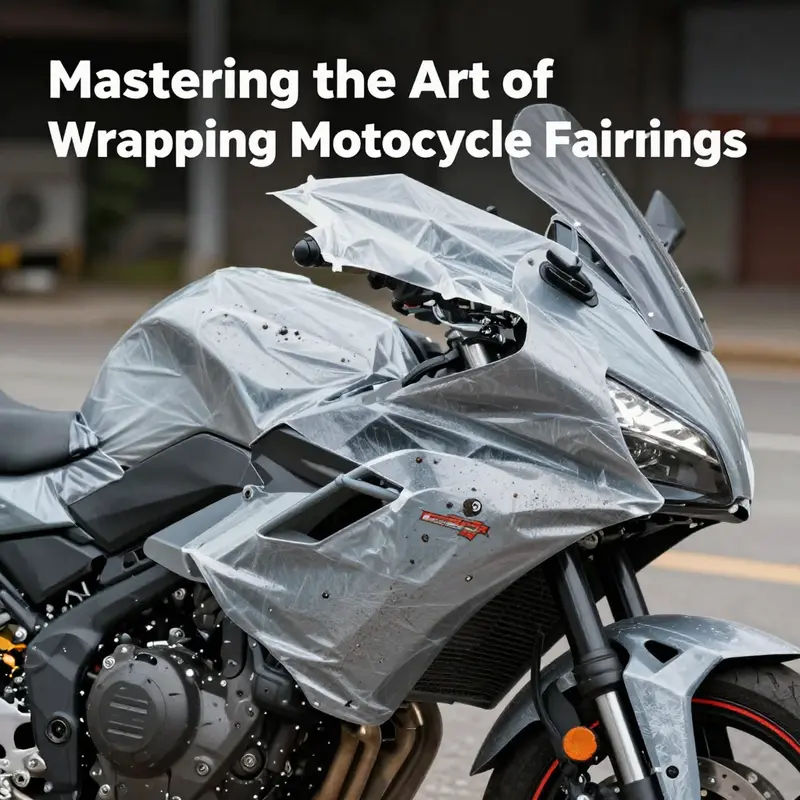
The fairings of a motorcycle are more than just lines and angles that define a bike’s silhouette. They are the first line of defense against the road, wind, and the weather that can chip, fade, and fatigue a machine over time. Wrapping those fairings elevates their purpose from cosmetic enhancement to a functional armor that defends the underlying materials while preserving performance and value. When done with attention to surface prep, film selection, and careful manipulation around curves and fasteners, wrapping can turn a set of fragile plastic panels into a resilient shield that stands up to the daily demands of riding and storage. The very act of wrapping, what it represents, and how it performs over months and miles, deserves a closer look because the protective benefits extend far beyond the eye-catching finish. The wrap becomes a sacrificial layer that absorbs abrasion from airborne grit, minor scrapes from brushes with fencing or support stands, and the inevitable contact that comes with cleaning and maintenance. At its core, the protective logic is straightforward: a durable vinyl or composite wrap that adheres tightly to the fairing creates a barrier that reduces the rate at which the paint and the plastic begin to degrade. It is this barrier, more than anything, that accounts for the prolonged vitality of color, gloss, and structural integrity, especially for riders who log significant time on the road.
One of the most impactful protective benefits of wrapping is UV protection. The sun is relentless, and ultraviolet radiation is patient enough to break down pigments and plasticizers in paint and clear coats. Fading, chalking, and a loss of depth in color are not just cosmetic issues; they signal deeper material fatigue. A high-quality wrap acts as an effective shield against UV exposure, particularly when the film itself carries UV-resistant properties. The wrap blocks a large portion of the spectrum that would otherwise penetrate to the substrate, helping to maintain color fidelity and gloss for many seasons. This protective function is especially valuable for bikes parked outdoors for long periods, where the fairings face constant solar exposure. In practical terms, UV protection means riders can preserve the original look of their machine longer, which translates into higher resale value and lower upkeep costs related to repainting or cosmetic corrections.
Beyond the sun, protection from physical damage and abrasion is perhaps the most immediately tangible benefit of a well-applied wrap. Fairings, built from lightweight plastics, can be surprisingly delicate. A stray branch in a narrow trail or a careless brush against a fence at a parking lot can leave unsightly scratches or, worse, micro-cracks that alter the fairing’s structural integrity and aerodynamic efficiency. A robust wrap forms a resilient cushion between the fairing and the world. It takes on the impact, dispersing it across the film rather than letting it bite into the substrate. The film’s thickness and elasticity determine how well it resists scuffs, chips, and abrasions that can accumulate over time. Some advanced wraps also feature anti-scratch properties or reinforced layers in key impact zones, further extending the life of the fairings. The practical payoff is clear: fewer repairs, less downtime, and a consistent, protective surface that remains easier to clean without inviting new scratches with every wipe.
Dust, debris, and the steady barrage of road particulates pose a different kind of challenge, one intimately connected to the rider’s habits and storage environment. Dust can settle into seams, vents, and micro-scratches, turning routine cleaning into a potential source of new wear. A properly applied wrap, however, creates a smoother exterior with fewer micro-niches for abrasive particles to cling to during storage or washing. The wrap’s surface resists the gritty cling that often accompanies wet, clay-like grime and can make weekly cleaning feel more like a simple wipe than a time-consuming chore. The result is not only a cleaner appearance but also a reduction in micro-abrasions caused by aggressive cleaning. In areas where vents and openings channel air along the fairing’s contours, the absence of rough patches reduces the likelihood of dirt-induced scratches and keeps the finish looking newer for longer. It is a quiet form of protection, one that adds tangible days to the bike’s pristine appearance and reduces the risk of visible wear that can undermine value or buyer confidence when it is time to upgrade or part with the bike.
Another layer of protection comes from moisture management and weather resistance. While a wrap is not a substitute for a dedicated cover, it does contribute to a more resilient exterior in damp conditions. Modern vinyl films can offer water resistance and maintain adhesion even when exposed to light rain or morning dew. While persistent moisture and salt-laden air pose their own challenges, a wrap designed for outdoor durability helps prevent water from seeping into micro-crevices where corrosion or paint delamination could begin. The wrap’s seal around edges and seams reduces the chances of moisture infiltration at joints that might otherwise become weak points over time. This is particularly important for riders who park outside, store their bike in uninsulated spaces, or ride in climates with sudden rainshowers and humidity swings. The protective advantage becomes less about making the bike impervious to the weather and more about slowing the weather’s ability to take a toll on the paint and plastic, giving the owner more time between maintenance sessions and a more consistent aesthetic if the bike is occasionally left unattended.
The protective benefits also extend to electronic and decorative components embedded in the fairing region. Modern motorcycles rely on a delicate balance of sensors, wiring, and vents integrated into the fairing itself. Dust and moisture can travel along surfaces and into small crevices, potentially affecting sensors or triggering minor electrical issues over time. A film layer, while not a sealant for every possible ingress path, acts as a barrier that reduces the amount of debris that can adhere to the surface and migrate into gaps around the lights, mirrors, and vents. When combined with careful masking and protected areas during the wrapping process, the wrap minimizes the risk of contact between abrasive particles and sensitive assemblies. In practical terms, riders often notice that their fairings remain cleaner for longer periods and that minor maintenance tasks—such as cleaning around the edges of a light or a vent—require less effort because the surface remains smoother and less prone to scuffing.
Even the resilience of the wrap under heat is part of its protective logic. The engine and exhaust areas generate significant heat that can affect nearby materials. A correctly chosen wrap is formulated to withstand elevated temperatures and to maintain its adhesion and appearance without warping or bubbling. The heat tolerance of the film becomes critical when wrap runs skirt the edges of hot components or stay in proximity to hot air flows. When used on well-ventilated panels with proper clearance, the wrap remains stable, preserving both protection and aesthetics. This resilience is not simply about surviving the occasional hot day; it is about maintaining a consistent protective barrier through the heat cycles that accompany urban commuting, highway cruising, and track days alike. The ideal outcome is a surface that ages gracefully, showing fewer signs of sun damage, fewer micro-scratches, and steadier color and gloss, even after thousands of miles and exposure to the elements.
The value of wrapping goes beyond the immediate physical defense. It influences how a rider interacts with the bike on a daily basis. A clean, well-protected surface is easier to maintain, and ease of maintenance reduces the likelihood of aggressive cleaning practices that can themselves wear down a paint job. When the fairings are wrapped, the rider may notice that the cleaning routine involves gentler products and softer tools, reducing the risk of micro-abrasions that cumulative wear often imposes on exposed finishes. This practical benefit aligns with the longer-term goal of keeping the bike visually striking and structurally sound for as long as possible. The wrap also serves as an intermediate layer that helps preserve resale value. For many riders, a bike that retains its original color and finish presents a more attractive proposition to future buyers, and a well-preserved exterior can be a decisive factor in resale pricing. In short, the wrap is not merely about first impressions; it is a pragmatic investment in durability, reliability, and long-term ownership satisfaction.
For riders who want to explore the options within the broader ecosystem of fairing protection, a useful starting point is to look at the range of fairings available in the market and the varieties that suit different bikes and riding styles. Tracing the available designs and compatibility can help riders select a wrap that conforms to the shape and curvature of specific models. For example, a rider considering Honda fairings can examine the selection in the Honda fairings category to gauge panel shapes, thicknesses, and contours that will influence how the wrap sits on each curve and around each edge. The choice of model-specific panels can affect how seamlessly the wrap adheres to corners, how it responds to heat shaping around vents, and how cleanly it meets the edges where fairings join other pieces of bodywork. The goal is not simply to cover but to conform, ensuring that the wrap follows every contour with consistent tension and without warping, which in turn preserves the protective benefits discussed above. For readers exploring these options, the Honda fairings collection provides a practical reference point and a clear sense of the types of shapes and sizes that road riders encounter daily. Honda fairings offers an accessible glimpse into how model-specific panels interact with the wrapping process and how a tailored approach can yield both protection and a clean, professional finish.
Ultimately, the decision to wrap fairings as a protective strategy comes down to aligning material science with riding realities. The wrap must be compatible with the fairing substrate, resilient under sun and rain, and sufficiently elastic to ride over complex curves without revealing seams or creating air pockets. It must also be applied with a careful technique that ensures a smooth, wrinkle-free surface. When these conditions are met, the wrap operates as a durable shield that defends against UV damage, physical abrasion, dust intrusion, moisture ingress, and minor thermal stresses. The rider experiences a surviving, vibrant surface that looks intentional, well cared for, and ready to take on another season of adventures. In short, wrapping is a proactive investment in the bike’s exterior that pays dividends in appearance, structural integrity, and long-term value. For readers seeking a concise synthesis of practical steps and protective outcomes, the approach centers on surface preparation, film choice, precise heat shaping, and mindful masking—principles that underpin a resilient finish and a bike that looks as good as it performs. As a broader note, it is valuable to consider protective strategies beyond the wrap itself. For example, a high-quality motorcycle cover—one designed to block UV rays, repel dust, and resist moisture—complements the wrap by creating an outer environmental shield when the bike is parked or stored. In the ongoing conversation about protective care, adopting both wrap and cover can yield a layered defense, each serving a purpose that reinforces the other. This multi-layer approach aligns with the evolving understanding of how riders can safeguard investments while enjoying the ride.
For further exploration of protective strategies and materials in the motorcycle world, readers can consult additional resources that discuss film durability, UV resistance, and weatherproofing approaches. External research and consumer guides offer broader context on how protective layers interact with climate and usage patterns. In particular, a comprehensive guide on motorcycle covers emphasizes materials designed to block UV rays, protect paint and plastic parts, and reduce the risk of rust and electrical issues that can arise from exposure to moisture and debris. While the wrap sections focus on surface protection and longevity of the fairings themselves, combining wrap with a purpose-built cover strengthens the bike’s exterior resilience against weather and environment. External reference: https://www.motogear.com/motorcycle-cover-guide. By integrating wrap-driven protection with storage-ready coverings, riders create a holistic protective strategy that supports the bike’s performance, aesthetics, and reliability over time.
null
null
Final thoughts
Wrapping motorcycle fairings offers substantial benefits for businesses looking to enhance their service offerings. By mastering the detailed techniques, selecting high-quality materials, and understanding the protective benefits, business owners can deliver superior results that meet customer expectations. Furthermore, conducting a thorough cost analysis allows businesses to optimize their pricing strategies and drive profitability. Embracing these insights can transform your approach to motorcycle customization and solidify your position in the market.