
Introduction
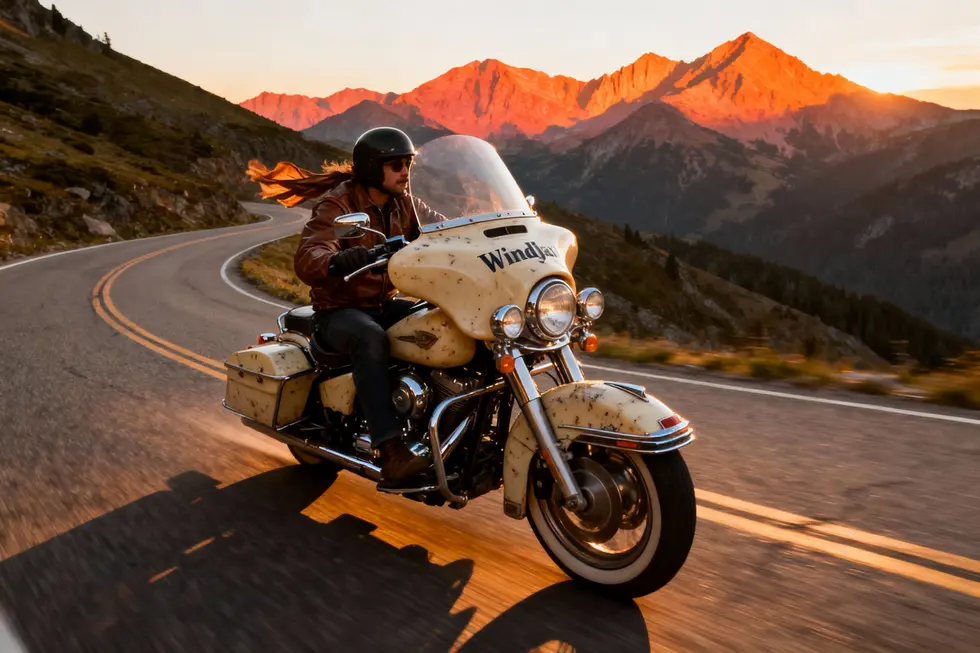
Windjammer motorcycle fairings, renowned for their classic designs and exceptional wind protection, have woven themselves into the fabric of motorcycle culture since the late 1970s. Designed by Craig Vetter, these fairings were tailored for popular models like the Honda CBX and GL1100, showcasing both functionality and aesthetic appeal. This article explores the comprehensive narrative of Windjammer fairings through four key chapters. We will delve into their history and evolution, guide you through installation and maintenance practices, analyze current market trends, and examine the vibrant community that celebrates these iconic pieces of motorcycle design. Together, these facets highlight not just the product itself but the enduring impact it has on motorcycle enthusiasts and the broader biking community.
Tables of Contents
Chapter 1: The Technological Mastery Behind Windjammer Motorcycle Fairings
- Innovative Materials and Designs in Windjammer Motorcycle Fairing Development
- Riding Through Change: The Societal Impact of Windjammer Motorcycle Fairings
Chapter 2: Mastering the Art of Windjammer Fairing Installation: A Comprehensive Guide
- Navigating the Intricacies of Installing Windjammer Fairings: Essential Brackets and Fitment Techniques
- Mastering Maintenance: Ensuring Longevity and Aesthetic Appeal of Windjammer Fairings
Chapter 3: Navigating the Niche: Understanding the Market for Windjammer Motorcycle Fairings
- Current Landscape and Demand Dynamics of Windjammer Motorcycle Fairings
- Unseen Forces: Economic Influences and Market Resilience of Windjammer Fairings
Chapter 4: Exploring the Heritage and Influence of Windjammer Motorcycle Fairings
- Crafting Community Identity Through the Legacy of Windjammer Fairings
- The Economic Influences of Windjammer Fairings in Motorcycle Events and Local Economies
Chapter 1: The Technological Mastery Behind Windjammer Motorcycle Fairings

1. Innovative Materials and Designs in Windjammer Motorcycle Fairing Development
The Windjammer motorcycle fairing embodies decades of innovation and evolution in motorcycle design, particularly during the late 20th century. As a critical component for enhancing both the aesthetic appeal and functionality of motorcycles, these fairings have seen substantial transformation—from rudimentary fiberglass structures to advanced, high-performance components made from cutting-edge materials. Understanding this evolution offers insight into the care and craftsmanship that has sustained their popularity among enthusiasts and collectors.
In the late 1960s and early 1970s, Windjammer fairings began their journey as aftermarket accessories designed for sport-touring motorcycles. Craig Vetter’s visionary designs captured the racing spirit, showcasing streamlined profiles that not only turned heads but significantly improved aerodynamics. Early models utilized hand-laid fiberglass, bringing a lightweight yet sturdy option to the table. This transition from traditional naked bikes was crucial, as historical rider reports indicate that the incorporation of fairings could reduce drag coefficients by an impressive 20-30%. This was an essential milestone that shifted motorcycling dynamics in a competitive arena.
As the market matured through the 1980s, so too did the technology underlying fairing design. Builders and manufacturers began to optimize the form and function of these units with factors like modular mounting systems and enhanced cooling capabilities. The introduction of internal air ducts improved engine cooling, accommodating different engine layouts while adhering to performance standards essential for long-distance touring. Furthermore, the addition of UV-resistant gel coats significantly bolstered the durability and lifespan of these fairings, marking a shift toward practical, everyday use of high-performance motorcycle accessories.
By the 1990s, advancements in materials science ushered in a new era for Windjammer fairings. The shift from simple fiberglass to more sophisticated composite materials, such as Kevlar-reinforced laminates, represented a breakthrough in motorcycle accessory development. These high-end models often weigh less than ten pounds while delivering superior impact resistance. The choice of materials played a strategic role in maintaining aerodynamics yet facilitating easier installation without compromising safety or durability.
As contemporary trends shaped consumer expectations, post-2010 innovations further modernized Windjammer fairings. The introduction of carbon fiber and CAD-designed aerodynamic enhancements signaled progress while highlighting the legacy of fiberglass that sparked their inception. Although the primary lineage of direct design influence remains a complex tapestry, modern iterations continue to reflect the innovative spirit of the original Windjammer designs while catering to the evolving needs of motorcycle aficionados.
However, despite these advancements, it is essential to understand that Windjammer fairings thrived during a unique period in motorcycle history. Extensive community discussions on platforms such as the Vetter Owners Group underline how these designs have shaped riders’ experiences. The forum, rich with insights on installation, maintenance, custom fittings for contemporary bikes, and, importantly, a sustained dialogue about the evolving need for wind protection, illustrates the relevant merits of these fairings in modern contexts. It is fascinating to see how models like the Honda Gl1100 retain compatibility with past innovations, enduring in popularity due to their practicality and nostalgic aesthetic. The interconnectedness of the community around these classic models strengthens the perception of Windjammer fairings not just as products, but as icons that resonate with the motorcycling culture.
Interestingly, while many contemporaneous manufacturers adapted Windjammer’s principles into their own designs, the original iconicity of these fairings has persisted. This phenomenon can be attributed to a lack of radical innovations like active aerodynamics or electronic enhancements often seen in newer models. Many enthusiasts gravitate toward vintage designs for how effectively they blend beauty and efficiency, evident in online listings where one can still find complete color-matched Windjammer V fairings and factory old stock windshields available for restoration projects. These items breathe new life into the hobbies surrounding motorcycle restoration, maintaining the trajectory of technology while merging past innovations with current pursuits.
Delving into the broader industry history reveals that Windjammer’s influence extended to shaping motorcycle accessory design benchmarks during an era of significant upheaval and creativity. With emerging competitors, like Marifari and National Cycle, also vying for consumer loyalty, Windjammer carved out a niche that emphasized both affordability and mass production appeal. This competitive edge not only provided customers with viable options but also fueled the cafe racer movement, making fairings accessible to a wider audience than pure performance enthusiasts.
Ultimately, the technological advances encapsulating Windjammer motorcycle fairings reflect a tapestry of innovation that resonates through the decades. As new materials, designs, and community dynamics continue to evolve, Windjammer remains a testament to what passionate engineering can achieve. Though the romance of fiberglass may have evolved, its foundational principles endure as companies and enthusiasts alike explore how to elevate their riding experiences. With a legacy of innovation as deep-rooted as that of Windjammer, one can only imagine what the next generation of fairings will hold, forging pathways for future riders eager to embrace the vibrant and dynamic shifting landscape of motorcycle culture.
2. Riding Through Change: The Societal Impact of Windjammer Motorcycle Fairings
Throughout the late 20th century, Windjammer motorcycle fairings emerged not just as practical accessories but as symbols of the evolving motorcycle culture. These fiberglass windshields revolutionized long-distance riding, providing comfort and safety for enthusiasts and shaping an entire generation of bikers. The introduction of fairings coincided with a significant shift in societal attitudes toward motorcycle use, positioning these machines as not merely vehicles, but as expressions of freedom, rebellion, and personal identity.
The inception of the Windjammer fairings by designers like Craig Vetter and Skip Hess in the late 1960s addressed crucial wind resistance issues faced by long-distance riders. Motorcyclists on heavy cruisers such as Harley-Davidsons and Hondas could now tackle cross-country trips with enhanced comfort. This newfound wind protection reduced rider fatigue, which in turn enabled larger groups to venture into the wilderness while camping or touring together—ushering in an era that witnessed a boom in motorcycle camping and organized tours across America. Fairings made it feasible for riders to explore vast landscapes, fostering a sense of adventure and connection with the open road.
As the counterculture movement surged in the late 1970s and early 1980s, Windjammer fairings found a unique place within the burgeoning motorcycle culture. They embodied the spirit of freedom and individuality that appealed particularly to Vietnam veterans and baby boomers who sought a break from the conformity of urban life. Events like the Sturgis Motorcycle Rally became gatherings where customized motorcycles, often adorned with fairings, were flaunted as status symbols, highlighting the relationship between personalization and identity in motorcycling. The Windjammer fairings, with their slick designs and practical enhancements, became icons of this emerging ethos, prompting riders to express themselves and push back against societal norms through their choice of vehicle.
Technologically, the evolution of Windjammer fairings marked a shift in the approach to motorcycle design. The transition from basic windshields to fully integrated aerodynamic enclosures catalyzed fierce competition within the industry. The introduction of various Windjammer models such as the Vetter III and IV not only showcased innovative quick-release mechanisms but also highlighted customizable features that catered to a rider’s personal aesthetic. By the time the 1980s rolled around, the market was ripe with various iterations of fairings that allowed enthusiasts to mix and match components to suit their riding style and preference. This proliferation of options encouraged creativity, and customization became an integral part of the motorcycle experience, leading to a new wave of individuality on the road.
As the introduction of Windjammer fairings took hold, the motorcycle industry underwent substantial growth. Touring models, like the Honda Gold Wing and BMW, began to integrate fairings as standard. This integration not only spurred increased sales but also reshaped the public perception of motorcycles, normalizing them as practical means of transportation rather than mere recreational vehicles. In fact, motorcycle sales surged from 3 million units in 1970 to over 6 million by 1980 in the United States. This period not only altered consumer behavior but also influenced critical highway safety discussions, leading to the establishment of Department of Transportation (DOT) standards aimed at improving visibility and safety on the roads.
The lasting legacy of Windjammer fairings continues to manifest today in the design and engineering of modern motorcycles. By the 1990s, advancements in composites made Way for new fairing materials, but the foundational influence of Windjammer’s designs persisted. While many of the original aftermarket fairings faded from prominence, the principles of rider comfort and functionality lived on, subtly woven into the very fabric of motorcycle manufacturing. Today’s motorbikes often feature sleek, aerodynamic designs that harken back to the innovative spirit of the Windjammer era, showcasing the timeless relevance of these pioneering fairings.
In conclusion, Windjammer fairings reflect more than just a blend of practicality and style; they serve as a testament to the evolving landscape of motorcycle culture and the societal shifts accompanying this evolution. As riders turn the throttle and hit the asphalt, they embody an adventurous spirit rooted in history and innovation. For anyone interested in exploring the legacy of these remarkable accessories, the vibrant communities—like the Vetter Owners Group—serve as a reminder of the enduring impact these fairings have had on the motorcycle world, fostering discussions about care, customization, and the traditions that keep the spirit of riding alive. Additionally, enthusiasts can still purchase components and complete models through various channels, maintaining the passion for the history of their machines. Explore more about fairings in our collection here.
Chapter 2: Mastering the Art of Windjammer Fairing Installation: A Comprehensive Guide
1. Navigating the Intricacies of Installing Windjammer Fairings: Essential Brackets and Fitment Techniques
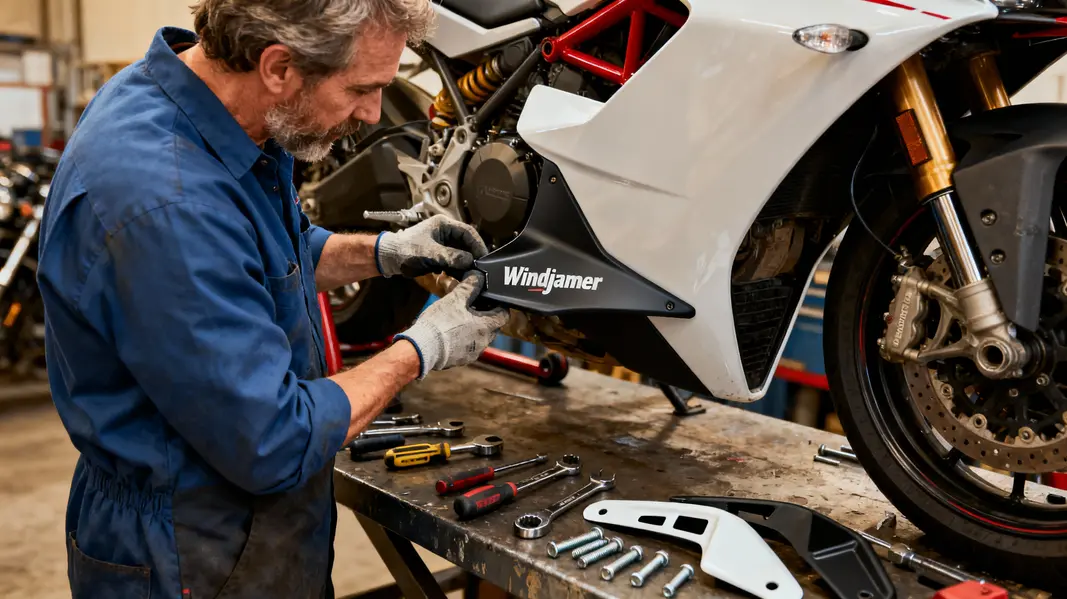
Installing a Windjammer motorcycle fairing is a task that not only enhances the aesthetics of your bike but significantly improves its wind protection and riding comfort. However, achieving a professional installation requires understanding specific components and the various fitment techniques that ensure stability and performance. As motorcycle enthusiasts and collectors have shared in the Vetter Owners Group forum, the installation process can vary depending on the motorcycle model, but a common thread within the community underscores the importance of proper brackets and adjustments.
The first consideration when planning to install a Windjammer fairing is the brackets. These metal support structures are critical because they anchor the fairing securely to the frame of the motorcycle. Announcements on the forum suggest that using model-specific mounting brackets is essential for a robust installation. For instance, a thread from GreggS, dated October 6, 2022, highlights the required hardware for popular models like the Honda CBX and GL1100. Ensuring that the mounting brackets correspond to your bike’s specifications is paramount, as not all brackets are universally adaptable across different types of motorcycles.
The Vetter Owners Group provides numerous insights into this process, including discussions around sourcing new old stock (NOS) spare parts, which often include brackets and other necessary components. The availability of NOS items not only helps maintain the authenticity of the Windjammer fairing but also supports the restoration of vintage motorcycles. Users have reported successfully locating brackets for models such as the 1980 XS850SG, showcasing the continued relevance of Windjammer fairings in the motorcycle community.
Once the brackets are secured, the installation process begins in earnest. Most motorcycle enthusiasts stress the importance of model-specific bracket alignment during installation. It is critical to correctly position the fairing on the motorcycle, as misalignment can lead to not only aesthetic mishaps but also performance issues while riding. A noteworthy detail shared in discussions is the procedure of trimming pinch welds on the motorcycle to allow for proper bracket seating. This step is essential because uneven contact points can lead to vibrations, complicating the riding experience and potentially placing added stress on the fairing itself.
For many users, the most challenging aspect of installation lies in making the necessary fitment adjustments. Personal experiences reflected in the forum highlight that many motorcycle models require customization to accommodate their geometry. For instance, users have mentioned the importance of verifying compatibility with the bike’s fork triple trees, as these components will affect how snugly the fairing fits against the motorcycle. Each bike behaves differently, and slight variations can lead to significant differences in the installation process. It’s this aspect of fitment adjustments that can transform a standard installation into a seamless integration.
In practical terms, adjustments often involve re-shaping the brackets or even modifying the fairing itself to ensure everything fits snugly and securely. Many installers share techniques—such as using rubber spacers or washers—to manage vibrations and maintain clearance with other components like headlights or windshields. The insights shared among the community illustrate the collective problem-solving spirit that characterizes the Vetter Owners Group, as members offer suggestions based on their own successes or challenges.
Pitfalls during installation abound, so having access to shared user experiences can be invaluable. The interactive environment of the forum allows for real-time Q&A and troubleshooting, providing a comprehensive support network for install novices and veterans alike. Every installation generates a wealth of knowledge, from unique techniques to handling specific challenges, such as aligning the fairing with the motorcycle’s lines and components properly. Pictures shared in the forum further serve as visual guidance, illustrating previous installations and detailing specific adjustments made to achieve optimal fitment.
The fitting process may also vary depending on the Windjammer model being installed. The distinctions between models, be they the Windjammer I, II, III, SS, IV, or V, result in varying installation requirements. Each generation sports its own unique attributes, which can necessitate alterations in mounts, brackets, or even fairing shapes to ensure a tight fit. For example, those fitting a Windjammer IV must account for its broader structure compared to the more compact Windjammer II, which can influence bracket positioning and alignment.
While the installation may seem daunting at first, the collective wisdom from the Vetter Owners Group indicates that patience and careful planning can lead to a successful outcome. The interconnected nature of the forum serves as a historical record of fairing installations, with users consistently contributing and updating their methods. With no official manuals or instructional videos available, the shared knowledge turns the community into a thriving repository of real-life experiences.
In summary, the journey to install a Windjammer motorcycle fairing requires understanding the nuances of bracket installation and fitment techniques. It’s a meticulous but rewarding process that enhances not just the motorcycle’s physical appearance but overall riding experience as well. For those looking to dive deeper into the art of installation, participating in the Vetter Owners Group’s discussions is invaluable. Engaging with fellow enthusiasts and drawing on their experiences will support both novice and experienced riders alike in making the most of their Windjammer fairing experience. For hardware requirements and further reading, check the Brackets & Mounting section within the forum for more tailored advice: Vetter Owners Group.
2. Mastering Maintenance: Ensuring Longevity and Aesthetic Appeal of Windjammer Fairings
Caring for a Windjammer motorcycle fairing involves a diligent approach that blends cleaning, protection, and timely repairs with an understanding of the unique materials these iconic pieces of motorcycle design are constructed from. As a landmark in motorcycle history, the Windjammer fairing not only offers exceptional wind protection but also enhances the overall aesthetics of vintage motorcycles, making them cherished by collectors and enthusiasts. Continuous upkeep is essential not only to preserve their luxurious appearance but also to ensure their functional integrity throughout the years.
A vital aspect of any maintenance routine revolves around cleaning techniques. A mild soap solution combined with a soft cloth or sponge serves as the perfect method for cleaning fiberglass fairings. This gentle approach prevents scratching or damaging the delicate finish that is hallmark of well-maintained fairings. Motorcycle riders need to steer clear of harsh chemicals, as they may strip away protective coatings or discolor the surface materials. After scrubbing the fairings free of dirt and grime, it is crucial to thoroughly rinse and dry the fairing, thereby eliminating any soap residue that could lead to long-term damage. Adopting a cleaning routine that includes this method not only beautifies but also sets the stage for protective measures.
Protection is an equally important element in maintaining Windjammer fairings. Regular application of a suitable wax or protective sealant is recommended to shield the fairing from harmful UV rays and other environmental hazards. Such proactive care preserves the vivid colors and glossy finishes synonymous with Windjammer fairings. In cases where the fairings are made from acrylic materials, utilizing plastic cleaner and polish enhances clarity and shine, providing not just functional benefits but also enhancing the visual appeal of the motorcycle.
Moreover, enthusiasts should stay vigilant for common types of damage that plague motorcycle fairings. Regular inspections for cracks, discoloration, and impact damage can prevent small issues from escalating into major repairs. Minor cracks can be remedied using epoxy resin or specialized repair kits, while discoloration may require specific restorers designed for the fairing’s material type. For instance, fiberglass fairings can be painted or sanded down to restore their original beauty, ensuring that they continue to stand out on the road. When it comes to impact damage, it is crucial to assess whether the damage is repairable or if the fairing requires complete replacement, as this could significantly affect riding safety.
Storage practices also play a pivotal role in the longevity of Windjammer fairings. When not in use, motorcycles should be parked in a dry, cool environment that shields them from direct sunlight. This practice helps prevent fading and other weather-related wear and tear. Additionally, using a breathable cover is advisable; it protects the motorcycle from dust and moisture accumulation, which could promote mold growth or degrade the protective coatings applied on the fairings. Proper storage techniques combined with consistent maintenance keep the fairings looking as good as new.
The condition of fasteners that secure the fairing to the motorcycle body should not be overlooked. Motorcycle fairings typically consist of multiple screws and bolts that undergo stress during rides, potentially loosening over time. Regularly checking these fasteners, replacing any that show signs of rust or wear, is crucial for ensuring that the fairings remain securely attached during rides. Employing thread locker on critical fasteners can also help prevent loosening from vibrations experienced on the road, providing peace of mind for those who venture far and wide on their bikes.
Both the uniqueness of fiberglass and plastic fairings dictate their specific care requirements. For fiberglass fairings, the ability to sand and repaint can help maintain a pristine look over time, while plastic fairings necessitate gentler handling when cleaning to avoid damage or surface scratches. Utilizing safe cleaners reduces the risk of soiling or dulling their finish, ensuring the fairings continue to reflect that sought-after vintage charm.
Should more extensive repairs become necessary, seeking professional assistance is wise—especially when safety is at stake. Enthusiasts should connect with motorcycle service centers that specialize in fairing restoration, as they possess the expertise and equipment needed for intricate repairs. Consulting with knowledgeable professionals can also provide insights and tailored maintenance strategies that meet the expectations of dedicated Windjammer enthusiasts.
For those who prefer a hands-on approach, browsing online tutorials or videos specifically focused on Windjammer fairing repairs provides invaluable visual guidance on various maintenance techniques. This not only fosters a deeper appreciation for the fairing’s construction but also empowers owners to tackle upkeep tasks independently, enhancing their engagement with the motorcycle community and enhancing their skills as riders and restorers.
In conclusion, mastering the maintenance of Windjammer motorcycle fairings creates a fulfilling experience for enthusiasts. Combining effective cleaning, protective measures, regular inspections, and timely repairs results in a fairing that retains its beauty and functionality for years to come. With a community rich in knowledge, resources, and support, such as the vibrant Vetter Owners Group, owners can feel confident in preserving these integral components of motorcycle history. For those keen to explore products specifically designed for enhancing their Windjammer fairings, numerous resources like the Ultimate MotorX product category offer specialized items that cater to specific restoration and maintenance needs.
Chapter 3: Navigating the Niche: Understanding the Market for Windjammer Motorcycle Fairings
1. Current Landscape and Demand Dynamics of Windjammer Motorcycle Fairings
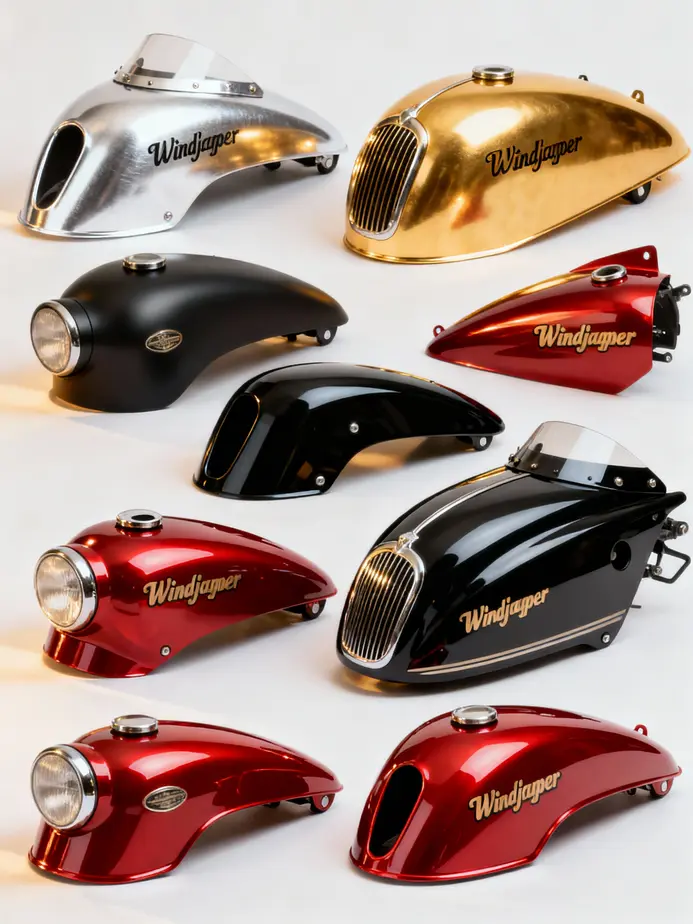
The market for Windjammer motorcycle fairings presents a fascinating illustration of the intersection between nostalgia and utility. Designed in the late 1970s and popularized through the 1980s, Windjammer fairings are distinctly recognized for their robust fiberglass construction and aesthetic appeal. Originally crafted by motorcycle innovator Craig Vetter, these fairings were engineered to enhance riding comfort by mitigating wind resistance and drag, thus allowing riders to traverse longer distances with more ease and comfort. Today, the legacy of the Windjammer lives on not only as a popular aftermarket modification but also as a sought-after collectible within the motorcycle community.
Market demand for Windjammer motorcycle fairings remains constant, as enthusiasts seek both functional and stylistic upgrades for their bikes. These fairings are particularly revered for their wind protection capabilities, which enhance rider experience significantly. The demand is reflected in user feedback and dialogues across various online platforms, demonstrating the appreciation among owners and potential buyers. Enthusiasts diving deep into design discussions often highlight how these fairings can complement modern motorcycle helmets, effectively blending aesthetics with functionality.
Despite the enduring demand, the market for Windjammer fairings operates within a specialized niche, characterized by steady availability rather than explosive growth. Comprehensive sales data specifically detailing fairing transactions is scant, which makes understanding market dynamics more complex. However, numerous listings and discussions available on platforms like eBay indicate a solid, albeit localized, demand for these products. Listings showcase not just fully restored Windjammer fairings but also new old stock (NOS) windshields, underscoring an ongoing appreciation for authentic parts among restorers. For example, a complete Windjammer V fairing from an iconic 1981 Honda GL1100 project exemplifies the trend of seasoned enthusiasts investing in classic builds, balancing functionality with a historical homage to motorcycle design.
Delving into the various models—such as Windjammer I through V—reveals intricate variations that enthusiasts often debate over. Online forums like the Vetter Owners Group are treasure troves of information, providing invaluable resources for installation advice, maintenance tips, and customization options. Here, community members not only swap stories but also share insights on pairing these fairings with modern motorcycles, enhancing their appeal and broadening their reach beyond the initial vintage market.
In addition to the enduring popularity of Windjammer fairings, another segment worth mentioning is the UTV (Utility Task Vehicle) accessories market. Though seemingly distinct, these accessory products also represent a growing niche within the larger automotive marketplace. The scrutiny of UTV accessories reveals a parallel interest among enthusiasts for products that enhance the overall riding experience, similar to the Windjammer fairings in their respective domains. Listings for newer models, such as scratch-resistant folding windshields priced at $409.99 for machines like the Kawasaki Teryx 4-Seat, portray a deliberate effort to cater to a modern audience looking for functional enhancements in rugged vehicles.
The presence of UTV accessories points to broader trends where customization and functional upgrades are becoming a standard expectation among enthusiasts. As with Windjammer fairings, the emphasis lies on specific designs that promise not only aesthetic gains but also practical benefits in terms of durability and protection against environmental elements. Unlike the clear-cut demand for fairings where nostalgia plays a critical role, the UTV accessories market appears more flexible, adapting to changes in consumer preferences with a focus on innovation and contemporary trends.
Yet, a notable challenge threads through both market segments: the lack of comprehensive market metrics. Many enthusiasts express frustration over the absence of clear data regarding either segment’s growth or inventory fluctuations. Instead, anecdotal evidence and community discussions offer insights into consumer sentiments. Meanwhile, the marketplace is cluttered with unrelated products—highlighting a stark contrast to the focused discussions surrounding fairings and UTV accessories. It suggests that while markets may seem interrelated, their consumer bases often diverge significantly in interests and investment.
Interestingly, the sustainable nature of the Windjammer fairings presents a compelling narrative; they are not merely relics of the past but are actively integrated into the customizing culture today. With the advent of platforms enabling easy access to purchasing and trading, these fairings have cemented their place as long-standing components of the motorcycle community, appreciated for not only their historical significance but also their practical application.
As restoration efforts continue and discussions flourish in forums, the Windjammer motorcycle fairings epitomize a uniquely passionate niche. Their presence is echoed in the larger conversation about motorcycle customization and the enduring quest for functional designs that marry past influences with modern riding needs. This sustained interest not only enriches the culture of motorcycle riding but also highlights a vibrant community eager to share expertise and enthusiasm.
The intricate dance between nostalgia, utility, and community-building remains essential to understanding the current landscape of Windjammer motorcycle fairings. As riders continue to seek out the blend of performance and style originally envisioned by Vetter, the coherence within this niche market underscores a broader theme in motorcycling—an unwavering passion for enhancing the ride, both literally and figuratively. For those interested in exploring a variety of motorcycle fairing options, resources such as Ultimate Motor X serve as great starting points for discovering the extensive range of accessories and products available in the market today.
2. Unseen Forces: Economic Influences and Market Resilience of Windjammer Fairings
Understanding the availability of Windjammer motorcycle fairings reveals a complex interplay of economic factors that shape this niche market. As enthusiasts and collectors seek to restore and maintain the iconic look of the Windjammer, the interplay between consumer demand, production costs, and market dynamics comes to the forefront, showcasing a community that celebrates both history and craftsmanship.
First and foremost, it is essential to consider the historical context in which the Windjammer fairings rose to prominence. Designed in the late 1970s by Craig Vetter, these fairings were innovative in their wind protection capabilities, tailored specifically for motorbikes like the Honda CBX and GL1100. Their introduction coincided with a growing motorcycle culture that embraced both aesthetic appeal and functional design. As a result, the initial market was heavily driven by motorcycle enthusiasts looking to enhance their riding experience. This demand has persisted over generations, illustrating the enduring appeal of Vetter’s vision.
The economic landscape surrounding motorcycle accessories affects availability significantly. Key aspects such as consumer trends, disposable income, and the overall economic climate directly shape purchasing behavior. For example, during periods of economic growth, consumers tend to have more disposable income to invest in leisure activities, including motorcycling. This willingness to spend can lead to increased demand for high-quality accessories, bolstering the market for Windjammer fairings. Conversely, economic downturns often result in tighter budgets, leading consumers to prioritize essential items over accessories, which can affect the availability and pricing structures within the market.
Another pivotal component to consider is the production costs associated with manufacturing these fairings. While original production of Windjammer fairings has ceased, the legacy lives on through aftermarket and custom fabrication. The introduction of new materials, manufacturing techniques, and technologies can influence both the cost and the quality of fairings being produced today. For example, while modern alternatives may offer similar wind protection, the uniqueness of fiberglass construction inherent to original Windjammer fairings creates a notable distinction. This quality factor helps to sustain the demand in markets focused on motorcycle restoration, where authenticity plays a crucial role.
Additionally, the role of tariffs and trade policies cannot be overlooked when discussing fairing availability. Fluctuations in import/export duties, especially on materials used in fairing production, can result in price increases. The motorcycle accessory market must adapt to these factors, determining how much of the cost can be passed along to the consumer without deterring sales. Such adjustments often lead to varying levels of availability across different regions as the cost of importing goods can change dramatically depending on local policies.
A vibrant community surrounding Windjammer fairings illustrates the survival of niche markets despite economic fluctuations. Platforms such as the Vetter Owners Group and forums like CBX World provide valuable resources where enthusiasts discuss not only maintenance and customization but also share insights on the availability of parts in the current market. This sort of market intelligence is essential for understanding the demand and pricing structures that influence fairing availability.
Trade websites and platforms like eBay have become vital arenas for buying and selling Windjammer fairings. Active listings demonstrate not just the fairing’s popularity but also hint at economic factors that influence market behavior. For instance, the presence of a complete color-matched Windjammer V indicates a dedicated restoration project, illustrating not merely consumer interest, but a commitment to preserving the motorcycle’s heritage. Moreover, the presence of new old stock (NOS) windshields emphasizes the nostalgia within this community. Collectors are often willing to invest significantly to obtain authentic parts that enhance the authenticity of their restorations.
The price elasticity for Windjammer fairings plays an intriguing role as well. As mentioned, enthusiasts are often prepared to pay a premium for genuine components, thus reinforcing a robust secondary market. The perception of fairing quality strongly influences how price-sensitive customers are, which directly correlates to both production costs and availability. Therefore, as production trends evolve, the way enthusiasts perceive value can dictate market dynamics significantly, maintaining a balance between supply and demand.
Further complicating the economic landscape are the factors of consumer behavior. The diversification of motorcycle culture has attracted a new generation of riders who seek both functionality and distinct style. Younger enthusiasts may be less familiar with Windjammer fairings but are often drawn to the retro aesthetic. This new interest can boost demand and give current sellers a unique opportunity to market these components effectively. The ongoing dialogue in forums and community groups suggests that there is potential for growth within this niche, supported by both seasoned riders and newcomers alike.
In conclusion, the availability of Windjammer motorcycle fairings transcends mere economic transactions; it encapsulates a rich interplay of cultural passion, historical significance, and economic adaptation. The dedication of the Vetter Owners Group and similar communities not only enhances the resilience of the market but fosters a sense of belonging among motorcycle aficionados. This dynamic illustrates that the allure of the Windjammer fairings survives not merely as a product but thrives as a part of a thriving, passionate culture that celebrates the spirit of motorcycling. For those looking to explore options within the Windjammer domain, resources abound, such as specialized marketplaces offering a variety of fairing and accessory options here.
Chapter 4: Exploring the Heritage and Influence of Windjammer Motorcycle Fairings

1. Crafting Community Identity Through the Legacy of Windjammer Fairings
The Windjammer motorcycle fairing, crafted by Craig Vetter, is more than just an accessory; it represents a significant thread in the fabric of motorcycle culture that connects enthusiasts across generations. In the vibrant landscape of biking communities, the Windjammer fairing has become emblematic of a rider’s identity, signaling not only a preference for style and functionality but also an affinity for a shared history and passion for motorcycle riding.
Introduced in the late 1970s, the Windjammer fairing’s sleek design and effective wind protection contributed to its immediate popularity among various motorcycle models, most notably the Honda CBX and GL1100. Riders who outfitted their bikes with these fiberglass fairings were not merely upgrading their machines; they were joining a cultural movement that celebrated freedom, adventure, and individuality. As motorcycle riders gathered at meets and rallies, the visibility of the Windjammer fairing became a common point of recognition, fostering connections among those who shared similar ideals and experiences.
At the core of these connections lie forums such as the Vetter Owners Group and CBX World, where discussions radiate enthusiasm not only for the product itself but also for the community it has helped enshrine. Here, members recount stories and share knowledge related to Windjammer fairings, from practical advice about installation and maintenance to nostalgic reflections on their riding experiences. The existence of these platforms serves as a testament to the fairing’s enduring importance in shaping community identity. The enthusiastic exchanges within these forums remind us that a motorcycle is not just a mode of transportation; it is an instrument for storytelling and communal bonding.
The Windjammer fairing has also transcended mere functionality. It has become a coveted item for collectors and restorers, who seek to preserve not just the aesthetics of the past but also the riding culture that flourished during the time of its innovation. The market for Windjammer fairings on platforms like eBay showcases this commitment to nostalgia, with dedicated listings for various models, including new old stock (NOS) windshields that highlight the ongoing affection for Vetter’s designs. Each sale and restoration project underscores a deeper connection to the biking heritage that the fairing represents—a tangible link between past and present that continues to inspire new generations of motorcycle enthusiasts.
This sense of heritage and community is often reflected in the stories shared by riders who have equipped their motorcycles with Windjammer fairings. For many, these fairings are not just a means of protection against the elements but a badge of honor that aligns them with a lineage of bikers who appreciate the emphasis on design and engineering that Vetter introduced. Riders frequently express pride in their Windjammer fairings, viewing them as symbols of dedication to the craft of motorcycling—celebrating both the journey taken and the milestones reached along the way.
Moreover, the participation of Windjammer fairings in organized motorcycle events further cements their role in shaping community identity. For instance, bike rallies and shows that feature Windjammer-equipped motorcycles often draw significant attention, evoking admiration and conversation among attendees. Such gatherings serve as vibrant demonstrations of camaraderie, sharing tales of adventure and the thrill of the open road. The Windjammer fairing stands as a physical representation of those journeys and the friendships forged along the way, encapsulating the essence of motorcycle riding culture itself.
As the motorcycle community continues to evolve, the Windjammer fairing remains a steadfast bridge to the past while encouraging new narratives to unravel. Its iconic design resonates with riders young and old, promoting a shared understanding of what it means to be part of a community that values freedom and exploration. Even as modern innovations in motorcycle design emerge, the allure of classic pieces like the Windjammer illustrates how deeply intertwined culture and identity can be in the world of motorcycling.
In conclusion, the Windjammer motorcycle fairing is far more than a historical artifact or a stylish add-on; it is a cornerstone of identity for countless motorcycle enthusiasts. Its ability to foster community connections while representing a broader legacy of innovation in motorcycle design is a remarkable testament to Craig Vetter’s influence. The stories of riders, their collective triumphs, and their ongoing dedication to motorcycle culture serve as a reminder of how objects can not only protect but also unite and inspire. As the communities continue to rally around the Windjammer, so does the enthusiasm for preserving its legacy in the ever-evolving motorcycle landscape, ensuring that the spirit of freedom, adventure, and identity it embodies will endure for generations to come.
For those interested in exploring the rich offerings of Windjammer motorcycle parts and accessories, a visit to Ultimate MotorX provides a plethora of options from classic models to contemporary fittings, showcasing how this legacy continues to thrive in today’s motorcycle culture.
2. The Economic Influences of Windjammer Fairings in Motorcycle Events and Local Economies
The Windjammer motorcycle fairings, iconic pieces of motorcycle design, not only signify an era of innovation but also embody a vibrant community that thrives on passion and performance. While many enthusiasts appreciate these fairings for their aesthetic value and practicality during long rides, the ripple effects on local economies and motorcycle events remain largely underexplored. This subchapter delves into the intertwining of Windjammer fairings with local motorcycle cultures and their possible economic implications, shedding light on a demographic that remains passionate despite the absence of concrete data.
To understand the economic landscape influenced by Windjammer fairings, it is essential to examine how these components enhance the overall riding experience. Designed originally by Craig Vetter, these fairings improve aerodynamics, reduce wind fatigue, and contribute to rider comfort on extended journeys. Such enhancements can lead to increased participation in motorcycle events where the Windjammer is showcased. Riders who outfit their motorcycles with these fairings may be more likely to attend rallies, competitions, and group rides, thus boosting local vendor sales in fuel, accommodations, and merchandise at these gatherings. Yet, despite these theoretical benefits, precise quantifiable data tying Windjammer fairings directly to economic upticks in local communities remains elusive.
Moreover, the aftermarket motorcycle parts market is projected to be robust, anticipated to generate $5 to $10 billion annually in the United States by 2026. This booming industry, however, makes it difficult to parse out specific profits associated with the Windjammer brand amidst a vast array of aftermarket offerings. Enthusiasts may prefer Windjammer fairings due to their well-established reputation, yet attributing economic gains to this specific brand is a complex endeavor. Increased consumer spending on aftermarket parts, including Windjammer fairings, typically correlates with trends in motorcycle usage and community engagement, suggesting an indirect financial benefit to local economies.
The windjammer fairing’s presence in classic motorcycle design demonstrates a potential for job creation within fabrication and customization shops that cater to motorcycle enthusiasts. As the popularity of vintage bikes flares anew among younger riders, shops specializing in custom restorations and modifications may see heightened demand for parts, including the Windjammer fairing. This can lead to a vibrant local business ecosystem flourishing as nostalgia drives sales and generates revenue in small towns known for their motorcycle culture.
Local motorcycle events, such as rallies and exhibitions highlighting classic models and aftermarket innovations like the Windjammer, serve as meeting points for like-minded individuals and can stimulate local economies. These gatherings often boost attendance at fairs and causes local vendors to capitalize on increased foot traffic. Fairings may also become a focal point of attraction during these events, bringing enthusiasts and potential buyers together in unique ways. If the visibility of the Windjammer during these events results in increased attendance — and therefore more participation in vendor sales — communities might see subtle but meaningful economic impacts.
While many motorcycle enthusiasts express admiration for the aesthetic appeal and durability of Windjammer fairings, the degree of their impact on communities remains a topic requiring much more research. As inflationary pressures rise and discretionary spending diminishes, local motorcycle shops may experience fluctuations in demand, particularly for products viewed as non-essential. Factors such as economic stability, disposable income, and broader consumer trends will influence motorcycle riders’ willingness to invest in aftermarket parts like the Windjammer fairing. As a result, understanding these dynamics becomes vital for appreciating how much of an economic impact Windjammer fairings truly have.
Moreover, the Vetter Owners Group, which continues to foster discussions about the fairings, serves to showcase the enduring legacy and cultural significance of Craig Vetter’s creations. The knowledge shared amongst members often touches on the nuances of installation, maintenance, and restoration of Windjammer fairings, creating a bond within the community that translates into a shared identity. The time devoted to discussions regarding restoration informs how individuals engage with their motorcycles and ultimately may drive them to invest in fairings.
In light of the current landscape, while the theoretical economic benefits for local motorcycle communities seem promising, verified quantitative evidence remains sparse. Events that include demonstrations, sponsorships, and showcases of Windjammer fairings could yield community benefits, but the absence of targeted studies leaves many conclusions speculative.
Thus, even though Windjammer motorcycle fairings represent innovation that centers both on functionality and aesthetics in motorcycle culture, the broader economic impacts, particularly on local communities and events, require further investigation. Existing sentiment within the motorcycle community continues to celebrate the legacy of Windjammer fairings while sparking new interest among a younger demographic, hinting at an ongoing influence that extends beyond merely financial metrics. Until more data becomes available, the interplay between motorcycle components like the Windjammer fairing and their economic effects will remain a compelling yet underexplored narrative in the larger story of motorcycle culture and commerce.
As enthusiasts rally around their shared passions, innovation continues to inspire the community, demonstrating that the love for motorcycles is not solely about speed or aesthetics; it’s a fusion of culture, camaraderie, and an unending pursuit for the perfect ride.
Final thoughts
Windjammer motorcycle fairings have propelled beyond mere accessories; they embody a rich history and community that continues to thrive today. With their stylish designs still resonating with motorcycle enthusiasts and collectors, Windjammer fairings are not just relics of the past but vital components that enhance the riding experience through superior wind protection and aesthetic appeal. Understanding their historical significance, effective maintenance practices, current market availability, and the passionate community surrounding them empowers business owners and enthusiasts alike in appreciating these iconic fairings. Whether considering a new installation or maintaining an existing one, the ongoing legacy of Windjammer is a testament to its impact on motorcycle culture.
Upgrade your ride with UltimateMotorX’s premium motorcycle fairings—durably crafted, precision-fitted, and stylish. Meeting OEM standards for easy installation, our collection suits upgrades or replacements. Shop now for fast shipping, secure checkout, and expert support. Give your bike the ultimate quality it deserves!
About us
At UltimateMotorX, we’re rider-founded experts in top-tier motorcycle fairings. We source premium materials, partnering with trusted manufacturers for perfect fits and durability. Enjoy expert advice, hassle-free returns, and seamless shopping. Ride with confidence—style and quality guaranteed!