
Introduction
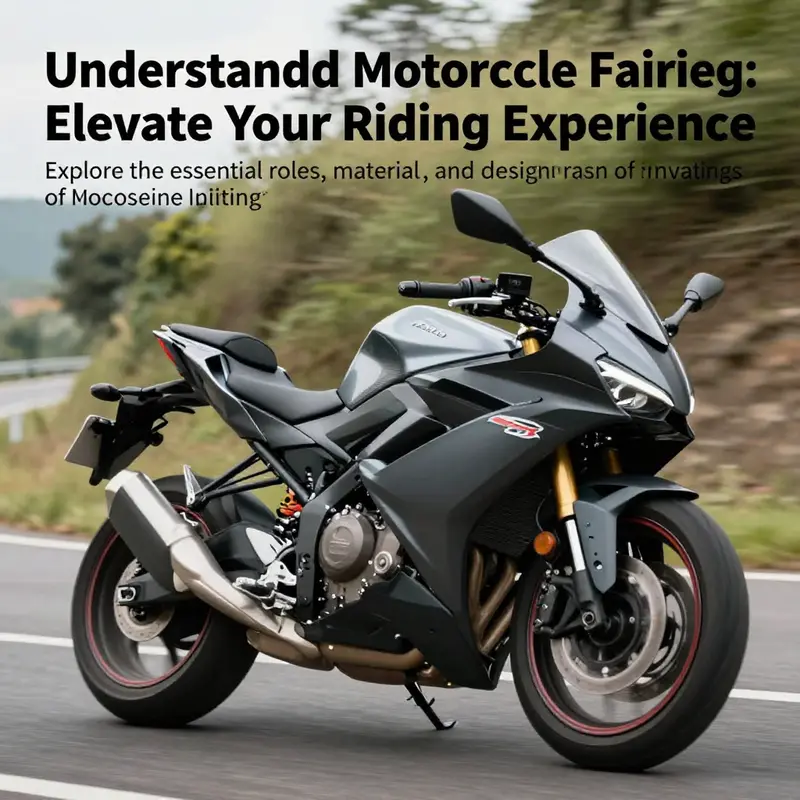
Motorcycle fairings, the sleek and streamlined bodywork attached to bikes, serve critical functions like aerodynamics, rider comfort, and aesthetic appeal. For business owners in the motorcycle industry, understanding the complexities and innovations within fairing technology is vital. This article will delve into the indispensable role motorcycle fairings play in enhancing performance and aerodynamics, the varied materials that influence these aspects, and the latest design trends and innovations shaping the market. By grasping these elements, business owners can make informed decisions when sourcing fairings for their products, ensuring they meet both style and functional standards for riders everywhere.
Tables of Contents
Chapter 1: The Role of Motorcycle Fairing in Aerodynamics and Performance
- Precision Engineering: How Motorcycle Fairings Transform Aerodynamics and Unlock Potential Speeds
- Elevating Comfort and Stability: The Essential Role of Motorcycle Fairing at High Speeds
- Enhancing Engine Efficiency through Fairing-Optimized Thermal Management
Chapter 2: Exploring Advanced Plastics: A New Era in Motorcycle Fairing Performance
- The Role of High-Performance Plastics in Enhancing Motorcycle Fairing Efficiency
- Enhancing Motorcycle Performance: The Transformative Power of Composite Fairings
- Optimizing Performance and Durability: The Strategic Use of Aluminum Alloys in Motorcycle Fairings
Chapter 3: Motorcycle Fairing Design Trends and Innovations: The Pinnacle of Aerodynamic Advancements
- Harnessing Aerodynamics: The Evolution of Motorcycle Fairing Technology
- How Electric Motorcycles are Reshaping Fairing Innovations for Enhanced Performance and Aesthetics
- How Economic Dynamics and Consumer Choices Shape Motorcycle Fairing Innovations
Chapter 1: The Role of Motorcycle Fairing in Aerodynamics and Performance
1. Precision Engineering: How Motorcycle Fairings Transform Aerodynamics and Unlock Potential Speeds
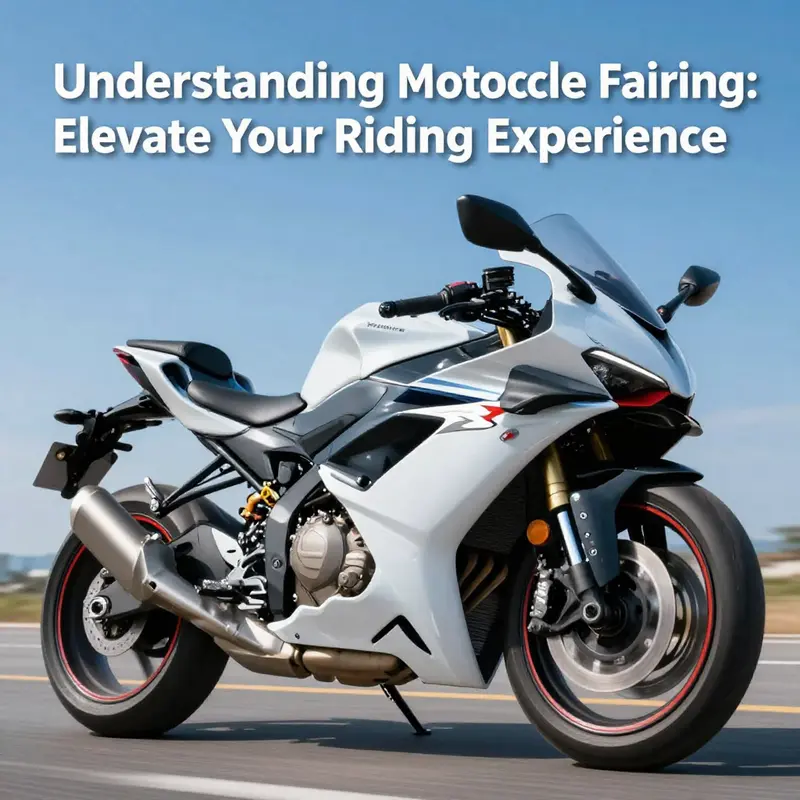
Motorcycle fairings serve a critical component in the world of two-wheeled performance, acting as a shield that not only safeguards the rider but also dramatically alters the motorcycle’s aerodynamic profile. The expertly designed fairing is pivotal in reducing aerodynamic drag, thereby optimizing speed and efficiency. Upon reaching high velocities—particularly around 120 km/h—it’s startling to realize that upwards of 80% of an engine’s power is dedicated to countering air resistance. This staggering statistic underscores the necessity of effective fairing design in motorcycle engineering.
A motorcycle fairing achieves its aerodynamic advantages through several fundamental principles. Firstly, the fairing’s streamlined geometry facilitates smoother airflow over the motorcycle’s surface, allowing air to glide around the body instead of colliding with it. A well-designed fairing minimizes turbulence by guiding airflow, thus significantly lowering the overall coefficient of drag. Key elements such as the fairing’s frontal profile and the angle of the windscreen play crucial roles in this dynamic. A sleek, narrow design can effectively minimize frontal area, reducing how much air the motorcycle confronts directly, which in turn enhances aerodynamic efficiency.
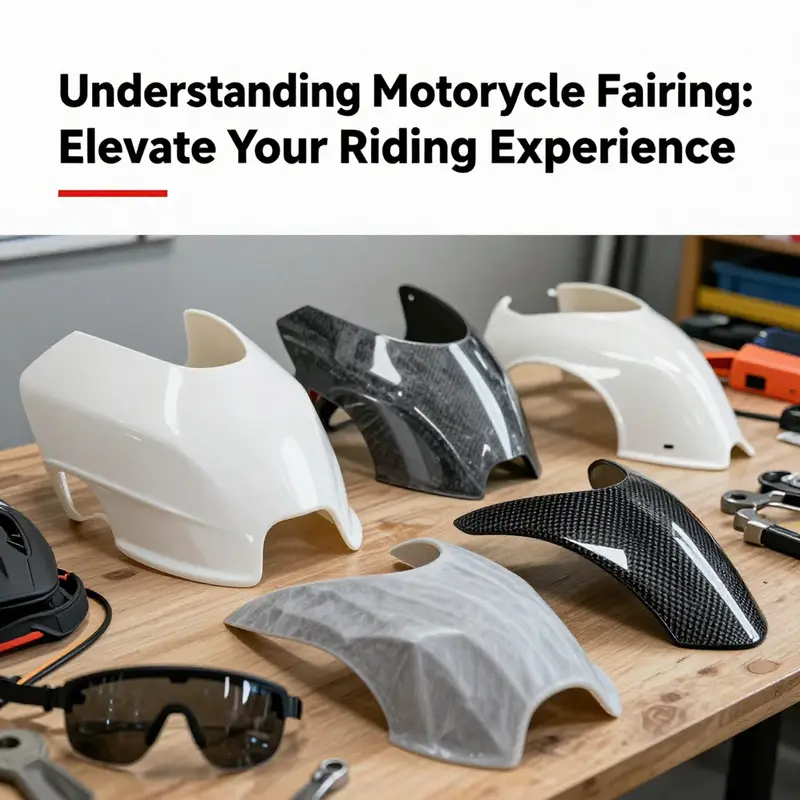
Moreover, the materials employed in fairing construction enhance these capabilities. Motorcycle fairings are typically constructed from materials like ABS plastic, fiberglass, carbon fiber, or lightweight metal alloys. Each material presents unique benefits and provides the necessary strength while remaining light enough not to detract from the motorcycle’s overall performance. For example, carbon fiber is renowned for its strength-to-weight ratio, enabling manufacturers to create ultra-light fairings that deliver exceptional performance benefits without sacrificing durability. This balance is critical, especially when components must also endure the harsh impacts and vibrations common during rides.
The effects of fairings aren’t limited to drag reduction alone. The improved aerodynamics brought about by these streamlined designs can lead to significant gains in fuel efficiency, particularly for internal combustion engines. The enhanced fuel economy means an extended range during rides, a feature highly sought after by long-distance touring enthusiasts. For riders of electric motorcycles, where range is paramount, well-crafted fairings can mean the difference between running out of charge and completing a full journey. Furthermore, riders can experience notable improvements in speed. With reduced drag, motorcycles can reach higher top speeds with the same engine output, creating an exhilarating experience on open roads or racetracks.
However, it’s important to note that not all fairing designs achieve these exemplary performances. Missteps in design or improper installation can introduce unforeseen issues. If the fairing disrupts the natural airflow around the motorcycle, it may inadvertently increase drag instead of reducing it, resulting in counterproductive effects such as reduced performance and increased fuel consumption. This complexity underscores the need for precision engineering in fairing design, which must be carefully calibrated to complement both the bike’s structure and the rider’s position. The integration of a fairing with the motorcycle’s overall design is essential for harnessing the full potential of aerodynamics.
A well-engineered fairing not only enhances speed but can also stabilize the motorcycle during high-speed maneuvers. The interplay between aerodynamics and stability cannot be overstated. As a motorcycle speeds up, wind resistance increases, and without the right fairing, a bike may become difficult to manage, especially when navigating turns or harsh conditions. A properly positioned fairing can help direct airflow in a manner that reinforces stability, helping maintain control without excessive rider effort.
In practical terms, many riders explore aftermarket fairing options to enhance their motorcycle’s performance. Brands have worked tirelessly to create universal motorcycle fairing kits that suit various models, ensuring compatibility and performance improvements. These aftermarket solutions often provide riders with the opportunity to optimize their machines further, tailoring aesthetics and functionality to personal preferences. Riders seeking fairings for specific models, such as those for BMW or Honda motorcycles, can find countless options that not only fulfill aesthetic desires but also substantially boost performance metrics.
Ultimately, the integration of motorcycle fairings into a bike’s design is an intricate dance between aerodynamic principles and engineering prowess. The effectiveness of a motorcycle fairing is dependent on a harmonious combination of these elements to achieve optimal speed and efficiency. As technology advances and engineers refine their designs, the potential for growth in performance metrics only strengthens, illustrating that the role of fairings will remain pivotal in the evolution of motorcycle performance.
For further insights into the performance-enhancing capabilities of motorcycle fairings, enthusiasts might explore various fairing options, such as those found at Ultimate MotorX for specific brands and models. Finding the right fairing can help unlock new levels of performance, comfort, and aesthetic appeal on any motorcycle journey.
2. Elevating Comfort and Stability: The Essential Role of Motorcycle Fairing at High Speeds
Motorcycle fairing is not just an aesthetic component; it serves crucial roles that significantly impact rider comfort and stability, especially during high-speed travel. As riders push their machines to greater velocities, the demands placed on both the rider and the motorcycle itself increase dramatically. Fairing acts as a barrier against the relentless forces of wind, providing a more controlled and enjoyable riding experience.
At high speeds, the aerodynamic properties of a motorcycle become critically important. Fairings are designed to minimize drag, allowing the motorcycle to slice through the air more efficiently. This not only aids in speed but also influences rider comfort. Wind resistance can create a sense of instability and fatigue, especially for long-distance tours. Here, fairings contribute by channeling airflow in ways that alleviate these adverse effects, soothing the rider through better stability and control of the motorcycle. Riders of sport-tourers, for instance, often report that the right fairing transforms long rides into less taxing experiences by effectively shielding them from the elements.
Additionally, fairing assists in regulating body temperature through its design features. While traveling at speed, exposed skin is subject to varying degrees of wind exposure, which can lead to chills or overheating, depending on the weather. A well-designed fairing can direct airflow away from the rider’s body in a manner that naturally creates a microclimate, maintaining comfort. Advanced configurations also integrate ventilation systems that can be adjusted by the rider, allowing for a personalized riding experience that caters to diverse climatic conditions.
Moreover, the stability offered by fairings at high speeds can result in a heightened sense of safety. As motorcyclists travel faster, the potential for sudden maneuvers increases, and the control exerted by fairing enhances the bike’s responsiveness. Riders report improved handling characteristics attributable to the reduced turbulence around the motorcycle. This confidence instills a sense of security, allowing the rider to maneuver with greater precision and comfort, which is essential in high-speed situations where responsiveness is critical.
The design of fairings also includes practical elements such as integrated lighting and signal systems. These features not only enhance visibility but are often crafted to minimize additional drag, aligning with the overall objective of maintaining low resistance while providing safety features. When riders reach high speeds, visibility can become compromised, but with well-positioned and integrated lighting systems, the ability to be seen at greater distances is significantly enhanced. Aesthetic appeal is undoubtedly important, but function must take precedence when safety is on the line.
However, it is essential to remember that not all fairings are created equal. Material choice plays a pivotal role in performance. Fairings made from high-quality materials like carbon fiber or advanced ABS plastics offer lightweight yet durable solutions that contribute to overall efficiency. The lightweight nature of these materials means that they do not add excessive weight to the motorcycle, allowing the engine to perform optimally while ensuring that both rider comfort and stability remain enhanced without compromise.
In conclusion, the contribution of motorcycle fairing to rider comfort and stability at high speeds cannot be overlooked. It transforms the riding experience, making long-distance travel less burdensome while also catering to safety through improved control and visibility. This synergy between design, materials, and functionality exemplifies why fairing should be viewed not merely as embellishment but as a fundamental aspect of modern motorcycle engineering. With the right fairing, enthusiasts can indeed enhance their relationship with the motorcycle, ensuring that every ride offers the best balance between exhilaration and comfort.
For those interested in specific models and the detailed specifications related to various motorcycles, visiting categorized product lists can reveal tailored fairing options that meet both aesthetic preferences and functional needs. For example, those looking into BMW models can refer to BMW Fairings to get an overview of fairing choices that enhance performance and comfort in their rides.
3. Enhancing Engine Efficiency through Fairing-Optimized Thermal Management
The motorcycle fairing, a sleek cover that envelops the front and sometimes the sides of a bike, serves not only aesthetic and aerodynamic purposes but also plays a critical role in thermal management and engine performance. Understanding how fairings contribute to these aspects is essential for motorcycle enthusiasts and riders keen on optimizing their machines for peak performance. This relationship is particularly significant in motorcycles equipped with air-cooled engines, as found in many scooters and entry-level bikes. In these cases, the fairing acts as an invaluable ally by facilitating directed airflow necessary for effective cooling.
By guiding the incoming air towards vital components such as the cylinder and cylinder head, a well-designed fairing can significantly enhance the engine’s natural cooling capabilities. This strategic airflow management helps dissipate heat from high-temperature areas, reducing the chances of localized overheating. The phenomenon of overheating is particularly critical; it can lead to undue stress on the engine components, risking severe damage such as piston seizure or what is known colloquially among riders as an “overheating pull.” Such failures can be catastrophic, resulting in expensive repairs or the total loss of the engine. Therefore, the fairing’s role in maintaining optimal operating conditions cannot be underestimated.
However, it is essential to emphasize that the benefits derived from motorcycle fairings rely heavily on their design and fitment. A well-engineered fairing that conforms to the specific geometry of the motorcycle frame will guide airflow smoothly, avoiding turbulence and dead zones that could hinder cooling. Deprecated or poorly matched fairing designs can obstruct airflow, leading to increased local temperatures and undermining overall engine performance. Flaws in airflow dynamics can generate excessive pressure differentials, which may limit the engine’s ability to expel heat effectively. Thus, precision engineering and compatibility assessments are vital to ensuring that the fairings perform their cooling duties without introducing new problems.
Material choice also plays a critical role in the fairing’s thermal management capabilities. Fairings made from high-quality materials such as fiberglass or carbon fiber will exhibit superior heat resistance compared to low-grade plastics, which may warp under high temperatures. Even the installation stability of fairings is crucial; if a fairing is improperly secured, it risks detaching during operation, posing safety hazards as it may interfere with moving parts. Riders should also be cautious about how accessories and add-ons, like aftermarket windshields, interact with the airflow directed by the fairing.
Despite the advantages that correctly outfitted fairings offer air-cooled engines, they do not absolve riders from the responsibilities of proper maintenance. Regular upkeep remains essential, including adherence to manufacturer-recommended oil grades to ensure optimal engine function. Allowing the engine to warm up adequately before hitting the road is another necessary measure that riders often overlook, as is ensuring intake vents are not inadvertently obstructed. This point is especially important during colder months when some riders incorrectly cover these vents to maintain warmth. Such actions could result in excessive engine temperatures and risks associated with undetected overheating, particularly in engines that lack temperature gauges.
It is worth mentioning that while fairings enhance engine cooling, they may also introduce a few downsides that riders need to consider. For instance, fairings might slightly increase wind resistance, affecting fuel economy. Additionally, depending on their design, they could contribute to visual obstruction if not tailored correctly for the rider’s height or seating position. Moreover, the additional weight that fairing installations add to a bike, though often negligible, can impact overall riding experience and performance metrics, especially during high-speed maneuvers or long-distance touring. Hence, riders often weigh these factors against the engine cooling benefits while considering their motorcycle’s configuration.
To summarize, motorcycle fairings act as integral components that significantly influence thermal management and engine performance. By enhancing the efficiency of directed airflow towards critical engine areas, they play a crucial role in preventing overheating and ensuring optimal operating conditions. However, their effectiveness is highly contingent on factors such as design compatibility, material quality, and the adherence to maintenance practices. The interplay of these elements ultimately determines how well a motorcycle performs under various conditions, especially during those long rides where every bit of efficiency counts. Therefore, investing time in selecting an appropriate fairing, such as those tailored for specific models, found at resources like Ultimate MotorX BMW Fairings, can undeniably enhance both your riding experience and overall motorcycle performance.
Chapter 2: Exploring Advanced Plastics: A New Era in Motorcycle Fairing Performance
1. The Role of High-Performance Plastics in Enhancing Motorcycle Fairing Efficiency
The evolution of motorcycle fairings has significantly shifted in recent years, leaning heavily on advanced materials that redefine performance standards. Central to this development are high-grade plastics, specifically engineered forms such as Acrylonitrile Butadiene Styrene (ABS) and UV-stabilized polymers, which are transforming how these components function, interact with the motorcycle’s design, and ultimately affect rider experience.
Durability and Resistance
One of the most critical aspects of motorcycle fairings is their ability to endure the harsh realities of both environmental conditions and the mechanical stresses they face. High-grade plastics excel in this area, showcasing an impressive durability that rivals traditional materials. For instance, manufacturers like Fuding Xintong Motorcycle Parts Factory utilize UV-stabilized ABS polymers engineered to resist cracking, fading, and warping under extreme heat and UV exposure. This characteristic is not merely advantageous; it is essential for the longevity of the fairing and, by extension, the overall motorcycle. Riders are often unaware of the high-risk elements at play as they navigate daily commutes or long-haul trips. The fairing serves as a barrier, protecting both the engine and sensitive components from debris encountered along the road. In this respect, the incorporation of these advanced plastics offers riders reassurance that their motorcycle is built to withstand the rigors of its environment.
Moreover, the long-term reliability of high-grade plastics significantly aligns with cost-effective ownership. Their inherent resistance to impacts and scratches helps minimize maintenance costs, a boon for motorcycle enthusiasts who prefer to spend more time riding than repairing. This reliability makes modern bikes equipped with such fairings particularly appealing for a diverse range of riders, from newcomers to seasoned motorcyclists.
Aerodynamic Advances
Aerodynamics plays a central role in motorcycle design, particularly for high-performance bikes where speed and control are paramount. The use of high-grade plastics facilitates the precise engineering of fairing shapes that can dramatically reduce wind resistance and enhance stability at speed. For example, fairings designed for models like the Honda CBR250RR highlight aerodynamic profiles optimized using advanced computational analysis and production techniques.
By minimizing drag, these plastics not only improve fuel efficiency but also contribute directly to rider comfort. During long rides, the efficient air dynamics created by well-engineered fairings translate to decreased wind fatigue, allowing riders to focus on the journey rather than battling nature. This aspect is increasingly critical as adventure bikes and sport-touring motorcycles gain popularity, catering to riders seeking to balance function with the thrill of the ride.
Customization and Modularity
Another compelling advantage offered by high-grade plastics in motorcycle fairings is the ability to create modular designs that easily incorporate customization. This feature is particularly appealing to riders who wish to put their personal stamp on their motorcycles. Many aftermarket options are produced from these advanced materials, allowing for easy installation and removal without sacrificing safety or structural integrity.
From a consumer perspective, this modularity enables bike owners to effortlessly change colors or apply decals, helping them tailor their motorcycles aesthetically to reflect their personality or preferences. As motorcycle culture embraces individuality more than ever, the interplay of these materials and designs allows for enhanced customization while maintaining high-performance capabilities.
Manufacturing Insights
The sourcing and manufacturing of these high-grade plastics predominantly happen in specialized regions of China, notably Fujian and Guangdong provinces. These areas boast decades of experience in the nuanced craft of plastic injection molding, enabling manufacturers to produce fairings with unparalleled precision and compliance to automotive-grade safety standards.
The integrated supply chains in these regions are finely tuned, encompassing everything from raw material producers to mold makers. Such efficiencies not only expedite the production process but also ensure that quality and safety remain paramount during the manufacturing of motorcycle fairings. Consequently, even budget-friendly options that utilize high-grade plastics are available, providing a sweet spot between affordability and performance, making them suitable for a wide array of motorcycles, including sport, touring, and commuter bikes.
Conclusion
Choosing motorcycle fairings manufactured from high-grade plastics is more than just a stylistic decision; it is a strategic move toward enhanced performance, rider comfort, and long-term investment in maintenance savings. For those serious about the synergy between their ride’s aesthetics and functionality, high-grade plastics present a compelling option. As the industry continues to innovate, the advancement in materials will surely shape the capabilities and allure of motorcycle fairings, reinforcing their critical role in modern motorcycle design and engineering. For riders seeking to explore specific options for different motorcycle types and models, a wealth of information can be found on themed product categories, focusing on esteemed brands and performance-enhancing solutions.
2. Enhancing Motorcycle Performance: The Transformative Power of Composite Fairings
The evolution of motorcycle fairings has been significantly influenced by the advent of composite materials, offering a groundbreaking fusion of lightweight construction, superior strength, and aerodynamic efficiency. In recent years, motorcycles such as the Kawasaki Ninja650 (2020-2023) have embraced these innovative materials, leading to robust advancements in performance, safety, and rider comfort.
At the heart of this transformation are composite materials like fiberglass and carbon fiber. These materials are not only lighter than traditional options but also boast impressive durability and impact resistance. This amalgamation of benefits results in motorcycle fairings that weigh significantly less, thereby lowering the overall mass of the bike. Weight reduction is crucial for optimizing performance, particularly in terms of acceleration and handling; every gram matters on the open road. A lighter fairing contributes to a reduced rotational mass, which enhances the motorcycle’s responsiveness. As a result, riders experience improved control, allowing for sharper turns and quicker acceleration.
Furthermore, the aerodynamic design possibilities offered by composite materials extend beyond weight savings. The precision with which these composites can be molded enables manufacturers to create fairings with sophisticated shapes that optimize airflow around the bike. This streamlined design translates to a reduction in aerodynamic drag by as much as 15%, which not only fosters greater speed but also enhances stability at high velocities. The implications for performance are particularly significant for sport bikes and supersports, where achieving optimal speed and control is paramount. Riders benefit from reduced wind buffeting and turbulence, ensuring a smoother, more comfortable ride, particularly during long-distance journeys or high-speed pursuits.
Customization is another area where composite fairings excel. Many modern composites allow for modular designs, providing riders the flexibility to personalize their motorcycles easily without compromising the structural integrity of the fairings. This means riders can interchange different components, such as front panels or side covers, to reflect their individual style while enjoying the performance benefits inherent to composite materials. Such versatility can dramatically enhance the visual appeal of a motorcycle, allowing enthusiasts to curate a unique aesthetic that matches their passion and personality.
Safety and durability are critical components of motorcycle design, and fairings made from composite materials excel in these domains as well. Manufacturers rigorously design composite fairings to comply with demanding industry standards, ensuring that they withstand the rigors of high-speed riding and potential impacts in the event of a crash. This focus on safety not only enhances rider confidence but also contributes to an overall enhanced riding experience, where performance and protection go hand in hand.
Practical applications of composite fairings are evidenced in offerings available on platforms like Alibaba.com, where manufacturers provide model-specific fairing kits meticulously engineered for compatibility with distinct motorcycle models. These kits feature cutting-edge components, including clear polycarbonate windshields that offer excellent visibility while providing resistance to the elements. Durable plastic composites give these fairings a sleek, glossy finish, enhancing both form and function. Adjustable mirrors can further enhance rider safety by allowing for optimal field-of-vision adjustments, accommodating various riding postures and styles.
As the motorcycle industry progresses into an era driven by composite material innovations, it is clear that the advantages offered by these materials extend far beyond simple functionality. Bikes equipped with advanced composite fairings not only perform better but also adhere to modern aesthetic standards, fulfilling the desires of both performance enthusiasts and casual riders alike.
In conclusion, the transformative influence of composite materials on motorcycle fairings encapsulates a profound shift in how performance, safety, and style can converge seamlessly. Riders are not just gaining enhanced functionality but also the freedom to express their unique identities through customized designs. As technology continues to develop, we can expect further innovations that will redefine our understanding of motorcycle design and performance, making composite fairings an essential consideration for any motorcyclist seeking the pinnacle of riding enjoyment and performance.
For those looking to explore specific models and enhance their motorcycles with composite fairings, platforms like Ultimate Motor X offer a variety of options tailored to different brands and styles, including an extensive range of fairings suitable for Kawasaki models.
3. Optimizing Performance and Durability: The Strategic Use of Aluminum Alloys in Motorcycle Fairings
The innovation in motorcycle fairing design has reached new heights, shifting toward increasingly sophisticated materials that prioritize both performance and durability. Among these, aluminum alloys stand out as a transformative choice in the realm of motorcycle fairings, merging lightweight construction with substantial strength to enhance the overall riding experience. This advancement not only enhances the aesthetics of the motorcycle but also elevates its performance metrics significantly, catering specifically to the needs of riders seeking efficiency, safety, and personalized style.
One of the most compelling features of aluminum alloys is their remarkable strength-to-weight ratio. Traditionally, motorcycle fairings have been crafted from materials such as fiberglass or plastic, which, while effective to an extent, cannot match the structural properties of aluminum. When incorporated into fairing construction, high-strength aluminum alloys deliver the crucial advantage of being lightweight yet incredibly strong. This means that motorcycles can achieve better handling, improved acceleration, and greater fuel efficiency—core attributes that every rider values. For example, elite components such as those found in the wheels of the Harley Street Glide exemplify how well these properties translate into superior riding dynamics.
Furthermore, the inherent corrosion resistance of aluminum plays a vital role in durability. Components exposed to harsh weather conditions, road salts, and UV radiation benefit greatly from this property. With the appropriate treatment or anodization, aluminum fairings can resist degradation over time, translating to longer-lasting performance and reliability for riders traversing various climates. Such robustness proves essential for those who ride year-round or in less-than-ideal weather, ensuring that their investment in motorcycle fairing technology endures through the seasons.
In discussing performance, one cannot overlook the thermal management capabilities of aluminum alloys. These materials possess an excellent conductivity characteristic, enabling efficient heat dissipation. This property is essential, especially for high-performance motorcycles where engine components can generate considerable heat. By protecting sensitive electronics housed beneath the fairing and maintaining an optimal operating temperature, aluminum ensures that the bike remains at peak performance under demanding conditions. It is a feature that can be particularly beneficial during prolonged rides, contributing to rider comfort and confidence on the open road.
Beyond physical properties, the design potential of aluminum alloys enhances the aerodynamic performance of motorcycle fairings. Innovative manufacturing techniques allow manufacturers to create complex shapes that minimize drag and streamline airflow. This aerodynamic optimization significantly influences a motorcycle’s stability and handling at high speeds, providing an exhilarating and precise riding experience. Consider the universal 7-inch motorcycle headlight fairings that integrate both aesthetic appeal and functional windshields, indicating how aluminum allows for a seamless blend of form and function in design.
The durability of aluminum alloys is further underscored by their structural integrity. With contemporary treatment processes such as anodizing, aluminum components not only resist wear but maintain their shape and strength under stressful conditions. This commitment to durability ensures that riders can depend on their motorcycles, particularly if they engage in spirited riding or participate in motorsport events.
Another noteworthy aspect is the ease of customization that aluminum alloys afford. Riders increasingly seek to personalize their motorcycles, and aluminum’s malleability makes it possible to produce bespoke fairing designs that reflect individual style preferences. It can be painted, wrapped, or machined for unique designs, enhancing the rider’s expression without compromising performance or weight. Aluminum’s inherent recyclability also aligns with a growing industry trend toward sustainability, making it an environmentally responsible choice for those conscientious about their carbon footprint.
As the market for motorcycle fairing components continues to expand, aluminum alloys present scalable opportunities for both original equipment manufacturers (OEMs) and aftermarket producers. With production capacities that accommodate large-scale orders, aluminum alloy fairings cater to a broad spectrum of motorcycles, including popular models like the Honda PCX 160. This versatility illustrates the material’s adaptation across various motorcycle segments, contributing to both performance enhancements and aesthetic improvements.
In sum, the integration of aluminum alloys in motorcycle fairing construction is a strategic decision benefiting riders looking for reliability, performance, and personalization. The combination of a superior strength-to-weight ratio, corrosion resistance, thermal management, and design flexibility positions aluminum as a prime material in motorcycle performance technology. Riders who appreciate durability paired with style will find that aluminum alloys deliver an unmatched combination, paving the way for future innovations in the motorcycle industry.
For specific offerings tailored to various motorcycle brands, enthusiasts can explore the extensive range of fairings available on dedicated marketplaces, ensuring that every rider finds a solution suited to their unique requirements and tastes.
Chapter 3: Motorcycle Fairing Design Trends and Innovations: The Pinnacle of Aerodynamic Advancements

1. Harnessing Aerodynamics: The Evolution of Motorcycle Fairing Technology
The evolution of motorcycle fairing design is firmly rooted in the pursuit of advanced aerodynamics, where cutting-edge technologies converge to redefine performance expectations and enhance rider experience. No longer mere stylistic additions, modern fairings have become integral to maximizing the efficiency and safety of motorcycles, particularly in an era where speed and agility dominate the landscape of two-wheeled vehicles. With a focus on reducing drag, amplifying stability at high velocities, and enhancing rider comfort through effective airflow management, manufacturers are innovating at an unprecedented rate.
One of the most noteworthy innovations making waves in the fairing design vernacular is the integration of winglets. These small aerodynamic appendages, which draw inspiration from aerospace engineering, are strategically affixed to the fairing structure to generate additional downforce. This increase in downforce is pivotal, as it significantly improves tire grip, enabling sharper cornering and increased stability during high-speed maneuvers. Riders can feel the difference as the motorcycle holds its line more effectively, translating into a heightened sense of control and confidence.
Complementing the utility of winglets, vortex generators are gaining traction in the fairing design realm. These remarkably small fixtures serve to manipulate airflow in a calculated manner, creating controlled turbulence that ultimately reduces drag. By optimizing the pressure differential over the fairing surface, vortex generators help to enhance handling and mitigate the occurrence of speed-related oscillations. This innovation speaks to the critical relationship between aerodynamics and stability, where the subtleties of design can spell the difference between effortless navigation and unwelcome wobbles.
But it is the advent of active aerodynamic systems that represents the zenith of innovation in motorcycle fairing technologies. These sophisticated systems adjust the fairing’s shape or positioning dynamically, responding in real time to various speed thresholds and environmental conditions. Such adaptability not only optimizes performance—ensuring maximum efficiency and speed—but also plays a vital role in rider safety by preemptively mitigating adverse effects of sudden wind gusts or abrupt changes in speed. This transformative shift toward intelligent design epitomizes the future trajectory of motorcycle aerodynamics, making rides not just faster, but safer too.
The relentless pursuit of performance has been further propelled by the influences of motorsports, where every marginal gain can mean the difference between victory and defeat. In competitive settings like MotoGP, the integration of sophisticated aerodynamic principles into fairing design is paramount. The high stakes of racing compel manufacturers to implement experimental designs that focus on maximizing aerodynamic efficiency. Consequently, this innovation feedback loop allows the latest advancements on the racetrack to cascade down to street-legal motorcycles, creating a marketplace rich with refined technologies tailored for everyday riders.
The cross-pollination of ideas between the racetrack and consumer bikes ensures that ordinary motorcyclists reap the benefits of advanced aerodynamic research. Sportbikes and touring models alike are beginning to feature actively designed fairings that prioritize both aesthetics and function. These developments herald a new era of motorcycles where the lines between race-ready machines and user-friendly models blur, inviting enthusiasts to experience the thrill of high-speed riding coupled with stability and comfort.
Moreover, the choice of materials employed in fairing construction plays a pivotal role in aerodynamic efficiency. As manufacturers experiment with composites such as carbon fiber and advanced ABS plastics, the balance between durability and lightweight construction becomes increasingly nuanced. Lighter fairings reduce overall weight, which, in conjunction with refined shapes, significantly optimizes drag coefficients. This careful selection of materials underscores the complexities involved in modern motorcycle design—where every component must coexist to achieve the desired aerodynamic profile.
As the marketplace continues to evolve, motorcycle enthusiasts can expect to see an array of innovative fairing designs that push the boundaries of what is possible. With rigorous standards of durability, performance, and aesthetics, the future of motorcycle fairing technology appears promising, filled with redefining opportunities that embrace seamless integration of form and function.
For those looking to explore specific fairing types, including the nuances of their design and performance characteristics, resources like the one covering universal headlight fairings provide foundational insights. Such readings equip consumers with knowledge to navigate the market effectively, ensuring they select fairings that not only meet their vehicle specifications but also enhance their riding experience dramatically. As aesthetic allure and functional excellence continue to intersect, the journey of motorcycle fairing evolution promises to remain a captivating aspect of the motorcycling world.
2. How Electric Motorcycles are Reshaping Fairing Innovations for Enhanced Performance and Aesthetics
The emergence of electric motorcycles is revolutionizing the landscape of motorcycle fairing design in ways previously unimagined. Unlike traditional internal combustion engine (ICE) motorcycles, electric models operate significantly differently, notably generating less heat and emitting lower noise, which provides designers with a unique opportunity to rethink both the functional and aesthetic aspects of fairings. In this era, motorcycle fairings are not merely protective shells but have transformed into critical components that enhance performance, comfort, and rider experience.
As manufacturers strive for increased aerodynamic efficiency, the design freedom afforded by electric motorcycles allows engineers to focus more intently on streamlined shapes. Developing fairings with advanced computer-aided design (CAD) and computer-aided engineering (CAE) software makes it possible to simulate airflow effects and optimize shapes for reduced drag. The incorporation of methodologies such as the Integrated Design Engineering System (IDes) is now common practice, enabling precise modeling that translates into superior performance on the road. This optimization is not only vital for speed but also plays a significant role in extending the battery range, a crucial aspect for any electric vehicle.
Key innovations have arisen in the form of lightweight composite materials, which are now favored in fairing construction. These materials not only yield higher performance due to their reduced weight but also enhance durability and energy efficiency. This shift is vital within the context of electric motorcycles, where every ounce of excess weight can hamstring range efficiency. For instance, premium motorcycle brands are increasingly investing in modular fairing designs that allow for customizable solutions tuned to rider preferences and conditions, further refining the balance between utility and aesthetics.
Equally transformative is the integration of smart technology within fairings. The rise of digital instrumentation clearly demonstrates an industry trend toward connectivity. With features like built-in digital dashboards and connectivity systems, riders now have access to real-time data directly through their motorcycles. Adaptive aerodynamics have also gained traction—fairings equipped with adjustable elements that react based on speed and weather conditions—signifying a step toward more intuitive riding experiences. For example, utilizing computational fluid dynamics (CFD) and wind tunnel testing, companies like Harley-Davidson are innovating designs that significantly reduce wind buffeting, which in turn minimizes rider fatigue.
Moreover, the expanded market for electric motorcycles and performance-centric fairings is reshaping the motorcycle accessory landscape. High-quality, customized fairings tailored to electric models or for racing applications are in increasing demand, prompting shifts in the supply chain and manufacturing processes. This demand encourages vendors to refine production techniques and pursue sustainable practices, aligning with the broader trend towards environmentalism within the auto industry. As motorcycle enthusiasts seek not only performance but also responsibility towards the planet, fairings can serve as a canvas for artistic expression while showcasing advanced materials engineered for performance.
Designers are also paying attention to the aesthetic properties of fairings alongside their functionality. Aesthetic designs no longer exist in a vacuum; they are now equated with performance. This shift means that what makes an electric motorcycle visually appealing does not detract from its aerodynamic capabilities. The interplay between form and function has led to innovative designs that marry sleek profiles with practical necessities, such as space for cooling systems, electronics, and storage. As electric motorcycle models proliferate, their fairings will undoubtedly push the boundaries of both art and engineering in the years to come.
As we look towards the future, anticipating the direction of fairing design becomes an exciting endeavor. With sustainability at the forefront of global discussions, the motorcycle fairing industry is poised to innovate further. Fairings are not just about shielding riders; they are about shaping experiences, embodying technology’s promise of enhancing performance while contributing to rider comfort and safety. The rapid evolution influenced by electric motorcycles proves that traditional design barriers are increasingly obsolete.
In conclusion, the profound impact of electric motorcycles on fairing innovation reflects a significant trend within motorcycle design—a trend that embraces performance, aesthetic appeal, market demand, and sustainability. Riders seeking optimal experiences will continue to find that innovative fairings are an integral aspect of the electric revolution. Companies supplying motorcycle fairings will play a pivotal role in shaping the future, responding to the dual challenge of enhancing performance while still captivating the imagination with sleek, attractive design. As the motorcycle landscape continues to transform, this nexus of engineering and artistry holds the key to future advancements in the industry.
For those interested in exploring the various options available, check out premium fairing selections tailored for different motorcycle brands at Ultimate MotorX.
3. How Economic Dynamics and Consumer Choices Shape Motorcycle Fairing Innovations
The motorcycle fairing market is navigating a period of profound transformation, driven by shifting consumer preferences and fluctuating economic conditions. As riders become more discerning about how their motorcycles perform and look, manufacturers must adapt by innovating fairing designs that meet these new demands. In the face of global economic changes, consumer choices are becoming more influential than ever in dictating market trends, leading to a unique fusion of functionality, aesthetics, and personalization within motorcycle fairing design.
Understanding the Surge in Demand
In North America, an unexpected surge in demand for motorcycle fairings is reshaping industry outlooks. This trend can be traced back to evolving rider demographics, where an increasing interest in performance-enhanced designs mirrors the growing popularity of sport bikes and touring motorcycles. Riders today are not just looking for any motorcycle; they crave machines that combine high-performance capabilities with sleek, visually stunning exteriors. A motorcycle fairing, once merely an afterthought, has now become an essential component of this equation.
Functionality vs. Aesthetics
At the heart of consumer priorities is functionality. Many riders value fairings that significantly enhance speed, fuel efficiency, and overall comfort, particularly in longer rides. Features like better aerodynamics that reduce drag and improved wind protection are paramount for those traversing long distances. The increasing demand for such enhancements reflects a broader trend where performance and comfort are non-negotiable.
Nevertheless, aesthetics are equally important. Customization options are no longer limited to simple color changes; riders want unique designs that resonate with their personal identity. This desire for personalization in motorcycle fairings speaks of a deeper need for self-expression among bikers, revealing how intertwined consumer preferences are with bike aesthetics today. The market is now rich with options that allow riders to modify their motorcycle’s appearance while enhancing its performance.
Economic Influences on Fairing Design
As consumer demand evolves, so too does the economic landscape shaping the motorcycle fairing industry. Macroeconomic factors like currency fluctuations, inflation rates, and changing trade policies are affecting both supply chain stability and manufacturing costs. For manufacturers, rising material costs pose a significant challenge. The quest for cost-effective yet durable materials has led many companies to explore advanced composites and sustainable materials, such as recycled polymers, which offer a potentially innovative route to fulfilling consumer demands for both performance and sustainability.
Moreover, geopolitical tensions and their impacts on international trade can disrupt the availability of critical components necessary for motorcycle fairing production. In response, manufacturers are often compelled to localize production or source alternative suppliers. These decisions may pose significant challenges but also present unique opportunities for adaptation and growth within the industry.
A Global Perspective: Regional Insights
Analyzing the motorcycle fairing market through a global lens reveals several intriguing regional insights, particularly in emerging markets. The Middle East and Africa, for instance, are projected to experience substantial market growth over the next five to ten years. Rising disposable incomes and increased urbanization in these regions are contributing to a burgeoning demand for stylish, contemporary fairing designs that express status and individuality.
The younger demographic entering the motorcycle market is not just seeking a means of transportation; they are searching for a lifestyle choice that reflects their modern values. This generational shift signals to manufacturers that embracing innovation in style will be crucial in retaining market relevance.
Innovative Design Approaches
With the mounting pressure to cater to heightened consumer expectations, manufacturers are embarking on a design revolution. Emerging trends in the motorcycle fairing industry are illustrative of this evolution. There is a visible shift towards innovative color schemes and graphic customizations that appeal to younger riders keen on making a visual statement. Such developments are underpinned by advancements in manufacturing techniques that pave the way for quick and responsive production processes specific to consumer desires.
Additionally, the introduction of modular fairing systems has emerged as a groundbreaking innovation. These systems allow riders to customize their fairings easily, fostering a more interactive relationship between the consumer and their motorcycle. Such personalization options not only enhance the rider’s connection with their bike but also encourage active participation in the motorcycle culture, further enhancing consumer loyalty.
Conclusion
The nexus of consumer preferences and economic dynamics is reshaping motorcycle fairings in unprecedented ways. As the market tilts towards both functional and stylish designs, manufacturers must strike a balance between innovation and cost-effectiveness. Riding forward, the emphasis on personalization and performance will cultivate significant opportunities for growth, particularly as emerging markets continue to come into play. The motorcycle fairing industry is evidently on the cusp of a new chapter—one where rider identities and economic conditions are inextricably tied to the designs and innovations that define their motorcycles.
As the market continues to evolve, insight into the complexities of consumer behavior and economic factors will play a vital role in shaping the future of motorcycle fairing designs, encouraging a dynamic interplay of art, technology, and personal expression.
Final thoughts
In conclusion, motorcycle fairings are not merely components of a bike’s aesthetics but are integral to performance, rider comfort, and fuel efficiency. Understanding their role in aerodynamics and the significance of construction materials can educate business owners about sourcing decisions and adapting to market trends. Moreover, keeping abreast of innovations in design ensures that your offerings remain competitive and appealing to consumers. Investing in the right fairing technology can substantially enhance both product value and rider satisfaction.
Upgrade your ride with UltimateMotorX’s premium motorcycle fairings—durably crafted, precision-fitted, and stylish. Meeting OEM standards for easy installation, our collection suits upgrades or replacements. Shop now for fast shipping, secure checkout, and expert support. Give your bike the ultimate quality it deserves!
About us
At UltimateMotorX, we’re rider-founded experts in top-tier motorcycle fairings. We source premium materials, partnering with trusted manufacturers for perfect fits and durability. Enjoy expert advice, hassle-free returns, and seamless shopping. Ride with confidence—style and quality guaranteed!