
Introduction
Understanding the intricacies of motorcycle fairings is crucial for business owners in the automotive industry. Fairings, as protective and aerodynamic shells, play a significant role in enhancing both the performance and aesthetic appeal of motorcycles. This article unravels the different types of fairings, illustrating their aerodynamic benefits that significantly improve rider experience and vehicle performance. Additionally, we will explore the cultural and aesthetic implications of fairings, shedding light on how they influence identity in motorcycle subcultures. Diving into these aspects provides a holistic view of what a fairing motorcycle truly represents in today’s market.
Tables of Contents
Chapter 1: Exploring the Aerodynamic Design of Full and Half Fairings on Motorcycles
- The Crucial Difference Between Full and Half Fairings in Motorcycle Aerodynamics
- Unveiling the Innovations of Custom and Race Fairings on Fairing Motorcycles
Chapter 1: Exploring the Aerodynamic Design of Full and Half Fairings on Motorcycles
1. The Crucial Difference Between Full and Half Fairings in Motorcycle Aerodynamics
Fairings play an essential role in the world of motorcycles, transforming not only the aesthetics of the vehicle but also significantly enhancing its performance. Understanding the distinctions between full and half fairings is vital for both prospective buyers and seasoned riders alike, given their impact on speed, comfort, and overall riding experience. The dynamic engineering behind these two types of fairings greatly influences how motorcycles interact with the air around them, and for enthusiasts, understanding these dynamics can be the key to selecting the right bike for their riding style.
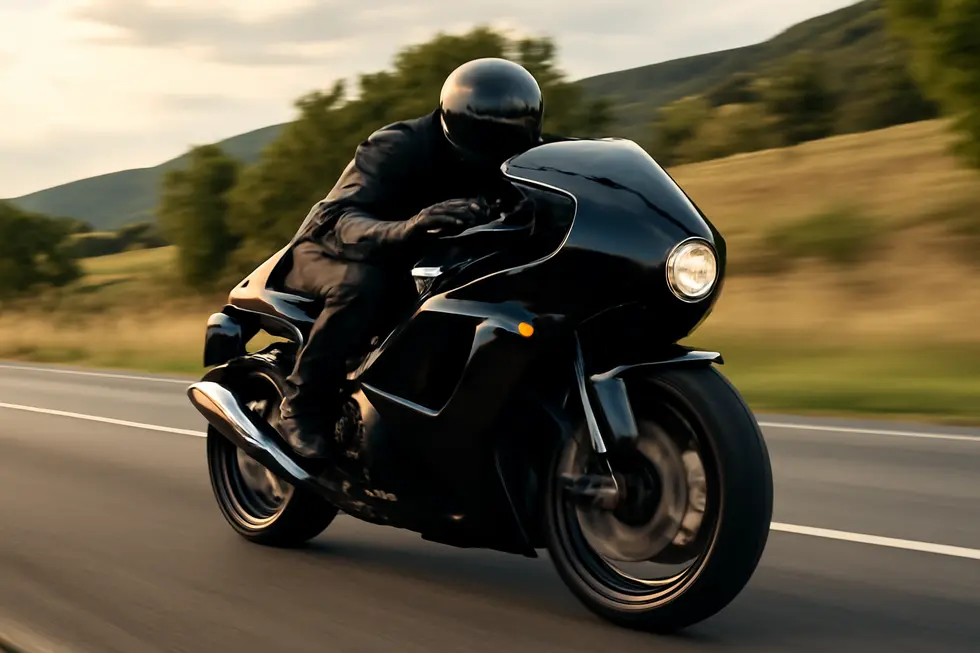
Full fairings completely envelop the motorcycle, covering the front, parts of the sides, and often extending to the rear. This complete bodywork is engineered to minimize aerodynamic drag, allowing the motorcycle to cut through air more effectively. By encapsulating the bike, full fairings significantly reduce wind resistance and turbulence, which is particularly advantageous in racing scenarios. When reaching high speeds, the aerodynamic profile created by full fairings permits riders to maintain velocity with less effort, translating into improved performance metrics such as reduced lap times in racing contexts. Additionally, these fairings shield riders from harsh wind conditions, rain, and debris, enabling longer, more comfortable rides without the fatigue commonly associated with exposure to elements.
The aesthetic appeal of full fairings cannot be understated. Bikes such as the Kawasaki Ninja ZX-10R and Yamaha R1 are not just built for speed; they present a futuristic and aggressive look that attracts many enthusiasts. The smooth lines and integrated designs often feature additional elements like air intakes, enhancing both performance and visual design. These fairings also allow for more streamlined headlight placement and integration of other components, providing a cohesive look that ties the bike together.
In contrast, half fairings diverge from this encompassing design. They cover only the front section and partial sides of the motorcycle, leaving much of the rear exposed. This minimalist approach balances aerodynamic efficiency with a more traditional motorcycle aesthetic. Models such as the Honda CB750 and Suzuki SV650 exemplify the half fairing design, maintaining a classic look while still capturing some aerodynamic benefits. Though half fairings do provide reasonable protection against wind and weather, they are not as effective at reducing drag as their full fairing counterparts. Nevertheless, they offer enough wind protection to enhance rider comfort during typical riding scenarios, especially for touring and daily commuting.
One of the key benefits of half fairings is their lighter weight compared to full fairings. This reduction in mass can improve handling and agility, allowing for a more responsive riding experience. For riders who prioritize maneuverability in urban environments or on winding roads, half fairings can provide a compelling option, striking a balance that allows them to enjoy the thrill of the ride without unnecessary encumbrances. Additionally, half fairings are often easier to repair; if damaged, they tend to require less effort and cost to restore than full fairings, making them a practical choice for some riders.
From an aerodynamic perspective, full fairings generally outperform half fairings, especially at higher speeds. The tighter aerodynamic profile substantially lowers the drag coefficient, improving both acceleration and fuel efficiency—a noteworthy advantage for riders who often cruise above 55 mph. Studies suggest that motorcycles with full fairings can experience fuel efficiency improvements of 3-7%, a compelling reason for those who frequently undertake long-distance travel. However, half fairings, while not as effective, still contribute positively to enhancing riding comfort, especially for those who prefer a classic style without sacrificing all aerodynamic benefits.
Choosing between full and half fairings should ultimately be aligned with individual riding styles and preferences. Those who frequently hit the racetrack and prioritize speed may find full fairings indispensable, while casual commuters or classic motorcycle aficionados may lean towards half fairings for their blend of practicality and aesthetics. Ultimately, understanding the nuances of these two types of fairings empowers riders to make informed decisions, ensuring they select a motorcycle that not only meets their performance needs but also aligns with their personal style.
2. Unveiling the Innovations of Custom and Race Fairings on Fairing Motorcycles
Motorcycle fairings are more than just stylish bodywork; they are essential components that enhance both performance and comfort for riders. In the realm of motorcycle design, fairings come in various forms, but custom and race fairings stand out as particularly innovative solutions tailored for specific needs. Designed to streamline airflow and reduce drag, these fairings are crucial in maximizing the performance potential of motorcycles while offering a distinct visual appeal that resonates with enthusiasts and racers alike.
Custom fairings, typically made as aftermarket kits, cater to specific motorcycle models, allowing owners to personalize their bikes further. One excellent example is the custom fairing kit for the 2013 Suzuki GSX-R750, which features components like the front nose fairing and various cowls and panels. These kits are available in materials like ABS plastic, known for durability and impact resistance, and carbon fiber, which, while more expensive, offers significant weight savings and a racing aesthetic. This customization not only allows for enhanced performance but also enables enthusiasts to express their style through unique color schemes and designs, creating a motorcycle that stands out from the crowd.
On the other hand, race fairings take customization to a higher level. Engineered specifically for track environments, these fairings prioritize performance above all else. They are streamlined to reduce wind resistance significantly, ensuring that speed is maximized during races. A notable example can be found in models like the Yamaha YZF-R1, recognized for its sharp angular styling and high-speed capabilities. The race fairings provide an aerodynamic form that aids in downforce generation, crucial for maintaining stability during aggressive cornering and acceleration. Similarly, the Ducati Panigale V4 showcases advanced design with fairings that integrate seamlessly with high-performance brakes and suspension systems, highlighting the intersection of art and engineering in motorcycle design.
The types of fairings—specifically tailored for customization or racing—can be categorized into full, half, and touring fairings. Full fairings offer comprehensive coverage, providing optimal aerodynamic benefits and protection against wind and debris. They are often seen on sportbikes where speed is a priority. Half fairings, popular among café racers and certain sport variants like the BMW K 1200 R Sport, strike a balance; they offer partial wind protection while exposing some of the mechanical aspects of the bike, appealing to those who appreciate the raw nature of motorcycle engineering. Touring fairings, often found on adventure or touring bikes, are designed with comfort in mind, featuring larger layouts that add functionality for long-distance journeys.
What makes custom and race fairing kits particularly appealing is their focus on aerodynamics and weight reduction. These kits allow a rider to achieve a precise fit without complicated modifications, favoring ease of installation alongside enhanced riding dynamics. By utilizing lightweight materials, such as high-grade plastics or carbon composites, these fairings not only improve the motorcycle’s speed but also contribute to better handling; a key factor for riders looking to improve lap times or enjoy spirited rides on twisting roads.
In understanding the evolution of fairings on motorcycles, it’s essential to recognize how advancements in technology and materials have influenced their design. Modern fairings not only fulfill their primary purpose of aerodynamic efficiency but are also at the forefront of motorcycle aesthetics and performance innovations. From the dazzling lines of race fairings that scream speed to the practical designs of custom kits catering to personal tastes, fairings represent a fusion of imagination, functionality, and engineering prowess.
The growing appeal of fairings among motorcycle subcultures—ranging from classic race enthusiasts to modern streetfighter renditions—illustrates this balancing act between style and performance. While some embrace the trend of ‘naked’ motorcycles that emphasize mechanical visibility at the cost of aerodynamic efficiency, many still cherish the advantages provided by fairings, particularly when it comes to long-distance rides or competitive racing environments. Furthermore, regulatory considerations in certain racing classes continue to influence fairing design, ensuring that, as trends shift, the pursuit of both speed and safety remains at the forefront of motorcycle manufacturing.
In essence, custom and race fairings encapsulate everything that excites motorcycle enthusiasts—the exhilaration of speed, the embrace of personal style, and the relentless quest for performance improvements. Whether on the racetrack or the road, the innovations found in fairing design continue to push the boundaries, creating motorcycles that are not only faster but also a pleasure to ride.
Final thoughts
Fairing motorcycles stand as a testament to the intersection of functional design and cultural expression. Understanding their types and aerodynamic advantages allows business owners to appreciate the value they bring to both performance and aesthetic in the motorcycle market. Additionally, the cultural significance of fairings reflects how they shape the identities of riders, showcasing personal style while enhancing functionality. Embracing this knowledge can lead to better business decisions and a deeper connection with the motorcycle community.
Upgrade your ride with UltimateMotorX’s premium motorcycle fairings—durably crafted, precision-fitted, and stylish. Meeting OEM standards for easy installation, our collection suits upgrades or replacements. Shop now for fast shipping, secure checkout, and expert support. Give your bike the ultimate quality it deserves!
About us
At UltimateMotorX, we’re rider-founded experts in top-tier motorcycle fairings. We source premium materials, partnering with trusted manufacturers for perfect fits and durability. Enjoy expert advice, hassle-free returns, and seamless shopping. Ride with confidence—style and quality guaranteed!