
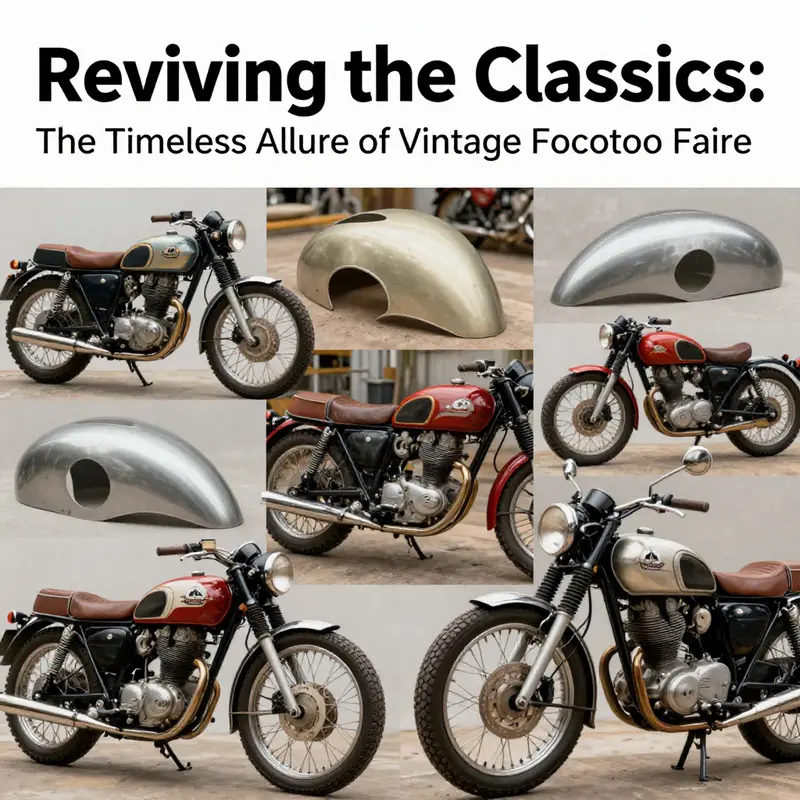
Vintage motorcycle fairings represent a unique intersection of aesthetics and engineering, celebrated for their historical significance and role in performance. Originating in the dynamic racing scenes of the 1970s and 1980s, these designs were not merely stylistic choices; they provided critical aerodynamic benefits and comfort for riders speeding down the track. Today, they continue to captivate motorcycle enthusiasts and collectors alike, bringing both nostalgia and a rich story that enhances the value of classic bikes. This article will navigate through the historical significance of vintage motorcycle fairings, delve into the aerodynamic principles that inform their designs, analyze current market trends, explore restoration techniques to preserve these treasures, and discuss their cultural influence on modern custom bikes. Together, these chapters will provide an integrated view of why vintage motorcycle fairings are not just relics of the past but vital elements of today’s motorcycle landscape.
The Cultural Legacy and Evolution of Vintage Motorcycle Fairings
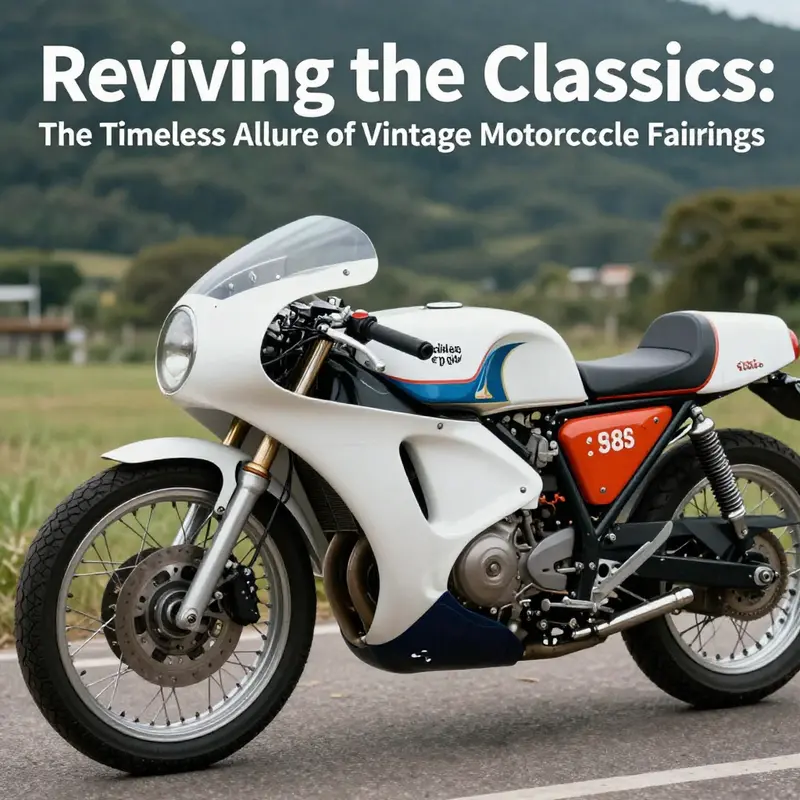
Vintage motorcycle fairings are not mere protective shells; they are iconic symbols of a rich heritage in motorcycling that blends engineering innovation with artistic expression. Their historical significance extends beyond the functional aspects of wind protection and aerodynamics, revealing a complex narrative about the evolution of motorcycling culture, individualism, and the artistry of design that marks the passionate journey of riders and builders alike.
Early Development
The genesis of motorcycle fairings can be traced back to the experimental designs of the 1950s and 1960s, emerging primarily in the era of custom motorcycles and chopper trikes. During this period, fairings were often hand-crafted from materials like fiberglass and metal, reflecting both the utilitarian needs and the burgeoning aesthetic preferences of motorcyclists. Riders and builders alike recognized that these innovations served a dual purpose: protecting the rider from the relentless wind and weather while also enhancing the visual appeal of the bike itself. At this juncture, fairings became a canvas for mechanical craftsmanship—each piece representing a commitment to individuality and rebellion against the norm.
The integration of fairings into the motorcycle scene coincided with cultural shifts in society, where personal expression became as significant as performance. Fairings embodied this spirit of individuality and rebellion that characterized motorcycling culture in the mid-20th century. Riders adorned their bikes with customized fairings, painted in vibrant colors and embellished with intricate designs, highlighting a variance in personal tastes that fostered a sense of community among enthusiasts.
Iconic Designs
Among the most recognizably avant-garde designs of this era is the batwing fairing. This style became synonymous with the chopper culture, representing the bold, flamboyant nature of the motorcycles that defined the time. The batwing fairing, with its distinctive elongated shape, not only served practical purposes in aerodynamics but also reflected the lifestyle and identity of the rider. Customization took center stage; each fairing could be transformed into a work of art, often featuring elaborate paint jobs, chrome accents, and carefully curated details that made each motorcycle a unique expression of its owner’s personality. Fairings became vehicles of self-expression, showcasing the rider’s vision and creativity to the wider world.
Engineering Milestone
The introduction of fairings also marked a watershed moment in motorcycle engineering. The transition from naked bikes to more streamlined designs illustrated a growing awareness of the science behind aerodynamics. Engineers began to realize that by reducing wind resistance, they could enhance performance and improve rider comfort, particularly at high speeds. Classic cruisers and touring models utilized fairings to demonstrate the increasing importance of comfort and long-distance riding capabilities.
This technological advancement highlighted the era’s challenging balance: optimizing performance while preserving the spirit of freedom associated with motorcycling. The iconic fairing designs of the period were more than just protective features; they became essential components that bridged the gap between traditional mechanical engineering and the emerging demands for speed, comfort, and stylish design in an increasingly competitive market.
Modern machines can trace their DNA back to the progressive race towards vehicular aerodynamic efficiency initiated by these vintage designs. The exploration during this period laid the groundwork for modern fairing technology. Subsequent generations have seen continual evolution in design philosophy, focusing on maximizing performance, influencing everything from GP bikes to street motorcycles that echo the shape and style of their predecessors.
Cultural Impact
Today, the legacy of vintage motorcycle fairings is alive and well, living on in the hearts of collectors, enthusiasts, and the vintage motorcycling community. Original fairings from renowned manufacturers such as Ducati, Kawasaki, and Honda have become highly sought after, not just as parts but as honored artifacts of motorcycling history. The demand for authentic, vintage fairings has led to a rich secondary market, allowing restorers to revive classic models and, in doing so, preserve their stories.
Events like vintage motorcycle shows and rallies showcase these fairings, reinforcing their cultural significance as tangible links to the past. Enthusiasts gather at these events to celebrate the artistry involved in restoration projects while sharing knowledge and craftsmanship with a community that treasures the unique narrative of each motorcycle. Social media platforms have further enabled this cultural exchange; Pinterest, for example, serves as a vibrant visual archive for motorcycle aficionados seeking inspiration and ideas for their restoration projects. Whether it’s the timeless elegance of a cafe racer or the raw power embodied in a racing classic, these fairings encapsulate the narratives of freedom, rebellion, and creativity that define motorcycling.
As time marches forward, the reverence for vintage motorcycle fairings continues to grow. Each fairing—whether an authentic piece or a high-quality reproduction—symbolizes a chapter in the story of motorcycling, connecting new generations of riders with the rich cultural fabric of the past. The aesthetic appeal and craftsmanship encapsulated within these remarkable pieces of engineering serve as a reminder of the passion and creativity that drive the motorcycle community.
In summary, vintage motorcycle fairings are more than just protective accessories; they carry a historical and cultural significance that resonates through the ages. From their early roots in functional design to their evolution into celebrated artifacts of individuality and rebellion, fairings illustrate the dynamic relationship between engineering and art that continues to inspire riders worldwide.
Sculpting the Wind: Aerodynamics and Aesthetics in Vintage Motorcycle Fairings
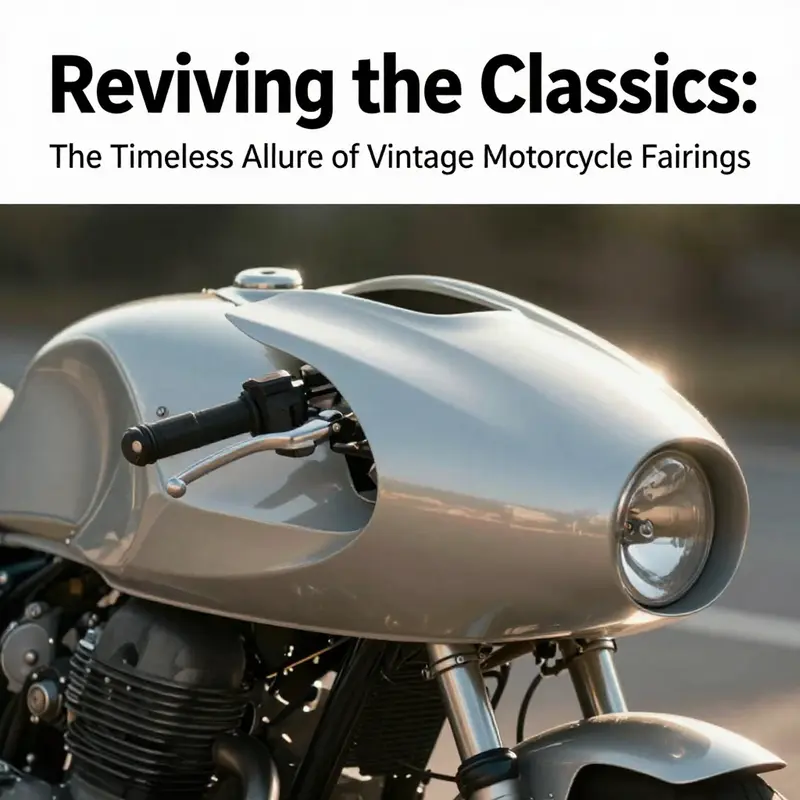
Vintage motorcycle fairings are not just adornments for retro machines; they represent an intricate blend of aerodynamics and design that has evolved significantly since their inception. These components, which have graced the iconic motorcycles of the 1970s and 1980s, showcase a fascinating interplay between practicality and artistry, marrying performance enhancements with the aesthetic desires of an era that cherished speed and style.
Early Designs and Materials
The evolution of motorcycle fairings began long before the widespread adoption of sophisticated manufacturing technologies. Early fairings were generally straightforward, often made from materials like fiberglass or the earliest forms of plastics. The primary purpose was to shield riders from the buffeting winds and inclement weather, but they also contributed to the visual character of the motorcycle. Shapes were dictated by both available materials and the manufacturing capabilities of the day, inherently limiting the complexities that could be achieved. Yet, even in these rudimentary designs, one could see the initial threads of aerodynamic thought begin to weave their way into the motorcycle design culture.
As these fairings progressed, designers began to consider the importance of smooth lines and streamlined profiles. By minimizing sharp angles and protrusions, they achieved a reduction in air resistance—a critical factor for enhancing stability and speed. In those early days, fairings were frequently partial constructs, covering essential components like the headlight and upper fuel tank, rather than enveloping the entire motorcycle. This offered a balance of wind protection and weight management, allowing riders to enjoy improved aerodynamics without overly compromising the bike’s agility.
Primary Goals
The overarching goal of vintage fairing design was clear: protect the rider from wind pressure while maximizing speed. This aim laid the groundwork for subsequent refinements not only in the motorcycle design scene but also in wider automotive engineering. Achieving high speeds on two wheels is as much about comfort as it is about raw power; effective fairings play a crucial role in minimizing drag that otherwise detracts from a motorcycle’s performance. As wind tunnels and computational studies would later reveal, how a bike pushes through the air significantly affects both fuel efficiency and velocity.
Balance of Form and Function
What stands out in the vintage fairing designs is the harmonious balance of form and function. Designers strived for aesthetic appeal that matched the performance ambitions of motorcycling culture. The aggressive lines and sharp contours of fairings from this era not only framed the motorcycle’s overall silhouette but also made bold statements about speed and prowess. The semi-fairings popular in touring and sport-touring bikes of the time exemplified this balance. By focusing only on protecting the rider’s upper body without encasing the entire bike, designers were able to maintain the structural integrity and lightweight characteristics necessary for optimal handling.
The properties of the materials used also played a role in achieving desired designs. Fiberglass became a preferred choice for its malleability, as it allowed for the creation of organic shapes that’s both functional and visually appealing. The introduction of plastics over time, though, marked a pivotal shift towards more durable and versatile designs, enabling finer details to be incorporated into the fairings. With these materials, designers learned that they could explore not just the form but also how various finishes altered airflow around these shapes.
Effective Performance Enhancements
Even amidst the limitations of technology in the vintage era, fairings demonstrated significant potential to enhance motorcycle performance. Designers focused on reducing the frontal area and creating smoother transitions between components—a precursor to what modern aerodynamics would explore in detail with advances in fluid dynamics. Early observational and empirical testing provided insights that informed these design choices, as builders found that slight variances in fairing design could nonetheless lead to marked differences in handling and stability at higher speeds.
Given the windswept landscapes of the racing circuits, early adopters of fairings often saw firsthand the impact that wind management had on both speed and rideability. Even with the rudimentary understanding of aerodynamics, the design principles were robust enough to yield tangible benefits. The guiding challenges of lesser equipment led these designers to innovative concepts still relevant today. Reducing the frontal area was not only a mantra for vintage fairing design but also laid foundational thoughts for future engineering approaches.
Efforts to minimize turbulent airflow, particularly at the junctions where the fairings met other components of the motorcycle, led to improved performance characteristics that have been echoed in modern competition designs. Today’s engineers leverage advanced technologies like computational fluid dynamics (CFD) modeling that can depict airflow with remarkable accuracy, yet the seeds of such innovations were planted in the designs of yesteryears. It is an inspiring testament to how early designs informed modern motorcycle engineering, proving that creativity in design can spur technological evolution forward.
Legacy of Vintage Fairings
Most vintage fairings hold a lasting legacy that extends beyond mere aesthetics. For today’s collectors and enthusiasts, these components embody a sense of nostalgia—a tribute to a rich period in motorcycling history that emphasized both performance and style. Fairings from manufacturers like Ducati, Kawasaki, and Honda, particularly those from eras of fierce competition, have transcended their utilitarian roots to become coveted artifacts.
For those looking to restore classic machines or to cultivate a collection of vintage motorcycle parts, understanding the foundational design principles of these fairings is vital. The artistic representation of speed intertwines with a utilitarian approach to function that resonates amongst enthusiasts of retro bikes. Moreover, digital platforms like Pinterest serve as valuable resources, showcasing extensive galleries of vintage fairings and restoration projects that allow collectors to visualize and explore these designs further.
The allure of vintage fairings lies in their dual appeal—while they enhance performance through smart design principles, they also evoke an emotional connection, celebrating the artistry and craftsmanship of a bygone era. Whether it’s the distinctive lines of a classic sport bike or the robust construction of a touring model, each fairing tells a story about the evolution of motorcycle design. This dualistic nature of form and function fosters a vibrant community of aficionados and restorers dedicated to keeping the spirit of vintage motorcycles alive.
In conclusion, vintage motorcycle fairings mark a significant chapter in the ongoing journey of motorcycle design. From their early beginnings as functional barriers against the elements to beloved embodiments of style, they showcase not only engineering ingenuity but also a timeless aesthetic that continues to influence modern designs. Assessing the interplay of aerodynamics and aesthetic values in vintage fairings can reveal much about the past—and guide future innovations and restorations in this dynamic field.
Riding the Wave: The Resurgence and Economic Significance of Vintage Motorcycle Fairings
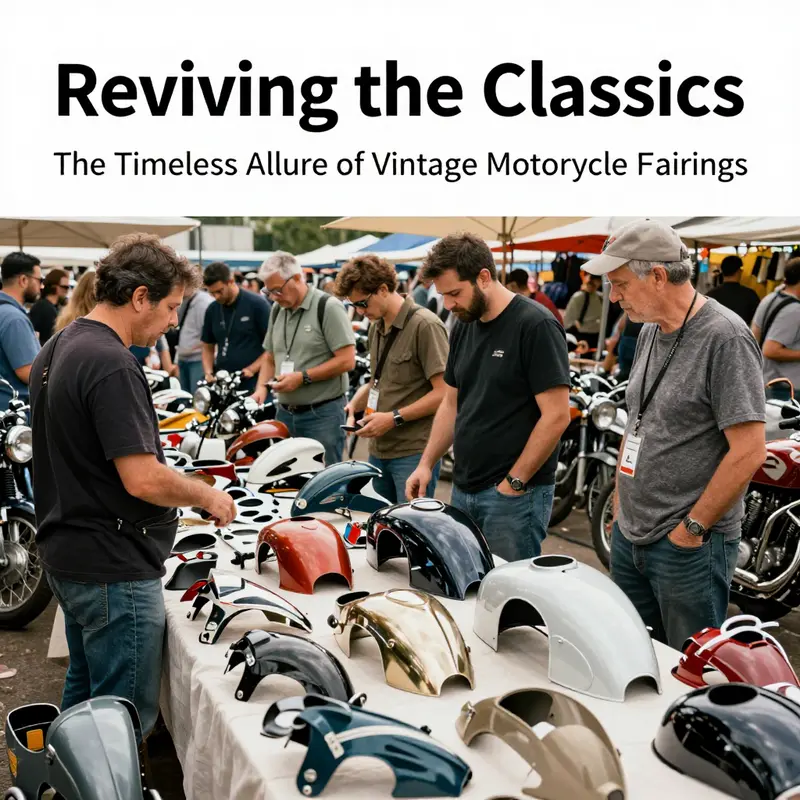
The world of vintage motorcycle fairings offers a fascinating glimpse into the intersection of nostalgia, craftsmanship, and economics within the motorcycle industry. As enthusiasts and collectors look to preserve the glory of classic bikes from the vibrant eras of the 1970s and 1980s, the demand for authentic vintage fairings is not just a trend but a revival of interest deeply rooted in motorcycle culture. This chapter delves into the market trends surrounding vintage motorcycle fairings and their economic implications, illustrating how passion for heritage fuels a micro-economy dedicated to this beloved niche.
Growing Demand for Vintage Fairings
In recent years, there has been a significant uptick in the demand for vintage motorcycle fairings, a resurgence largely driven by the collective yearning for authenticity among motorcycle aficionados. Restorers and collectors alike are seeking out era-specific fairings from legendary manufacturers such as Harley-Davidson, Triumph, Ducati, and Honda. The reasons behind this heightened interest are multifaceted.
One primary factor is the aspiration to uphold the historical integrity of classic motorcycles. Fairings, once integral to the design of racing and sport bikes, offer not just aerodynamic advantages but also serve as iconic symbols of a bygone era. These fairings possess a distinctive appeal that has bubbled to the surface as the motorcycle community embraces vintage aesthetics and the lifestyle that comes with them. Riders want their rebuilt bikes to not only look period-correct but also perform as they did decades ago, which fuels a competitive market for authentic parts.
The Pursuit of Authenticity
Authenticity reigns supreme in the vintage motorcycle fairing scene. Collectors place immense value on original, period-correct components, specifically those crafted from traditional materials like fiberglass and early ABS plastics. These materials contrast significantly with the more modern fairings, which often prioritize cost and mass production over historical fidelity. Buyers’ preference for authenticity drives purchasing behaviors; they favor fairings that align closely with the specifications of the bikes produced during their respective eras. In this sense, the market often mirrors larger trends in collector culture, wherein historic significance and quality craftsmanship carry immense weight.
The desire for authentic fairings extends beyond mere aesthetics. Many riders believe that true functionality lies in equipment designed specifically for the motorcycles of yesteryear. For instance, a vintage fairing originally designed for a 1980s Honda can transform the riding experience, offering better wind protection and comfort compared to modern alternatives that may not account for historical specifications.
Niche Market Dynamics
As demand grows, a niche market dedicated to the reproduction and refurbishment of vintage fairings has emerged. Small-scale manufacturers and artisans have sprung up, leveraging both traditional methods and modern technology to create high-fidelity reproductions that satisfy the strict requirements of restorers and custom builders alike. These operations often focus on the quality of materials and the precision of craftsmanship, aiming to replicate the original congruence of parts from decades past.
This burgeoning market presents an interesting paradox: while rising demand for vintage fairings enhances the economic landscape for specialized manufacturers, it simultaneously complicates the production process. Manufacturers face challenges in sourcing original materials and ensuring compatibility with older motorcycle frame designs. Furthermore, the lack of standardized specifications between different eras of motorcycle design requires an investment in research and development to ensure accuracy and reliability.
Pricing Trends in the Vintage Fairing Market
The economic landscape of vintage motorcycle fairings is underscored by pricing dynamics that reflect both rarity and craftsmanship. Due to their limited availability and the labor-intensive nature of reproduction, vintage fairings often command high prices. Enthusiasts are willing to pay premium amounts for components that not only enhance the value of their motorcycles but also resonate with the ideals of authenticity and craftsmanship.
The allure of vintage fairings acts as both an investment opportunity and a form of emotional investment for many collectors and riders. Vintage motorcycles have shown resilience in the market, with restored models frequently commanding higher prices than their stock counterparts, bolstered in part by the value of authentic or accurately reproduced fairings. Thus, the economy surrounding vintage fairings can significantly impact the overall valuation of these classic motorcycles.
Online Markets and Accessibility
The digital age has revolutionized how enthusiasts acquire vintage motorcycle fairings. The proliferation of online platforms has greatly increased accessibility to rare parts, paving the way for a more global trade environment within this niche market. Websites specializing in motorcycle parts, along with forums and social media groups, facilitate communication and connectivity among buyers, sellers, and restorers.
During several annual collector events, communities can come together to share knowledge, showcase restorations, and exchange parts—often leading to serendipitous finds for rare fairings. Online archives, like curated boards on Pinterest featuring vintage fairings, add visual documentation that many users find invaluable for research and inspiration.
These developments have catalyzed a sense of community among vintage motorcycle enthusiasts, allowing them to share stories and techniques while driving interest and economic activity within the sector. With easier access to earlier models and period-correct fairings, many collectors are more inclined to invest in restoring their classic bikes, knowing they can secure necessary components with greater ease.
Economic Impact of Vintage Fairings
The revival of vintage motorcycle fairings, while focused on a niche market, possesses notable economic implications. On a smaller scale, the upsurge in interest has stimulated the growth of small manufacturing companies dedicated to this sector, generating jobs and contributing to local economies. Jobs in manufacturing, retail, logistics, and craftsmanship can all find new life in the world of vintage fairings.
However, it is crucial to note that while the vintage motorcycle fairing market is thriving, its economic impact remains modest compared to the wider motorcycle industry. The dedicated nature of its audience means that this specialized market serves a passionate but smaller demographic of customers. Many enthusiasts engage in this hobby not solely as an economic endeavor but as a form of self-expression, artistic endeavor, and cultural preservation. Therefore, while the impact might seem circumscribed, the significance reaches far deeper, intertwining with the shared identities and histories of riders and motorcycles alike.
Cultural Resonance and Future Outlook
As the love for vintage motorcycles continues unabated, fairings remain at the heart of the narrative—acting as not just protection against the wind but also as symbols of craftsmanship and heritage. The cultural value of vintage fairings drives ongoing innovation, investment, and the pursuit of aesthetic beauty that transcends mere functionality.
In conclusion, the vintage motorcycle fairing market represents a rich tapestry of nostalgia, community, and economic vitality. As long as the passion for classic motorcycle design resonates with enthusiasts, the demand for vintage fairings will likely endure, driving further economic activity and inspiring a new generation to embrace the beauty and power of motorcycles rooted in rich histories. For those ready to embark on their vintage motorcycle journey, resources on material choices and design authenticity can further illuminate this intricate world.
Mastering the Art of Restoration: Reviving Vintage Motorcycle Fairings
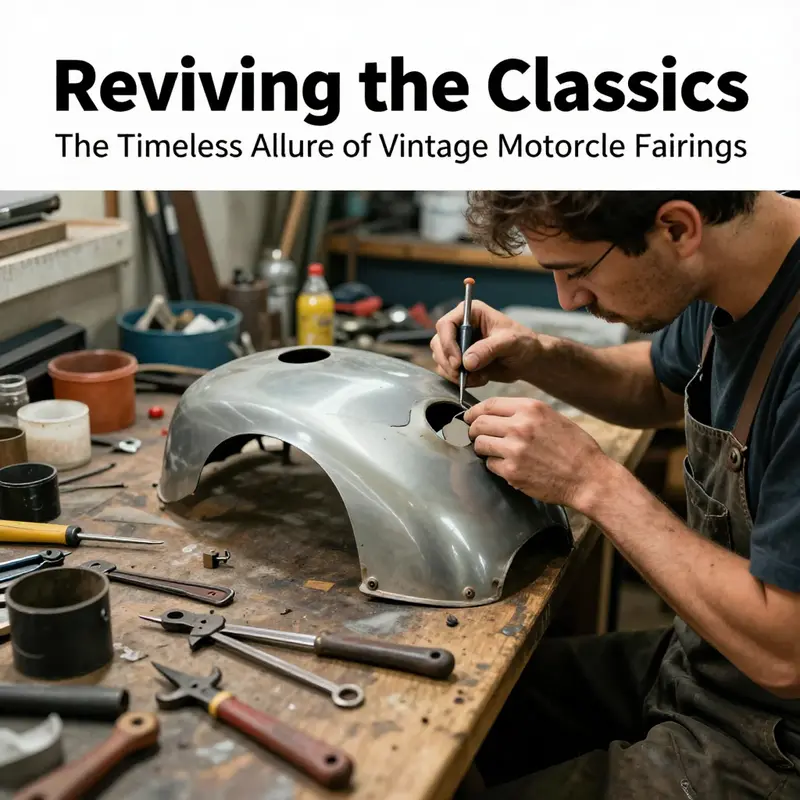
Restoring vintage motorcycle fairings is as much an art as it is a science, combining meticulous craftsmanship with a deep respect for the classic aesthetics of bygone eras. As enthusiasts and collectors have long recognized, the restoration of motorcycle fairings not only serves to enhance the visual appeal of these iconic machines but also plays a crucial role in ensuring their functionality, comfort, and rider safety. This journey of restoration begins with an understanding of the unique materials and styles that define vintage fairings, typically originating from the golden age of motorcycle racing in the 1970s and 1980s.
An authentic vintage fairing, whether it’s a Ducati or Honda affair, signifies much more than just a protective shell; it reflects the artistry and engineering prowess of its time. The primary goal in restoring such pieces is not merely to bring them back to life, but to do so in a way that honors their history and intended design. The process involves several thorough stages, each demanding different skills and approaches.
The first step in any restoration project is a thorough cleaning to remove decades of grime and oxidation. Using mild soapy water or specialized plastic cleaners ensures that the fairing’s surface is not damaged in the process. For stubborn residues, such as oxidized plastics that have turned yellow due to UV exposure, gentle abrasives come into play. Fine-grade rubbing compounds, typically ranging from 1000 to 2000 grit, can be employed. This is followed by polishing, which not only enhances the visual aesthetics but also restores clarity and shine reminiscent of its original glory. However, careful handling is required at this stage; over-polishing can lead to micro-scratches or distortion of the surface finish.
Once the fairing is cleaned and assessed, any structural damage must be addressed. Cracks, holes, and more significant impact damage demand immediate attention to restore the fairing’s integrity. The most common types of vintage fairings are typically made from fiberglass or plastic, each requiring specific repair techniques.
For fiberglass fairings, the repair process often involves the use of epoxy resin combined with fiberglass cloth. Initially, the damaged area needs to be sanded smooth to create a suitable surface for the repair. Once prepared, resin is applied, along with layers of reinforcement cloth for added strength and durability. After curing, the area is sanded once more to guarantee a uniform finish, which will seamlessly blend in with the rest of the fairing.
Conversely, plastic fairings, often derived from polycarbonate or acrylic, require different repair strategies. Depending on the severity of the damage, welding techniques may be necessary. It’s important to use compatible adhesives or heat guns meticulously to avoid melting or warping the material. In cases of severe damage, where repair is impractical, replacing the fairing with a high-quality reproduction part from a reputable manufacturer becomes a valid consideration. Utilizing reproduction fairings not only preserves aesthetic integrity but also improves durability and overall ride safety.
After ensuring structural integrity, attention shifts to surface preparation and finishing. The objective is to match the original color scheme and create a flawless appearance. High-quality automotive-grade paint is essential for this stage, as it not only adds vibrancy but also offers greater resistance to the elements. Many restorers turn to custom airbrushing or professional detailing to achieve authentic finishes that align with the bike’s historical significance.
Once painting is complete, it’s crucial to allow ample drying time followed by the application of a clear coat. This protective layer acts as a guard against environmental factors, enhancing the fairings’ longevity and maintaining their allure. The drying process can take time, but it is a critical step that should never be rushed.
Then comes the moment of truth: reinstallation. Reattaching the fairing requires careful alignment to ensure it sits correctly in relation to the motorcycle frame. All mounting points must be secured properly, as any misalignment could affect not just aesthetics but also aerodynamic performance. A well-restored fairing enhances the bike’s overall appearance and functions to offer protection to the engine and rider from wind and debris, echoing the industrial applications that utilize such designs to promote performance and durability.
Adhering to these techniques and guidelines allows restorers to breathe new life into vintage fairings, making them prized possessions once again. For those passionate about this niche market, community forums and platforms like Pinterest serve as valuable resources. They offer rich visual archives showcasing various designs and restoration projects, accompanied by insights from fellow enthusiasts.
In addition to personal techniques and shared community knowledge, comprehensive guides are available online, such as those detailing restoration processes. These resources can facilitate the exchange of ideas and foster a deeper understanding of how to approach specific restoration projects. One excellent guide to refer to is this detailed walkthrough: How to Restore an Old Junkyard Motorcycle: 8 Steps which provides foundational steps for embarking on the motorcycle restoration journey.
The allure of vintage motorcycle fairings lies in their embodiment of style, speed, and nostalgia. Investing time and effort into restoration pays homage to the craftsmanship of a previous generation while preparing these magnificent machines for another round on the roads. Whether on display at a motorcycle show or roaring down a scenic highway, every beautifully restored fairing tells a story of passion, dedication, and the beautiful interplay between rider and machine.
Reviving History: The Cultural Impact of Vintage Motorcycle Fairings on Custom Builds
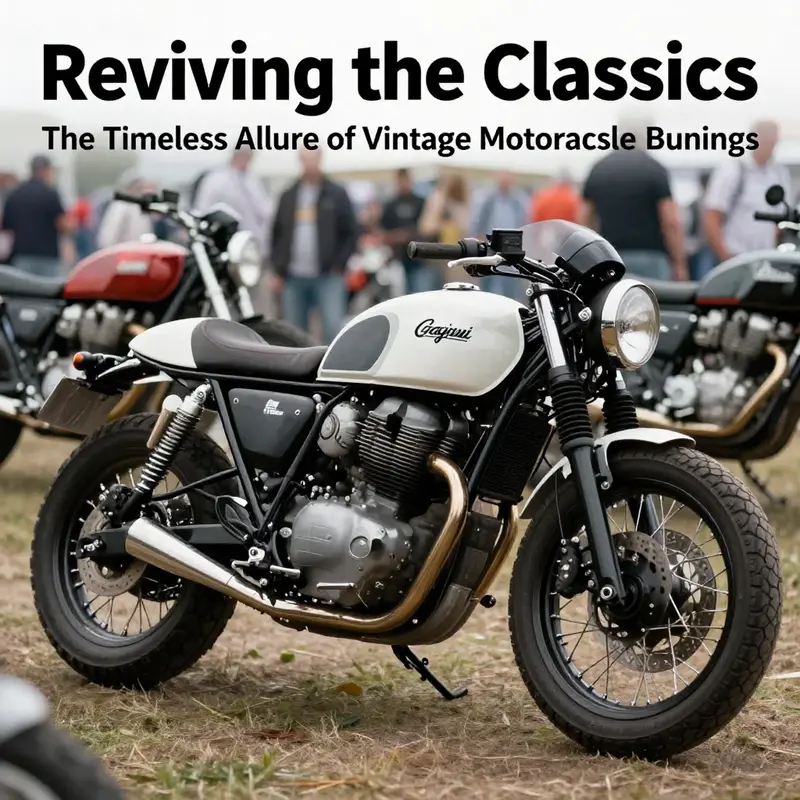
Vintage motorcycle fairings serve as more than just physical components adorning classic bikes; they are potent symbols of a rich cultural heritage that continues to inspire modern custom bike builders. Emerging from the world of 1960s and 70s racing, vintage fairings exhibit a distinctive aesthetic characterized by their aerodynamic profiles and bold artistic designs. This golden era of motorcycle racing not only elevated speed as a measure of performance but also instilled a sense of rebellion and individuality that resonates deeply with the motorcycle community today. To understand the profound influence these fairings have on contemporary custom bikes, one must explore the historical context, subcultural significance, and stylistic movements that encapsulate this enduring legacy.
The evolution of motorcycle design through the decades reveals a constant interplay between aesthetics and functionality. Vintage fairings were originally crafted to enhance aerodynamics, providing riders with wind protection and improved comfort on the track. The iconic shapes of these fairings often evoke a visceral reaction, transporting enthusiasts back to an era defined by mechanical ingenuity and artistic expression. Today’s custom builders tap into this nostalgic vein, reinterpreting vintage designs while integrating modern engineering advancements.
In Japan, the bōsōzoku subculture of the late 20th century took this aesthetic to new heights. Motorcycles adorned with extravagant, multi-colored fairings became statements of identity, showcasing a blend of creativity and cultural significance. As riders modified their bikes, they created a visual representation of resistance against conformity, celebrating personal expression in a society that often leaned toward the uniform. This movement laid the groundwork for the neo-retro designs that have become increasingly popular, where traditional fairing silhouettes are reimagined using lightweight materials like carbon fiber, giving classic aesthetics a contemporary edge.
The neo-retro movement exemplifies the fusion of past and present that is central to modern motorcycle culture. This trend focuses on capturing the essence of vintage designs while enhancing performance and safety through technological innovation. Custom builders have emerged who specialize in creating bikes that marry the elegant lines of vintage fairings with cutting-edge components, such as advanced suspension systems and high-performance engines. A shining example is the Icon Elsinore, which pays homage to the 1960s British café racers through its design. With retro-styled fairings that echo the original aesthetic but incorporate modern enhancements, the Elsinore stands as a testament to the successful blending of homage and innovation.
Another advantage to the revival of vintage motorcycle fairings lies in the flexibility and creativity present in customizations. With the advent of vinyl wraps, riders can experiment with finishes that reflect historical aesthetics without the permanence of traditional paint jobs. From matte to gloss, chrome to color-shifting films, the ability to easily modify the appearance of a motorcycle allows for artistic license that aligns with the spirit of the vibrant motorcycle culture that celebrates individualism.
Cafe racer fairings, in particular, offer a wealth of inspiration for enthusiasts looking to transform their bikes into personalized works of art. Originally designed to reduce drag and enhance speed, these fairings have transcended their functional origins, evolving into symbols of style and cultural identity. The enduring design legacy seen in vintage racing bikes, like those from Panther and Motobi, continues to influence contemporary builds. Their clean teardrop profiles and integrated windshields echo throughout the retro revival, fueling a broader desire among riders to connect with the roots of motorcycling.
The cultural continuity represented by vintage motorcycle fairings ensures that they remain more than just accessories; they are enduring icons of freedom, innovation, and personal expression. By restoring or preserving classic fairings, enthusiasts pay homage to the craftsmanship and spirit of an era defined by speed and adventure. Each bike tells a story—a narrative interwoven with history, identity, and community.
Restoration projects thrive in the vintage motorcycle market, with collectors and builders recognizing the value that authentic fairings can bring to a bike. Historical significance, emotional resonance, and aesthetic allure elevate the demand for original fairings, especially those from iconic brands like Ducati, Honda, and Kawasaki. This demand drives a robust aftermarket for both authentic and high-quality reproductions, allowing new generations of riders to experience the artistry behind these vintage designs.
As the custom motorcycle scene continues to evolve, the influence of vintage motorcycle fairings remains unwavering. They embody a motorcycle culture steeped in history, one that rewards creativity and a connection to heritage. Enthusiasts are encouraged to explore the vast visual archives available on platforms like Pinterest, where dedicated boards—such as those curated by aficionados—offer insight into the diverse styles and restoration efforts inspired by vintage fairings. This rich tapestry of designs serves as a resource for inspiration, showcasing projects that highlight the artistry and craftsmanship inherent in motorcycle building.
Ultimately, the cultural impact of vintage motorcycle fairings on modern custom bikes is a testament to the enduring love for motorcycling as an art form. For riders today, connecting with the aesthetic and spirit of vintage fairings allows for a celebration of individuality, performance, and style—elements that have fueled the motorcycle community for generations. By continuing to embrace this legacy, modern builders not only honor the past but also contribute to a vibrant and evolving narrative that champions the freedom of the open road.
As enthusiasts delve into the world of custom motorcycles, they uncover a community that values innovation, personal expression, and a connection to history. The journey into vintage motorcycle fairings is rich with discovery and excitement, reflecting a vibrant culture that honors its roots while looking boldly toward the future.
Final thoughts
The journey through vintage motorcycle fairings unveils a rich tapestry of history, design, and cultural significance. As these fairings continue to inspire both restoration enthusiasts and modern custom builders, their influence remains just as vital today as it was in the golden age of motorcycle racing. Understanding the historical significance, the aerodynamic principles at play, the economic trends in the market, and the spirit of restoration allows business owners to fully appreciate the value of these artifacts. By tapping into the nostalgia and craftsmanship associated with vintage motorcycle fairings, businesses can foster a deeper connection with their customers and elevate the status of the motorcycles they cherish.
Upgrade your ride with UltimateMotorX’s premium motorcycle fairings—durably crafted, precision-fitted, and stylish. Meeting OEM standards for easy installation, our collection suits upgrades or replacements. Shop now for fast shipping, secure checkout, and expert support. Give your bike the ultimate quality it deserves!
About us
At UltimateMotorX, we’re rider-founded experts in top-tier motorcycle fairings. We source premium materials, partnering with trusted manufacturers for perfect fits and durability. Enjoy expert advice, hassle-free returns, and seamless shopping. Ride with confidence—style and quality guaranteed!