
Introduction
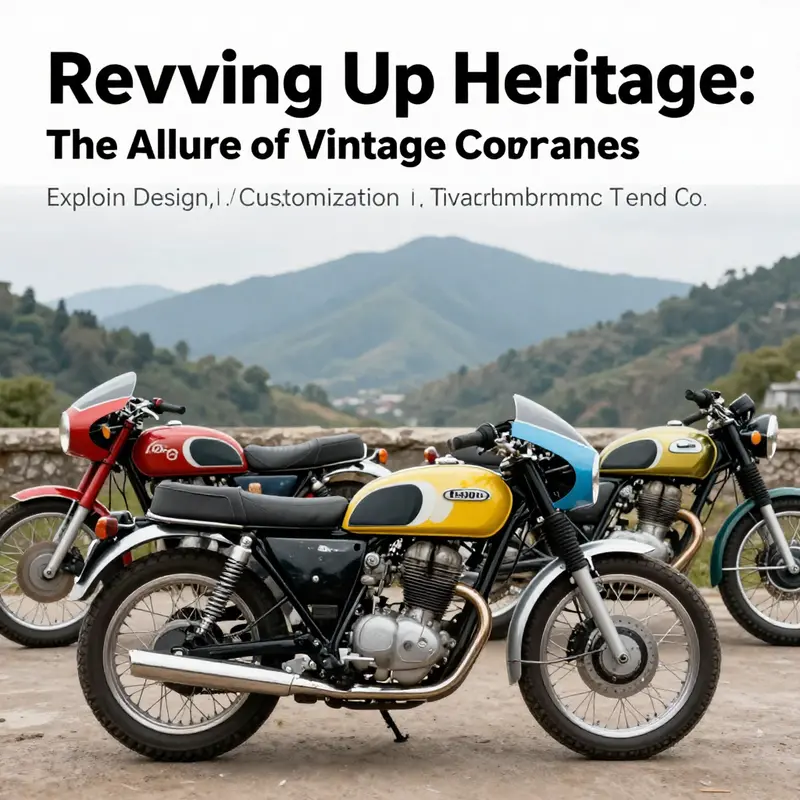
Vintage motorcycle fairings combine aesthetic charm with aerodynamic benefits, making them essential for both restoration projects and contemporary custom builds. In the world of motorcycle enthusiasts, these fairings are not just accessories; they embody a rich heritage and a connection to racing history. Throughout this article, we will delve into the design and aerodynamic benefits that these classic fairings offer, explore current trends in customization and restoration, uncover marketplace opportunities for business owners, and finally, celebrate the enduring nostalgia surrounding vintage motorcycle culture. Each chapter will deepen your understanding of the significance of vintage motorcycle fairings in the riding community.
Tables of Contents
Chapter 1: Unlocking the Aerodynamics of Vintage Motorcycle Fairing Design
- The Fusion of Form and Function: Aerodynamic Efficiency in Vintage Fairings
- Sustainable Materials and Performance Advancements in Vintage Motorcycle Fairing Design
Chapter 2: Reviving the Classics: Customization Trends in Vintage Motorcycle Fairing Design
- Crafting Unique Identities: The Artistic Revival of Vintage Motorcycle Fairings
- Preserving History: The Fusion of Authenticity and Modern Craftsmanship in Vintage Motorcycle Fairings
Chapter 3: Unveiling the Past: The Market Potential of Vintage Motorcycle Fairings
- Navigating the Intersection of Nostalgia and Modern Innovations in Vintage Motorcycle Fairings
- Navigating Consumer Trends and Market Dynamics in Vintage Motorcycle Fairing Economics
Chapter 4: Embracing the Future: How Technology Enriches Vintage Motorcycle Fairing Culture
- Modern Innovations Breathing New Life into Classic Motorcycle Aesthetics and Performance
- Heritage and Economic Value in the Vintage Motorcycle Fairing Market
Chapter 1: Unlocking the Aerodynamics of Vintage Motorcycle Fairing Design
1. The Fusion of Form and Function: Aerodynamic Efficiency in Vintage Fairings
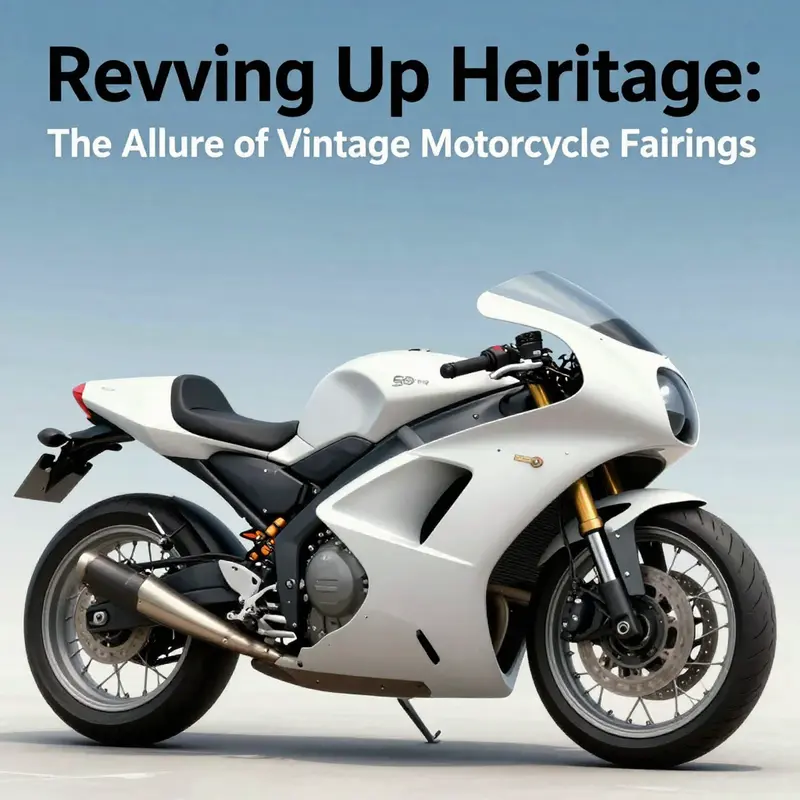
The artistry behind vintage motorcycle fairings extends far beyond mere aesthetics; it merges functional engineering with striking style to enhance both rider experience and performance. Although these fairings evoke nostalgia for bygone eras of motorcycle racing, their design principles laid important groundwork in aerodynamic efficiency. At a time when computational fluid dynamics and advanced simulations were not yet commonplace, engineers of the 1970s and 1980s relied heavily on their understanding of airflow and practical testing. The resultant designs, while sometimes crude by modern standards, achieved remarkable improvements in stability and performance.
A defining characteristic of these vintage fairings is their streamlined shape, crafted to foster smooth airflow around the motorcycle. This streamlined approach diminishes air resistance, allowing riders to cut through the wind with greater ease. For example, the iconic Kawasaki Ninja ZX-6R of the late 1990s boldly showcased the evolution of these aerodynamic principles. Its design incorporated integrated headlamps, tapered front ends, and smoothly contoured bodies, all working collectively to enhance its high-speed stability and reduce drag, especially on those open highways where the thrill of speed beckons.
Managing airflow is more than just sculpting a pleasing silhouette—it involves strategic design decisions aimed at optimizing the air dynamics both around the rider and the engine components. These early fairings marked the beginning of recognizing how efficient airflow could profoundly impact rider comfort and bike control, elements that are crucial for a seamless riding experience. By redirecting airflow away from the rider’s body, vintage fairings provided a notable reduction in wind fatigue during long hauls.
Adding another layer of complexity is the material used in constructing these fairings. With the advent of lightweight materials like fiberglass and early carbon composites, manufacturers could significantly enhance the strength and flexibility of motorcycle fairings while simultaneously reducing weight. The high-end models of the 1999 Kawasaki Ninja ZX-6R are excellent examples of this innovation. With their carbon fiber fairings, these motorcycles delivered an exceptional strength-to-weight ratio, resulting in agile handling dynamics that harmonized beautifully with the functional aerodynamic designs.
When juxtaposed with modern designs, vintage motorcycle fairings reveal both the advances made since their inception and the timeless principles they established. Although contemporary fairings benefit from cutting-edge technology and more precise engineering, the core ideas introduced during the vintage era continue to resonate in today’s designs. For instance, the minimization of frontal area remains a focal point, as designers strive to reduce wind resistance and improve speed. Similarly, the transition between body panels continues to be engineered to avoid turbulent ‘dead zones’ around the bike, showcasing a commitment to the streamlined aesthetic that has persisted through decades.
Recent research and experimental studies have shown that there is still much to learn from these vintage designs. Notably, a 2025 investigation focused on motorcycle aerodynamics led to enhancements including optimizations like belly pan designs. These studies revealed that specific adjustments could result in drag reductions of up to 15%, proving that even small design tweaks can lead to substantial improvements in performance. The insights gleaned from these studies not only affirm the significance of historical concepts but also inspire contemporary innovations, tethering riders to a legacy of performance and style.
In summary, while vintage motorcycle fairings may not embody the precision of modern engineering, they are invaluable for their pioneering contributions to aerodynamic design. They serve as a testament to the ingenuity and craftsmanship of their time. Whether one is an enthusiast seeking to restore a classic motorcycle or an avid rider eager to explore custom builds, vintage fairings provide insight into the foundational design principles that guide current advancements. For exploring opportunities in restoring iconic motorcycles, explore sites featuring specialized fairings, which cater to various models like Harley-Dyna, Honda, and others, enhancing both aesthetics and performance for a truly evocative ride.
Thus, in tracing the evolution of motorcycle aesthetics and aerodynamics, one cannot overlook the indelible impact of vintage fairings. As bikes continue to evolve, the lessons learned from their venerable predecessors will undoubtedly shape and enrich the future of motorcycle design, ensuring that the spirit of innovation remains vibrant, rooted in a rich heritage of engineering excellence. For more recent communities and discussions surrounding motorcycle aerodynamics and beyond, consider delving into various fairings well-suited for diverse models, including those from iconic brands like BMW, Honda, and Ducati, all reinforcing how the past continues to influence the present.
2. Sustainable Materials and Performance Advancements in Vintage Motorcycle Fairing Design
Vintage motorcycle fairing design is undergoing a renaissance, propelled by advancements in sustainable materials and performance enhancements. Traditionally associated with nostalgic aesthetics, these fairings are not just about style; they embody a marriage of heritage and cutting-edge technology. As the vintage motorcycle community increasingly emphasizes sustainability and functionality, innovations like natural fiber reinforcements have come to the forefront, transforming the way fairings are conceived and produced.
One of the standout innovations in this space is the use of natural fiber reinforcements, particularly jute fibers. These fibers offer an eco-friendly alternative to conventional synthetic materials, marking a significant step toward greener manufacturing processes. By integrating jute into composite materials, designers can craft fairings that resonate with environmental sustainability while preserving the classic looks that enthusiasts cherish. This shift towards natural fibers speaks to a broader trend within the motorcycle industry, where the balance of elegance and environmental consciousness is becoming a priority.
The mechanical properties of these composites are particularly noteworthy. Research has demonstrated that by adjusting the volume fraction of jute fibers used in a composite mix, designers can achieve an optimal balance of strength, weight reduction, and overall performance. This adaptability is crucial in ensuring that vintage motorcycles, known for their lighter, agile frames, maintain their iconic lightweight profiles while benefiting from modern mechanical advantages.
Moreover, the efficiency of these materials does not compromise performance. Increased volume fractions of jute fibers correspond to improvements in critical mechanical attributes such as tensile strength, flexural strength, and impact resistance. These enhancements allow vintage motorcycles not only to retain their classic aesthetic but also to perform comparably to more contemporary machines. Enthusiasts can upgrade their beloved models, enjoying the timeless beauty of vintage designs paired with modern capabilities.
Another significant advantage of incorporating natural fibers is the substantial reduction in production costs. The use of jute contributes to lower manufacturing expenses, making it financially viable for small-scale producers within the vintage motorcycle community. With more accessible price points, enthusiasts are increasingly able to indulge in customizations and restorations that were previously beyond their reach.
As sustainability becomes more critical, the environmental impact of these innovations cannot be understated. Utilizing natural fibers diminishes reliance on synthetic composites, which often come with hidden ecological costs tied to their production and disposal. By opting for materials like jute, manufacturers can lower production costs and enhance recyclability, thus decreasing plastic waste. This approach aligns vintage motorcycle fairing production more closely with the modern principles of ecological responsibility without sacrificing the durability and performance that riders expect.
Future research avenues are ripe for exploration to maximize the potential benefits of these innovative materials. While jute has proven to be a promising candidate, further studies could examine the efficacy of alternative natural fibers, such as bamboo or flax, in creating even more efficient and sustainable composites for motorcycle fairings. Understanding how these various materials can maintain or improve performance metrics will be essential as the industry looks to evolve further without losing sight of its rich history.
For enthusiasts captivated by the blend of innovation and tradition, the rise of natural fibers in vintage motorcycle fairing designs marks a promising chapter. With the potential for improved performance and reduced environmental impact, riders can indulge their passion for classic motorcycles while contributing positively to the planet. The thoughtful integration of sustainable materials not only elevates the aesthetic experience but also embodies a commitment to responsible practices that resonate with modern values.
As vintage fairing designs continue to evolve, it’s clear that the marriage of innovative materials and performance enhancements is key to breathing new life into cherished classics. Whether riders are keen on restoring a beloved classic or customizing a modern build, they can find opportunities to embrace both aesthetic charm and modern capabilities.
In summary, the journey towards integrating sustainable innovations in vintage motorcycle fairings represents a commitment to honoring the past while advancing towards a more responsible future. With the right materials and a focus on performance, the next generation of vintage fairings stands to delight both purists and newcomers to the motorcycle community alike, reminding us all that the road ahead is as captivating as the legends we’ve traveled before. For those looking for specific styles or replacements, various retailers, such as those specializing in Honda fairings, provide a range of options for classic models without compromising the new wave of performance and sustainability.
Chapter 2: Reviving the Classics: Customization Trends in Vintage Motorcycle Fairing Design
1. Crafting Unique Identities: The Artistic Revival of Vintage Motorcycle Fairings
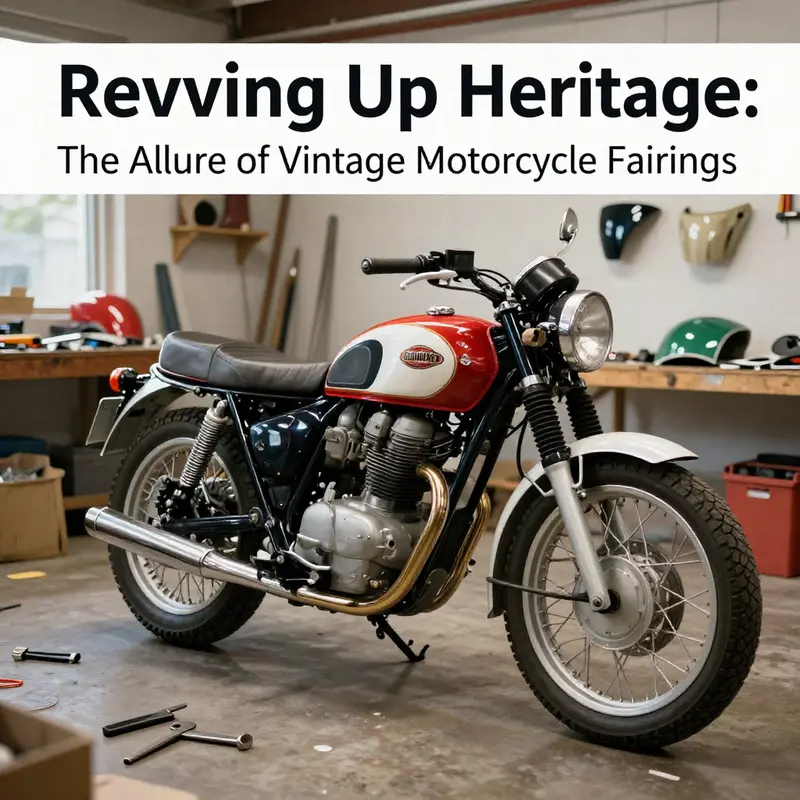
The world of vintage motorcycle fairings is undergoing a renaissance, where the melding of aesthetics and personal expression is reshaping what it means to ride a classic bike. Enthusiasts dedicated to preserving the rich heritage of their motorcycles are steering away from standard restorations and instead gravitating towards customization that celebrates individuality and artistry. This evolution signifies more than just a nod to nostalgia; it’s a transformative process that turns a traditional machine into a unique canvas for self-expression.
At the heart of this movement is the growing demand for lightweight, high-quality materials that not only maintain the iconic look of vintage fairings but also enhance performance. Riders are increasingly seeking parts made from innovative materials like forged carbon fiber, which provide durability without sacrificing the classic aesthetic. An example of this trend is evident in products like the Forged Carbon Fiber Front Fender, which not only marries iconic design with modern technology but also offers improved resilience against environmental wear. Enhanced performance through the use of modern materials makes it easier for enthusiasts to restore their bikes, ensuring they remain functional while preserving their coveted appearances.
It’s not just about materials; the customization trend promotes an expansion of creative possibilities. Riders have the opportunity to choose from an array of customization options that allow them to literally put their ‘signature’ on their machines, making them stand out at motorcycle rallies or on the open road. From repainting and reconfiguring fairings to incorporating personalized decals, enthusiasts realize that their motorcycle is a representation of their identity, each modification reflecting their personal style. For many, customizing a vintage fairing transforms a bike from an object of standard production into a bespoke piece of art that tells a story.
Online marketplaces like Alibaba.com are at the forefront of this customization movement, showcasing products like the Universal Fitment 5.75-inch Cafe Racer Headlight Fairing, which allows for personalization such as customized logos and colors. Such offerings are particularly attractive to individual builders or small-scale restorers, giving them the tools necessary to craft one-of-a-kind motorcycles that reflect their vision. The ability to order custom components in small batches has democratized the customization process, allowing even casual enthusiasts to join the ranks of those who participate in this creative revival.
As rotorcraft and heavyweight customizers alike delve deeper into this world, it not only highlights the importance of visual aesthetics but also emphasizes craftsmanship. This artistic revival extends beyond simply changing the fairings; it inspires a comprehensive approach to motorcycle restoration. Every customization project centers around preserving a machine’s original character while enhancing it with personal touches that showcase both style and functionality. Whether it’s upgrading the interior of a fairing with cutting-edge LED technology or outfitting a classic bike with a contemporary stance, the results speak to a broader narrative—one that prioritizes craftsmanship and individual artistry over factory-standard uniformity.
This aspect of customization runs parallel with a growing ideology within the vintage motorcycle community, where the focus has shifted from mere ownership to stewardship. Classic motorcycles are no longer simply viewed as machinery but rather as living pieces of history, deserving of careful restoration and thoughtful modifications. Riders are now more attuned to the unique stories that each bike carries, often leading them to conduct extensive research on design choices that resonate with the era they aim to celebrate. For example, many choose to incorporate Honda Fairing Decals that evoke classic racing models, serving as both homage and inspiration. Such choices not only enhance the bike’s visual appeal but also ensure that the craftsmanship and legacy of the motorcycle are respected and commemorated.
The rise of this dedicated community has led to increased platforms for sharing experiences and expertise. Social media and forums are abuzz with images of custom builds, tutorials, and tips, fostering a supportive environment that encourages experimentation and creativity. Riders enthusiastically share their progress, whether it’s detailing the painstaking restoration of a vintage model to its original specifications or the bold choice of customizing it with futuristic elements. This shared passion fuels a sense of belonging among motorcycle enthusiasts, who recognize that their labor of love isn’t done in isolation; it exists within a mosaic of collective experiences and inspirations that span generations.
Furthermore, with the ease of access to tutorials, DIY kits, and community support, the barrier to entry for customization has never been lower. Riders eager to partake in the vintage restoration scene can easily find a wealth of resources available online, including guides on compatible materials and techniques suited for various bike models. This serves to enrich the craftsmanship available within the community and has made it abundantly clear that vintage motorcycle fairings are more than just upgrades; they are vital components of personal narratives told through chrome and color.
In conclusion, the burgeoning trends in vintage motorcycle fairing customization reflect a broader cultural shift where personal expression and heritage intertwine. As enthusiasts embrace the ability to tailor their bikes to their aesthetic preferences, they contribute to a stunning tapestry of craftsmanship that celebrates the history of motorcycling while paving the way for future innovations. The allure of vintage fairings lies not only in their classic designs but also in the imaginative possibilities they offer, ultimately affirming the significance of each rider’s journey. Every fairing tells a story—one of passion, creativity, and a deep connection to the rich legacy of motorcycling.
For those looking to explore a wide range of options for customization, platforms dedicated to motorcycle fairings provide a treasure trove of inspiration, spanning numerous iconic brands from BMW to Ducati. Embracing this artisanal approach to vintage motorcycles tantalizes the imagination, inviting riders to embark on a journey of restoration that breathes new life into the classics, ensuring they remain cherished parts of motorcycling history.
2. Preserving History: The Fusion of Authenticity and Modern Craftsmanship in Vintage Motorcycle Fairings
In the vibrant world of vintage motorcycle culture, the customization and restoration of fairings represent a deep-seated reverence for history, aesthetics, and technical excellence. Enthusiasts of classic motorcycles are not merely custodians of machinery; they are devoted storytellers, weaving narratives of the past into each restoration project. Fairings—those iconic structures that envelop the bike’s body—serve a dual purpose by enhancing both the aesthetic charm and performance of these classic machines. As the community progresses, we witness a rising trend where authenticity and modern craftsmanship blend harmoniously in restoration efforts.
The principles guiding contemporary restorations are largely centered around maintaining the integrity of original designs while incorporating innovations that enhance function without detracting from charm. Preservation of authenticity in vintage motorcycle fairings is paramount. Restoration experts and enthusiasts often prefer sourcing original parts or high-quality reproductions that mirror the original specifications with precision. This dedication to preserving the historical integrity of motorcycles ensures that each restored bike stands not only as a machine but also as a piece of history, reflecting the era from which it hails.
For many restorers, the intrinsic value of a vintage motorcycle is tied to its original design elements. Elements such as shape, materials, and contours are crucial in replicating the look and feel of the motorcycle as it would have appeared in its prime. Projects that overlook these details might succeed in crafting a functional bike but inevitably diminish its spiritual and economic value. Such a mindset is evident in the rise of specialized suppliers who offer replica or OEM-spec fairings crafted from materials that mirror those used in the original production.
Modern restoration processes are enhanced by advanced technologies like 3D scanning and precision CNC machining. These tools provide a significant edge, allowing craftsmen to recreate intricate components with remarkable accuracy. The ability to produce parts that fit original designs without the compromises once necessitated by generic aftermarket solutions has revolutionized restoration projects. The nuanced approach to customization also allows owners to make subtle modifications that align with personal preferences while still respecting the bike’s vintage aesthetics. For instance, specialized manufacturers now provide customizable options for windshields, forks, and tail sections, all designed to maintain the spirit of the motorcycle while allowing room for personalization.
This intersection of authenticity and personalization signals a new age in the vintage motorcycle fairing market, where enthusiasts have the option to express individuality without compromising historical accuracy. Companies dedicated to vintage motorcycle parts have emerged, reflecting this trend. For example, classic-style headlight fairings inspired by the iconic cafe racer design encapsulate aesthetic nostalgia while allowing for custom branding, finish, and features. These modern reproductions are not mere replicas; they are thoughtfully designed to endure contemporary performance expectations while appealing to retro design sensibilities.
An excellent illustration of this trend can be seen with products like the 5.75-inch cafe racer headlight fairing available on wholesale platforms. Designed to nourish the customization aspirations rooted in classic aesthetic appeal, these fairings support application across various motorcycle models. While these items are produced in the present day, the essence of 1960s and 70s design continues to captivate a new generation of riders who seek a genuine connection to the past.
Moreover, the recovery of the racing spirit through classic fairings is accompanied by the resurgence of brands such as Honda, whose fairing decals embody the racing legacy and inspire personalized restorations. By using color palettes and designs reminiscent of their classic models, enthusiasts can evoke the thrill of vintage racing while incorporating them into their unique builds. This not only elevates the bike’s appearance but also creates an emotional resonance with the rider, establishing a sense of ownership not just over a motorcycle but its story.
While focusing on restoration and customization, enthusiasts are increasingly aware of the broader implications of their choices. The balance between modernity and authenticity signifies more than just a stylistic preference; it reflects a philosophy of maintaining history and acknowledging the evolution of motorcycle design. Each craftsperson engaged in restoring or modifying a vintage motorcycle fairing contributes to a larger cultural dialogue about preservation, identity, and craftsmanship. As modern riders look toward the past to guide their custom projects, the sheer variety of options enables an enriching exploration of individual expression that remains rooted in a collective heritage.
This trend of authenticity intertwining with contemporary versatility spurs retailers like Alibaba.com to expand their offerings to cater to practical needs and creative desires. Through diligent searching, riders can find parts suited specifically to their classic bikes, ensuring compatibility while asserting individuality. Given the plethora of products available, the current landscape is inviting to anyone interested in participating in the art of motorcycle restoration, whether one is a seasoned mechanic or a passionate beginner.
Ultimately, the journey of restoring and customizing vintage motorcycle fairings becomes a pathway for enthusiasts to connect not only with their machines but also with a lineage of riders who came before them. The meticulous attention to detail and the ongoing dialogue between preservation and personalization enriches the motorcycle community, fostering connections between individuals across time and space. As vintage motorcycle fairing restoration practices continue to evolve, they embody a timeless pursuit of excellence, authenticity, and the enduring thrill of the ride.
Chapter 3: Unveiling the Past: The Market Potential of Vintage Motorcycle Fairings
1. Navigating the Intersection of Nostalgia and Modern Innovations in Vintage Motorcycle Fairings
The allure of vintage motorcycle fairings lies not just in their classic aesthetic but also in the intricate tapestry of technological evolution that underpins their design. Over the decades, the marketplace for these components has morphed dramatically, mirroring shifts in consumer preferences, advances in technology, and the revival of nostalgia-driven culture among riders. Each era has contributed to the narrative of fairings, especially from the revolutionary decades of the 1970s and 1980s, where the presence of fairings on motorcycles transitioned from the exceptional to the standard.
Historically, the 1970s and 1980s marked a pivotal time for motorcycle design, driven by burgeoning technological advancements. The introduction of aerodynamic fairings transformed how motorcycles were perceived, shifting from their utilitarian beginnings to sleek, performance-oriented machines. During this period, manufacturers harnessed lightweight materials and innovative engineering to produce fairings that could drastically reduce drag and enhance rider comfort at high speeds. As motorcycles transitioned from their minimalist designs to more streamlined models, riders began to appreciate not just the performance benefits but the visual appeal that fairings provided. The quintessential batwing design exemplifies this trend, representing a perfect marriage of aerodynamics and striking design that captivated enthusiasts.
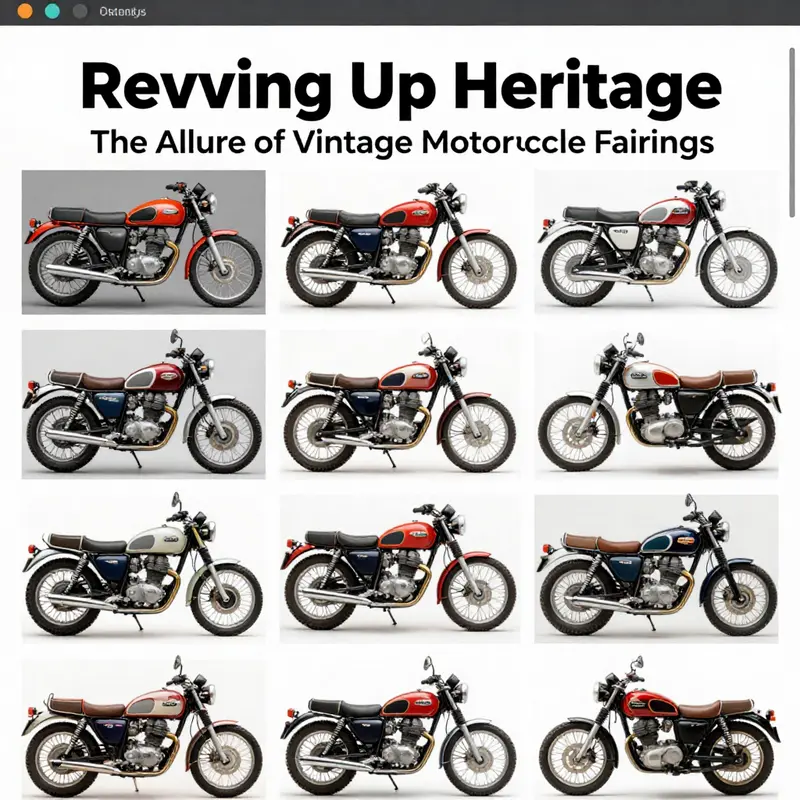
With the passage of time, the initial novelty of fairings evolved into a classic standard. Now, motorcycle enthusiasts are increasingly seeking out vintage fairings, driven by a passion for collecting and restoring iconic models. The collective memory of riding motorcycles equipped with these legendary designs fuels a market craving for authentic and period-accurate components. Classic bikes, such as the Honda CBX or the Kawasaki Ninja, are often sought-after restorations, and a significant factor contributing to their allure is the fairing designs that adorn them, instantly transporting riders back to a by-gone era of motorcycling. This nostalgic desire is no longer a mere side note in bike customization; it’s the very heart of a thriving industry.
As we steer our way onto the contemporary motorcycle scene, it’s clear that discerning riders and builders now pursue the aesthetics of the past alongside modern performance expectations. This dual demand presents a unique marketplace opportunity for vendors and artisans. Advances in manufacturing technologies, particularly CNC machining and composite material replication, facilitate the creation of high-fidelity reproductions of vintage fairings. Such innovations not only allow for accurate aesthetic replication of earlier designs but also enhance durability, which is critical for modern riders who wish to keep their investment safe and intact during spirited rides.
Another factor significantly shaping the current marketplace is the growth of online communities and marketplaces where enthusiasts can trade, sell, and restore vintage parts. Websites like eBay and specialized forums serve as bustling hubs for collectors seeking not just fairings but also the specific fiberglass grades and early plastic composites that define their historical significance. The demand for rare and limited-edition fairings is on the rise, affording new opportunities for entrepreneurs to explore their passion for motorcycle restoration or component manufacturing. This niche market empowers both seasoned craftsmen and budding makers to cater to the needs of an increasingly discerning clientele.
With consumer interest in vintage fairings escalating, retailers have recognized the potential for growth within this specialized market segment. Major online platforms have embraced this resurgence by offering a diverse range of products that cater not only to restorers but also to custom bike builders who wish to evoke the spirit of classic motorcycles in their modern interpretations. For instance, the availability of various fairings compatible with models like the Harley-Dyna, Honda, and others, facilitates a level of customization that aligns with both personal taste and performance enhancements.
One of the standout examples today is the Nightster® Special, equipped with a West Coast mini-fairing that merges the nostalgia of yesteryear with the engineering innovations of contemporary design. This model reflects how modern motorcycles can incorporate vintage styling cues without compromising on the performance and comfort sought by today’s riders. Such offerings showcase how the revival of vintage fairing designs can be implemented seamlessly into modern engineering frameworks, creating hybrid solutions that resonate deeply with enthusiasts.
The influence of these burgeoning trends extends a bit further into the realm of design aesthetics, especially as riders become more engaged in customizing not just their motorcycles but their entire riding experience. Fairing decals and graphics inspired by vintage racing aesthetics can help riders channel classic vibes while enjoying the conveniences and performance enhancements of modern-day technologies. Companies specializing in graphics and decals related to renowned brands like Honda are filling this niche, allowing enthusiasts to make their bikes look as if they rolled straight out of the golden age of racing.
The enduring fascination with vintage motorcycle fairings continues to be influenced by a combination of nostalgia and innovation, presenting manufacturers, retailers, and entrepreneurs with rich opportunities for growth. As more riders look to celebrate the heritage of motorcycling while enjoying the practicality and performance of modern advancements, the market for vintage fairings is primed for expansion. Those interested in diving deeper into the nuances and details of this evolving landscape can do so through resources like specialized motorcycle history platforms, where discussions and analyses about vintage components reveal insights into today’s collector markets.
Furthermore, vintage motorcycle fairings also foster a sense of community among enthusiasts. By gathering around common interests in specific bike models and vintage designs, these communities create synergies that strengthen market demands and enhance the overall experience of riding and restoring motorcycles. From rural meet-ups to online forums, these connections can lead to substantial knowledge sharing and collaboration, ultimately elevating the standards for motorcycle restoration and custom builds.
The vintage motorcycle fairing market not only serves as a commercial enterprise but also a cultural revival, keeping the spirit of classic motorcycle aesthetics alive in a world that’s constantly evolving. As enthusiasts continue to cherish the design philosophies of the past while ushering in contemporary ideas, the marketplace opportunities are not only lucrative; they also preserve the legacy and passion that fuels the love for motorcycles.
2. Navigating Consumer Trends and Market Dynamics in Vintage Motorcycle Fairing Economics
The resurgence of vintage motorcycle fairings is not merely a trend; it reflects a profound shift in consumer preferences and economic dynamics that have reignited interest in classic motoring culture. As riders and collectors increasingly turn to authentic, period-correct components to restore their cherished machines, the market has adapted, tapping into a growing desire for craftsmanship and heritage.
This revival is particularly pronounced in the niche segments of the motorcycle community, where enthusiasts are in search of distinctive products that evoke nostalgia while providing functionality. The demand for high-quality reproductions of vintage fairings has surged, driven by an appreciation for the aesthetic qualities of classic designs, their aerodynamic benefits, and their ability to deliver an authentic viewing experience. Whether it is the iconic “batwing” shape synonymous with the golden age of motorcycle racing or uniquely styled fairings inspired by legendary models from the past, buyers today are often willing to pay a premium for pieces that resonate with their memories and fantasies about motorcycling.
High-Value Components and Consumer Willingness to Invest
This willingness to invest is not arbitrary; it reflects deeper socio-economic currents. The motorcycle culture has evolved into a lifestyle that emphasizes individuality, authenticity, and a connection to heritage. Riders are increasingly gravitating toward products that tell a story, that evoke an era when motorcycling was often portrayed as a bold and rebellious form of self-expression. Vintage fairings encapsulate this narrative, drawing consumers who value both the aesthetic appeal and the experiential authenticity they offer. These elements combined create a landscape where scarce and well-preserved motorcycle fairings can command significant values.
The rise of online marketplaces has further transformed the purchasing experience, allowing buyers to connect directly with sellers. Platforms like eBay and specialized forums serve as vital distribution channels, facilitating the exchange of rare components without the traditional barriers imposed by retailers. This direct-to-consumer model fosters a robust secondary economy whereby vintage fairings not only become items of beauty but also investment opportunities that can appreciate in value over time. Collectors are no longer passive consumers; rather, they become active participants in this vibrant marketplace, hunting for deals, trading components, and sharing their findings within their communities.
Craftsmanship and Reproduction Challenges
In response to heightened demand, manufacturers and suppliers have pivoted towards producing limited-edition replicas using original tooling and innovative techniques such as 3D scanning. These reproductions aim to strike a balance between authenticity and accessibility, ensuring that new generations of riders can also partake in the historic narrative associated with these classic fairings. Brands that successfully blend the old with the new are carving out distinct identities that resonate with passionate consumers looking for products that reflect their values.
However, creating vintage fairings is not without challenges. Maintaining quality and authenticity while managing cost structures is an intricate balancing act for manufacturers. Given the detailed craftsmanship involved in producing period-correct fairings, the resources needed may inflate production costs, leading some companies to opt for lower-cost alternatives that lack the same heritage appeal. For manufacturers wishing to penetrate this exciting market, a keen understanding of the target demographic’s values will be critical.
Global Market Patterns and Regional Demand Insights
Understanding the geographical nuances of vintage fairing demand is also paramount. Markets in North America and Western Europe exhibit particularly strong interests primarily due to well-established classic bike communities and higher disposable income among enthusiasts. American and European riders often have deeper narratives connected to the motorcycles of their past, making them more receptive to investing in vintage aesthetics.
Conversely, emerging markets are starting to cultivate niche collector bases, suggesting substantial potential for future growth. These areas may leverage local resources or even tap into international sellers as they develop their motorcycle culture. Encouragingly, regulatory frameworks around safety and emissions are of less concern for die-hard enthusiasts who prioritize aesthetics over modern design standards, enabling further exploration of such markets.
The Expanding Ecosystem Surrounding Vintage Fairings
The economic implications of these trends extend far beyond individual sales. A thriving ecosystem supporting restoration services, custom fabrication, and specialty retailers has come into play. These businesses not only contribute to the market dynamics; they also support the cultural fabric of motorcycling by keeping alive the art of restoration and maintaining skills that might otherwise be lost over time. Such services are essential for owners looking to maintain the characteristics of their motorbikes while adapting them for modern use.
For businesses looking to tap into these burgeoning market opportunities, understanding regional variations in demand and consumer preferences will be paramount. This approach allows for tailored marketing strategies and product offerings that align closely with the distinct desires of varied customer demographics.
In summary, the vintage motorcycle fairing market is characterized by a sustainable cycle of passion-driven consumption, reflecting deeper cultural meanings related to identity, heritage, and tradition. This segment represents an intricate web of economic opportunities rooted not only in aesthetics but also in collective memories and a burgeoning appreciation for the craftsmanship that has defined motorcycle history. As demand continues to rise, the landscape is likely to evolve, reaffirming the importance of vintage fairings in the broader narrative of motorcycling and its enduring allure.
For those seeking specific types or models of fairings, marketplaces like Ultimate MotorX can offer a wide variety of options, ensuring that both enthusiasts and collectors find precisely what they desire.
Chapter 4: Embracing the Future: How Technology Enriches Vintage Motorcycle Fairing Culture
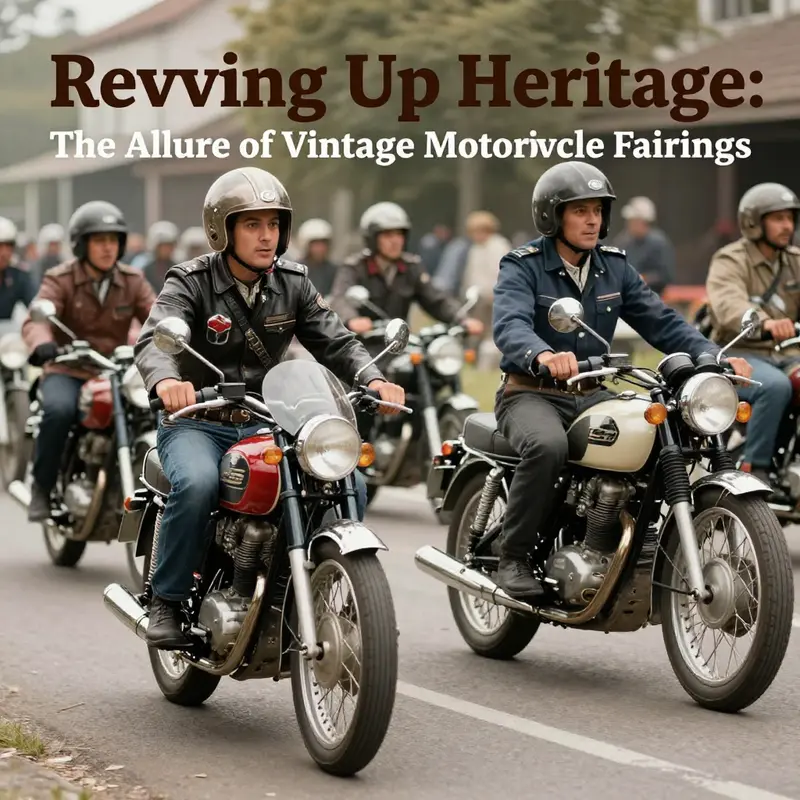
1. Modern Innovations Breathing New Life into Classic Motorcycle Aesthetics and Performance
The realm of vintage motorcycle fairings is witnessing a remarkable transformation driven by the very technologies that once seemed exclusive to modern motorcycles. Today, innovations such as 3D scanning, digital modeling, computer-aided design (CAD), and even augmented reality are not merely modern conveniences; they are crucial tools revitalizing and preserving the rich heritage of motorcycling. By marrying the nostalgic designs of yesteryear with cutting-edge manufacturing processes, enthusiasts can enjoy the best of both worlds—authentic aesthetics paired with contemporary performance enhancements.
One of the most significant breakthroughs in this domain is the use of 3D scanning and digital modeling. These technologies allow restorers to capture the iconic curves and details of original fairings accurately. With a sophisticated scanner, every contour, groove, and characteristic shape of a vintage fairing can be digitally recorded, preserving its nostalgic essence. This preservation is critical for enthusiasts who wish to recreate or restore classic motorcycles to their former glory while ensuring that the replicated parts maintain the nuanced variations found in the originals. By utilizing modern materials, such as carbon fiber or high-density foam, restorers can not only achieve a faithful representation of classic designs but also improve the durability and performance of these components.
Additionally, the capabilities of computer-aided design (CAD) are redefining how vintage motorcycle fairings are conceptualized and manufactured. CAD allows for the recreation of often rare or damaged fairing components that existing archives or original parts may not be available. By feeding scans or blueprints into CAD software, custom fairing designs can emerge, ensuring an authentic fit while also enhancing overall aerodynamics. Additive manufacturing—commonly known as 3D printing—further democratizes the restoration landscape by enabling enthusiasts to produce specialized parts at a fraction of the traditional cost while ensuring compatibility with a wide array of motorcycle models.
As custom parts become more accessible, vintage motorcycle ownership is not only sustained but expanded. For many riders, the allure of integrating modern technologies into a classic bike is a blending of old-world charm with new-age performance. A classic motorcycle equipped with a beautifully crafted fairing not only serves as a mode of transport but also as a piece of art reflecting personal style and a deep-seated appreciation for motorcycle history.
The role of augmented reality (AR) cannot be overlooked in this evolving landscape. AR applications allow users to visualize prospective fairings on their motorcycles before making a purchase. Imagine a rider standing beside their classic bike, aiming their smartphone camera at the machine, and instantly viewing a digital overlay of various fairing designs. This technology fosters emotional connections to heritage designs that transcend mere visual appreciation. Additionally, it acts as a powerful educational tool, allowing newer generations of riders to explore motorcycle design history interactively.
No discussion of modern innovations would be complete without mentioning blockchain technology, a system that adds a new layer of legitimacy and provenance to the vintage motorcycle fairing market. As the prevalence of counterfeit parts rises, blockchain can assure buyers of the authenticity of their fairings. This technology creates tamper-proof records that document ownership, restoration history, and even the specifications of each piece. Such transparency not only combats counterfeiting but also strengthens the global vintage motorcycle community by enabling secure transactions and fostering trust among buyers and sellers.
These cutting-edge technologies redefine how vintage motorcycle fairing culture is nurtured and appreciated. As restorers and enthusiasts leverage modern approaches, the value of classic motorcycles is being redefined. It’s a powerful narrative that emphasizes how heritage and nostalgia can coexist harmoniously with innovation and advancement. The unique interplay of these elements invites riders to reconnect with the past while making strides toward the future.
Moreover, incorporating such advanced technologies has encouraged a resurgence of interest among new motorcycle enthusiasts. Digital platforms like eBay and numerous niche retailers have begun to reflect this shift by making a wide variety of vintage fairing styles more readily available. Riders can find everything from the robust and iconic batwing design to sleek, performance-oriented styles inspired by racing heritage. Whether one is restoring a classic bike or enhancing a modern custom build, this blend of technology with traditional aesthetics ensures there’s something for everyone in the vintage motorcycle fairing market.
As the lines between vintage and modern continue to blur, enthusiasts from all walks of life find joy in crafting their own unique narratives around classic motorcycles. The ability to source precise reproductions, along with the artistic freedom afforded by modern technology, has invigorated the culture around vintage fairings. Customization options have become endless, allowing riders to express their personal style while also championing the heritage that laid the foundational principles of motorcycle design.
Looking ahead, the future of vintage motorcycle fairings holds endless possibilities. Continuous advancements in digital fabrication techniques, improved materials, and integrations of advanced technology will likely sustain interest in vintage motorcycles, enhancing not just their performance but also their narrative power. Each ride on a vintage motorcycle outfitted with cutting-edge fairings serves as a statement—a celebration of where the past meets the present, and an exhilarating ride into the future. For more on the various styles available, riders can explore a comprehensive selection at Ultimate Motor X.
2. Heritage and Economic Value in the Vintage Motorcycle Fairing Market
In the realm of vintage motorcycle fairings, the confluence of heritage and nostalgia gives rise to profound economic implications, shaping both market dynamics and the collective cultural landscape of motorcycling enthusiasts. Classic motorcycles, particularly those that bear the iconic emblems of legendary brands such as Harley-Davidson, transcend mere mechanical structures; they embody a storied past that resonates deeply with collectors and riders alike. The interplay of emotion, history, and craftsmanship elevates these machines to coveted collectibles, thereby significantly enhancing their market value.
A prime example is the Harley-Davidson Heritage Classic, a modern interpretation that masterfully marries vintage aesthetics with contemporary engineering. This model—notably equipped with features like the Milwaukee-Eight 117 engine and advanced traction control—offers an enticing option for both the seasoned rider and the casual enthusiast. This blend of nostalgic styling with cutting-edge functionality illustrates how manufacturers capitalize on the enduring appeal of heritage, not merely to attract traditionalists, but also to engage a newer, tech-savvy audience seeking the spirit of the past within modern capabilities. The result is a thriving demand for vintage-inspired fairings that not only appeal to sentiment but also promise optimized performance.
This economic eco-system thrives on the foundational concepts of rarity and authenticity. Within the vibrant global motorcycle community, there exists a palpable appreciation for craftsmanship and storytelling. Enthusiasts actively invest in restoration projects, attend niche collector events, and participate in exhibitions, all of which serve to celebrate the lifestyle and culture that flourishes around these vintage machines. These activities foster local economies by attracting tourism and generating revenue through retail sales and specialized services. In this sense, vintage motorcycle fairings are far more than aesthetic upgrades; they provide essential economic stimuli that uplift surrounding communities.
Notably, the emotional narratives tied to vintage motorcycles intensify their financial allure. These motorcycles are often perceived as cultural artifacts, each bearing a unique story that connects the owner to a greater history of motorcycling passion. As nostalgia blankets this community, fairings designed to honor the legacy of past models become extremely sought after. This intrinsic value becomes evident when examining popular online marketplaces where accessories, parts, and custom fairings for brands including Honda and Ducati are traded with fierce enthusiasm.
For example, a dedicated enthusiast restoring a classic Honda may visit platforms like eBay or specialized retail sites that provide a variety of options for fairings designed for Honda models. This market adequacy not only caters to individual tastes but also boosts the overall health of the industry. Successful restorations often culminate in elevated resale values, creating a feedback loop that encourages further investment and participation.
In addition to the emotional resonance, vintage motorcycle fairings also invoke the allure of status and exclusivity, a factor that can significantly affect consumer decision-making. Within this context, owning a classic bike outfitted with a carefully chosen fairing can become a symbol of prestige and identity—a badge signifying belonging to a group of discerning connoisseurs who appreciate both the art of motorcycling and the intricate designs that have evolved over time.
As the market continues to evolve, manufacturers are increasingly aware of the necessity to integrate modern trends while preserving the vintage essence that riders cherish. For example, brands like Kawasaki have shown prowess in navigating these waters with exciting offerings that appeal to both nostalgic consumers and forward-thinking riders. This commitment to remembering the past, while also embracing future possibilities, reflects broader societal trends of looking back for inspiration, fueling a continually revitalized market.
Moreover, the availability of affordable, high-quality reproductions and custom fairings through platforms like Alibaba and AliExpress has democratized access to vintage motorcycle aesthetics. This accessibility invites new riders into the fold and promotes customization, allowing individuals to personalize their motorcycles in ways that reflect both their personality and connection to the style’s heritage. Thus, while the original fairings command premium prices due to their authenticity, the influx of replicas ensures that the culture surrounding vintage motorcycles remains vibrant.
The financial aspects of vintage motorcycle fairings also extend into the realm of aftermarket parts and accessories. As demand fluctuates with trends and preference shifts, the production of fairings can also influence a broader economic landscape. More businesses cater to the change by offering specialized services—such as custom painting, repairs, and restoration consulting—crafting an entire ecosystem around the vintage motorcycle lifestyle. This adaptability is a crucial factor; it allows for continuous evolution and sustained growth within the industry.
Lastly, the allure of vintage motorcycles and their fairings can be further examined through comparison with modern models. While contemporary motorcycles often emphasize technology and functionality, it is the classic designs that recall an era of simplicity and style that truly captivates the imagination. The quest for authentic vintage experiences drives the market, suggesting that the economic prospects are bolstered by an enduring fascination with the past.
As we analyze the intertwined economic impacts of heritage and nostalgia within vintage motorcycle fairing culture, it’s essential to recognize the value placed not just on the machines themselves, but on the storytelling and crafts behind them. Understanding this market provides insights into consumer behavior, evolving trends, and economic potential, ensuring that the culture of vintage motorcycles continues to thrive amid the ever-changing landscape of motorcycling. This rich tapestry of history, emotion, and craftsmanship is what ultimately solidifies the place of vintage fairings within the broader narrative of motorcycle culture, lending significant economic depth to an industry saturated with passion and community spirit.
Final thoughts
Understanding the vital role of vintage motorcycle fairings allows businesses to tap into the growing market for both aesthetic and performance-driven products. The design benefits not only enhance the ride but also connect riders to a rich history of motorcycling. Customization trends highlight the versatility of these fairings, while an accessible marketplace offers ample opportunity for engagement. With strong ties to heritage and nostalgia, vintage motorcycle fairings remain a compelling investment in both rider experience and business potential. Capitalizing on these insights will empower entrepreneurs to engage deeply with the vintage motorcycle community and drive future success.
Upgrade your ride with UltimateMotorX’s premium motorcycle fairings—durably crafted, precision-fitted, and stylish. Shop now for fast shipping and expert support.
About us
At UltimateMotorX, we’re rider-founded experts in top-tier motorcycle fairings. We source premium materials, partnering with trusted manufacturers for perfect fits and durability. Enjoy expert advice, hassle-free returns, and seamless shopping. Ride with confidence—style and quality guaranteed!