
Introduction
Universal motorcycle fairings represent a significant evolution in motorcycle accessories, combining style with function. These adaptable components not only enhance the aesthetics of various motorcycle models but also provide essential wind protection that can be modified according to the rider’s preferences. As we delve into this guide, we’ll cover the different types of universal fairings and their unique benefits, customization options that allow personalization, the ease of installation and compatibility, and the overall impact these fairings can have on the riding experience. Each chapter will provide valuable insights to help business owners understand how universal motorcycle fairings can elevate their offerings and enhance customer satisfaction.
Tables of Contents
Chapter 1: Exploring Full Fairings: The Pinnacle of Motorcycle Aerodynamics and Comfort
- Full Fairing: The Ultimate Solution for Performance and Protection
- Quarter Fairing: Embracing Lightness for Performance and Style
Chapter 2: Exploring the Customization Landscape of Universal Motorcycle Fairings
- Innovative Customization Strategies for Universal Motorcycle Fairings
- Expressing Individual Style: Model-Specific Customization and Enhanced Performance through Universal Fairings
Chapter 3: Mastering the Mount: A Step-by-Step Guide to Installing Universal Motorcycle Fairing
- Navigating the Installation Process of Universal Motorcycle Fairings
- Navigating Compatibility: Key Factors for Choosing the Right Universal Motorcycle Fairing
Chapter 4: Enhancement of Riding Experience through Universal Motorcycle Fairings
- Revolutionizing the Road: How Technological Innovations Enhance Universal Motorcycle Fairings
- The Broader Impacts of Universal Motorcycle Fairings: Economic Viability and Societal Benefits
Chapter 1: Exploring Full Fairings: The Pinnacle of Motorcycle Aerodynamics and Comfort

1. Full Fairing: The Ultimate Solution for Performance and Protection
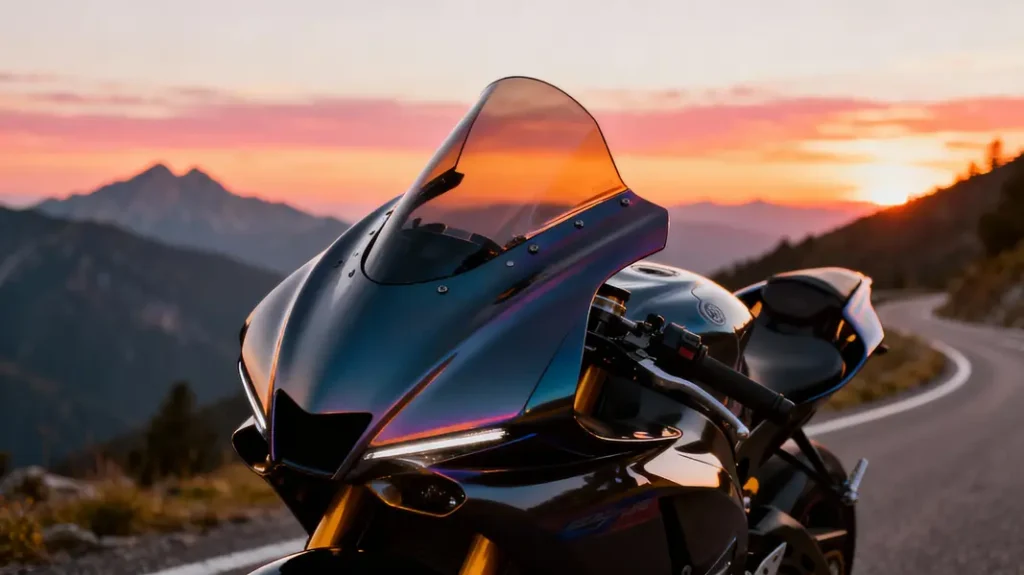
The full fairing stands as a testament to motorcycle design evolution, merging functionality, safety, and aesthetic allure into a single cohesive unit. This type of fairing envelops the entire front section of a motorcycle, extending from the headlight back to the lower body, creating a streamlined shell that houses and protects critical components. With its extensive coverage, full fairings are particularly favored in the sportbike and touring categories, where high-speed performance and rider comfort are paramount.
One of the most significant advantages of a full fairing is its contribution to aerodynamics. By significantly reducing air resistance, these fairings allow motorcycles to slice through oncoming wind with ease, enhancing both acceleration and top speed. Riders who prioritize performance soon realize that the aerodynamic shape can lead to sharper handling and more responsive control, especially when navigating twisty roads or when accelerating on the highway. Real-world tests have demonstrated that a well-fitted full fairing can improve fuel efficiency, especially at speeds above 55 mph, where the reduction in drag becomes even more apparent.
However, the benefits do not end with aerodynamics. Full fairings serve an essential role in wind protection, which is crucial for rider comfort over long distances. The wind blast that accompanies high-speed riding can lead to fatigue and discomfort, but with a full fairing, riders experience a significant reduction in wind pressure, enabling a more relaxed posture. This feature becomes especially valuable during extended rides, where maintaining comfort can directly impact safety and enjoyment.
Additionally, full fairings offer a degree of weather protection, creating a shield against rain, cold air, and road debris. This weather resistance allows riders to venture out in less-than-ideal conditions with more confidence, knowing they have some barrier against the elements. The practical benefits of comfort and protection are essential, particularly for touring enthusiasts who may find themselves riding through varying climates and weather conditions.
The aesthetic appeal of full fairings cannot be overlooked. Their sleek design enhances the look of a motorcycle, often contributing to a sportier, more aggressive profile that many riders find appealing. Full fairings can be customized in terms of colors, finishes, and decals, allowing riders to personalize their motorcycles to reflect their style. This visual enhancement can also contribute to the motorcycle’s perceived value and investment, making full fairings a popular choice among enthusiasts looking to express their individuality.
An often-overlooked benefit is the impact that full fairings can have on the longevity of motorcycle components. By shielding critical parts from dust, debris, and moisture, full fairings provide a protective barrier that can help extend the life of expensive electronic components, the engine, and other vital systems. Riders understand that maintaining their motorcycles is an integral aspect of their passion, and investing in a full fairing can ultimately lead to lower maintenance costs over time.
There are several types of fairings, each serving specific functions, but full fairings remain at the top tier for those prioritizing performance and long-distance comfort. They are particularly popular in sport and racing motorcycles, where balance, handling, and aerodynamics play essential roles in performance. Their design fully envelops and enhances the aesthetics and functionality of the bike, making them indispensable for riders who demand the best.
Conversely, choosing the right fairing type depends on rider preferences and intended use. While full fairings excel in maximized aerodynamics and protection, alternatives like half fairings may offer a compromise between comfort and a connected ride feel appreciated by riders who favor café racers or sport-touring dynamics. For those who lean towards a minimalist approach, quarter fairings provide basic wind protection without the extensive coverage a full fairing offers. Each type has its audience, catering to unique riding styles and preferences.
It’s crucial to consider the fit and installation of a full fairing. Poorly fitted fairings can inadvertently increase drag, negating the benefits they are designed to provide. Ensuring a proper fit requires thorough research and, ideally, professional installation to guarantee that aerodynamic benefits are maximized while rider safety is uncompromised.
In the ever-evolving landscape of motorcycle customization, full fairings remain a pivotal choice for riders seeking not just performance but an enhanced riding experience. From serious long-distance tourers benefiting from wind and weather protection to speed enthusiasts reveling in the aerodynamic advantages, full fairings encapsulate a holistic approach to motorcycle performance and enjoyment. In this dynamic realm, every detail matters, and full fairings present a definitive solution for combining protection, style, and speed.
As motorcycle technology advances, materials have also enhanced the utility of full fairings. The use of polycarbonate, for example, offers excellent durability while maintaining a lightweight structure, ensuring that high-performance motorcycles remain agile, even with added bodywork. A range of finish options, from gloss to matte, can not only personalize a bike but also improve resistance to wear and tear, affirming the importance of choosing quality materials to achieve both form and function for the bike’s full fairing.
In conclusion, full fairings stand out as the quintessential solution for motorcycle enthusiasts aiming for the perfect blend of style, protection, and performance. As riders explore various fairing options, understanding the advantages that full fairings bring is crucial for making an informed decision that aligns with their riding aspirations. For those passionate about refining their ride, investing in a full fairing can undoubtedly elevate the motorcycle experience to new heights. For further insights into custom fairings and designs, consider exploring more at Ultimate MotorX.
2. Quarter Fairing: Embracing Lightness for Performance and Style
Quarter fairings, commonly referred to as partial or half fairings, are a distinctive choice for motorcycle enthusiasts seeking a blend of functionality and aesthetics. Unlike full fairings that envelop the entire front of the motorcycle, quarter fairings provide strategic coverage that begins at the handlebar area and extends downward to roughly the midsection of the bike. This design facilitates a unique combination of weight advantages, aerodynamic improvements, and rider comfort, making them an appealing option across various motorcycle types from cruisers to sport bikes.
Defining Characteristics
At first glance, quarter fairings maintain a sleek and sporty profile, constructed from lightweight materials such as fiberglass, ABS plastic, or carbon fiber. These materials not only offer durability but also minimize the overall weight—an essential characteristic that can influence the ride. By providing only partial coverage, quarter fairings allow motorcyclists to retain some of the bike’s original handling and overall appearance while enhancing its aerodynamic properties. This makes them particularly versatile, as they can readily fit models from diverse manufacturers, including renowned names like Harley-Davidson and Ducati.
Key Benefits of Quarter Fairings
The benefits of quarter fairings are multifaceted, addressing various aspects of a motorcyclist’s riding experience:
-
Lightweight Design:
The hallmark of quarter fairings is their reduced weight compared to full fairings. Motorcycle performance can greatly improve thanks to this lightweight construction, which helps enhance acceleration, braking, and overall agility on the road. Compact models, often referred to as solo fairings, exemplify this advantage perfectly, emphasizing a minimalist design that appeals to performance enthusiasts. -
Aerodynamic Gains:
With improved airflow dynamics, quarter fairings successfully reduce drag while riding. This streamlined design leads to better fuel efficiency and higher speed capabilities, which can be crucial when navigating highways or racing tracks. Riders can experience a noticeable difference in how effortlessly their motorcycle cuts through the wind, enhancing both comfort and control. -
Rider Comfort:
One of the most significant advantages of quarter fairings lies in their ability to minimize wind buffeting at higher speeds. This reduction in turbulence can make long rides less exhausting, lessening fatigue as the rider is shielded from harsh airflow. Coupled with thicker, clearer windshields, the setup can dramatically diminish helmet turbulence, transforming the riding experience into a more enjoyable and less strenuous endeavor. -
Ease of Installation and Cost:
Quarter fairings’ universal designs often do not necessitate major modifications for installation. This straightforward fitting process appeals to riders looking for upgrades without the inconvenience of complex installations. Additionally, their simpler construction usually comes at a lower price point compared to full fairings, making them an attractive option for those on a budget. -
Customization:
Many manufacturers recognize the desire for individuality among riders, offering a range of customization options for quarter fairings. Riders can choose from various materials, finishes, and colors to create a unique look that reflects their personal style, effectively transforming their motorcycle into a personalized machine without sacrificing core functionalities.
Comparison with Other Fairings
When comparing quarter fairings to other types, such as full fairings and naked configurations, clear distinctions emerge:
| Fairing Type | Coverage | Weight Impact | Key Pros | Key Cons | Example Models |
|—————————–|————————————-|———————————-|————————————————-|————————————–|————————————|
| Quarter (Solo/Partial) | Partial front (handlebars to midsection) | Low (lightweight materials) | Easy installation, affordable, preserves handling | Limited wind protection for long tours| National Cycles VStream, Guts Cycle Solo |
| Full (Batwing/Shark-Nose) | Extensive front enclosure | High | Maximum wind deflection, tech integration | Heavier, costlier, alters low-speed handling | Harley Touring bikes |
| Naked (No Fairing) | None | Lowest | Pure simplicity, agile | High wind exposure, rider fatigue | Yamaha MT-03 |
As indicated, quarter fairings strike a harmonious balance between performance enhancement and aesthetic flair. While they may not provide the same level of wind protection as full fairings, their design allows for greater motorcycle handling and flexibility, making them ideal for both casual riders and serious enthusiasts. Riders focused on performance can certainly benefit from these lightweight pieces of equipment without compromising their bikes’ original feel.
In conclusion, quarter fairings represent an essential category within universal motorcycle fairings that caters to riders who seek functional wind protection with minimal weight. This versatile solution allows riders to experience adventure and comfort simultaneously while maintaining a unique style. With many options available for customization, riders can easily integrate quarter fairings into their motorcycle setups, ultimately enhancing both the appearance and performance of their beloved machines. For those in pursuit of this lightweight enhancement, exploring various offerings in the market can lead to the perfect match for their individual riding needs and preferences.
Chapter 2: Exploring the Customization Landscape of Universal Motorcycle Fairings
1. Innovative Customization Strategies for Universal Motorcycle Fairings
Customization is a cornerstone of motorcycle culture, allowing riders to reflect their personality and enhance their bike’s functionality. Universal motorcycle fairings serve as a canvas for this self-expression, offering various customization options that cater to both aesthetic desires and practical needs. The adaptability of these fairings, designed to fit multiple motorcycle models, lends itself well to diverse personalization strategies, enabling riders to achieve a unique look while enjoying enhanced aerodynamics and wind protection.
A comprehensive understanding of the key categories of universal fairings is essential for riders looking to customize their motorcycles effectively. Broadly, these categories can be delineated into full, quarter, clip-on, slimline, ducktail, and batwing fairings. Each category presents unique characteristics that influence customization options. Full fairings are the most expansive, offering maximum wind and weather protection along with built-in lighting and instrumentation. While they improve aerodynamic efficiency, their substantial size can be a drawback for those seeking a lighter, more minimalist look.
On the other hand, quarter fairings epitomize a balance between form and function. Known for their lightweight and subtle design, these fairings provide enough wind protection for daily commutes while being easy to install on various models. This versatility makes them particularly appealing for riders who prioritize both style and functionality. Meanwhile, clip-on fairings are perfect for café racers and custom bike enthusiasts as they allow retrofitting on non-faired models, providing that desirable vintage look without the bulk of larger fairings. However, caution is necessary to ensure that these options are robust enough to handle the vibrations experienced at higher speeds.
For those seeking a truly aggressive aesthetic, slimline and low-profile fairings are ideal. Their sleek silhouette complements bikes like the Harley Road King, enhancing the overall aggressive style while still offering a degree of wind protection. They minimize surface area without sacrificing the essential wind deflection, catering particularly to riders who appreciate design that merges function with flair. Similarly, ducktail fairings offer a unique take by focusing on reducing turbulence and enhancing sporty visuals. Although primarily aesthetic, they often draw the eye and can be a statement piece on streetfighters and bobbers.
Among these categories, batwing fairings stand out, particularly for touring motorcycles. They combine style and practicality perfectly, often equipped with storage compartments and audio systems, making them the preferred choice for long rides. Their substantial coverage provides significant wind deflection, making them invaluable for those who regularly embark on lengthy journeys, offering comfort and convenience alongside classic styling.
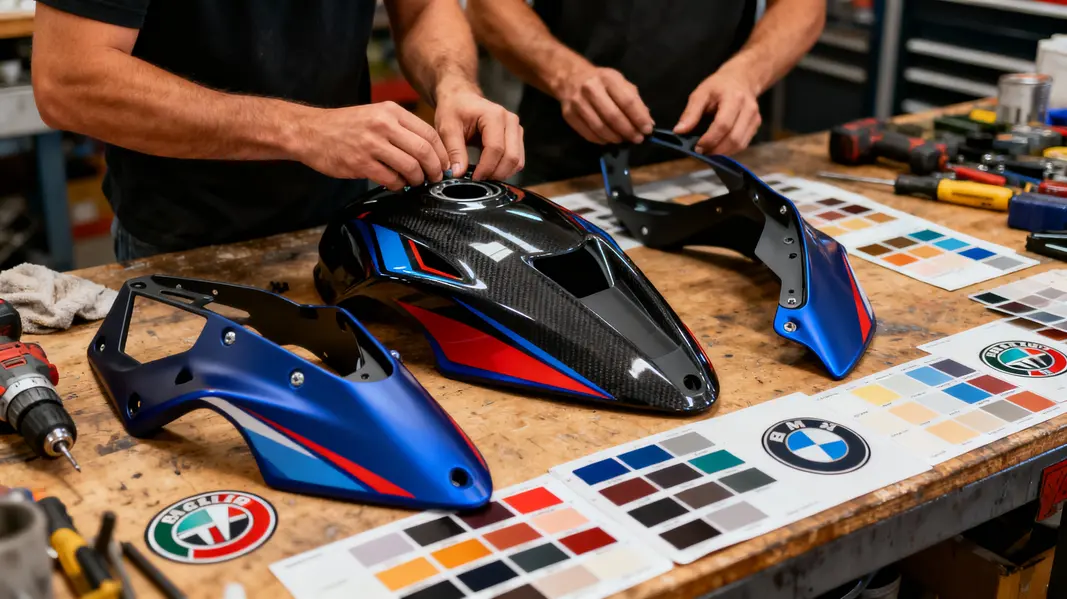
Diving deeper into customization strategies, various techniques can be explored. Color and finish changes are among the most impactful alterations one can make. Riders can opt for factory-painted finishes for convenience or choose raw gel-coat options to express their creativity through custom paintwork. The allure of personalized colors, including vibrant custom shades or matte finishes, means riders can curate an appearance that stands out in any crowd while enjoying UV-resistant coatings that maintain the look over time.
Logo and graphic modifications provide another layer of personalization, allowing riders to add unique identifiers or remove existing graphics to achieve a cleaner finish. The meld of graphics that align with the motorcycle theme or personal interests can transform a fairing from an off-the-shelf component into a genuine artifact of their personality.
In the realm of integrated add-ons, the customization potential flourishes even more. Riders can enhance their fairings with audio systems, storage trays, windshields in varied heights and tints, and even sportbike aesthetics with spoiler wings. These integrated components not only add functionality but can also heighten the visual appeal, ensuring the fairing complements the bike’s overall look.
Mounting adaptations are crucial for ensuring that the chosen customization aligns seamlessly with the motorcycle’s specifications. With universal brackets and kits being widely available, many modifications can install without significant alterations to the frame geometry, although some models may require minor adjustments for optimal fitment.
Furthermore, material and design tweaks like aerodynamic contours can enhance a fairing’s performance. Wind-tunnel testing provides insights into the most effective shapes for deflecting air, increasing comfort for the rider while improving the bike’s inherent design. Customizing fairing shapes to accommodate specific riding styles or conditions can lead to wonderfully enhanced handling.
To ensure a successful installation and optimal performance, rider vigilance in selection and installation tips is vital. Prioritizing fitment according to the bike’s year, make, and model, while examining the durability of materials, can prevent costly errors. A solid understanding of the components’ alignment will further enhance rider experience by reducing potential vibrations during rides. The balance of material choice between convenience and customization potential is something every rider must navigate, as finishing touches can mean the difference between a functional component and a remarkable one.
Ultimately, the journey of customizing universal motorcycle fairings is as thrilling as riding itself. Exploring options not only enhances the motorcycle but allows a deeper connection between the rider and their machine. Whether flat out on the highway or cruising through city streets, the personalized fairing embodies the spirit of the ride. For those seeking more customization insights and options, resources such as Ultimate MotorX provide extensive catalogs tailored to diverse motorcycle needs, ensuring riders can achieve that perfect balance of individuality and practicality.
2. Expressing Individual Style: Model-Specific Customization and Enhanced Performance through Universal Fairings
Universal motorcycle fairings offer riders a unique blend of personalization and performance enhancement across various motorcycle models. Customization options can transform the visual appeal of a bike while also improving its aerodynamic capabilities. However, the effectiveness of these adjustments largely depends on understanding model-specific compatibility, ensuring that the chosen fairing elevates both style and ride quality.
The realm of customization is vast, particularly when it comes to universal fairings designed to accommodate diverse models like the Harley-Davidson Road King, Dyna Glide, and Kawasaki Ninja ZX. At the forefront are the paint and finish choices available to riders. Opting for painted fairings enables enthusiasts to match their motorcycle’s color scheme or discover raw gel-coat options, which are perfect for those who desire a more tailored look. Custom finishes, such as matte, gloss, or even carbon fiber patterns, can add an extra level of sophistication to any bike.
Furthermore, the ability to modify designs is another exciting avenue for customization. Companies often allow alterations, which could include logo removals, color tweaks, or updates corresponding to specific bike models year. Riders can also mix and match stylistic kits to create a unique fusion that captures their personal aesthetic. These modifications not only cater to individual tastes but also serve the practical purpose of enhancing the motorcycle’s visibility with options such as reflective paint and bespoke graphics.
Alongside these aesthetic enhancements, integrated features available in many universal fairings provide additional functionality. Built-in accessories, such as tinted windshields, storage compartments, or even audio-ready shells, can make a significant difference to the riding experience. For instance, fairings designed specifically for sporty models may incorporate smoke windshields that add a sleek touch while serving a practical purpose of reducing glare and enhancing visibility.
When it comes to mounting options, selecting the right hardware is paramount—this aspect cannot be overlooked in ensuring a secure fit. Universal bolt kits paired with model-specific brackets, whether fork-mounted or nacelle-mounted, enable riders to use existing factory attachment points. This ease of installation can save time and effort while allowing riders to get back on the road quickly, enjoying the enhanced aesthetic and performance benefits.
However, in the quest for customization, riders must be mindful of the model-specific considerations associated with their choice of fairing. Every motorcycle has unique geometric details that dictate how a fairing will fit. For example, the Harley-Davidson Road King presents options such as slimline fairings, which offer an aggressive low-slung look; batwing fairings that are ideal for long-haul rides; and touring configurations engineered for optimal wind and rain protection. The choice among these types should take into account the rider’s style preferences and typical riding conditions.
Similarly, the Harley-Davidson Dyna Glide, particularly models like the Wide Glide FXDWG/FXWG, benefit from universal headlight fairings equipped with smoke windshields that provide optimal compatibility while enhancing the motorcycle’s performance. Sportbike options, like the Kawasaki Ninja ZX series, can integrate universal spoiler wings to maintain sleek aesthetics while improving ride dynamics without compromising the bike’s structural integrity.
Specific considerations also extend to brands like Yamaha, where comprehensive kits ensure riders can select custom colors and logos that align with Yamaha’s inherent design language. It’s essential to verify the durability of the ABS or acrylic materials used, as they will affect longevity and performance under varying environmental conditions.
The impact of fairing selection extends beyond mere aesthetics; it profoundly influences the motorcycle’s ride quality, weight distribution, and overall handling. The transition from traditional designs to more aerodynamic models can transform how a motorcycle feels and performs on the road. Riders should prioritize fairings that have undergone wind tunnel testing, ensuring that airflow management is optimized—especially for long rides where stability is paramount.
In understanding the performance impact, it becomes clear that selecting the right fairing type can enhance comfort by reducing turbulence and fatigue over longer distances. A full fairing, while heavier and possibly more costly, provides extensive aerodynamics and wind/weather protection, making it best for highway touring. In contrast, lighter options like quarter fairings or slimline fairings cater more toward city commuters who favor style and agility over wind protection.
Determining the best fairing for a motorcycle isn’t merely about fitting a piece onto the frame. It requires a thoughtful examination of how each model interacts with the chosen fairing design, as this will dictate not just style but performance outcomes. It’s advisable for riders to evaluate the rigidity of the fairings to minimize vibrations while riding at high speeds, which can otherwise detract from the joy of the ride and lead to discomfort.
In conclusion, the process of customizing a universal motorcycle fairing is an art that blends functionality with the expression of personal style. Through careful consideration of model-specific factors, riders can elevate both their motorcycles’ aesthetic appeal and riding performance. The balance created between visual enhancement and practical application leads to a distinct riding experience that is as individual as the rider themselves.
For those looking to kickstart their journey toward a personalized motorcycle, exploring the myriad options available can be both exciting and rewarding. Check out the customization features available through various retailers to find the perfect components that resonate with your vision of riding perfection at Ultimate Motorx.
Chapter 3: Mastering the Mount: A Step-by-Step Guide to Installing Universal Motorcycle Fairing
1. Navigating the Installation Process of Universal Motorcycle Fairings
Installing a universal motorcycle fairing can significantly enhance both the aesthetics and functionality of your motorcycle. However, to achieve the best results, it is vital to follow a structured installation process carefully tailored to the unique requirements of universal fairings. This guide walks you through every essential step of the installation, ensuring your fairing is well-secured, properly aligned, and complementing your bike’s design.
Preparation Steps
Before diving into the installation, adequate preparation is key. Equip yourself with the essential tools and take a moment to assess your motorcycle’s readiness for a fairing upgrade.
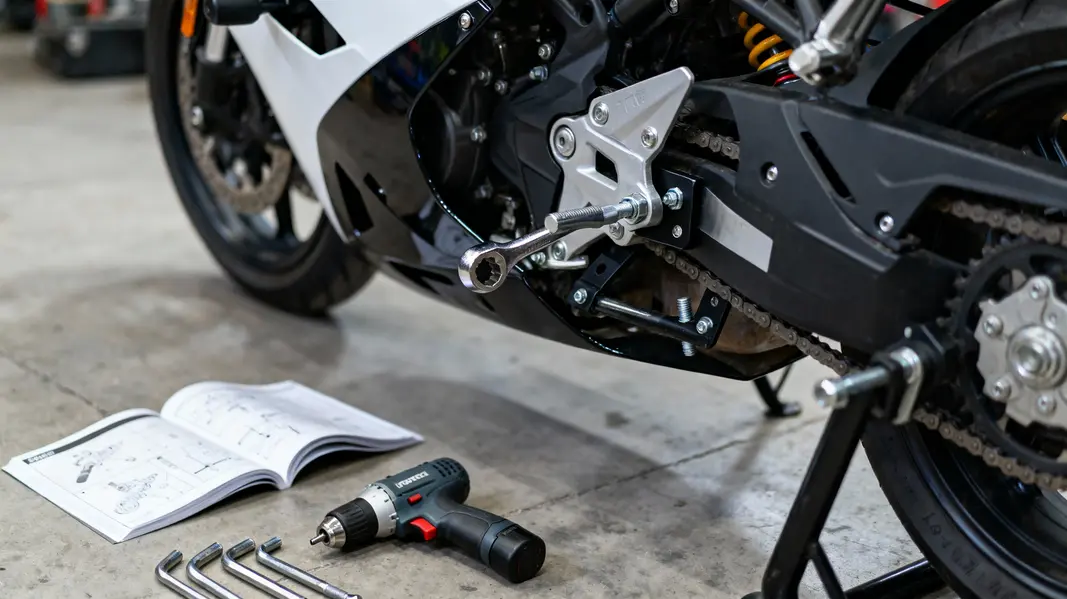
- Gather Tools and Hardware: The installation process demands specific tools, including:
-
A drill (certain models may require this for adjustments)
-
Screwdrivers suitable for various screw types
-
Wrenches for bolting components securely
Make sure to have the required hardware on hand, which typically includes:
-
M5 bolts (approx. 48mm in length for standard applications)
-
Rubber well nuts, which help absorb vibrations
-
Washers that prevent wear and tear
-
Aluminum fasteners if the fairing attaches to bodywork.
-
Clean and Inspect the Motorcycle: Preparation requires thorough cleaning. Begin by removing any existing windscreens or panels. This not only makes it easier to install the new fairing but also allows for a critical inspection of the fork tubes or other mounting points. Make sure these areas are free from dirt or grease, which can interfere with the installation. While universal fairings fit many motorcycles, certain adjustments may be necessary depending on your bike’s brand and model, so verify compatibility.
-
Check the Fairing Kit: Ensure your fairing kit includes all necessary components such as mounting brackets, the windshield (if applicable), and any stylistic elements like smoke-tinted lenses noted for visibility while riding at higher speeds.
Mounting Process
Once you’ve gathered your tools and ensured your motorcycle is ready, it’s time to install the fairing itself. This process generally includes several steps, but depending on the specific fairing and bike, variations may occur.
-
Attach Fork Brackets: Start by positioning the mounting brackets around the fork tubes. Many universal fairings will require you to drill holes through the fairing to align them correctly. This step may vary by model, so take your time to ensure the brackets are correctly positioned to avoid misalignment.
-
Secure Hardware: With the brackets in place, use your bolt kit to attach the fairing to the brackets firmly. The inclusion of rubber well nuts and washers is crucial in this stage as they provide more stability and mitigate vibrations generated during rides. Always check for the standard M5 pattern specifications, ensuring the fit aligns with your motorcycle’s framework.
-
Install Windshield and Accessories: If your fairing comes with a windshield, now is the time to bolt it in place along with any additional accessories included in your kit. Consider upgrading any stock screws to stainless steel or more durable alternatives for improved longevity. It is vital to ensure that all fasteners are tightened evenly, as this prevents subsequent vibrations that could lead to loose fittings over time.
Final Checks and Tips
After completing the initial installation, it’s crucial to conduct thorough testing to ensure everything is secure and functioning as it should.
-
Test Fit on the Bike Before Final Torquing: Before you tighten everything to specifications, test the fit of the fairing. Check to see that it doesn’t interfere with handlebars, lights, or cables. Given the universal nature of these fairings, this attention to detail is necessary to avoid any operational problems.
-
Common Challenges: Be prepared for possible discrepancies during installation. Some models may necessitate drilling adjustments, especially if the fit does not appear perfect from the start. It’s essential to remain patient and methodical as you work through these challenges to ensure a proper fit.
-
Safety Precautions: No specialized training is needed; however, while installing, it’s critical to wear proper safety gear such as goggles and gloves. Select a stable and well-lit area for your work to prevent accidents during the installation phase.
Additional Information
It is worth noting that while this guide covers general hardware and installation instructions, certain model-specific recommendations might be found in your fairing kit’s manual. Always follow manufacturer guidelines for torque specifications to ensure safe and effective installation. If you’re interested in exploring various fairing types and styles, consider visiting specialized parts retailers such as Ultimate Motorx, where you can find a range of options tailored to your specific motorcycle configuration.
In conclusion, following this comprehensive guide to installing a universal motorcycle fairing will help ensure you achieve the results you’re looking for while enhancing your ride’s functionality and style.
2. Navigating Compatibility: Key Factors for Choosing the Right Universal Motorcycle Fairing
When considering the purchase of a universal motorcycle fairing, it’s crucial to navigate the compatibility nuances that exist between various bike models. While the term “universal” suggests a one-size-fits-all solution, the reality is far more complex. A successful installation hinges on understanding multiple dimensions of fit, including fork specifications, headlight sizes, and mounting configurations, among others. Taking the time to investigate these factors will not only enhance the performance of the fairing but also prevent potential installation headaches that can arise from mismatched components.
Key Compatibility Factors
To start, the mounting region of the motorcycle must be compatible with the universal fairing in question. Specifically, fork diameter plays a vital role. Many designs cater to a range of fork sizes, usually between 35mm and 49mm, which aligns with many standard motorcycle builds. For instance, a model such as the Harley Sportster 1200 Low, produced from 2007 onward, falls neatly within these parameters. However, not all motorcycles will align perfectly; thus, it’s paramount to verify the fork diameter against the fairing specifications before making any decisions.
Headlight integration is another critical aspect. Most universal fairings are designed with specific headlight sizes in mind, most commonly around 5.75 inches. This factor is instrumental not only for aesthetics but also for functional performance, as the fairing often has to accommodate headlight alignment to ensure visibility while riding. Without confirmation, installing a fairing with incompatible dimensions could lead to obstructed vision and a compromised ride.
Mounting and Brackets
The next component of compatibility involves the fairing’s brackets and mounting hardware. Depending on the motorcycle frame, the alignment of these components can vary significantly. While some manufacturers provide adjustable universal mounts, they still might require modifications for an optimal fit. Compounding this issue is the nature of sportbike installations, where specific bolt kits are often designed for select models like the GSXR, CBR, or Ninja. Therefore, riders with sportbikes may face restrictions if their model does not accommodate these preset solutions. Understanding the specific mounting points on your motorcycle will help in selecting the correct fairing that can adapt effectively.
Moreover, it is worth noting that some motorcycle models come pre-ready for fairings, especially certain Harley Davidson Touring lineups. In contrast, models such as Softails or Sportsters may necessitate aftermarket kits for successful adaptations. Therefore, understanding your motorcycle’s unique makeup is essential in ensuring that the selected fairing will fit snugly without requiring excessive modifications.
Steps to Verify Compatibility
To effectively navigate the labyrinth of compatibility, there are tangible steps riders can take. First, cross-referencing product listings with the precise year, make, and model of your motorcycle is essential. Utilizing resources like RevZilla’s “Browse By Bike” tool can streamline this process significantly. By entering your motorcycle’s details, you can quickly ascertain which fairings are specifically designed or adapted for your particular ride.
Additionally, examining the integrated components is vital. Check aspects such as the headlight, turn signals, and air vents. Some fairings come with pre-drilled holes specifically tailored to align better with these built-in components, promoting ease of installation. Conversely, cheaper universal options often lack these refinements, leading to misalignment and other installation issues.
Going a step further, prioritizing reputable brands is another strategy for ensuring compatibility. Well-known manufacturers like Puig, GPR, and National Cycle invest significant resources in design and fitment research, providing products that maintain a higher standard for integration across diverse models. For example, Puig specializes in fairings that offer precise fitments for European motorcycles, while GPR focuses on the nuanced needs of sportbike riders.
Risks of Poor Compatibility
Ignoring compatibility issues can unleash a slew of problems. Mishaps often manifest in the form of alignment discrepancies, which can cause wind turbulence while riding; this can become quite bothersome during long rides. Beyond discomfort, there is more severe potential damage, such as UV degradation of poorly suited materials or electrical issues stemming from improper installations. Thus, ensuring adequate compatibility should be viewed as a foundational element of both performance and safety.
In summary, while universal motorcycle fairings can offer notable customization and protection benefits, their successful integration into your motorcycle requires meticulous attention to detail. Riders should consider fork and headlight dimensions, the nature of mounting and bracket systems, and specific model limitations. There are countless resources and tools available to clarify these compatibility factors, enabling riders to make informed choices tailored to their individual needs. While the thrill of personalizing one’s ride can be an exhilarating journey, ensuring that every component fits like a glove will pave the way for an enjoyable and safe riding experience. For those seeking a deeper dive into motorcycle fairing options, check out resources like Ultimate MotorX to explore more about diverse styles and applications tailored just for you.
Chapter 4: Enhancement of Riding Experience through Universal Motorcycle Fairings

1. Revolutionizing the Road: How Technological Innovations Enhance Universal Motorcycle Fairings
The evolution of motorcycle fairings has been significantly influenced by advancements in technology, creating a dynamic interface between rider comfort and improved bike performance. Today’s universal motorcycle fairings are not merely aesthetic enhancements; they represent a fusion of materials science, aerodynamic design, and electronic integration that profoundly alter the riding experience. From enhanced wind protection to multifunctional features, these innovations cater to the needs of modern riders looking for efficiency and personalization.
At the core of these advancements is the use of lighter composite materials such as ABS plastic and unbreakable polycarbonate. This shift not only simplifies the installation and handling of fairings but also offers riders more versatility. Compared to older models, today’s fairings are sleeker and more attractive, which has sparked a surge in custom builds, including the popular café racer trend. Riders no longer just seek a fairing that fits; they want one that complements their motorcycle’s unique profile while providing the necessary functionality.
The impact of these materials is particularly evident in long-distance riding scenarios. For instance, full fairings crafted from advanced composites can deflect wind resistance effectively, leading to reduced wind fatigue during lengthy highway trips. Some riders report experiencing up to a 10% improvement in fuel economy, exemplifying how optimized airflow can contribute to both comfort and cost savings. More than just shielding the rider from the elements, these fairings contribute to overall efficiency, allowing riders to travel longer distances on less fuel.
In addition to material enhancements, the integration of advanced lighting systems has revolutionized nighttime riding. Many modern fairings now include built-in LED lighting that significantly boosts visibility. This is especially vital for off-road models, like those designed for Husqvarna. Their fairings offer E-approved LED headlights that not only amplify light output but also provide stylistic flair, enhancing the motorcycle’s rally-inspired aesthetics. This synthesis of functionality and style is crucial for riders who venture into dimly lit environments and demand both safety and visual appeal.
The advancements extend to aerodynamic engineering as well. Newer fairing designs incorporate features that direct airflow in ways that optimize engine cooling. By channeling air over key components, such as radiators and cylinder heads, modern fairings enhance engine performance and longevity. This advance becomes even more pertinent during demanding conditions, where efficient cooling can drastically influence a motorcycle’s reliability.
Moreover, the technology infused in fairings has broadened their scope. Enhanced instrument clusters and digital displays can now be integrated seamlessly into fairing designs, giving riders quick access to vital metrics like fuel consumption, speed, and even diagnostic data. This means that fairings are transforming from passive shields to interactive tools that augment the riding experience. As customization becomes commonplace, riders can choose which instruments to integrate based on their specific needs and preferences.
In the realm of DIY and aftermarket enhancements, the market has burgeoned with options that allow riders to personalize their motorcycle fairings further. Bolt-on kits designed for various models provide enthusiasts with the tools necessary to modify their ride easily. Innovative vendors even offer CNC-manufactured fairings that can be tailored for precision fitment and optimal performance, promoting a growing culture of customization that appeals to both aesthetic preferences and functional upgrades.
Interestingly, miniaturized electronics in motorcycle fairings have made strides toward enhancing connectivity. Some vendors are already exploring AI-optimized interfaces that ease user interaction without detracting from the riding experience. Though still in the early stages, this innovation points toward a future where fairings may also play a role in navigation and communication through intuitive systems.
Among the various types of fairings that have emerged, features like ducktail fairings illustrate a focus on reducing rear turbulence for sport bike enthusiasts. These designs showcase how technological enhancements aren’t merely about aesthetics or comfort but also about honing specific ride characteristics to match various biking styles and environments. As the motorcycling community embraces these advancements, the diversity in universal fairing designs reflects a growing understanding of individual rider preferences.
The ongoing relationship between technology and motorcycle fairings indicates a path toward ever-increasing craftsmanship that can cater to every rider’s desire. Whether for casual cruising or high-performance racing, the emphasis on durability, aerodynamic efficiency, and rider-centric design continually shapes the modern fairing landscape.
Ultimately, the integration of cutting-edge technologies into universal motorcycle fairings not only enhances individual riding experiences but also signals a transformative period in motorcycle culture. Riders are no longer limited to basic wind protection; they now enjoy sophisticated solutions that elevate the art of riding and personalize the way they connect with their machines. Those looking to explore the broad spectrum of universal motorcycle fairings can find numerous products designed for various needs and preferences through dedicated platforms, creating an accessible marketplace for enthusiasts to tailor their unique riding experiences.
2. The Broader Impacts of Universal Motorcycle Fairings: Economic Viability and Societal Benefits
Universal motorcycle fairings are often celebrated among motorcycle enthusiasts for their practical benefits, yet their implications extend deeper into economic and societal realms. By enhancing the riding experience through improved aerodynamics and comfort, these fairings not only serve the individual rider but also generate noteworthy ramifications on a larger scale. The interplay between personal satisfaction and market dynamics, coupled with the potential social implications, creates a multifaceted picture worth exploring.
At the core, the quest for a superior riding experience drives many enthusiasts toward the adoption of universal motorcycle fairings, which provide essential wind protection and help reduce rider fatigue. By effectively redirecting airflow, these fairings remove the burden of wind resistance and upper-body load. Riders report reduced muscular strain and enhanced focus during long trips, allowing for a more enriching experience on the open road. The ability to enjoy engine sounds without overwhelming noise from wind turbulence becomes a hallmark of rides equipped with these aerodynamic enhancements. The sacrifices made toward diminishing wind noise translate directly into greater enjoyment and immersion in the riding experience, making universal motorcycle fairings indispensable for serious riders.
Moreover, the protective qualities of these fairings contribute to the overall durability and longevity of the motorcycle, fending off minor debris and environmental elements that could otherwise compromise performance. With compatibility across several brands—such as Honda, Yamaha, and Kawasaki—universal fairings streamline the modification process. Riders appreciate the straightforward installation while benefiting from the aesthetic uplift that these components provide. The combination of style and functionality has led to a growing acceptance of fairings as essential accessories, changing perceptions in the motorcycling community. This shift toward universal fairings signifies a larger trend of customization contributing to the sector’s overall growth.
While individual benefits are evident, the economic implications are harder to quantify. Universal motorcycle fairings generally range in price from $50 to $200, depending on the material and design features. This relatively modest investment promotes accessibility, allowing wider demographics to consider fairings as viable motorcycle accessories. The balance of affordability and significant performance enhancement has resulted in a value proposition appealing to many riders looking to enhance their machines.
Interestingly, the financial impact of universal motorcycle fairings stretches beyond mere initial costs. When incorporated into a motorcycle, these accessories can bolster resale value. Well-appointed motorcycles often draw higher prices thanks to their aesthetic appeal and perceived performance enhancements—attributes strongly influenced by the installation of fairings. Insurers may regard these additions as beneficial modifications, enhancing coverage appeal and possibly securing lower premiums for well-maintained motorcycles. While the adjustment of insurance coverage for declared modifications can average between £250 and £500, the potential long-term financial gains create additional motivation to pursue fairing upgrades. The motorcycle industry, characterized by a passion for personalization, thrives on such enhancements, underpinning the fairing market’s growth.
Despite these economic incentives, there remains a notable gap in the broader macroeconomic analysis surrounding universal motorcycle fairings. A lack of concrete data on market size and overall adoption within the industry limits comprehensive understanding. This oversight may correlate with the niche nature of motorcycle accessories, relegating them to a secondary concern in economic discussions. Nevertheless, the buildup of more engaged and educated riders will likely promote demand and elevate the universal fairing sector as a lucrative niche market.
On the societal front, the emergence of universal motorcycle fairings stands poised to impact safety and riding culture positively. Increased comfort solutions contribute to safer long-distance riding practices, with data suggesting that reduced rider fatigue can lead to fewer accidents and incidents. However, the absence of population-level data curtails the ability to conclusively draw societal impact conclusions. External factors, including environmental considerations, could also come into play—enhanced aerodynamics can potentially lead to decreased fuel consumption, aligning with broader sustainability goals.
Current research provides limited insights into society-wide shifts attributable to universal motorcycle fairings. Their classification as niche market accessories means they are unlikely to catalyze widespread cultural or regulatory changes without mass adoption or advocacy within motorcycling networks. However, as awareness builds, it is not far-fetched to envision a future where universal fairings gain traction under environmental and safety narratives, fostering a supportive community around such enhancements.
In conclusion, universal motorcycle fairings elevate the riding experience not only through direct enhancements in comfort and performance but also by influencing economical and societal dynamics. The perception of fairings as an essential modification continues to evolve, supported by the interplay of financial incentives and cultural appreciation for motorcycle uniqueness and personalization. As riders and manufacturers become more conscious of the benefits that universal fairings offer, the potential for these components to leave their mark on both personal riding experiences and the motorcycle industry’s economic landscape becomes clearer. CHOICE-oriented experimentation paired with the human desire for improvement positions universal motorcycle fairings as a powerful catalyst for change in the future of motorcycling.
Final thoughts
Understanding universal motorcycle fairings is essential for business owners looking to enhance their product offerings. These components not only provide aesthetic enhancements and substantial wind protection but also cater to the personalization demands of today’s riders. As the motorcycle market continues to evolve, integrating universal fairings into your catalog could meet customer needs and differentiate your business in a competitive landscape. Retailers can offer tailored solutions that resonate with motorcycle enthusiasts, thus improving rider satisfaction and loyalty. By investing in quality fairings and understanding their benefits, you can ensure your business remains at the forefront of the industry.
Upgrade your ride with UltimateMotorX’s premium motorcycle fairings—durably crafted, precision-fitted, and stylish. Meeting OEM standards for easy installation, our collection suits upgrades or replacements. Shop now for fast shipping, secure checkout, and expert support. Give your bike the ultimate quality it deserves!
About us
At UltimateMotorX, we’re rider-founded experts in top-tier motorcycle fairings. We source premium materials, partnering with trusted manufacturers for perfect fits and durability. Enjoy expert advice, hassle-free returns, and seamless shopping. Ride with confidence—style and quality guaranteed!