
Motorcycle fairings are crucial components that contribute significantly to performance, safety, and aesthetics. As a business owner in this niche market, understanding how to shop for fairings effectively can enhance your profitability and customer satisfaction. This guide will navigate through a detailed exploration of styles and purposes, customization trends, material considerations, geographical factors, and economic aspects associated with motorcycle fairings. Each chapter focuses on key elements that will clarify the complexities involved in sourcing fairings, ensuring you make informed decisions that meet customer demands while optimizing your investment.
Shaping the Road: Navigating Styles, Materials, and Sourcing for Motorcycle Fairings
When riders first step into the world of fairings, they are not merely selecting a cosmetic shell. They are choosing a component that quietly governs how their motorcycle meets the air, how steady they feel at speed, and how the bike communicates its personality on the road. Fairings are, at their core, the interface between machine and atmosphere. They carve the flow of air around the rider and engine, shaping drag, stability, and the way wind pressure feeds into fatigue or focus on a long highway ride. The choices are many, and each option carries a blend of protection, performance, and style. The goal is not to chase every trend but to find a configuration that respects the rider’s typical terrain, hours in the saddle, and the way they want their machine to speak to onlookers as it passes by.
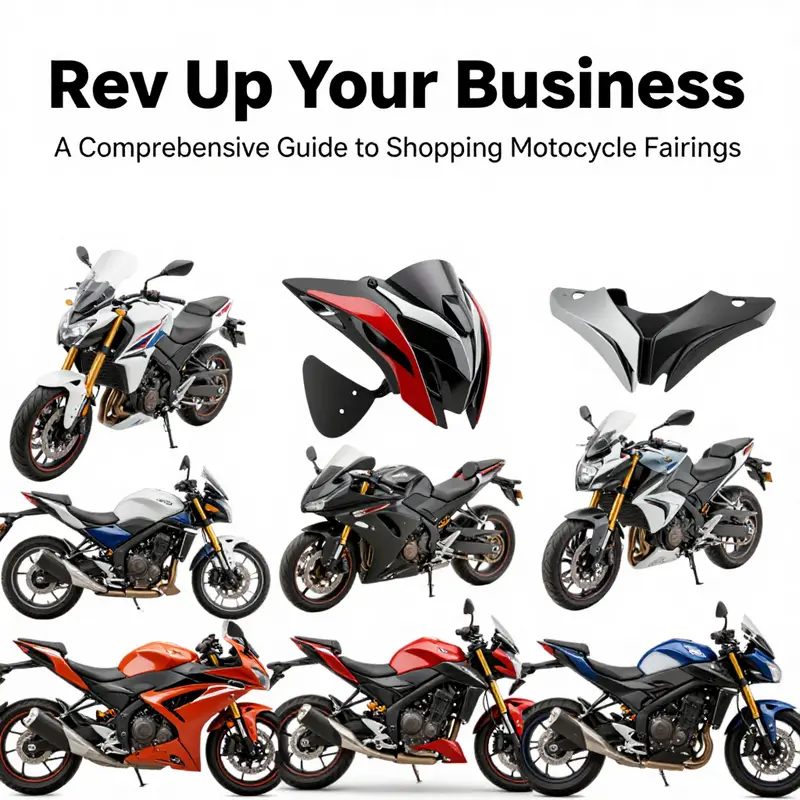
Fairings come in a spectrum of configurations that mirror riding priorities. Full fairings enclose the front end entirely, creating a cocoon of wind management that yields the best possible wind deflection and weather protection. They are advantaged for long rides where wind blast can sap energy and comfort. Lower fairings, by contrast, cover only the lower portion of the front end, offering a middle ground where some wind protection meets a cleaner, leaner silhouette. Half fairings focus on the upper engine and instrumentation, delivering a minimalist edge while preserving more of the naked bike aesthetics and freedom of movement. The distinctions are not only about looks; they map onto how a rider interacts with the machine in daily commuting, spirited canyon runs, or open-road cruising. The decision depends on how much wind you want to deflect, how much weight you’re willing to carry, and how important access to the cockpit and gauges remains during rides.
Beyond the geometry of the shell, fairings serve a practical mission: manage airflow. The aerodynamics of a well-designed fairing reduces drag, which in turn influences acceleration, top-speed potential, and the efficiency of the machine at highway velocities. A streamlined face and tapered belly help air follow the contours of the bike rather than buffet the rider. This is more than a matter of speed. It translates to steadier steering feel, less turbulence in the cockpit, and a more consistent ride as engine heat, wind pressure, and vibration interact with rider posture. The aesthetic dimension follows closely behind. A fairing’s form communicates a rider’s intentions—whether they chase a race-bred look, a timeless sport silhouette, or a rugged, streetwise stance. The magic happens when styling and function converge so that the shell not only pleases the eye but also serves as a practical extension of the bike’s geometry.
Choosing the right fairing is rarely a matter of single-issue thinking. It requires layering considerations about environments, riding style, and the bike’s original architecture. For example, the same panel that improves airflow on one model might introduce calibration challenges on another, particularly if the windscreen, headlights, or instrument cluster have a delicate fit. This is where attention to fitment becomes as crucial as the design itself. A fairing needs robust mounting points, correct gaps, and precise contouring to avoid rattles, misalignment of indicators, or interference with the steering lock. Riders should not overlook the practicalities of installation—mounting hardware, compatibility with existing components, and the likelihood of needing a paint and finish step after installation. Although the market is saturated with choices, the best path is to balance personal style with a realistic assessment of how the part behaves when road conditions demand vigilance and quick adjustments.
The conversation about fairings inevitably turns to materials. ABS plastic is often the default for many aftermarket options because it blends resilience with affordability. It stands up to minor impacts and resists cracking in typical road debris encounters, while keeping costs manageable for riders who want to refresh their look without breaking the bank. Fiberglass offers a step up in versatility and stiffness. It is easier to mold into complex shapes and can deliver a strong, lightweight shell at a reasonable price point, though it can be more susceptible to cracking under heavy impact compared with higher-end composites. Carbon fiber occupies the top tier, prized for its exceptional strength-to-weight ratio and its unmistakable aesthetic. The trade-off is clear: carbon fiber carries a premium price and can demand more careful handling and finishing work to maintain appearance and longevity. These material choices underscore a central reality of shopping for fairings: the selection is not merely cosmetic. It influences weight distribution, inertia, and the bike’s behavior under acceleration, braking, and high-speed crosswinds. Each material brings its own maintenance considerations, including how it ages in sun, rain, and temperature swings, and how it responds to paint, clear coats, and UV exposure.
The broader supply chain amplifies the complexity of shopping for fairings. The global marketplace provides a vast catalog of options, with varying quality controls, thickness tolerances, and reinforcement strategies. This is not merely about picking a color or a seam line; it is about understanding who manufactured the shell, how it was formed, and what kind of testing and fitment guidance accompanies it. In practice, this means reading specifications with a critical eye and cross-checking with other riders’ experiences. It also means recognizing that different suppliers may source shells from different production lines or even different regions, which can result in subtle variations in fit and finish from one order to the next. Because a fairing touches a moving, highly loaded interface of the motorcycle, even seemingly small deviations in mount points, bolt patterns, or curvature can cascade into alignment issues down the line. The prudent shopper treats fitment as an engineering concern as much as a stylistic one, and welcomes any documentation about geometry, mounting hardware, and recommended painters or finishers.
The conversation also stretches into the realm of sourcing ethics and reliability. OEM components—parts produced by the original manufacturer—offer a certain assurance of fit and finish, but aftermarket and custom options can deliver broader aesthetics and sometimes performance advantages. The caveat is that aftermarket parts may require extra diligence: verifying compatibility with a given model’s frame geometry, instrument layout, and cooling or exhaust clearances. For a rider who values a clean, integrated look, it is essential to confirm that the selected fairing aligns with the bike’s geometry and that the associated lighting, mirrors, and instrumentation can be integrated without creative improvisation that compromises safety. This is where the internet’s breadth becomes a double-edged sword: it unlocks access to countless designs and opinions, yet it also raises the stakes for careful evaluation. Reading objective specifications, comparing mounting patterns, and weighing user reviews against manufacturer data is part of a responsible buying journey.
The cost narrative around fairings is not only about the price tag printed on a listing. It extends to shipping, taxes, and potential duties. Then there are finishing costs—a fairing might arrive primed for paint, or it may need refinishing, color matching, and protective clear coats to maintain its luster. Installation costs can vary depending on whether the rider undertakes the task themselves or seeks professional help. A thorough plan includes budgeting for mounting hardware, gaskets, and the possibility of trimming or adjusting brackets to achieve the desired fit. Some installations may also demand minor modifications to accommodate mirrors, headlights, or windscreen profiles. This is where a disciplined approach to shopping—one that blends design intent with practical feasibility—becomes essential. The rider’s chosen riding environment informs this budget as much as any aesthetic preference.
As riders navigate these choices, there is value in exploring model-specific options that align with their bikes’ distinctive frames and styling. For those who want to understand the breadth of available options in a given brand’s ecosystem, it can be helpful to browse the dedicated category pages that curate fairings by model or by manufacturer family. For example, a rider might find it useful to explore a dedicated Honda fairings category to view model-appropriate shell options and replacement panels that maintain the intended scale and connector geometry. This kind of targeted browsing helps ensure the pieces you consider will align with your bike’s mounting points, headlight structure, and instrument cluster footprint. Accessing a model-focused catalog such as the Honda fairings category provides a practical briefing on what is compatible and what is not, helping to narrow decisions without sacrificing the breadth of the marketplace. Honda fairings category keeps the search anchored in real-world fitment while still allowing for stylistic exploration and performance analysis.
In contemplating the broader landscape of fairings, riders should also consider the long arc of a part’s lifecycle. A well-chosen fairing can protect the bike’s proverbial “engine room” by shielding it from debris and weather, while also preserving resale value through a pristine, well-maintained exterior. Conversely, choosing poorly matched parts can introduce gaps that collect grime, wind intrusion that unsettles handling, or mounting points that loosen over time. The best approach blends a respect for engineering constraints with an eye for aesthetics. The rider’s comfort, the bike’s performance envelope, and the realism of installation and maintenance plans cohere into a balanced buying decision. As with any significant motorcycle upgrade, patience pays off. Taking time to compare materials, thickness, and reinforcement, while verifying that each part aligns with the machine’s geometry, leads to a result that feels integrated rather than improvised.
For readers who crave a deeper technical grounding on the composition, classification, and industrial applications of motorcycle fairings—beyond shopping considerations—there is a scholarly and industry-focused resource that outlines materials, design variations, and practical implications for different motorcycle types. This external reference provides a structural view of how ABS, fiberglass, and carbon fiber behave under real-world conditions and how design choices ripple through performance and durability. It can be a valuable companion to practical buying guidance for anyone building a more informed and resilient fairing strategy. https://www.motorcyclefairings.com/composition-classification-industrial-applications
Shaping the Ride: How Customization Trends Redefine Shopping for Motorcycle Fairings

The customization trend in motorcycle fairings has evolved beyond a simple aesthetic choice. It has become a driving force that reshapes what riders expect when they walk into a shop or browse an online catalog. Fairings are no longer just protective shells to improve wind protection; they are canvases for personal identity, performance tuning, and even storytelling about a rider’s journey. As riders seek to carve out a unique stance on the road, the market responds with a widening array of options, from radically styled shell designs to engineering-minded upgrades that promise measurable gains in aerodynamics and handling. This shift is visible across global markets, with particular momentum seen in regions where riding cultures prize both visual impact and functional gains. The Middle East and Africa, for instance, have shown rising demand for customized, high-performance fairings that reflect individual style while preserving or enhancing ride quality. The combination of local enthusiasm and global supply chains has created a marketplace where customization is not a niche but a default expectation for a growing segment of riders who want to stand out without sacrificing reliability.
In 2025, customization has become a key differentiator. Aftermarket retailers and independent builders offer a broader spectrum of styles, innovative shapes, and performance-focused features than ever before. This is not merely about color or texture; it encompasses aero-efficient geometries, reinforced materials, and modular components that make upgrades more feasible. Third-party manufacturers, leveraging advances in polymer science and composite engineering, enable both high-volume production and bespoke design with shorter lead times. Riders who want to fine-tune their machines can source from a global ecosystem that supports everything from subtle refinements to dramatic transformations. The result is a marketplace where a fairing package can be tuned to optimize air flow around the rider’s posture, reduce drag at highway speeds, and improve stability through corners, all while delivering a striking appearance that communicates the rider’s temperament and aspirations.
A striking aspect of this trend is its embrace of bold aesthetics that push beyond traditional factory designs. Glassy finishes with glitter effects, pastel or neon palettes, and even themed patterns have moved from novelty to mainstream. The fashion-forward segment, in particular, treats fairings as a wearable extension of personal style. The Hello Kitty-inspired motifs and other whimsical themes cited in industry chatter are not just novelty; they signal a broader appetite for expressive, statement-making styling that still must pass the same tests of fit, durability, and safety as more conventional designs. For builders and enthusiasts, this means more than choosing a color; it means selecting a fairing system that can carry a complex graphic treatment, withstand UV exposure and abrasion, and maintain color fidelity through heat cycles and road debris.
To support this demand for both form and function, strategic sourcing has become a critical capability. Regions known for advanced polymer processing, precision engineering, and scalable production have emerged as hubs for high-quality fairings. In particular, leading manufacturing corridors in parts of China—specifically Guangdong, Zhejiang, and Fujian—provide access to a broad range of capabilities. These hubs bring together expertise in welding and joining plastics, reinforced composites, and tight tolerances for complex shapes. They also offer the ability to produce both large batches and small, custom runs, a capability that aligns perfectly with the market’s dual demand for reliability and customization. For riders who want a truly individualized look, this sourcing flexibility translates into shorter wait times and a smoother path from concept to installed upgrade.
At the same time, the market continues to accommodate OEM parts for those who value authenticity and straightforward compatibility. Original equipment manufacturer components still serve an essential role for riders who prioritize exact fit and proven reliability. Yet the allure of customization is particularly powerful for those who seek to alter aerodynamics, reduce weight, or reimagine the silhouette of their ride. The trade-off is clear: OEM parts deliver a known baseline of fit and durability, while aftermarket and custom parts offer expanded design latitude and potential performance advantages. The decision often hinges on the rider’s goals, budget, and tolerance for potential fitment adjustments. As the landscape evolves, informed shoppers weigh the value of fidelity against the appeal of personal expression and aerodynamic optimization.
Material science lies at the heart of these choices. ABS plastic remains a popular foundation for many fairings because of its balance of resilience, impact resistance, and cost. Fiberglass offers a lighter option with solid strength for shapes that call for more complex contours, while carbon fiber pushes the envelope on weight reduction and stiffness, albeit at a premium price. The ongoing push toward UV resistance is critical for long-term color stability and material integrity, especially in sunny climates where exposure can accelerate aging. Manufacturers are increasingly combining materials or employing reinforced composites to achieve the dual aims of lightness and durability. The latest designs push the boundaries with wind-tunnel-informed shapes, optimized radii, and careful consideration of edge treatment to reduce separation at high speeds. The process is not purely cosmetic; it reflects a sophisticated understanding of how a fairing interacts with the rider’s position, the bike’s balance, and the surrounding air.
Beyond the material mix, the production techniques themselves matter. Carbon-fiber reinforcements, advanced lamination methods, and precision molding allow for fairings that not only look sleek but also perform. For builders who demand precise fitment across models, the ability to adapt a common platform to multiple chassis layouts is a practical advantage. The synergy between design and manufacturing means that a high-performance fairing can be customized in aesthetic terms while also delivering aerodynamic benefits, such as reduced form drag and improved laminar flow over the rider’s body. This convergence of beauty and function is a defining feature of contemporary fairing shopping.
The practical realities of shopping for fairings in a customization-driven market cannot be ignored. Fitment remains a critical issue, as even the most visually striking design can lose value if it does not align properly with the bike’s frame, engine covers, and mounting points. Experts emphasize the importance of choosing fairings that are designed with compatibility in mind, or selecting third-party options that provide robust fitment data and clear installation guidance. The financial and safety costs of a poor fit can be substantial, including misaligned panels, rattling fasteners, or compromised aerodynamics that negatively affect handling at speed. This careful balancing act—between eye-catching design and solid engineering—defines how riders approach the purchasing process today.
Shipping costs, installation expenses, and potential modifications are practical realities that accompany customization. International sourcing broadens the palette of available designs and materials, but it also adds layers of logistics, warranty considerations, and the need for local installation expertise. Riders frequently partner with trusted shops or experienced technicians who can manage the delicate task of mounting, aligning, and finishing a new fairing. A well-executed installation can unlock the full potential of a new design, enabling the rider to enjoy improved aesthetics and, when done right, genuine performance gains without compromising safety or reliability. The value proposition, then, hinges on the ability to combine a compelling look with a thoughtful approach to aerodynamics, weight, and durability.
For riders who want a practical starting point on their customization journey, understanding the continuum between OEM fidelity and aftermarket adaptability is essential. The OEM route offers a baseline that ensures compatibility and predictable performance, but the scope of customization remains limited by design constraints. The aftermarket pathway opens doors to fresh aesthetics and targeted performance tweaks, yet it demands due diligence in selecting materials, verifying fitment, and budgeting for additional services like painting, clear coats, and potential panels alignment. In this evolving marketplace, informed shoppers look for sources that provide transparent material specifications, fitment data, and a track record of quality control. They seek partners who can translate a creative concept into a reliable, road-ready component that harmonizes with the bike’s geometry and rider’s expectations. The result is a more dynamic shopping experience, where curiosity about a bold, new look can be matched with practical know-how about how a fairing behaves on the road.
As the market evolves, lightweight, UV-resistant, and aerodynamically optimized components are becoming standard expectations rather than exceptions. This shift reflects an industry-wide push to combine design innovation with the realities of performance riding. The integration of advanced materials and manufacturing techniques enables custom fairings to be both stylish and durable. Designers experiment with different surface finishes, edge treatments, and internal channeling to minimize flow separation and reduce buffeting. Riders who appreciate this blend of science and style can look forward to a smoother, more controlled ride at high speeds, even as their machines express a personal aesthetic that is unmistakably theirs.
For shoppers exploring the breadth of options, one practical step is to engage with a trusted source that communicates clearly about material choices, weight, UV resistance, and fitment. While the allure of a glittering or color-rich design may be strong, the long-term value is tied to performance, durability, and compatibility with the bike. The decision landscape rewards those who approach customization with a plan that combines visual impact with engineering insight. This is not about choosing the loudest color or the flashiest graphic alone; it is about selecting a fairing package that harmonizes with the bike’s chassis dynamics, rider posture, and the conditions in which the rider tends to operate. In short, customization is at once an expression of individuality and a disciplined engineering exercise, and the best outcomes arise when aesthetics and aerodynamics are developed hand in hand.
For riders curious about how to begin integrating customization into their purchasing strategy, the Honda fairings category provides a practical illustration of how a broad catalog can serve as a foundation for creative experimentation. It invites riders to consider not only the look they desire but the structural and aerodynamic implications of each choice. By starting from a reputable platform that offers a wide range of shapes and materials, the path from concept to road-ready upgrade becomes clearer. Honda fairings category invites riders to explore the balance between proven fit and inspired design, acting as a doorway to more personalized solutions while maintaining a solid baseline for performance and safety.
In this evolving landscape, the overarching message is simple: customization is now a central axis of how riders shop for fairings. It is a signal that the market has matured to meet a diverse set of needs—ranging from the demand for head-turning visuals to the pursuit of measurable aero gains and weight reductions. The fairing shopping journey, once dominated by function or by form alone, has become a continuous negotiation between the two, guided by material science, manufacturing capability, and the rider’s own sense of identity on the road. This is the new normal for fairing shopping: a dynamic blend of artistry, engineering, and practical readiness that empowers riders to shape not just the look of their bike, but its behavior at every speed and in every weather condition.
External resource: How to Choose the Best Motorcycle Fairings in 2025. https://www.motorcycle.com/motorcycle-fairings-trends-2025/
Material Truths Behind Motorcycle Fairings: How Choice Shapes Performance, Protection, and Personal Style
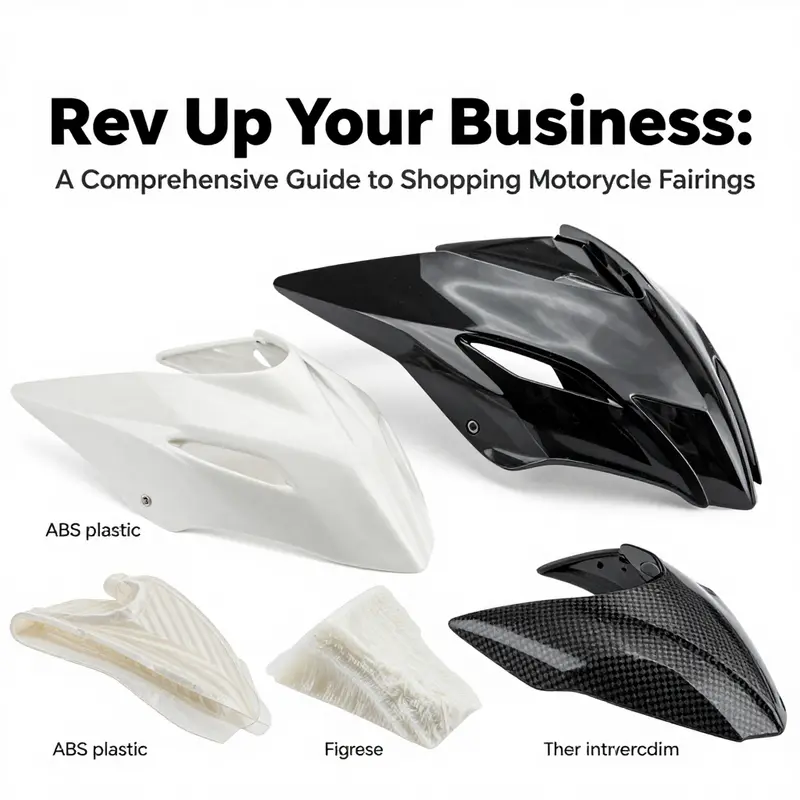
Fairings are more than a wrap of color and contour on a motorcycle. They are an engineered interface between rider, machine, and the elements. This chapter explains how the materials behind those shells, from ABS plastic to carbon fiber and fiberglass, affect performance, durability, and the riding feel. Material choice matters for wind reduction, repairability, and customization. ABS is lightweight, impact resistant, and inexpensive to manufacture, making it common in mass-market kits. It paints and finishes easily, supports a wide color range, and is repairable with basic tools. Carbon fiber offers high stiffness and a low weight, improving acceleration feel and aerodynamics but at higher cost and longer lead times. Fiberglass sits between ABS and carbon fiber, offering more flex and detail options at moderate cost. Choice also influences fitment, compatibility with the bike model, and maintenance needs. When shopping, consider use case (daily rider, weekend track rider), expected weather, budget, and willingness to perform fitment work. Real-world performance depends on how well the kit matches the bike, its mounting points, and how it ages under sun and rain. In short, fairing material shapes performance slightly, but more importantly, it defines the rider experience, aesthetics, and long-term ownership.
Where the Wind Maps the Market: Geography as a Driver in Motorcycle Fairing Shopping
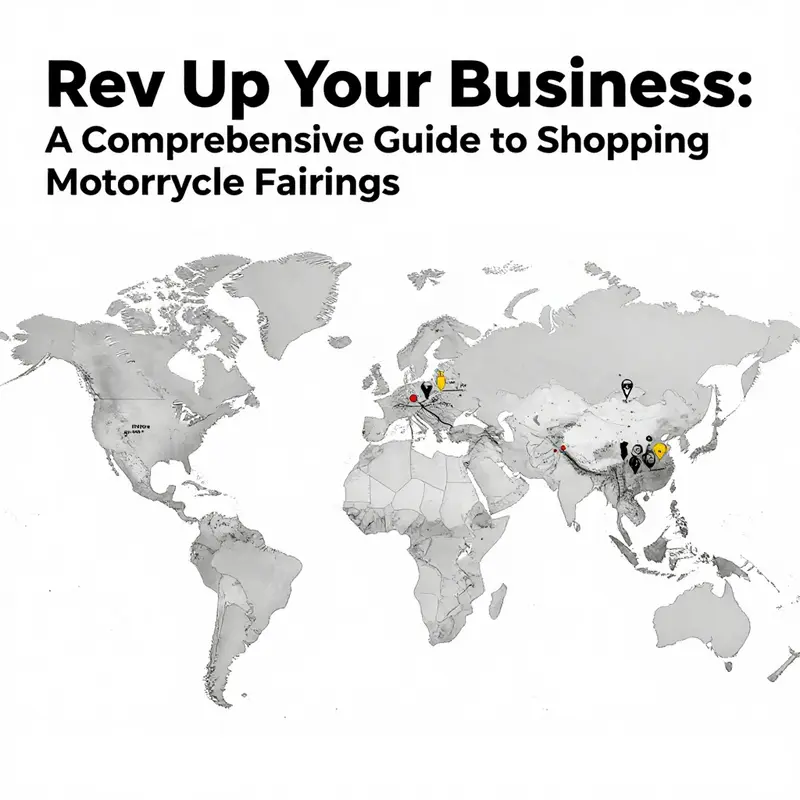
Geography does more than map a location on a street sign or a GPS screen; it quietly maps the decisions riders make when they shop for motorcycle fairings. The geography of a rider’s world—its climate, road texture, urban density, and regulatory landscape—creates a practical logic for what kinds of fairings are worth buying, and how deeply a shopper must consider fit, protection, and performance. In climate-heavy regions, the weather is not just an inconvenience but a constant adversary and a constant instructor. In the far north or in high-altitude passes, snow, sleet, and biting winds transform the motorcycle from a machine of mobility into a companion that must withstand relentless exposure. Here, the appetite for robust wind and weather shielding grows. Full or half fairings, chosen for their shielding capability, become more than styling statements; they become environmental armor. The willingness to invest in such protection reflects a practical calculus: a rider in harsh climates is paying upfront forengine protection, rider comfort, and the reduction of weather-induced fatigue on longer journeys. The climate’s demands ripple through the market: heavier, more protective designs, reinforced joints, and sometimes thicker mounting points rise in desirability, even when they come with added weight or installation complexity. Across northern Europe and the mountain corridors of North America, the line between endurance gear and aerodynamics blurs. Weathering the worst conditions with confidence becomes part of the riding ethos, and fairings that maximize shielding often command a premium because they promise reliability in adverse seasons and longer, more comfortable riding windows when the weather breaks. Yet geography shapes more than how a fairing protects. It also influences how the wind flows around the bike. In places where long, flat highways prevail, and tourism or commuting patterns drive frequent highway miles, riders tend to lean toward aerodynamically optimized full fairings. These configurations tighten the rider’s profile against the slipstream, aiming for stability at higher speeds and, in many cases, improved fuel efficiency. When the road network favors high-speed corridors, the market rewards designs that smooth air resistance and stabilize at speed, offering a practical edge that aligns with the rhythms of motorized travel in modern infrastructure. By contrast, in regions where the road network is uneven, secondary, or less developed, durability and ease of maintenance become the most compelling attributes. In rural or rugged landscapes—think variable pavement, potholes, and the need for quick roadside repairs—slim or modular fairings that are easy to service can reduce downtime and keep a bike on the road. Clip-on or partial fairings, while less dramatic in appearance, offer a pragmatic balance: they add protected coverage with fewer structural demands, so a rider can replace a damaged section quickly or swap a worn part without a full disassembly. The cultural dimension cannot be ignored either. Riding culture—whether it prizes razor-sharp aural feedback from a high-revving engine, or values the controlled comfort of a well-protected cockpit—inflects which fairing styles gain traction in a given locale. In places where sport riding is deeply embraced, the appeal of sportier, aerodynamically tuned fairings is strong. In regions where daily commuting is the norm and bikes are a practical transportation solution, the appeal shifts toward reliability, ease of repair, and shielded protection that tolerates less-than-ideal road conditions. Geography also shapes the practical realities of getting those fairings to the rider. Local availability and distribution networks matter more in some places than in others. In major urban centers—think densely populated metro areas around the world—there is a sophisticated ecosystem of suppliers, third-party retailers, and aftermarket specialists. These hubs give riders access to a broad range of styles, materials, and customizations, often at competitive prices and with shorter lead times. In places far from major markets, supply chains stretch thinner. Limited stock, higher shipping costs, and longer wait times can compel riders to opt for readily available, bulkier designs or locally sourced alternatives that may not perfectly match their model or preferred aesthetic. The geography of distribution thus becomes a practical constraint, guiding not only what is purchased but how far a rider is willing to go to source a specific fairing. When a rider must navigate import duties, certification requirements, or regional safety standards, the decision calculus grows more complex. Regulatory environments around vehicle modifications vary widely. Some regions restrict certain aftermarket bodywork or mandate specific verifications before installation. In these settings, the safety case for a given fairing is not only about protection from wind and debris but about compliance readiness. The need to verify that a chosen fairing can be installed and used legally within a jurisdiction shapes both the timing and the scope of a purchase. Geography thus interlinks with risk management: a rider may favor designs with simpler installation processes, documented fitment for a broad range of models, or compatibility with common standards to avoid regulatory friction and the hazards of noncompliance. Taken together, these geographic factors—climate, road quality, riding culture, local availability, shipping dynamics, and regulatory constraints—inform a nuanced shopping approach. The fairing market responds to these forces, not solely through a single, universal solution but through a spectrum of options that balance weather protection, aerodynamics, durability, weight, and cost. Material choice emerges as a practical response to geography as well. ABS plastic, fiberglass, and carbon fiber each carry geographic-tinged tradeoffs. ABS provides a robust, impact-resistant base that suits climates with variable weather and a higher likelihood of road debris contact; it is often cost-effective and forgiving in a broader range of installation environments. Fiberglass offers a middle ground, combining strength with moderate weight, which can appeal to riders in regions where performance gains from carbon fiber are attractive but ownership costs remain a concern. Carbon fiber, prized for its lightness and stiffness, serves riders who prioritize performance in environments where weight savings translate into meaningful handling and acceleration benefits—particularly on high-speed corridors or in racing-inspired setups. Yet the price premium of carbon fiber means geography also plays a role in determining whether a rider can justify the investment. In regions with robust repair ecosystems and access to skilled technicians, carbon fiber may be a more viable choice because maintenance, repair, and refinishing can be readily managed. Conversely, in markets with limited access to specialized repair services, a more forgiving material like ABS or fiberglass may be the wiser choice, offering greater resilience to local wear, simpler field repairs, and easier replacement parts. With these material considerations in mind, prior to purchase a rider in any geography benefits from a thoughtful assessment of local logistics. Shipping costs are not merely a line item; they shape the total cost of ownership and influence final decisions about fitment, compatibility, and even the willingness to import a particular design. Installation expenses, required tools, and potential modifications to mounting points or bodywork are also geography-bound realities. In regions with stringent emissions or safety standards, the cost of compliance becomes an additional factor that can tilt the balance toward simpler, widely accepted installations or toward certified components that meet local requirements. The decision-making process, therefore, becomes a negotiation between desire and practicality, where climate-controlled comfort, ride quality on imperfect roads, legal compliance, and the ability to source the right piece in a timely fashion all converge. To illustrate how this translates into real-world choices, consider a rider surveying catalogs online or visiting local shops in a major city. The breadth of online catalogs often mirrors the diversity of geography: urban markets tend to carry an expansive range of fairings, from sport-oriented, aerodynamically tuned designs to protective, weather-friendly configurations. The shopper learns to balance aesthetics with protection, weight, and fitment, while also weighing the practicality of installation and ongoing maintenance. In such contexts, a single glance at an online category page—the way a catalog fragments options by fitment and material—can reveal a lot about what a rider can realistically achieve in their geographic setting. For readers who want to explore related content that showcases the breadth of fairing options and fitment across models, the broader catalog landscape offers a useful reference point. For example, a dedicated online collection curated around a particular fairing style demonstrates how different geographies converge on a common design language, while still accommodating local purchasing realities. The next step for any shopper is to map their own environment against these market signals: climate severity, road quality, urban access, regulatory expectations, and the availability of skilled installation and service. This mapping is not a theoretical exercise but a practical road map for a smart purchasing decision. It helps riders anticipate what they will actually need in terms of protection, durability, and maintenance, and it clarifies how far they are willing to go to source a design that aligns with their riding goals. The exercise is also about managing expectations. Geography is a powerful determinant of value in fairing shopping because it shapes how you weigh weight against protection, cost against longevity, and fitment against regulatory compliance. A thoughtful buyer uses geographic awareness to select a fairing that will not only look good on their bike but also endure the climate and road realities of their riding life. In the end, the wind’s direction—literally and metaphorically—guides the shopping journey. By recognizing how climate, infrastructure, culture, distribution, and regulation color the choices available, riders can approach fairing shopping with a more precise, location-aware strategy. The best choice is the one that optimizes protection and performance within the constraints and opportunities that geography presents. If you want to see how these geographic considerations translate into catalog breadth and fitment options in practice, you can explore a representative online catalog that organizes fairings by fitment, making it easier to compare options across models and regions. product-category/honda-fairings/ External research reinforces the idea that regional climate and regulation strongly influence demand and design preferences in the motorcycle fairing market. For a broader industry perspective, refer to the Market Research Future analysis on the motorcycle fairing market, which examines climate, infrastructure, and regional regulatory dynamics across markets worldwide: https://www.marketresearchfuture.com/reports/motorcycle-fairing-market-3159
The Price of Protection: Navigating Global Economics in Motorcycle Fairings Shopping
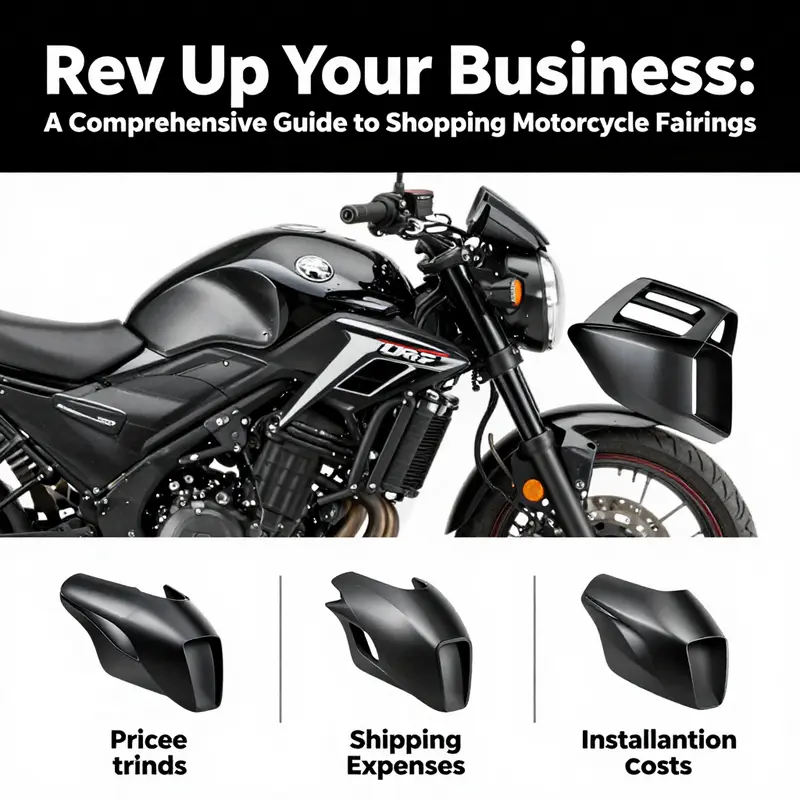
Every rider who looks to add fairings is balancing aesthetics, protection, and performance with cost. The economics of shopping for motorcycle fairings extend beyond sticker price; every choice cascades into a web of raw material costs, manufacturing locations, import duties, shipping, and after-sales service. The chapter unfolds as a journey through this web, showing how market forces shape what you pay and what you get. As you navigate, you begin to see that the fairing is not merely a shell strapped to a bike; it is a product of a global economy, a reflection of regional strengths, and a decision that blends engineering, logistics, and budgeting into one practical act of shopping. This perspective helps explain why two seemingly similar panels can diverge in price, why some suppliers offer shorter lead times, and why others promise better long-term durability even when the initial quote looks more expensive. In real terms, the cost you pay is a gateway to reliability, maintenance ease, and your own riding experience. The more you understand this, the more your choices align with the kind of riding you want to do and the environments you ride in.
Global economic conditions cast long shadows over every fairing transaction. Economic growth cycles, currency fluctuations, and trade policies can tilt the balance between affordable and unaffordable in a heartbeat. When a supplier faces rising production costs—whether from tighter labor markets, energy spikes, or new regulatory burdens—their wholesale prices rise, and the retail price you see mirrors that pressure. Exchange rates matter in a very direct way: favorable currency movements can make imports more attractive, expanding the pool of affordable options, while a strong domestic currency can make overseas purchases feel unnecessarily expensive. This is not merely arithmetic; it is a live market dynamic that can change the cost of a full set of panels in a season. The result is that the once-competitive quote might drift up or down as the market shifts, and savvy buyers learn to track these trends as part of their shopping discipline.
If you trace the sources of a modern fairing from design concept through production to doorstep delivery, you encounter a choreography of regional capabilities. In many assessments of global motorcycle parts production, a handful of regions stand out for their manufacturing ecosystems. One region has built a reputation around high-quality plastic injection molding, particularly for complex fairings that must withstand UV exposure and weathering while maintaining a smooth exterior. The advantages here are not just about the molding itself but about the entire surrounding infrastructure: the presence of nearby ports that reduce transit times, a workforce skilled in plastics processing, and an established network of suppliers who can deliver consistent resin quality, stabilized with UV additives, at scale. Proximity to a major port matters because it translates into shorter lead times and lower freight costs, easing the pressure of demand surges that often hit bicycle and motorcycle parts markets in peak riding seasons.
Another regional theme centers on Guangdong’s industrial fluorescence—the sheer density of suppliers and manufacturers, from resin suppliers to mold makers to assembly lines. The strength of this ecosystem is not simply about the ability to produce quickly; it is about the way raw materials and tooling flow through the pipeline in a tightly connected series of steps. When raw materials, tooling and assembly are closely linked, the efficiency of each link increases, and that efficiency tends to stabilize unit costs, enabling both competitive pricing and reliable delivery. For procurement managers and distributors evaluating top-tier manufacturers, the focus is on more than unit price. The decision hinges on the supplier’s technical capabilities, material sourcing practices, and logistics acumen—their ability to keep production moving, to maintain consistent resin grades, and to navigate customs and freight with predictable timing. In practice, this means that sourcing decisions should weigh not just a single quote, but the entire supply chain strategy behind it, including the risks and costs of potential disruptions and the expected level of post-sale support.
For those shopping directly—or for small shops that assemble fairings into complete kits—the reality is that the material choice drives price and performance in a tangible way. ABS plastic, fiberglass, and carbon fiber each inhabit different corners of the value spectrum. ABS offers durability at a more approachable price, a sensible default for riders who want reliable protection without breaking the bank. Fiberglass, while heavier than carbon fiber, can deliver good strength and workable surface finishes at a mid-range price point, making it a practical compromise for riders who want a solid blend of weight, rigidity, and cost. Carbon fiber carries the premium, but its light weight and stiffness can yield meaningful aerodynamic and handling benefits for racers or enthusiasts chasing marginal gains. The economic implication is straightforward: you are not simply paying for a panel; you are paying for weight savings, structural stiffness, and the long-term wear characteristics of the material underneath layers of color and finish. The choice then becomes an optimization problem: how much weight savings and stiffness are you chasing, and what price are you willing to pay? The reality is rarely black and white, and many riders adopt a hybrid approach—baseline ABS with carbon-fiber accent panels—to balance aesthetics, performance, and total cost.
Logistics and lead times weave through this story as well. Global shipments move through a chain of freight terms, customs checks, and final-mile delivery. Lead times can stretch when a design enters a new tooling phase, or when demand spikes catch suppliers off guard. A well-managed supply chain reduces the risk of stockouts, smoothing the path from order to install. Proximity to shipping hubs cuts both transit time and the risk of damage in transit, which in turn reduces return rates and rework costs. For a consumer or a small business, predictable delivery is not a luxury; it translates into planning certainty—when panels arrive, when they will fit, and when installation can proceed without delaying a project or disrupting a race schedule. The financial ripple is evident: faster delivery often comes with a premium, but that premium can be offset by lower handling costs, fewer returns, and less downtime.
Quality control represents a crucial economic lever. When a supplier implements strict tolerances, rigorous testing, and consistent QC across batches, the upfront price may look higher, yet the long-run economics are compelling. Fewer misfits mean less rework and fewer returns, and the total lifecycle cost can become lower even if the initial sticker price is higher. This is a core principle of durable value in the market: paying more up front for reliability reduces the total cost of ownership over years of riding. Conversely, aggressive price competition that tolerates inconsistent batch quality can sap the value equation. It elevates the risk of misalignment between mounting points, warping due to heat exposure, or panels that do not hold their finish after a season of exposure to sun and rain. For buyers, the lesson is to weigh warranty terms and after-sales support as part of the cost picture. A manufacturer or seller that offers a straightforward warranty and a transparent returns policy helps mitigate the price-risk of cross-border purchases, especially when exchange-rate volatility or freight charges swing the landed cost.
The mathematical core of shopping fairings is a blend of price signals and risk signals. The lower upfront quote can hide higher long-run costs if it comes paired with unreliable fitment, inconsistent lead times, or shaky post-sale service. The flip side is true as well: a premium that reflects thorough QC and supply chain discipline can yield a meaningfully lower total cost of ownership when you account for maintenance, replacements, and downtime. For both retailers and individual riders, a disciplined approach—merging supplier evaluation, material science awareness, and logistics planning—creates a more predictable procurement curve and a more satisfying riding experience. In this environment, regional strengths translate into real-world advantages: shorter lead times, consistent material quality, and scalable production that can absorb demand spikes without compromising fit and finish. These are not abstractions; they are the levers that shape what you will pay, how soon you can ride, and how your panels age in sunlight and rain.
Beyond the numbers, the economics of fairings connects to the practical aim of shopping: to secure the right fit for your purpose. Aesthetics matter—color, texture, and lines influence how a rider feels when pulling away from a curb—but the decisions that determine value are anchored in price, availability, and durability. The central message of this chapter is to understand the total cost of ownership, to consider the regional dynamics behind price movements, and to select suppliers who can deliver consistent quality within your budget and timeline. If you are seeking a broader view of options that highlights how aftermarket and OEM components align with the economic realities described here, a dedicated category that consolidates fairings by region or system can illuminate how fitment standards vary and why some panels are simpler to source in bulk than others. For readers who want a direct window into the sourcing ecosystem, the Honda fairings category provides a concrete sense of how a specific segment of the market organizes its offerings and price bands, illustrating the interplay between design, materials, and logistics. You can explore that category here: Honda fairings category.
As we look toward the next chapters, the economic lens will sharpen further. The narrative will turn to how to compare quotes across suppliers, how to assess after-sales support in a cross-border context, and how to map a procurement plan that aligns with a rider’s performance goals and budget. The balancing act between upfront cost, long-term reliability, and predictable delivery remains at the heart of shopping for motorcycle fairings. The road ahead invites a practical approach: prioritize proven QC and stable supply chains, estimate total landed costs rather than sticker price alone, and maintain a readiness to adapt to shifting currency environments and freight realities. For readers who want to dive deeper into the sourcing world, a broader market resource is available online, offering a practical view of how a major sourcing platform frames supplier capabilities, price ranges, and international logistics. External reference: https://www.alibaba.com/product-detail/Wave-125i-Fairings-Set-Producer-Top1600737498272.html?spm=a2700.galleryofferlist.pclick&urlNecessary=true
Final thoughts
Shopping for motorcycle fairings transcends mere aesthetics; it involves strategic decisions that impact customer satisfaction and business profitability. By understanding the various styles and purposes, recognizing customization trends, evaluating material options, considering geographical factors, and analyzing economic implications, business owners can navigate their shopping decisions with confidence. This comprehensive understanding equips you to meet customer preferences and enhances your competitive edge in the market. Ultimately, making informed choices about motorcycle fairings will lead to not just better products, but also stronger customer relationships and sustained business success.