

Second-hand motorcycle fairings represent an evolving sector within the motorcycle accessories market, providing business owners with opportunities to cater to a growing clientele looking for affordable, high-quality options. As motorbike enthusiasts increasingly seek cost-effective solutions, there is relevance in assessing market trends, quality, economic benefits, and innovations affecting this niche. This article explores these facets, providing insights that will empower business owners in making informed decisions regarding second-hand motorcycle fairings, from sourcing and quality checks to understanding market dynamics and emerging trends.
Rethinking the Ride: The Quiet Rise of Second-Hand Motorcycle Fairings in a Circular Aftermarket
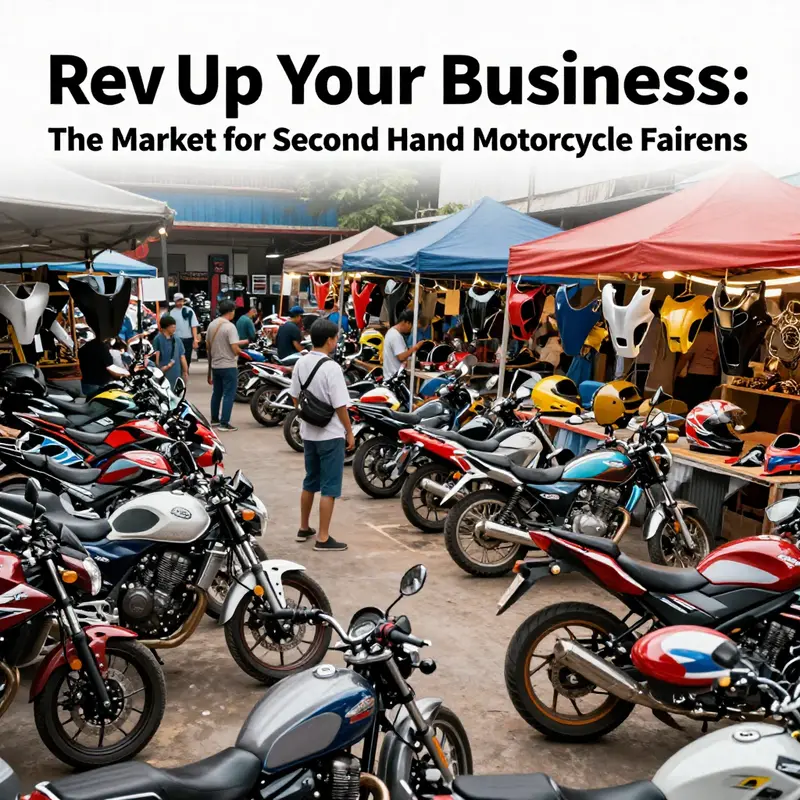
When riders talk about upgrading a motorcycle, the conversation often centers on engines, exhausts, or suspension. Yet the fairings—the shell that shapes a bike’s silhouette and shields its rider from spray, heat, and debris—hold a surprising amount of influence over the machine’s character and longevity. The chapter you’re reading examines a niche that is quietly expanding: second-hand motorcycle fairings. This is not merely a budget hack or a stopgap for damaged plastics. It is a dynamic facet of the aftermarket that blends affordability, customization, and sustainability in ways that resonate with a community stubbornly loyal to the open roads and the stories those roads tell. The market is small enough to feel artisanal, yet the traction it has gained signals something larger: a shift toward a more adaptable, circular approach to motorcycle upkeep and personalization.
The appeal of used fairings rests on several converging forces. First, cost remains a central driver. New fairings, especially for less common or higher-spec models, can be prohibitively expensive. In contrast, second-hand panels offer a route to restoration without the steep entry price, allowing riders to replace damaged sections or explore a new look without triggering a financial cascade. This is especially true for riders who are balancing performance goals with budget constraints or who are investing in a growing project that may evolve through different design phases. Second, the appetite for customization and restoration gives used fairings a second life as canvases. Enthusiasts seek pieces that reflect a particular era, a unique aesthetic, or a brand lineage that is no longer in production. The second-hand market becomes a library of design, where a panel from a bygone generation can inspire a present-build or a future restomod. Third, environmental considerations have become more than a talking point. The circular economy has become a practical lens through which many riders view their purchasing choices. Choosing pre-owned parts reduces new manufacturing demand, trims material waste, and extends the usable life of components that already exist in the supply chain. Each purchase contributes to a chain that values reuse and longer product lifecycles, rather than a single, linear path from factory to disposal.
From a market perspective, second-hand fairings occupy a niche within the broader motorcycle aftermarket that is often described as niche yet resilient. The research landscape for used fairings is sparse when it comes to precise, global figures, but the underlying trajectory of the aftermarket supports their viability. The broader market segment for motorcycle accessories—ranging from safety gear to aesthetic add-ons—has shown robust demand, signaling that riders remain engaged with personalization and protection. A useful point of reference is the parallel trend in related categories, such as helmets and other gear, where growth has been strong and sustained. The cross-cutting implication is clear: consumer confidence in purchasing and updating non-essential components continues to solidify, and second-hand fairings sit squarely in that continuum as a practical entry point.
Sales channels for used fairings are as telling as the parts themselves. Much of the activity unfolds on online marketplaces and peer-to-peer platforms where price negotiation and item inspection are part of the buyer’s due diligence. The condition of a fairing—its paint, finish, and structural integrity—can dramatically affect value. A pristine shell with a good finish may fetch a premium, while a blended or damaged panel requires a more nuanced negotiation. This dynamic reinforces a core truth about second-hand fairings: their value is tied not only to the part itself but to the buyer’s ability to assess, patch, and integrate it with a live bike. Platforms that provide vendor verification or certification help mitigate transactional risk, allowing buyers to approach the transaction with greater confidence. In practice, a seller who offers clear photos, honest condition notes, and a credible description of compatibility becomes more trustworthy in the buyer’s eyes, accelerating the decision process.
For riders seeking a target fit or a specific brand alignment, the availability of compatible options online can be a decisive factor. In this regard, the market behaves much like a global library of skin for machines, where a panel from one model or generation can be adapted to another with the right preparation and fitment knowledge. The practical reality is that precise compatibility is a nuanced matter. Not all panels interchange cleanly, and color-matching remains a common hurdle. Yet the fact that buyers actively seek out and succeed with usable equivalents speaks to the sophistication of the community and the tools at its disposal. This is where the architecture of online catalogs and vendor networks matters. A well-curated listing with clear compatibility notes, finish details, and scale drawings can make the difference between a smooth swap and a disappointing mismatch. It is also here that the concept of customization blooms. Beyond simply replacing a damaged piece, experienced buyers think in terms of design continuity: maintaining the bike’s lines, refitting mounting points, and integrating aftermarket details in a way that feels cohesive rather than ad hoc.
Within this ecosystem, one can find navigational anchors that help sustain momentum. For example, a rider who wants to explore options for a manufacturer’s fairings category may directly browse a brand-aligned collection to gauge what is available in the used market. This aligns with the broader desire for a reliable source of parts that can be inspected before purchase. The inspection process matters almost as much as the listing itself. Buyers examine the condition of the joint lines, paint depth, and any signs of collision or repair. The philosophy here is simple: the fairing is not just a piece of plastic; it is a shield for the bike’s frame, a canvas for character, and a potential vector for further improvements. A careful buyer will also assess the compatibility with mounting hardware, the potential need for repainting or refinishing, and any required internal reinforcements to ensure a secure fit. The effort invested in verification reflects a community that values not only affordability and aesthetics but also safety and reliability.
The cultural logic of the second-hand fairing market also deserves attention. The community is often self-reliant and knowledge-sharing by nature. Forums, social networks, and informal marketplaces become repositories of practical know-how—how to assess fit, how to prepare a shell for paint, how to remove stubborn decals without damage, and how to preserve the bike’s value while experimenting with new looks. This knowledge exchange reinforces trust within a community that is accustomed to navigating risk and uncertainty in pursuit of a more personalized motorcycle. In turn, that trust lowers friction, enabling more riders to consider used fairings as a viable pathway rather than a last resort. It also invites experimentation, where a rider might blend panels from different eras or styles to craft a look that is distinctly theirs while still respecting the bike’s essential geometry and aerodynamics.
The sustainability narrative surrounding second-hand fairings is not just aspirational. It translates into tangible practice when owners opt to keep a bike on the road rather than retire it for parts or replacement. In many cases, a used fairing pair can restore a bike’s aesthetic integrity after a mishap, preserving the rider’s investment in the rest of the machine and reducing the environmental footprint of a full panel replacement. The environmental payoff compounds as more riders adopt reused parts and, in parallel, as aftermarket platforms highlight options for repairing or refinishing rather than discarding. This synergy between repair, customization, and responsible consumption resonates with a growing segment of riders who view their bikes as evolving projects rather than static investments. It is a reminder that the value of a motorcycle extends beyond its speed, torque, and top-end figures; it encompasses the shared culture that keeps these machines functional, beautiful, and relevant across generations.
To anchor these observations in a practical sense, consider how a rider might begin to engage with the second-hand fairing market. A thoughtful approach starts with assessing what needs replacing and what design direction the rider wants to pursue. A damaged panel can be a doorway to a new look if the rest of the bike remains sound and compatible. The rider then scouts listings for panels that match the desired generation, brand alignment, and mounting scheme. The process often involves comparing photos and asking pointed questions about paint finish, internal fittings, and any history of repairs. When a match is found, the bargain is not simply about price but about the reliability of the fit and the story the piece carries. A well-documented listing that includes detailed measurements and mounting notes can transform a speculative purchase into a confident acquisition. In the end, the buyer’s success hinges on a blend of due diligence, technical know-how, and a dash of creative faith—the belief that a used shell can become an integral part of a renewed ride.
For readers seeking concrete avenues to explore the used fairing landscape, a practical waypoint is to browse category pages that curate compatible pieces for specific models or brands. This approach helps buyers gauge what the used market currently offers and what kinds of finishes or styles are available. As a reminder of the broader ecosystem, the following gateway can serve as a starting point for those curious about the types of fairings that exist in the marketplace: Honda fairings on Ultimate Motor X. This link provides a sense of how listings are organized, what to look for in terms of fitment notes, and how the visuals of a panel reflect both the part’s history and its potential second life on another bike.
The conversation about second-hand fairings naturally extends into questions of safety and reliability. While the lure of a bargain is strong, riders must weigh risk against reward. A misfit or poorly finished surface can undermine not only aesthetics but aerodynamics and protection. This reality heightens the importance of buyer education and vendor accountability. It also underscores the value of well-structured marketplaces where sellers are transparent about the fairing’s condition, whether it needs refinishing, and which fasteners or hardware are included or missing. In this sense, the second-hand fairing market is as much about trust as it is about parts. Trust is earned through clear documentation, responsive communication, and a track record of satisfied buyers who have successfully integrated used panels onto their bikes without compromising ride quality or safety.
In sum, the rise of second-hand motorcycle fairings reveals a practical, design-forward, and environmentally mindful facet of the aftermarket. It is a space where affordability meets aesthetics, where restoration meets customization, and where a bike’s identity is actively curated rather than bought off the shelf. The narrative is not about shortcuts but about a disciplined, community-driven approach to keeping machines on the road longer, looking better, and telling richer stories with every mile. The market is modest in scale, but its implications are significant: it demonstrates how riders are reimagining maintenance not as a chore but as a creative practice that honors history while embracing possibility. For anyone curious about how a used shell can transform a ride, the path forward is collaborative, resourceful, and surprisingly optimistic. External resources on circular economy principles can deepen this understanding and expand the practical toolkit riders use as they navigate the second-hand fairing landscape: https://www.ellenmacarthurfoundation.org
Guardians of the Fairing: Navigating Quality, Risk, and Real-World Value in Second-Hand Motorcycle Bodywork

When a rider contemplates second-hand fairings, the decision sits at a delicate crossroads of aesthetics, protection, and the practical desire to stretch a budget without sacrificing safety. These outer shells do more than alter the look of a motorcycle; they shield critical components from impact, weather, and road debris. In markets where pre-owned parts flow through online marketplaces and direct-from-vendor listings, the allure is clear: meaningful savings, a chance to restore a bike back to its former visual integrity, and the prospect of quick turnover when a used set comes with a certification of transaction safety. Yet the path from listing to installation is paved with questions about quality, fitment, and long-term durability. Understanding this landscape requires a careful balance of market awareness, material knowledge, and a disciplined inspection mindset that treats each fairing as both a potential bargain and a potential safety risk.
Market dynamics around second-hand fairings have evolved as buyers increasingly correlate price with risk, and sellers respond with more signaling around condition and provenance. Platforms that facilitate cross-border transactions have expanded the pool of available fairings, including listings for complete body-kit sets and individual panels. The broader lesson here is that a well-priced fairing is not simply a discount on appearance; it is a commitment to a set of materials and mounting points that must perform under real riding conditions. The value proposition, when executed correctly, is compelling: a more affordable restoration path for owners facing cosmetic damage or nonfunctional panels, plus the opportunity to customize or refresh a build without the expense of a brand-new set. These considerations become more meaningful when one looks at concrete examples of the market’s scale. A complete second-hand fairing kit for a mid-size or larger maxi-scooter from a recent model year can be listed near the equivalent of several thousand yuan, illustrating that value is not merely about the sticker price but about the total package—what’s included, the station of the seller, and the assurances that accompany the sale.
Among the practical details that buyers must weigh is material selection. Today’s motorcycle fairings are predominantly molded from ABS plastic, a material favored for its blend of lightweight performance, rigidity, and impact resistance. ABS stands up reasonably well to typical road hazards and weather exposure, especially when compared with lower-grade plastics. Yet even the best ABS panels degrade when exposed to UV light over time, can warp if heat cycles are extreme, and may become brittle if they have absorbed moisture or undergone unsound repairs. The market’s best buyers know that the true test of a fairing’s value lies not in the moment of purchase but in how it ages while installed on a bike and under shifting riding conditions. In this sense, a second-hand fairing is a bet that a panel can endure thousands of miles of vibration, sun, rain, and temperature swings without compromising the rider’s safety or the bike’s aerodynamics.
Another dimension of value is the condition and completeness of the listing. A complete second-hand fairing set can offer a cost-effective route to restoring a bike’s original silhouette, most notably when it includes the front, side, and rear panels, as well as mounting hardware or fasteners that are still usable. Buyers should parse listings for indicators of previous use, such as discoloration, warping, or signs of heat exposure, and for evidence of past repairs that may weaken the integrity of the panels. A fairing with fresh-looking surfaces can still harbor underlying issues, so the burden of verification rests with the buyer who can not only see the exterior but also probe the mounting points and the structural joints for signs of stress or repair. In market terms, this means that price alone cannot determine fitness. A higher-listed unit that comes with clear documentation, intact mounting points, and a vendor certification can sometimes represent a safer bet than a cheaper listing lacking provenance or after-sale assurances.
The practical reality is that second-hand fairings must be evaluated on a spectrum of factors that blend material science with real-world ride dynamics. A listing may describe a panel as “almost new” or “unblemished,” yet the true test is whether the inflexion points, hinge interfaces, and screw bosses carry the same resilience as new parts. The mounting bosses—the small, often unseen anchors where fairings attach to the motorcycle’s frame—are especially critical. Hairline cracks may not be visible at first glance, but such fractures can propagate under vibration and heat, eventually widening into safety concerns during cornering or in a minor collision. The ride quality depends on a precise alignment of panels; misalignment can introduce constant wind noise, flutter at speed, or gaps that channel debris into vulnerable components. Consumers who approach this purchase with a blend of skepticism and curiosity tend to fare better, especially when they leverage vendor assurances and a clear policy on returns or exchanges. In practice, the safest route is to treat every listing as a potential project, not a guaranteed fix, and to supplement the decision with credible safety checks and a plan for professional installation if needed.
A crucial part of this decision-making process involves recognizing and reconciling the trade-offs between cost savings and potential risk. The allure of savings is most compelling when a listing promises a robust, complete set and offers some form of vendor verification or certification. Certification signals that the seller has established practices around the transaction, returns, and perhaps even post-sale assistance, which reduces the risk that the buyer will face an unsatisfactory experience or a fairing with hidden defects. In the context of a broader market, such assurances can be a practical proxy for the seller’s reliability, especially when buyers operate across borders where legal recourse may be more complex. These seller assurances should be considered alongside the physical inspection, because even a seemingly pristine panel can conceal mounting points that have been altered, repaired, or damaged by heat or impact. A buyer who aligns price with the likelihood of safe, reliable installable condition will likely emerge with a result that balances the desire for a cosmetic revival against the realities of riding safety and fitment quality.
Beside the raw materials and the integrity of the panels themselves, a second-hand fairing purchase is also an entry point into a broader set of customization possibilities. Many riders appreciate that later-model fairings can be augmented with color matches, decals, or protective finishes that help preserve the surface and extend its lifetime under sun and rain exposure. The opportunity to tailor a used fairing to an individual aesthetic—without incurring the cost of a brand-new kit—adds another layer of value. It also raises practical questions about compatibility and finish. Customization often requires additional steps: color matching, texture refinement, or even minor modification to ensure the panels seat correctly against the frame and align with the bike’s existing lines. The ability to customize remains one of the strongest selling points for second-hand bodywork, providing riders with a way to preserve or reimagine the bike’s exterior while staying mindful of the risk calculus described above.
The chapter’s core follows a disciplined process that blends market literacy with a rigorous physical assessment. Begin with market scouting to understand what is realistically available for a given bike family, model year, and price range. This involves reading listings carefully, noting the stated condition, included hardware, and any supplier certifications or buyer protections. Next comes physical inspection: request high-resolution photos that reveal mounting points, inner edges, and the underside where panels might be more prone to damage or prior repairs. If possible, request additional close-ups of the inner structure and any visible fastener points. When the panels arrive, perform a hands-on check. Inspect for hairline cracks around mounting bosses, confirm there is no obvious warping in the fairing shells, and look for uneven color or severe discoloration that hints at UV exposure or chemical damage. Compare the fairing’s overall geometry with the bike’s original silhouette to ensure that the panels will align correctly once installed. A fitment test should be part of the process, ideally with a professional or a skilled enthusiast who can assess whether the panels align with fairing brackets, radiator guards, and other nearby components without forcing seams or creating stress at welds or clips. The aim is to arrive at a purchase decision where the price reflects not only current appearance but also the pages of the condition report, the reliability of the seller, and the practical likelihood of a successful installation.
The research framework governing these decisions emphasizes both caution and opportunity. One must acknowledge that the landscapes of online marketplaces, cross-border shipping, and vendor risk management create a dynamic that rewards due diligence. Listings may evoke the appeal of a quick fix, yet the actual performance in the road—vibration, heat, UV exposure, and impact—will reveal whether a second-hand fairing truly serves as a durable shield or represents a cosmetic compromise. The balance is clear: a well-documented listing with robust assurances, paired with a careful physical inspection, can yield a high-value outcome—one that preserves the bike’s integrity and extends its life without overburdening the wallet. Acquiring a second-hand fairing that passes these tests means embracing not only the allure of a reduced bill but also the satisfaction of a measured, safety-minded purchase—an approach that keeps the rider’s priorities aligned with the bike’s performance and resilience over the years ahead.
For readers seeking a structured, professional checklist that supplements the in-house inspection, a detailed guide on evaluating the safety of used fairings offers a comprehensive reference. The article presents a thorough set of criteria and expert insights from industry practitioners on how to assess pre-owned fairings before installation. This resource adds a practical dimension to the qualitative considerations discussed here and helps bridge the gap between online descriptions and real-world outcomes. Are Used Motorcycle Fairings Safe to Install? (Motorcycle.com, January 4, 2026) provides a trusted framework that riders can consult as part of their due diligence. In practice, coupling that external checklist with the buyer’s own inspection can significantly improve the odds of a successful purchase that stands up to the demands of daily riding.
Ultimately, the decision to buy second-hand fairings is an exercise in prudent risk management. It asks riders to weigh the opportunity for substantial cost savings against the potential for hidden defects and imperfect fitment. A careful buyer treats the listing as a starting point, not a final verdict, and uses the information at hand—the material properties, the mounting realities, the seller’s credibility, and any certification or return policies—to chart a course that preserves safety and performance. When done thoughtfully, second-hand fairings can deliver meaningful value while enabling riders to restore the look of their machines, refresh their aesthetic, and extend the life of their bikes without surrendering quality to cost. The broader takeaway is that success hinges on disciplined evaluation, transparent communication with sellers, and a clear plan for verification and installation. In the end, a fairing is more than a cosmetic shell; it is a safety-critical shield that deserves the same attention given to any other significant component in the bike’s body and frame.
External resource: https://www.motorcycle.com/faq/used-fairings-safety-check/
Value on Two Wheels: The Economic Case for Second-Hand Motorcycle Fairings
A concise exploration of the economics of buying used motorcycle fairings. Second-hand fairings offer cost savings relative to new parts while still providing protection and aesthetics. The price gap typically ranges from a fraction of the new-part cost to modest savings, depending on model and condition. The buyer should assess fitment, mounting tabs, and potential cosmetic issues, and prefer listings with verified condition or warranties. Online marketplaces broaden access and competition, helping to find panels that match the bike’s model and year. While risk exists—cracked panels, misaligned mounting, or hidden damage—the right due diligence and protections (certified sellers, returns, or escrow) can let riders refresh a bike’s look and protective shell at a lower upfront cost. Overall, the economics reward buyers who value lifecycle efficiency and careful evaluation, balancing sticker price against condition and compatibility.
Reshaping the Bodywork: Trends, Materials, and the Innovation Pulse in Second-Hand Motorcycle Fairings
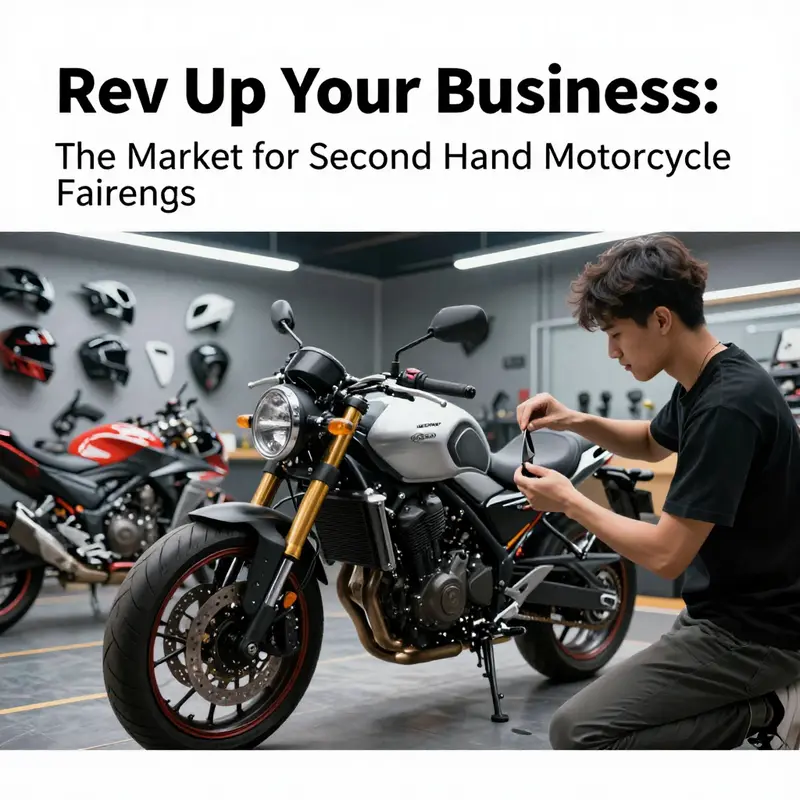
The shell that wraps a motorcycle is more than a visual statement. It is the first line of defense against grit, rain, and minor impacts. In the second-hand market, fairings carry a pragmatic value: repairability, customization, and sustainability without the premium of new parts. This chapter traces how materials, design philosophy, and platform dynamics converge to redefine what it means to buy used fairings. It emphasizes practical decisions, repairing and reinvention, and a market that values fit, finish, and potential as much as nostalgia.
The industry arc nudges the sector toward smarter and safer options. Advances in materials and manufacturing shape the desirability of used shells. ABS plastic remains a staple for many pre-owned shells thanks to its balance of rigidity, impact resistance, and affordability. While the market increasingly favors lighter weight and tougher composites, high-grade plastics and advanced composites—long a domain of aftermarket upgrades—begin to filter into the used sector, lifting the appeal of pre-owned semi-fairings and full sets. For buyers, the decision often rests on how well a fairing pairs with real-world riding demands: daily commuting, weekend carving, or touring with luggage. In any case, material quality matters as much as finish, because durability translates into lower total cost of ownership over time.
The types of fairings circulating in the second-hand economy reveal shifting preferences. Semi-fairings provide protection and aerodynamics without the heft of a full kit; they are frequently the most affordable option and still influence look and performance. Complete body kits show up in refurbished condition with surprising frequency, offering dramatic visual transformation and modularity for partial upgrades. For riders seeking a personalized silhouette, aftermarket options in the second-hand space enable tailoring while managing cost. Compatibility remains central, but the market increasingly shares fitment data and mounting diagrams to reduce misfit risk.
The narrative around compatibility and structural integrity has sharpened with modular designs. Buyers verify fit against specific makes and models, checking mounting points and weight distribution. Vendors supply schematics, mounting diagrams, and clear return policies, reducing the risk of an ill-fitting panel. For sellers, transparent repair history and finish details reinforce trust and support faster turnover.
Price dynamics reflect demand and condition. Well-maintained used units offer functionality and aesthetics that would require more investment if sourced new. The risk of hidden damage or weathered fasteners is weighed against savings. The best listings include thorough photos, explicit disclosures about model compatibility, and value-added bundles such as hardware sets or pre-installation checks. Certifications, demonstrations of fit, and standardized return policies signal reliability in a market that handles plastics under load during crashes or weather exposure.
Beyond economics, second-hand fairings occupy an environmental niche. Reuse reduces waste and extends the lifecycle of materials, aligning with sustainable motorcycling. The sustainability argument complements aesthetics and performance, appealing to commuters and enthusiasts alike.
The road ahead invites careful research, patience, and hands-on evaluation. Listings that clearly disclose condition, show fitment data, and offer supportive seller policies help buyers feel confident investing in used fairings. For context and options, explore related Honda fairings offerings and broader market context online. The landscape continues to evolve as tooling and interfaces standardize, while buyers and sellers build trust through better information and service.
Final thoughts
In summary, the second-hand motorcycle fairings market presents significant opportunities for business owners to tap into a niche that values quality, affordability, and customization options. By understanding market dynamics, conducting thorough quality assessments, and recognizing the economic advantages, businesses can strategically position themselves in this growing segment. Continuing to stay informed about trends and innovations will not only enhance competitive advantages but also cater to the evolving demands of motorcycle enthusiasts. Embrace the potential of second-hand motorcycle fairings today for sustainable business growth.