
Introduction
Rifle motorcycle fairings, often associated with aftermarket performance and aesthetic enhancements for various motorcycle models, offer a range of benefits that can drastically alter a bike’s look and functionality. This comprehensive guide delves into the diverse types and features of rifle motorcycle fairings, equip businesses with essential installation tools and techniques, and discuss performance and aesthetic advantages for riders. Additionally, we will analyze market trends and innovations in rifle motorcycle fairings, aiming to equip business owners with insights that can foster growth and enhance customer satisfaction. Through this exploration, business owners will gain a holistic understanding of how rifle motorcycle fairings can enhance their product offerings and satisfy customer demands.
Tables of Contents
Chapter 1: Exploring the Spectrum of Aftermarket Rifle Motorcycle Fairings: Enhancements for Every Rider
- Diving Deeper into Aftermarket Rifle Motorcycle Fairings: Full, Race, and Road Types Explained
- Mastering Aerodynamics and Innovation in Aftermarket Motorcycle Fairings
Chapter 2: Mastering the Installation of Rifle Motorcycle Fairings: Strategies for Success
- Preparation Essentials and Compatibility Checks for Rifle Motorcycle Fairings Installation
- Equipping for Success: The Essential Hardware and Fasteners You Need for Rifle Motorcycle Fairings Installation
Chapter 3: Streamlining Performance and Style: The Advantages of Aftermarket Motorcycle Fairings
- Enhanced Aerodynamics and Stability with Rifle Motorcycle Fairings
- Dynamic Impact: Material Innovations and Customization Trends in Rifle Motorcycle Fairings
Chapter 4: Exploring Innovations in Aerodynamics and Technology in Rifle Motorcycle Fairings
- Revolutionizing Fairing Design: The Intersection of Aerodynamics and Advanced Technology in Motorcycle Fairings
- The Interplay of Economic Growth and Societal Change in the Evolution of Motorcycle Fairings
Chapter 1: Exploring the Spectrum of Aftermarket Rifle Motorcycle Fairings: Enhancements for Every Rider
1. Diving Deeper into Aftermarket Rifle Motorcycle Fairings: Full, Race, and Road Types Explained
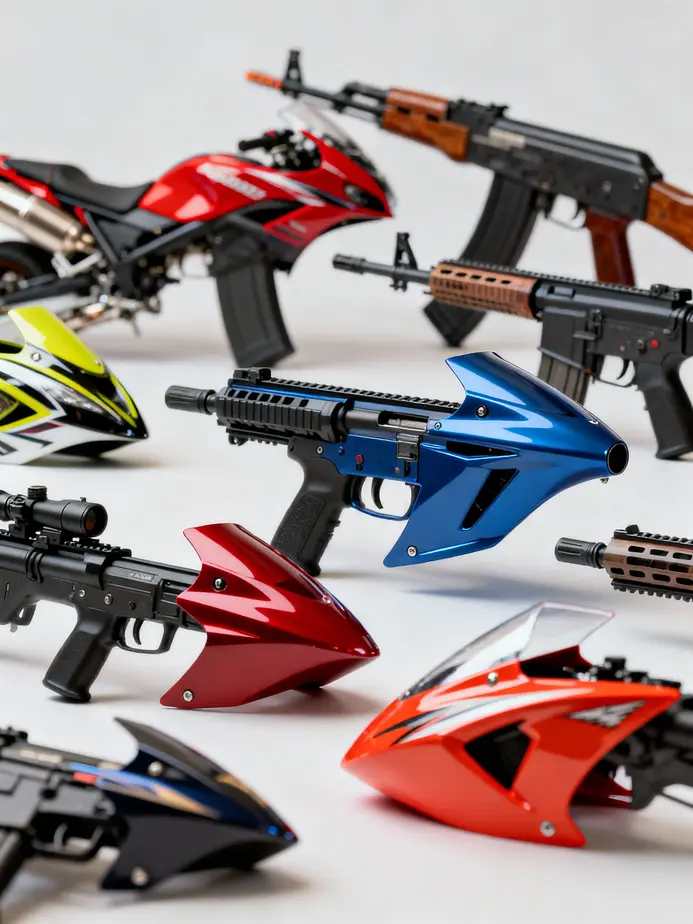
The world of motorcycle enhancements encompasses various components that not only improve the aesthetics of a bike but also significantly enhance its performance. Among these enhancements, aftermarket rifle motorcycle fairings hold a pivotal place, offering a range of options tailored to diverse riding styles. Understanding these different types of fairings—full, race, and road—provides invaluable insights for riders looking to elevate their biking experience.
Full Fairings: Maximum Protection and Performance
Full fairings are designed to encapsulate the motorcycle’s bodywork completely, providing a sleek and unified appearance. Covering the upper and lower sections, side panels, and often including a tail section, these fairings serve several crucial purposes. Their aerodynamic properties help reduce drag, allowing riders to cut through the air more efficiently at high speeds. This not only enhances performance but also contributes to improved fuel efficiency during longer rides.
Typically constructed from high-impact ABS plastic or fiberglass, full fairings are built to withstand the rigors of road travel. The materials selected for their construction allow them to absorb impacts without shattering, ensuring durability and longevity. High-quality fairings undergo rigorous wind-tunnel testing, leading to optimized shapes and contours that provide significant wind protection for riders, particularly at highway speeds.
Design versatility plays a crucial role in the appeal of full fairings. Riders can choose from a variety of colors and finishes, including sporty designs like Racing Blue and bold choices such as Matte Red. For instance, models like the Yamaha R15 exemplify how full fairings can enhance both performance and visual attractiveness, often becoming an essential aspect of the motorcycle’s identity.
Race Fairings: Focused on the Track
In contrast to full fairings, race fairings cater specifically to performance-focused riding. These fairings prioritize lightness and aerodynamics, which are critical for competitive racing environments. Constructed with a minimalistic design philosophy, race fairings are often made utilizing injection-molded technologies that guarantee precise fitment on performance bikes like the Suzuki GSXR 600 and 750.
The primary advantage of race fairings lies in their weight-saving features, which are crucial for optimising acceleration and braking on the track. Furthermore, they frequently include high-gloss finishes and may incorporate carbon fiber textures for riders who seek both aesthetics and advanced racing capabilities. Race fairings also facilitate the integration of racing setups, allowing riders to mount accessories like custom windscreens or frame sliders, enhancing both safety and performance.
Road Fairings: The Balance of Comfort and Versatility
Road fairings represent a hybrid solution, aiming to merge the protective benefits of full fairings with the practicality required for everyday riding. These fairings are designed keeping street legality in mind, making them perfect for commuting and casual riding. They cover less of the motorcycle than full fairings do, while still ensuring adequate aerodynamic performance and wind protection.
The practicality of road fairings also extends to their compatibility with various accessories. Most road fairings are equipped with integrated windscreens that aid visibility and minimize wind fatigue, which is particularly beneficial during long highway trips. By striking a chord between an attractive design and practical enhancements, road fairings appeal to a broader range of riders.
While choosing the type of fairing, one essential consideration is model-specific fitment. Aftermarket fairings are usually tailored to fit particular models, such as the numerous variants of the Yamaha R15, ensuring that installation is straightforward and performance optimized. Riders are therefore encouraged to confirm compatibility with their existing motorcycle models to avoid issues during installation.
Equally important is the selection of materials used in the construction of fairings. While ABS and fiberglass fairings are often more affordable and resilient, premium options crafted from carbon fiber offer both a lightweight structure and an aesthetic edge. Riders looking to upgrade their motorcycles frequently weigh these factors, balancing cost, performance, and visual appeal when selecting fairings for their bikes.
The Benefits of Aftermarket Fairings
Aftermarket fairings not only enhance the looks of a motorcycle but also provide tangible benefits. For instance, they significantly improve high-speed stability and reduce drag, contributing to a smoother ride whether straight-line speed or cornering balance is concerned. Furthermore, customization options allow bike enthusiasts to express their unique styles with varying finishes, and the current trend towards matte finishes has gained popularity for its sophisticated look.
Installation of aftermarket fairings generally requires basic motorcycle tools, such as metric socket wrenches. Engaging in this process can be rewarding; riders often appreciate the hands-on approach to personalizing their machines. Additionally, seeking out reliable aftermarket suppliers ensures that the chosen fairings meet safety and performance standards, thus maximizing both enjoyment and safety.
In conclusion, understanding the different types of aftermarket rifle motorcycle fairings allows riders to make informed choices tailored to their unique preferences and riding conditions. Whether opting for full fairings’ comprehensive protection, race fairings’ performance-centric designs, or road fairings’ practical benefits, there lies a fairing solution for every rider’s needs. As the customization landscape continues to evolve, these enhancements remain central to the motorcycle culture, propelling both performance and individuality forward.
2. Mastering Aerodynamics and Innovation in Aftermarket Motorcycle Fairings
In the realm of motorcycle customization, aftermarket rifle motorcycle fairings stand out as essential components that enhance both performance and aesthetics. Characterized by their distinctive sleek designs, often reminiscent of a rifle’s precision profile, these fairings have become a staple for many enthusiasts looking to improve their machines.
Aerodynamic Efficiency
At the core of these fairings lies the principle of aerodynamics, a critical factor for those seeking speed and handling precision on the open road. Designed with sculpted shapes to minimize drag, aftermarket fairings can transform a standard motorcycle into a formidable contender in racing scenarios. The design often integrates features reminiscent of high-performance models from the 1990s, such as the Gilera SP02 and Ducati 900SS, known for their precision in engineering.
One must consider the shape of the fairing, which can direct airflow effectively around the bike. Features like half-fairings, which incorporate shark gill vents, are particularly effective at managing airflow while simultaneously cooling critical engine components. These designs are not merely aesthetic; they serve a practical function by helping to stabilize the motorcycle at high speeds, providing riders with a greater sense of control and reducing fatigue, especially on long rides.
In conjunction with aerodynamic shapes, aftermarket fairings often collaborate seamlessly with upgraded suspension systems such as WP inverted forks or Öhlins shocks. By optimizing airflow and cooling through custom ducts, riders can push their bikes to the limit without worrying about overheating or performance degradation under competitive conditions.
Material Considerations
The construction materials used for these fairings significantly impact their effectiveness and appeal. For durability and weight considerations, manufacturers often select a range of advanced composites, along with aluminum offerings. Polished aluminum is frequently employed for seamless tank-fairing units, achieving a pleasing visual aesthetic while clearing aftermarket components without compromising structural integrity.
Innovative materials like bespoke alloy panels bring “material honesty” to the forefront, allowing the natural beauty of metals like steel and aluminum—or even wood in custom applications—to shine through. High-impact guards benefit from advanced composite structures featuring hexagonal matrix patterns, designed not only to provide debris protection but also to enhance overall motorcycle aesthetics.
The combination of lightweight, durable materials with striking finishes means these fairings aren’t just functional. Riders have increasingly looked for options that elevate their bikes’ appearance, using finishes that range from gloss carbon to bright colors that stand out on the racetrack.
Customization Possibilities
Customization is where the aftermarket rifle motorcycle fairings truly excel, allowing riders to personalize their machines in ways that reflect individual styles and riding needs. Many fairing kits feature bolt-on components, making installation straightforward and user-friendly. This openness to modification extends to specially molded side covers that mimic the original equipment manufacturer (OEM) looks, ensuring that changes do not disrupt the bike’s cohesive design.
In addition to side covers, adjustable headlight housings are a popular modification among riders aiming to enhance visibility and style. These usually take the form of rectangular or unique shapes that fit seamlessly within half-fairing designs. Moreover, compatibility with various aftermarket wheels, swingarms, and exhaust systems ensures that enthusiasts can mix and match to create a setup that suits both street riding and flat-track racing.
Supplier-led initiatives foster enhanced access to precise-fit guards and panels tailored specifically to popular models, reducing the overall complexity of installation. Instructional videos provided by suppliers further aid this customization process, guiding users through modifications that enhance their bike’s reach, tire clearance, or overall aesthetic appeal. The choice of gloss carbon finishes often adds a professional touch that not only looks good but improves functionality, aligning with modern motorcycle trends.
Innovations Driving the Future
The landscape of aftermarket motorcycle fairings is continuously evolving. Innovations drive the design of components to meet the ever-increasing demands of modern riders. Features like impact-resistant hexagonal hole patterns play a crucial role in ensuring that these fairings can withstand the rigors of high-speed travel. Not only do they enhance airflow, but they also protect crucial engine parts from debris, a vital consideration for sport riders.
Recent advancements also include the development of custom two-piece fairing-tank combinations. These clever designs incorporate features like number plates and tail sections, merging multiple functionalities into a single stylish unit. This resonates with the growing trend for lightweight, highly efficient bikes that prioritize both performance and rider comfort.
The requirement for wider swingarms and race-slick tires in competitive sports has led to innovative aluminum fabrications that allow for improved bike clearance without sacrificing style. Whether a rider’s focus is on racing or aesthetics, the aftermarket fairing options cater to a diverse set of preferences, reflecting the spirit of customization that defines motorcycle culture today.
In summary, the world of aftermarket rifle motorcycle fairings is rich with possibilities, combining advanced aerodynamic designs, superior materials, and versatile customization options. As new technologies emerge, the ability for riders to innovate further ties deeply into their pursuit of performance and individual expression on the road, making these fairings an indispensable part of the modern motorcycle experience.
Chapter 2: Mastering the Installation of Rifle Motorcycle Fairings: Strategies for Success
1. Preparation Essentials and Compatibility Checks for Rifle Motorcycle Fairings Installation
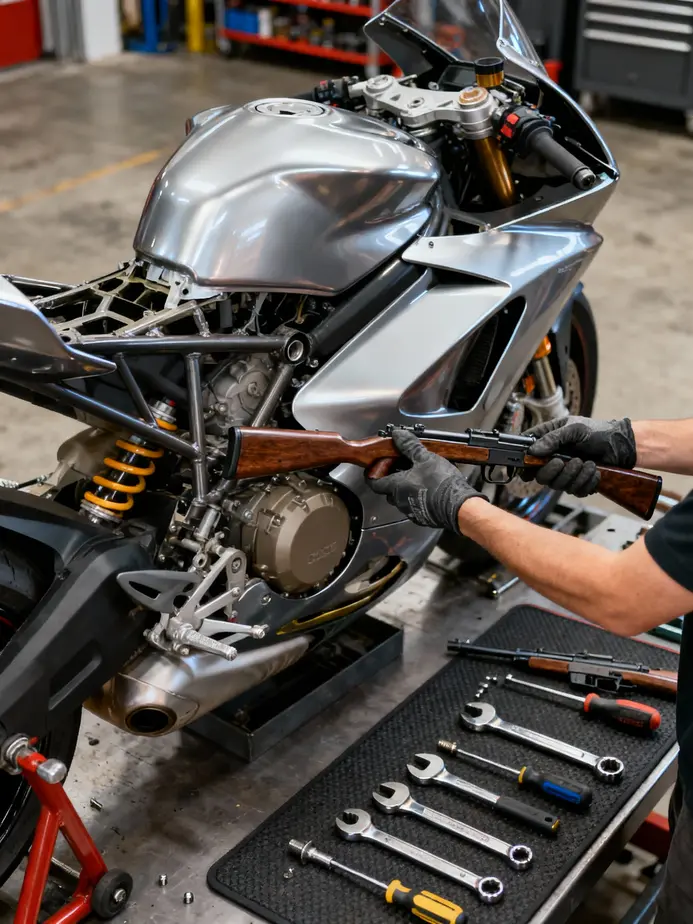
Installing Rifle motorcycle fairings not only transforms the look of your bike but also enhances its performance by improving aerodynamics and ensuring better protection against the elements. Before diving into this rewarding endeavor, thorough preparation and verification of compatibility are crucial stages that set the stage for a successful installation.
Tool Essentials
Equipping yourself with the right tools is vital for a smooth installation. Begin by gathering a socket set with metric sizes, generally ranging from 8mm to 14mm, to handle various fasteners. A screwdriver set that includes both flathead and Phillips head varieties will allow you to tackle screws of differing types. Settings will require precise application, so having a torque wrench is beneficial to ensure bolts are tightened to the manufacturer’s specifications without risking damage. An Allen wrench set is also advisable, depending upon the design of your fairings.
Additionally, invest in plastic trim removal tools to prevent accidental damage to any existing components when removing old fairings. Your safety should always come first, so don’t forget gloves, goggles, and protective clothing during the installation process. Proper lighting aids visibility, making work lights a wise addition to your setup, along with measuring tape for alignment checks. Consider buying Loctite (thread-locking adhesive) to secure screws and prevent loosening due to vibrations, and keep some clean cloths and isopropyl alcohol on hand to clean surfaces thoroughly.
The Preparation Process
Start your quest by gathering information about your fairings. Delve into the installation manual provided by Rifle; pay attention to the specifications and guidelines included within the document to familiarize yourself with the installation steps. It’s also imperative to check the compatibility of the fairings with your motorcycle model, as improper fit can lead to installation issues further down the line.
Next, focus on setting up your workspace. Choose a large, well-lit area free from clutter and distractions. Make sure that an outlet is nearby for power tools, should you need them. Having a comfortable and organized work environment can lead to greater efficiency and fewer errors.
Removing the old fairings is your next task. Use your trim removal tools gently to detach existing fairings without causing unnecessary damage. Keep screws and clips organized; label these as you go for easier reinstallation later. Once you’ve removed the old pieces, it’s crucial to perform a surface cleaning of the motorcycle’s bodywork where the new fairings will be mounted. This step, involving a lint-free cloth and isopropyl alcohol, ensures that the new fairings adhere well to the motorcycle.
Compatibility Verification Steps
Having prepared your tools and workspace, it’s time to check the compatibility of your Rifle motorcycle fairings with your bike. Begin by model checking: verify that the fairings are specifically designed for your motorcycle model by matching the part number, as suggested in the installation guide. This preliminary step can save you many headaches and potential complications during installation.
Furthermore, conduct a fitment test. Before diving into installation, position the fairings against the motorcycle without fastening them in place. This allows you to examine whether there are any obstructions or alignment issues. Verify that all mounting points connect accurately with existing holes in your bike’s frame, a crucial aspect that must be confirmed before proceeding. If any discrepancies are detected, consider using spacers or making necessary adjustments based on recommendations found in the installation manual.
Installation Techniques At a Glance
Once preparation and compatibility checks confirm readiness for installation, it’s time to begin attaching the fairings to your motorcycle. Begin by aligning each fairing with its respective mounting points. Insert screws into the holes and hand-tighten them gently; be cautious of cross-threading, as this can lead to difficulties in securing the fairings.
Utilize your torque wrench to tighten all screws precisely according to the specifications found within the fairing’s installation guide. Generally, these specifications will outline the recommended torque settings to ensure that your fairings are secure without risking damage from overtightening. Another key method involves the application of thread lock adhesive before securing the final screws, preventing them from loosening due to vibrations during rides.
As you complete the installation, don’t rush through the final inspection phase. Check that every fairing is aligned correctly and that all screws and clips are tightened adequately. Performing a thorough walkthrough will not only confirm the quality of your installation but also give you peace of mind during your first ride post-installation. Listen for any rattling noises or signs of looseness, which may indicate misalignment or improper fastening.
By taking the time to adequately prepare and verify compatibility, you set yourself up for a successful installation of Rifle Motorcycle Fairings that not only elevates the aesthetic appeal of your ride but also reinforces its protective capabilities on the road. This meticulous approach ensures that every ride can be met with confidence and ultimate enjoyment.
2. Equipping for Success: The Essential Hardware and Fasteners You Need for Rifle Motorcycle Fairings Installation
The installation of rifle motorcycle fairings demands not just skill but the proper selection of tools and hardware to ensure a seamless fit and reliable performance. When approaching this project, especially for models like the Honda CBR600RR or others that embody that sleek ‘rifle-like’ aesthetic, you’ll need to prepare adequately to avoid the common pitfalls associated with fairing installations. This section outlines the key tools, installation techniques, and essential hardware for accomplishing this task effectively and safely.
Key Tools for Installation
To tackle the installation of your rifle fairings, a well-equipped toolbox is essential. At minimum, you should gather:
- Screwdrivers and Hex/Allen Keys: Standard tools that will be critical for both removing existing fairings and securing the new ones in place. Make sure you have various sizes to match different bolt heads.
- Torque Wrench: A cornerstone of proper assembly, this tool allows you to tighten fasteners to manufacturer specifications, which often range between 5 to 10 Nm for fairing-related hardware. Correct torque application safeguards against vibration-induced loosening and potential panel damage.
- Trim Removal Tools: Plastic pry tools are essential for gently disassembling your bike’s bodywork without risking scratches or damage to the paint during removal.
With these tools on hand, you’re ready to begin the installation.
Installation Techniques
-
Remove Stock Fairings: Begin by carefully unscrewing all visible fasteners and clips. Start from the front around the radiator shrouds and methodically work towards the rear. Take your time here; rushing can lead to broken clips or damaged panels.
-
Align New Fairings: Once the old panels are off, it’s important to keep your mounting points intact. Use the factory mounting points for optimal alignment. Aftermarket kits are usually designed with precision—OEM-grade injection-molded kits, for instance, come with pre-drilled holes, making for a plug-and-play experience.
-
Secure with Bolts: Begin by hand-tightening all bolts to ensure everything is in place before applying torque. Once satisfied with the alignment, use your torque wrench to tighten bolts to manufacturer specifications. For added security, applying thread locker on bolts can be particularly beneficial for areas subject to significant vibrations.
-
Test Fit: After tightening, perform a final alignment check. Ensure gaps don’t exceed 2mm, as this can affect aerodynamics and aesthetics. Adjustments can often be made at this stage if slight misalignments are noted.
Essential Hardware and Fasteners
The choice of fasteners significantly impacts the installation’s success, so selecting quality options is vital. Consider the following:
- Bolt Kits: Look for comprehensive kits that typically cater to motorcycle fairings. Many universal kits, priced around $65, include M5/M6 bolts, nylon washers, and speed clips that fit a variety of fairing panels. These often come in aesthetically pleasing designs to match your motorcycle’s color scheme—such as gun-metal finishes that align with the rifle fairing style.
- Additional Fasteners: Rubber grommets are invaluable for absorbing vibrations, providing cushioning between hard panels and their mounts. Additionally, consider using double-sided tape or adhesive promoters for edges; avoid hot glue unless specifically recommended for the trim in question.
- Quantities: Pay attention to the kit contents; most will contain 7 or more pieces, ensuring that you have sufficient hardware for both installation and future maintenance. Color-coding can aid in the assembly if your fairing kit is designed with aesthetics in mind.
Final Preparations and Considerations
Although essential tools and hardware form the backbone of your fairing installation, there are further steps you can take to ensure your project goes off without a hitch. Reviewing your motorcycle’s service manual can provide specific torque specifications and diagrams, enhancing understanding and precision during assembly. Furthermore, while aftermarket fairing kits such as those available from specialized suppliers simplify the installation process, it’s wise to consider professional installation if you lack prior experience or if your motorcycle features ABS construction which inherently complicates disassembly and fitment.
Finally, if you want a quick reference or to explore more parts, check out specialized shops that provide bolt kits tailored for specific motorcycle models like those from Suzuki or Yamaha. Having reliable resources can be invaluable as you embark on this journey to customize your bike and enhance its performance and appearance.
By gathering all necessary tools, employing sound techniques, and leveraging quality fasteners, you’ll not only improve your motorcycle’s aesthetics with rifle fairings but also ensure its safety and performance on the roads. A thorough approach fosters confidence and creates a streamlined installation experience; combining aesthetics with functionality allows you to tailor your bike to your exact specifications while enjoying the process.
Chapter 3: Streamlining Performance and Style: The Advantages of Aftermarket Motorcycle Fairings
1. Enhanced Aerodynamics and Stability with Rifle Motorcycle Fairings
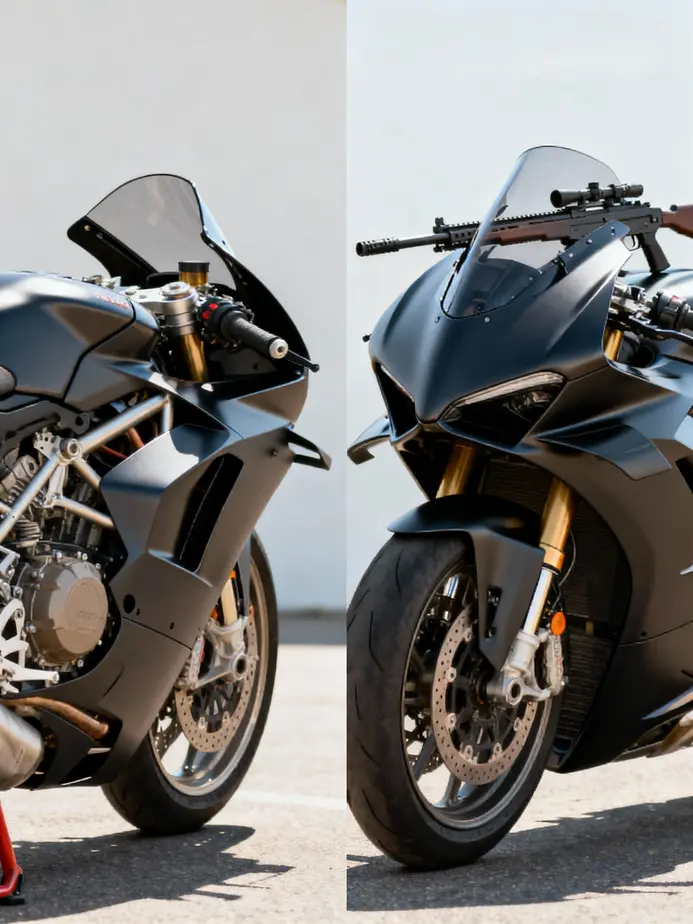
Motorcycle enthusiasts and riders often prioritize performance features and visual appeal when investing in aftermarket enhancements, particularly in the case of fairings. Specifically, Rifle motorcycle fairings, known for their robust engineering, bring significant benefits to both aerodynamics and stability, optimizing the riding experience while allowing for personal expression through custom aesthetics.
The aerodynamic advantages of these fairings cannot be overstated. One of the principal functions of motorcycle fairings is to manage airflow around the rider and the motorcycle itself. This is crucial for minimizing turbulence, especially at high speeds, which enhances stability and control. For sport-tourers, nakeds, and other performance-oriented motorcycles, the strategic design of fairings can make a noticeable difference. Fairings, crafted from lightweight composites, create streamlined profiles that cut through the wind, substantially reducing drag, often resulting in improved fuel efficiency and higher top speeds.
When it comes to specific models, take for instance the prestigious Suzuki GSX-8R, which benefits from aftermarket fairings engineered with meticulous precision to ensure compatibility with the original equipment manufacturer (OEM) specifications. These fairings maintain the motorcycle’s aerodynamic profile while providing the added bonus of personalization through paint or wraps. The refined shapes of these components are designed to disperse air effectively, allowing for optimized performance—particularly at speeds exceeding 100 mph, thereby lowering the risk of buffeting and elevating rider comfort.
Moreover, fairings can also enhance rider performance during cornering. The reduction of wind blast not only increases comfort but also leads to greater confidence in handling. Riders can experience improved stability in straight-line performance as well, as the fairings mitigate forces that could otherwise destabilize the bike. High-quality fairings are typically engineered with durability in mind, featuring materials with thermal stability—such as those operating effectively within temperature ranges from -10°C to +60°C. This ensures that fairing structures resist warping under varying environmental conditions, thereby helping to maintain consistent handling characteristics.
The protective capabilities of custom fairings, like the Aurora Rally kit tailored for the Suzuki V-Strom 800DE, are noteworthy as well. These kits do more than enhance aesthetics; they shield critical suspension components from debris and weather conditions that can compromise handling. Such protection creates a more stable ride and helps avoid unexpected impacts that could lead to performance degradation.
In addition to their functional benefits, the aesthetics of Rifle motorcycle fairings are equally compelling. Enthusiasts appreciate the opportunity to express their individuality through customized paint jobs, offering a palette of finishes—gloss, matte, or even chrome—that reflect personal style. Notably, custom paint adheres to the contours of the fairings better than typical wraps, providing a seamless, high-quality appearance while ensuring maximum durability against scratches and UV damage. This focus on longevity makes painted fairings a superior choice for those looking to maintain a bike’s aesthetic integrity over time.
The advancements in materials used for motorcycle fairings play a significant role in both performance and visual appeal. Manufacturers increasingly utilize recyclable polymers and advanced composites, aligning with broader trends in sustainability. Not only do these materials reduce the overall weight of the motorcycle, enhancing its efficiency, but they also accommodate contemporary design preferences that favor modern aesthetics. With the bicycle landscape continuing to evolve, the adoption of lighter and more innovative materials through advancements in manufacturing techniques—including 3D printing—is setting new standards in the design of fairings. This approach allows for breathtakingly sleek profiles that enhance both the visual and aerodynamic characteristics of the bike.
Trends toward customization in the motorcycle community are reflected in the rising demand for modular designs that provide convenience alongside performance. Riders are eager to modify their motorcycles to achieve a look that stands out while benefiting from the increased performance that well-designed fairings can offer. In a landscape where individuality meets performance, the ability to swap out and customize fairings sums up a rider’s unique identity while maximizing the motorcycle’s potential.
Furthermore, integrating aspects like lightweight fasteners—such as stainless steel M6 flange head bolts with speed clips—ensures that the fairings are not just visually integrated into the motorcycle’s structure but also mechanically sound. This attention to detail not only enhances the aesthetic feel but also contributes to a clean installation that minimizes the risk of mismatches or structural failures, which can be critical for maintaining high-speed stability.
In conclusion, investing in Rifle motorcycle fairings offers riders a dual benefit of enhanced aerodynamics and improved stability, while also providing opportunities for personalized customization. As motorcycle designers continue to innovate materials and techniques, the future of fairings looks bright, promising greater performance and aesthetic possibilities. Engaging with the manufacturing trends and personalization components of motorcycle fairings opens up exciting avenues for riders looking to enhance the overall experience of their machines, leading to rides that are as visually stunning as they are exhilarating.
2. Dynamic Impact: Material Innovations and Customization Trends in Rifle Motorcycle Fairings
Rifle motorcycle fairings exemplify an intricate balance of performance and aesthetics, merging cutting-edge material technology with an artist’s touch in customization. As the motorcycle industry evolves, so do the designs and functionalities of these essential components, which not only streamline airflow but also contribute to the visual identity of the motorcycle. A deep dive into the innovations surrounding these fairings reveals how they enhance performance, promote rider individuality, and support sustainable trends.
At the crux of performance enhancement is the aerodynamic efficiency provided by rifle motorcycle fairings. These expertly designed body panels serve to reduce drag, facilitating smoother airflow around the motorcycle at high velocities. This design consideration not only optimizes speed but also enhances handling and stability during those high-speed adventures. Riders seeking better control and performance often gravitate toward aftermarket fairings, seeking designs specifically tailored to their bike’s profile—like those for the Suzuki Katana series. These tailored advancements assure that motorcycles remain stable and predictable, critical aspects for both everyday commuting and racing on tracks.
Material innovation represents a key area where fairness transcends mere functionality. The introduction of lightweight composites, such as carbon fiber and advanced polymers, significantly alters the landscape of performance bikes. Not only do these materials provide an excellent strength-to-weight ratio, but they also allow for more precise engineering in fairing design. The result is a motorcycle that performs optimally while remaining lightweight, traits critical for racing environments.
Additionally, recent advances have ushered in 3D-printed fairing components, a technology that allows for rapid prototyping and customization based on individual rider preferences. This innovative approach means that enthusiasts can modify their fairings swiftly and effectively, making adjustments not only for performance but also for aesthetics. Consequently, riders can adopt a truly unique look that resonates with their personal style.
Going beyond mere aesthetics, the integration of smart sensors into motorcycle fairings is a trend gaining traction. These sensors can monitor wind pressure and temperature, providing real-time data that informs riders of changing conditions or mechanical performance metrics. With this information, riders can adapt their riding style, enhancing safety and overall experience. As motorcycle designs trend increasingly towards electrification, fairings are now being engineered to protect essential electrical components while maximizing airflow efficiency, ensuring riders enjoy enhanced range and performance.
Customization is where innovation and artistic expression collide. As riders look to personalize their motorcycles, they often turn to options such as intricate paint jobs or vinyl wraps. Custom painting remains a favored method as it offers durability and resistance to UV damage—keeping the fairings looking pristine even after miles of exposure. Custom paint not only protects but can integrate complex designs, allowing riders to express individuality and preferences through color palettes and thematic designs.
On the other hand, vinyl wraps have surged in popularity due to their affordability and ease of application. They allow for rapid aesthetic changes, providing options from matte finishes to vibrant graphics that can completely transform the motorcycle’s look. However, while wraps are effective for short-term customization, they occasionally fall short regarding long-lasting protection compared to traditional painting techniques. Enthusiasts must weigh these options carefully, considering their riding conditions and how often they wish to update the look of their bikes.
An exciting development forward involves the emergence of modular fairing systems. These systems allow for quick-release features that let riders swap out panels for maintenance or personalization with ease. With interchangeable designs, a rider can transition between racing setups and touring configurations in no time, adapting quickly to their needs without the weight of excessive baggage. This flexibility resonates particularly with weekend warriors who thrive on versatility in their rides.
As we look toward the future, the motorcycle industry is making strides in the realm of sustainability as well. Innovations involving the use of recycled materials and biodegradable plastics in fairing production reflect a growing trend toward eco-friendly practices. This stands as a significant development within an industry traditionally associated with high carbon emissions, indicating a collective shift toward conscientious manufacturing processes.
To sum up, rifle motorcycle fairings are evolving significantly, becoming central to discussions on both performance and aesthetics in motorcycling culture. The marriage of innovative materials, smart technologies, and customizable options empowers riders to optimize their machines and express their individuality. Whether aiming for an aerodynamic advantage on the racetrack or crafting a personalized aesthetic on the open road, these fairings stand at the forefront of modern motorcycle engineering, propelling riders toward new horizons of self-expression and enjoyment. Such ongoing advancements are critical as the motorcycle community melds performance demands with a commitment to sustainable practices, shaping a future that values both speed and the environment. For those seeking specific fairing options tailored to popular models, there’s an array of resources available for customization, ensuring every rider finds the perfect balance between style and substance.
Chapter 4: Exploring Innovations in Aerodynamics and Technology in Rifle Motorcycle Fairings

1. Revolutionizing Fairing Design: The Intersection of Aerodynamics and Advanced Technology in Motorcycle Fairings
As motorcycle technology advances, the demand for more efficient and streamlined forms becomes paramount, particularly in the realm of fairings. Fairings serve as streamlined body panels on motorcycles, designed not only for aesthetics but primarily to enhance performance by reducing drag. In recent years, technological innovations have played a crucial role in evolving fairing designs, ushering in an era where aerodynamic efficiency is meticulously combined with cutting-edge technology, paving the way for a superior riding experience.
The significance of fairings cannot be overstated; they play an essential role in stabilizing the rider, shielding them from wind and debris, and improving overall motorcycle handling. As manufacturers explore new materials and designs, the introduction of lighter components becomes a staple in creating fairings that not only enhance speed but also ensure rider safety. The integration of sensors and smart technology further elevates the functionality of these components, providing real-time data to riders and contributing to a safer motorcycling environment.
By exploring the innovations anticipated in the motorcycle market as we advance into 2026, we see a landscape rich with possibilities. Notable brands like KTM, Kawasaki, and Honda are taking significant steps in modernizing their offerings. For instance, KTM has introduced advanced TFT displays equipped with the KTM Connect functionality, allowing riders to access navigation, music, and various applications via USB-C connectors directly from their fairings.
Such interactive features allow seamless integration of technology into the riding experience, ensuring that distractions are minimized while maintaining comfort and performance. Moreover, the inclusion of varying riding modes—ranging from street to off-road options—indicates a level of customization previously unseen, allowing riders to tailor their experience based on their immediate needs and the riding environment.
Kawasaki’s advancements in the realm of motorcycle fairings highlight a robust shift towards safety and convenience. By incorporating voice-activated features within the Rideology app, riders can enjoy hands-free navigation while maintaining focus on the road ahead. This innovative approach demonstrates the growing trend towards connectivity in the motorcycle market, where the integration of technology transforms the fairing, not just into a protective shell but a hub of information and control.
In terms of rider safety, Kawasaki’s deployment of Adaptive Radar Assisted Braking (ARAS) marks a pivotal point in motorcycle design. By utilizing radar-based systems to detect obstructions and provide adaptive braking support, fairings are no longer merely a component of aesthetic appeal but a critical component of protective technology. This commitment to safety reflects larger market trends toward integrating advanced technology into motorcycle manufacturing, aiming at enhancing the rider’s ability to navigate diverse environments with confidence.
Shifting focus to Honda’s 2026 Goldwing GL1800, one can observe the marriage of luxury and reliability that fairings can offer. The redesign emphasizes not only comfort and performance but also integrates various reliability features right into the fairing design. This evolution illustrates the multifaceted approach taken in modern fare materials that marry form with function, ensuring riders remain protected while enjoying a high-end touring experience that resonates with long-distance enthusiasts.
Key trends in motorcycle development extend further to include enhancements in suspension and chassis design, which directly correlate with advancements in fairing technology. The introduction of systems like KTM’s WP XACT forks, which utilize lighter springs and hydro-stop elements, complements the aerodynamic optimization of fairings, resulting in enhanced handling and agility. The seamless integration of advanced materials—such as laser-cut steel used alongside aluminum subframes—demonstrates a commitment to reducing overall weight while improving structural integrity.
Connectivity has emerged as a defining theme in motorcycle design trends, with models now offering enhanced GPS data analysis capabilities, revealing a shift toward smarter, more maintainable motorcycles. This evolution in connectivity represents an important nexus where technology meets rider needs, indicating that the future of fairings extends beyond aesthetics and air resistance to encompass a complete smart riding environment.
As the industry anticipates increasing consumer demands for versatile motorcycles that can adapt to various conditions, the integration of fairings in supermoto and adventure models becomes critical. The evolving designs must cater to various riding styles, ensuring performance, comfort, and connectivity are at the forefront of riders’ experiences.
Fairing technology continues to push boundaries, challenged by a blend of rider demands for customization and performance. As future innovations unfold, we would expect to witness a constant evolution driven by a focus on aerodynamics, safety, and the immersive experience of riding a motorcycle. This transformative shift speaks volumes about the state of motorcycle manufacturing as it transitions into a new age of technological sophistication, highlighting how far we have come since the humble beginnings of basic fairing designs.
In summary, the trajectory of motorcycle fairing innovations points toward a bright future filled with endless possibilities for performance enhancement, rider safety, and technological integration. Fairings are evolving from mere aesthetic components to dynamic enhancers of the riding experience, promising to adapt to the increasingly sophisticated demands of motorcyclists in an ever-changing landscape. As these developments continue, the modern motorcycle fairing will no longer simply serve as a protective barrier but rather as an integral part of what defines the riding journey. For those eager to explore customized and technologically advanced options, checking resources on motorcycle fairings will unveil a wealth of information and insights on the latest products available in high-performance markets.
2. The Interplay of Economic Growth and Societal Change in the Evolution of Motorcycle Fairings
The motorcycle fairings market is undergoing a transformation that impacts not only the economy but also societal norms and behaviors. As motorcycle enthusiasts and everyday riders alike seek both performance enhancements and aesthetic improvements for their machines, innovations in fairings have become more than just technical modifications; they are now integral to promoting safer riding, individual expression, and environmental sustainability. In tracking these developments, a broader landscape emerges that connects lightweight materials, customization trends, and the increasing prevalence of electric vehicles (EVs) with economic growth and shifts in consumer behavior.
A notable trend shaping the market is the transition to lightweight composite materials such as carbon fiber and advanced polymers. These materials not only improve performance by reducing drag and enhancing fuel efficiency but also cater to the increasing focus on sustainability. For traditional combustion-engine motorbikes, lighter fairings can mean better mileage, while for electric vehicles, they help extend battery life. Since late 2025, the integration of such materials has surged in popularity, fundamentally altering how enthusiasts perceive the capabilities of their vehicles.
The expansion of customization options also plays a role in the evolving motorcycle fairings landscape. Vinyl wraps have broken into the market as an economical and efficient alternative to traditional paint jobs. This change reflects broader consumer sentiments for personalization—riders are no longer satisfied with off-the-shelf designs. They crave a means of expressing their identities through their bikes, and vinyl wraps can be easily applied and switched out, fulfilling this need while preserving the aerodynamic integrity of the vehicle. By emphasizing personal expression, this trend not only boosts aftermarket sales but also supports local businesses offering custom wrap services.
Economic implications are profound as well. The motorcycle fairings market has witnessed a robust growth trajectory, driven not merely by raw wants but by necessity as supply chains adapt to fluctuating raw material prices. Innovative manufacturing practices, such as 3D printing, are becoming crucial as they enable cost-effective customization and speed up production timelines. This shift towards quick and efficient production supports a broader change where manufacturers can engage more meaningfully with consumer demands for unique designs and modifications.
The interplay between economic growth and societal shifts is especially visible in emerging markets, such as those in Southeast Asia. Vietnam’s burgeoning electric vehicle market exemplifies this connection. As policy changes loom—like the anticipated regulations in 2026—distributors are crafting strategies centered on delivering practical, durable fairings aimed at a price-sensitive demographic. This cautious yet strategic approach illustrates a larger trend in which economic considerations for cost-effective solutions align with efforts to cater to the growing consumer base of environmentally conscious riders. Meanwhile, the systematic rollout of supportive infrastructure for electric motorcycles continues to gain traction, further incentivizing consumer adoption and, logically, fueling the fairings market in tandem.
As these market trends evolve, society begins to notice the implications on bikers’ culture and safety standards. Integrated smart features, such as LED lights and sensors within fairings, are emerging to enhance rider visibility and safety, particularly under low-light conditions. This safety emphasis is critical as urban commuting becomes an essential mode of transportation in crowded cities, and motorcycles serve as an agile alternative to cars. With lightweight designs, motorcycles are becoming more versatile, facilitating off-road and urban commuting while also aligning with more extensive sustainability goals.
These innovations do not just operate in isolation; they represent a broader push towards greener urban mobility solutions. For instance, cities grappling with congestion have begun to integrate motorcycle use into their urban transport planning, recognizing its role in reducing environmental impact. This perspective aligns with the riders’ increasing preference for eco-friendly practices, reflective in the market trend towards electric motorcycles and the need for lightweight, sustainable fairings supporting this transition.
Trade events such as the Performance Racing Industry (PRI) and Automotive Aftermarket Products Expo (AAPEX) serve as crucial platforms for disseminating these trends among industry stakeholders. By showcasing innovative fairings and emerging technologies, these events foster a shared understanding of market dynamics, regulatory challenges, and repair techniques, equipping body shops and retailers with the knowledge necessary to adapt. The education and collaboration initiated within these forums are vital as the industry pivots to accommodate a landscape dominated by new technologies, sustainability practices, and consumer demands for personalization.
As motorcycle fairings continue to evolve, the market reveals a complex interplay between economic growth and societal change. With lightweight materials, customizable options, and the rise of electric motorcycles, we witness a convergence of desires that reflect both individual expressions and collective shifts towards safer, more sustainable riding. By keeping pace with these trends, the motorcycle fairings industry not only addresses the immediate needs of riders but also contributes to a broader dialogue about mobility, safety, and environmental impact in societies worldwide. Ultimately, this ongoing evolution will determine how riders engage with their machines, each other, and the world around them.
In summary, the future of motorcycle fairings is intertwined with economic developments and evolving societal expectations. To stay relevant, stakeholders in the motorcycle community must embrace these changes, leveraging opportunities for innovation while remaining responsive to both the immediate tastes of riders and the larger implications of the industry on urban mobility and environmental sustainability. For those seeking to deepen their knowledge in this area, exploring the nuances of customization and the extensive range of body parts available through various manufacturers can provide valuable insights into the trajectory of motorcycle performance and culture.
Final thoughts
Rifle motorcycle fairings represent a blend of aesthetic appeal and performance optimization, making them essential for both motorcycle enthusiasts and business owners. Understanding the various types, installation techniques, advantages, and emerging trends can empower businesses to enhance their product lines and cater to customer desires effectively. As the motorcycle market evolves, staying attuned to these advancements not only keeps businesses competitive but also bolsters their reputation as knowledgeable providers. Therefore, investing in quality rifle motorcycle fairings can lead to significant benefits, ensuring that riders get the performance and style they crave.
Upgrade your ride with UltimateMotorX’s premium motorcycle fairings—durably crafted, precision-fitted, and stylish. Meeting OEM standards for easy installation, our collection suits upgrades or replacements. Shop now for fast shipping, secure checkout, and expert support. Give your bike the ultimate quality it deserves!
About us
At UltimateMotorX, we’re rider-founded experts in top-tier motorcycle fairings. We source premium materials, partnering with trusted manufacturers for perfect fits and durability. Enjoy expert advice, hassle-free returns, and seamless shopping. Ride with confidence—style and quality guaranteed!