
Introduction
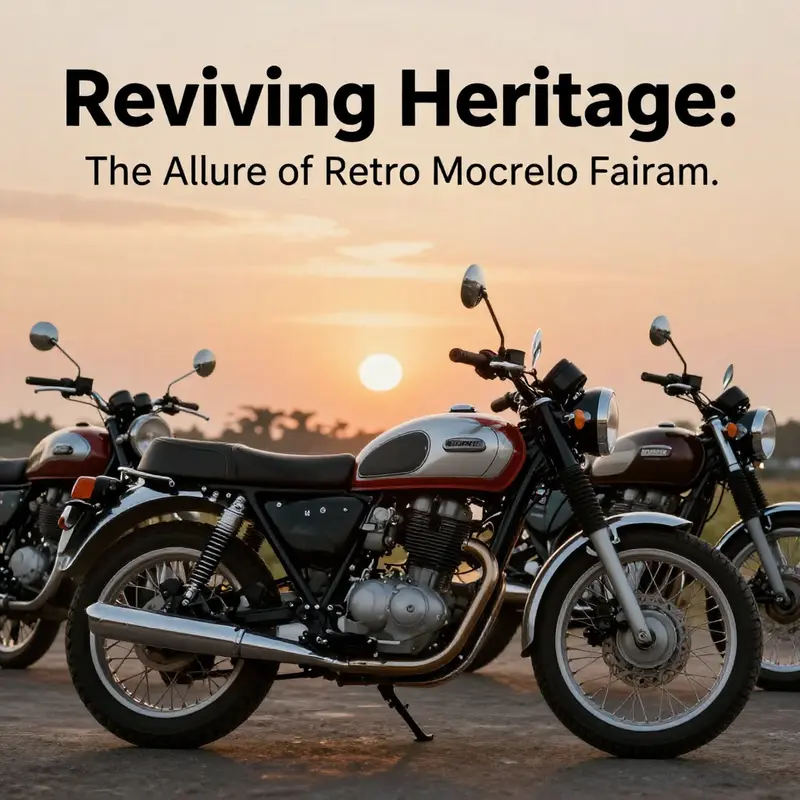
In the world of motorcycle customization, retro motorcycle fairings have emerged as a significant trend. They not only enhance the visual appeal of classic bikes but also offer modern riders a blend of style and functionality. The retro design resonates with motorcycling enthusiasts, allowing them to express their love for the heritage of biking while benefiting from contemporary advancements. Each chapter will delve deeper into the design aesthetic, performance benefits, and installation nuances, providing a rounded understanding of why retro fairings are an essential upgrade for any motorcycle enthusiast.
Tables of Contents
Chapter 1: Harmonizing Vintage Aesthetics with Modern Engineering in Motorcycle Fairings
- Innovative Technologies Enhancing the Classic Charm of Retro Motorcycle Fairings
- Cultural Nostalgia and the Rise of Customization in Retro Motorcycle Fairings
Chapter 2: Sleek Heritage: Merging Classic Aesthetics with Modern Aerodynamics in Retro Fairings
- Streamlined Design Meets Comfort: The Dual Benefits of Retro Motorcycle Fairings
- How Retro Motorcycle Fairings Balance Aesthetic Appeal with Maintenance Needs and Durability
Chapter 3: Mastering the Process: A Comprehensive Guide to Installing Retro Motorcycle Fairings
- Essential Installation Techniques and Critical Safety Measures for Retro Motorcycle Fairings
- Navigating Fit and Function: A Comprehensive Look at Retro Motorcycle Fairing Compatibility
Chapter 1: Harmonizing Vintage Aesthetics with Modern Engineering in Motorcycle Fairings
1. Innovative Technologies Enhancing the Classic Charm of Retro Motorcycle Fairings
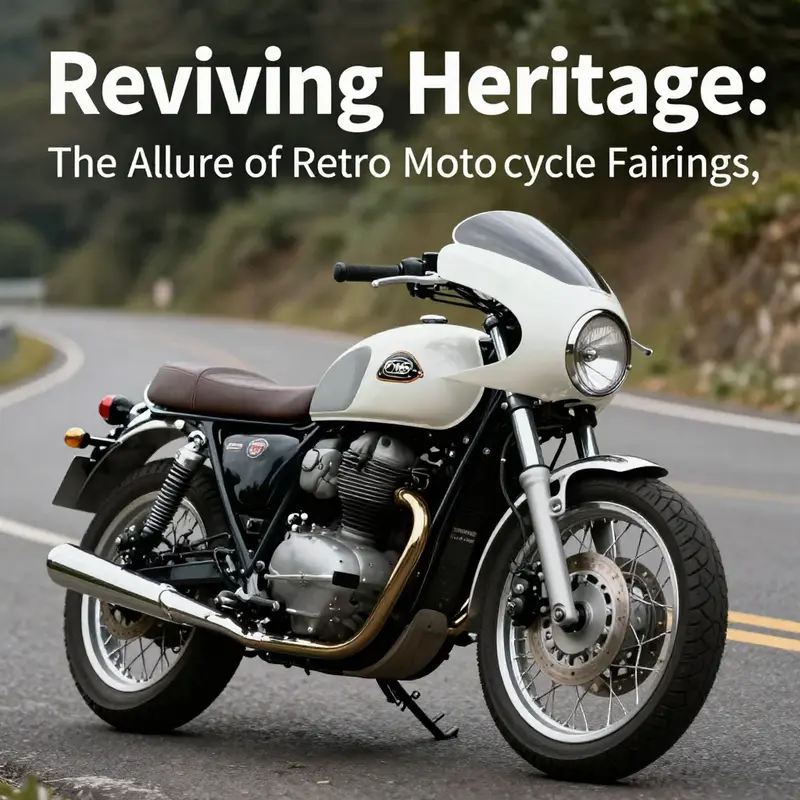
The realm of motorcycle design has undergone remarkable transformations, especially in the area of fairings, where a unique blend of nostalgia and technical sophistication thrives. This intersection of classic aesthetics and innovative technology has given rise to retro motorcycle fairings that not only appeal to the sense of visual heritage but also significantly enhance functionality and performance. The streamlined designs echoing the mid-20th century have adapted through contemporary engineering to meet modern-day riding necessities, creating a dynamic landscape for motorcycle enthusiasts.
Streamlined Aerodynamics Meets Classic Design
At the heart of retro fairings is their ability to merge streamlined aerodynamic shapes with the charm of bygone eras. Riders today crave the visceral aesthetics of classic motorcycles reimagined with the efficiency of modern engineering. Fairings designed in this retro style incorporate curves reminiscent of vintage models, effectively reducing wind resistance while still portraying the allure of classic bikes. This aerodynamic enhancement is crucial; it enables higher speeds and improved fuel efficiency—an essential feature for contemporary riders who traverse longer distances.
The successful merging of form and function can be seen in several models that have emerged from various manufacturers. These fairings possess not only the classic appeal but also the performance capabilities expected from modern motorcycles. The use of advanced design simulations and wind tunnel testing techniques ensures these retro fairings are both visually striking and aerodynamically efficient.
Material Innovations Defining Modern Retro Fairings
Material choice is a significant factor that contributes to the efficacy and durability of retro motorcycle fairings. Today’s manufacturers often opt for lightweight composite materials, which provide notable benefits such as reduced overall weight without compromising structural integrity. Fiberglass remains a popular choice due to its resilience and scratch resistance; however, advances in material technology have introduced composites that enhance durability while offering a retro look. This innovation allows for a fairing that withstands the rigors of the road while maintaining an enduring aesthetic appeal.
For example, the Batwing Fairing designed for certain Harley-Davidson models represents the pinnacle of modern retro fairing design. Crafted from high-grade fiberglass, it fuses durability with a look that harkens back to the golden age of motorcycling. The fairing integrates features that cater to contemporary needs, such as modified lampshades that uphold vintage styles whilst ensuring compliance with modern lighting standards.
Customization in Design: A Modern Necessity
Another noteworthy advancement in retro motorcycle fairings is the increased focus on customization. Modular designs now offer enthusiasts the flexibility to personalize their motorcycles easily. This feature enables riders to modify their fairings according to individual preferences while ensuring that they remain true to the retro aesthetic. The emergence of customizable parts fosters a sense of ownership and identity among riders, allowing them to express their unique style and preferences through their vehicles.
In this context, universal retro front fairings have gained traction, providing a vintage appeal that suits various motorcycle models. Such components come equipped with all necessary mounting accessories, making the installation process straightforward for the average enthusiast. This reflects a conscious effort by manufacturers to accommodate both seasoned riders and newcomers in the motorcycle community, emphasizing accessibility alongside style.
Integrated Technology: Bridging the Past and Future
Incorporating technology into the design of vintage-inspired fairings is not merely an afterthought; it is an integral aspect of their evolution. Modern fairings often include features such as integrated LED lighting, enhancing visibility and adding a touch of modernity to classic designs. The smooth, uninterrupted lines of fairings are juxtaposed with high-performance lighting solutions that not only enhance safety but also align with contemporary aesthetics.
Additionally, advancements like USB charging ports and electronic indicators have found their way into retro models, ensuring that practicality does not overshadow style. Motorcyclists today expect their vehicles to accommodate the demands of modern life, and integrating such features directly into the fairing design serves to enrich the riding experience without compromising the classic look. This technological prowess works in tandem with retro design, symbolizing the perfect marriage of the old and new.
Embracing Heritage Through Contemporary Design
One striking example represents this ideal in the VX125 model, which features a distinctive “Future Wing” headlight assembly and side panels drawing inspiration from classic scramblers. This model cleverly packages modern ergonomics with vintage ideology, fostering an inviting environment that appeals to both traditionalists and younger riders alike. Such models echo the spirit of the 1960s without losing sight of what makes motorcycles enjoyable today.
By designing retro fairings that honor the craftsmanship and aesthetic values of previous generations, manufacturers are not merely recalling the past; they are breathing new life into it. The result is a revitalized motorcycling culture where enthusiasts celebrate both history and innovation. These fairings are testament to how far motorcycle design has come while still firmly rooting itself in the passionate traditions of motorcycling.
As riders embark on long journeys, the comfort and protection afforded by these fairings cannot be underestimated. The balance of improved aerodynamics, reduced noise, and weather protection plays a major role in enhancing the overall riding experience. This blend of engineering and nostalgia resonates deeply with those who appreciate the heritage that defines motorcycling.
In conclusion, the evolution of retro motorcycle fairings is a compelling narrative intertwined with advances in material technology, aerodynamic design, and integrated functionality. As these components continue to evolve, they serve as a bridge between the past and the future of motorcycling, allowing enthusiasts to engage with their bikes on deeper, more personal levels. For riders looking to enhance their motorcycles with authentic retro flair while enjoying modern conveniences and performance, exploring options like those available through various model offerings can lead to the perfect match in both style and utility, enriching their journey on the open road.
2. Cultural Nostalgia and the Rise of Customization in Retro Motorcycle Fairings
Cultural nostalgia plays a pivotal role in shaping the design and aesthetic appeal of retro motorcycle fairings, revealing how societal trends intertwine with personal identity and historical appreciation. As more riders gravitate toward older styles, there is a discernible shift in the motorcycle landscape—one that captures the essence of mid-20th-century craftsmanship while incorporating modern functionality.
The resurgence of interest in retro designs can be closely tied to the social climate of recent years. As people navigate the complexities of contemporary life, many find solace in the familiar. The visceral reaction of nostalgia invokes cherished memories and a longing for simpler times, often inspiring individuals to seek out motorcycles that reflect their preferred aesthetic. Whether it’s the sleek lines reminiscent of classic race bikes or the vivid color palettes that defined the glossy advertisements of the past, motorcycle enthusiasts are increasingly drawn to fairings that encapsulate these qualities. This cultural phenomenon is not merely a trend; it represents a collective yearning to reconnect with a heritage steeped in craftsmanship, adventure, and freedom.
With platforms like social media allowing us to share and celebrate this passion, retro motorcycle culture has flourished in digital spaces. Communities dedicated to vintage styles have been thriving online, prompting riders to exchange ideas, images, and restoration projects that highlight the artistry behind custom builds. These platforms have democratized motorcycle design, enabling a diverse range of voices to influence the aesthetic direction of retro fairings. Riders are no longer limited by manufacturer offerings; they can engage in the collaborative crafting of their identity, merging customization with classic design principles. This process of personalization both preserves and evolves the essence of retro designs, bridging the gap between past and present.
Manufacturers have keenly observed these shifts and are innovating accordingly. The excitement surrounding customization extends well beyond mere paint jobs; it encompasses the integration of advanced materials and modern engineering with vintage styling. For instance, the introduction of lightweight fiberglass fairings has allowed for intricate designs that reflect classic aesthetics while reducing overall weight. This combination not only enhances the visual appeal of motorcycles but also improves performance and handling—factors that modern riders prioritize. Fiberglass components, like those found in iconic models such as the Batwing Fairing for Harley-Davidson bikes, showcase how durable and functional materials can be used to create authentic retro looks.
Additionally, the harmonization of aesthetics with practicality is crucial to attracting a new generation of riders who appreciate both form and function. As riders increasingly seek comfort and performance enhancements, fairings are designed to cater to these demands without compromising their nostalgic vibe. Full fairings may offer comprehensive protection from wind and weather, though they can often appear bulky; retro-style partial fairings, on the other hand, provide a streamlined appearance that doesn’t overshadow the bike’s original design. This balance is reflective of a generation that treasures both individuality and functional design—an ethos that is becoming ever more prominent in motorcycle culture.
Moreover, the growing awareness of environmental issues has prompted some manufacturers to adopt more sustainable practices in their production processes. This trend aligns with societal values that are increasingly focused on ecological responsibility, leading to the creation of retro fairings that not only embody nostalgia but are also produced using eco-conscious materials. The integration of sustainable practices into the design process amplifies the connection between heritage and responsibility, allowing riders to express their appreciation for the past while contributing positively to the future.
The customization wave isn’t confined to aesthetic choices; it also reflects a profound shift towards individualism. Riders now see their motorcycles as extensions of themselves—canvases onto which they paint their personalities and experiences. This phenomenon goes beyond customization for the sake of beauty; it reflects deeper ideals where motorcycles signify freedom, rebellion, and a quest for identity. Each retro fairing selected or customized echoes a story, connecting its owner to a larger narrative of motorcycle history that spans decades.
The motorcycle community, through its diverse tastes and inspirations, reinforces the idea that far more than just riding, the experience is one of self-expression. Retro fairings have become symbols of rebellion against uniformity and mass production. The craftsmanship that goes into creating a meticulously designed bike stands as testimony to the dedication of its owner. Enthusiasts often invest extensive hours sourcing parts, reimagining styles, and even fabricating components that bring their vision to life. Such practices not only allow for individuality but also foster a sense of shared culture among those who appreciate retro aesthetics.
Ultimately, the convergence of cultural nostalgia, customization, and sustainability marks a transformational period in the motorcycle world. Retro fairings are no longer simply protective elements; they represent a confluence of personal expression, historical homage, and contemporary values. For avid riders, embracing these designs is akin to participating in a larger movement—one that celebrates and reclaims the unique melding of past and present.
As society continues to evolve, so will the trends that influence motorcycle design, ensuring that retro fairings remain dynamic and relevant. This organic progression reflects a culture deeply rooted in respecting traditions while embracing the innovations of tomorrow. The motorcycle becomes more than just a machine; it transforms into a vessel for exploration and connection, linking riders to a rich tapestry of history—crafted, in part, by the fairings that adorn their bikes.
In this vibrant tapestry of motorcycling culture, purchasing decisions, and design innovations, those who opt for retro fairings are joining a movement that honors the legacy of motorcycling while paving the way for the future. For anyone looking to embrace this evolution, a myriad of options awaits, from fiberglass creations to modern interpretations of beloved vintage styles. The journey through motorcycle history is not simply a glance back; rather, it’s an ongoing narrative that continues to unfold on the open roads.
Chapter 2: Sleek Heritage: Merging Classic Aesthetics with Modern Aerodynamics in Retro Fairings
1. Streamlined Design Meets Comfort: The Dual Benefits of Retro Motorcycle Fairings
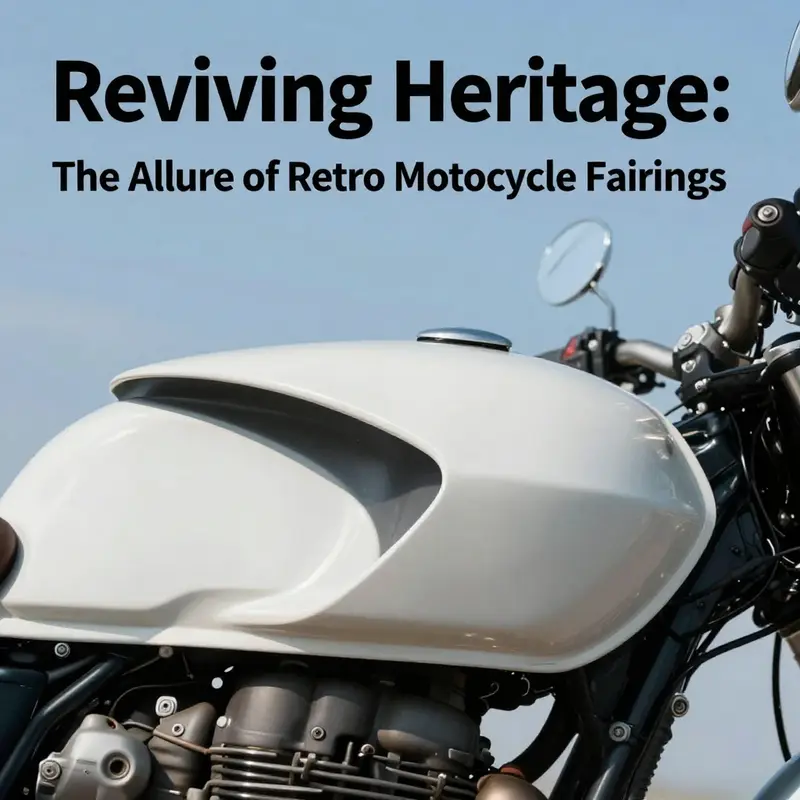
Retro motorcycle fairings serve as a bridge between the vintage aesthetics that many riders cherish and the cutting-edge functionality that modern engineering provides. These components redefine the motorcycle experience by enhancing both performance and rider comfort, making them essential for enthusiasts who appreciate the style of yesteryears without sacrificing the benefits of contemporary technology.
The essence of retro motorcycle fairings lies in their aerodynamic design. Unlike their earlier counterparts, which primarily focused on aesthetics, modern retro fairings are meticulously crafted to streamline airflow. This design reduces drag, a critical factor that contributes to improved high-speed stability. Riders who appreciate the thrill of speed often find that a well-designed fairing can significantly enhance their motorcycle’s handling capabilities. By allowing the bike to slice through wind more efficiently, retro fairings make long rides more enjoyable and manageable, minimizing the strain typically associated with high-speed travel.
One of the standout features of retro fairings is their ability to redirect wind away from the rider. As the motorcycle accelerates, the force of the wind can become a source of fatigue. Retro fairings effectively deflect wind, creating a cleaner pocket of air around the rider’s body. This reduction in wind resistance not only alleviates the physical toll of high-speed rides but also enhances comfort over long distances. Riders who embark on cross-country trips often report less overall fatigue when equipped with such fairings compared to those without. This benefit makes retro fairings a practical upgrade for touring motorcycles, where comfort is paramount.
Moreover, retro fairings are often designed with integrated cooling features that enhance engine performance. Subtle vents and contours allow for improved airflow management. By promoting efficient air circulation, these fairings help maintain optimal engine temperatures, which can significantly affect performance and longevity. This thoughtful integration of cooling features aligns with both aesthetic and functional requirements, making them appealing not only for the look but also for their contribution to the bike’s performance.
The materials used in the construction of modern retro fairings play a crucial role in their effectiveness. Fiberglass and lightweight composites have emerged as popular choices, offering a perfect blend of durability and reduced weight. This trend allows for a resilience that can withstand the elements while contributing to lighter bike handling, resulting in quicker acceleration and greater maneuverability. Riders who appreciate a responsive machine will find that the right fairing can profoundly influence their overall riding experience. The enduring strength of these materials also means that riders can enjoy their investment for years, overcoming the wear and tear typically associated with older plastic options.
As nostalgic riders gravitate towards retro fairings, they often do so with the intent of maintaining their motorcycle’s heritage while embracing modern performance enhancements. While full fairings provide maximum protection from the elements, they do come with added weight, limiting customization options. Retro-style partial fairings reflect a refined balance between protection and weight efficiency. This configuration allows riders to enjoy an appealing design without the burden of excessive bulk, making their motorcycles not only lighter but more visually striking. Riders can also explore a wide range of color schemes and finishes, allowing for a truly personalized aesthetic—an attractive proposition for many who take pride in their bike’s appearance.
However, it is worth noting that while partial fairings enhance comfort and offer some protection, they do not provide the same level of coverage as full fairings, particularly in adverse conditions. As a result, there may be situations—especially in harsher weather—where additional riding gear is still necessary for optimal safety and comfort. With this understanding, riders can properly equip themselves for different riding scenarios, ensuring they strike the right balance between style and functionality.
Additionally, retro fairings often feature optimized headlight housings and lamp capabilities that do not compromise on modern safety standards. Engineers have artfully integrated retro aesthetics with upgraded lighting technology, ensuring that the timeless designs resonate with vintage charm while providing optimal visibility. This attention to detail is pivotal for safety, as it helps riders remain visible during night rides and in poor weather conditions—elements critical for enhancing rider confidence.
Despite some limitations, the advantages presented by retro fairings are significant for both form and function. They empower riders to customize their bikes while catering to performance needs. The emotional connection many riders derive from their motorcycles—rooted in heritage and style—beautifully merges with the functionality of modern engineering. This intricate synergy transcends mere aesthetics, reinforcing the palpable excitement of riding while bolstering safety and comfort.
Aesthetically, retro fairings evoke a sense of nostalgia that resonates deeply with motorcycle enthusiasts. The unique lines, chrome finishes, and elegant curves hearken back to an era when motorcycle design was symbolic of freedom and adventure. While many riders embrace retro fairings for their beauty, they also do not shy away from acknowledging the advantages these components afford them on the road. This duality—celebrating historical design while leveraging modern technology—provides a uniquely rewarding experience for today’s riders.
Given this landscape, it is essential for riders to carefully consider the characteristics of retro fairings that best complement their individual riding style. Personal preferences, from aesthetic tastes to performance needs, play a significant role in this choice. For instance, some riders might prioritize wind protection and comfort for long rides, while others may focus on weight reduction for spirited riding. This process inevitably leads to thoughtful customization, where retro fairings become an integral part of the rider’s identity, reflecting their appreciation for classic styling infused with contemporary functionality.
For those interested in retro motorcycle fairings, exploring various offerings can lead to exciting customization options that enhance both appearance and performance. Brands catering to enthusiasts often provide fairings tailored to each specific motorcycle model, ensuring a seamless integration that reinforces the motorcycle’s original design ethos while elevating its capabilities.
The merging of classic design with modern aerodynamic principles has become a defining aspect of the modern motorcycling culture. As riders increasingly seek out ways to optimize their machines while retaining a connection to the past, retro motorcycle fairings have emerged as a compelling solution. They provide a multitude of benefits that enhance the riding experience, from improved aerodynamics and wind deflection to robust materials that withstand the rigors of the road. Ultimately, embracing retro fairings allows riders to honor the spirit of classic motorcycles while enjoying the performance advantages unparalleled in the realm of modern motorcycling. Such enhancements make every journey not just an endeavor of transportation but an exploration of the essence of motorcycle riding itself.
For those eager to delve further into the available options, various models and types across different manufacturers can be explored, paving the way for informed choices that align with personalized preferences: motorcycle fairings.
2. How Retro Motorcycle Fairings Balance Aesthetic Appeal with Maintenance Needs and Durability
Retro motorcycle fairings, often embraced for their ability to blend charming aesthetics with reliable function, invite riders to explore a world where vintage imagery enhances the modern experience. These fairings not only embrace the classic motorcycle designs reminiscent of the 1970s and 1980s but also cater to practical considerations of maintenance and longevity that every rider must contemplate.
From a durability perspective, the materials employed in constructing retro fairings play a pivotal role in their overall lifespan and resilience. Most commonly, manufacturers utilize ABS plastic or fiberglass, chosen for their ability to strike a balance between strength and affordability. While ABS plastic presents a lightweight option, fiberglass tends to offer longevity, making it an appealing choice for many riders looking to enhance their bikes without overspending. Both materials are susceptible to weather elements and minor impacts; they can withstand a fair amount of wear but lack the advanced resilience found in modern composite materials. Therefore, riders choosing retro fairings must strike a balance between the desired vintage aesthetic and the practical implications of material choice, as these retro fixtures may be more vulnerable to cracking or chipping from road debris or minor collisions.
It’s important to note that sourcing replacement parts for retro fairings can pose significant challenges. Many of the designs cater specifically to older motorcycle models, and as a result, finding original replacement parts can be quite arduous. This not only increases the financial burden on the rider but can also lead to extended downtime, which is not ideal for avid motorcyclists eager to hit the road. Nevertheless, industry specialists indicate that riders upgrading to well-engineered fairings often experience improved comfort and mitigate maintenance challenges over time, although this is best achieved with newer, structurally optimized designs rather than solely aesthetic retro replicas.
On the topic of maintenance, retro fairings introduce unique challenges owing to their integration with older motorcycle frameworks. Unlike modern fairings designed for maximum efficiency and ease of access, retro designs frequently result in complex contours and exposed mounting points. This can make routine cleaning and inspection a meticulous process, potentially leading to overlooked damage or an accumulation of grime. Regular maintenance is essential, especially for motorcycles frequently exposed to the elements.
The combination of retro styling elements with older engines may further complicate the integration of contemporary components. Riders must assess compatibility when considering upgrades, as heat and vibration from modern engines can accelerate wear on less robust designs. This challenge also emphasizes the need for meticulous attention to one’s maintenance routine, as overlooking these factors can lead to premature wear and tear, dampening the overall riding experience.
However, the minimal coverage design—characteristic of vintage-inspired quarter or half fairings—does open up some practical benefits for hands-on riders. The accessibility to engine components is notably more straightforward, allowing for convenient routine servicing without major disassembly of the motorcycle. For the mechanically inclined, this ease of access can reduce the barrier between rider and machine, fostering a more intimate understanding of one’s motorcycle and its needs.
The appeal of the retro motorcycle fairing isn’t confined to aesthetic nostalgia alone; it also hinges on how these elements marry with modern demands for comfort and performance. While retro fairings can contribute positively to wind deflection at moderate speeds and generally enhance rider comfort, their inherent qualities present performance limitations. As such, riders keen on upgrading their motorcycles with retro flair should carefully consider the potential trade-offs between durability and maintenance needs against their desire for a unique visual identity.
Indeed, selecting the appropriate fairing can significantly impact overall satisfaction with the motorcycle. Some models lean towards full fairing configurations, which excel in providing a sleek and streamlined profile, reducing drag and enhancing aerodynamics. Yet, these full covers introduce significantly more weight and can lead to a more complex maintenance regimen compared to their partial counterparts. Conversely, those opting for partial fairings can enjoy a beautiful blend of retro charm and organizational ease—this style often embraces a lighter frame, better suited for nimble handling and more straightforward service access.
As riders navigate their choices among retro fairings, it’s vital to prioritize durability alongside the characteristic styles that captivate them. A superficial commitment to nostalgia without acknowledgment of practical realities can lead to compromised experiences on the road. Opting for better-engineered components that maintain a subtle retro influence without sacrificing contemporary performance is often a smart route. Riders should reflect upon not just the visual appeal but also the overall longevity and maintenance ease that each fairing affords.
In a landscape where burnout and frustration can quickly mar the experience of motorcycle ownership, selecting retro fairings becomes part of a larger narrative. It is about having the wisdom to choose designs that not only evoke fond memories but also honor the essence of what being a rider is—a lifelong relationship with the mechanical companion traversing the open road. Therefore, when considering retro fairings, it remains integral for riders to thoroughly assess material quality, sourceability of replacement parts, and the existing condition of their motorcycle’s frame and components—elements that collectively contribute to the reliability and efficacy one seeks to integrate into their riding experience.
In conclusion, embracing retro motorcycle fairings provides an opportunity to indulge in a passion for vintage aesthetics while navigating the intricacies of maintenance and durability. For enthusiasts dedicated to preserving a sense of motorcycle heritage, blending that charm with practical foresight allows for enjoyment and exploration with true peace of mind. By doing so, riders are better positioned to maintain their machines for the long haul, ensuring that the journey through myriad landscapes remains as exhilarating as the nostalgia from which these fairings derive their inspiration. For anyone considering an upgrade that amalgamates performance with a nod to the past, thoughtful selection and attention to detail will pave the way towards enriching their riding adventure—combining the best of yesterday and today seamlessly.
For a variety of options, visit relevant pages such as BMW Fairings or Honda Fairings to explore what’s available in the realm of retro motorcycle upgrades.
Chapter 3: Mastering the Process: A Comprehensive Guide to Installing Retro Motorcycle Fairings
1. Essential Installation Techniques and Critical Safety Measures for Retro Motorcycle Fairings
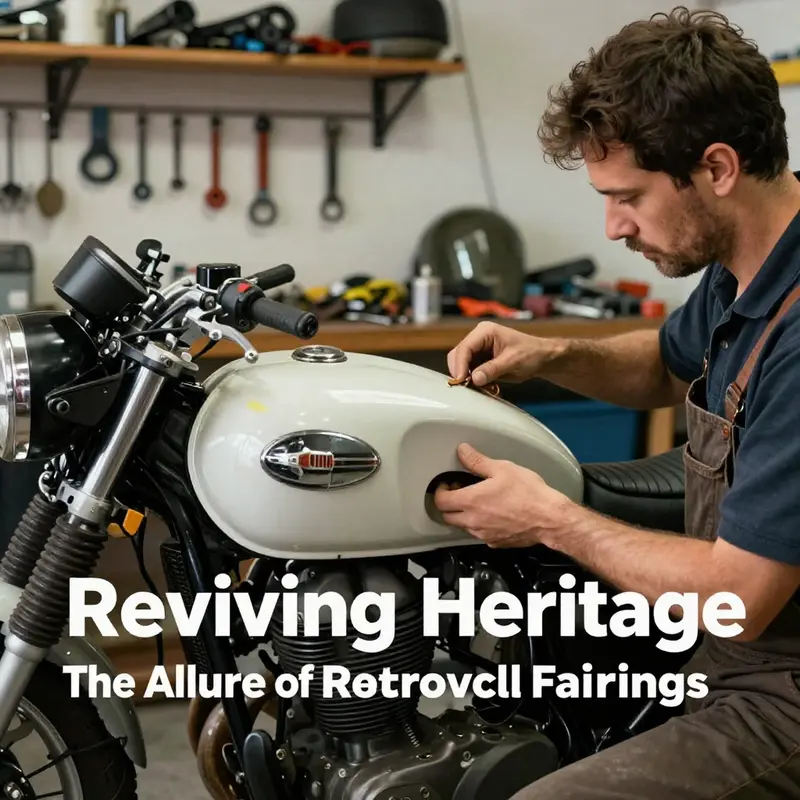
Installing retro motorcycle fairings is more than a cosmetic enhancement to your bike; it’s a mission that significantly impacts rider comfort, aerodynamics, and the protection of essential motorcycle components. Approaching the installation process methodically is crucial, not just for aesthetics or performance but also for safety. As retro fairings blend classic styles with modern engineering, understanding the nuances of their installation can make all the difference between a flawless enhancement and a potentially hazardous experience.
The first step in this carefully orchestrated process is preparation. Before you dive into the installation, invest time in familiarizing yourself with the manufacturer’s instructions, as these will provide specifications that speak to your specific fairing model. Gather all necessary tools—think screwdrivers, wrenches, and any required mounting hardware—reducing the chance of mid-installation interruptions. Notably, it is vital to utilize only manufacturers’ suggested mounting hardware. This ensures that the fairing maintains its integrity and performs optimally. Not adhering to this could lead to a poor fit that might rattle at high speeds, leading to misalignment or detachment.
Once you have everything on hand, the mounting process begins with careful alignment of the fairing to the motorcycle’s existing mounting points. This requires patience—a dry fit before securing everything can help catch any misalignments early on. Proper alignment doesn’t just affect aesthetics; it can also prevent obstructions to handlebars, mirrors, and other components.Maintaining the correct placement ensures that you can operate your motorcycle comfortably and safely post-installation.
Another critical aspect of the installation is electrical connections. Many retro fairings come equipped with lights or turn signals, so the integrity of these connections is paramount. Properly routing and sealing electrical components guards against moisture ingress and potential electrical faults, which could potently compromise safety. Pay special attention to connector placements and consider using heat-shrink tubing for additional seals, enhancing protection from the elements.
After everything is mounted and wired, conduct a meticulous final inspection. Ensure all fittings are secure and aligned correctly. This isn’t merely a formality; any loose bolts or crooked placements can lead to vibrations that might distract the rider or harm other motorcycle components. Once satisfied with your installation, take your bike for a cautious test ride at lower speeds and listen for any unusual noises; vibrations or rattles signify that adjustments may be needed.
Beyond just getting it on correctly, safety considerations during and after installation should take precedence. An often-overlooked aspect of motorcycle customization is legal compliance. Ensure your new fairing complies with local traffic laws regarding lighting and visibility. Missteps here can lead you into legal trouble and, worse, jeopardize your safety on the road.
Materials also play a remarkable role in safety. High-grade materials, like impact-resistant ABS plastics or reinforced fiberglass, are your best bet. On the contrary, low-quality plastics can become compromised, cracking under stress or degrading quickly through exposure to ultraviolet light and temperature changes. Choosing quality materials ensures that you not only enjoy enhanced aesthetics but also prolong the lifespan of your fairings, protecting both style and function.
Lastly, routine maintenance is crucial for safety and longevity. Regularly cleaning fairings with mild soap and water can preserve their integrity. Avoid harsh solvents that can cause irreversible damage to the plastics. A simple wipe down post-ride can go a long way in maintaining performance and aesthetic appeal over time.
To facilitate the installation and ensure adherence to safety standards, consider reaching out to reputable suppliers. Many manufacturers provide thorough installation guides along with material certifications. For instance, look for certifications indicating dry carbon construction or OEM-grade ABS thermoplastics; these points ensure that you’re investing in products known for their lightweight strength and durability. Such details may seem minor, but they stack up to make a significant difference in the long run, promising a fairing that complements both your bike’s lines and your own riding experience.
In summation, effective installation of retro motorcycle fairings is a multifaceted task demanding attention to detail and a steadfast commitment to safety. By mastering fundamental techniques and remaining vigilant about material choices and compliance, riders can indulge in the aesthetic and functional benefits these retro fairings provide—adding flair to their ride while ensuring they remain safe on the open road.
To explore more options or to find guides related to specific fairings tailored for various motorcycle models, check out resources available at Ultimate Motor X. Whether you’re interested in BMW, Honda, or Ducati fairings, there’s a world of variety awaiting your preference, all promising the charm of nostalgia coupled with modern performance.
2. Navigating Fit and Function: A Comprehensive Look at Retro Motorcycle Fairing Compatibility
The allure of retro motorcycle fairings is undeniable, weaving together classic style with modern functionality. Riders enamored with the nostalgia of mid-20th century motorcycles often seek these stylish modifications to enhance not only the aesthetics but also the performance of their bikes. Yet, before committing to the installation of a retro fairing, it’s essential to navigate the often complex waters of compatibility with various motorcycle models. This entails more than merely selecting an appealing design; it demands a thorough understanding of fit, safety implications, and the nuances of different motorcycle specifications.
Importance of Fitment
To harness the benefits of a retro motorcycle fairing, fitment is of utmost importance. Improper fitting can lead to significant aerodynamic inefficiencies. A fairing that doesn’t align properly with the motorcycle can disrupt airflow, leading to increased drag and decreased performance. Imagine cruising down the highway, feeling a strong gust of wind unceremoniously pushing against your bike—this not only diminishes riding enjoyment but may also lead to potential safety hazards.
Moreover, compatibility extends beyond mere aesthetics; it includes crucial clearance considerations. When retro fairings are misaligned or poorly mounted, they may interfere with moving parts such as the engine or wheels, posing a significant safety risk. Furthermore, the structural integrity of the components could be jeopardized in the event of an accident. A fragile attachment system may fail, resulting in unnecessary damage or injury. Thus, ensuring that a retro fairing fits precisely with your specific motorcycle model is paramount.
Manufacturer Specifications
Many manufacturers of retro fairings provide detailed fitment guides that indicate which motorcycle makes and models their products are compatible with. This is an invaluable resource for riders looking to enhance their machines with a touch of vintage flair. Cross-referencing these specifications can save a rider from costly mistakes and ensure a seamless installation process.
For instance, consider how varied the frames of motorcycles can be; a fairing tailored for a 1970s Harley-Davidson Sportster may not be suitable for a modern Triumph Bonneville. The differences in frame geometry, headlight placements, and handlebar dimensions all impact how well a fairing can be integrated into a motorcycle’s design. In this way, thorough research into each motorcycle’s unique dimensions is essential for any rider aiming for that quintessential retro look.
Universal vs. Model-Specific Fairings
While some riders may gravitate towards universal retro front fairings, it is important to consider the potential challenges they present. These fairings are designed to fit a variety of models, often thanks to adjustable mounting brackets. However, while universal options offer versatility, they may compromise the precision that model-specific fairings ensure. Companies typically engineer these model-specific fairings with all dimensions meticulously considered, providing a seamless fit that enhances aesthetic appeal without the need for extensive modifications. As such, opting for a model-specific fairing is often the best route for those seeking an effortless upgrade.
Community Knowledge and Consulting Experts
For those venturing into the world of customizing motorcycles, community knowledge can be invaluable. Online forums, social media groups, and local riding clubs can be wealths of information. Many seasoned riders willingly share their experiences, revealing which retro fairings work well with particular models or what pitfalls to avoid during installation. Consulting experienced riders or motorcycle specialists can lead to practical insights, helping ensure that a rider’s project seamlessly aligns with both their performance and aesthetic goals.
Cross-Referencing Product Listings
Before making a purchase, it is wise to cross-reference product listings against your motorcycle’s year, make, and model. This ensures that everything will fit together as intended. Riders can confidently move forward, knowing they’ve taken the necessary steps toward compatibility. For instance, if one is considering a Batwing Fairing for a Harley-Davidson, the correct documentation can confirm its compatibility across selected models and years. This kind of diligence reflects a rider’s commitment not just to style but to the integrity of their machine.
Seeking Professional Help
Installation of retro motorcycle fairings can prove challenging, particularly for those who may not be mechanically inclined. In such cases, seeking professional help can make all the difference. Expert mechanics are familiar with the nuances of different motorcycle models and can help navigate fitting challenges that may arise. They can also provide tips on installation that can save both time and effort. Additionally, professional installations can be particularly beneficial for riders aspiring to ensure safety and performance are optimized.
Conclusion
In summary, the journey towards incorporating retro motorcycle fairings into a rider’s machine invites both excitement and caution. Thorough research into compatibility is essential, with careful attention paid to fitment, manufacturer specifications, and seeking the advice of experts when necessary. Riders must appreciate that the beauty of a retro fairing lies not only in its vintage charm but in its ability to complement the motorcycle’s design seamlessly. By adhering to these best practices, enthusiasts can enhance their vehicles’ aesthetic while ensuring safety and performance are upheld.
For further insights, you might explore options available for specific brands like Honda, with their range of fairings designed to meet various compatibility standards. Be sure to investigate the resources available to make an informed decision, ensuring your motorcycle stands out with both style and safety at the forefront.
Final thoughts
Upgrading to a retro motorcycle fairing provides riders with an opportunity to honor the classic designs of yesteryears while enjoying the functional benefits of modern technology. Combining aesthetic appeal with performance enhancements, retro fairings are a worthy investment for businesses aiming to attract and retain customers passionate about motorcycles. Ultimately, these components reflect a rider’s connection to the heritage of motorcycling, ensuring they ride in both style and comfort.
Upgrade your ride with UltimateMotorX’s premium motorcycle fairings—durably crafted, precision-fitted, and stylish. Meeting OEM standards for easy installation, our collection suits upgrades or replacements. Shop now for fast shipping, secure checkout, and expert support. Give your bike the ultimate quality it deserves!
About us
At UltimateMotorX, we’re rider-founded experts in top-tier motorcycle fairings. We source premium materials, partnering with trusted manufacturers for perfect fits and durability. Enjoy expert advice, hassle-free returns, and seamless shopping. Ride with confidence—style and quality guaranteed!