
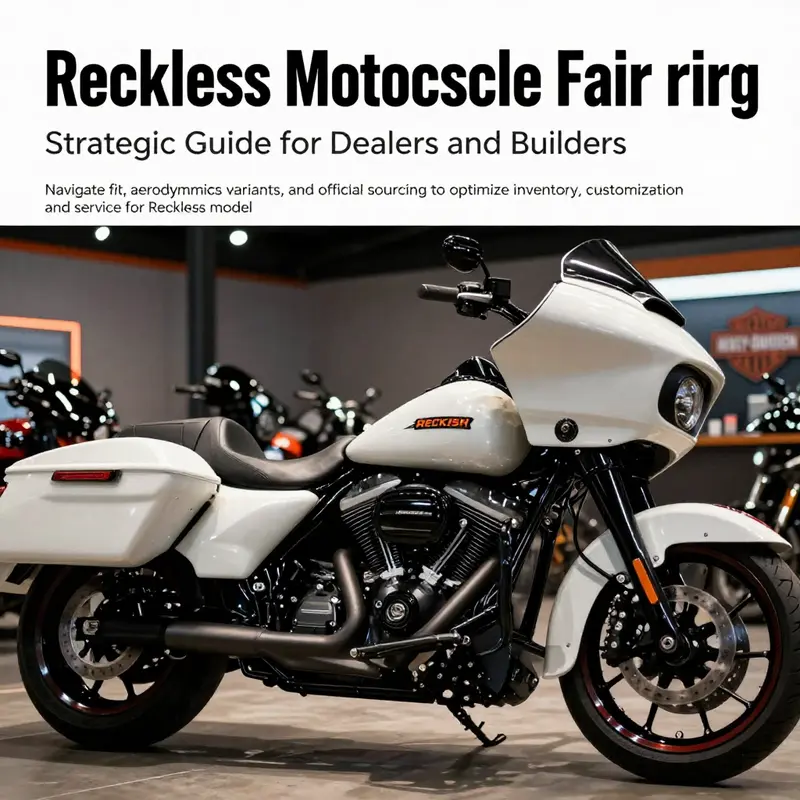
For business owners in the motorcycle ecosystem, the Reckless model’s inner fiberglass fairing represents more than a cosmetic or structural piece—it is a strategic lever for profitability, service reliability, and brand alignment. A pre-owned inner fiberglass fairing is currently available for $110.49 (originally $129.99), underscoring the cost-sensitive nature of maintaining an exclusive design language while controlling total cost of ownership. While the 2026 Road Glide™ introduces advanced styling and technology—such as a redesigned Sharknose fairing, LED signature lighting, and the Skyline™ OS 312 mm display—these features illuminate Harley-Davidson’s ongoing emphasis on rider-centric technology and stylistic differentiation. Yet the Reckless model likely carries its own distinct fairing architecture, tuned to its unique aesthetics and performance objectives. This article lays out a practical framework for business owners: Chapter 1 examines fit, pricing, and the structural role of the inner fairing; Chapter 2 compares aerodynamic integration and design implications against Road Glide 2026; Chapter 3 delves into model-specific variants, aesthetics, and performance tailoring; Chapter 4 explains how to access information, gauge availability, and engage official sources. Together, these chapters form a cohesive lens for procurement, aftermarket programs, service planning, and strategic inventory decisions tied to the Reckless fairing.
Shaping Recklessness: The Inner Fiberglass Fairing as a Quiet Sheriff of Aerodynamics, Protection, and Identity
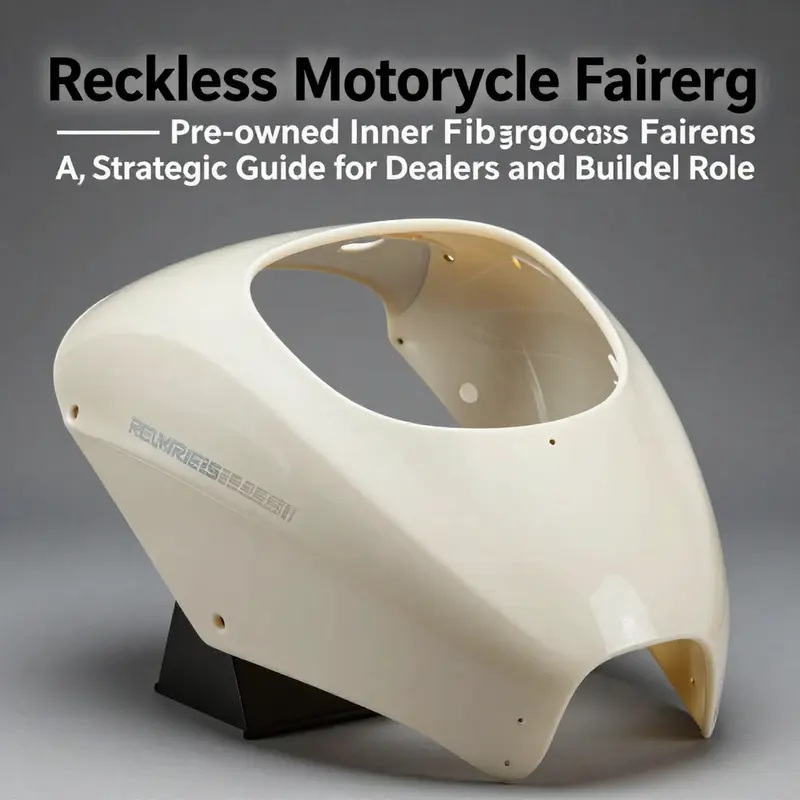
The fairing that sits just beneath the glossy exterior of a Reckless-line motorcycle is more than a cosmetic backdrop. It is an engineered foundation for protection, a quiet guardian of instrumentation, and a strategic ally in how the bike meets the wind. In the Reckless family, the inner fiberglass fairing is often overlooked in popular narratives that chase heroic silhouettes or loud exhaust notes, yet its influence travels far beyond its quiet, hidden position. It is the unsung architecture that translates intention into ride quality, shaping the bike’s character as surely as any visible flare or cut of chrome. When we peer into the anatomy of this component, we uncover a set of design decisions that speak to a philosophy of restraint and purpose. The material—a robust fiberglass composite—funds a compact, rigid shell that not only provides structural support but also forms the bedrock upon which aerodynamics, electronics protection, and mounting alignments rely. Fiberglass offers a balance of strength, lightness, and formability that is particularly well suited to the curved geometry of a modern sport- or cruiser-inspired chassis. The inner fairing acts like a shield for the instrument cluster and other delicate systems tucked behind the cockpit, deflecting road grit and weather while keeping interfaces accessible. It must endure contact with debris kicked up by tires, spray from rain, and the occasional encounter with a careless boot or bag during a fueling stop. The fiberglass, properly sealed and reinforced, resists small impacts and resists moisture intrusion, preserving the integrity of the gauges, switches, and electronics that command everything from tachometers to temperature displays. In this quiet armor lies an important truth about the Reckless philosophical approach: protection does not have to shout in car-length words. It can operate in the realm of reliability, inviting riders to focus on the mile after mile rather than on the next repair bill. The fairing’s role in weatherproofing and debris deflection is intertwined with its aerodynamic responsibility. Aerodynamics is not merely about speed; it is about smoothing the rider’s experience over long distances and variable conditions. The inner fairing helps sculpt the airflow as it ducks around the cockpit, guiding streams away from the rider’s torso and the sensitive instruments tucked behind the glass and plastic. The aim is to minimize turbulent wake that can generate buffeting, noise, and fatigue, particularly on extended rides where even small gusts become tiring over hours. In practice, this means the inner fairing is designed with precise contours that align with the outer bodywork and the frame beneath. Its thickness, stiffness, and edge geometry are calibrated to harmonize with the surrounding materials, shaping a cohesive aerodynamic profile rather than a jumble of clunky, mismatched planes. Every bend, cut, and mounting point is chosen to keep the rider cocooned in a stable wind envelope while preserving access to service points and fasteners. The material’s rigidity matters beyond mere protection; it translates into predictable, repeatable alignment with the mounting points that anchor the fairing to the bike’s backbone and to the surrounding body panels. When these relationships are precise, servicing the bike—whether swapping fairings, adjusting fitment, or inspecting wiring harnesses—becomes a straightforward, repeatable process. In turn, riders can maintain their machines with confidence, knowing that the inner shell will retain its shape and position through many miles and many seasons. The fitment story for an inner fiberglass fairing is, unfortunately, sometimes the most overlooked chapter in a bike’s life. The Reckless model line has historically emphasized a clean, integrated silhouette, and the inner fairing is designed to replace the stock unit with a direct, factory-standard mounting interface. This means the bike’s existing attachment points, fastener patterns, and surrounding panels are harmonized to accept the new component without a roadside improvisation. The installation ritual—remove the stock fairing, align with the factory mounting points, and secure with standard fasteners—speaks to a philosophy of modularity and serviceability. The process is intended to be straightforward, minimizing the risk of misalignment that can ripple into gaps, leakage, or rattles at speed. Yet, compatibility is not universal. Model year, trim configuration, and even regional production variations can influence fitment. A pre-owned inner fairing offers a cost-conscious option, but it invites careful verification of condition and compatibility. The value proposition hinges on the combination of price, condition, and color matching. A pre-owned unit priced around one hundred and ten dollars carries appeal precisely because it positions the rider for a purposeful upgrade without the expense of a brand-new part. The original price in the neighborhood of one hundred twenty-nine dollars signals a modest depreciation that accompanies used parts, and that modest depreciation can translate into a practical path for riders who wish to refresh the bike’s interior aesthetic or repair pages of wear caused by years of weather exposure and road grit. In the Reckless ecosystem, where the visual identity is as meaningful as the ride itself, the inner fairing takes on an outsized role in matching the bike to the rider’s taste. The color and finish of the inner shell often influence how the paint on surrounding panels reads in daylight and under streetlamps. A panel that has weathered or scraped damage can pull focus from the careful lines of the bike’s face if not addressed. The availability of a pre-owned inner fairing can offer a fast, practical route to patching a mismatch while preserving the bike’s overall look. The practicalities extend to the color-matching exercise the rider often undertakes after purchasing a used unit. A fairing’s surface accepts primer and paint reasonably well, albeit with attention to its fiberglass texture and potential surface imperfections that usually accompany secondhand components. The color alignment—particularly when a bike’s overall theme relies on a crisp, uniform palette—can be achieved by a professional paint finish or a careful DIY approach. The result is not just cosmetic; it is a unifying statement about the bike’s personality. The economic logic is compelling too. A certified part that can be acquired at a fraction of the price of a new unit reduces the barrier to entry for riders who wish to upgrade the inner architecture of their machine without incurring the full cost of a new component. The value proposition can be even more attractive when the rider aims to restore a fairing’s structural integrity after a tip-on or a minor crash that left behind cosmetic or alignment issues but did not compromise the core shell. Before a purchase, a careful checklist helps prevent disappointment: verify the part’s exact compatibility with the specific Reckless configuration, confirm mounting hardware is present or that substitutions compatible with the frame are available, and assess the interior surface for cracks, delamination, or water staining that might reveal moisture ingress. The more you know about the condition, the more informed your decision becomes. It is here that a well-curated resource like the official parts site becomes essential. The product page lays out detailed specifications, the exact fitment notes, and the condition information riders rely on to gauge whether the piece will integrate cleanly with their bike. For those who are new to the process, the ability to cross-check fit on the official site provides a trusted baseline that reduces the risk of incompatible purchases. The inner fairing, in this light, becomes a hinge between the past and the present of a bike’s life. A clean, well-fitting shell speaks to routine maintenance and mindful upgrades, while a damaged or ill-fitting shell can reveal a rider’s impatience with the bike’s design language. The choice to pursue a pre-owned inner fairing acknowledges a broader cultural tendency among riders to balance performance with provenance. A fairing that has done its duty for several seasons can still offer a long extension of service, provided it has not lost its stiffness, warped under heat or sun, or suffered moisture-induced compromise. The result, then, is a combination of resilience and adaptability: resilience in protecting the instrument cluster and cockpit area; adaptability in molding to a rider’s aesthetic preferences without forcing an overhaul of the entire fairing stack. The modern riding experience continues to push towards lighter, more integrated cockpit architectures—digital displays, refined switchgear, and an emphasis on reducing fatigue over long distances. In this arc, the inner fairing plays a subtle but crucial role. It is the quiet enabler that helps the cockpit feel cohesive, ensuring the rider’s sense of control remains intact as wind loads and road vibrations race past the rider’s hands. This is especially relevant for models designed to handle rapid changes in wind gusts and crosswinds, where the fairing’s interaction with air becomes a more noticeable factor. The interplay between the inner shell and the broader fairing assembly extends to the realm of serviceability. A well-designed inner fairing simplifies maintenance: wiring harnesses route cleanly behind the panel; the instrument cluster remains accessible for quick checks; and the mounting points verify true alignment when adjustments are needed. A practiced technician can perform routine maintenance with a minimum of disassembly, preserving the rider’s time and peace of mind. In a broader sense, the inner fiberglass fairing embodies a philosophy of functional restraint. It is not an oversized vanity plate meant to shout across a showroom; it is a crafted interface that helps the motorcycle breathe, endure, and feel consistent with the rider’s expectations for control and comfort. It is the interface through which the bike’s engineering meets the rider’s intent, translating a rider’s decision to push into a confident sense of momentum. The Reckless narrative, when viewed through the lens of the inner fairing, becomes a study in how small, deliberate choices—materials, mounting interfaces, protection strategies, and finish work—can unite to create an experience that remains calm and purposeful at speed. The 2026 flagship touring platform referenced in contemporary design discourse demonstrates the breadth of what a fairing system can achieve: new canopies and fairings with redesigned airflow profiles, integrated lighting accents, and expansive onboard display ecosystems. While the Reckless line may not duplicate every feature of that flagship, it illustrates a parallel ambition: to deliver rider comfort and instrument protection without compromising the bike’s iconic look. The inner fairing is one strand of that ambition, a strand that helps create a ride that feels both precise and forgiving. For riders who are curious about fitment specifics, or who wish to compare options across years, there is a straightforward path. Check the official parts or dealer pages for model-year notes, confirm whether the pre-owned unit aligns with the bike’s current configuration, and study the condition details described by sellers. This approach preserves the integrity of the ride while enabling a cost-conscious route to aesthetic and protective upgrades. In the end, the inner fiberglass fairing of a Reckless-model motorcycle embodies a quiet confidence. It is not the loudest element in the cockpit, but it is the one that keeps the rest of the machine honest, steady, and ready for the long haul. It is a reminder that meaningful performance isn’t only about power and torque; it is also about how thoughtfully a bike presents itself to the wind, to gravity, and to the rider who steers it through the world. As you explore upgrade paths, consider the broader ecosystem of aftermarket fairings, where compatibility and customization coexist with the discipline of good fitment and materials science. In this space, the inner fairing stands as a practical laboratory for testing ideas about protection, aerodynamics, and finish—the quiet backbone that makes a Reckless ride not just possible, but reliably enjoyable mile after mile. For reference and further exploration of related fairing categories, one may explore the broader BMW fairings category as a parallel track in the ecosystem of aftermarket panels and shells that emphasize fit, finish, and function: BMW fairings category. External resources about the Reckless inner fiberglass fairing on the official parts site offer precise specifications and compatibility notes, including condition and fitment details of the pre-owned option. External resource: https://www.harley-davidson.com/ca/en/shop/reckless-motorcycles-inner-fiberglass-fairing/p/57000482DH
Chapter 2: Reckless vs Reality — Aerodynamics, Integration, and Design Implications in Harley’s Road Glide Benchmark
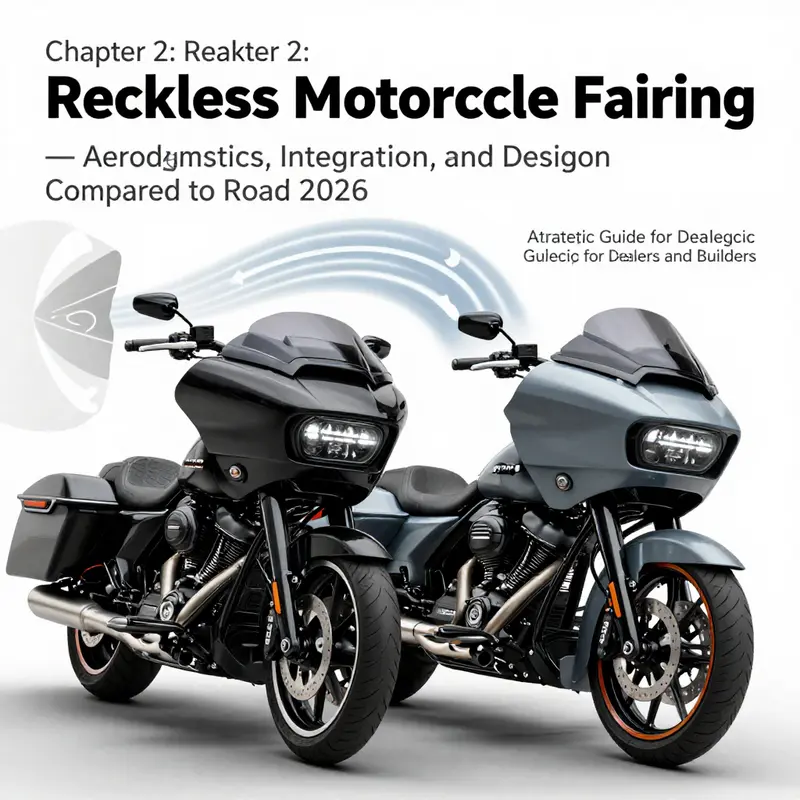
A name can travel oddly through perception before it settles into threadbare reality. In the world of motorcycles, a term like Reckless fairing can start as a whisper, a mislabel, or a rumor that travels faster than wind across an open highway. The chapter that follows treats Reckless not as a concrete product name, but as a cautionary tale about how misinterpretation can distort expectations around aerodynamics, integration, and design. What begins as a casual reference to a supposedly lightweight inner fiberglass shell quickly reveals a larger truth: in the realm of fairings, there is a measurable difference between a well-integrated, purpose-built rider interface and something that is improvised, loosely attached, or marketed with a gloss that outpaces its physics. The longer story is not a catalog of parts, but a meditation on how a true aerodynamic surface is engineered, anchored, and harmonized with the rider’s needs. In that sense, the Reckless notion becomes a frame through which we can examine a real benchmark—the full fairing that accompanies a flagship touring model designed to maximize stability, comfort, and efficiency at highway speeds. The comparison, however, is not a museum piece to memorize; it is a living exercise in how design choices at the fairing level ripple through handling, wind management, and even maintenance. To ground the discussion, consider the pre-owned inner fiberglass fairing often seen in listings labeled for Reckless. The listing price, modest at around a hundred dollars, suggests a market seeking affordable structure and incremental aerodynamic benefit. Yet the critical caveat is obvious: a fairing sold under a speculative name may fit certain frames or year ranges, but its true value depends on precise integration with the bike’s chassis, the windshield geometry, and the rider’s posture. In other words, even a seemingly inexpensive add-on can become a liability if it is not designed to a defined set of tolerances, or if it is installed without attention to weight distribution and airflow coupling. The larger point is that a fairing’s worth is measured not by the price tag but by how seamlessly it becomes part of the motorcycle’s aerodynamic system. The discussion that follows treats the subject with care, distinguishing between a genuine engineering response to wind and weather and a mischaracterized accessory that promises more than it can deliver.
From the outset, the most striking contrast emerges when we place a full fairing—the type that wraps around the front of a touring motorcycle—against more minimalist or partial enclosures. The full fairing is an aerodynamic instrument as much as a body panel. It is engineered to shape the flow of air as it approaches the rider, smoothing the velocity profile, reducing turbulence, and managing pressure differentials that would otherwise generate instability in gusts or at high speeds. The effect on rider fatigue is tangible. When the air is steered cleanly around the bike, the rider encounters less buffeting, fewer pressure fluctuations on the torso and helmet, and, by extension, less muscular strain over hours of riding. The practical consequence is not merely comfort; it is safety. A well-designed full fairing reduces the likelihood of early onset fatigue that can blur reaction times or alter posture in ways that complicate handling. And there is a downstream impact on efficiency. By reducing frontal drag, a properly integrated fairing can improve fuel economy by a meaningful margin during sustained highway riding. While exact numbers depend on speed, weather, and rider posture, studies and field tests consistently show better economy as the fairing’s flow is optimized and its seams, junctions, and mounting points are harmonized with the chassis.
The Road Glide, a benchmark in touring geometry, demonstrates what happens when the integration is treated as inseparable from the bike’s architecture. The fairing is not tacked on as an afterthought; it is mounted with reinforced brackets that become part of the motorcycle’s structural tessellation. The windshield plays a measurable role as well, not just as a shield against rain and road spray, but as an integral component that directs the airflow to work with the fairing’s contour. When the fairing and windshield are tuned together, the resulting airflow wraps around the rider with a minimum of shudder or flutter, even when the bike is pushed to the limits of its handling envelope. The manufacturer’s engineering language often emphasizes this because it translates into predictable behavior under pressure. A fairing that is mounted loosely, or that uses inferior materials, can introduce flutter, lift, or misalignment that magnifies at highway speeds. In a worst-case scenario, the aerodynamic instability can undermine the rider’s confidence and complicate control during rapid changes in lane position or when wrestling with crosswinds. The rider’s sense of control is as much about tactile feedback as it is about numerical calculations. A stable surface returns consistent feedback through the handlebars and chassis, while a fluttering or misaligned fairing robs the rider of that certainty and can create unsafe conditions during aggressive maneuvers or abrupt gusts.
From a design perspective, the fairing’s dual role is to protect and perform. On the protective side, a full fairing offers shield against wind, rain, and debris, improving weather tolerance on long trips. It also seals more efficiently around internal components, shielding them from weather intrusion and reducing maintenance complexities in the process. On the performance side, the clean integration elevates aerodynamics to a purposeful discipline. The aesthetic language—how the fairing meets the frame, how the lower edge interacts with the engine’s heat dissipation pathways, and how the upper corners catch wind without choking the rider’s visibility—matters as much as the technical merits. This dual purpose is why some designs opt for a full fairing despite the added cost of repair, maintenance, and alignment. The complexity of a full fairing is its own design challenge: it requires precise alignment during installation, careful consideration of weight distribution, and thoughtful attention to accessibility for routine maintenance. The fairing should not only look integrated; it must perform as a single aerodynamic system with the bike’s frame, fork geometry, and stability characteristics. In principle, when the integration is done well, the rider experiences a sense of unity with the machine: the wind becomes a channel that guides rather than resists, and the bike feels steadier, more confident, and less prone to the “tug” of a stray gust.
The Reckless idea, by contrast, often carries an implied departure from that unity. When an aftermarket or misnamed accessory claim to deliver aerodynamic gains without high-quality materials, precise fitment, or sound mounting, the result can be surprisingly counterproductive. A cheaply manufactured shell, a poorly attached inner panel, or a misaligned stitch in the edge can set off a cascade of issues. The most obvious is flutter—an oscillation that can begin at modest speeds and escalate as air pressure cycles through the fairing’s curves. Flutter is not merely a nuisance; it is a precursor to fatigue on the rider and, under some conditions, a mechanical risk if mounting hardware resonates against the frame. A fairing that adds lift rather than neutralizes it can also perturb stability, particularly during crosswinds or when the rider performs aggressive steering inputs. The wrong balance of mass distribution can shift the bike’s steering weight in ways that feel subtle at low speeds but become consequential as velocity climbs. These issues underscore why the conversation around Reckless should not be about style alone, but about the engineering discipline that makes an airfoil behave like a component of the motorcycle rather than a detachable ornament.
In the broader context of the industry, fairing development has moved toward deeper integration with the bike’s overall geometry. The latest flagship touring models show how every detail—from the curvature of the leading edge to the angle of the windshield—works in concert with the bike’s frame to manage boundary layers, separation, and pressure gradients at the rider’s chest level. The objective is not simply to deflect air away from the rider; it is to orchestrate a stable pressure distribution that reduces buffeting and maintains predictable handling across a broad range of speeds and conditions. This is why the fairing’s attach points, bracket rigidity, and the materials used in the inner shell matter as much as the outer skin’s shape. They determine whether the fairing behaves like a single piece of a highly tuned system or like a loose appendage that introduces more variables than it solves.
A practical way to approach the topic is to consider how a rider assesses fairing options. First comes compatibility: does the fairing align with the frame’s mounting points, the fork geometry, and the rider’s chosen windscreen height and angle? Second is rigidity: do the mounting points and brackets resist deflection under wind gusts and during aggressive maneuvers? Third is material quality: is the inner shell designed to resist fatigue and vibration without transmitting undue stress to the frame? Fourth is aerodynamics: do the surfaces smooth the air without causing adverse pressure buildup at the rider’s shoulders or head? And fifth is serviceability: can one access essential components for maintenance and repairs without requiring a full disassembly of the fairing? These considerations matter whether one is evaluating a fully factory-integrated design or making careful aftermarket selections.
The pricing and availability details in the market can tempt a rider to view an old, misnamed fairing as a quick fix for wind management. It is essential to treat such offers with skepticism and to verify fitment through official documentation or trusted dealer guidance. An authentic integration plan considers not only the fairing’s surface geometry but also its place within the bike’s overall wind protection strategy. The windshield’s height and tilt, the fairing’s edge radii, and the way the wind interacts with the rider’s torso—these are not isolated qualities. They are a chain of decisions whose outcomes appear in handling feel, ride comfort, and even maintenance schedules. When a rider contemplates an aftermarket or misrepresented component, the prudent path is to weigh the potential aerodynamic gains against the risk of misfit, flutter, or structural instability. That calculus becomes clearer when the purchasing decision is anchored to a well-documented baseline: a full fairing that has been engineered as an integral part of a touring platform. In such a system, every element has a purpose that extends beyond aesthetics and into the realm of predictable, controlled airflow.
To connect these ideas back to practical rider choices, one should not view the Reckless concept as a model to chase. Instead, treat it as a reminder of why alignment, materials, and fit matter. The reality is that a true aerodynamic fairing, properly integrated, provides tangible benefits in stability and efficiency that a poorly made or poorly installed counterpart cannot match. In the absence of a standardized Reckless product line, riders who want real gains should look to established designs that emphasize integration and tested performance. The objective is to ride with a sense of assurance: that the wind is a companion rather than an opposing force, that the bike remains planted in gusts, and that the rider can cover long distances with less fatigue and more focus. The price of admission to that level of performance can be measured not in a single component’s cost but in the confidence that comes with an architecture designed to behave as a single aerodynamic organism.
For readers who want to explore a broader range of fairing options beyond the immediate motorcycle landscape, a catalog of aftermarket fairings from another brand offers a useful reference point. The catalog includes a wide spectrum of designs, sizes, and mounting strategies, enabling riders to compare how different shapes and fastening schemes perform in real-world conditions. When approaching these options, it is helpful to examine the fitment guides, the mounting hardware quality, and the way the interior surfaces are finished. A fairing is more than a shell; it is an interface between rider, wind, and machine. The more thoroughly a catalog item demonstrates compatibility with a rider’s stance and a bike’s geometry, the more credible its potential to deliver the anticipated aerodynamic and ergonomic gains. The lesson from the Reckless ambiguity is clear: a truly effective fairing must earn its place through precise engineering, reliable integration, and demonstrable performance, rather than through name recognition or price alone.
As this exploration closes, the broader lesson remains: aerodynamics in motorcycle design is not a cosmetic feature but a critical, integrated system component. The Road Glide benchmark—speaking here in grounded terms as the flagship model with a fully integrated, wind-driven interface—highlights what disciplined engineering can achieve. It shows how careful alignment with the rider’s posture, windscreen geometry, and the fairing’s own curvature can become a coherent mechanism for stability and efficiency. The Reckless myth, in contrast, serves as a reminder of the hazards of treating aerodynamic gains as a mere cosmetic trick. A fairing’s true value rests on its capacity to become an integral part of the motorcycle’s stability envelope, its weight distribution, and its serviceability. The practical rider thus learns to separate promises from performance, seeking designs that demonstrate consistency across velocity, weather, and terrain. In the end, the best fairing is one that disappears as an obstacle and reappears as an ally—a seamless believer in balance, comfort, and control on the open road.
Internal link reference: For readers curious about broader aftermarket fairing options, see the Suzuki fairings catalog. Suzuki fairings catalog.
External resource: For authoritative details on the aerodynamic design and overall specifications of the flagship touring model discussed in this chapter, refer to the official specifications page of the manufacturer’s touring lineup. This source provides a comprehensive overview of how a factory-integrated fairing is engineered to optimize stability, wind protection, and rider comfort. https://www.harley-davidson.com/en_us/motorcycles/touring/road-glide-2026.html
Wings of the Reckless: Model-Specific Fairings as the Convergence of Aesthetics, Aerodynamics, and Rider Trust
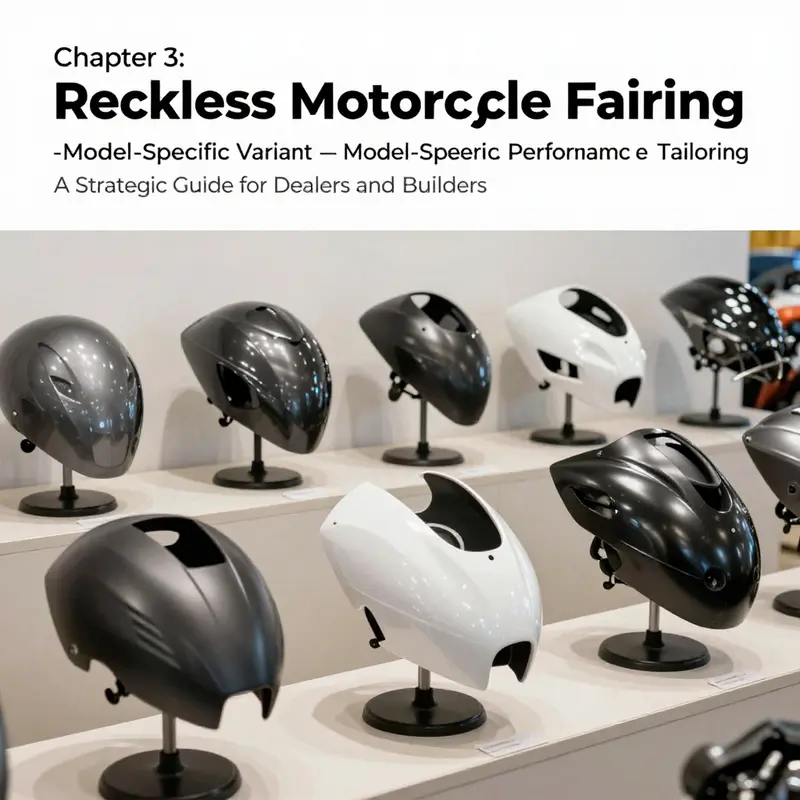
A motorcycle’s fairing is more than a shell. It is a carefully shaped interface between rider, machine, and the air that surrounds them. In the Reckless, a bike defined by its bold stance and performance-first mindset, the fairing becomes a central argument about identity as much as speed or protection. The modern fairing, in its best iterations, channels air with minimal resistance, shields the rider from turbulence, and houses components that govern heat during accelerations or long highway stints. It also communicates a brand’s philosophy through lines, vents, and textures. In this light, the Reckless model’s fairing is not merely a protective cover; it is a primary vehicle for its aerodynamic legitimacy, its storytelling, and its everyday practicality on the road. That is why discussions of fairings extend from workshop to showroom and into the shared vocabulary of riders who see a bike first by silhouette and only then by engine or chassis geometry.
Model-specific variants now define much of what a fairing can be. Across sportbikes, adventure-tourers, and naked competitors, the fairing is tailored to fit the bike’s chassis geometry, engine placement, and riding dynamics. A sportbike’s fairing aims for low drag and clean airflow around the rider and engine, reducing high-speed turbulence and enhancing stability where every mile per hour matters. An adventure-tourer, by contrast, demands greater wind and weather protection, with sturdier mounting and robust heat management to support longer stints in varied climates. Yet, even within these broad categories, the engineering priorities diverge, guided by data-driven design, material choices, and the rider’s expected behavior in real-world conditions. In the Reckless universe, the design team treats the fairing as a performance system rather than a decorative shell, balancing mass distribution, heat management, rider comfort, and the sensation of speed itself.
That balance is most visible in how a fairing complements the bike’s weight distribution and center of gravity. A well-integrated fairing does more than keep wind off the rider; it tunes the bike’s handling, steering feel, and even throttle response at the edge of stability. Small shifts in fairing geometry can influence how a bike behaves when leaned, how quickly it returns to upright, or how much feedback the rider perceives through the handlebars. This is not abstract theory but a practical necessity, particularly on a machine with a reckless aesthetic that invites aggressive riding styles. The Reckless rider expects precision and immediacy, and the fairing must enable that expectation without introducing buffeting or excessive weight. Engineers achieve this through careful shape optimization, vent placement for cooling, and a meticulous alignment with the bike’s radiator and engine layout. The result is a cohesive package where aesthetics, airflow, and mechanical function converge into a single, purposeful silhouette.
In the current market, the availability of fairing components also reflects model-specific emphasis. Consider the example of a pre-owned inner fiberglass fairing designed to fit the Reckless model. It is listed at a modest price point—$110.49, down from $129.99—highlighting how riders weigh protection, weight, and cost when customizing or restoring their bikes. This kind of part underscores a practical truth about modern motorcycle maintenance: the fairing is not only about newness or showroom polish but about how a component can optimize a bike’s performance envelope while remaining accessible to riders who want to tailor their machine without compromising structural integrity. The inner fiberglass construction plays a critical role in rigidity and mounting accuracy, ensuring that the fairing can cooperate with the bodywork, the frame, and the rider’s dynamic inputs. It also hints at the broader ecosystem of aftermarket and OEM-compatible components that make model-specific tailoring possible for riders who prize both form and function.
The aesthetic dimension of a model-specific fairing cannot be separated from its performance goals. Designers use a blend of CAD and CFD tools to craft surfaces that not only look purposeful but actually manage airflow in meaningful ways. The contours around the rider’s torso, the sweep of the windscreen, and the angle of the lower fairing panels all influence how air streams around the bike at different speeds. Sharp edges can generate unwanted noise and buffeting if not properly integrated with the rider’s position, while generous radii can reduce drag but may alter the bike’s look from the curb. The Reckless, with its distinctive stance, benefits from surfaces that emphasize aggression while still offering shelter from crosswinds and rain. Vents, ducting, and scupper-like apertures are not decorative choices in this context; they are carefully located to manage engine bay temperatures and brake cooling, especially when the bike is ridden at the limits for extended periods. The interplay of light and shadow on the fairing’s curvature also enacts a visual language that communicates speed and control even when the machine is stationary.
Materials play a decisive role in how a model-specific fairing performs as well as how it ages. Premium variants often employ carbon-fiber-reinforced composites for high strength-to-weight ratios, a choice that supports aggressive handling by keeping unsprung and sprung masses lower without sacrificing stiffness. In the Reckless family, where visual drama matters and riders expect precise handling, carbon can be used selectively to reinforce critical load paths while preserving a sharp, lightweight look elsewhere. For more everyday or budget-conscious riders, advanced fiber-reinforced plastics and fiberglass provide a practical compromise between rigidity, price, and ease of repair. The selection of materials also has implications for weather resistance, UV stability, and long-term resilience in the face of stone impacts and road grime. Each material choice translates into a rider experience: smoother high-speed air, reduced wind noise around the helmet, and a more composed ride in exposed wind corridors on the freeway.
Beyond raw aerodynamics and material science, the fairing’s role in heat management deserves emphasis. Engine heat and braking system temperatures rise in tandem with sustained riding at highway speeds or during track sessions. The fairing helps to channel air to the engine bay, radiators, and brake components, minimizing the risk of overheating that could sap performance or shorten component life. A well-designed fairing might employ internal ducting or thoughtfully placed vents to create a controlled air flow that carries heat away from critical hotspots. In the Reckless, where a rider expects both high performance and reliability, effective cooling is a practical assurance that the bike will respond consistently as conditions change—whether weaving through long curves or maintaining a high-speed cruise into the evening. The aerodynamics and cooling strategies thus work in concert, a reminder that form and function are inseparable in a truly model-specific approach.
The topic of active aerodynamics adds another layer to the discussion. On select modern motorcycles, fairings are paired with active or semi-active elements such as adjustable winglets or dynamic vents that respond to speed and mode selections. These systems can alter downforce, improve stability at speed, and reduce fatigue by smoothing the airflow around the rider’s torso. Even when a particular bike does not utilize full active aero, the conceptual framework—using geometry and controllable features to modulate airflow—signals an evolution in fairing design. In the Reckless narrative, these innovations translate into ride-ability at high speeds, predictability in gusty conditions, and an expanded envelope for confident, aggressive riding. The practical implication is that a model-specific fairing can be more than a passive shield; it can be an active contributor to handling, rider feedback, and overall performance perception.
The development method behind model-specific fairings blends rigorous simulation with real-world testing. Designers use computational fluid dynamics to model how a particular chassis geometry and rider position interact with air at a wide range of speeds. They then verify those findings through wind tunnel testing and on-road trials, adjusting shapes, venting, and interfaces to address any unexpected turbulence or noise. This data-driven approach ensures that the fairing delivers tangible gains in performance metrics such as drag coefficient, downforce, and cooling efficiency, while maintaining rider comfort and the bike’s unique character. The Reckless fairing, in this sense, becomes a synthesis of empirical validation and artistic intent, converging toward a finished piece that looks purposeful and feels inevitable when you ride it. It is this seamless integration of science and style that distinguishes modern model-specific fairings from older, more generic shells.
A note on the visual language helps connect the technical with the cultural. The fairing shapes a bike’s identity as much as badging and paint do. It can radiate a sense of aggression through sharp creases and high-contrast vent openings or convey a sense of endurance through broader, protective contours. For a rider who aligns with the Reckless ethos, the fairing is a statement about what the bike is capable of when pushed to the edge and what the rider is willing to endure to extract that peak performance. The visual grammar—how the nose blends into the windscreen, how the side panels taper toward the rear, how the overall mass distribution is perceived at a glance—becomes part of the narrative of the ride. In this way, the fairing contributes to the rider’s confidence, telling them that the bike’s engineering is aligned with their own driving philosophy.
The practical implications for riders are clear. When choosing a fairing, they weigh how it will affect handling, protection, heat management, and sound. They weigh maintenance considerations, ease of installation, and the availability of compatible components. They consider the impact on weight and how that weight is distributed across the motorcycle. They think about future upgrades, such as carbon fiber panels or better vents, that can push the performance envelope further without radically changing the bike’s appearance. In the Reckless context, the decision about a fairing—whether to pursue a factory-look integration or a more aggressive aftermarket transformation—rests on the balance between aesthetics and performance, and on the rider’s willingness to invest in a tailored experience that reflects their own riding style. The story of the Reckless fairing, then, is a story of careful curation: of selecting the right geometry, material, and integration that bring together the bike’s character and the rider’s ambitions.
For readers seeking a practical anchor in the broader conversation about model-specific fairings, the spectrum is wide and instructive. The same design principles that guide a sportbike’s low-drag profile also inform the large, robust fairings that shield riders on long tours. The Reckless example sits at the crossroads, illustrating how a model-specific approach can harmonize aggressive aesthetics with real-world rider needs. To explore related categories and see how similar design philosophies manifest across brands, consider examining a broader catalog such as the BMW fairings collection, which showcases how different riding goals shape fairing geometry and material choices. The BMW fairings collection can be explored at the following link: https://ultimatemotorx.net/product-category/bmw-fairings/.
As this chapter evolves, it remains clear that fairing design is a living discipline. It carries with it the heritage of motorcycle aerodynamics while embracing the innovations that come from modern computational tools and material science. The Reckless model, with its blend of audacious appearance and performance intent, embodies this ongoing dialogue. The next chapters will widen the lens further, examining how other brands translate model-specific constraints into unique aero identities, and how riders respond to those choices in the wild. For now, the chapter has traced a through-line from a pre-owned inner fiberglass option to the larger architecture of performance, heat management, mass distribution, and visual storytelling that defines modern fairings across the spectrum of riding styles.
Chapter 4: Accessing Official Information, Availability, and the Gatekeepers of Reliable Sources

Accessing official information begins with identifying the source of truth: the brand’s own parts and accessories portal. This portal typically includes model year guides, fitment charts, installation instructions, and warranty terms. The goal is a clear, proven path from inquiry to installation that respects engineering intent and rider safety.
Compatibility is not a rumor or marketing claim. A rider should compare the published fitment notes, mounting points, and required hardware against the bike’s year, model, and existing components. Official documentation harmonizes with the bike geometry and the electrical system, reducing the risk of misfit or warranty voids.
Official guidance clarifies the difference between stock configurations and approved upgrades versus aftermarket options. The official path emphasizes traceable validation, documented installation steps, and warranty coverage, while aftermarket catalogs broaden choice but shift verification duties to the installer.
Practical steps to navigate the process include checking the portal, verifying model year compatibility, confirming required mounting hardware, and reviewing wiring diagrams. If a component alters electrical load or console integration, the documentation should spell out limits and any required accessory kits. When in doubt, contact the manufacturer or a qualified technician before proceeding.
Beyond official resources, a broad reference catalog can help situate a fairing within the wider ecosystem. Use it as a heuristic, not a substitute for model specific guidance. The warranty page remains the anchor for coverage questions, and you should consider the terms for any electrical or mechanical modifications. External resource for warranty terms and guidance: https://www.h-d.com/warranty
Final thoughts
The Reckless fairing represents more than a component—it is a determinant of fit fidelity, serviceability, and brand alignment that directly affects inventory value and customer satisfaction. Chapter 1 highlights how pricing and structural roles influence procurement decisions. Chapter 2 clarifies how aerodynamic integration against a benchmark like Road Glide 2026 informs engineering and aftermarket strategies. Chapter 3 emphasizes model-specific variants that permit targeted branding and performance tailoring without sacrificing compatibility. Chapter 4 anchors decision-making in reliable information access from official sources, ensuring warranty coverage, supply stability, and consistent support. For business owners, the takeaway is clear: align sourcing, pricing, and aftermarket planning with the Reckless fairing’s structural role, aerodynamic implications, and official channels to drive profitability and rider confidence.