
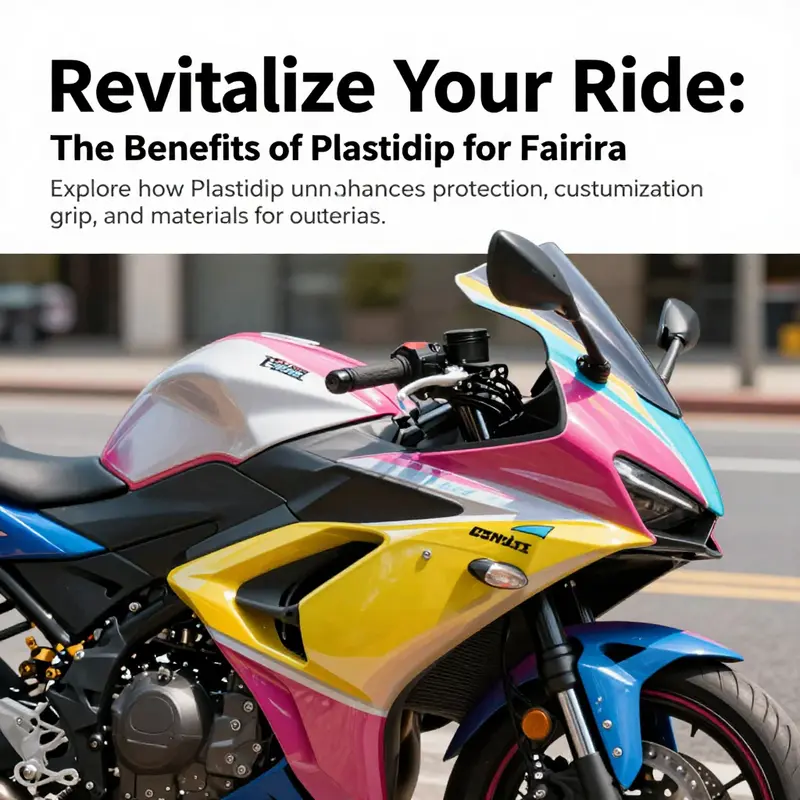
As motorcycle enthusiasts seek ways to personalize and protect their rides, Plastidip emerges as a versatile solution for motorcycle fairings. This spray-on rubber coating not only enhances surface protection but also offers a spectrum of color customization options. Additionally, it can improve grip and texture, making it a popular choice among riders looking to upgrade their bikes. In the following chapters, we will explore the surface protection benefits of Plastidip, delve into its vibrant color choices, discuss how it enhances grip, and examine its compatibility with various materials, providing comprehensive insights for business owners in the motorcycle aftermarket industry.
Guarding the Glide: Plastidip as a Surface Shield for Motorcycle Fairings
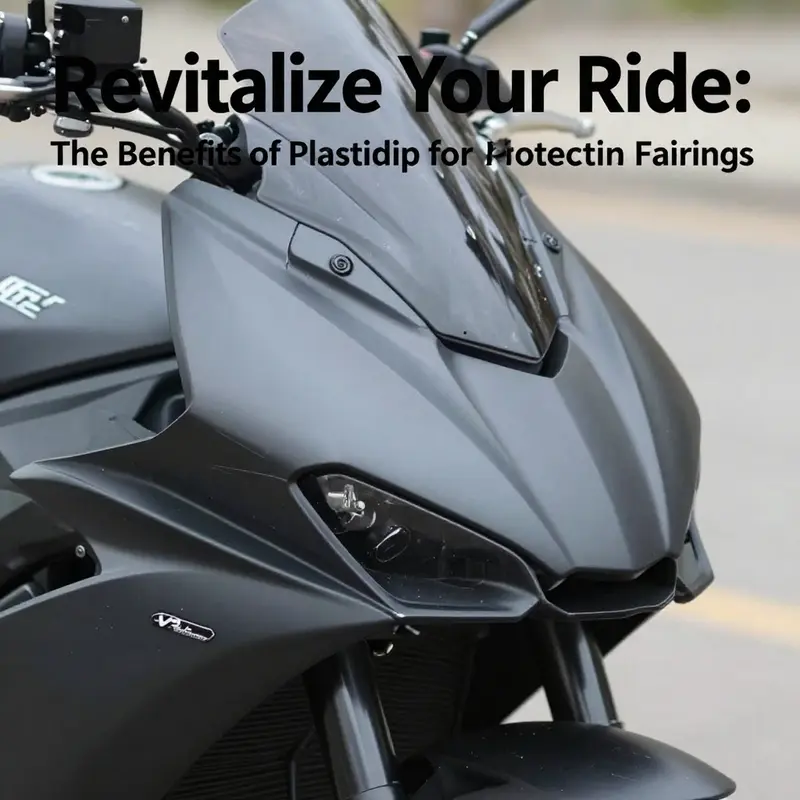
Fairings, by their very purpose, are thin shells crafted to slice through air with minimal resistance while sheltering the rider from wind and debris. They are often made from plastics or composites, chosen for lightness and shaping versatility rather than heft. In the realm of customization and protection, many riders search for a solution that can shield the surface without turning a casual refresh into a permanent commitment. Plastidip, a sprayable, removable rubber coating, fits that niche surprisingly well. It does not replace the fairing material nor does it alter the underlying geometry or structural properties. Instead, it acts as a sacrificial, flexible shield layered on top of the original surface. This distinction matters because it frames Plastidip not as a replacement part but as a surface treatment that can extend life, refresh appearance, and offer a degree of personal expression. The coating’s value emerges most clearly when the goal is a low-cost upgrade that preserves the option to revert to stock or switch color schemes in the future. In a scene where many riders routinely swap color palettes for seasons, events, or mood shifts, the ability to refresh without disassembly or repaint becomes a practical advantage. The approach centers on treating the fairing as a substrate that benefits from an added, easily renewably protective layer rather than as a finished shell to be rebuilt or refinished in place.
From the outset, the logic of using a coating like this rests on durability in a non-permanent form. It is not a cure for material fatigue or for structural flaws, but rather a thickened layer that can absorb minor encounters, UV exposure, and chemical exposures that would otherwise degrade the surface. The appeal is broad: a gloss or matte finish in a color of the rider’s choosing, plus a texture that can improve grip around the knee or shin when the bike is stationary and the rider is leaning into the fairing for support. The everyday rhythm of riding—dust, rain, sun, street chemicals, and the occasional abrasion from gravel and road debris—puts a lot of stress on exposed plastic surfaces. Plastidip’s versatility is in part why it has gained popularity in the custom scene; its flexibility helps the layer move with the fairing as temperatures fluctuate and as the sun’s rays strike at different angles. The coating’s performance on plastic or fiberglass fairings is particularly notable, given the common combination of light weight and exposure to the elements that defines most street-legal bikes. When applied correctly, the coating forms a uniform, elastic sheath that remains pliable as the bike heats and cools during short rides or longer sessions on warm pavement.
A fundamental benefit is UV protection. The sun’s ultraviolet radiation is a persistent foe of plastics; it can cause fading, chalking, and a creeping loss of surface integrity over time. Plastidip creates a durable layer that absorbs much of the UV energy before it reaches the underlying plastic. In effect, the coating acts as a sacrificial barrier, taking on the bleaching effect that otherwise would age the fairing’s color and reduce its resistance to micro-cracks and brittleness. For riders who keep their machines on the road for seasons rather than years, this protective function translates into slower color fade and more consistent appearance through the course of a riding year. The SKUs offered by Plastidip and similar coatings emphasize the broad range of colors and finishes—gloss, matte, metallic, even subtle textures—that let an owner define a personal look without the need for a full paint job. The added advantage is maintenance flexibility. If a color begins to look tired after a harsh winter or a long summer of sun exposure, the coating can be peeled away and replaced with a fresh layer or a new color slate, all without stripping or sanding the original surface beneath. In this sense, the surface protection is paired with a creative permission slip that keeps the bike looking dynamic while keeping long-term maintenance manageable.
Scratch and abrasion resistance is the second pillar of value. Road debris—gravel, small stones flicked up by tires, or stray objects encountered during parking maneuvers—can nick or scratch the outer layer of a fairing. A well-applied Plastidip layer hardens to a resilient film that can absorb such impacts with less visible damage to the underlying panel. The practical upshot is fewer touch-ups, less time in the workshop, and a smoother ride through environments where loose gravel or misjudged curbs can otherwise mar a skin-deep layer. The coating’s texture can also contribute to grip in certain contact zones, giving a rider a tactile sense of security when their knee skims along the surface during aggressive riding or when they brace themselves during slow maneuvers. While not a substitute for a high-grade clear coat or a professional refinishing, the protection it provides against superficial scratches proves meaningful for riders who want to keep the surface pristine without a heavy investment in time or materials.
Chemical resistance adds another dimension to the package. Motor oils, fuels, cleaning agents, and road grime can degrade unprotected plastics, leading to discoloration or surface embrittlement over time. A protective coating helps neutralize many of these threats by forming a barrier that limits direct contact between the chemical and the substrate. This attribute becomes particularly relevant for riders who routinely wash their bikes or who ride in climates where road treatment chemicals or coastal air introduce additional contaminants. The coating’s chemistry is designed to resist these everyday exposures, contributing to a longer-term fade resistance and a brighter overall appearance. The protective layer also reduces the number of cleanings required to maintain a fresh look, since contaminants accumulate on the surface rather than penetrating into porous material. Even as riders wash and detail their machines, the rubberized film remains tolerant of mild detergents and common cleaners, providing a forgiving surface that users can maintain with minimal risk of harm to the fairing itself.
Ease of application and removal stands alongside protection as a defining feature. This is perhaps Plastidip’s most celebrated attribute in the modding community. A spray gun or aerosol can can deliver a smooth, uniform coat, and the coating adheres to a broad spectrum of substrates—from newly manufactured plastics to slightly aged composites. One key advantage is its reversibility. If the rider decides to revert to the stock appearance or to switch to a different color or finish, the coating can be peeled away cleanly with solvents, often without damaging the paint, decals, or the underlying material. The non-permanent nature of Plastidip provides a level of experimental freedom: riders can test bold color choices or textured finishes for a season, then revert or rework without incurring the costs or risks associated with repainting or replacing fairings. This reversibility makes it especially appealing to enthusiasts who value iterative customization and seasonal aesthetics.
In practice, the path to a successful Plastidip finish on a fairing begins with surface preparation. A clean, dry surface is critical to achieve lasting adhesion. Dirt, oil, and wax residues can compromise the bond, so thorough cleaning is essential. Many practitioners favor a dedicated prep product to ensure the surface is not just clean but properly etched for improved adhesion. A careful sanding or scuffing of the surface, followed by a thorough wipe-down to remove dust, helps promote a robust bond between the coating and the fairing. Once the surface is prepared, multiple thin coats are typically applied rather than a single thick layer. This approach minimizes runs and provides a more uniform finish, while maintaining the coating’s flexible properties. After curing, the coating gains a uniform appearance that can be tailored by selecting a color or finish that best complements the bike’s lines and the rider’s personality. For the finest results, some riders opt for a dedicated base layer or primer to optimize adhesion across different substrates, particularly on older or previously gloss-finished plastics. Although not strictly mandatory, using a base product designed for Plastidip can improve longevity and gloss consistency, especially on high-contact areas or on panels that experience frequent cleaning.
An important practical note concerns the materials themselves. Plastidip and similar coatings are compatible with a wide range of plastics and composites used in modern fairings, and they typically do not require extensive surface modification. This compatibility is a major reason the coating is favored in workshops and DIY stalls alike. Yet it remains important to assess the particular fairing composition—whether it’s a newer polycarbonate blend or a fiberglass-reinforced substrate—so that the preparation steps and cure times are aligned with the substrate’s behavior. In many cases, a light scuff and a test patch can help confirm that the surface will hold a coating evenly, with no reaction or peeling. The goal is a finish that remains flexible, resisting cracking as the bike flexes slightly with air pressure at speed and as the engine and exhaust heat shift the contours of the bike’s body. When the finish properly cures, it presents a refined look with the tactile feel riders associate with durable, yet gentle protection. The result is not only a shield against wear but a canvas for personalization that can reflect a rider’s evolving taste or a specific event’s theme.
The narrative above is not an invitation to overlook quality control. Like any surface treatment, a poorly executed application can lead to an inelegant finish with pinholes, uneven thickness, or premature wear in the most exposed areas. Vigilance during the preparation, an even spray technique, and patient curing are the staples of a durable result. In addition, it is wise to consider environmental conditions during application. Temperature, humidity, and dust levels can influence the finish’s evenness and cure. A sheltered, clean space is ideal for the procedure, with attention paid to wind direction and dust suppression to avoid debris in the final coat. When done with care, the outcome is a nearly seamless skin that respects the fairing’s geometry and accentuates its shape rather than masking it. For those who want to explore how this works across different bike families, a quick look at category pages dedicated to specific fairing lines can provide practical context and options for color coordination with existing decals or brand motifs; for instance, see Honda fairings.
In the broader arc of motorcycle customization, Plastidip and similar coatings empower riders to experiment without undertaking a full repaint or a costly reshell. They offer a middle ground between cosmetic refresh and protective upgrade, aligning with a practical ethos that favors reversible improvements and cost efficiency. The choice to apply a removable coating resonates with riders who value adaptability: the freedom to momentarily shift from a stealthy matte black to a high-gloss chrome-like finish, then revert if a future design shift demands it. And beyond color, the coating supports texture and grip, which can influence how the rider feels when handling the bike at idle or in slow-speed maneuvers. As with any modification, informed decisions come from understanding the alteration’s impact on maintenance, resale value, and the bike’s ongoing protection strategy. The coating does not replace the fairing’s own protective design; it supplements it, creating a layered approach that respects the material’s needs while expanding the owner’s ability to tailor appearance and durability.
For readers who want to explore related content on a platform focusing on fairings across brands, you might find value in reviewing model-specific options and how coatings interact with different plastic formulations. For example, the Honda fairings category can provide practical context about how coatings comply with various surface finishes and mounting points. You can explore that collection here: Honda fairings. While the coating’s primary function remains surface protection and appearance customization, understanding how these finishes interact with brand-specific fairings can help riders set realistic expectations for longevity and maintenance across their lineup of rides.
The journey of applying a removable protective coating to motorcycle fairings is a useful reminder that surface care is a dynamic aspect of modern riding culture. It rewards patience, preparation, and a willingness to reimagine what a plastic shell can do. It also underscores a broader principle in bike culture: the surface matters almost as much as the structure, because how a bike looks is how it communicates intent, care, and identity. A well-executed coating not only stands up to sun and road grime but also reinforces the rider’s connection to the machine. In that sense, a coat that can be peeled away without harm invites ongoing experimentation, inviting riders to push the boundaries of color, texture, and finish while preserving the ability to revert when the mood or the season dictates a different look.
External reference: https://www.plastidip.com/product/benefits/
Color on Demand: The Reversible Makeover of Motorcycle Fairings Through Removable Coatings
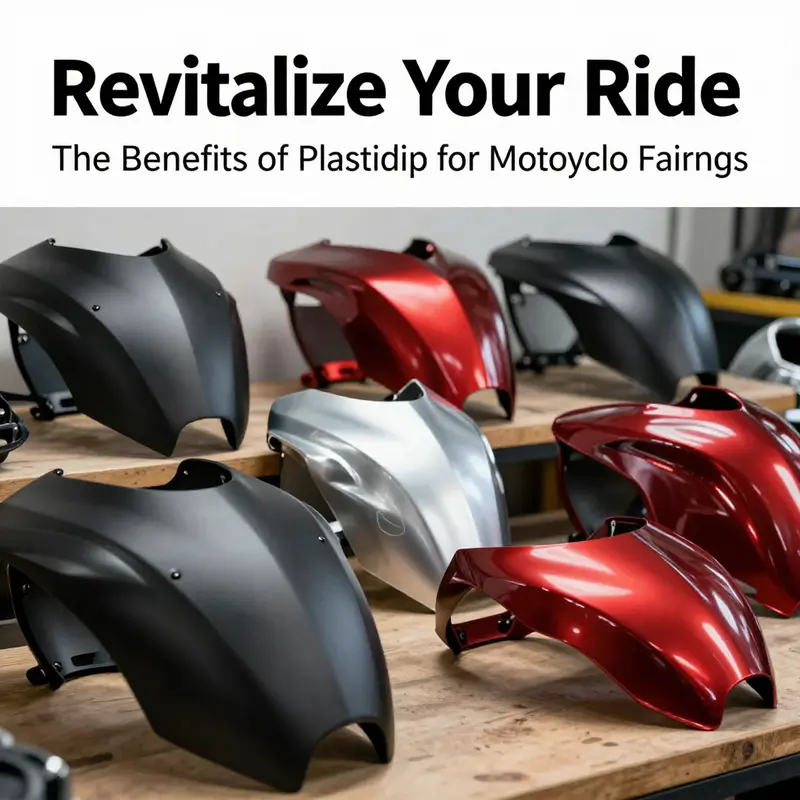
Riders have long chased the thrill of changing a bike’s personality without committing to a permanent repaint. The look of a machine speaks as loudly as its engine, and in the world of sport and street bikes alike, color tells a story before a single mile is logged. A removable coating system offers a compelling answer to that craving: it lets the fairings, those most visible and vulnerable panels, switch styles with minimal risk and maximum flexibility. The idea is simple in its appeal but intricate in practice. A thin, elastic film or sprayable layer is applied directly to the plastic, fiberglass, or composite surface of the fairing. When cured, it behaves like a second skin—protecting the original finish from scratches, UV light, and chemical exposure, while serving as a canvas for color and texture. Because the coating is designed to be lifted away, riders can experiment with dramatic shifts in hue, gloss, or texture, then revert to stock or migrate to another design altogether. It is, in essence, a temporary aesthetic that carries real protective benefits, a concept that resonates with anyone who treats their motorcycle as both a work of art and a tool for exploration.
What makes this approach particularly compelling is its balance of versatility and practicality. The coating adheres to a range of materials commonly used for fairings, including tough plastics, and, in some cases, newer composites. Compatibility matters here, not only for adhesion but for long-term performance. Surface preparation becomes the hinge on which success rests. The vinyl-like film or spray film adheres best when the fairing surface is clean, free of oil and wax, and mildly abraded to provide a key for the coating to grip. The process is not about masking the original color or hiding imperfections; it’s about creating a fresh, protective layer that can be peeled away when it’s time for a new look. In the hands of a careful rider, this approach unlocks a lifecycle for the fairings that mirrors the seasons: color for the summer track days, a matte finish for late-day commutes, or a pearlized gleam for a weekend photo shoot.
The hues on offer are expansive in practice, though the spectrum is limited only by imagination and the practicalities of application. A single layer can be a glossy, high-shine black or a vivid, neon accent that stands out in the dry Texas sun or the damp Pacific Northwest fog. Matte finishes soften reflections and reduce glare, which can be a practical advantage for riders who want a stealthy look or a tactile grip sensation on the knees and thighs when shifting and braking. Metallics, pearlescents, and multistage tones are also possible, with the finish quality riding on the thickness of coats and the evenness of the spray or film. Because the coating is removable, the choice of color is not a lifelong commitment. A rider who paints a pair of fairings in a bold, attention-grabbing tone can later peel it off to reveal the original surface beneath or to apply an entirely different look. This reversibility is not just a fashion statement; it can be a strategic tool for those who participate in shows, photography sessions, or seasonal riding communities where the visual language shifts with the vibe of the event.
From a material science perspective, the adhesion of a removable coating to the fairing depends on surface energy, cleanliness, and the presence of a compatible primer or pre-coat layer. The goal is a cohesive bond that remains flexible enough to withstand the vibration and temperature cycles inherent to riding, while still allowing for clean removal when desired. The coating acts as a sacrificial shield in many cases, absorbing minor scratches, micro-abrasions, and UV exposure that would otherwise degrade the underlying finish. In this light, the coating is less a cosmetic trick and more a protective, performance-minded modification. The practitioner learns to anticipate wear patterns: the high-contact edges along the handlebars, the area around the knee where leg fabric can abrade, and the vents and fastener seams where movement and heat are concentrated. These are the places where careful, gradual layering yields the most consistent, durable result.
But the narrative of color and protection would be incomplete without acknowledging the maintenance mindset that accompanies removable coatings. A rider who commits to this approach becomes an observer of their own bike’s surface health. Regular inspection becomes routine: check for lifted edges after a long ride through rough pavement, scrutinize for tiny cracks where heat and sun have bent light and polymer into micro-swells, and ensure that the texture has not worn away unevenly across contour changes like curves, scoops, and air intakes. The beauty of a reversible finish is that maintenance stays approachable. If a patch shows wear, a quick recoat or touch-up can restore the look without the need for sanding, priming, and repainting the entire fairing. That modularity appeals not only to the eye but to the pocketbook and to the rhythm of a rider’s calendar, where weekends become a chance to refresh the look rather than a formal project requiring a full garage day.
The application choreography, while straightforward in spirit, rewards patience and attention to environmental conditions. Temperature, humidity, and airflow all influence the evenness of the coat and the final texture. In cooler, drier air, the coating can cure with a crisp snap that preserves color depth and minimizes tackiness. In more humid conditions, a slower cure can help reduce pinholes and sags, but it may require longer cure times between coats. The art lies in building coats in fine, controlled layers—each layer light enough to avoid runs, each pass deliberate enough to ensure consistent coverage across a fairing’s complex geometry. This is where the ride-from-release freedom of the coating becomes a practical limitation; the surface of a fairing is not a flat canvas, but a mosaic of curves, recesses, and radii where light behaves differently. The technician or hobbyist learns to orient spray passes to follow the geometry, to angle the nozzle just so, and to rotate the component to keep a uniform overlap. Even for those who choose a film-based system rather than a spray, the same principle holds: the first coat primes the surface and forms the base tone, successive coats deepen the hue and adjust opacity, and a final topcoat seals the deal with gloss or matte clarity.
People often ask about texture in this context. A smooth, glass-like finish can feel more performance-oriented and is popular for street bikes that want a clean, immersive color field. A slightly textured surface, achieved by a fine pattern in the coating or an intentional texture on the film, can enhance grip in the knee zones and reduce the perception of dust and micro-scratches. For some riders, texture becomes a design feature in its own right, a tactile reminder of the bike’s presence that complements the color choice rather than competing with it. The color strategy, too, can be layered. A base hue may be intensified with a second, subtle tint in the clear layer, creating a depth that shifts with viewing angle as light catches it. The result is not merely color but a living portrait of the bike in different lighting, a dynamic interplay between pigment, plastic, and the way light kisses the surface as the bike leans into a curve or gathers speed on a straight.
Another dimension in this practice is the range of models and shapes that benefit from a reversible coating. Fairings vary from angular, aggressive lines to smooth, flowing contours. This diversity invites experimentation with color placement. A rider can emphasize a panel line with a bright accent, or wrap a single color over all the fairings for a unified silhouette. The ability to remove the coating later allows for thematic shifts—seasonal color palettes, event-specific designs, or simply a desire to test a look before committing to a full repaint. It also opens the door to more playful or expressive motifs, including gradient blends or speckle patterns, which would be more challenging to reproduce with traditional paints. The key is an approach that respects the underlying material, preserves the integrity of fastener points and edge radii, and recognizes that some sections of the fairing require a more flexible or a more durable formulation than others. In practice, this often means choosing a coating system with varying degrees of flexibility and chosen thicknesses for different zones, while keeping a coherent overall appearance.
For those who are curious about model-specific fit and the practicalities of applying removable coatings across different fairing families, there is value in considering community resources and hands-on examples. If you’re exploring different fairing configurations and brands, you can look at a broad range of cataloged models, including those from widely used categories across brands. A practical starting point is to examine the general shapes and surface treatments of bikes that share your aesthetic goals. This exploration helps you anticipate how light will play across the surface, where you might want to apply a high-gloss finish to catch reflections for a track-day photograph, or where a matte surface can reduce glare during long rides at dusk. The conversation becomes less about chasing a single effect and more about balancing color, texture, and the tactile feel of the surface with the bike’s aerodynamics and day-to-day practicality.
The lifecycle of a removable coating on fairings is inherently modular. It is designed to be refreshed, replaced, or removed without affecting the foundation beneath. This is particularly relevant when considering the exposure of fairings to weather and road grime. Even with a robust protective layer, components that endure rain, sun, road salt, and insect impact will eventually show signs of wear. The modular approach makes it possible to schedule refresh cycles that align with riding seasons, major events, or simply the mood of the rider. It turns maintenance into a creative interval rather than a chore, a chance to reimagine the bike’s look while preserving the underlying gear’s integrity. The rider who uses this approach comes to view the fairings as an evolving canvas rather than a fixed shell. Each update becomes part of a broader conversation about identity, performance, and the relationship between machine and rider.
In weaving together the practical, the aesthetic, and the protective dimensions, a removable coating strategy for motorcycle fairings emerges as a compelling option for those who value both customization and reversibility. It invites experimentation, but it also demands thoughtful preparation, steady technique, and a willingness to observe how a surface behaves under real-world conditions. The result is not simply a new color, but a renewed interaction with the bike—the way light plays across curved planes, the way texture under the fingertips confirms the rider’s grip, and the way a design choice settles into the routine of riding a motorcycle. The fairings, once a fixed shell, become a dynamic interface that can be refreshed at will, a wearable shell of color that travels with the rider through changing roads and changing moods.
For readers who want to delve deeper into the process and the options, consider exploring the broader ecosystem of fairing customization and the material science behind removable coatings. For some readers, the decision to apply a removable coating on their fairings may hinge on a desire to protect the original finish while still expressing individuality. For others, it is about the thrill of experimentation and the freedom to reimagine a motorcycle’s face as often as the rider’s aesthetic appetite allows. In either case, the approach aligns with a philosophy of care, curiosity, and practical craft: respectful surface preparation, conscientious application, and a flexible plan for maintenance and refresh. The result is a bike that reflects its owner’s evolving story without demanding a permanent change to the canvases that carry it forward into every ride.
Internal reference for related models and fitment variations can be found by exploring broader fairing categories, which provides a sense of how different shapes accommodate color and texture changes without compromising performance. For riders exploring specific fairing models, see Yamaha fairings. This kind of catalog context helps set expectations about how lines and panels translate color choices into a coherent, visually striking finish across a complete bike skin. And as you weigh the options for a reversible coating, remember that the final decision rests not only on color preference but on how the surface will perform under real world conditions, how easy it will be to refresh, and how well it will age alongside the bike’s ride and miles. External reference: for deeper technical guidance on coating application principles and best practices, consult the official coating guide. official coating guide
null
null
Beyond Paint: How Flexible Coatings Redefine Motorcycle Fairings Through Compatibility, Craft, and Care
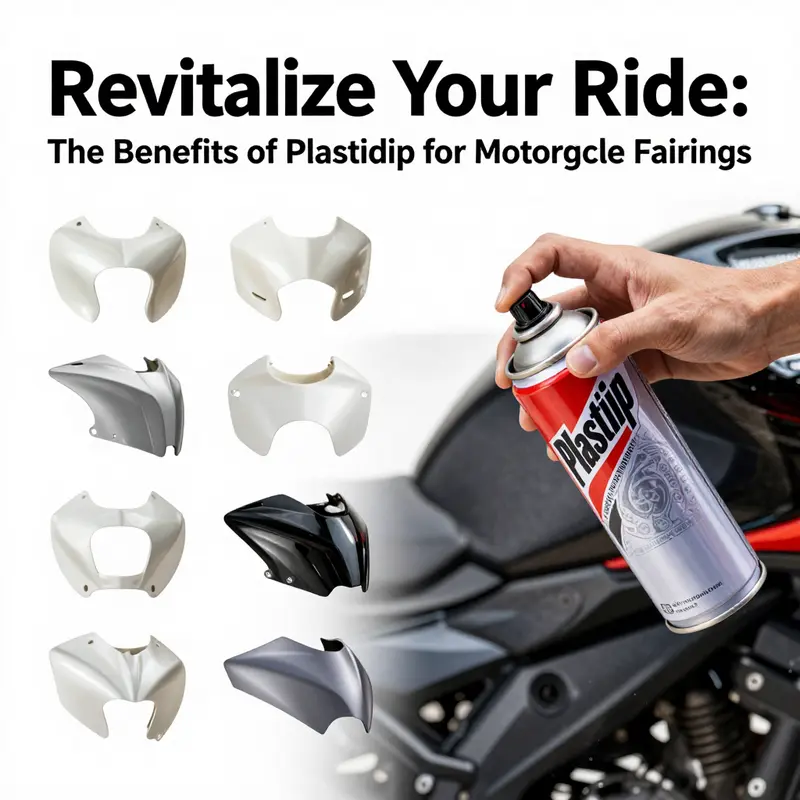
Motorcycle fairings are more than just decorative shells; they are engineered surfaces that face vibration, heat, UV exposure, rain, and road grit while shaping aerodynamics and rider comfort. When riders look to refresh or personalize their bikes, a rubberized, sprayable coating—commonly known as a flexible rubber coating—offers a distinctive path: it can protect delicate plastics, alter color without expensive repainting, and even add a touch of grip where hands or knees contact the shell. Yet in the context of plastic or composite fairings, this approach is not about replacing the fairing with a separate, purpose-built part. It is about choosing a surface finish that respects the substrate while delivering durability and style. In practice, this means recognizing the material makeup of typical fairings, understanding how a flexible coating adheres to those substrates, and following disciplined preparation and application steps that maximize longevity. The result is a finish that is not simply cosmetic but that can extend the life of the panel and tailor its tactile and visual properties to a rider’s needs. For riders who want a cost-effective, reversible, and customizable upgrade, the method blends performance with personal expression, keeping the integrity of the underlying fairing intact while inviting a bespoke look that can be updated as tastes change.
Central to this approach is material compatibility. Modern fairings are predominantly fashioned from high-strength plastics such as ABS and other engineering polymers. ABS, in particular, offers a good balance of impact resistance, heat tolerance, and moldability—qualities that make it a staple for OEM panels on sport bikes and street machines alike. The same family of materials is used in aftermarket or OEM replacement panels across many brands, from fluidly contoured streetfighters to fully faired sportbikes. This commonality matters because the coating’s performance hinges on how well it bonds to the substrate, how it responds to flex under riding conditions, and how it behaves when subjected to the sun’s ultraviolet rays and the spray of road chemicals. When the substrate is ABS or a similar engineered plastic, the coating can be effective if we respect the surface’s needs: thorough cleaning, light abrasion to provide a mechanical key, and a layer sequence that preserves adhesion without trapping moisture or solvents beneath layers. Even in a market where a single product category seems to offer a blanket solution, the underlying material science remains the decisive factor—adhesion, flexibility, and cured film properties determine whether the finished fairing will hold up under heat, vibration, and a thousand highway miles.
The practical question then becomes how to execute the transformation with care and consistency. The first law of success is surface preparation. A fairing, even a brand-new panel, often carries processing oils from manufacturing and may have a waxy protective film left by the factory. Any attempt to add a coating on top of these residues will almost certainly fail. The recommended path is straightforward: begin with a thorough wash using a mild detergent that can lift grease without leaving a detergent residue. Follow this with a solvent-based wipe to remove any remaining oils, then rinse and dry completely. A light sanding with a fine abrasive—think 400 to 600 grit—creates a micro-roughness that acts like a tiny ladder for the coating to cling to. After sanding, a clean tack cloth helps remove the dust and fibers that can ruin the evenness of the finish. At this point, many riders opt for a dedicated prepping product designed for flexible coatings. A primer or pretreatment step can improve adhesive strength and reduce the risk of premature lifting after the coat goes on. The exact sequence may vary with the substrate and the coating system, but the principle holds: clean, degrease, abrade, and wipe down again. If the panel has any edge or seam, the preparation should be meticulous at those transition zones because coatings can shed or peel first at sharp corners or thin sections.
With the surface properly prepared, the application phase invites a measured, patient approach. Flexible coatings do not require a thick film as a starting point; instead, multiple light coats are applied in a controlled manner to build up film thickness slowly, avoiding runs and sagging. The spray technique is simple in theory but demands consistency in practice. Hold the nozzle at a regular distance from the panel, typically several inches, and move your hand smoothly across the panel in a continuous, overlapping pattern. Unlike high-solid enamels or solvent-heavy topcoats, a rubberized coating benefits from an even, feathered edge and a dry time between passes. Temperature and humidity also influence cure times and film behavior. A comfortable ambient range—roughly 15 to 30 degrees Celsius with moderate humidity—helps the coating cure uniformly and reduces the chance of moisture entrapment or surface sagging. Each coat should be allowed to set to a touch-dry stage before the next is applied. Once the final layer is established, a longer cure period ensures the coating reaches its full elasticity and resilience. This is not a process that benefits from rushing; patience pays in the long run as the coating gains the ability to flex with the fairing rather than chip or craze under stress.
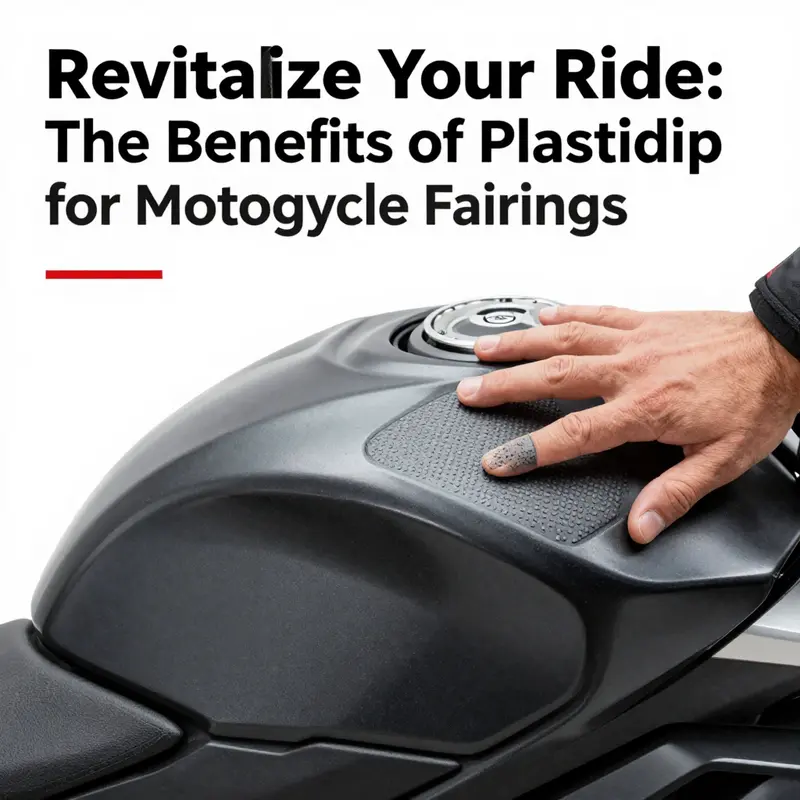
Color and texture options are a strong lure for riders seeking a personal statement without the cost of a full repaint. The same coating system can deliver a matte finish, a satin sheen, or a more textured surface that can enhance grip in certain areas. The texture, achieved either through the spray pattern or by the coating’s own formulation, can contribute to handling by lightly increasing friction on contact points used by the rider’s knees or forearms. This is particularly appealing for riders who spend long hours in the saddle and value tactile cues as much as visual cues. In practice, finish choice will hinge on the rider’s preferences and the expected environment. An all-black matte finish offers an understated, stealthy look that pairs well with most bikes and gear, while a metallic or chromatic tint can accentuate body lines and highlight the contours of the fairing. It is crucial, however, to ensure color uniformity across panels that align on the bike to avoid a patchwork appearance that betrays the coating’s application history.
Compatibility is not a one-size-fits-all concern, even within ABS and similar plastics. The coating’s flexibility is what enables it to survive the flexing and vibration that occur at highway speeds, yet some areas of a fairing wear more stress than others, such as near mounting points or around heat-sensitive zones close to the engine. These regions may require additional attention during prep and coating. The technique is to apply a slightly thinner initial layer in high-stress areas, followed by subsequent coats that bring the overall film to a uniform thickness. When possible, test a small, inconspicuous patch to observe how the coating behaves after cure. The patch can reveal subtleties such as micro-cracking under flex, subtle color shift, or edge lifting that might not be visible on a flat panel. If any issue arises, addressing it early—by lightening the coat or adjusting curing conditions—prevents larger problems later.
As with any modification that alters the exterior surface, maintenance and longevity demand practical care. The coating’s protective role extends beyond mere aesthetics; it can shield the underlying panel from UV damage, minor scratches, and chemical exposure from road grime. Yet the coating can still suffer with heavy abrasion or prolonged exposure to solvents, aggressive cleaners, or sustained high temperatures that approach the coating’s elasticity limits. A gentle cleaning routine is often sufficient: use lukewarm water with mild soap and a soft cloth, avoiding harsh abrasives that can dull the finish or disturb the coating edges. If a patch shows wear, re-application is feasible. The coating can be sprayed again after proper surface prep, effectively giving the fairing a fresh shield without removing the entire panel. This reversibility is one of its appealing features: riders can experiment with color and texture without committing to a full repaint, and later revert or refresh as tastes evolve.
From a broader perspective, this approach sits at the intersection of customization culture and practical maintenance. Riders who favor a low-cost, reversible upgrade often gravitate toward flexible coatings precisely because they offer rapid aesthetic refresh without the downtime or expense of professional refinishing. The very notion of a removable, recoat-able exterior aligns with a modular mindset—one that treats the fairing as a component that can be updated with seasonal colors or new finishes. In this sense, the coating becomes a medium for storytelling on the bike, a way to reflect a rider’s current mood or a tribute to a particular ride or event. It also invites a degree of experimentation, because the process is repeatable and adjustable, allowing multiple iterations over the life of the motorcycle.
In the practical realm, there are a few caveats to consider. First, while the coating adheres well to ABS and similar plastics, heavy heat sources or prolonged exposure to solvents can degrade adhesion or cause the film to lift at the edges. Second, the coating is best applied to panels that are in good condition—no deep cracks or flex fractures. If a fairing is damaged, repair should precede coating to prevent trapping a damaged surface under a flexible film that may mirror or exaggerate flaws. Third, while the finish can be repaired, removing the coating entirely is a process that requires careful work to avoid damaging the substrate. Peeling off a thick layer in one go can leave adhesive residues or micro-scratches that require attention. For riders who prize both durability and ease of refresh, these considerations shape the decision to apply the coating in the first place and guide ongoing maintenance.
The broader lesson is that the value of a rubberized coating on a motorcycle fairing hinges on thoughtful material awareness and disciplined execution. ABS and related plastics respond well to a carefully prepared and applied finish, and the right sequence of steps—clean, degrease, abrade, prime, coat, cure, and maintain—produces results that look cohesive across panels and hold up under riding life. This approach also preserves the option to revert to original aesthetics or to try a new look without committing to a factory repaint. For readers curious about a concrete direction tailored to their bike’s styling, the Honda fairings category offers a useful reference point. It showcases how common ABS-based shells shape possibilities and constraints in real-world examples, and it can serve as a practical guide when imagining how a flexible coating might interact with the contours of a particular design.
For riders seeking authoritative guidance on the coating process and technical specifications, the best resource remains the manufacturer’s own documentation. This ensures compatibility with ABS and other plastics and helps avoid issues that arise from misinterpreting substrate compatibility or cure requirements. The journey from surface preparation to a durable, appealing finish is a tactile and visual one, and the rewards are tangible: a protected fairing, a customized appearance, and the satisfaction of hands-on achievement that respects the bike’s engineering while inviting personal expression.
External resource: Plastidip official usage guide
Final thoughts
Plastidip provides a dynamic solution for motorcycle fairings, offering business owners a means to enhance both aesthetic appeal and functional protection of their products. Through effective surface protection, limitless color customization, improved grip, and compatibility with various materials, Plastidip stands out as a practical choice for those in the motorcycle aftermarket industry. By integrating this innovative product into your offerings, not only can you meet customer demands for style and safety, but you can also position your business as a leader in motorcycle customization.