
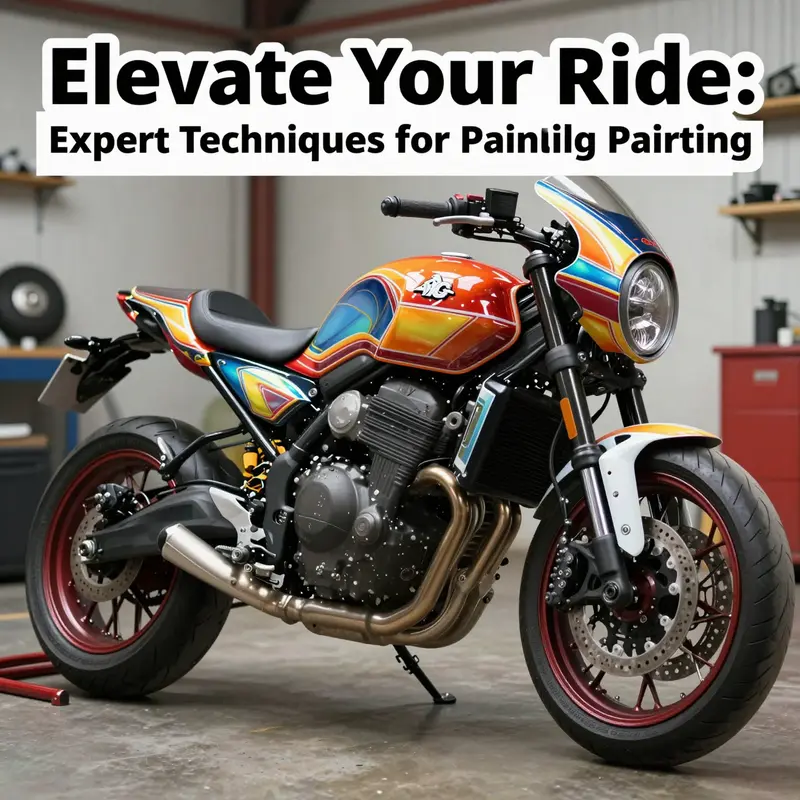
Painting motorcycle fairings is not only a means of personal expression; it’s also a crucial aspect of maintaining the value and aesthetics of a bike. For business owners in the motorcycle industry, understanding the nuances of fairing painting can set your offerings apart, providing customers with high-quality, customized finishes. This comprehensive guide delves into the essential steps of preparation, repair, priming, and finishing touches. Each chapter will build upon the last, ensuring you have a complete understanding of the painting process that reflects the craftsmanship your customers expect.
The Quiet Foundation: Thorough Prep That Turns Motorcycle Fairings into a Show-Ready Finish
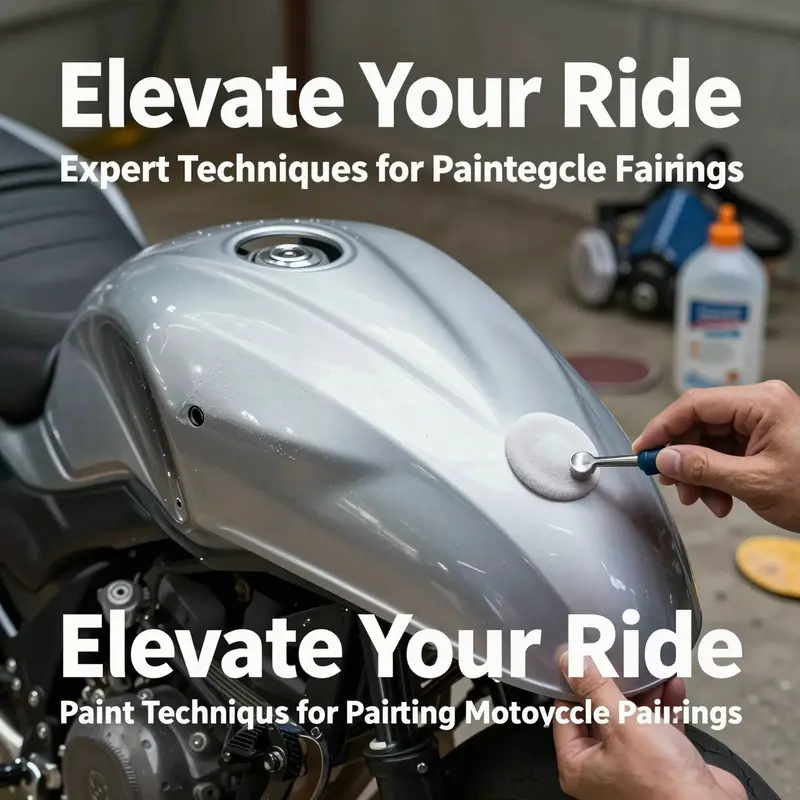
Every successful paint job on motorcycle fairings starts not with color, but with a deliberate, systematic preparation that makes the surface receptive to every subsequent layer. Preparation is the quiet work that determines whether the final finish will glide on smoothly, resist chipping, and stay vibrant for years. Without it, even the best color choice can look dull, peel, or crack under heat and sun. The steps that follow form a single, continuous process: clean, abrade, seal, and inspect until the surface behaves like a fresh canvas rather than a weathered shell. When you approach prep with patience and precision, you set the stage for a finish that looks deep, glossy, and durable, rather than flat and fragile.
Begin with a thorough cleaning that removes every trace of oil, wax, and surface grime. The fairing surface should be free of silicone and petrochemical residues that can sabotage adhesion. A dedicated automotive cleaner or a purpose-made degreaser works best for this job. Apply the cleaner with a soft cloth, working in small sections to avoid transfer of new dust or contaminants. Don’t rush this step. Oils and residues don’t just sit on the surface; they bleed into the microtexture of the plastic as you sand, making adhesion harder to achieve. After cleaning, wipe down with a clean, damp microfiber to remove any leftover cleaner, then dry with a lint-free cloth before moving on. You want the surface to feel clean and dry, not damp or slippery. A clean surface isn’t just a cosmetic preference—it’s a bond-maker, the foundation that allows primer to grip with real tenacity.
Once the surface is clean, the next stage is light sanding to create microscopic grooves that artfully guide the primer and paint into a secure hold. Use fine-grit sandpaper in the 800 to 1500 range. The goal is not to remove material or flatten the shape but to give the plastic a controllable “tooth.” Sanding evenly is essential; you don’t want high spots that become visible after base coat or low spots that trap primer. Keep the sanding strokes smooth and consistent, maintaining the original contours of the fairing. If you encounter a stubborn blemish or a gouge, address it with a block and progressively finer grits rather than digging in with a bare hand. A common misstep is to over-sand, which can weaken the surface while sacrificing the smooth geometry that defines the bike’s silhouette. When you’re done, wipe away all sanding dust with a clean cloth and, if possible, blow out any remaining particles with a gentle burst of compressed air before a final wipe. Dust left on the surface will haunt the finish later, so this step matters more than it might seem at first.
After sanding, give the fairing another thorough wash, this time to remove the fine dust that sanding created. A second wash ensures you don’t trap dust under primer or paint layers. Rinse well and allow the surface to dry completely in a clean, dust-free environment. You might use a tack cloth between passes to capture any stray fibers or dust motes that cling to the surface. Dust in the dry air acts like tiny sandpaper during the paint process, resulting in micro-marring that spoils gloss and clarity. This stage is where meticulous cleanliness pays off in the final product. If the weather or workshop environment isn’t ideal, consider using a simple air filtration setup or a dedicated paint booth to minimize airborne contaminants during the next steps.
With the surface clean and dry, it’s time to apply primer—arguably the most critical bond layer in the overall system. For plastic fairings, choose a high-quality primer formulated for polyurethane or ABS plastics. The primer’s role is twofold: it seals the surface to prevent moisture ingress and contaminants from reaching the plastic, and it provides a robust, even base that the topcoat can adhere to. A two-part or high-adhesion primer is often the most reliable choice for complex curves and recessed panels typical of modern fairings. Follow the manufacturer’s drying times and recoat windows precisely; this isn’t a field where patience can be replaced by speed. Skipping or rushing the drying step invites defects like pinholes, solvent popping, or poor leveling, which then become permanent features beneath your paint.
As you apply primer, work in thin, even coats rather than a single heavy layer. Light coats reduce the risk of runs and sags while building uniform coverage. After each coat, allow sufficient dry time and inspect the surface for coverage gaps or unevenness. It’s common to apply two or three coats in total. Between coats, a gentle, controlled scuff with a fine-grit pad is sometimes recommended to improve adhesion, though this should be done carefully to avoid creating new scratches that will telegraph through the paint later. The goal is a flat, consistent plane with no shiny pinpoints or rough patches that can reflect light unevenly once color is added. When you’re satisfied with the primer surface, let it cure fully according to your primer’s instructions. A properly cured primer is the bedrock for a flawless finish.
The final check before color is a thorough inspection of the primed surface. Look for any bare spots, pinholes, or rough areas. If you see anything, apply a light touch-up coat or spot fill with a compatible plastic filler, then re-sand those areas until they’re utterly smooth. This is the moment to err on the side of meticulousness, because a small defect corrected now will prevent a much larger problem later. A smooth, even primer layer also helps the base color lay down evenly, reducing the chance of color variation across panels where different primers or flex-relief hot spots may exist. It’s tempting to rush through this step, especially if you’re eager to see the color. Resist the impulse. The surface integrity you establish here dictates the lasting power of every millimeter of color that follows.
Once the primer has cured and the surface passes the final inspection, you’re ready to apply base color. The base coat is where the drama begins, but it depends on what you’ve already built under it. Thin, even coats are again the rule. A single thick layer invites runs, sags, and trapped solvent, which show up as clouded or uneven areas. Apply several light passes, allowing each coat to flash—meaning the solvent content almost evaporates but the film remains slightly soft—to ensure the subsequent layer adheres properly. The number of coats depends on the color, pigment depth, and the plastic’s tendency to show through. Lighter colors often require more coats to achieve uniform coverage, while darker colors can achieve fullness with fewer passes. Remember to step back frequently and assess the color balance across the entire fairing, including curves, edges, and any contours that catch the light at different angles. It’s easy to spot an uneven tone under the right lighting, and correcting it later is far more labor-intensive than catching it now.
Toward the end of the base-coat phase, you may notice a slight translucent look as the color builds. This isn’t a failure; it’s a normal part of the process. Allow each coat to dry or flash according to the paint system’s recommendations, then apply one or two more ultra-thin coats if needed to even out any streaks or pressure marks introduced during spraying. The aim is a uniform, solid color with no visible stippling or mottling. A high-gloss surface is a telltale sign that you’re ready for clear coating, but avoid jumping to the finish before you’re completely sure the color is even and free of defects.
The clear coat is the protective guardian of your work. It seals the color against UV damage, environmental oxidation, and minor abrasions. Like the base, the clear should be applied in thin, uniform layers. Several light coats are better than a single heavy one. Clear coats are typically more forgiving of slight surface imperfections than color coats, but they still reveal flaws when they are present. After each clear coat, you can optionally buff lightly between coats to restore gloss and remove any minor dust nibs that might have settled on the surface. Avoid aggressive buffing until the final gloss stage, as excessive friction can heat the film and cause microcracking. When the final layer has been applied, allow the entire assembly to cure fully according to the manufacturer’s instructions. Curing can range from 24 to several days depending on temperature, humidity, and the chemistry of the coatings. Resist the urge to handle or reinstall components until you’re confident the finish has reached its full hardness and gloss.
The decision to seek professional service is never far away in the world of fairing painting. A professional shop can offer industrial-grade primers, deeper surface sealing, and multiple topcoats designed to yield a finish that rivals OEM quality. They bring controlled environments, precise humidity and temperature management, and meticulous quality checks that are hard to replicate in a home workshop. If you’re contemplating a highly durable, showroom-style result, it can be worth exploring those options. The investment pays off when you’re staring at a flawless surface, with color depth that seems to glow from within and a clear coat that remains resilient over time, resisting yellowing and micro-scratches.
As you map out your materials and approach, it helps to keep a few practical reminders in mind. Polyurethane and ABS plastics respond differently to solvents and adhesion promoters, so double-check compatibility before committing to a primer or color system. Work in a well-ventilated space and wear an appropriate respirator during sanding and painting to protect your lungs from fine particulates and solvent vapors. Temperature and humidity can dramatically affect curing times and the flow of your coatings; a slightly warmer, dry environment often yields smoother films and reduces the risk of trapping moisture. Patience is not a luxury here but a requirement—the smoother your surface after each stage, the less you’ll have to correct later. If your schedule permits, plan the project in stages, allowing the fairing to rest between steps. This pause helps you catch issues that might be hidden in the moment, such as micro-dust that settled during a late evening session or a subtle color shift caused by an overlooked edge.
For readers who are curious about broader fitment and finish options across brands, you can explore the broader catalog of fairings to understand how panels from different manufacturers align with your bike’s frame and mounting points. A quick look at the broader category page can offer insight into how OEM-style panels are designed to reproduce exact geometry or how aftermarket pieces adapt to common mounting patterns. This context helps you decide not only on color and finish but also on how your prep strategy might shift depending on the material and shape you’re working with. If you’re thinking about matching or contrasting colors across panels or integrating graphics that flow with the bike’s lines, the planning phase becomes even more important, because the expectation of consistency across all surfaces raises the bar for every preparation step that preceded it. For a broader view of compatible fairings, you can browse the BMW fairings category to see how the substrate and fitment considerations are approached in a factory-aligned context, which can be a helpful reference as you plan your own project. BMW fairings category.
All along the way, the goal is clear: the prep work shapes how the paint behaves and how long it lasts. Even the most exciting color choice will look lackluster if the surface hasn’t been prepared correctly. When done well, the finish appears flawless from every angle, with a glassy depth that seems to reveal more about the bike than about the skill of the painter. It’s a quiet triumph that rewards patience, discipline, and attention to the surface itself more than attention to the spray gun. The final result is not just color on plastic; it is a committed conversation between the rider, the bike, and the environment in which the bike lives. A well-prepped fairing is the hinge that opens the door to a professional, durable finish that stands up to sun, rain, and road grit while maintaining color integrity and gloss days, weeks, or years after the first spray. If you have the opportunity to study how different finishes respond to temperature and light, you’ll learn to anticipate issues before they appear on the bike—and that foresight is the mark of a true craftsman in the art of painting motorcycle fairings.
External resource: For a practical, practitioner’s perspective on painting fairings and handling common challenges, see this Motorcycle Forum on Painting.
From Fractures to Finishes: Precision Repair as the Cornerstone of a Pro Paint Job on Motorcycle Fairings

Repair is the quiet, disciplined discipline that underpins every professional paint job on motorcycle fairings. It is the work that happens long before color touches plastic, long before the shine from a spray gun becomes a mirror. In the world of bike aesthetics, a flawless finish depends as much on how well you restore the surface as on how deftly you apply the color. The fairing, usually made from a tough but surprisingly pliant plastic, bears the scuffs, chips, and stress of wind, curb contact, and the daily choreography of riding. When you decide to revitalize or customize a fairing, you are choosing not just a new look but a durable surface that will withstand UV exposure, weather, and miles of road. The journey from damaged panel to showroom gloss is a sequence of careful steps that begins with cleanliness and ends with a cured, protected layer of color and clear coat. The beauty of a high-quality finish rests on the integrity of every small action in between.
The first, non-negotiable phase is thorough cleaning. You cannot fix what you cannot see clearly. Start with a robust degreasing routine to strip away oils, waxes, and the film of dust that has settled over time. Oils can undermine adhesion, wax residues can cause fish-eyes in the paint, and even microscopic residues can invite micro-pissures as layers accumulate. A clean surface becomes a clean slate, revealing the true texture of the plastic beneath. After degreasing, a careful wipe-down with a solvent-compatible cleaner helps ensure the surface is free of residues. At this stage you are not polishing; you are exposing a surface that can hold and bond to repair materials without wandering into the realm of adhesion failures later.
When the fairing shows only minor surface damage—light scratches, shallow chips, or slightly dull patches—the repair can be accomplished with a scratch-filling compound. The technique is simple in concept but exacting in execution. Apply the compound into the damaged area with a plastic spreader or scraper, pressing firmly enough to fill the scratches without creating ridges. Let the compound cure according to the manufacturer’s instructions. Curing is not a single moment but a period during which the material exhausts solvents and reaches a stable hardness. Premature sanding can pull the compound out of the scratch or deform the surrounding surface. Once cured, proceed to sanding with progressively finer grits, beginning around 400 and moving through 600, 800, 1000, 1200, and finally 1500 grit. The goal is a flush, uniform plane where the repaired area disappears into the surrounding panel. Water sanding, using a light spray of water on the sanding surface, helps minimize heat buildup in the plastic and reduces clogging of the abrasive. It also tends to yield a smoother texture, which is critical for paint adhesion. Throughout this phase, use light, even strokes and keep the sandpaper flat to avoid creating circular lows or high spots that will telegraph through to the paint.
Deeper damage presents a more intricate challenge. Dents, gouges, or deformed regions may require additional techniques beyond filler. Plastic welding becomes a viable option for preserving the structural integrity of the part when the plastic is deformed or cracked across a broad area. This process fuses the plastic back together, restoring the original shape before filler is even considered. Once the weld has cooled and stabilized, a repair filler—an epoxy-based solution designed for structural or semi-structural restoration—can be employed to rebuild the surface in preparation for sanding. Epoxy fillers demand adequate ventilation and careful handling to prevent warping or cracking due to heat generation during curing. The material should be used sparingly and feathered to meet the surrounding contours so that the surface reads as a single piece once sanded.
After the structural repairs are complete, the surface again requires smoothing to ensure a flawless paintable foundation. This is where the distinction between cosmetic fix and durable repair becomes palpable. The repaired area must be perfectly flush with the surrounding panel, with no visible ridges or valleys. A guide coat—a light, evenly applied spray that provides a visual cue for any high or low spots—can help identify remaining imperfections. Any unevenness revealed by the guide coat should be leveled with further spot-sanding and, if necessary, a thin application of filler followed by re-sanding until the texture reads uniformly flat to the eye and feels smooth under a gloved hand. The emphasis at this stage is not just a visually smooth surface but a mechanically stable one that can impede moisture intrusion and paint delamination down the line.
Priming is the next essential act in the drama of bringing a fairing back to life. A high-adhesion primer designed for plastic plays a critical role in sealing the surface and creating a tenacious bond between the repair materials and the final paint layers. This primer functions as a moisture barrier, a texture enhancer, and a bridge that helps the subsequent coats lay down evenly. Apply the primer in thin, even coats. The goal is a uniform film without runs or sags, so temper your spray technique to deliver micro-thin layers. Allow each coat to cure fully before adding the next. Several light coats are far preferable to a single heavy application; the latter is a sure path to peel and cracking once the paint has cured. If you know the surrounding weather conditions—temperature, humidity, and airflow—prepare accordingly. In a small workshop, that often means a controlled environment where dust and drafts cannot disturb the delicate surface as the primer cures.
Between the sanding and priming stages, masking becomes a quiet but pivotal craft. The anatomy of a fairing includes edges, fasteners, and openings that require protecting from primer and paint. Masking carefully reduces the risk of paint bleeding into areas that should remain clean or contain hardware. A feathered edge around masked zones helps ensure humidity and temperature do not drive primer under the mask as it cures. When you remove the masking after the primer has fully cured, you should see crisp, well-defined borders—evidence that the adhesion to the rest of the panel will not be compromised by stray primer or paint.
With the surface now primed and prepped, the painting phase begins. The base coat is your first true color statement on the fairing, and its execution requires discipline. The base color should be laid down in extremely thin, even layers, with a brief flash between coats. The principle of multiple light coats holds here as it does in any professional practice: thin layers are less prone to runs, sags, and orange-pepping, and they allow the color to build depth gradually. When you see a consistent, uniform appearance across the surface under reflected light, you can proceed to the next step—clear coat, which acts as a protective shell against UV damage, minor abrasions, and solvent exposures that would otherwise dull the color. The clear coat should also be applied in thin layers, with care paid to avoiding dust, which makes its way into the finish and becomes a source of micro-scratches and clarity loss over time. The best results come from a dust-free environment, a steady hand, and a calibrated spray technique that avoids heavy-handed application. If you are new to this, practicing on a spare panel or a mock-up surface before working on the actual fairing can prevent costly mistakes.
Beyond technique, the timing and temperature conditions of curing are equally consequential. Paint and primer cure differently at different temperatures, and humidity plays a silent but significant role. A warm, dry, still environment is ideal; a cooler, damp setting invites condensation and slower curing, complicating the evolution from paint to film. The manufacturer’s guidance on cure times applies not just to the primer but to the base coat and the clear coat as well. Do not be tempted to handle the fairing, reinstall it, or begin to examine the surface until the layers are completely cured. Premature handling invites fingerprints, marring, or even micro-cracking as the layers settle and contract with the ambient environment.
Even as you approach the finish line, the mind must stay disciplined about surface integrity. If you observe any pinholes, dust nibs, or micro-scratches after clear coating, you can perform a light sanding with very fine abrasive, followed by a careful buffing to restore gloss. Buffing is not merely cosmetic; it can also address minor imperfections by smoothing the surface and revealing a deeper, more reflective sheen. The balance here is surgical: you are removing only what is necessary to reveal a uniform, glass-like finish without thinning the clear coat into a compromised layer that could crack or peel. In the end, what you aim for is a coherent, even tone across the entire panel with a depth that suggests a finish equal to or surpassing OEM aesthetics, but kept within the bounds of your chosen design and color scheme.
The path to a professional result may tempt some to bypass steps in the name of speed. Yet in the craft of fairing repair and painting, speed often sabotages durability and quality. The patient, methodical approach described here is not merely about aesthetics; it is about building a surface that defends itself against chemical exposure, UV radiation, and the brutal realities of road debris. When done correctly, the repaired areas become indistinguishable from the rest of the fairing, and the color coat reads with even saturation and depth that invites the eye to linger rather than skitter across a flaw.
As you weigh your options for the journey ahead, you may consider how your repair choices interact with the broader ecosystem of the bike’s fairings. If you are evaluating whether to repair an older panel or to replace it with aftermarket pieces, the available catalog of fairings can provide context about fit, flex, and reworkability. For instance, when exploring compatible aftermarket parts, one may browse the Kawasaki fairings catalog to compare contours, mounting points, and integrated features that could influence how you plan your repair strategy. This kind of reference helps ensure that your repair work remains compatible with future upgrades or replacements, preserving both form and function as your bike evolves. Kawasaki fairings offers a glimpse into how aftermarket panels are structured, which can inform decisions about repair depth and alignment during the repainting process.
Of course, the dream of a showroom-burnished finish does not have to be achieved entirely in-house. For riders who seek a level of precision and uniformity that pushes toward OEM-like quality, professional painting services can execute the same sequence with industrial-grade primers, controlled curing, and multi-layer color systems that stand up to years of exposure. Even when outsourcing, the preparatory discipline remains essential. A skilled shop will still insist on thorough cleaning, precise repairs, and careful masking before any color is applied. If you choose this route, you gain access to a controlled environment, specialized equipment, and the consistency of a trained hand conducting the essential sequencing that began with your meticulous prep work at home.
Finally, the journey through repair and painting is not complete without guidance beyond your own workshop. For broader and deeper guidance on motorcycle fairing repair and painting, consult established resources that outline best practices, safety considerations, and step-by-step workflows. An external reference that comprehensively covers the end-to-end process can be invaluable for confirming your approach, comparing your methods to industry standards, and identifying refinements that you may wish to adopt in future projects. This broader perspective helps ensure you are not just painting a fairing, but creating a durable, attractive surface that honors the bike’s design while withstanding the realities of riding and weather.
External resource: https://www.motorcycle-magazine.com/motorcycle-fairing-repair-and-painting-guide/
The Invisible Bridge: Priming Motorcycle Fairings for a Durable, Pro-Grade Paint Finish
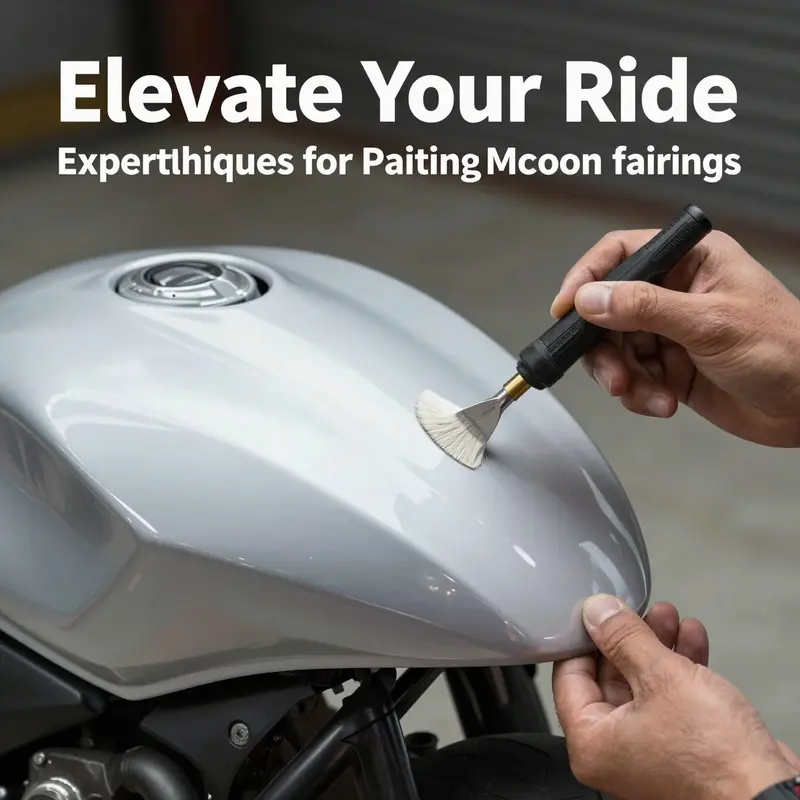
Priming is the quiet, decisive act that makes or breaks a paint job on motorcycle fairings. It is not the flash of color or the glossy finish you glimpse in a showroom; it is the foundational layer that determines whether the color you spray later will cling, level, and endure. When you strip a fairing down to its plastic or composite core, you might see a surface that looks smooth and uniform, but appearances can be deceiving. Plastic—especially ABS and other non-porous materials—resists paint adhesion unless you give the surface a designed, compatible anchor. The primer does more than merely fill minor flaws. It creates a tailored interface between the substrate and the colored base coat, sealing out moisture, evening out irregularities, and shaping how light will interact with the final finish. In short, priming is the invisible bridge that carries your color from a visible layer to a durable, long-lasting look that withstands sun, rain, heat, and speed.
A well-executed prime layer changes the entire painting dynamic. Adhesion is the first pillar. Without a primer that matches your plastic or composite surface, the base color can peel, chip, or craze in the sun. Modern primers designed for plastics are formulated to bond to low-porosity surfaces and to accept a wide range of topcoats. The goal is not to force the paint to stick but to invite the paint to grip naturally, through a chemical and mechanical bond that remains flexible enough to resist micro-cracking as the fairing flexes at highway speeds. You may notice that some fairings are smoother than others. That smoothness, if handled correctly, becomes a real advantage. A high-quality primer fills and hides minor surface imperfections, creating a uniform field for color. It also acts as a moisture barrier, preventing any trapped moisture from migrating into the plastic where it can cause bubbles or delamination under temperature swings.
Consider the materials at the heart of most modern fairings. ABS plastics and composite laminates are common because they balance strength, weight, and cost. These materials, while excellent for vehicles, pose a challenge for paint if treated as a bare canvas. Priming for plastics requires a primer that remains flexible and sands cleanly, so you can achieve the smooth surface that shows through under the color coat and the clear. A plastic-specific, sandable primer—often a two-part formulation designed to bite into the surface while offering reactivity compatible with automotive finishes—gives you the best odds for long life. The primer you choose should be compatible not only with your topcoat but with the particular plastic or composite your fairing uses. If you are unsure, start with a primer specified for plastics and follow the manufacturer’s recommended dry times and sandability windows. The delicate balance is to prime enough to create an even, sealed surface without obscuring the underlying shape or adding too much texture, which would show breaks and tension lines once color is applied.
In practice, primers for fairings perform several intertwined roles. They block stains or dyes from the underlying material, especially if the fairing has been repaired or repaired with fillers. They help even out the surface by filling minor scratches or pinholes left from sanding and bodywork. They establish a consistent color under the topcoat. And they provide the crucial moisture seal that protects the substrate from water vapor and environmental contaminants over time. The result is a finished look that remains glossy and uniform after exposure to UV rays and a few hundred miles of wind and rain. The primer also influences how the color appears. A lighter or grey primer can alter the perceived hue and tonal range of the base coat, so color planning often accounts for the primer’s influence. This is a subtle but important detail when you are aiming for a precise shade or a crisp, modern look.
Before you apply primer, preparation remains essential. A clean surface is a prerequisite for successful adhesion. You begin by removing oils, waxes, and contaminants with a degreaser or isopropyl alcohol for a final wipe. The surface should feel tacky-free and dry to the touch. Any residual solvent can cause the primer to dry unevenly, producing craters or pin holes that will show up as flaws once you paint the base coat. After cleaning, you should abrade the surface just enough to give the primer something to grip. A light scuff with fine-grit sandpaper—typically in the 800 to 1200 grit range—creates a micro-mechanical key for the primer to hold onto. Sanding must be gentle and controlled; aggressive sanding can dull edges or create low spots that the primer will unevenly bridge. It is also wise to wear a respirator during this step to avoid inhaling sanding dust, particularly when working with durable primers that may contain solvents.
The subsequent steps flow as a careful sequence rather than a single moment of action. First, masking off any areas that should not receive primer keeps lines crisp and avoids waste. You want clean edges where the primer ends and other surfaces begin. Next, apply the primer in even, thin coats. A best practice is to follow the manufacturer’s directions for drying times and recoat windows. Thin coats—two or three light passes rather than a single heavy application—improve adhesion and reduce the risk of runs. If you see dust or debris on your first coat, you can lightly re-sand once it’s fully cured and then apply a second coat; this small step can be the difference between a smooth, glassy finish and a pebbly texture under the base color.
Sanding between coats is a subtle but important technique. After the first coat is dry, a gentle, fine-sandpaper pass can remove tiny imperfections and create a perfectly smooth platform for the next layer. The goal is a surface that feels like glass to the touch but remains free of deep scratches. When you cannot avoid texture entirely, you can apply a third coat and perform a final, very light sanding with even finer grit. This is the moment where the primer’s true quality reveals itself: a well-sanded primer layer provides a uniform, consistent base that makes the color pop and the final gloss reflect evenly.
One of the nuanced but critical considerations is moisture management. Primer acts as a moisture barrier, but it must itself be protected during curing. Temperature and humidity influence cure times and how well the film wets out. Excess humidity or sudden temperature shifts can cause condensation that leads to pinholes or a milky appearance in the cured primer. A well-ventilated space with steady conditions yields the most predictable results. You should not rush curing; curing times depend on the product and environmental conditions. Inadequate curing can trap solvents beneath the surface, leading to blistering or solvent pop when the base coat is applied.
Environment and safety extend beyond the primer layer. Even though modern primers are designed for use with plastic and composite surfaces, you are still working with chemicals that can affect health if misused. Always wear a respirator during sanding and during primer spray sessions. Gloves protect your skin, and eye protection prevents splashes from misbehaving spray patterns. Keep the work area well-ventilated and free from ignition sources when primers and solvents are involved. If you repair or fill damaged areas, you must ensure the filler is fully cured and sanded smooth before priming. Inconsistent curing or sanding through the filler layer can create a visible ridge where the base color ends, defeating the purpose of a seamless finish.
As you consider the broader painting project, priming sits alongside repair and fill, surface preparation, base coating, and clear coating as the core sequence. Each step interlocks with the others to deliver a professional outcome. A solid primer foundation helps the base coat reflect light evenly, reducing the risk of color inconsistencies that become evident under sun or at certain angles. If you are aiming for a finish that rivals OEM quality, the consistency you achieve in priming becomes the measure of your subsequent work. A primer that holds a smooth, uniform surface makes color application more forgiving and predictable, turning what could be a capricious process into a controlled, repeatable technique. In practice, this means paying attention to the smallest details: the cleanliness of the surface, the evenness of the coats, the dryness of the film, and the discreet, patient approach to sanding between coats.
For readers exploring options across brands and platforms, it helps to keep one principle in mind: the primer must be compatible with both the substrate and the topcoats you plan to use. If you later decide to switch colors drastically or to switch between light and dark tones, the primer choice can influence the amount of color you need to apply and the finish you can expect. In some cases, you may want to experiment with a neutral-gray primer to minimize color shift when applying bright or highly saturated base coats. When you plan the project, you might browse a range of fairing options to see how different plastics respond to primers in your environment. If you’re exploring options for different brands or models, the Honda fairings category can offer a useful reference for how a priming strategy translates across various shapes and materials. Honda fairings can provide visual context for how surface preparation and priming interact with curved surfaces and complex geometries.
While priming is a skill you can master with practice, some riders opt for professional refinishing services to achieve a finish that rivals factory paint. These services often employ systems with heavy priming passes, multiple layers of base color, and multiple layers of clear, all with meticulous control of film thickness and cure. They emphasize the same core ideas: proper surface preparation, compatible, high-adhesion primer, thin even coats, careful sanding between passes, and a controlled curing environment. A professional workflow can be worth the investment if you are restoring a bike you ride regularly or if you want a finish that stands up to long hours on the road and repeated exposure to sun exposure. Yet even when you choose a professional route, understanding priming helps you communicate clearly with the shop and set realistic expectations about durability, color fidelity, and gloss.
If you are pursuing a DIY path with ambition and patience, you will eventually reach a moment of clarity: priming is less about the color you will apply and more about the surface that will carry that color. The primer is the invisible bedrock on which your artistry rests. When correctly executed, it eliminates the flaws you might otherwise try to mask with thick layers of paint or glossy clear. It creates a consistent field where the base color can express its true character, and it provides a robust shield against moisture and UV degradation that face the road every day. It also reduces the likelihood of future repairs, because a well-bonded finish resists chipping and cracking that might require rework. With a disciplined approach to priming, the rest of the painting process becomes less precarious and more predictable, turning a potentially anxious project into a satisfying craft.
In sum, priming is not merely a step to be checked off. It is a deliberate investment in the durability, appearance, and longevity of your painted fairings. The best primers for plastics offer both adhesion and a smooth, sandable surface that accepts the base coat evenly. Surface preparation—cleaning, degreasing, and gentle sanding—lays the groundwork for perfect adhesion. Masking ensures clean edges. Application in thin, even coats, with light sanding between layers, yields a finish that looks flawless and wears well. Then, a properly cured primer supports the base color and clear coat through countless miles and seasons. When you treat priming as a strategic phase rather than a routine chore, you enable every subsequent step to perform at its peak, and you honor the integrity of your paint idea from first spray to years of ride-time.
For readers who want a deeper dive into the full painting workflow, additional detailed resources cover the entire sequence—from careful preparation and priming to base coating and finishing layers. For an expansive, step-by-step guide that covers priming, sanding, and finishing with durable results, you can consult external resources that outline pro-level workflows. A comprehensive guide offers practical tips on spray technique, environmental control, and troubleshooting common issues like orange peel or fisheyes, helping you refine your technique over time. As you explore, keep in mind that the journey toward a professional finish is iterative: you learn from each coat, you adjust your technique, and you refine your process to match your goals and your bike’s design.
External reference for further exploration: https://www.motorcycleperformance.com/paint-motorcycle-fairings-like-a-pro
Clear Coating and Finishing Touches on Painted Motorcycle Fairings

The final layer of a painted motorcycle fairing is more than a gloss. It protects color, depth, and detail as the bike rides through sun, rain, and road grime. A proper clear coat locks in the base color, resists UV damage, and cushions the finish from tiny scratches. When done correctly, the clear coat elevates a good paint job to a durable, professional-grade finish that can endure the wear of daily riding. This chapter covers the science and technique behind clear coating, from preparation to curing and finishing touches that make a painted fairing endure the road. The aim is to illuminate the path from a freshly painted panel to a robust, glassy finish that can stand up to the elements for years. The narrative emphasizes two components that separate amateur results from professional outcomes: meticulous surface preparation and disciplined layering. Without clean surfaces and controlled application, even the most elegant color can lose its luster under UV light or abrasion. A two-part, high-build clear coat is the foundation of longevity, the layer that resists yellowing, hazing, and micro-scratches that accumulate with cleaning and road grime. The approach is to treat the clear coat as a protective film rather than a cosmetic glaze, guiding decisions from environmental conditions to the thickness of each coat. Understanding the logic behind clear coating helps build habits that yield consistent, repeatable results whether finishing a single panel or a complete fairing set.
Preparation remains the cornerstone of a durable clear finish. Even the finest two-component system cannot overcome a surface that still bears wax, oil, or sanding dust. After the base color has cured, the panel must be prepped again for the clear layer. Inspect for imperfections that could telegraph through the clear: dust nibs, tiny runs, or pin holes. If you find a flaw, address it with light re-sanding and a spot repair, using a compatible polishing compound to restore a uniform plane. Before any clear is sprayed, wipe the surface with a lint-free tack cloth to pick up microscopic dust. If the fairing has deformities or scratches in the plastic, micro-sanding can help level the surface; stay within the minimal grit range and test in a small area first to avoid deeper markings. The goal is a surface that feels smooth to the touch with no gritty texture or oil slicks that impede adhesion. Confirm that the environment is free of airborne dust and that the workpiece is securely supported to prevent vibrations during spraying. Keep the air in the booth or garage controlled; even mild drafts can deposit dust on the wet coat, creating tiny craters that ruin gloss. A light, controlled environment aids adhesion and supports a consistent finish across the panel.
Mixing and compatibility are the quiet engineers of a flawless finish. Two-component clear coats require careful measuring of resin and hardener, mixed in exact ratios prescribed by the manufacturer. The chemistry matters because the balance between resin and hardener governs cure time, hardness, and UV resistance. Mix in a clean container with a mechanical mixer that minimizes air incorporation. Once combined, the pot life can be brief, so plan coats to avoid wasted material or rushed applications. Keep the workspace at a temperature that supports proper flow and film formation. Extreme temperatures can alter viscosity, leading to runs or incomplete curing. For safety, wear a respirator and ensure good ventilation. If you are new to two-component systems, run a small test panel that mirrors the contour and thickness of the fairing to gauge flow, flash-off, and coat time. The goal is a confident rhythm: light, even first coat; a brief flash-off; then subsequent coats with controlled passes. Each coat should be thin enough to avoid solvent pooling yet thick enough to form a continuous, self-leveling film.
Layering the clear is both art and science. Apply multiple thin coats rather than a single heavy one. Two to three coats are typically enough for a deep, protective finish, especially on plastic fairings where surface irregularities show more with heavy layers. Use even passes, a consistent spray distance, and a disciplined flash-off between coats. A broad, fan-shaped spray pattern and an even pass cover the surface without leaving gaps. A typical distance might be 20-30 cm, but adapt to your equipment and environment. Maintain a steady hand, avoid quick passes that cause orange peel, and avoid thick layers in one stroke. The first coat acts as a sealer, the subsequent coats build gloss, depth, and chemical resistance. Each coat should flash off before the next is applied to minimize surface waviness and ensure a smooth final result.
After the final coat, curing matters. A controlled environment supports the development of a hard, scratch-resistant surface. Let the panel cure undisturbed for the recommended window, typically several hours to a full day, depending on product and conditions. Temperature and humidity influence cure rate and film hardness. Too much humidity can blur the surface or promote blooming; excessive heat can accelerate cure and trap solvents, causing hazing. During curing, shield the surface from dust and contaminants. Once fully cured, the layer reaches maximum hardness and resilience, ready for finishing touches without risk of marring. Inspect for remaining imperfections; tiny blemishes can often be buffed with mechanical or hand polishing using compatible compounds.
The finishing touches complete the transformation. Wet sanding, starting with very fine grit, helps refine the cured coat. A typical progression begins around 1500-2000 grit, with careful, even sanding to smooth micro-swirls or minor imperfections. Keep the surface wet to prevent loading the abrasive and to maintain even abrasion. Clean the surface again, then polish with a compound designed for clear coats to restore gloss and minimize micro-scratches. Use small, circular motions and light pressure to avoid burning edges or overheating the surface. Edges, curves, and transitions deserve extra attention since they can reveal any deviation from a perfect finish.
A final inspection completes the process. Wipe the surface with a clean microfiber and view reflections under neutral lighting from multiple angles. If issues appear, targeted polishing or a light recoat after proper surface preparation can fix them. For long-term care, use a gentle wash routine with mild plastics-friendly detergents, dry with a microfiber towel, and store the bike away from direct sun. Consider waxes or sealants that are compatible with cured clear coats, applied sparingly and carefully so as not to dull the gloss. Avoid high-pressure cleaners that concentrate force on one area.
From maintenance to mindset, the difference between a finish that lasts one season and one that endures years lies in patience and care during the first months after clear coating. Allow the film to harden fully, resist aggressive cleaners, and perform a few gentle maintenance steps rather than a single harsh routine. If you ever contemplate a color change, plan a controlled process and ensure the substrate remains intact beneath the new layer. The sequence remains: careful surface prep, controlled application, diligent curing, and thoughtful finishing. In practice, take the time to learn your materials, calibrate your tools, and observe the space you work in. The payoff is tangible: a clear finish that stays vibrant, uniform, and resilient as the bike ages.
For readers seeking more guidance beyond this narrative, you can explore related resources in the broader fairing finishing category, including general overviews of modern finishing capabilities. If you want to browse related options, the fairings catalog offers panels, trim, and protective finishes to match your ride. External references provide formal procedures and deeper explanations of layering, cure dynamics, and film formation to complement the hands-on approach described here.
Final thoughts
In conclusion, painting motorcycle fairings is a multi-step process that demands attention to detail and the right techniques to achieve a professional finish. For business owners, mastering these skills not only enhances the customization offerings but also elevates customer satisfaction and loyalty. By following the outlined processes from preparation to finishing touches, you can ensure that your motorcycle fairings stand out with durability and stunning aesthetics. As the market for motorcycle customization continues to grow, so does the potential for businesses that prioritize quality and craftsmanship in every paint application.