
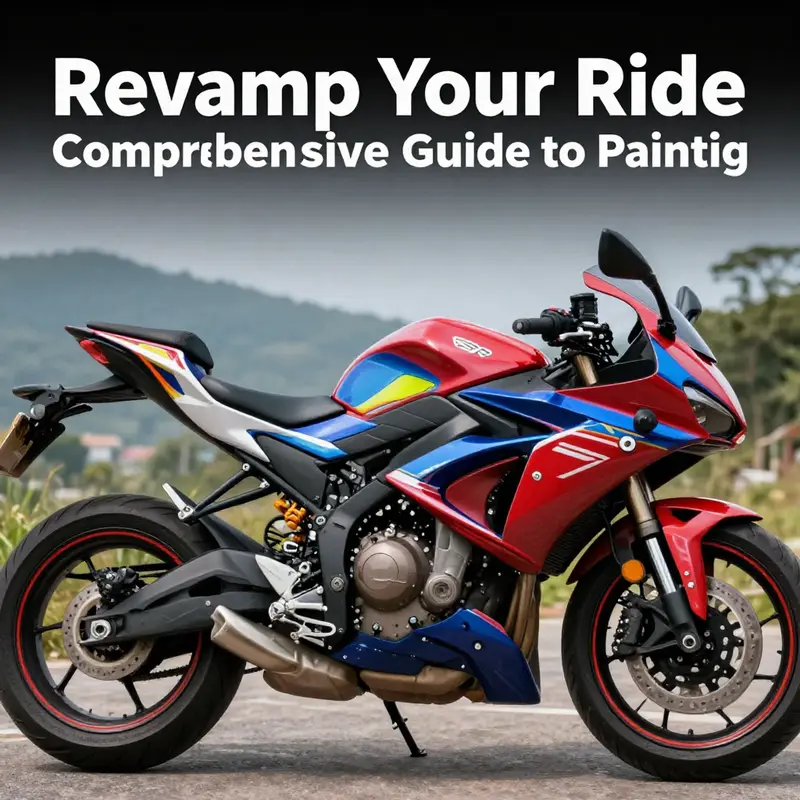
Painting motorcycle fairings is more than just a creative outlet; it’s an essential skill that can enhance the look of your bike and increase its value. This process involves a series of well-planned steps that require careful attention to detail, making it both a fulfilling challenge and a sound business opportunity for motorcycle enthusiasts and repair shops alike. Each chapter of this guide delves into key aspects of fairing painting, starting with the step-by-step process to ensure a flawless finish. Followed by discussions on the best materials and tools required for a successful paint job, effective tips and tricks that seasoned painters swear by, common pitfalls to avoid ensuring quality results, and finally, weighing the benefits of painting fairings over replacement. Together, these insights can empower business owners and DIY enthusiasts to tackle this rewarding project with confidence.
From Primer to Polished: Mastering the Step-by-Step Craft of Painting Motorcycle Fairings
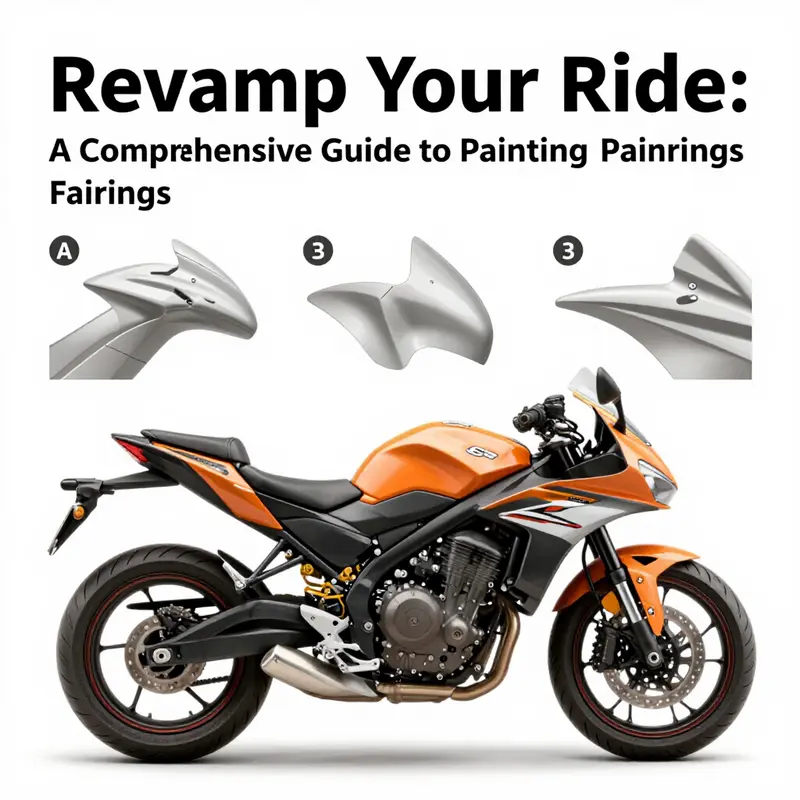
Painting motorcycle fairings is more than a cosmetic choice; it’s a careful alchemy of prep, paint, and protection that can transform a riding machine into a personal statement. The fairings themselves are delicate, high-visibility panels made from plastics designed to resist impact and weather, yet they crave proper surface treatment to hold color for years. When done with patience and discipline, the process yields a durable, showroom-like finish that can endure the harsh realities of sun, rain, and road dust. The beauty of this project lies not only in the final gloss but in the reassurance that you built it with your own hands, understanding each step and honoring the material you’re working with. If you’re contemplating the path from bare plastic to a vibrant peel-free coat, this is your guide—an integrated journey rather than a sequence of isolated tricks.
The journey begins with a clear plan. Preparation frames every subsequent decision: the choice of primer, the type of paint, and the level of durability you’ll demand from the finish. The surface must be clean, dry, and free of wax or oils. To achieve this, you’ll start by removing the fairings from the bike, a task that requires care to avoid cracking mounting tabs or bending panels. As you detach each piece, label or photograph the attachment points to simplify reassembly. Once the pieces rest on a clean, padded surface, you begin the work of turning rough plastic into an adherent canvas. Cleaning is the foundation. A degreaser or isopropyl alcohol is used to dissolve any residual oils carried from the factory or introduced during removal. The surface must be completely dry before the next step, which is light abrasion. Sanding with a fine grit—typically in the 800 to 1200 range—creates a micro-roughness that acts as a key for primer and paint. You’re not trying to strip material but to wake up the surface’s natural grip. After sanding, a tack cloth or a clean, lint-free rag helps remove all dust, so you don’t trap particulates under primer or paint.
In the realm of coatings, plastics demand a primer formulated for the material at hand. ABS and polycarbonate fairings often respond best to a dedicated plastic primer designed for automotive or motorcycle plastics. The goal here is to improve adhesion and prevent the kind of delamination that plagues lower-quality jobs. A thin, even coat is more important than a heavy one; you’ll want to avoid sags and runs that mirror the very mistakes you’re trying to prevent. Once the primer has dried according to the manufacturer’s instructions, you may lightly sand it with an ultra-fine paper—often 1500 to 2000 grit—to produce a perfectly smooth base. Dust must be removed again before you move on. The primer’s job is done when the surface looks uniform, with no pinholes or gritty texture. If you detect any imperfections, a quick spot-sand and a recoat are often the simplest remedies.
With a clean, smooth base established, you move into the paint itself. The base color is applied in multiple light coats, not in a single thick hit. The principle is patience: let each layer flash—dry just enough to prevent solvent burn-through but not so dry that the color loses its level. For most automotive or motorcycle paints designed for plastics, two to three coats will supply full coverage. The key is a steady hand and a constant distance from the surface, typically in the six to eight inch range, though manufacturers may specify a different range. Rather than trying to obliterate the color with one heavy spray, you’re building the color gradually, allowing each layer to align with the last. This approach minimizes orange-peel texture and reduces the risk of runs, drips, or sags that can compromise the line and finish.
Color choice is more than vision; it’s a function of finish viability. Lighter tones can reveal dust and surface texture more readily, while darker tones can magnify dust spots if the environment isn’t pristine. The ideal is a dust-free, well-lit space—ideally a dedicated paint booth or a garage with reduced airflow and minimal particulates. Under such conditions, you’ll achieve a crisp, even color without frequent blotches or splotches. It’s also wise to keep a small, test piece on hand to test the spray pattern, distance, and color density before touching the actual fairings. The test piece acts as a mirror for what your final panels will look like and helps you calibrate your technique before you commit to the real surface.
Once you’re satisfied with the base color’s evenness, you apply the clear coat. The clear is the shield, the guard against UV rays, wind-driven debris, and the sun’s relentless fading of color. A urethane-based clear coat—engineered for plastics and automotive surfaces—provides both gloss and protection. Like the base, the clear should be applied in multiple light coats. Two to three coats is typical, with a brief flash time between each to prevent pooling and sagging. The final finish should boast depth, clarity, and a level of gloss that makes the color pop rather than appear flat. After the final coat, you allow the panels to cure in a dust-free environment for at least 24 to 48 hours, with full cure taking longer depending on ambient temperature and humidity. If you handle the panels too soon, you risk marring the finish or adding fingerprints and dust to the surface. Patience at this stage pays dividends in longevity and appearance.
Reinstallation marks the end of one chapter and the beginning of another. Refit the fairings with the same care you took to remove them. A thorough inspection of all fasteners is prudent; ensure that clips and screws engage properly and that the fairings align with the gaps and edges that define the bike’s silhouette. The bike is not just a vehicle of transportation but a canvas that carries your choices and efforts. The final aesthetic is a quiet confidence—the result of careful preparation, precise technique, and the discipline to let each layer set properly before moving to the next. In this sense, painting fairings is less about chasing a bold new look and more about maintaining a relationship with your ride’s bodywork. The finish will not be a one-off; it becomes a durable part of the bike’s personality, capable of resisting the everyday wear of riding, washing, and exposure to the elements.
Throughout this process, you don’t simply follow steps; you cultivate a mindset. You test, observe, and adjust. You learn to read the surface—feeling for texture and watching how color settles into tiny crevices. You practice consistent technique—maintaining distance, speed, and pressure to avoid abrupt lines and uneven color. You become mindful of the environment, choosing a space that limits dust and temperature fluctuations that can cause solvents to behave unpredictably. The craft is cumulative; each coat is a lesson in control, and every careful wipe of a tack cloth is a reminder that beauty comes from attention to detail. The result honors the material’s sensitivity while celebrating its potential for expression—the chance to turn a factory shell into a personal statement that remains resilient through countless miles and weather cycles.
If you want to explore model-specific options for fairings that you might consider as a base for your paint project, you can browse the Honda fairings collection. It’s a helpful resource when you’re thinking about shape, sizing, and fit in relation to your color plan, and it can serve as a practical reference point for how different lines respond to prep and paint. The broader point remains central: regardless of the base, the art and science of painting comes down to preparation, proper materials, and steady hands. In the end, you’re not just applying color; you’re reinforcing the bond between rider and bike through a finished piece that is precisely yours to ride and to admire.
For readers who want to deepen their understanding of the mechanics behind each stage, a broader, field-tested resource on painting plastics can be a valuable companion while you plan your project. External guidance can illuminate nuance, from spray technique to curing conditions, helping you tailor the process to your climate and shop setup. External painting plastics guide provides a solid baseline for techniques, equipment settings, and finishing strategies that align with the steps described here, while allowing you to adapt the approach to your unique fairing shape and color ambitions.
From Primer to Mirror: The Essential Craft of Painting Motorcycle Fairings
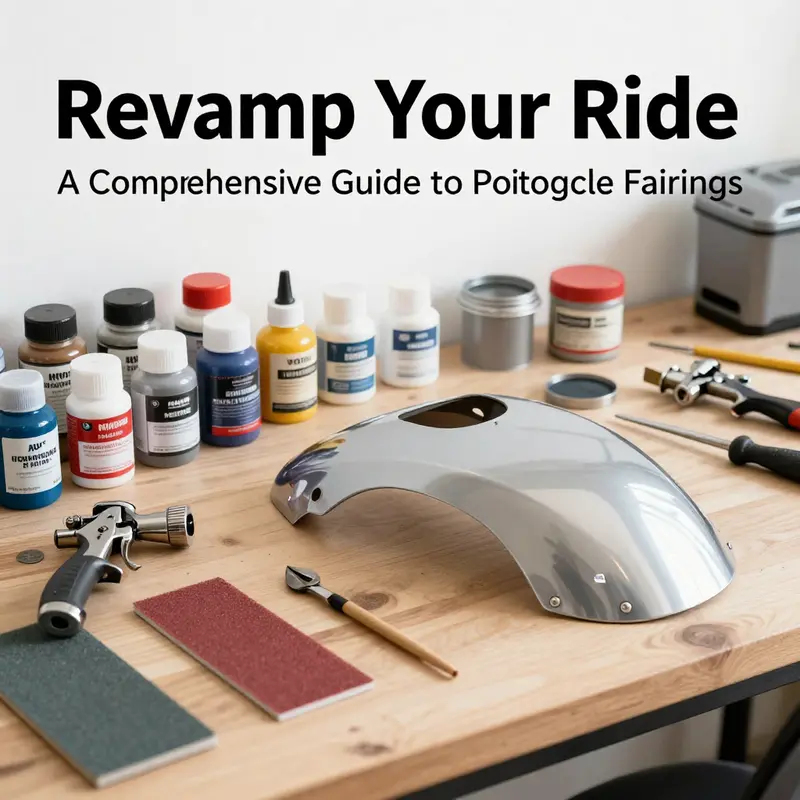
Carefully chosen color can transform a motorcycle as surely as a well-tuned engine, but the true payoff comes from the finish that endures. Painting motorcycle fairings is not a simple color swap; it is a disciplined craft that blends surface science with aesthetic intuition. The goal is a durable, glossy surface that resists UV rays, stands up to wind-driven dust, and remains beautiful for years of highway and twisty-road abuse. Achieving that outcome begins long before the paint touches the plastic. It begins with knowing the right materials, the right sequence, and the right environment, all while keeping the ride’s personality intact.
To start, approach the project as a careful dialogue between substrate and atmosphere. The fairings are often made of thermoformed plastic or composite materials, which means adhesion can be tricky unless you tailor every layer to the surface. The core idea is straightforward: promote adhesion, create a smooth and uniform base, and apply a finish that blends protection with depth. The foundation is a well-chosen plastic primer that can bond with the specific plastic or composite used in the fairings. The primer is not a decorative layer but the glue that makes every later coat behave. It is followed by a filler or surfacer to erase scratches, seams, and imperfections, then a carefully chosen topcoat that delivers color and durability. Finally, a clear coat seals the color with a hard, protective film that helps resist chips, solvents, and UV degradation. This sequence, while seemingly procedural, becomes a rhythm when you work in a clean, controlled light and keep the surface free of dust between steps.
The material choices matter as much as the technique. A modern approach centers on a dedicated plastic primer that is designed to bite into ABS and similar plastics without lifting or causing fogging. The role of the primer is to provide a uniform, porous surface for the subsequent layers to adhere to. After the primer, a fast-drying filler or surfacer is used to address deeper scratches, pits, or repaired gaps at seams. It is essential to sand the surface after applying filler until the texture is flawless and the reflections are true. The goal is a seamless field where light can sweep across the contours of the fairing without interruption. When the surface is truly smooth, the stage is set for color.
Color choice is a conversation with the bike’s own lineage and personality. The topcoat is typically a durable urethane system, prized for its gloss, hardness, and weather resistance. In recent practice, water-based topcoats have gained traction for their environmental friendliness and lower odor profile, especially for indoor work. Either option should be selected with color-matching integrity in mind. The color itself should be matched against official color cards or mixed to the original factory specification so that the look remains faithful in daylight and under artificial lighting alike. If you’re restoring a classic or a borrowed color, a precise color callout from a reputable color management system becomes priceless. And the importance of testing a small panel before committing to the entire set of fairings cannot be overstated. A practice panel lets you evaluate color depth, spray pattern, and the interaction of each layer under the same conditions you’ll use for the fairings.
The tools that carry this plan into reality are as critical as the materials. A high-quality spray gun with a fine, controllable spray pattern is essential for even, thin coats that dry without trapping air. The gun’s nozzle size, typically in the range of 0.3 to 0.4 millimeters for automotive plastics, helps minimize orange-peel while preserving a gentle build of film on the surface. An air supply that remains stable under varying pressures avoids spurts of paint that create texture rather than a smooth film. A quiet, reliable compressor with a moisture separator keeps the breath of the shop free from errant droplets. Alongside the spray equipment, a well-thought-out set of sanding and polishing tools makes the difference between a good job and a showroom finish. Beginning with gentle, controlled sanding to create the necessary “key” for adhesion, the process moves through progressively finer grits—roughly from 800 to 2000 for the surface, and up to a 3000 grit for final polish. This graduated approach diminishes the chance of visible scratches once the paint hardens.
Protection is not merely a safety measure but a partner in quality. A full-face respirator with appropriate organic vapor cartridges safeguards lungs from solvent vapors. A durable paint suit and protective goggles keep the skin and eyes free from splashes and dust. The work environment matters as well. A dedicated paint booth is ideal because it manages dust, humidity, and temperature to create a stable painting envelope. If a booth isn’t available, a well-sealed, well-ventilated space with minimal airborne dust and a steady temperature around 20 to 25 degrees Celsius (about 68 to 77 degrees Fahrenheit) and humidity below 60 percent can approximate the conditions you’d get in a proper spray room. The cleaner the surroundings, the more forgiving the spraying process becomes, and the less rework you’ll face.
The manipulation of each layer lies in the art of patience. Surface preparation is not a chore to rush through; it is the foundation of long-term durability. Begin with a thorough cleaning to remove oils, waxes, and fingerprints. A dedicated degreaser or solvent cleanser helps ensure the surface is truly spotless. If you notice cracks or minor fissures during inspection, a plastic bonder or a similar adhesive repair system should be used to restore structural integrity before you begin filling and sanding. Once repairs are complete, the filler or surfacer is applied in a thin, even skim, then allowed to cure before a careful block and orbital sanding pass that keeps the curvature smooth and free from flat spots. The smoothing phase is where the eye learns to see the fairing as a continuous shape rather than as a mosaic of material changes. Any pinholes or imperfections discovered during this stage should be addressed with additional, feathered coats, followed by another round of sanding. The aim is a quiet surface that does not betray the layers beneath when light travels across it.
When the surface is final, the base layer comes in. A thin, even coat of primer is sprayed and allowed to dry completely before a light scuff with very fine paper to ensure the next layer adheres well. After the primer has cured and has been scuffed, a few careful coats of color follow, with each pass being deliberate and light. The concept here is not coverage by volume but depth of film buildup achieved through multiple, controlled passes. The surface should hold a wet look, not a wet blob, indicating a consistent tissue of paint across the entire fairing. Between coats, it is crucial to follow the manufacturer’s recommended drying times to avoid solvent entrapment or solvent-induced cracking later on. The use of a dedicated topcoat system ensures that color and clarity come together in a way that resists UV fading and minor abrasion. A sheen that resembles a mirror is not magic; it is the product of controlled cross-linking within the urethane matrix and the thoughtful layering of clear coats that build depth without creating sagging or orange-peel.
The final act is the clear coat, which seals and enhances. A two- to three-layer clear coat application is typical for a durable, glossy finish. Each layer should be allowed to cure with adequate airflow and proper environmental control to prevent hazing. After the clear has cured, a careful cut-and-polish brings out the depth and brilliance of the color, revealing a continuous surface that reflects the world with clarity. A soft hand, a patient approach, and the right sequence produce a finish that is not merely cosmetic but resilient enough to withstand daily road abuse. The result should feel like a single, solid skin over the fairing—one that can stand up to sun, rain, and stones as easily as it communicates the rider’s personality.
As you consider the broader ecosystem of fairing customization, you may explore different styles and configurations that suit your bike’s particular contours. For riders seeking a visual harmony with their existing design language, a targeted browse of related categories can be informative. For example, you might look into the Honda fairings collection to understand how color and curvature interplay across mainstream shapes and sizes. This exploration can help you align your chosen finish with the bike’s lines and silhouette, ensuring that the painted surface complements rather than competes with form. The goal is balance: color that enhances, protection that lasts, and a finish that makes the bike feel new again without losing its original character.
In the end, the craft of painting motorcycle fairings rests on respect for the material, discipline in the process, and an eye for how light plays over curvature. It is a practice of precision in preparation, patience in application, and care in protection. The finished piece should read as a single, continuous skin—a personal statement that still moves with the machine’s mechanical heartbeat. When you invest in proper primers, fillers, topcoats, and clear coats, and when you maintain a clean, controlled painting environment, the result is more than color. It is a durable, aesthetically engaging surface that invites years of riding without compromising the integrity of the original design. And that is the essence of painting motorcycle fairings: translating intention into an enduring reflection of both machine and rider.
External resource for deeper technical grounding on plastic primers and adhesion practices: https://www.ppg.com/automotive-coatings/plastic-primer
From Blank Canvas to Rider-Ready Shine: Mastering the Art of Painting Motorcycle Fairings
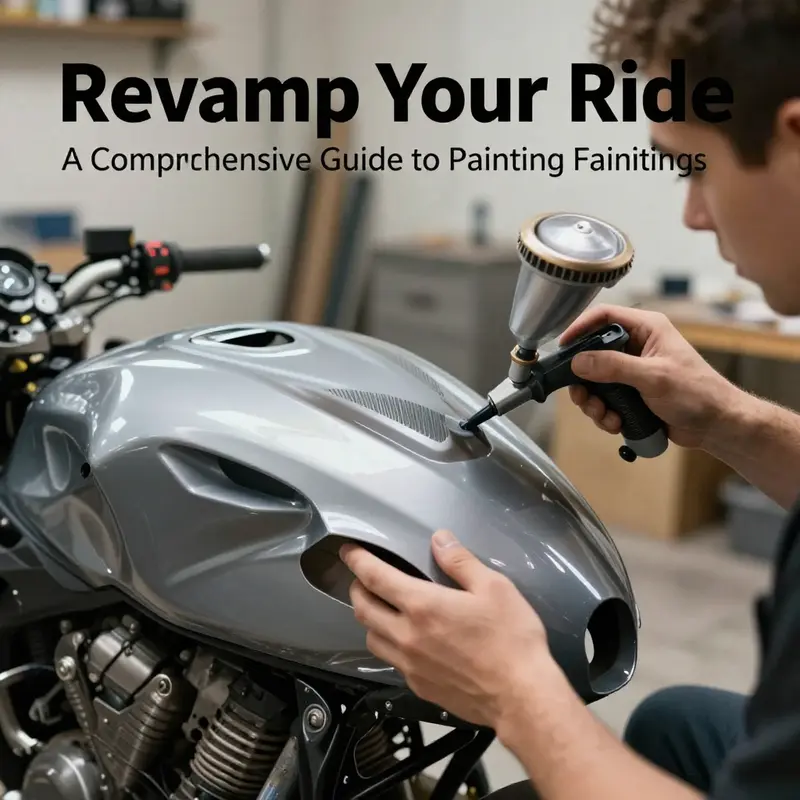
Painting motorcycle fairings is more than a cosmetic project; it is a careful dialogue between surface preparation, material science, and patient technique. When you choose to paint your own fairings, you embark on a journey that blends creativity with engineering, because the final look depends on how well the layers bond, level, and cure. The question of whether you can paint motorcycle fairings is not just yes or no; it’s about what you are willing to invest in prep, tools, and patience. Done right, a fresh coat can transform faded plastics into a surface that gleams with depth and durability. The chapter that follows treats painting as an integrated craft, not a series of quick sprays, and it treats every step as a link in a chain that preserves the integrity of the bike while giving it a personal voice.
The act begins long before the spray nozzle touches the plastic. It begins with a plan—a clear sense of color direction, finish type, and the level of durability you expect from the project. First, you must remove the fairings. Detaching them from the bike is not merely a convenience; it prevents overspray from complicating other components and ensures you can work with full access. Once off, you set the stage for transformation. The surface must be clean, odor-free, and mechanically sound. Oils, waxes, and grime are enemies here because they break adhesion. A thorough cleaning with a degreaser or plastic-safe cleaner makes the subsequent layers behave like a single, cohesive skin rather than a loose assortment of coatings trying to fight gravity.
Surface preparation is the heart of durability. Light sanding follows cleaning, not to erase character but to create a receptive surface for primer. A 400- to 600-grit approach is commonly recommended because it gives a crisp key without removing the underlying plastic’s contour. The goal is to create micro-abrasions that grip the primer, not to cut into the surface or flatten the fairing’s edges. After sanding, you wipe again with a tack cloth to remove dust. This step is deceptively small but crucial; a single grain of dust under a clear coat can ruin the illusion of depth and mirror-like gloss. When all particles are tamed, the primer goes on. A high-quality primer designed for plastic or fiberglass is essential. Primers for these substrates are formulated to level minor imperfections and foster a strong chemical bond with urethane-based paints, which are the standard for motorcycle work due to their resilience and color clarity.
Application technique matters as much as product selection. Primers are best laid in thin, even coats, whether you choose a spray gun or a high-quality aerosol can. The sequence matters: a light tack coat to begin, a slightly wetter second pass to build coverage, and a final light mist to even out any texture differences. Each coat should be allowed to flash off and cure according to the manufacturer’s instructions. Curing time is not a wasteful pause; it is the moment the primer chemically settles into the plastic’s microstructure. In many professional contexts, 24 hours of cure is recommended before painting begins. That pause ensures that the primer’s porous matrix is stable and ready to accept the base color without trapping solvents that could later cause cracking or hazing.
Painting the base color demands similar attention to technique. The base coat should be a series of thin, evenly applied layers rather than a few heavy bursts. Thick coats invite runs, sags, and texture irregularities that no amount of polishing can completely erase. Between coats, give a few hours for drying, depending on ambient conditions and the paint’s formulation. A common rule of thumb is 3 to 4 hours, though some environments benefit from longer intervals to ensure complete evaporation of solvents and proper intercoat adhesion. The color choice itself can shape the process; metallics, pearls, or candies require particular handling across layers to prevent uneven appearances as you progress from primer to color to clear.
A well-executed base is not the end of the process but a prelude to protection and depth. The clear coat acts as a protective shell that guards against UV exposure, abrasion, and moisture while enhancing color vibrancy. The emphasis here is on light, overlapping coats rather than heavy sprays that drown the surface in solvent. Two to three light coats is the standard, with careful attention to spray technique: consistent distance, stable speed, and uniform passes. Each coat should dry to the touch before the next is applied, a practice that minimizes wet edges and skin formation. Once the final clear coat has been applied, the surface enters a longer curing phase. Full cure can extend into 24 to 48 hours, during which the resin system achieves its final hardness and flexibility. Rushing this period invites blisters or micro-cracking when the fairings flex or when heat from the bike cycles through during first rides.
With curing complete, the work shifts to refinement. The initial glossy layer invites a disciplined polishing regimen. Wet-sanding is the accepted route to a mirror-like depth when you want to remove the faint dust nibs and micro-scratches that survive previous steps. Start with finer grits—1500 or 2000—and progress to 3000 as you near the target clarity. The goal is not to erase the entire texture but to erase the residual micro-scratches that prevent maximum light reflection. Following wet sanding, a high-quality polish smooths the surface further and delivers a showroom-like luster. The combination of careful sanding and precise polishing yields a finish that doesn’t just look good in the showroom light but also holds up to the daily on-road conditions riders encounter. It is easy to underestimate the effect of a flawless polish; it often defines the perceived quality as much as the color itself.
Of course, the environment in which you work matters as much as the steps themselves. A clean, dust-free space is non-negotiable. A purpose-built spray booth or a similarly controlled area reduces the likelihood of contaminant particles landing on the wet paint. Temperature and humidity influence the paint’s behavior during curing. If the air is too cool, drying times extend and finishes may settle with a texture that is not desirable. If it is too humid, moisture can get trapped in the film, leading to hazing or solvent popping. The best practice is to align with the paint’s recommended conditions and create a stable microclimate that stays consistent throughout priming, painting, and clear coating. The discipline of a controlled environment pays dividends in the final appearance and the coating’s long-term performance.
A recurring theme in any paint project is the relationship between color, surface texture, and durability. Even the most careful painter can encounter pitfalls if the time between steps is inconsistent or if the underlying surface has residual oils or dust. A simple, validated routine helps: clean, sand, clean again, prime, cure, base color in thin layers, cure, clear coat in light layers, cure, wet-sand, polish, and finally seal with a protective wax or paint-safe sealant after full cure. Each cycle reinforces the film’s integrity and guards against common issues like chipping, peeling, or color fading under sun exposure. And while experience teaches the nuance of pressure and spray angle, the fundamentals remain accessible to dedicated DIYers who follow the sequence with care.
The beauty of painting fairings lies not only in the final image but in the confidence earned during the process. As you progress, the bike becomes a testbed for technique and a canvas for personal expression. If you’re contemplating a broader exploration of replacement shells or a broader catalog of styles, you can browse the Yamaha fairings catalog to assess the scope of shapes and contours you might want to color or customize. This step is not a fallback to stock hardware but an expansion of your creative toolbox, allowing you to imagine a palette that reflects your riding style while maintaining compatibility with bike geometry and weight distribution. For readers who want to complement their color work with a broader palette of choices, this link offers a straightforward path to exploring compatible fairing options: Yamaha fairings.
Beyond the technique, painting fairings is a practice in patience and respect for the craft. It invites you to govern your expectations and to invest in the details that separate a factory finish from a custom one. The decision to undertake this project is an agreement with yourself to slow down, measure twice, and paint once. It is where preparation meets precision and where the bike you ride becomes a reflection of your own standards. The reward is not just the glossy surface but the knowledge that you steward the entire process—from removing the fairings to the final, cured gloss—so that every ride is a statement of both performance and personality.
For readers who want a more structured, expert guide that walks through equipment selection, material compatibility, and troubleshooting in real time, there is a comprehensive resource that outlines practical steps and common mistakes. This guide, published by a renowned motorcycle publication in early 2026, offers an up-to-date, professional perspective that echoes the workflow outlined here and provides additional nuance on curing times, spray technique, and finishing touches. It is a valuable companion to any project you undertake, ensuring you stay aligned with best practices while preserving the fun and creativity at the heart of painting your own fairings.
In the end, the question of whether you can paint motorcycle fairings is answered by the quality of your process. With careful removal, thorough preparation, deliberate priming, controlled painting, and patient finishing, the fairings become more than just bodies on a machine. They become a shared space where craft meets identity, where color and texture respond to your touch, and where the bike tells a story every time you roll on the throttle. The journey from clean surface to polished, protected shell is a disciplined dance, but it is one that any dedicated rider can learn, repeat, and improve with each project. The result is a durable, showroom-like finish that stands up to the elements and the miles ahead, while still carrying the personal stamp that makes your ride unmistakably yours. The road is long, but the paint is a companion that ages with grace, even as your style evolves with every new color, shade, or finish you choose to explore.
Flawless Finish: Navigating Common Pitfalls in Painting Motorcycle Fairings
Painting motorcycle fairings is more than a color change; it’s a test of patience, precision, and respect for the materials you’re altering. When done right, the result can look showroom-clean and endure the rigors of riding, sun, rain, and road grime. When done poorly, the finish can peel, satin away, or fade faster than a summer ride. The charm of a custom look comes with a price: you must treat the plastic or composite panels with care, plan your workflow, and resist the urge to rush the job. The process isn’t mysterious, but it does reward discipline. If you approach it as a sequence of deliberate steps rather than a sprint, you’ll see the difference in adhesion, gloss, and durability. A successful paint job starts long before the first can is shaken and ends long after the clear coat has cured, when daily rides reveal a panel that looks as good as new every season you hit the road. And that result hinges on avoiding a handful of well-known mistakes that harshly test beginners and seasoned DIYers alike.
The fork between a glossy, long-lasting finish and a disappointing, brittle one is often a matter of surface truth. The fairing’s journey to a fresh look begins with its removal and inspection. As you detach the panels, you’re not just freeing them from the bike; you’re giving yourself room to assess every curve, seam, and edge for signs of damage, stress cracking, or faded plastic. These observations matter because they influence primer choice and the order of operations. A clean start, free from old wax and grease, is the bedrock of adhesion. If you skip this evaluation, you’ll likely chase problems later—peeling edges, splotchy color, or a finish that looks dull even after multiple coats.
The truth is straightforward: preparation governs performance. The most critical self-inflicted mistakes tend to revolve around inadequate surface preparation. A proper preparation routine includes sanding the entire surface to expose a fresh, slightly rough profile that paint and primer can bite into. Light sanding with fine-grit paper—around 600 to 800 grit—creates a mechanical key that improves bonding. But sanding isn’t enough by itself. After sanding, you must clean thoroughly with a dedicated prep solvent or degreaser to remove any residual oils, waxes, or polishing residues. Even a tiny bit of gloss or fingerprint oil can create a weak seam where the paint fails to adhere, so this step deserves time and patience. The end goal is a surface you can feel with your fingernail that has no slick patches where contaminants hide. The contrast between a poorly prepped surface and a properly prepped one is surprising; the former invites micro-peels, while the latter yields a more uniform, durable film.
Environment matters just as much as technique. Painting in a clean, dust-free space protects your finished surface from microscopic particles that would land in mid-coat and ruin the smoothness you’re chasing. Humidity and temperature influence how the paint flows and cures. The ideal conditions are a controlled environment somewhere around 60 to 75 degrees Fahrenheit (15 to 24 degrees Celsius) with low humidity and minimal airborne particles. If you’re painting in a garage, consider a temporary spray area that’s shielded from dust and temperature swings. A dedicated spray booth, or at least a sealed, draft-free corner with a clean ventilation system, markedly improves the odds of a flawless finish. When the air carries dust or moisture, you’ll notice tiny imperfections like orange peel or tiny bubbles that are nearly impossible to correct after the clear coat cures.
The wrong paint choices or primer strategy can undermine the entire project. For plastics and composites, the primer is not just a stepping stone; it’s a performance layer. Using the wrong primer or an improper primer-to-paint ratio can lead to peeling, cracking, or delamination as the panel expands and contracts with temperature changes. The recommended path is a high-quality plastic primer designed for automotive or motorcycle surfaces, followed by a urethane-based topcoat. This combination respects the unique behavior of plastic substrates and provides a more forgiving, flexible bond than standard automotive paints might. It’s tempting to reach for a familiar automotive paint, but those formulations aren’t always formulated to move with plastics. The chemistry matters because plastics behave differently under heat and sun. A well-chosen primer and paint pair stays intact longer, reducing the likelihood of edge lift and cracking that ruin the look of your work.
Chasing speed often leads to trouble here as well. Rushing the application of each coat invites thin or uneven coverage. The key is applying multiple thin, even coats rather than a single heavy layer. Patience between coats is essential; the first coat should act as a foundation that the subsequent layers can build upon. Adequate flash-off time between coats helps solvents escape and prevents trapped air from creating blemishes. If you skimp on drying between layers, you’ll see runs, sags, or a dull finish that lacks depth. A deliberate cadence—thin coats, steady technique, and respect for the manufacturer’s cure times—produces a smoother, more durable surface. The clear coat, too, demands attention. A urethane-based clear coat applied after the color gives the panel gloss, depth, and UV protection, sealing the pigments beneath a transparent shield. The clear coat should be allowed to cure fully before handling or exposure to the elements; premature handling can introduce marring that’s difficult to remove later.
The final stage of the journey is maintenance, which many hobbyists overlook in their zeal to finish the project. A painted fairing isn’t a one-and-done investment; it rewards ongoing care. Gentle washing with mild soap and water preserves the integrity of the clear layer and stops grime from embedding in micro-scratches. Avoid high-pressure water near the edges, where paint is most vulnerable to lifting or chipping. Regular waxing helps maintain gloss and adds another layer of UV resistance, reducing color fade over time. The maintenance routine is not glamorous, but it preserves the investment you’ve made in color, texture, and clarity. Keeping the surface clean and protected also minimizes the chances of micro-damage that could invite moisture intrusion or dullness in the finish.
Throughout this process, the choices you make at the outset shape every other decision. If you begin with a clean, well-prepped surface, with the right primer and a patient approach to coat application, you’re far more likely to enjoy a finish that ages gracefully rather than one that cracks or peels after a few rides. The trade-off for doing it right is time and discipline, not extra money. You’ll discover that the ride home from a freshly painted bike carries a different kind of satisfaction when you can look at the panels and feel the smoothness of the paint under your fingertips.
If you’re contemplating how to approach this project with an eye toward both the look you want and the longevity you need, consider treating the fairings as a worthy DIY project that deserves careful planning. When you are shopping for replacement panels or looking to customize the look of your bike, you can explore the broader catalog of fairings to find panels that align with your vision. For a catalog that aligns with your needs, you can browse the Honda fairings category. Honda fairings
For a comprehensive, step-by-step reference that covers many of the same ground described here, a detailed online guide offers a thorough walkthrough on materials, timing, and technique. While the guide is not a substitute for your own careful approach, it serves as a valuable cross-check as you plan your project. You’ll find practical reminders about surface prep, primer selection, paint compatibility with plastics, and curing times that mirror the discussion above. Keeping a copy of such guidance handy helps you calibrate expectations and avoid the common missteps that can derail a project midstream.
In the end, painting motorcycle fairings is less about chasing a flawless miracle and more about executing a disciplined, well-informed process. The best finishes come from a blend of preparation, patient application, and thoughtful maintenance. When you respect the material, you choose the right primers and paints, and you allow sufficient cure time, the result is a durable, glossy surface that wows at the first glance and continues to impress ride after ride. If you find yourself wavering between speed and accuracy, choose accuracy. Your fairings, and the look of your bike, will thank you for it. For those seeking a deeper dive into the step-by-step nuances, see the external resource linked here for additional context and practical tips: https://www.revzilla.com/blog/motorcycle-fairing-painting-guide
A Fresh Shield: Why Painting Motorcycle Fairings Beats Replacing Them for Cost, Fit, and Flair
When riders weigh the options for worn or faded fairings, the choice between repainting and replacing isn’t just about looks. It’s a practical decision that touches value, performance, and the bike’s ongoing story. Painting a set of fairings is more than a cosmetic refresh; it’s a careful restoration that preserves the bike’s original silhouette, its fit with the rest of the bodywork, and the sense of identity that comes with riding a machine that feels like a continuation of its factory design. The path to a professional-looking finish starts long before the spray gun, in the mindset that preparation is the most important part of the job. A well-planned repaint respects the bike’s geometry and how each fairing panel mirrors the others. In that sense, painting can be a return to the bike’s true form, not just an overlay of color. For many riders, this approach is a practical expression of care: a way to maintain the vehicle’s integrity while inviting a personal touch that turns heads on the street or in the paddock. The decision to paint is often made when the faults are cosmetic—fading, scratches, or dullness—rather than structural, because in those cases the original panels can still serve reliably for years to come. The value, then, lies not merely in appearance but in keeping the bike’s bodywork aligned with its performance and handling, which can be subtly affected by panel changes if replacements introduce different materials or contours. In that light, painting becomes a way to honor the bike’s lineage while inviting a new chapter of its life, with the rider steering the narrative through color, texture, and finish. A repaint can revive the lines that give the bike its character, reinforcing how the machine looks and feels in motion, which is often just as important as how fast it goes. Even modest color shifts—switching from a faded factory tone to a fresh gloss, or choosing a modern matte or metallic finish—can alter perception of aerodynamics and stance, making the bike appear more integrated with its performance goals. This alignment between appearance and performance matters most when a rider values nuance: the way light caresses a curved fairing, the depth of a clear coat, or the way a panel’s edge catches a nearby reflection. And while a repaint requires time, tools, and a controlled environment, the end result can be as durable as factory finish when done with proper materials and technique. A thoughtful approach to color schemes can celebrate the bike’s heritage while signaling personal style, whether the rider wants the look of a race-bred machine or a streetfighter with bold, custom graphics. The opportunity to customize is one of painting’s strongest pulls. Rather than selecting a replacement set that might carry a different design language or pressure-fit nuances, painting enables a precise match to the bike’s existing geometry or a deliberate reimagining of it. The process supports a wide palette of choices: color, finish level, and even subtle graphics that can be laser-stamped, airbrushed, or applied as decals. For riders who want a nod to tradition, the original design lines can be preserved and amplified with modern pigments and protection. For those chasing a standout look, the possibility to create a one-off colorway—perhaps a deep, shimmering pearl over a matte base, or a vivid, high-contrast graphic that emphasizes the bike’s architecture—becomes a tangible goal rather than a wish. Customization through paint also allows for finish options that influence the perceived texture and depth of the fairings. Matte finishes offer a stealthy, understated feel that can complement aggressive lines; gloss levels can add richness and depth; and specialty finishes—such as metallics or subtle chameleon tones—can shift with lighting to reveal different character as the bike moves. Even practical considerations, like UV resistance and scratch protection, influence the decision. A properly applied clear coat not only adds gloss but also shields the pigment from long-term sun exposure and minor abrasions, helping the repaint outlast a casual, DIY spray job. The choice to repaint, in essence, is a choice about continuity. It preserves the original fitment and alignment of the panels, which matters because aftermarket replacements, even when designed to match, can drift slightly in tolerance. The original latching points, clips, and mounting bosses are part of a system that’s been tuned over time to a particular bike. Replacing a panel with a nonstandard part can introduce gaps, misalignment, or a slightly altered airflow surface that feels perceptible at speed. Painting, when done correctly, keeps those relationships intact. This has tangible consequences for performance, especially on models that prize light weight and precise fit. For riders who track their machines or push for optimized aerodynamics, even the micro-slight changes in panel thickness or bonding surfaces can influence how air streams around the bike. Maintaining the original materials—carbon fiber, fiberglass, or plastics—in their authentic geometry is easier when you stay with the same parts rather than swapping to another design. The maintenance footprint also matters. A repaint is a long-term investment in protecting the fairings from weathering and micro-scratches. While a replacement panel might appear to offer a pristine start, it can bring its own challenges: bonding to a different resin, potential mismatch with adjacent panels, or the need for new fasteners and hardware that change the overall weight and balance of the bike. In this light, painting becomes not just a cosmetic choice but a preservation strategy that respects the bike’s engineering and the rider’s budget. The practical workflow behind a good repaint reinforces this view. A successful project begins with careful removal and preparation, passing through a disciplined sequence of cleaning, sanding, priming, painting, and finishing. Each step matters because it builds the surface’s key for adhesion and durability. The paint on a motorcycle fairing isn’t just about color—it’s a layered system designed to resist chips, UV fade, and impact. The primer layer is critical for plastic surfaces, forming a robust bond that prevents peeling and blistering as the bike flexes and vibrates at speed. The paint itself needs to be formulated for automotive or motorcycle use, with urethane-based chemistry commonly preferred for its balance of color holdout and flexibility. The clear coat adds depth and adds a protective shield over the pigment, preserving the appearance through sun exposure and minor abrasion. For most riders, this is where the path often diverges between DIY ambitions and professional expectations. A clean, dust-free environment—sometimes a spray booth or a well-controlled garage—combined with meticulous masking and even thinning of coats yields the best results. Skipping steps or rushing through the process almost guarantees a finish that peels, fades unevenly, or shows curious texture issues. The good news is that many riders can undertake a high-quality repaint with a clear plan and modest equipment, especially when they realize that the payoff isn’t just color but longevity and a refreshed silhouette that aligns with the bike’s performance identity. There are abundant tutorials that walk through the steps in practical terms, and the one that anchors this topic emphasizes that patience and attention to surface preparation set the tone for a lasting result. If you’re curious about the broader landscape of fairing options, you can explore a part catalog like the Kawasaki fairings category to see how replacements are structured and what considerations come with non-OEM panels. Kawasaki fairings catalog. For many riders, this comparison between repainting and replacing resolves into a straightforward conclusion: paint if you want to protect the original shape, keep the factory fit, and enjoy a high degree of customization without the lead time or risk of fitment issues that can accompany aftermarket panels. The journey from raw panel to finished surface is as much about discipline as it is about color. It requires selecting compatible primers and clear coats, applying them in thin, even layers, and letting adequate drying time between coats. It demands a clean, controlled workspace and a ruthless attention to detail—sanding through the old surface to create a proper key, ensuring the previous finish is fully removed, and avoiding contaminants that would compromise adhesion. When done well, the repaint stands up to the same scrutiny as a factory finish, while offering the freedom to express personal taste and to refresh the bike’s appearance on a schedule that suits the rider’s budget and enthusiasm. Therein lies the essence of choosing painting over replacement: it is a decision about identity, fit, and the shared commitment to preserving the machine’s essence while inviting new life. If you want to explore more in-depth guidance, a well-regarded external resource outlines a complete approach to painting motorcycle fairings, including the nuances of color matching, prepping plastics, and layering techniques. For readers seeking broader context and technical detail, see Bike Exif’s comprehensive guide on painting motorcycle fairings at https://www.bikeexif.com/2023/07/19/the-art-of-painting-motorcycle-fairings. In the end, repainting offers a thoughtful, controlled path to renewing a bike’s look without sacrificing the integrity of its bodywork, a path that respects both the rider’s budget and the machine’s design heritage.
Final thoughts
Painting motorcycle fairings is not only a practical solution for enhancing your bike’s aesthetics but also a viable business opportunity for shops specializing in motorcycle repairs and customization. By mastering the step-by-step process, utilizing the right materials and tools, applying essential tips, avoiding common mistakes, and understanding the various benefits of painting versus replacing fairings, business owners can offer valuable services to the riding community. Embracing this skill can lead to heightened customer satisfaction and potential profitability, transforming an ordinary motorcycle into a personalized masterpiece. Whether you are a seasoned technician or a passionate DIYer, the art of painting motorcycle fairings is accessible and rewarding.