
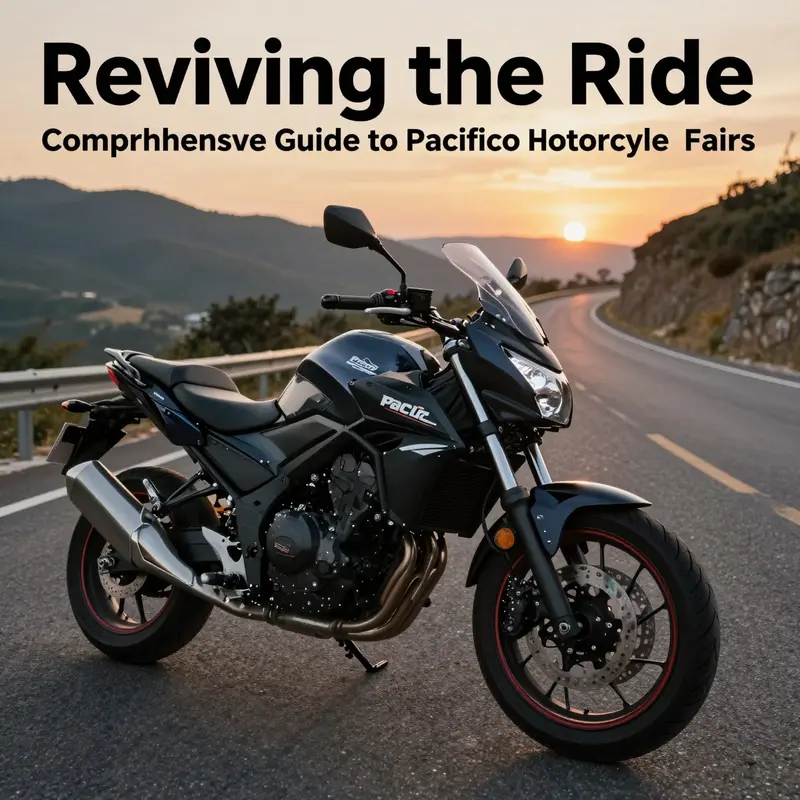
The Pacifico motorcycle fairing, particularly the Pathfinder Green model, embodies a vintage aesthetic cherished by motorcycle enthusiasts. Renowned for its universal compatibility with Honda motorcycles, this fairing balances retro style with functionality, providing both protection and character. Understanding the various aspects of Pacifico fairings—from design and materials to compatible accessories—can empower business owners to cater to a niche market effectively. This article will provide insights into the design and compatibility of these fairings, delve into the materials that ensure their durability and cost-effectiveness, and explore aftermarket options that enhance originality, ensuring business owners are well-equipped to address the needs of diverse riders.
Timeless Curves, Modern Fit: Designing and Verifying Pacifico Style Motorcycle Fairings
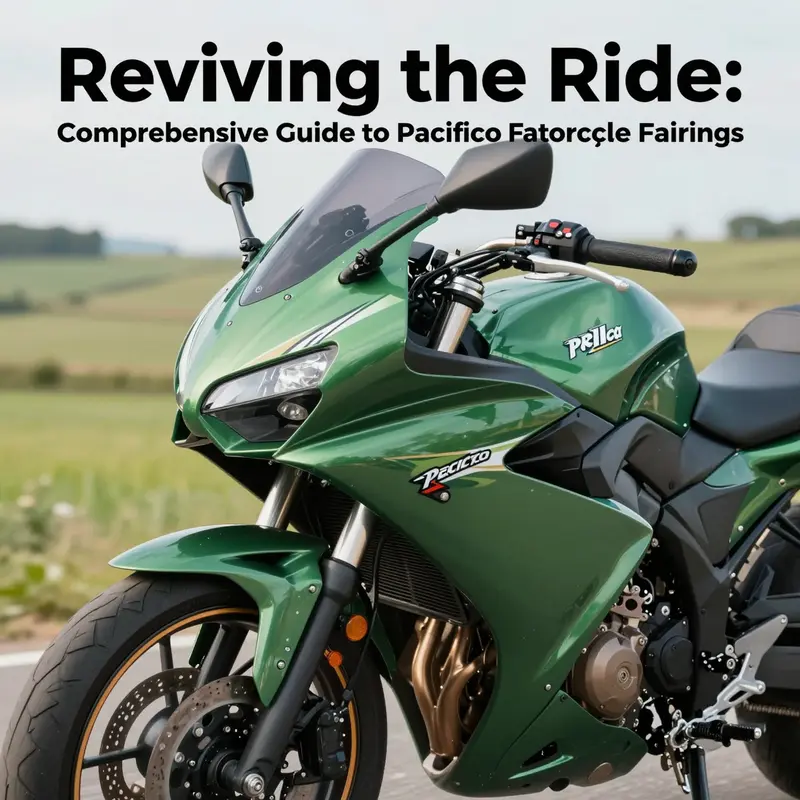
Riders drawn to a vintage silhouette are often seduced by Pacifico style fairings, a line that blends classic curves with contemporary materials to reshape the front end of a motorcycle. The appeal is not merely aesthetic. A well-executed retro cowl can offer practical protection for vital components, influence rider posture and wind exposure, and give a bike a distinctive personality that stands apart in a crowded lineup. This chapter moves through the core ideas behind Pacifico style fairings, taking the design logic as its backbone and tracing the thread from shape to installation. It also unpacks the notion of compatibility, a field where universal claims meet real-world fit, and where the rider’s diligence during selection pays dividends in performance and longevity. The discussion here is intentionally cohesive, guiding a reader from the design premise to the moment of installation and then to long-term care, so that the journey from concept to ride remains seamless and rewarding.
Design begins where function ends up meeting form. A Pacifico style fairing typically emphasizes retro lines—a nod to earlier sport and touring bikes—while embracing lighter materials and efficient construction methods. Modern lines often favor a fiberglass garden-variety shell that can be shaped to a broad set of mounting points and bodywork contours, paired with a finish that harmonizes with factory paint or a newly chosen color scheme. The emotional punch comes from the silhouette: a front profile that hints at wind protection and speed without overpowering the bike’s original proportions. Yet behind that nostalgic skin lies a practical system designed to absorb impacts, shed weight, and simplify maintenance. In this respect the design philosophy mirrors a broader trend in aftermarket fairings: create a product that can be customized to different makes and models without transforming the entire chassis, while preserving the visual language that enthusiasts associate with a timeless look.
Compatibility is the compass that guides both buyers and builders when they evaluate these fairings. The market often markets a cowl as universal, a claim that invites hopeful fitting across multiple models. In practice, however, no universal concept is truly universal; fit depends on the precise geometry of the bike, the mounting points present on a given frame, and the surrounding components—radiator hoses, fairing stays, headlights, and windscreen lines all interact in a way that is unique to each motorcycle. The practical rule is straightforward: treat universal claims as starting points rather than guarantees. The buyer should verify exact compatibility with the seller or manufacturer before committing to a purchase. This due diligence helps avoid a scenario in which the fairing arrives and requires significant modification or simply cannot install without a cascade of adjusters, brackets, or nonstandard hardware. The emphasis on verification also aligns with the reality that a well-fitting fairing can improve aerodynamics, reduce buffeting, and enhance the protective envelope around the instrument cluster and electrical components. When evaluating fit, note the alignment of mounting holes with the frame, the clearance around the radiator area, and the space for the front fender, indicators, and mirrors. Documentation from the seller often breaks these considerations into model-year notes, but buyers should be ready to compare their bike’s actual measurements against the published claims and be prepared for minor alterations if needed.
A shopper who seeks to understand the design through a broader lens may explore the available catalogues for compatible front-end accessories. For instance, the Honda fairings category offers modules and discussion that help gauge compatibility across a spectrum of popular models, including how a given cowl aligns with typical mounting schemes and how many brackets or supports might be required to achieve a clean, secure fit. This context underscores an essential point: even when a product is marketed as universal, the individual bike is not a generic canvas. The frame geometry, bodywork contours, and mechanical clearances all shape whether a given fairing will sit correctly and perform as intended. In practice this means buyers should plan for a small amount of modification work or the addition of optional hardware, especially if the goal is a pristine, factory-like fit rather than a loosely assembled appearance.
Materials enter the conversation as a practical counterbalance to aesthetic aspirations. Fiberglass and high-grade ABS plastic sit at the core of most Pacifico style fairings, each with distinct advantages. Fiberglass is prized for its stiffness-to-weight ratio and the ease with which it can be molded into complex curves. It accepts paint and clear coats well, and its repair options after a fall or abrasion are straightforward for a skilled hands-on rider. The trade-off is a surface that may require more meticulous finishing work, from sanding and priming to keener attention during paint prep to ensure color match and gloss. ABS plastic, by contrast, tends to offer excellent impact resistance and resilience against minor scuffs in daily use. It is generally easier to install for beginners and often cheaper, though it can be a touch more challenging to shape into extremely delicate retro profiles. The choice between fiberglass and ABS is seldom a single recommendation; it is usually a matter of balancing budget, intended use, and the rider’s willingness to tinker with the surface finish.
Beyond the shell itself, the aesthetic integration hinges on paint, texture, and the degree to which the fairing harmonizes with the rest of the bike. A vintage-inspired look can be reinforced by choosing a color that echoes historical palette elements or by applying a modern finish that gives the illusion of patina. For riders who prize authenticity, a finish that complements the bike’s original metal highlights or chrome trim can bring a cohesive, period-correct appearance while preserving contemporary protection against road elements. The finishing work—whether it is a clearGloss topcoat or a satin tone—brings the full narrative together, turning a functional accessory into an element of personal storytelling on the road.
The practicalities of fit extend to the mounting process itself. A well-designed front-end cowl should provide a straightforward alignment experience: predictable bolt patterns, clear spacer guidance, and compatible hardware choices that minimize the risk of overtightening or warping the shell. The installation is not simply a mechanical step; it is a design exercise that tests how well a piece integrates with a bike’s native lines without compromising steering clearance or instrument visibility. In the best cases, the fairing becomes a unified front end that looks as though it was conceived in the same studio as the bike’s original bodywork. In more pragmatic terms, the process often involves inspecting the area around the headlight assembly, evaluating the need for additional bracing, and checking that the mounting points do not interfere with a functioning cooling system or the routing of cables and hoses.
The role of additional front-end storage is another dimension that often accompanies retro styling. A set of pocket covers with a key, designed for Yamaha models, can provide secure storage for small items while maintaining a clean, uninterrupted line at the front of the bike. These accessories illustrate how the broader Pacifico-inspired ecosystem extends beyond a single shell to create a cohesive aesthetic language across the bike’s front end. While these pocket covers are marketed as Yamaha specific, their design intent demonstrates a broader principle: functional accessories should complement the primary fairing without drawing attention away from the overall silhouette. Buyers who value visual uniformity across different bikes may find these details particularly compelling, provided they verify cross-model compatibility with their particular year and model.
From a purchasing perspective, the path to a satisfying installation begins with reliable specifications and clear expectations. Buyers should consult official product listings for up-to-date information on availability, price, and customer feedback. The catalog description often outlines the intended fit range, material composition, and recommended mounting hardware, which together create a practical baseline for decision making. Reviews from other riders can provide insight into real-world fit issues, paint adhesion, and how the fairing behaves under typical riding conditions. A thoughtful approach also includes confirmation of the return policy and the seller’s support stance, which can be crucial when a fit proves problematic or a color option does not align with the rider’s vision. For those who want to deepen their understanding of the broader ecosystem, exploring the Honda fairings category offers a snapshot of common mounting strategies and design philosophies across multiple models, which helps frame expectations for a Pacifico style shell.
The installation and ongoing care of retro front ends demand a mindset that blends patience with practical maintenance. Even a well-fitting fairing may require minor adjustments after the initial ride to account for vibration, fuel tank contact, or occasional panel flex at highway speeds. Regular inspection of mounting points, fasteners, and the integrity of the finish is a small investment that yields a longer service life and preserves the visual intent of the retro design. Cleaning routines should respect the material type: fiberglass shells benefit from mild detergents and careful drying to avoid surface micro-scratches, while ABS remains resilient but still appreciates protection from harsh solvents that could dull its sheen. A protective wax or sealant tailored to the chosen material can help maintain gloss and color depth, ensuring the souvenir-quality look remains vibrant across seasons and miles.
Ultimately, the Pacifico style fairing embodies a philosophy that values the romance of classic motorcycle design while embracing the resilience and practicality of modern manufacturing. It invites riders to write a new chapter in the life of an old favorite, to create a front end that is at once recognizably vintage and comfortably current. The design speaks to those who want a distinctive stance on the road and a front end that is robust enough for daily use, yet flexible enough to accommodate future styling refinements. The compatibility narrative, while complex, becomes more approachable when treated as a careful matching exercise rather than a leap of faith. With thoughtful selection, precise measurement, and a readiness to adapt mounting solutions, a rider can achieve a front end that feels both timeless and tailored.
As this chapter concludes, the thread that remains clear is this: design and compatibility are two sides of the same coin. A well-conceived fairing is not merely a shell but a partner in how a bike presents itself to the world. The path from concept to ride is paved with measurements, materials, and a willingness to align a vision with practical realities. For those who want to explore further, the Honda category provides a reference map for model-specific fit considerations, while the broader marketplace offers a spectrum of finishes and brackets that can bring a Pacifico style to life on a wide range of bikes. The result is not just a cosmetic upgrade but a careful conversation between rider, machine, and the road ahead, where retro charm meets modern reliability in a front end that looks as good as it performs.
External resource: https://www.ebay.com/itm/144236987535
Fiberglass Fundamentals in Pacifico Motorcycle Fairings: Durability, Lightness, and Vintage Aerodynamics
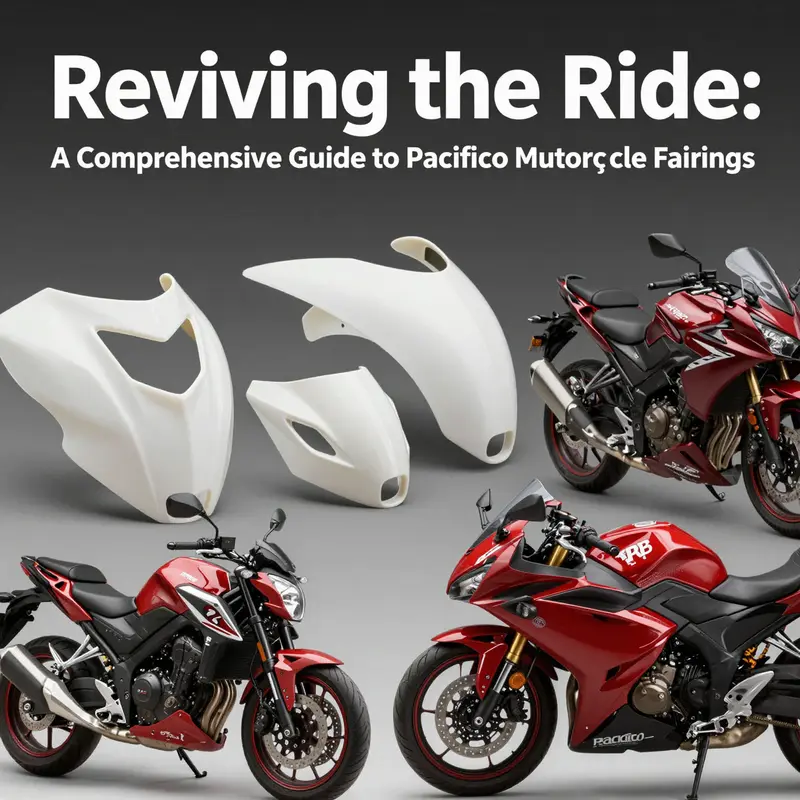
Riders who seek a look that nods to a bygone era while wanting dependable streetability often turn to the Pacifico line of motorcycle fairings. These fibrous shells, designed as a universal fit for classic and modern Hondas, embody a blend of old world flair and practical engineering. The choice of material is not merely a detail; it defines how a bike behaves on a long highway and how it holds its color in bright sun or winter rains. In this chapter we explore the material behind the Pacifico fairings, with a focus on why fiberglass has become the backbone of these retro inspired bodies, how its properties translate into everyday riding, and what that means for the rider who values both form and function. The conversation is not about a single part but about a material that shapes the entire riding experience, influencing performance, repairability, and the pace at which a bike can evolve from a utilitarian machine into a rolling piece of art.
Fiberglass is not a single substance but a composite built from glass fibers embedded in a resin matrix. The fibers confer strength and stiffness, while the resin binds them into a solid, moldable shell. This combination yields a front end that can hold a crisp, aerodynamic silhouette without becoming brittle under vibration or impact. The Pacifico fairings leverage this balance by using a layup process that can be tailored to the desired thickness in different areas. In a hand layup, fabric layers are placed into a mold and saturated with resin, then cured to form a rigid skin. In spray up methods, resin and glass fibers are sprayed into a mold to achieve the same end with different control over thickness distribution. Either approach can produce a surface that accepts a gel coat, which gives the final finish a smooth, durable base before color and clear coat layers are added. What this means for the rider is a shell that can preserve its shape under the weight of wind and weather, yet be coaxed back into perfect alignment during routine maintenance or after a minor collision with a roadside barrier.
The durability of fiberglass in motorcycle fairings is rooted in its rigidity and crack resistance. Unlike some softer plastics, fiberglass resists crack propagation once the resin cures, which helps the fairing maintain its structural integrity across many miles and seasons. It is not invulnerable, of course, and an impact can create localized damage, but the repair workflow is approachable. Small chips or cracks can be filled, re-fibered with reinforcing cloth, and touched up with color to restore the integrity of the shell without replacing the entire piece. That repairability is a practical advantage for riders who use vintage styled builds as daily transportation or weekend project bikes. It is also a boon for those who enjoy personalizing the bike, because a repaired section can be reworked to blend with the surrounding area rather than standing out as a repair job.
Weight is another critical factor. Fiberglass panels are lightweight relative to many metal alternatives, yet heavier than the lightest laminated plastics. This intermediate weight contributes to balanced handling, especially on front ends that need to meet a blend of stability at speed and nimble response at lower speeds. In performance terms, that modest weight helps with acceleration and braking efficiency because a fairing that weighs less puts less inertial load on the bike as it moves through air and on its suspension. The net effect is a riding experience that feels responsive, with the fairing contributing to the overall mass distribution without dominating it. For riders chasing a retro look, this is especially important because a fairing that is too heavy can mute the crisp, agile feel they expect from a vintage styled bike.
Beyond raw strength and weight, fiberglass offers a level of formability that makes it attractive to designers pursuing classic silhouettes. The material accepts complex curves and sculpted edges that echo the lines of mid century sport and touring frames. It can be molded into shapes that emphasize broad, protective cowlings or slim, minimalist profiles depending on the rider’s taste. This sculptural freedom is not just about aesthetics; it enables wind tunnel inspired design cues that manage airflow around the rider and the bike in a way that complements the silhouette rather than fighting against it. A well shaped fairing reduces buffetting at speed and improves the rider’s comfort, which is a practical benefit that goes hand in hand with the visual appeal of a vintage inspired build. The result is a product family that feels cohesive, where every line and surface seems to belong to the same historical moment while still performing reliably in modern riding conditions.
Cost is a natural consideration for any aftermarket component, and fiberglass typically sits in a favorable position when weighed against alternatives. While high grade plastics can offer excellent impact resistance and optical clarity, they often come with a higher price tag and more demanding manufacturing processes. Fiberglass parts tend to be more affordable to produce at scale, especially for universal fits that must accommodate a range of frames and mounting configurations. At the same time, fiberglass commonly outperforms standard ABS plastics in long term durability and resistance to UV induced degradation, which is a critical factor for exterior panels that live in the sun for extended periods. This combination of reasonable upfront cost, durable performance, and adaptability makes fiberglass a commendable choice for those seeking value without surrendering character or longevity. A representative element of this approach can be seen in a light finish variant within the Pacifico line, where the clean surface highlights the geometry of the form while offering a reliable platform for paint and detailing that endure through years of exposure to the elements.
In the practical sense of riding and ownership, the Pacifico line is designed to harmonize a vintage aesthetic with modern reliability. The universal cowl design, while subject to model year and mounting variations, provides a flexible base that many Honda platforms can accommodate with the right brackets and alignment. The crucial step for any buyer is to verify compatibility with the exact make, model, and year. Mounting points, edge radii, and bracket positions can vary subtly between generations, and a well fitted fairing must sit flush against the front end without stressing the mounting hardware or distorting the fender line. This verification process is part of the value proposition of fiberglass fairings in a retrofit context, because the material accepts fine tuning in the fitment stage. When the fairing sits correctly, it becomes an integral piece of the bike’s identity rather than a separate add-on, and its interaction with the engine, radiator, and steering geometry remains smooth and predictable through the course of daily riding and longer trips.
Care and maintenance of fiberglass fairings sit comfortably within everyday motorcycle upkeep. The surface finish is dependent on a base resin system and the protective gel coat that sits atop the core fabric. Over time, UV exposure can lead to micro cracking and color fade in exposed layers if the finish is not properly protected. Weathering is a factor riders must anticipate, but the remedies are straightforward: a clean surface preparation, a fresh layer of paint or clear coat, and a UV protective topcoat designed for exterior use. Because the core of fiberglass is relatively forgiving, minor repairs can be accomplished with resin, reinforcing cloth, and careful feathering to blend patches back into the surrounding surface. The goal is not to hide wear but to manage it gracefully so the bike continues to present a coherent, timeless look while maintaining the original lines that define its silhouette. In practice, this means that regular washing, waxing, and a cautious approach to aggressive high speed rides in harsh sunlight work together to extend the life of the finish and keep the lines looking purposeful rather than weathered.
The discussion of material choice naturally extends to how the Pacifico fairings age and respond to the realities of everyday riding. Fiberglass itself is relatively inert, but the protective layers determine the long term outcome. Resin systems, gel coats, and top coatings are selected to provide durability under sun, rain, and road debris, while still allowing for color customization that preserves the vintage mood. Riders often choose finishes that either emphasize the natural fiberglass texture for an honest, industrial retro vibe or apply a traditional glossy coat for a more period authentic look. Each path has its own maintenance routine, but both share a common thread: durability paired with a design that invites personalization rather than erasing history. The material forges a partnership between form and function, telling a story through lines and color while delivering predictable, everyday performance.
For riders exploring a broader catalog, the breadth of options in the Honda section provides a helpful way to compare profiles and mounting plans. The emphasis remains on compatibility and consistency, ensuring the chosen fairing not only looks right but integrates with the bike’s front end in a way that feels natural. The internal link to the Honda fairings collection is a practical gateway to seeing how different shapes translate into real bike proportions and rider ergonomics, and it invites a deeper consideration of how a single material can unify a family of designs while supporting personal taste and practicality. This approach makes fiberglass more than a manufacturing choice; it becomes a design philosophy that respects heritage while accommodating modern riding demands.
Riding with a fiberglass fairing is about more than color and curve; it is about the handshake between rider, frame, and wind. It is about the confidence that comes from knowing the shell was built with a deliberate understanding of weight, stiffness, and repairability. It is about choosing a finish that will endure, even as the bike accrues miles and memories. It is about recognizing that a practical material can also offer a distinctive aesthetic, one that communicates a rider identity rooted in both craftsmanship and a respect for the past. In the end, the Pacifico line demonstrates that durability need not come at the expense of character, and character need not be sacrificed to practicality. The material and the design work in tandem, allowing a rider to enjoy the journey with a fairing that feels like a trusted companion rather than a temporary accessory. For a convenient reference to the broader catalog, see the Honda fairings Honda fairings.
For readers seeking further technical context on how the Pacifico line sits within the spectrum of aftermarket options, an external reference offers additional detail on the design and performance considerations that shape these fairings. The practical takeaway is that fiberglass remains a robust, cost effective material for those who want a vintage vibe without surrendering modern reliability. It supports a wide range of aesthetic choices while delivering predictable physical behavior on the road, from daily commutes to weekend rides that celebrate the heritage of classic styling. For additional context on the broader Pacifico lineup and how it translates into real world applications, visit the external resource at the following URL: https://www.pacificomotorcycle.com/products/pacifico-pathfinder-white-motorcycle-fairing
Character, Craft, and Compatibility: Pacifico Fairings and Aftermarket Enhancements
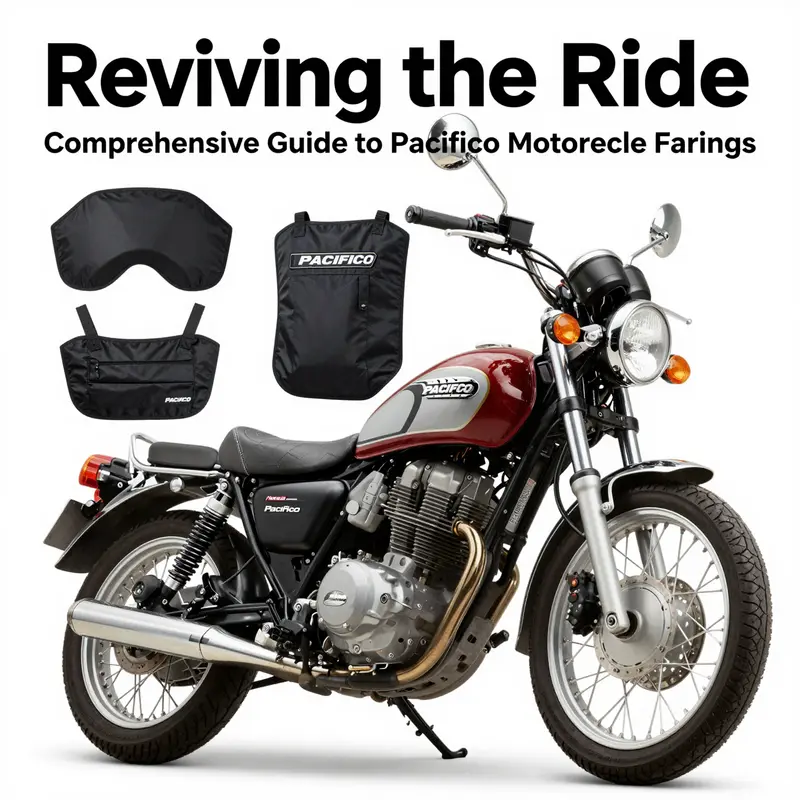
Fairings shape a bike’s silhouette and rider experience. The Pacifico concept – a universal fiberglass cowl intended for Honda-like frames – frames a conversation about fit, finish, and function rather than a simple parts list.
The key challenge with any universal fairing is compatibility: mounting points, geometry, and the bike’s triple clamps, radiator shrouds, and headlight. A well-fitting Pacifico must align with existing geometry, avoid interference with steering, and preserve the bike’s original lines. This requires diligent fitment research, data sheets, and sometimes technician-assisted verification.
From materials to manufacture, fiberglass and ABS each bring traits to the table. Fiberglass provides a classic, sculpted look with potential weight savings and rigidity when built with care, but it can be porous and requires careful sealing and finishing. ABS offers impact resistance, easier shaping, and cleaner edges, though it may trade some stiffness. A pragmatic approach for Pacifico is a hybrid: fiberglass main panels with ABS reinforcement or protective skins in high-wear areas, plus UV-resistant coatings to guard against sun exposure.
Modularity is another central theme. A panel-by-panel design with quick-release fasteners and adjustable mounting brackets helps riders refresh the appearance or adapt airflow and lighting without a full front-end swap. Finishing – color, texture, and clear coats – matters as much as fit. The retro silhouette benefits from period-appropriate gloss levels and edge detailing that reduce glare while preserving the design language.
Finally, the Pacifico journey emphasizes research and vendor literacy. Start with official fitment data where available, verify against your bike’s dimensions, and test-fit with patience. In a market full of options, a thoughtful buyer prioritizes compatibility, predictable paint behavior, and durable mounting solutions that won’t drift with vibration. The result is a front end that stays reliable on the road while telling a personal story through its form and finish.
External reference: https://www.alibaba.com/showroom/aftermarket-fairing-for-motorcycles.html
Final thoughts
Pacifico motorcycle fairings represent a harmonious blend of design and functionality that appeals to diverse motorcycle enthusiasts. With their vintage charm and universal compatibility, these fairings not only enhance the aesthetic of Honda motorcycles but also provide essential protection. Business owners in the motorcycle accessory market should leverage the understanding of materials used and the array of aftermarket options available to meet customer demands. By offering quality Pacifico fairings and accessories, businesses can experience increased customer satisfaction and brand loyalty, ensuring they remain at the forefront of the motorcycle industry’s vintage resurgence.