
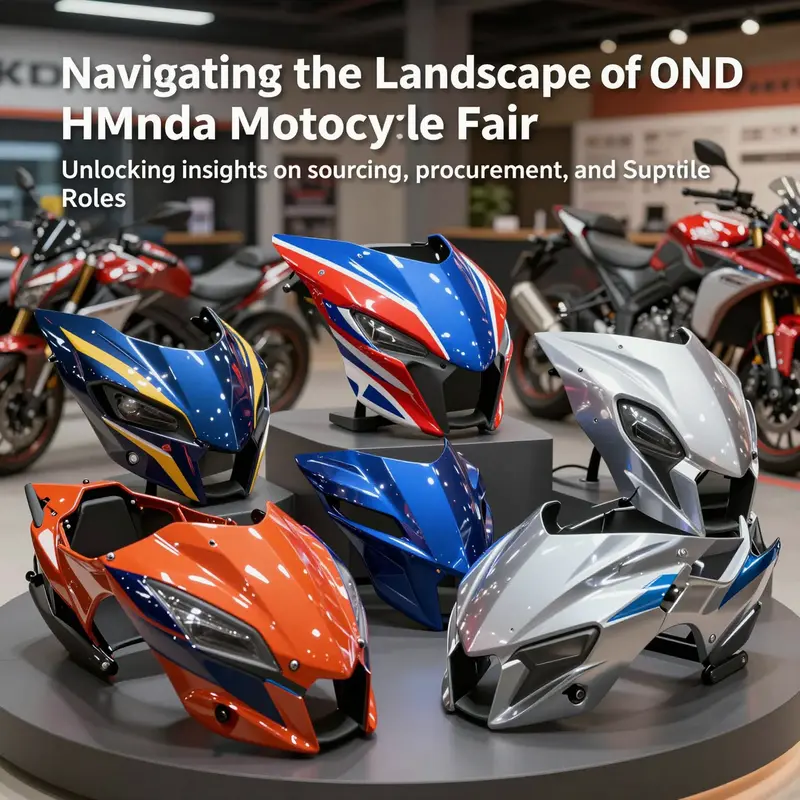
OEM Honda motorcycle fairings stand at the intersection of performance and aesthetics, designed to fit seamlessly with the original models. For business owners in the motorcycle industry, understanding OEM fairings is vital not solely for compliance and performance but also for leveraging customer satisfaction and operational efficiency. This article delves into vital chapters starting from the specifications and materials used to make these fairings to the critical strategies for sourcing them. We will further explore the careful distinctions between OEM and aftermarket options, and the crucial roles played by suppliers in this specialized market. Each section aims to provide actionable insights that can help business owners make informed decisions in the competitive motorcycle landscape.
Rider Identity and Aerodynamics: The Specs, Materials, and Craft Behind OEM Honda Fairings
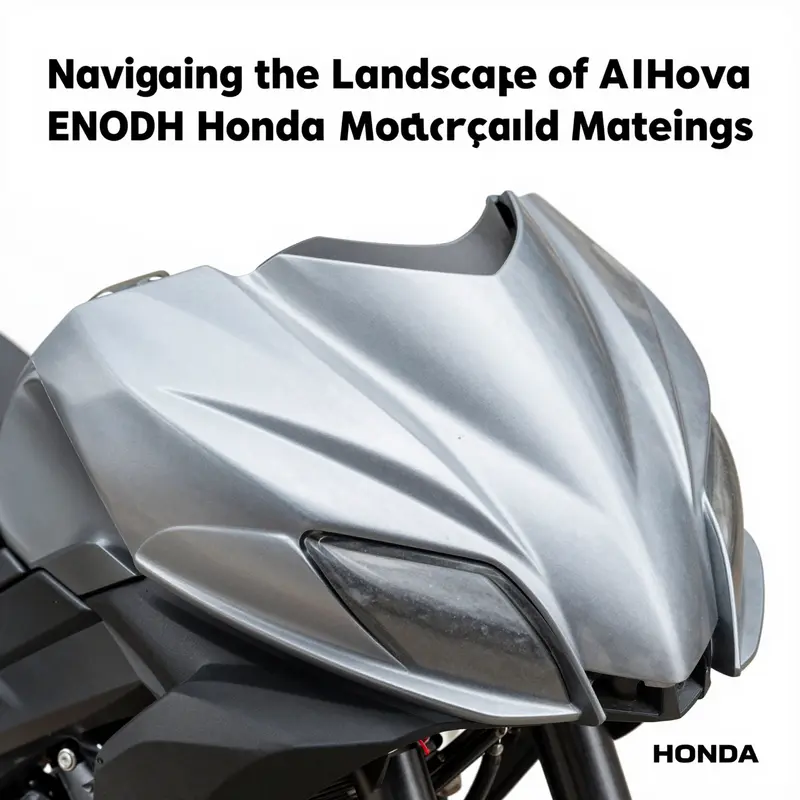
Every motorcycle carries a narrative of its maker’s intent, and the fairings are among the most visible expressions of that idea. OEM Honda fairings are engineered to integrate with the frame, engine packaging, and electrical systems while preserving ride quality and factory fit. This chapter highlights material choices, manufacturing discipline, and the differences between genuine OEM parts and aftermarket substitutes, with a focus on how those decisions affect fit, durability, and long-term ownership.
Materials and molding play a central role in the OEM advantage. ABS resin is the standard for its toughness, stiffness, and repeatable molding, which yields tight tolerances and a factory-grade finish. UV stabilizers help preserve color and gloss under sun exposure, while precision injection molding minimizes gaps and misalignments. In some lines, more exotic options like carbon fiber exist, but they require premium processes and budgets and are not interchangeable with standard ABS in most factory applications. The result is a bodywork package that remains consistent across model years, preserving the bike’s silhouette and aerodynamic intent without surprise changes in fit or appearance.
From an aerodynamic perspective, OEM fairings are designed to balance frontal area, smooth airflow, and rider comfort. The shapes are crafted to work with the frame geometry and seating position, enabling predictable handling and stable airflow at speed. The finish process—controlled paint application, exact mold surfaces, and rigorous quality checks—ensures a uniform look with minimal gaps and a pristine surface that resists UV fade and stone impacts. For buyers and shops, this translates to reliable assembly, straightforward maintenance, and preserved resale value, as genuine panels retain the bike’s original silhouette and brand signature over time.
Exact Fit, Proven Integrity: The Case for Genuine OEM Honda Motorcycle Fairings
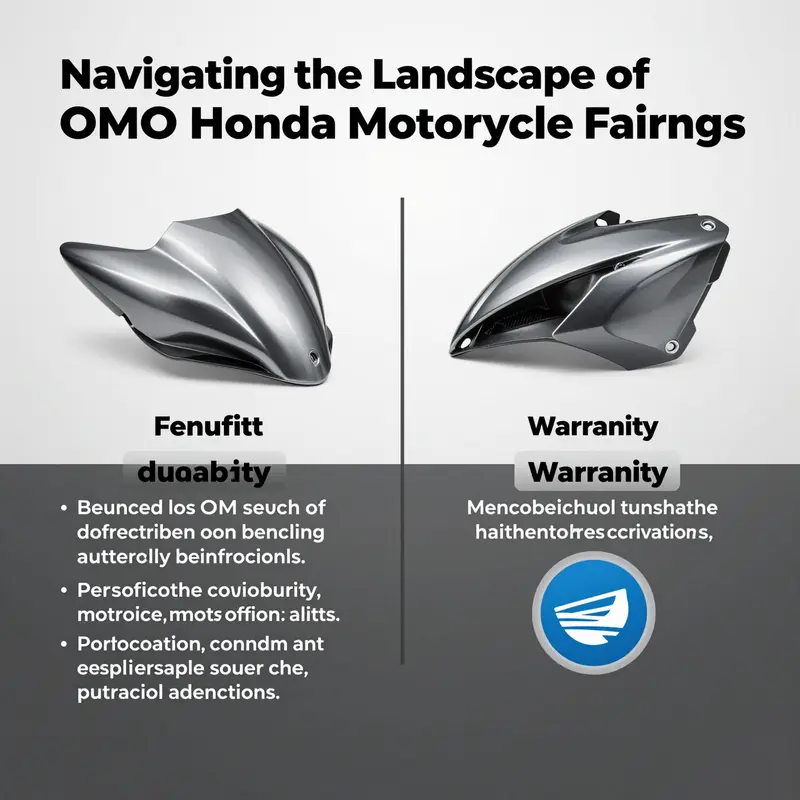
When riders think about upgrading or restoring a Honda motorcycle, the fairings often sit at the crossroads of performance, protection, and identity. Genuine OEM fairings are not just cosmetic skins; they are precision components engineered to work in harmony with the bike’s aerodynamics, chassis geometry, and rider ergonomics. For models like the 2012 Honda CBR600RR, OEM fairings are typically crafted from high-impact ABS plastic and routed through precision injection molding to achieve a factory-perfect fit. The result is a seamless surface that aligns with fuel tanks, headlights, mounting points, and the fairing’s own internal hardware. In the long arc of a bike’s life, the difference between OEM and aftermarket is rarely shown in a single ride, but it becomes evident in how the bodywork behaves under wind pressure, at speed, and after exposure to heat and sun. OEM parts are designed to meet Honda’s exacting tolerances, and the payoff is a well-integrated silhouette that reduces drag, channels airflow efficiently, and preserves the intended balance of weight and mass distribution across the bike.
Genuine Honda fairings do more than preserve appearance; they protect vital components and riders. The panels are engineered to resist the kinds of environmental stressors that highways expose a bike to—UV exposure that can weaken plastics, temperature swings that induce warping, and debris that can nick or crack a surface. OEM-grade materials are paired with finishings that stay consistent over time, with paintwork that adheres evenly and seams that maintain watertight integrity. When a rider presses the bike into a corner or blasts down a straightaway, the alignment of fairing pieces matters. Misaligned gaps or flexing panels from ill-fitting aftermarket components can influence airflow in unpredictable ways, potentially altering handling characteristics or increasing buffeting. OEM fairings are designed with exact tolerances so that quick, confident steering inputs and high-speed stability are preserved, and the visual integrity of the bike’s design language remains true to its origin.
The story of performance and safety is inseparable from the materials that make up these shells. OEM fairings are built to endure, with resins and reinforcements chosen for the specific Honda platform. ABS, in particular, offers a balance of stiffness and impact resistance that suits motorcycle bodywork’s demands. In a 2010s-era sportbike, a properly engineered fairing set not only resists sun-induced fade but also maintains dimensional stability across hot engine bays and cooler ambient conditions. While aftermarket offerings may imitate external aesthetics, they frequently diverge in the underlying resin systems, UV stabilizers, and compatibility with fasteners and mounting brackets. The result can be panels that warp over time, an emblem that pales under UV glare, or fasteners that no longer align with the bike’s OEM holes and anchors. The cohesive durability of genuine OEM components supports both daily riding and long-term ownership—critical factors when a bike is traded in or maintained through an authorized service network.
Warranty support is another practical advantage of sourcing genuine OEM Honda fairings. When you purchase through Honda’s authorized channels, you access more than a part; you gain a pathway to warranty coverage on manufacturing defects and the assurance that service centers can perform repairs within factory-approved guidelines. This is not merely a matter of policy for collectors or racers; it is about preserving value and continuity. If a defect surfaces or an assembly issue becomes evident after installation, the original warranty framework can simplify repairs and ensure parts are replaced with authentic equivalents. In contrast, non-authentic components may shift the responsibility onto third-party vendors, and the absence of a consistent service protocol can complicate maintenance and resale value. The stability of a complete OEM fairing set—consistently maintained by authorized dealers and trained technicians—ensures that both aesthetics and performance remain aligned with the motorcycle’s factory intent.
Beyond the hardware and warranty, the maintenance ecosystem surrounding OEM fairings matters. Authorized dealerships stock genuine components, and their service bays are tuned to reinstall, reseal, and repaint panels so that color matching and texture remain faithful to the original. This consistency is especially valuable for riders who care about resale value or long-term ownership. The process of paint curing, seam finishing, and gasket compatibility is standardized to minimize the risk of leaks, wind noise, or chafing that can arise from mismatched parts. By staying within the official supply chain, owners benefit from a coherent, factory-backed path for care and repair, which is equally important for riders who pursue regular servicing as for those who stretch the limits of performance on track days.
Sourcing strategies for OEM-spec fairings are not abstract concepts; they are practical, process-driven approaches that deliver reliability. A structured procurement mindset emphasizes metrics that signal supplier maturity and operational discipline. On-time delivery rates in the mid to high 90s are not merely a convenience; they reflect a supplier’s ability to coordinate raw materials, tooling, and curing cycles in a controlled flow. Fast response times, ideally within hours, matter when a project window closes or a bike needs a timely repair. Reorder rates above a certain threshold demonstrate customer satisfaction and the supplier’s understanding of repeat business. In the real world, these metrics translate into fewer delays, more predictable maintenance, and a smoother path from purchase to installation. It is not unusual to see suppliers with vertical integration into composite manufacturing, coupling the final assembly with advanced processes like autoclave curing used for high-grade carbon fiber parts. While the typical rider may not require carbon fiber panels, the same disciplined manufacturing mindset that yields lightweight, rigid components behind the fairings also underpins the dimensional accuracy of ABS panels and their attachments.
This level of manufacturing discipline dovetails with the broader reality of choosing OEM-spec parts in a marketplace that features a spectrum of quality. On the one hand, there are aftermarket alternatives branded as OEM-style or OEM-spec; on the other, genuine OEM parts backed by Honda’s documentations and certification trails. The distinction often lies in material science and production methods. True OEM ABS blends are engineered to survive UV exposure and heat cycling without embrittlement, while adhesive systems and sealing gaskets are selected to harmonize with Honda’s hardware layouts. The potential trade-offs in weight, rigidity, and color stability can accumulate over years, affecting how the fairings age and how easy they are to restore. A thoughtful purchaser pays attention to the entire lifecycle: fitment with the bike’s frame, compatibility with the electrical harnesses routed behind panels, and alignment with the bike’s cooling and ventilation channels. In short, authentic OEM fairings are designed to be one piece of a carefully tuned aerodynamics package rather than a collection of separate panels fastened together with guesswork.
For readers actively seeking reliable access to genuine OEM Honda fairings, digital platforms can streamline the search without compromising due diligence. A carefully chosen starting point is the Honda fairings category on UltimateMotorX, which curates options aligned with OEM specs and authentic styling. This hub helps distinguish genuine OEM components from aftermarket facsimiles by offering product histories, compatibility notes, and fitment guidance across multiple Honda models. Honda fairings category is a practical waypoint in the journey toward a correct purchase, supporting buyers who value consistent maintenance and resale value. While online marketplaces can be convenient, buyers should still request documentation, material certifications, and, where possible, evidence of real-world testing under typical riding conditions. These verifications build confidence that the chosen parts will align with Honda’s engineering standards and the professional standards of authorized service centers, ensuring the bike not only looks authentic but also performs as intended on the road or the track.
Ultimately, the decision to invest in genuine OEM Honda fairings rests on a balance of fit, durability, warranty, and long-term value. The investment is justified by the certainty that the panels, finishes, and mounting interfaces were designed to work together from first sketch to final assembly. It is a decision that respects the bike’s original design language while preserving performance characteristics that matter most to riders—a clean silhouette at speed, predictable handling, and the confidence that comes from a factory-backed, supported maintenance path. For those who value authenticity and performance in equal measure, OEM fairings offer a coherent, reliable path through the complexities of modern motorcycle customization and restoration.
External resource: https://www.alibaba.com
Precision, Partners, and Parts: Procurement Strategies for OEM Honda Fairings

Sourcing OEM-compatible fairings for Honda motorcycles is not the same as buying a cosmetic upgrade. The fairings are a complex interplay of aerodynamics, protection, and identity. A buyer must align engineering tolerances with aesthetics, and this alignment begins long before the first sample lands on the desk. The goal is to secure components that fit like factory parts, maintain the original ride characteristics, and withstand the rigors of road use without compromising the bike’s visual language. In models such as the CBR600RR or the CBR600F, the OEM fairings are more than skin; they are a carefully engineered boundary between performance and durability. The procurement mindset, therefore, should be one of precision and consistency, where every component carries a traceable lineage to the vehicle’s original specifications and manufacturing standards. This is especially true when aiming for authentic OEM quality in a market saturated with replacements that imitate the look but not the performance of true parts. A well-structured sourcing approach recognizes that the value of OEM fairings lies not only in their fit but in the predictability of performance across a lifecycle that includes weathering, UV exposure, and repeated assemblies and disassemblies during maintenance, racing prep, or restoration projects.
Material integrity sits at the center of this discipline. Original equipment parts for Honda motorcycles typically rely on high-impact resistant ABS plastic, processed through precision injection molding to ensure perfect fitment and a factory-quality finish. A genuine OEM approach does not treat plastic as a generic canvas; it treats it as a critical structural element that must resist shattering under impact, endure temperature swings, and maintain dimensional stability as fasteners, gaskets, and mounting points interact during service. True OEM parts often employ specific grades of ABS that balance strength, flexibility, and resistance to UV degradation. This careful material selection mitigates long-term yellowing, cracking, and warping that can otherwise undermine both aerodynamics and aesthetics. In contrast, some aftermarket providers lean on lower-grade plastics or wet-lay carbon fiber techniques that can vary in thickness and structural consistency. Those choices may reduce cost but tend to compromise the uniformity of the surface, alignment of panels, and the predictable behavior of the part under wind pressure and road debris impact. For buyers, recognizing these material distinctions is essential to avoid subtle, cumulative performance gaps that emerge only after miles of riding.
Beyond the material, the fairings’ surface and finish speak to the end-user’s experience. For thermoplastic fairings, the surface finish is not merely cosmetic; it is a gauge of manufacturing discipline. Gloss levels in the range of 85 to 95 gloss units (GU) typically indicate a professional, durable clear-coat system that resists scuffing and fading under sun exposure. Likewise, paint thickness exceeding 80 micrometers helps shield pigments from UV degradation and abrasion from road debris. These surface specs, while technical, translate into real-world resilience—reducing the need for frequent repaints and preserving the bike’s color integrity through seasons of use. For riders who demand their machines look correct from the showroom to the saddle, these details are not optional extras; they are a measurable part of the product’s value proposition.
But material and surface quality do not tell the whole procurement story. Supplier performance metrics bring a lens of reliability that goes straight to the rider’s or dealer’s calendar. On-time delivery above 95 percent is more than a KPI; it is a practical guarantee that planned builds, race-day prep, or showroom restocks will occur as scheduled. Response times under six hours matter as much as the initial quote, because in fast-moving cycles of demand, a supplier’s quick communication can prevent costly bottlenecks. Reorder rates above 30 percent reveal a mature logistics framework and repeat business viability. Consider the carriers and production ecosystems that support these metrics. For instance, suppliers in Guangdong’s Pearl River Delta stand out for their injection-molding prowess, scale, and access to testing and tooling facilities that reduce lead times and enhance consistency. Proximity to material suppliers and export ports such as Nansha or Shekou enables tighter control over the supply chain and more predictable customs timelines, which matter when part numbers must align with precise Honda engineering drawings.
In practice, a robust procurement program often highlights specific players who demonstrate the right mix of capability and reliability. Some suppliers maintain exceptionally high on-time delivery rates and favorable reorder figures, reflecting deep customer trust and process discipline. A partner that delivers with a sub-three-hour response time and an on-time rate near perfection becomes a strategic ally for urgent reorders, special editions, or bulk runs. The beauty of such partnerships lies not in a single transaction but in the ongoing alignment of capability with demand, enabling a predictable cadence that supports both OEM-style authenticity and aftermarket operations that aspire to OEM standards. For buyers, this means looking beyond price and toward a holistic view of a supplier’s operations: manufacturing consistency, process control, and the ability to sustain quality across thousands of identical panels.
Equally important is geographic clustering. The Pearl River Delta region, with its dense network of plastics processing, mold-making, and rapid tooling, offers a scaffold for efficient procurement. Zhejiang’s belt of mold-making and electrical integration capabilities complements this by providing experts who can address mounting points, sensor housings, and wiring harness routing that harmonizes with the bike’s overall electrical architecture. Such clustering lowers logistical friction, accelerates testing cycles, and shortens the chain from concept to first article. Proximity to testing labs and export ports reduces lead times, enabling a 15–30 day cycle for standard orders and a more predictable path for customized fairings that must maintain exact tolerances. The geographic advantage translates into a practical advantage: fewer surprises, tighter control of color and finish batches, and a steadier pipeline for OEM-grade parts that must perform under race-day temperatures and variable road conditions.
A rigorous procurement strategy therefore blends technical due diligence with a pragmatic view of supplier performance and regional logistics. It begins with material certifications and documentation that verify the actual resin system, pigment packages, and any surface treatment processes used in production. Real-world product testing—through fit checks, impact tests, and environmental conditioning—validates the claim that the part will retain dimensional integrity across service life. In parallel, buyers should leverage B2B platforms that provide transparent records of on-time delivery, reorder frequency, and customer feedback. These data points, when triangulated with material certifications, form a reliable compass for decision-making. While certifications are valuable, they are not a substitute for this data-driven verification; the true test of OEM-spec compliance is how a part performs in the field over time.
For those navigating next steps, a practical starting point can be a direct browse through the Honda fairings catalog, which presents OEM-compatible options organized by model family and mounting configuration. This resource serves as a tangible reference point while the procurement team evaluates material and process claims from prospective suppliers. Accessing a catalog that mirrors Honda’s own design language helps ensure that any chosen fairing aligns with the original’s silhouette, mounting geometry, and function. Honda fairings catalog provides a useful baseline from which to compare the claimed OEM-spec parts against actual fitment and finish experiences during pre-production testing.
Ultimately, the procurement strategy for OEM Honda fairings benefits from a disciplined yet flexible framework. It rewards transparency about materials and processes, rigorous performance benchmarking, and a geographically informed view of supplier ecosystems. Real-world performance data—delivery reliability, responsiveness, and repeat order behavior—trumps certifications when risk is assessed and timelines are at stake. In the end, the objective remains to secure fairings that look, feel, and behave as their factory counterparts do, across the life of the bike—from showroom unveilings to the long arc of maintenance and potential restoration. The path to that outcome lies in selecting partners who can reliably translate engineering intent into repeatable, consistent production, while maintaining the aesthetic discipline that makes Honda motorcycles instantly recognizable on the road and on the track.
External resource: Strategic Sourcing Guide for Honda XLR 125cc Motorcycles. https://www.supplychaininsider.com/strategic-sourcing-honda-xlr-125cc-supplier-insights/
Factory Fit or Factory-Fresh Edge: Navigating OEM vs Aftermarket Honda Motorcycle Fairings
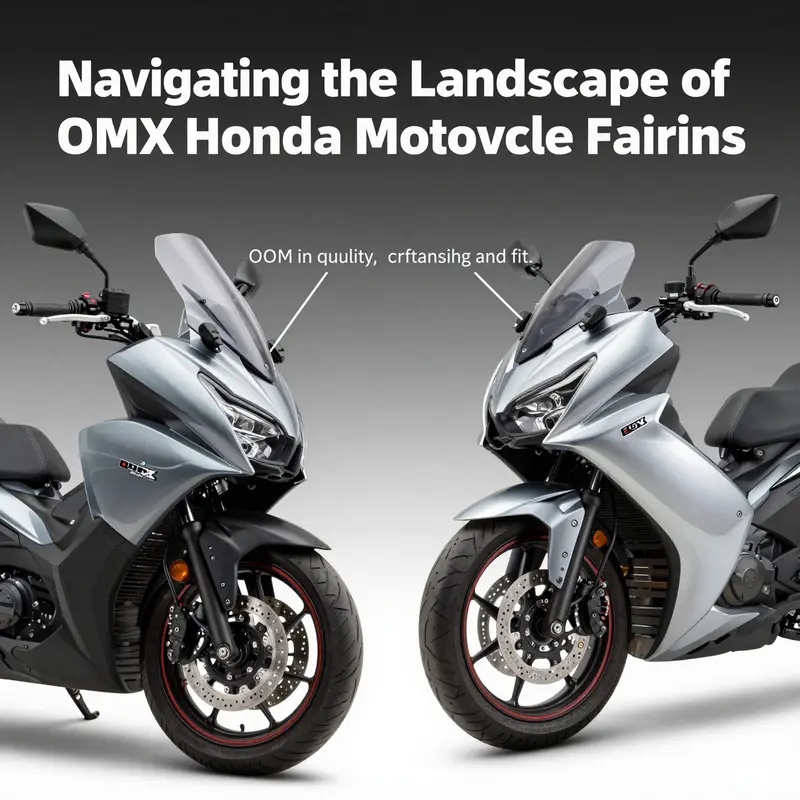
Choosing between OEM and aftermarket fairings is about more than aesthetics. It affects fit, protection, aerodynamics, and long-term reliability. OEM fairings offer a factory linked path with guaranteed geometry, matched finishes, and warranty support. They are designed to integrate with the bike’s chassis, routing, and harnesses, produced with high-grade plastics (commonly ABS or PC/ABS blends), and finished with UV-stable coatings that resist yellowing. Precision injection molding delivers tight tolerances that help panels align across the full range of operating temperatures. The result is a repeatable, factory-look fit that preserves resale value and minimizes surprises after a crash or service. Access to OEM parts typically comes through authorized dealers and official service networks, reinforcing the sense that a replacement is a correct, supported component.
Aftermarket fairings expand the design envelope. They may reuse OEM specifications or push into lighter, higher-performance composites such as carbon fiber. Weight reduction, novel styling, and alternative surface finishes are common draws. However, the production paths vary: carbon-fiber parts can be autoclave-cured or wet-lay, with potential trade-offs in resin distribution, thickness control, and surface gloss. Pre-preg materials and controlled curing often yield consistent results, but not all makers maintain the same rigor. Fitment can be excellent, but it can also require more verification, with gaps, cable routing, and mounting-point accuracy needing careful testing on the target model. The upside is customization, weight savings, and sometimes a lower sticker price than the OEM route, especially when a rider values a distinct look or a track-focused setup.
With either path, fitment accuracy matters. OEM parts are calibrated to the bike’s geometry and engineering data, supporting reproducible alignment across production units. Aftermarket options demand the rider or shop confirm mounting points, fastener sizes, and panel alignments for the specific model and year. In practice, a dedicated test fit can save repainting costs and time.
From a procurement perspective, reputable aftermarket makers show consistent performance in communication, documentation, and batch-to-batch quality. Arm yourself with material certifications, dimensional data, and clear paint or clearcoat compatibility. A credible supplier network matters, especially for riders who ride hard on track days or long-distance trips where downtime is costly. OEM channels still offer the security of warranty-backed support, but well-vetted aftermarket options can deliver meaningful value for weight, styling, or performance goals.
The decision often comes down to personal priorities: the predictability and service network of OEM versus the flexibility, potential weight savings, and broader styling choices of aftermarket. The best choice aligns with how a rider uses the bike, the environment, and the tolerance for potential fitment refinements. For riders who track or push upgrades, the difference can be felt in comfort, repair certainty, and on-bike confidence when it matters most.
Behind the Seam: The Critical Role of Suppliers in Honda OEM Motorcycle Fairings
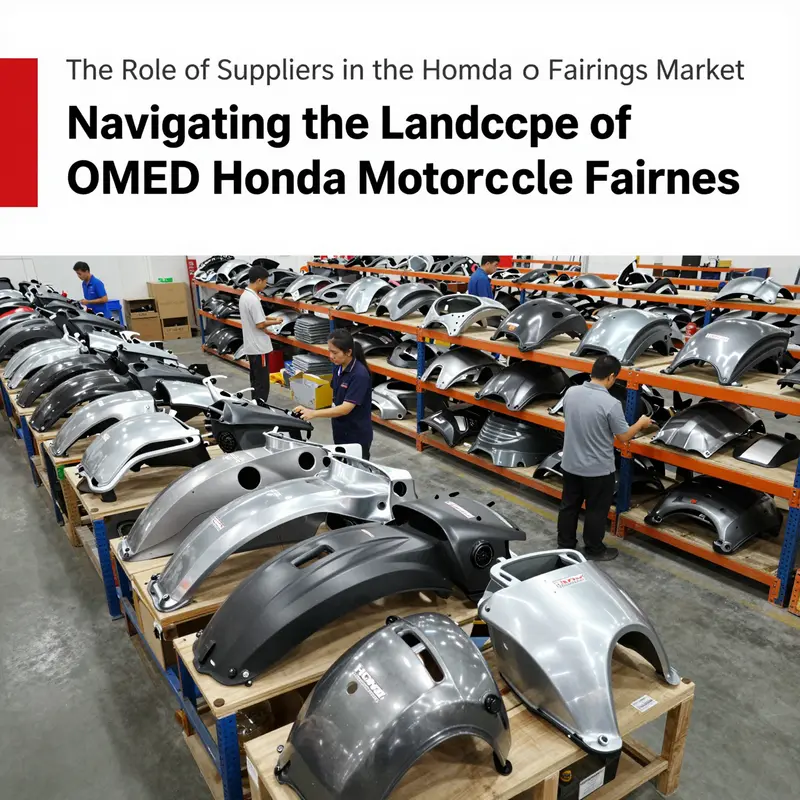
Fairings are more than shells. They shape aerodynamics, rider protection, and the visual language of a motorcycle. The suppliers who produce them are the quiet engineers who translate design intent into reliable, factory-grade parts. In the OEM ecosystem, suppliers occupy a pivotal role: they must reproduce exacting standards while preserving the flexibility that keeps a market dynamic. Their work begins long before a panel lands on a showroom floor and continues through the product life cycle. The result is a chain of precision, transparency, and accountability that underpins both performance and aesthetics. When we look at Honda motorcycle fairings, the supplier’s role becomes even more critical: the right materials, the right process, the right tolerances, all delivered in a package that looks like it came straight from the factory line. The value they add is not only in fit and finish but in the predictability of supply, the durability under UV and heat cycling, and the ease of installation without costly tweaks. In that sense, the supplier is as integral to rider confidence as the motorcycle itself.
Market dynamics show a landscape concentrated around key hubs. In recent years, the Chinese manufacturing belt, especially in the Pearl River Delta region, has become the backbone of both standard ABS fairings and high end composites. These regions host mature ecosystems: advanced plastic injection molding, precision tooling, and facilities capable of autoclave curing for dry carbon fiber panels. The same clusters equip factories to switch quickly between high volume ABS components and lightweight, high strength composites. For OEM-spec requirements, this dual capability translates into a single source of supply that can respond to design revisions, regulatory changes, and evolving rider expectations without sacrificing dimensional fidelity. Proximity to major export hubs also improves logistics, enabling faster lead times and more predictable delivery for distributors and dealerships worldwide.
The responsibilities of suppliers go beyond molding and curing. They are stewards of quality, safety, and long term performance. Dimensional tolerances are not arbitrary targets but a representation of what an OEM assembly line would demand. A panel that deviates even slightly can ripple through the fairing system, affecting aero balance and rider comfort. UV stabilized coatings that resist yellowing under sun exposure are essential for longevity and appearance, especially for parts exposed to the elements. When a supplier achieves on time delivery rates in the upper nineties and maintains rapid response times, the relationship becomes a strategic collaboration. Reorder rates above thirty percent signal that customers trust the supplier to sustain consistency as product lines evolve. Such metrics are earned through disciplined production planning, transparent communication, and a track record of reliability.
In the realm of materials, buyers have a spectrum of choices balancing cost, weight, and performance. Standard ABS injection molded fairings offer durable impact resistance and economic viability for widely distributed replacement kits. For riders seeking performance gains or weight reductions, suppliers can offer carbon fiber variants produced with autoclave curing to achieve uniform thickness, high stiffness, and a clear finish. The autoclave process, while capital intensive, yields a level of structural integrity difficult to match with simpler methods. The ability to deliver both ends of the spectrum from the same supply chain—ABS for durability and carbon fiber for performance—shows how suppliers enable OEMs to balance competing priorities without compromising fit or finish. Documentation accompanying these parts, such as material certificates and curing cycles, becomes a critical component of the sale, helping buyers verify that what they receive matches OEM specifications.
Innovation and customization are not afterthoughts in this ecosystem; they are part of the supplier value proposition. A capable supplier can work with the OEM to translate design intent into practical manufacturing parameters. Material choices are about weight, stiffness, and how a panel behaves in real world conditions, how it interacts with adjacent parts, and how easily it can be installed by technicians who expect a precise, factory like outcome. The same supplier that provides standard ABS panels can also produce trim pieces or carbon fiber components tailored to a bike’s colorway or aero package. This flexibility makes the supplier role strategic: enabling OEMs to protect brand identity while offering a range of configurations that maintain consistency in fit, texture, and finish. It is a sophisticated balance of engineering and artistry, where a small deviation in resin or weave could alter the perceived quality of the entire kit.
Logistics and supply chain coordination are pivotal to delivering OEM grade fairings to riders around the globe. Proximity to export ports reduces transit times and improves stage gate control for shipments. Lead times, packaging standards, and documentation must align with distributor expectations and the OEM calendar. In practice, strong suppliers couple manufacturing capability with transparent logistics, enabling smoother freight on board or incoterms transactions. The best teams maintain robust post sales support, not only to handle warranty issues but to assist with installation guidance, color matching, and replacement part availability as models cycle through updates. In this market, supplier selection becomes a strategic decision shaping the reliability of the entire supply chain and the longevity of a brand’s reputation in both aftermarket and OEM channels.
For riders or distributors pursuing authentic OEM like quality, verification is essential. Documentation and material certifications, along with practical testing, are pillars of trust. Platforms that connect buyers with verified suppliers can help, but due diligence remains necessary to avoid substandard components. Look for traceable material data, process controls, and evidence of real world performance. A credible supplier will provide evidence of dimensional tolerances, UV stabilization, and documented cure cycles for carbon fiber parts, as well as transparent communication about production capacity and lead times. In this results driven market, the most enduring relationships are built on demonstrated consistency and technical alignment with the OEM specifications, with a willingness to adapt as those specifications evolve.
For those exploring the broader ecosystem of OEM grade fairings, our Honda fairings collection offers a focused lens on the OEM spec approach, illustrating how the supply chain translates design intent into identical fit and finish. To see how a manufacturer’s design language translates into final panel architecture, explore the Honda fairings section of our catalog here: https://example.com/product-category/honda-fairings/
In sum, the supplier is not a faceless intermediary but a central architect of the OEM Honda motorcycle fairings market. Their capabilities—precision molding, composite manufacturing, strict quality controls, and agile logistics—determine whether a fairing kit will perform reliably on the road, maintain its appearance under sun and rain, and install with the same ease as the original. The best suppliers combine technical rigor with practical flexibility, delivering parts that meet OEM standards while supporting innovation and customization for riders who demand authenticity and performance. As the market continues to evolve, driven by new materials, new manufacturing methods, and new regions of production, the supplier network will remain the quiet engine propelling the fairing ecosystem forward. For those who want to understand what makes OEM grade fairings feel and perform like the real thing, looking at how suppliers manage material integrity, tolerances, and post sale service offers the clearest window into the heart of the OEM experience.
External resources and documentation can provide deeper technical context. See the detailed supplier comparison and procurement notes from the research source here: https://www.alibaba.com/product-detail/OEM-Fairings-for-2012-Honda-CBR600RR_1601847272565.html
Final thoughts
In conclusion, navigating the market of OEM Honda motorcycle fairings requires a comprehensive understanding of specifications, reliable sourcing, and strong supplier relationships. By prioritizing genuine OEM parts, business owners can ensure superior product quality and customer satisfaction. Sourcing strategies that emphasize verification and supplier performance will be crucial in maintaining an edge in the competitive motorcycle industry. Ultimately, investing time in understanding these components and establishing solid procurement frameworks can lead to significant operational benefits and a loyal customer base.