
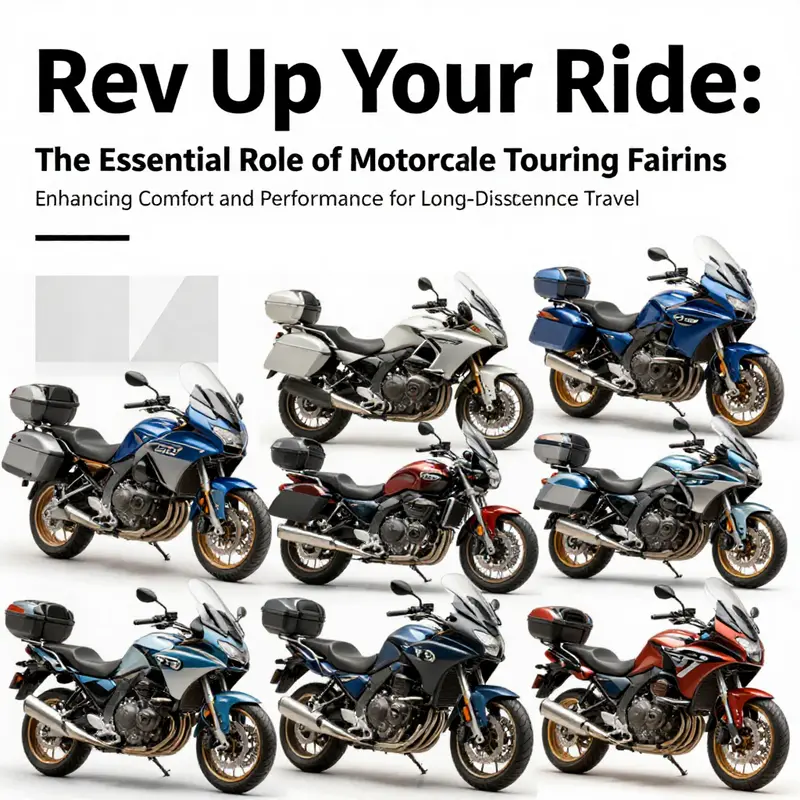
Motorcycle touring is more than just a way to get from point A to point B; it’s an adventure that can encompass miles of scenic vistas and long stretches of open road. However, the riding experience can be significantly affected by wind, weather, and overall bike stability. This is where motorcycle touring fairings come into play—a vital component that not only enhances aerodynamics but also increases rider comfort and safety. The following chapters will delve into the mechanics of full fairings, their benefits, and how they cater to the needs of business owners in the motorcycle industry, paving the way for a more enjoyable riding experience.
Riding the Horizon: The Value of Full Fairings on Touring Motorcycles
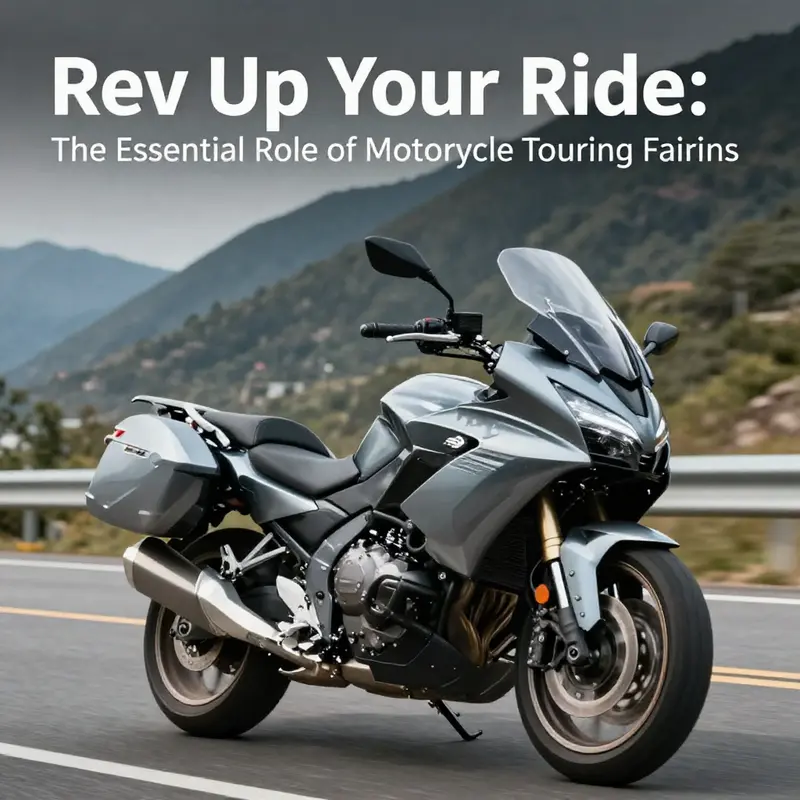
Long journeys on two wheels hinge on finding the right balance between shelter and breathability. Full fairings sit at the heart of that balance, shaping airflow, weather protection, and the interaction with the bike’s chassis. They are more than a glossy shell; they are an engineered system designed to manage air, rain, road spray, and the rider’s body over many hours. When you point the nose toward the horizon, a well-designed fairing works with the chassis to create a cocoon of predictable stability. It channels wind, smooths the ride, and shields vital components from the weather and debris that can sap endurance on long highway days. In touring, fatigue can creep in slowly, and weather can swing from sun to sleet; the value of integrated coverage grows clear. A good full fairing underpins rider comfort and enduring performance as if it were built into the bike’s DNA rather than added afterward.
Aerodynamics is the most tangible benefit riders notice first. A smooth, continuous surface deflects air rather than letting it strike the rider head-on. This translates to a quieter ride, calmer air around the shoulders and helmet, and less fatigue over hours in the saddle. A well-designed fairing acts like a forward guide rather than a barrier, shaping the flow to keep the engine, radiator, and rider cool. In practical terms, even small reductions in drag can translate into lower fuel use, fewer steering corrections, and the ability to hold steady cruise speeds longer. The concept is cooperative air management: the fairing guides airflow past the rider while still channeling cooling air where it’s needed.
Wind protection is another cornerstone. The height and contour of the fairing, together with adjustable screens, are chosen from real-world riding conditions: crosswinds, rain spray, and glare. A properly configured fairing shields the upper torso and arms enough to blunt wind pressure, reducing helmet buffeting and fatigue on long days. Adjustability amplifies this benefit; riders can fine-tune the opening to their height, posture, and load, transforming a routine highway leg into a more comfortable stretch. For colder mornings or remote routes, the predictability of airflow helps maintain core comfort and focus.
Beyond comfort, fairings add mechanical protection. They wrap around the engine, electricals, and other sensitive components, shielding them from rain, spray, and road debris. This envelope helps preserve critical systems, lowers the risk of water intrusion, and simplifies maintenance because dirt and spray are kept away from exposed joints. Proper airflow routing also contributes to cooling efficiency, directing air through vents and channels so the engine can run at a smooth, stable temperature on long climbs or sustained speeds. From a maintenance perspective, the deeper shield means less frequent cleaning and weather-related checks on fragile parts, letting the rider spend more time riding.
Lighting and instrumentation are commonly integrated into touring fairings. A single, coherent housing often contains the headlight and cluster, preserving the bike’s clean look while improving reliability. Integration reduces clutter, lowers the risk of misalignment, and keeps displays legible under sun and spray. A well-integrated fairing also protects the instruments from temperature swings and spray, helping readability at a glance during long days. The result is a more consistent field of vision and easier access to essential information without distraction.
Material choices reflect a balance of weight, impact resistance, and longevity. Polycarbonate and ABS are common because they offer toughness, formability, and lightness. Polycarbonate resists impacts and maintains shape across temperature changes, while ABS provides stiffness and cost-effective mass production. The combination enables aerodynamic, complex contours that fit a bike’s front end without adding disproportionate weight. Durability in finish and joints matters for long tours where miles accumulate; a well-made fairing remains protective and visually cohesive for years.
Design options range from fully enclosed shells to slim, open-face configurations. A fully enclosed fairing offers maximal weather shielding and aero shelter at highway speed, ideal for challenging weather or long, monotone sprints. A low-profile or modular fairing can reduce weight and improve airflow in demanding wind regimes, while still delivering essential protection. Some riders prefer modular systems that allow swapping panels to tailor for a coastal road, mountain pass, or winter holiday, trading off simplicity for adaptability. The right choice harmonizes aerodynamics, weather protection, and mechanical safety with rider posture and typical routes.
Visual language matters too. The fairing’s lines influence perceived stability and rider confidence; a well-executed fairing signals competence and readiness for the road. For touring riders, that visual gravity can subtly affect posture, rhythm, and route choices, reinforcing a sense of purpose and readiness. The interplay between function and aesthetics makes the miles feel more like part of the journey and less like a checklist to survive.
For readers exploring practical options, the core idea is fit and compatibility. Assess how a fairing integrates with a specific motorcycle model and year, as mount points, windscreen height, and panel shapes can vary. Look for good seals, reliable mounting hardware, and serviceable components in case a panel needs replacement. In the broader landscape of design, an option that can be adjusted or swapped to accommodate different trips adds resilience to a touring setup. Staying informed about new releases helps riders identify fairings that optimize comfort and performance for typical routes—whether a coast-to-coast journey or a mountain road pilgrimage.
In sum, a well-considered full fairing is not just about shielding the rider; it’s about enabling endurance, steadiness, and enjoyment on long rides. It supports comfort, reduces fatigue, and protects the bike’s heart while preserving visibility and access to essential data. For anyone who sees touring as a dialogue with the road rather than a set of checkpoints, the full fairing stands as both a practical tool and a design statement—an ally that helps miles turn into meaningful horizons.
Final thoughts
Ultimately, motorcycle touring fairings play an indispensable role in enhancing the long-distance riding experience. For business owners in the motorcycle industry, understanding the importance of these components can lead to better offerings for customers, ensuring they enjoy safe, comfortable, and efficient rides. Emphasizing quality and design in fairing manufacturing not only meets customer demands but also positions brands as leaders in the competitive motorcycle market.