
Introduction
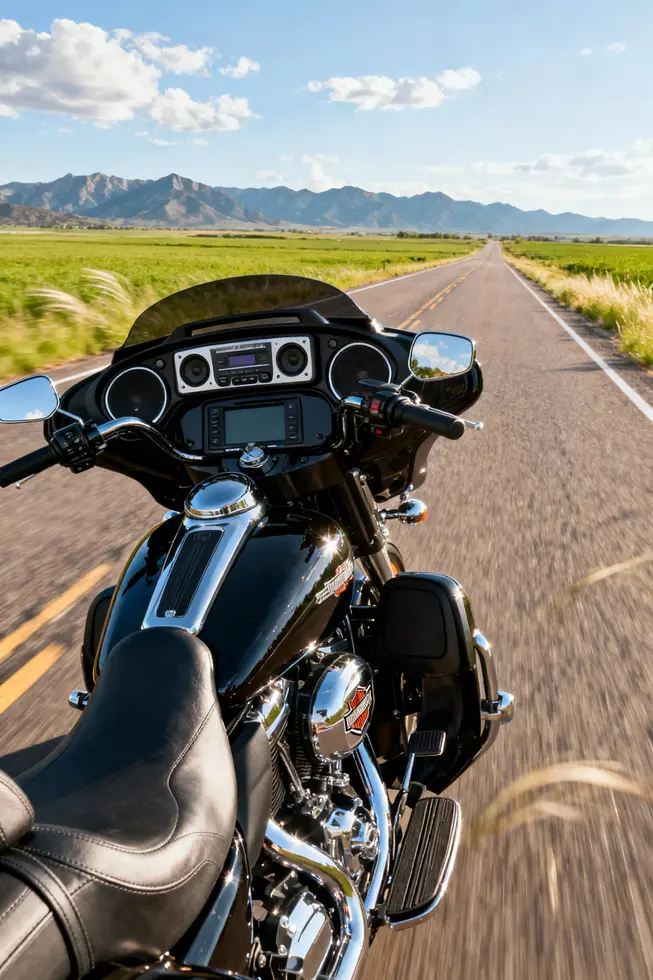
Motorcycle stereo systems for fairings are more than just sound systems; they enhance the rider’s experience, turning every journey into a concert on wheels. These specialized audio systems cater primarily to Harley-Davidson Touring models, seamlessly integrating high-performance components into the fairing for optimal sound quality at highway speeds. With the evolution of technology and consumer expectations, understanding the intricate details—from design features to technical specifications—is crucial for business owners hoping to meet rider demands in the competitive motorcycle accessory market. From popular brands to installation insights and emerging market trends, this guide breaks down essential knowledge for business leaders looking to thrive in the motorcycle audio industry.
Tables of Contents
Chapter 1: Innovative Audio Technologies Transforming Motorcycle Fairing Systems
- Cutting-Edge Features and Functionalities in Motorcycle Stereo Systems for Fairings
- Evaluating the Economic Landscape of Motorcycle Stereo Systems for Fairings
Chapter 2: Sound Solutions: Unveiling the Components of Effective Motorcycle Stereo Systems for Fairings
- Essential Speaker Components Driving High-Performance Motorcycle Fairing Stereo Systems
- Power and Precision: The Role of Amplification and DSP in Motorcycle Stereo Systems for Fairings
Chapter 3: Diving into Audiophile Options: Examining Leading Brands for Motorcycle Fairings
- Audio Leaders on Two Wheels: Exploring the Strengths of Rockford Fosgate, Sony, and JBL in Motorcycle Fairings
- A Deep Dive into the Standout Features of Leading Motorcycle Stereo Systems for Fairings
Chapter 4: Mastering the Art of Fairing Audio: Step-by-Step Installation Guidelines
- Navigating the Installation Process for Motorcycle Stereo Systems in Fairings
- Empowering Sound Upgrades for Motorcycle Fairings
Chapter 5: Harnessing Innovation: The Evolution of Motorcycle Fairing Stereo Systems
- Cutting-Edge Features Shaping Consumer Choices in Fairing Stereo Systems
- Demographic Shifts Shaping Preferences in Motorcycle Stereo Systems for Fairings
Chapter 1: Innovative Audio Technologies Transforming Motorcycle Fairing Systems
1. Cutting-Edge Features and Functionalities in Motorcycle Stereo Systems for Fairings
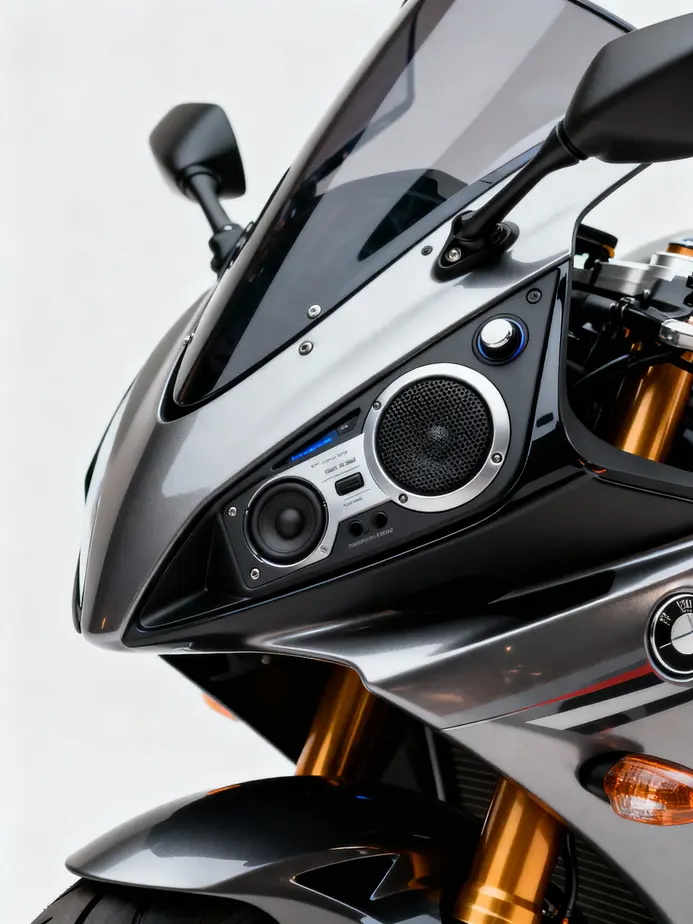
The evolution of motorcycle stereo systems for fairings is propelled by remarkable technological advancements that prioritize high-quality sound and user-friendly integration. With an increasing emphasis on the auditory experience, manufacturers have focused on developing systems that not only enhance sound clarity at highway speeds but also seamlessly connect to smartphones and navigation devices. This subchapter delves into these innovations, showcasing how they elevate the riding experience.
A crucial advancement comes from systems like Indian Motorcycle’s PowerBand Audio, specifically designed for models such as the 2026 Challenger and Roadmaster. PowerBand features speakers that can deliver between 400 to 600 watts, effectively combating noise generated by engines and wind. This impressive output can be achieved through strategic configurations: the Challenger model incorporates two 100-watt speakers in each fairing, while the Roadmaster can host an array of up to six speakers, entering a realm of sound amplification rarely seen in motorcycle audio systems. This multi-speaker setup not only offers enhanced volume but delivers immersive sound dynamics, ensuring riders experience full-frequency playback regardless of the conditions.
Dynamic equalization is another pivotal element enhancing motorcycle audio systems. By automatically adjusting the sound profile in real-time, this feature counteracts environmental factors such as wind noise and road vibrations. The result is a rich auditory experience that does not compromise on clarity, even during high-speed rides. This technology assures riders can enjoy crisp music, podcasts, or navigation prompts, maintaining focus and enhancing safety.
In addition to sound advancements, the integration of smartphone connectivity marks a significant leap forward. Modern stereo systems frequently support technologies like Apple CarPlay and Android Auto, allowing users to streamline their digital lives while riding. With intuitive interfaces displayed on large screens, these systems enable easy access to music libraries, GPS navigation, and even communication apps. The integration of Ride Command, a digital display interface, further enriches this element, enabling riders to navigate, listen to music, and monitor bike performance with unmatched ease.
Moreover, the incorporation of Bluetooth functionality has become standard in both factory-installed and aftermarket systems. This wireless capability allows for seamless pairing with smartphones, giving riders the freedom to control music without the distraction of physical cables. As motorcycle enthusiasts embrace technology, they seek stereo systems that enhance usability without diminishing the thrill of riding.
As exciting as these upgrades may be, the emphasis on weatherproofing and durability in motorcycle fairings cannot be overlooked. High-quality audio systems are designed to withstand the rigors of the elements, requiring robust waterproof components and secure wiring. By focusing on these factors, manufacturers ensure that riders can enjoy their musical playlists, rain or shine, without the apprehension of wear or malfunction.
Aftermarket solutions have also flourished in response to rider demand. Companies are tailoring customizable kits for various motorcycle models, allowing enthusiasts to perform plug-and-play installations that are remarkably straightforward. Systems designed for batwing fairings include 6.5-inch speakers and head units pre-assembled for simple installation, which not only saves time but encourages more riders to enhance their audio setups without professional assistance.
The trend of merging audio technology with rider aids adds another layer of innovation. Recent systems can be synced with features such as Blind Spot Warning and adaptive headlights, integrating various aspects of motorcycling into a cohesive experience. This synergy enhances rider awareness on the road, promotes safety, and enriches the overall riding experience.
Not to be outshone, industry leading brands are continually innovating their offerings to meet these evolving demands. From introducing advanced digital signal processing (DSP) that optimizes sound output to developing bespoke speaker configurations suited for specific motorcycle models, the dedication to enhancing audio quality is evident. In turn, this places additional focus on performance engineering for motorcycle stereos, wherein robust amplifiers and precision-tuned components become paramount to delivering the desired auditory effects.
In summary, the ongoing advancements in motorcycle stereo systems for fairings demonstrate significant progress in audio technology. These systems not only cater to high-performance sound quality but also integrate seamlessly with digital lifestyles, providing riders with an enriching experience while prioritizing durability and user-friendliness. Motorcycle enthusiasts are thus empowered to craft their ideal auditory environments, embracing the open road with unparalleled sound—an exhilarating blend of innovations shaping the future of motorcycling.
For those looking to outfit their rides with the latest audio systems, exploring versatile options through comprehensive marketplaces is essential. Whether considering custom solutions or racing performance technologies, riders can now find an array of setups tailored to their specifications, ensuring their journeys are filled with not just speed and adventure, but also superior sound.
Explore additional insights into motorcycle audio systems and fairing integration options here.
2. Evaluating the Economic Landscape of Motorcycle Stereo Systems for Fairings
The integration of advanced motorcycle stereo systems into fairings has become a significant trend, particularly within the realm of Harley-Davidson Touring models. These setups not only enhance riders’ audio experiences but also represent an important economic segment within the motorcycle accessory market. Analyzing the economic impact of these systems can provide insight into consumer behavior, market growth potential, and the broader implications for the motorcycle enhancement industry.
Motorcycle owners increasingly seek ways to personalize their rides, and audio upgrades have become a prime avenue for this customization. The availability of plug-and-play bundles across various brands simplifies the installation process, enabling motorcycle enthusiasts to enhance their audio systems without the need for extensive technical knowledge. This trend reflects a larger consumer desire for user-friendly products that promise high performance with minimal hassle. As these systems facilitate easier upgrades, they cater to a market keen on both aesthetics and functionality, driving up their demand.
The economic implications of installing high-output speakers, amplifiers, and advanced head units within fairings are noteworthy. Typically, these systems directly replace factory audio components, offering weatherproof and durable alternatives designed to withstand the rigors of open-road riding. By offering sound systems tailored to meet the demands of highway speeds, manufacturers cater to a niche market segment that prioritizes performance as well as sound quality, enhancing overall road trips and touring experiences. For riders, the financial investment in a high-quality audio system is often justified by the added enjoyment and utility it provides during long rides.
Analyzing the price range for these audio systems sheds light on their economic viability. Basic systems can start at relatively low prices while more advanced configurations, featuring additional components and higher output capacities, can push costs significantly higher. This model diversification means that consumers can choose a system that fits both their budget and audio needs, indicating a thriving market opportunity. As competition increases among producers, prices may stabilize or decrease, further enticing consumers into improving their motorcycle stereo systems.
From a broader financial perspective, the growth of this segment indicates a shift in spending patterns among motorcycle enthusiasts. Many riders now consider audio systems as essential equipment rather than optional upgrades. This cultural shift has led to an expansion in the offerings available on the market, including customizable fairing kits that can be tailored to specific models and preferences. Such options not only enhance customer satisfaction but also drive manufacturers to innovate further, investing in better materials and cutting-edge technology to capture market share.
Moreover, the growth of online retail has further fueled the accessibility of these audio upgrades. Consumers can now easily compare products, read reviews, and make informed purchasing decisions from the comfort of their homes. Companies offering these systems have adopted digital marketing strategies to reach targeted audiences effectively, creating online communities that contribute to brand loyalty and sustained consumer interest. This digital presence broadens the economic footprint of motorcycle stereo systems, highlighting both direct sales and related services such as installation.
Additionally, the service sector associated with motorcycle upgrades cannot be overlooked. Installation services, often provided by specialized motorbike shops, have become an economic staple alongside product sales. Many consumers opt for professional installation to ensure that complex systems are set up correctly, which supports local businesses and creates jobs within communities. This symbiotic relationship between product manufacturers and service providers reflects an ecosystem where each component plays a role in sustaining economic growth.
As the motorcycle industry continues to evolve, integrating advanced audio technologies into fairings represents just one facet of a larger trend towards both personalization and enhanced functionality. With market research indicating an upward trajectory in motorcycle accessory sales, the opportunities for amplifying audio features on motorcycles are vast. Riders are not only enhancing their enjoyment but also potentially increasing the overall value of their bikes, creating a long-term economic incentive for future upgrades.
In conclusion, the economic landscape surrounding motorcycle stereo systems for fairings is vibrant and dynamic. With rising consumer interest, evolving technologies, and enhanced service opportunities, this market segment is poised for growth and innovation. As manufacturers continue to meet the demands of discerning riders, the possibilities for advancement and economic impact appear promising, echoing the call for a richer audio experience on the open road.
Chapter 2: Sound Solutions: Unveiling the Components of Effective Motorcycle Stereo Systems for Fairings
1. Essential Speaker Components Driving High-Performance Motorcycle Fairing Stereo Systems
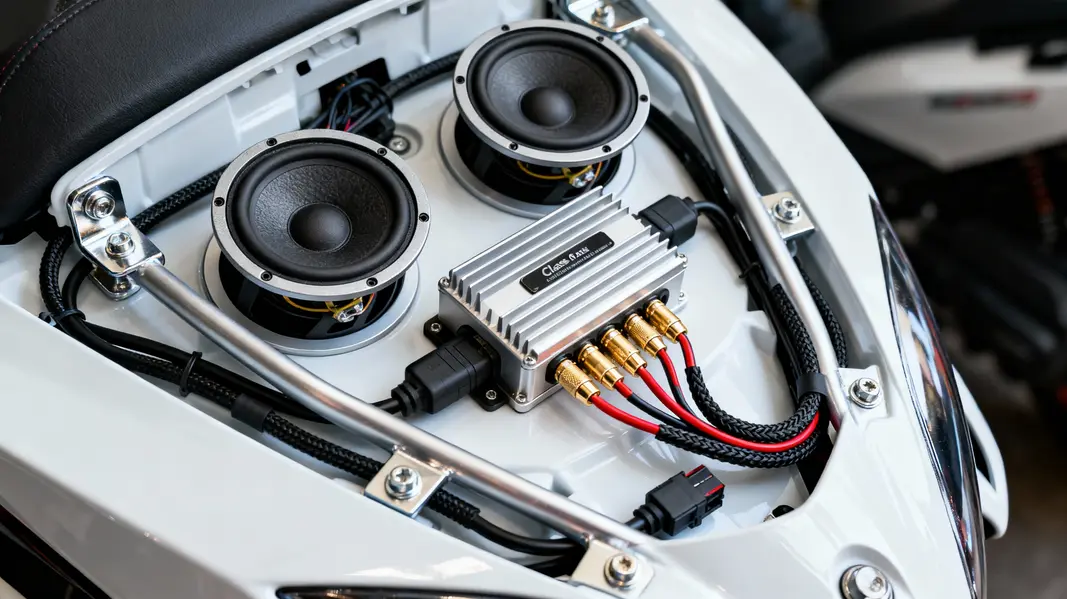
When it comes to enhancing the audio experience during motorcycle rides, the core speaker components of fairing stereo systems play a pivotal role. These systems are typically designed with precision to ensure they not only fit seamlessly within the distinctive contours of motorcycle fairings but also deliver high-quality sound that can cut through the noise of the open road. Among the essential components, 6.5-inch midrange speakers and specialized tweeters stand out as the backbone of an effective fairing stereo system, particularly in models like Harley-Davidson’s Touring series.
The choice of 6.5-inch speakers is not arbitrary; it strikes an optimal balance between sound quality and volume, meeting the demands of riders who crave rich, clear music. Brands such as Cicada Audio and Rockford Fosgate have established their reputations by developing robust 6.5-inch speakers designed specifically for motorcycle use. The Cicada Audio CM65.4X, for example, is engineered to handle powerful audio delivery up to 2000 watts, making it an excellent option for riders seeking an immersive sound experience. The aim is to replace the stock speakers in fairings, which often lack the output and clarity needed for high-speed travel, thus transforming the riding experience.
In addition to midrange speakers, the inclusion of tweeters, typically around 0.75 inches in diameter, is crucial. These delicate components deliver the high-frequency sound that rounds out the audio spectrum, enhancing the clarity of vocals and treble notes that would otherwise be lost in a broader sound field. Manufacturers often utilize ring radiator tweeters, like the Cicada RR075T, which deliver crisp highs while minimizing distortion, ensuring riders can hear their music distinctly even as wind noise and engine sounds create a cacophony at highway speeds. These tweeters fit into custom-designed grilles that integrate smoothly with the motorcycle’s aesthetic, preserving both functionality and style.
The protection of these audio components is paramount, given that they are exposed to the elements. Most motorcycle stereo systems incorporate weather-resistant materials in their construction, allowing for durability against rain, dust, and vibration. This weatherproofing ensures that the audio system maintains performance across varying environments and conditions without compromising sound quality. Riders can feel confident that their systems can endure prolonged exposure to the elements while still delivering exceptional sound.
Moreover, the integration of amplifiers amplifies the audio signal, allowing for higher output levels without distortion. Many of these systems bundle high-output amplifiers that complement the speakers, balancing the sound and providing ample power for even the loudest settings. Furthermore, some configurations, particularly those from brands like Garage Bagger Stereo, emphasize plug-and-play amplifiers that simplify installation and configuration, allowing owners to easily upgrade or swap out components as desired.
Technical advancements have also led to the use of components like crossovers, which manage the distribution of audio signals between the speakers and tweeters. These systems help ensure that each speaker operates within its optimal frequency range, allowing for a finely tuned audio experience that is not only louder but also clearer. Effective crossovers contribute to defining a full-range sound that is essential for enjoying music at high speeds.
For the motorcycle enthusiast who seeks additional bass without compromising space, some user configurations enable the inclusion of 8-inch or even 8.8-inch speakers in lower fairing designs. These larger woofers can deliver deeper bass tones and a richer overall sound. While less common in standard upper fairing setups, they represent a growing trend among riders who demand a fuller audio palette on their journeys.
Brands like Infinity Kappa and Kicker also cater to this growing demand, providing component systems that include separate woofers and tweeters tailored for fairing integration. These versatile setups give riders the opportunity to customize their audio systems based on personal preferences and performance needs.
Integration into existing fairing designs is meticulously considered to avoid aerodynamic pitfalls. Each speaker system is constructed with specific motorcycles in mind, ensuring that even with enhanced audio capabilities, there’s no detriment to the bike’s performance or handling. For those looking to explore different configurations and discover popular brands that dominate the market, checking resources such as Garage Bagger Stereo provides a gateway to innovative audio solutions tailored for modern touring bikes.
In summary, the essential speaker components of motorcycle stereo systems are key to creating high-quality audio experiences on the open road. By merging technology with robust design for weather resistance and sound clarity, these systems redefine what it means to enjoy music while riding, making every journey just a little more enjoyable.
2. Power and Precision: The Role of Amplification and DSP in Motorcycle Stereo Systems for Fairings
In the realm of motorcycle stereo systems designed specifically for fairings, amplification and digital signal processing (DSP) play pivotal roles in achieving superior audio performance. Power and efficiency are paramount, enabling riders to enjoy high-quality sound even at highway speeds while navigating road conditions that can introduce vibrations and moisture. At the heart of these systems are Class D amplifiers, renowned for their compact size and efficiency compared to traditional Class A and Class AB amplifiers. This technology not only minimizes the space required within the motorcycle’s fairing but also ensures that the systems can handle the impacts of both engine heat and external elements.
The power output of these amplifiers typically ranges significantly, with systems often delivering from 25 to 500 watts per channel, allowing for a robust auditory experience. For instance, high-end kits might feature packages such as those with 2000W capabilities, crafted specifically with Harley-Davidson models in mind. This ensures that the audio systems can push higher volumes without distortion, catering to the demands of riders who seek to enjoy their music under varying road conditions.
Brands like Cicada Audio and Garage Bagger Stereo have developed plug-and-play Class D amplifier kits that simplify installation while offering significant improvements over stock equipment. These systems utilize advanced components such as the Siren HD A2B interface, allowing seamless integration with factory wiring. By replacing stock amplifiers, these products maintain the durability required to withstand harsh riding conditions. The focus is not only on enhanced audio output but also on ensuring that the equipment is resilient enough to endure extended vibrations and exposure to moisture.
However, raw amplification alone cannot guarantee the clarity and fidelity of sound. This is where digital signal processing (DSP) comes into play. DSP technology analyzes and adjusts the audio signals, optimizing them for the unique acoustics of motorcycle fairings. Installation of DSP allows for precise equalization, crossover management, time alignment, and phase correction. All these features work harmoniously to mitigate the effects of reflections within the fairing, ensuring that the sound produced is not only loud but also clear and immersive.
DSP-equipped systems excel in delivering a musical experience tailored for a rider’s environment. For instance, products like the Cicada audio systems incorporate onboard DSP that minimizes ear-piercing highs while crafting a full-range audio experience. Riders can enjoy a richness of sound that is often absent in factory-installed stereo systems, with a meticulous balance between punchy lows and crisp highs. This intricate tuning is paramount when considering that a motorcycle operates in open air, with numerous variables affecting sound propagation.
Tuning is further complemented by advanced speaker setups, which include options for 6.5″ to 8″ weatherproof speakers and custom tweeters designed to mount seamlessly into the fairing. This integration is crucial, as speaker positioning within the fairing dramatically influences sound dispersion. Systems are designed to fit various fairing configurations, ensuring that riders receive the best possible audio fidelity without compromising the aesthetics of their motorcycle. With brands like Rockford Fosgate and Hertz, the emphasis is placed on creating speakers that not only produce high-output sound but are also engineered to resist weather and provide durability on long journeys.
Moreover, real-world testing and performance evaluations reveal that systems equipped with DSP outperform stock audio setups in both volume and clarity. Users have reported considerable improvements in sound quality, especially at higher speeds, where wind noise and environmental factors can diminish standard audio performance. However, specific metrics such as Total Harmonic Distortion (THD) and Signal-to-Noise Ratio (SNR) are often less well-documented in the context of motorcycle audio systems, as rider experiences can vary significantly based on installation, setup, and riding conditions.
In conclusion, the synergy between amplification and DSP technology significantly enhances the listening experience for motorcycle riders. By focusing on efficiency, compact design, and precise audio processing, today’s motorcycle stereo systems are not only capable of providing exceptional sound but are also tailored to withstand the unique challenges faced in a motorcycle environment. For those seeking to upgrade their audio, exploring modern options that embrace these technologies can lead to a transformative enhancement of their riding experience. As fairing stereo systems continue to evolve, riders can expect even greater integration of cutting-edge audio technology that harmonizes with the mechanics of the motorcycle, ultimately crafting an auditory experience reflecting their adventurous spirit.
Chapter 3: Diving into Audiophile Options: Examining Leading Brands for Motorcycle Fairings
1. Audio Leaders on Two Wheels: Exploring the Strengths of Rockford Fosgate, Sony, and JBL in Motorcycle Fairings
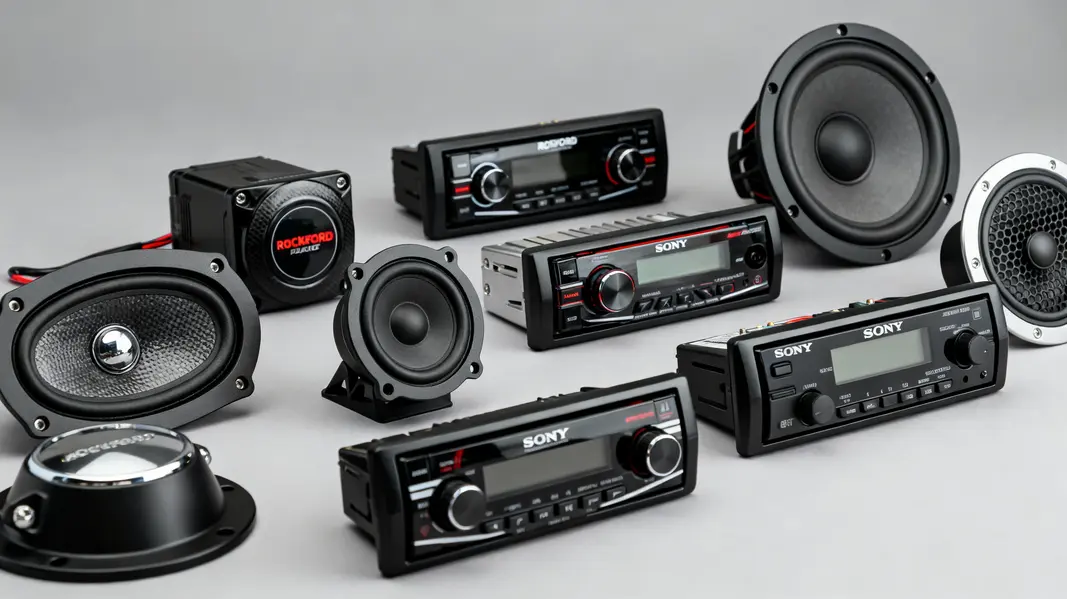
The thrill of riding a motorcycle is often amplified by the quality of the audio system. Riders crave an immersive sound experience, whether they’re cruising along the coast or navigating city traffic. Within this audio ecosystem, three brands emerge as benchmarks: Rockford Fosgate, Sony, and JBL. Their offerings have become the go-to choices for many motorcycle enthusiasts seeking to upgrade the sound systems installed in fairings.
Rockford Fosgate: Powering Performance and Clarity
Rockford Fosgate has established a reputation for excellence in the audio landscape, especially among motorcycle riders. Known for their powerful sound systems, they engineer products that focus on clarity and dynamic range suitable for motorcycle riding conditions.
One key feature of Rockford Fosgate systems is their Vertical Attach Surround Technique (VAST) 2.0. This innovative design increases the speaker cone area by over 20%, offering enhanced sound efficiency and powerful bass response. This results in a depth of audio that stands out even at high speeds when wind noise can obscure sound. The rugged construction of these speakers, featuring materials like Nomex spiders and Kapton voice coils, ensures durability in demanding environments, transforming the open road into a vibrant concert arena.
Their systems, such as the Rockford Fosgate R1675-S, are crafted to outshine factory speaker systems, delivering smooth highs and robust midbass performance. These upgrades offer an audio clarity that many riders feel is essential for enjoying their favorite music while on the move. The brand’s emphasis on user-friendly installation further enhances its popularity. However, users should be aware that while performance is top-tier, installing these systems may sometimes require professional assistance or additional power enhancements to reach their fullest potential.
Sony: Versatility Meets Value
While Rockford Fosgate is celebrated for performance-focused systems, Sony appeals to those who value versatility and reliability in audio upgrades. Known for innovative technology, Sony designs its systems to be weather-resistant and durable, making them ideal for the motorcycle rider who commonly encounters overheating and moisture on the road.
One of the standout products is the Sony XMS400D Mini Amp, frequently acknowledged for powering aftermarket speakers and offering a significant upgrade over stock audio setups. With its compact design, this amplifier integrates seamlessly under motorcycle dashes, delivering improved audio output without overwhelming the bike’s space constraints. Riders appreciate the added clarity and richness in vocals produced, along with deeper bass, resulting in highly enjoyable listening experiences that add to the ride.
Sony’s extensive selection ensures that there are practical upgrades for various setups. However, while they provide excellent amplification options valued by cost-conscious consumers, the brand may not deliver the same level of advanced features seen in some competitors. Nevertheless, Sony remains a strong choice for those seeking value without compromising on sound quality or durability.
JBL: Premium Sound with Resilience
JBL is another prominent contender in the motorcycle audio arena, famous for its robust sound signature and powerful bass capabilities. Their offerings include beautifully designed systems that ensure excellent sound quality while being weather-resistant. This factor is particularly important for riders who often venture out into various environmental conditions.
JBL systems are tailored to provide rich low-frequency outputs, enhancing not just songs but the entire auditory experience on the road. Although they may not have dedicated motorcycle lines as extensive as Rockford Fosgate or Sony, when riders opt for JBL, they typically benefit from numerous Bluetooth-equipped systems that cater to their needs. However, potential buyers should consider the price point, which is often higher than that of alternative brands. Yet, many agree that the investment is justified by the sound output and overall resilience.
Conclusion
Selecting the right motorcycle stereo system is crucial for maintaining that high-octane thrill during rides. Rockford Fosgate sets the standard with its specialized features and a focus on sound clarity, making it the top recommendation. Sony attracts riders with their versatile, affordable audio solutions, while JBL captures the hearts of those who prioritize bass performance and robust designs.
Ultimately, finding the right fit will depend on rider preferences related to sound fidelity, environmental resilience, and budget considerations. The investment in a high-quality brand is a commitment to elevating one’s riding experience, ensuring those long journeys are accompanied by the perfect soundtrack, turning every ride into a musical journey.
For those eager to customize their motorcycles further, myriad options are available; from various speaker sizes and mounting solutions to full stereo kits designed specifically for fairing installations, motorcycle stereo systems have never been more accessible. Explore the vast potential of enhancing your ride with top-tier audio solutions that accommodate your motorcycle’s distinctive needs.
2. A Deep Dive into the Standout Features of Leading Motorcycle Stereo Systems for Fairings
Motorcycle stereo systems designed for fairings have become synonymous with enhancing the open road experience, particularly for Harley-Davidson Touring models. As manufacturers continue to innovate, they place a strong emphasis on marrying technology with durability, ensuring riders can enjoy high-quality audio at any speed. This subchapter delves into the distinctive features and innovations offered by some of the leading motorcycle stereo system models, illuminating how these advancements enhance the riding experience.
One of the most notable offerings is the Sony XAV-AX7000 bundle, which integrates advanced digital functionality with rider-friendly features. This system stands out for its compatibility with Apple CarPlay and Android Auto, allowing for seamless navigation and music streaming directly from a smartphone. Riders can benefit from weather-sealed buttons and an anti-glare screen, ensuring usability in various environmental conditions. With a focus on plug-and-play installation, the kit comes pre-assembled, with a soldered and wrapped harness that simplifies the wiring process. This system’s thoughtful design caters to the unique challenges faced by motorcycle enthusiasts, such as vibration and exposure to the elements, providing a premium audio solution that is as resilient as it is user-friendly.
In contrast, the Hogtunes Wild Boar Audio WBARG KIT.2R prioritizes sheer audio power, carving a niche for itself among riders who relish robust sound output. This system is engineered for clarity and volume, cutting through the typical noise experienced at highway speeds without distorting the sound. While it may sacrifice some of the digital features found in more tech-focused systems, its raw power and optimized design for open-road performance make it a compelling choice for those who primarily seek acoustic excellence rather than multifaceted connectivity options.
In terms of aesthetics, the Kuryakyn Stereo Accents serve as a perfect complement to existing fairing audio systems. Designed to enhance the visual appeal of riders’ setups, these accents allow for a customized look that aligns with personal stylistic preferences. While they do not enhance audio performance significantly, they allow riders to maintain the aesthetics of their motorcycles while upgrading their sound systems. This focus on combining utility with style reflects a broader trend in motorcycle audio systems—integrating form and function to create comprehensive riding experiences.
Another intriguing device that contributes to the diversity of motorcycle audio offerings is the Lower Leg Fairing with pre-cut openings for speakers. By accommodating larger 8 to 8.8-inch speakers, this system enables deeper sound reproduction, proving that sometimes bigger is indeed better. The capacity for larger drive units results in an enriched audio experience, particularly when it comes to producing bass and clearer sound in enclosed spaces. This innovative approach to fairing design showcases an increasing awareness of the need to merge performance audio with functional motorcycle modifications.
The advancements in these motorcycle stereo systems reveal a trade-off between power and smart features. For instance, while the Sony XAV-AX7000 focuses heavily on digital connectivity and ease of installation, systems like Hogtunes cater to the audiophile’s need for high volume and clarity. This clear distinction provides riders with the opportunity to choose systems that best match their priorities—whether that is smart tech integration or robust sound output.
Furthermore, the speaker integration provided in these systems has evolved to accommodate varied preferences and requirements. Many offerings, such as the Sony unit, demand compatible 6.5-inch speakers, like those from Rockford Fosgate or Precision Power, for optimal functionality. Meanwhile, other systems continue to support factory equipment, allowing enthusiasts to integrate new components without extensive modifications. This flexibility marks an important consideration for motorcycle owners looking to upgrade while retaining existing features.
As technology advances, the performance insights drawn from these models signal a transformative phase in motorcycle audio systems. Enhanced digital connectivity enables riders to navigate seamlessly, while weather-resistant designs ensure durability against harsh conditions. The integration of sophisticated amplifiers and sound enclosures in selected models solidifies their role as integral components for auditory bliss on the road. With performance metrics consistently evaluated against varying rider needs, the future of motorcycle stereo systems seems poised to offer further enhancements tailored to the demands of the open road.
For those interested in fairing upgrades or expanding their audio systems, delving into options like https://ultimatemotorx.net/product-category/honda-fairings/ can reveal a plethora of choices that marry performance, connectivity, and style—perfectly encapsulating the evolving landscape of motorcycle audio innovations.
Chapter 4: Mastering the Art of Fairing Audio: Step-by-Step Installation Guidelines
1. Navigating the Installation Process for Motorcycle Stereo Systems in Fairings
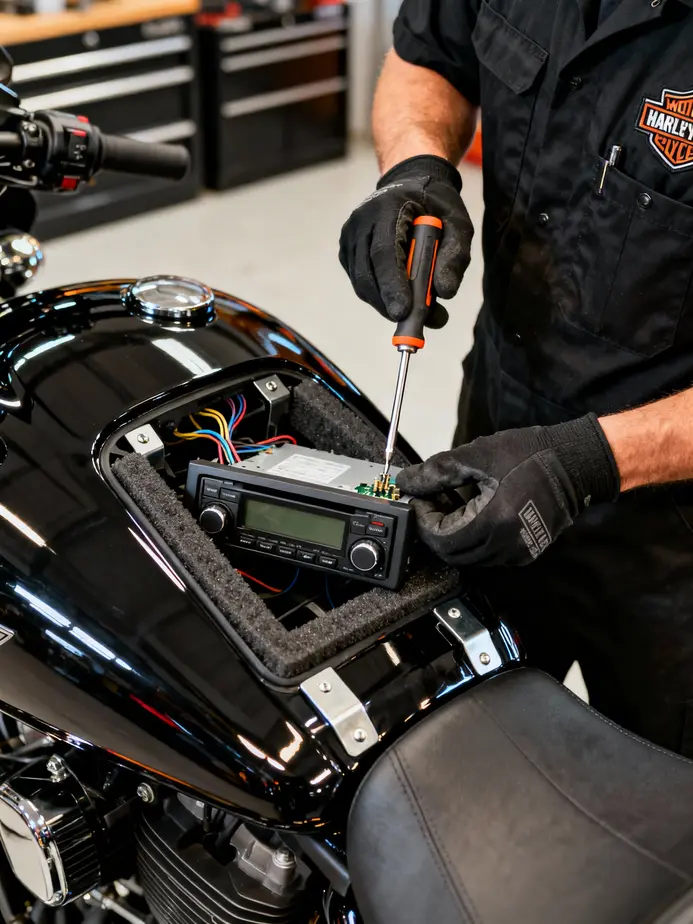
The installation of motorcycle stereo systems within fairings is both an art and a science, combining precision mechanics with the thrill of enhancing your riding experience through superior audio quality. Completing this task involves a series of critical steps: preparation, fairing removal, head unit installation, speaker mounting, proper wiring, and rigorous testing, all culminating in a satisfying auditory upgrade for your motorcycle.
Preparation and Safety
Before diving into the installation process, ensure that your motorcycle is parked on a stable, flat surface. Safety is paramount, so it’s crucial to disconnect the battery to eliminate the risk of electrical accidents. Make sure to remove any accessories or components that obstruct your access to the fairing area. This proactive approach not only sets a solid foundation but also streamlines your workflow.
Fairing Removal
The next phase involves the careful removal of the fairing. Begin by locating and meticulously unscrewing all screws or bolts that secure the fairing to the motorcycle frame. It’s essential to keep track of these fasteners for reinstallation. In the case of Harley-Davidson models with factory audio systems, removing the seat or side covers may also be necessary before proceeding. Handling these components with care is vital to avoid damaging the motorcycle’s integrity.
Head Unit Installation
Once you’ve successfully detached the fairing, it’s time to focus on the heart of the audio system: the head unit. Start by measuring the available space to ensure the head unit fits snugly. Depending on the model specifications, you may need to install mounting plates or brackets. Be sure to follow the detailed wiring diagrams specific to your motorcycle to connect the wiring harness accurately. This attention to detail helps to prevent connectivity issues that could affect audio performance.
Speaker Mounting and Connection
With the head unit securely installed, you can turn your attention to mounting the speakers. Identify the optimal positions within the fairing to achieve a balanced sound distribution. You may need to drill mounting holes strategically, ensuring no existing wiring or components are damaged in the process. Once positioned, secure the speakers using the fixed mounting hardware provided within the system kit. Connect the speaker wires to the head unit according to the schematic included.
An important aspect of sound clarity, especially in a motorcycle environment, involves ensuring that sound arrives at the rider’s ears in sync. For systems featuring multiple speakers at different distances, you can apply time delay adjustments. Measure the distance from each speaker to the rider’s ear, calculate the variations, and implement appropriate delays on the closer speakers. This step is crucial for delivering a smooth and immersive auditory experience on the open road.
Wiring and Electrical Work
Next, focus on the wiring aspects, which are often overlooked yet vital for functionality. Route all wires neatly through the fairing, utilizing zip ties or clips to prevent rattling during rides. Careful organization of wiring not only enhances the aesthetic of the installation but also minimizes the risk of wear over time. For waterproofing, secure all connections using heat shrink tubing and electrical tape to ensure longevity and resilience against the elements. Once all wiring is properly secured, reconnect the battery terminals, observing the correct polarity to stave off electrical issues.
Testing and Reassembly
Before sealing everything up, it’s essential to test the stereo system’s functionality. Power on the head unit and verify that every speaker is operational, ensuring they all produce clear sound output. This step saves you from having to redo work later should issues arise. If everything is working correctly, you can carefully reposition the fairing back onto the bike.
Reattach all fasteners gently, being mindful not to over-tighten as this could result in cracks on the fairing. Finally, it’s time to make some adjustments to the audio system. Consider testing audio quality while riding at various speeds to confirm optimal performance across different conditions. This attention to detail in testing will ensure that your sound system is not only loud but also rich and balanced, accompanying you seamlessly across highways and winding roads.
Through meticulous preparation and methodical assembly, the installation of a motorcycle stereo system in fairings transforms your ride into an immersive auditory experience. Following these steps not only enhances your motorcycle’s audio capabilities but also elevates the joy of riding itself, providing a soundtrack to your journey like no other.
2. Empowering Sound Upgrades for Motorcycle Fairings
Upgrading the stereo system on a motorcycle, particularly for models equipped with fairings such as Harley-Davidson Touring bikes, opens a realm of auditory possibilities that enhance riding experiences. The myriad of aftermarket options available today ensures that riders do not just settle for factory sound but instead seek to elevate their rides with crisp, powerful audio that complements the rumble of the engine. A major player in this domain is the embrace of plug-and-play kits, which simplify the installation process while providing substantial enhancements over standard factory setups.
A prime example of these kits is the bundles that include head units from major brands paired with high-quality speakers and amplifiers. A favored choice among enthusiasts is the Sony XAV-AX7000, which integrates seamlessly with modern smartphones through Apple CarPlay and Android Auto. This head unit is often bundled with Metra inner fairings, crafted for convenience and compatibility. Such packages arrive fully assembled with pre-wired connections, allowing for swift installation with minimal technical knowledge. Riders simply need to follow a simplified installation sequence, typically starting with loosely fitting the hardware and progressively tightening it to secure a solid structure for the audio system.
Replacing existing factory speakers becomes a transformative experience when riders choose 6.5-inch models from reputable manufacturers like Rockford Fosgate or Precision Power. With their sound quality engineered to perform even at high speeds, these speakers provide an audible clarity that rivals much larger systems. Not only do they withstand adverse weather conditions, but they also deliver sound that can penetrate wind noise, ensuring enjoyment during long rides.
For those venturing into deeper modifications, the addition of amplifiers and tweeters can further refine the auditory landscape. Riders can opt for comprehensive kits that feature not only upper fairing speakers but also strategically place subwoofers to enhance bass response, crucial for producing a well-rounded audio profile. Custom installations utilizing Hertz or Cicada systems can be particularly fulfilling, with options like dual 10-inch subwoofers integrated for complete sound immersion. Detailed instructional videos can assist in these installations, transforming complex setups into achievable projects even for those with basic handyman skills.
However, customization can branch out beyond mere sound upgrades. Some systems focus heavily on the aesthetic aspects of installations, ensuring that Bluetooth connectivity and strategic lighting complement the overall riding experience. For instance, service providers like Garage Bagger Stereo excel at offering tailored audio solutions complete with LED lighting setups that enhance both visibility and ambiance during twilight rides. The hybrid of form and function appeals particularly to riders looking to showcase their unique style while enjoying high fidelity.
When discussing upgrades for lower leg fairings that feature 8-inch speaker cutouts, it’s crucial to consider compatibility parameters. Many kits are designed specifically for Harley Touring models, ensuring a fitting that minimizes both wind noise and sound distortion. Although these components are relatively easy to install, the need for exact specifications cannot be overstated; mismatched sizes may undermine the entire enhancement endeavor. Riders typically undertake due diligence, referring to model-specific guidelines to ensure that they select components that will integrate flawlessly.
Within the realm of aftermarket capabilities, club-style fairings offer viable options for Harley Sportster riders seeking to enhance audio without compromising the essence of their bikes. These fairings not only provide sound structure but also promise mounting kits that enable straightforward installation while providing explicit guidelines that mitigate installation errors. This consideration is paramount for maintaining aesthetic integrity while enriching the sound experience.
Now, as riders ponder the decision between tackling these upgrades themselves or opting for professional services, both avenues present valid points. Pre-assembled kits are readily approachable for self-installation, yet the intricacies of integrating advanced audio systems often benefit from the expertise of seasoned technicians. Professional service is particularly advantageous when implementing complex systems, such as adding 10-inch speakers or synthesizing an advanced audio array tailored for specific Harley models.
In summary, upgrading motorcycle fairing stereo systems at its core is a combination of self-expression and enhanced functionality. Whether through high-end tailored kits or dedicated customization services, the evolution of auditory experience on the open road reflects a passionate embrace of quality sound and personal style. Riders are empowered to transform their journeys, ensuring that every ride is not just about travel, but also about enjoying the soundtrack of the adventure. For more detailed insights into choosing the right fairing options compatible with your motorcycle, consider exploring available resources that cater to various models and preferences.
Chapter 5: Harnessing Innovation: The Evolution of Motorcycle Fairing Stereo Systems
1. Cutting-Edge Features Shaping Consumer Choices in Fairing Stereo Systems
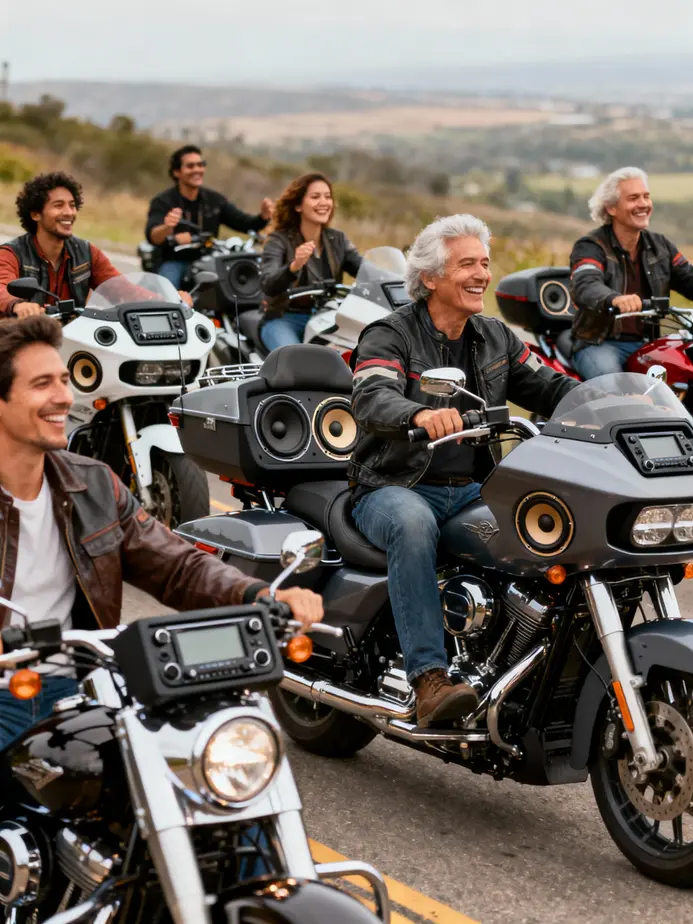
In recent years, the landscape of motorcycle stereo systems, particularly those integrated into fairings, has undergone a transformative shift. This evolution culminates not only from advancements in technology but also from an acute understanding of consumer preferences. Today’s riders demand high-performance audio solutions that enhance their journeys without compromising convenience or safety. Thus, manufacturers have geared their development to meet these stringent expectations, focusing on robust power output, intelligent sound management, and seamless connectivity to create an elevated riding experience.
At the heart of this transformation lies the impressive power output of contemporary fairing-integrated audio systems. For example, the 2026 Indian Roadmaster Limited features a PowerBand system with a remarkable 600 watts spread across six 100-watt speakers. This strategic distribution includes 200 watts for the fairing, 200 watts for the saddlebags, and 200 watts for the trunk, tailoring the audio experience across the motorcycle. In contrast, other models—such as the Indian Challenger and Pursuit—offer more compact configurations with either 400 watts from four 100-watt speakers or 200 watts via four 50-watt speakers based on the trim. This tiered power output not only accommodates various consumer budgets but caters to the diverse preferences found within the riding community, from casual weekend cruisers to dedicated touring enthusiasts.
However, raw power alone does not define an exceptional audio experience. The modern rider encounters a multitude of ambient noise factors during their journeys—engine roars, wind resistance, and road vibrations can all erode audio clarity. This challenge has led to groundbreaking innovations in sound adaptation technologies. Many advanced motorcycle stereo systems now incorporate dynamic equalizers capable of automatically adjusting audio output to compensate for such external, disruptive sounds. This ensures that riders enjoy remarkably clear audio, even during high-speed rides. The advent of these intelligent systems directly addresses a prevalent consumer concern, enhancing the overall quality of the listening experience while on the open road.
Connectivity has also emerged as a significant factor influencing consumer preferences. As riders increasingly expected seamless integration with their digital lives, manufacturers have pivoted towards incorporating advanced connectivity features such as Apple CarPlay and Android Auto compatibility. These integrations allow riders to connect their smartphones effortlessly, providing unfettered access to navigation, music streaming, and communication features, all while on the move. For instance, the RIDE COMMAND 7-inch touchscreen, now standard across the latest Indian touring models, serves as a centralized platform for audio control as well as GPS navigation. This technological shift reflects an understanding among manufacturers regarding the importance of minimizing distractions while promoting intuitive operation—an aspect greatly valued by contemporary motorcyclists.
Alongside advancements in power and connectivity, the significance of streamlined installation and compatibility cannot be overstated. As riders seek after-market fairing audio upgrades, they exhibit a marked preference for solutions that simplify the upgrade process. Many now demand pre-assembled inner fairing bundles that include pre-wired components. Such offerings eliminate the complexities typically associated with audio installations—addressing a crucial aspect of rider satisfaction. Compatibility is paramount; therefore, consumers diligently verify whether systems are explicitly designed for their specific motorcycle make, model, and year. The prevalent focus on standard 6.5-inch speaker configurations ensures that the upgrades align with expectations for sound quality and durability.
Market segmentation reveals varied approaches influenced by the distinctive riding styles of consumers. Enthusiasts of touring motorcyclists typically lean towards comprehensive audio systems featuring multiple speakers and substantial wattage, cultivating a preference for rich soundscapes during extended journeys. Conversely, sport and standard riders may gravitate toward more compact audio solutions, valuing weight and agility alongside satisfactory sound. Manufacturers are aptly recognizing this distinction; for instance, the availability of modular PowerBand packages across Indian’s 2026 lineup encompasses systems ranging from 200 to 600 watts, ensuring there’s a right-fit solution for every rider.
The ongoing advancements in audio technology inside fairings symbolize not only an industry response to consumer demands but also a broader push toward enhancing the overall riding experience. With high-output audio configurations, intelligent sound adaptation, and seamless integration, modern motorcycle stereo systems unequivocally align with the preferences of today’s riders. As the motorcycle audio industry continues to innovate, the expected trajectory suggests an ever-stronger commitment to fulfilling the demands of all rider types, thereby solidifying the relationship between sound and the motorcycle lifestyle.
2. Demographic Shifts Shaping Preferences in Motorcycle Stereo Systems for Fairings
The nuances of consumer preferences in motorcycle stereo systems for fairings cannot be fully understood without a deep dive into the demographic shifts that underpin the market. As the motorcycle landscape evolves, so too do the needs and desires of those who ride. At the forefront, a surge in demand is noted across various regions, particularly among urban commuters, affluent enthusiasts, and environmentally conscious riders in Europe and North America. These demographics not only seek a superior audio experience but also prioritize features that enhance connectivity and personalization, especially in touring and adventure motorcycles.
In Europe, the motorcycle market is on a growth trajectory, projected to rise from $12.26 billion in 2025 to $16.06 billion by 2032, boasting a 3.9% CAGR. This expansion is reflective of a consumer base that favors adventure and standard motorcycles, which are increasingly used for leisure, tourism, and commuting in bustling urban centers like Italy and Spain. The primary demographic here encompasses middle-class, urban professionals aged 25-55, who are deeply embedded in the motorcycling culture. Features that cater to their journey experiences—such as audio systems designed for extended rides—are becoming increasingly essential. These consumers expect hands-free calling, streaming capabilities, and safety alerts integrated within the fairings to provide a seamless riding experience.
On a global scale, the powersports market is expected to reach $79.5 billion by 2034, growing at a 7.3% CAGR. Notably, North America currently leads this charge, influenced particularly by a younger, tech-savvy demographic including millennials and Gen Z. These riders exhibit a growing preference for connected telematics and customization, drawn by audio systems specifically designed for fairings that cater to their progressive lifestyle. Their participation hints at a broader trend of recreational escapes and personalization, particularly pronounced in urban settings.
The rising adoption of electric and hybrid motorcycles, which boasts a 12.4% CAGR in Europe, introduces a new breed of consumer: younger, eco-aware riders who prioritize quieter, more sustainable touring experiences. Their preferences are indicative of an industry shift towards innovative audio solutions, necessitating compact stereo systems equipped with voice recognition, navigation, and Bluetooth integration, all tailored for adventure motorcycles. This emphasis on sustainability echoes throughout various consumer trends and showcases a collective movement toward quieter rides and greener technology.
Further amplifying the dialogue are adjacent markets that highlight parallel trends in consumer preferences. For instance, the smart Bluetooth helmet market is gaining momentum, projected to grow at a 10.2% CAGR. The audience for these technological advancements largely comprises safety-conscious riders aged 30-50, validating the interconnected values between motorcycle audio systems and audio-enabled safety gear.
Although specific studies detailing consumer demographics for motorcycle fairing stereo systems remain scarce, certain inferences can be drawn from broader motorcycle and powersports patterns. Predominantly, enthusiasts are often male, aged 25-54, with higher income levels, motivated to invest in aftermarket audio systems to enhance their touring experiences and connectivity features. However, an interesting shift is underway as more female riders and younger enthusiasts enter the space, revealing a proclivity towards middleware design that emphasizes app-controlled audio systems.
Ultimately, the evolution of consumer preferences in motorcycle fairing stereo systems is an intricate tapestry woven from technological advancements, changing societal norms, and urbanization trends. The demand for enhanced audio experiences reflects not only a desire for high-quality sound but also a growing inclination towards personalization and tech integration among riders. The fusion of lifestyle and technology in motorcycle audio systems is indicative of a larger trend that values convenience and connectivity, especially as the demographics of motorcycle enthusiasts shift toward a younger, more inclusive cohort.
Moving forward, it is essential for manufacturers and retailers to adapt their offerings in response to these demographic insights. As the market continues to grow and diversify, a nuanced understanding of who these consumers are and what they desire will be critical in shaping the future of motorcycle stereo systems for fairings.
Final thoughts
The evolution of motorcycle stereo systems for fairings represents a significant advancement in riding experiences. By integrating high-quality audio solutions tailored to enhance highway acoustic performance, manufacturers cater to a demanding market of passionate riders seeking both aesthetics and functionality. Understanding the nuances of design, technology, and consumer preferences is crucial for business owners aiming to navigate this fast-paced industry successfully. As the market continues to evolve, keeping pace with trends and ensuring the availability of reliable, weatherproof, and high-output audio systems will position businesses ahead of the competition. Encouraging riders to prioritize quality audio experiences opens doors for lasting customer relationships and loyalty in this unique niche.
Upgrade your ride with UltimateMotorX’s premium motorcycle fairings—durably crafted, precision-fitted, and stylish. Meeting OEM standards for easy installation, our collection suits upgrades or replacements. Shop now for fast shipping, secure checkout, and expert support. Give your bike the ultimate quality it deserves!
About us
At UltimateMotorX, we’re rider-founded experts in top-tier motorcycle fairings. We source premium materials, partnering with trusted manufacturers for perfect fits and durability. Enjoy expert advice, hassle-free returns, and seamless shopping. Ride with confidence—style and quality guaranteed!