

Motorcycle side fairings are vital components in the motorcycle industry, not just for performance but for enhancing rider experience and aesthetic appeal. These panels, which smooth airflow and protect vital elements of the motorcycle, serve several functional purposes while also catching the eye of enthusiasts. Understanding their design and performance benefits is crucial for business owners in the motorcycle sector, enabling them to make informed decisions about products and enhancements. As we delve into the specifics of aerodynamic advantages, rider comfort, material options, and installation considerations, it becomes clear how essential side fairings are not only to the bikes they accompany but also to the businesses that thrive on their demand. Each chapter provides insights that can help business owners capitalize on product knowledge to better serve customers and build strong market positions.
Winged Flow: The Aerodynamic Language of Motorcycle Side Fairings
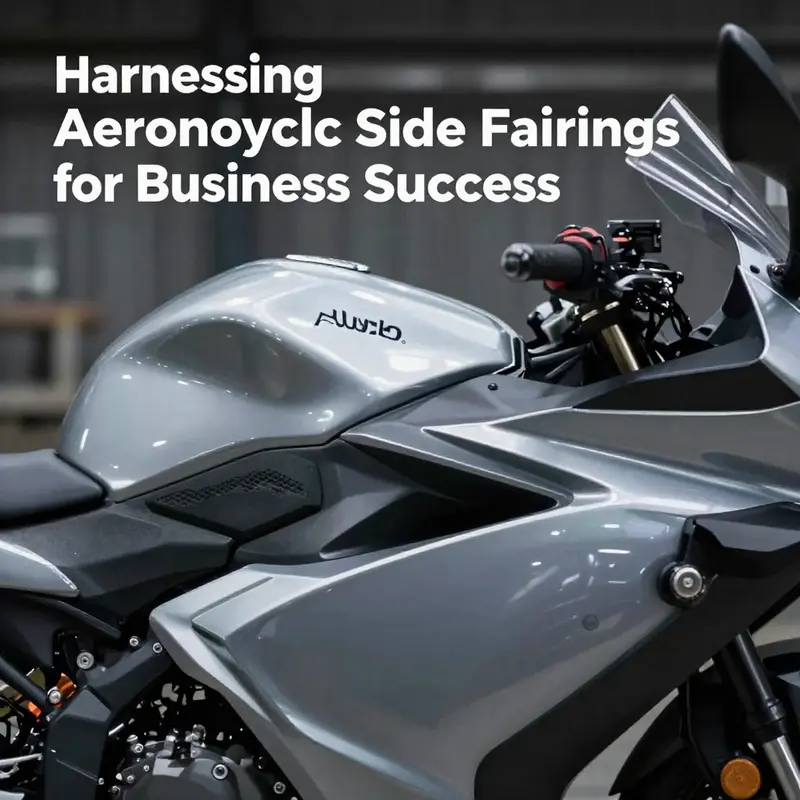
The side fairing is more than a cosmetic flourish on a motorcycle. It is the first line of dialogue between the machine and the air, a carefully sculpted surface that translates wind into performance, comfort, and control. When the rider leans into a corner and the machine claws through a high-speed sweep, the fairing is doing two jobs at once: shaping the air that flows around the bike and shaping the rider’s experience as that air interacts with the body itself. The fairing’s role begins with the obvious, reducing drag by guiding air to follow the chassis rather than fight it. But behind that simple premise lies a web of fluid dynamics, material choices, and design compromises. Aerodynamics is not a single trick but a language. The better the symbols—curves, contours, and devices like winglets—the clearer the message becomes: a bike can cut through air with less effort, stay planted at speed, and keep the rider from fighting the wind’s push and pull. The result is not merely higher top speeds or cooler engine temps; it is steadier, more confident behavior at the edge of the tire’s grip, and a rider who feels less fatigue after a long stretch of highway or a demanding section of track-oriented terrain.
The engineering logic behind side fairings rests on process and feedback. Air approaches the bike from multiple angles, seeking to detach from the surface of the metal and plastic and form turbulent wakes behind the machine. Those wakes are drag, and drag costs energy—energy the engine has to deliver to overcome it. At the same time, the air around the rider is a contact patch of comfort. A well-designed side panel acts as a wind deflector for the torso and arms, smoothing the crosswind and gusts that threaten to lift shoulders or knot neck muscles. Beyond comfort, fairings influence cooling. Engines generate heat that must be carried away to maintain performance and longevity. Clever fairing geometry channels fresh air toward radiators or through the engine bay and away from critical components, helping to preserve optimal temperatures during long stints at speed or in hot conditions. The result is a bike that stays composed under stress, where the air’s pressure on different body parts and parts of the chassis is predictable rather than brutal and variable.
Engineers and designers increasingly look at the wind not as a foe to be tamed but as a collaborator. A modern approach pairs the main side panels with smaller aero devices that manipulate the flow in precise ways. Winglets, small upward or outward extensions, are a prime example. They create deliberate downforce and a controlled vortex that helps press the bike toward the pavement without adding significant weight. The concept is not new, but its execution has matured. Designs that enclose a winglet in a closed, smoothly integrated form reduce wake turbulence and preserve a clean, laminar flow over much of the fairing surface. As speed increases, those micro-optimizations accumulate. A rider may notice more stable line entry through a bend, crisper feedback from the handlebars, and a broader range of lean angles before the chime of instability. In practical terms, the rider perceives a bike that holds its line more predictably in aggressive cornering and at sustained high speeds, with the chassis responding in a way that confirms the rider’s inputs rather than fighting them.
The science behind this is as much about boundaries as about bulk. The boundary layer—thin as a hair and clinging to the surface—governs how air separates from the fairing. If separation happens prematurely, a larger wake forms, lifting drag and inducing unwanted lift or push forces that destabilize the machine. A well-designed side fairing seeks to keep the boundary layer attached longer and to encourage favorable pressure gradients that reduce separation. Winglets contribute by re-energizing the flow near the surface and steering the energy of the boundary layer in a direction that delays separation. The geometry matters: a closed, sculpted shape that blends into the side panels can generate a favorable circulation, while a blunt or disjointed feature can act as a windbreak for the air itself, producing more turbulence than benefit.
Material choice then becomes a second axis of aerodynamic refinement. The weight of the fairing can amplify inertial effects during turbulent air, while stiffness and surface finish influence how air behaves as it brushes past. ABS plastic remains the workhorse for many riders, offering a practical blend of impact resistance, cost, and ease of repair. It performs well in everyday conditions and is forgiving in the hands of casual riders. Fiberglass offers a lighter touch and greater stiffness than basic ABS, but with tradeoffs in repairability and cost. Carbon fiber stands at the premium end, where the weight savings and stiffness enable even finer control of aerodynamic interactions. The premium comes at a price, and the manufacturing demands are higher, but for high-performance applications the payoff is real: thinner skins that hold their shape under buffeting and allow the airflow to follow a tighter, more deliberate path around the engine and rider. The choice of material is not merely about protection or aesthetics; it is a critical lever in the fairing’s ability to function as a precise aerodynamic surface.
This is where design language matters. Three-dimensional curves, sculpted hollows, and integrated lines are not decorative—each contour serves to choreograph air. A sport or performance-oriented fairing may borrow cues from race-inspired aesthetics that emphasize aggressive, angular silhouettes as if the bike itself were there to slice through the atmosphere. The interplay of forms creates a visual narrative of speed, but more importantly, it helps control the ride quality. The eye is drawn to a surface that appears to lean into the wind; the perception mirrors what the bike does when the rider opens the throttle and the chassis moves forward, resisting the gusts rather than surrendering to them. Carbon fiber–style finishes not only deliver a high-end appearance; they resonate with the idea of precision engineering. The glossy weave hints at the material’s inner strength and allows the rider to read subtle reflections of the air passing over the surface. This is not a marketing flourish; it is a reflection of how material properties meet aerodynamics in a practical, rideable package.
In practice, the benefits of aerodynamic side fairings materialize most clearly when the rider is pushing the machine to its limits. At high speeds, efficient fairing geometry reduces parasitic drag, which translates into improved fuel economy and, crucially, a slightly higher effective top speed for the same engine output. The more stable a bike feels in crosswinds or when tossing the bike through a rapid sequence of corners, the more confidently a rider can manage throttle, lean, and line selection. The correlation between smoother airflow and rider confidence is not merely anecdotal; it is observable in how a rider can sustain a chosen line without overcorrecting or fighting minor gusts. The fairing becomes a partner in control, and the rider learns to trust its responses as part of the machine’s overall dynamic envelope.
Of course, the discussion cannot be complete without addressing the practicalities. Compatibility remains a critical concern. Not every fairing is a perfect match for every model, and aftermarket options require careful fitment checks, especially when winglets or other aero devices are involved. The temptation to chase a single performance metric—say, the lowest drag coefficient—must be tempered by the realities of vibration, panel gaps, and the potential for masking the engine’s cooling needs. A fairing that looks fast parked in a showroom may behave differently once installed on a bike with a distinct chassis tune, radiator placement, and exhaust routing. Installation instructions, mounting hardware, and, in some cases, professional fitting are essential to preserve aerodynamic performance. A well-chosen setup considers not only the appearance and the wind tunnel or computational fluid dynamics (CFD) data but also the rider’s weight, riding position, and the kind of terrain they most frequently encounter. The result is a cohesive system where fairing, chassis, and rider form a balanced triangle rather than a clutter of mismatched parts.
The spectrum of design options ranges from full side fairings that wrap the side of the bike to partial panels that deliver a leaner silhouette without sacrificing meaningful flow management. For riders who prize a minimalist aesthetic, slim side panels can still provide airflow benefits while preserving a lighter, simpler look. In the aftermarket realm, a fairing can be tuned for aesthetic goals as well as aerodynamic ones. The idea of personalization—color, finish, and form—goes hand in hand with function. A surface that echoes the bike’s overall lines, complements the rider’s posture, and integrates with a chosen exhaust and intake arrangement can feel like a single piece rather than a separate add-on. But the craft remains the same: a thoughtful blend of geometry, material behavior, and a clear understanding of how air behaves around a fast-moving machine.
From a rider’s perspective, choosing the right side fairing is a negotiation between several priorities. If performance is the primary aim, the rider may seek features like coherent winglet geometry, a tightly integrated profile, and materials that resist deformation under load. If comfort is the focus, attention shifts to wind deflection, reduction of fatigue, and heat management. For the aesthetic-minded, the decision includes surface finish, color, and how the fairing contributes to the bike’s visual mass and stance. The best outcomes often come from a synthesis of all three angles: a fairing that behaves as an aerodynamic instrument, protects sensitive components, and presents a ruthless but tasteful appearance that mirrors the bike’s character. This synthesis is not accidental; it is the result of iterative design, testing, and validation, using both wind tunnel data and real-world riding feedback to refine shapes, angles, and transitions until they sing together in harmony.
For readers who want to explore options further and see how these ideas translate into real products, a helpful path is to examine cataloged offerings that emphasize both form and function. The fairing itself is the stage on which the air performs, and the design choices behind it determine how loud that performance becomes in the rider’s hands—how much of the wind the rider feels, how much stability the machine offers, and how easily the bike can be steered through a set of corners. In the end, the goal is straightforward: to create a surface that guides the air with intention, minimizes wasted energy, and leaves the rider with a sense of connectedness to the machine’s dynamics rather than a battle against the wind. The chapter’s results from the aerodynamic narrative speak to a broader truth: when air is treated as an ally rather than an adversary, the ride becomes more precise, more controllable, and more enjoyable.
For readers exploring further details about recent aerodynamic integrations and to see how these principles translate into production-ready designs, consider the 2023 new category that highlights the latest fairing options. This resource offers a snapshot of contemporary approaches to side panels, including how modern manufacturing methods and material choices are pushing the envelope of what a side fairing can accomplish in terms of both performance and style. 2023new
External resource for further reading: https://www.bmw-motorrad.com/en/technical-data/s1000r.html
Breath of Wind, Steady Ride: How Side Fairings Shape Comfort and Control
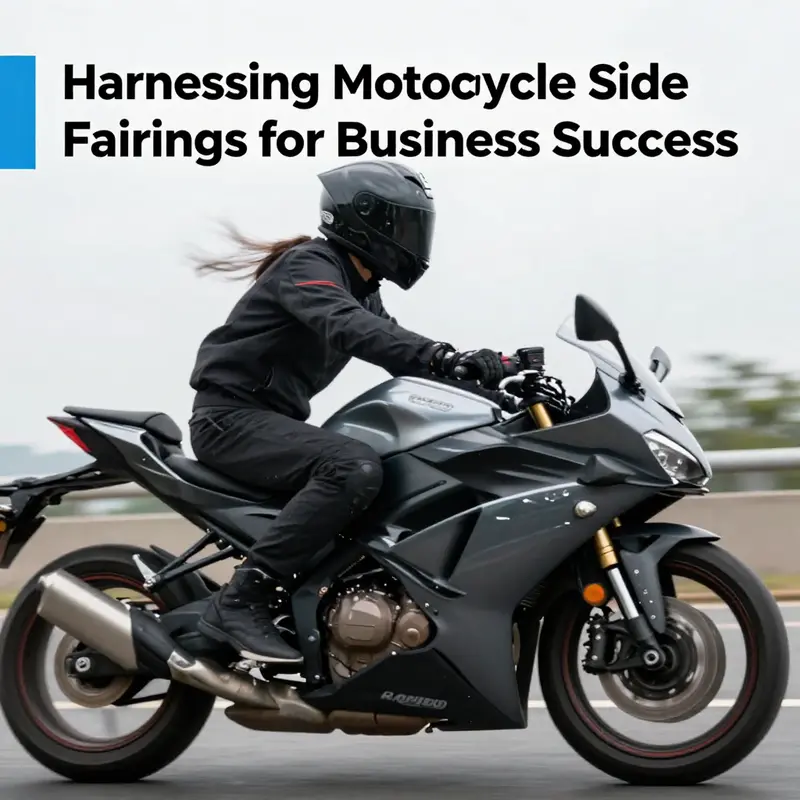
The way a motorcycle moves through air is a dialogue between machine and environment, and the side fairing is one of the most expressive translators in that conversation. Far from a mere cosmetic shell, a thoughtfully designed side fairing acts as a living interface between rider, machine, and atmosphere. When the fairing is tuned to the rider’s posture, weight distribution, and typical road conditions, it becomes a partner in comfort rather than a barrier. This notion is not about chasing speed alone; it is about cultivating a controlled, predictable flow of air that reduces fatigue, improves handling feel, and supports a cooler, more responsive engine compartment. In this light, a modern side fairing emerges as a sophisticated instrument for comfort as much as for aerodynamics, a revelation that reshapes how riders experience long hours in the saddle and how engineers translate wind into a stable, refined ride.
Riding at highway speeds, wind becomes a constant companion. The rider’s torso and head are directly exposed to a complex buffet of turbulent eddies that arise from the bike’s own geometry, nearby vehicles, and the pavement’s microtextures. A well-integrated side fairing doesn’t simply shave a few gusts; it choreographs the air so that it passes smoothly along the sides of the bike and past the rider’s upper body. The result is not just a quieter helmet and less fatigue in the neck but a broader sense of control. When the air is diverted cleanly, the rider’s torso experiences fewer sudden shifts in pressure and direction, which translates into steadier steering inputs and a more relaxed posture over long hours. The sensation is subtle but meaningful: a continuous, gentle push of air that feels predictable rather than chaotic. The rider’s awareness of the wind—the sense of being wrapped in a stable envelope of airflow—becomes part of the ride’s comfort, not a fatigue-inducing variable to fight in every mile.
In the latest approaches to side fairing design, computational fluid dynamics (CFD) and wind-tunnel testing are not optional luxuries; they are foundational tools that guide every contour, curve, and edge. A contemporary touring or high-performance platform can feature complex shapes that draw air around the rider’s torso with remarkable efficiency. The idea is not simply to reduce drag for the sake of top speed; it is to minimize the forms of disruption that tire the rider. These forms include buffeting—unwanted, irregular gusts that buffet the rider’s helmet or upper body—and the quieter, more insidious forms of turbulence that accumulate as fatigue over time. The modern fairing seeks to tame these effects by shaping streamline pathways that align with the rider’s natural posture. When air flows in a smoother pattern around the torso and shoulders, the rider perceives less turbulence, fewer gust-induced micro-corrections, and a more composed ride. That translates to longer endurance on a single leg, a clearer line to the horizon, and a greater ability to concentrate on the ride rather than on the wind fight.
A notable feature of several advanced fairings is the integration of adjustable air vanes or ducts. These elements are not mere add-ons; they are tunable tools that let riders calibrate airflow to their immediate needs. In practice, the rider can increase or decrease the amount of air diverted toward the chest or head region, or redirect more flow toward cooling channels or the lower portions of the fairing. The result is a highly personalized comfort profile. On a hot day or during spirited riding, a rider may open the vanes to push more air across the torso, providing a cooling breeze that helps fend off fatigue without creating a blast that destabilizes the seated position. In cooler conditions, closing the vanes can reduce the direct wind on the chest while preserving a stable, buffered draft that keeps the rider feeling grounded and supported. This capacity to fine-tune airflow, almost like adjusting a personal climate, is a meaningful evolution in rider comfort. It acknowledges that comfort is not a one-size-fits-all state but a dynamic condition, shifting with speed, posture, gear, and ambient temperature.
Beyond the rider’s comfort, the fairing’s aerodynamics feed back into thermal management and engine performance. Properly angled surfaces gently coax cooling air toward radiators and heat exchangers, assisting heat dissipation without creating counterproductive downdrafts that might raise the engine’s operating temperature. In this sense, the fairing becomes part of an integrated thermal strategy. A cooler engine enjoys more consistent power delivery, fewer heat-induced detents in throttle response, and improved overall reliability on long tours or extended track sessions. The same airflow that cools the engine can, when directed with precision, also reduce the heat felt by the rider through indirect convection. When the engine bay remains within its optimal temperature window, the bike can sustain higher performance for longer periods without subjecting the rider to heat-soaked discomfort that can sap concentration and stamina.
Material choice plays a significant role in how comfort translates into real-world riding experience. ABS plastic remains a mainstay for many fairings, offering a sensible balance of impact resistance, durability, and cost. It tolerates a reasonable amount of flex and can be repaired with relative ease, which matters when a rider accidentally taps a curb or drops the bike at a low speed. Fiberglass, while offering greater strength and lightness in some configurations, tends to carry higher costs and can require more attentive repairs. Carbon fiber, the premium option, pushes weight down and stiffness up, yielding the most favorable strength-to-weight ratio. It also carries a distinct aesthetic that many riders find compelling, reinforcing the sense of a high-performance machine. The comfort calculus changes with each material: carbon fiber’s stiffness can feel more connected to the bike’s handling, while heavier plastics may dampen some vibrations but contribute to a more forgiving ride in rutted roads. Choices like these influence not only performance metrics but the tactile emotion of riding: the way the fairing’s mass interacts with wind forces and the rider’s own mass to create a sense of momentum and stability.
Compatibility and installation are practical threads woven through the fabric of comfort. The most effective fairing solutions are those that fit precisely with the motorcycle’s frame, engine casing, and mounting points. Incorrect fitment can undermine aerodynamics, induce vibrations, or even cause safety concerns if panels rub against moving parts or interfere with steering movement. The market offers a spectrum from full, enclosure-style fairings that sculpt complete side contours to slimmer, partial panels that preserve a leaner silhouette while still delivering meaningful aerodynamic and protective benefits. The decision often orients around the rider’s goals: some prioritize absolute aero performance and weather protection for sportier rides; others seek a balance that favors lighter weight and easier customization for a daily rider or a long-distance traveler. In either case, the design must harmonize with the rider’s posture, seating position, and the bike’s onboard electronics such as engine management and ride modes, ensuring that the fairing cleanly complements the bike’s intended dynamics rather than fighting them.
Aesthetic influence also matters because the visual language of a motorcycle communicates intention. Side fairings shape the bike’s profile and how a rider is perceived in motion. They contribute to the sportiness or refinement of the machine, and, in the mind of the rider, that perception can translate into psychological comfort. When a rider feels that the bike looks and behaves as a cohesive system—wind, heat, posture, and stability all working together—the sense of confidence rises. Comfort is not merely a physical sensation but an emotional response to the entire riding equation. The clean, integrated line of a well-executed fairing can visually reassure the rider that the machine is designed around them, not imposed upon them. This alignment between form and function is often the spark that turns a long ride into a series of controlled, almost meditative miles rather than a test of endurance.
For riders exploring the possibilities of aftermarket personalization, the landscape offers a broad palette of options. A spectrum of aftermarket fairings, panels, and accents enables customization that can align with personal taste while preserving or enhancing the aerodynamics and protection benefits. When considering aftermarket bodies, riders weigh weight, rigidity, and repairability, along with the implications for warranty and serviceability. The goal remains to preserve the clean airflow path that minimizes turbulence and buffeting while offering the rider a chance to express individual style. If you’re curious about how a particular brand’s fairings might align with your bike’s architecture, a practical starting point is to examine the available options in the broader fairing category for different makes. This exploration can be aided by specialized retailers that organize products by motorcycle family, model compatibility, and performance characteristics, helping riders quickly assess which panels best align with their riding ambitions. For those who want a sense of the wider ecosystem around fairings, one convenient anchor point is a dedicated online catalog that presents a wide range of options across brands and models, offering a clear view of compatibility, materials, and intended use. In the spirit of informed upgrades, the broader process blends aesthetic desire with aerodynamic judgment, rider ergonomics, and practical maintenance considerations.
The conversation around rider comfort, then, pivots on how fairings serve the rider’s body and the bike’s breath. The most effective designs treat the air as a partner rather than an adversary and recognize that comfort is an ecosystem: posture, wind management, cooling, heat dissipation, and even the rider’s sense of agency in adjusting the ride to match conditions. Adjustable vanes or ducts empower riders to craft that air relationship in real time, bridging the gap between a fixed, factory profile and a living, responsive experience. The best fairings do not merely tuck the wind away; they shape it into a stable, predictable flow that the rider can anticipate and adapt to with small, confident adjustments. In this sense, the side fairing becomes less of a component and more of a cooperative system—one that supports endurance, reduces the mental load of long rides, and quietly reinforces the rider’s sense of mastery over the machine.
For those who want to peer into the broader technical landscape behind these ideas, a careful look at the way modern fairings influence daily riding realities reveals a few consistent truths. First, the air’s interaction with the rider is not a single spike of pressure but a continuous spectrum of forces that accumulate through miles. Second, the rider’s comfort is inseparable from thermal management, which in turn is linked to the fairing’s ability to channel air toward cooling pathways. Third, the materials chosen for the fairing—ABS, fiberglass, or carbon fiber—shape both the ride’s feel and its durability. The design’s success depends on striking a balance among these variables, ensuring that comfort is built into the bike’s DNA rather than added as a separate accessory. When this balance is achieved, the ride becomes less about fighting wind and more about enjoying the journey with a sense of control that comes from an air scheme tailored to the rider’s body and the road ahead.
For riders who want to explore options while staying rooted in a practical approach, consider how an upgrade might integrate with your bike’s existing geometry and rider position. If you are curious about aftermarket options and how they might complement your machine’s architecture, you can explore the broader catalog of compatible panels and fairings in the dedicated category for a variety of brands and models. This resource offers a structured way to compare fitment and performance expectations while keeping a focus on comfort and aerodynamics as central design pillars. While the specifics will vary from bike to bike, the guiding principle remains universal: comfort grows when airflow is managed with intention, when the rider’s posture is considered in the aero design, and when the system provides the flexibility to adapt to changing conditions without compromising stability or control. The result is a more confident ride, where the wind becomes an ally that supports endurance and enjoyment rather than an adversary that tires body and mind.
External resource: for a deeper technical dive into how advanced fairing design translates into real-world performance and aerodynamic efficiency, see the official engineering and performance details here: https://www.harley-davidson.com/us/en/motorcycles/standard/street-glide.html
Material Matters: Selecting Side Fairing Materials for Performance, Durability, and Style
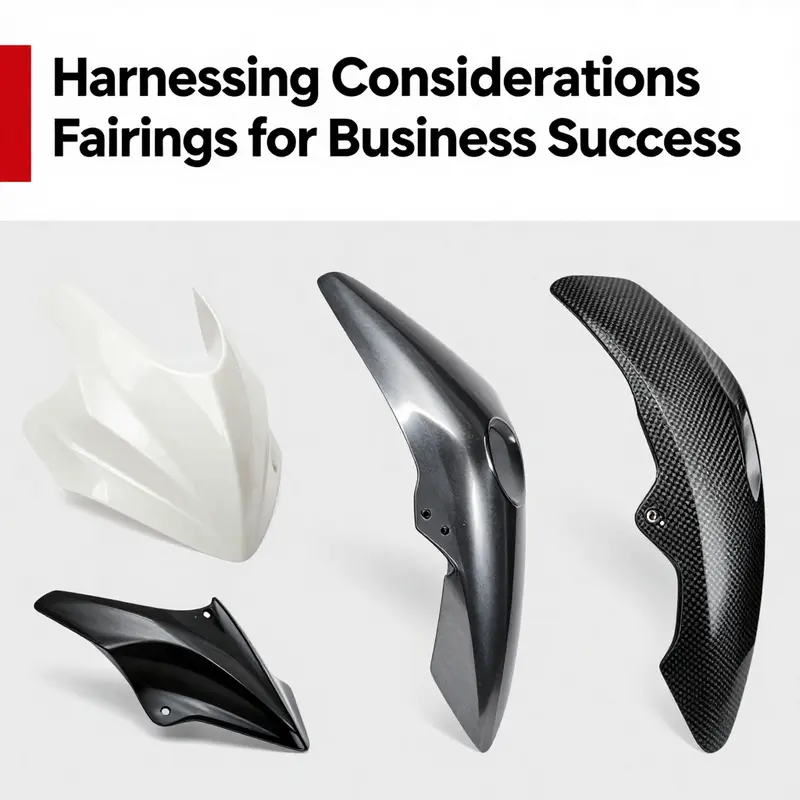
The side fairing of a motorcycle is more than a cosmetic shell. It is a carefully engineered element that shapes aerodynamics, manages heat, shields critical components, and defines the bike’s visual language. When riders weigh the options for a replacement or upgrade, the choice of material becomes a decision about how the machine will perform at speed, endure the weather, and present itself on the road. Material selection sits at the intersection of engineering discipline and individual rider priorities, and it deserves the same careful consideration as choosing the correct mounting system or the right alignment for an air intake path. The discussion begins with the most common families used in modern fairings and then moves into the nuanced tradeoffs that each material entails for different riding contexts, from urban commutes to long-distance voyages and high-speed track sessions. In this chapter, the emphasis is on how material choices translate into real-world benefits and responsibilities, not just perceived prestige or price tags. A rider might consider a fairing’s material as a form of insurance against fatigue, weather, and road debris, all while sustaining the bike’s pristine silhouette that has become a signature of modern sport and touring motorcycles alike.
Plastic, fiberglass, acrylic, and modern composites each carry distinct advantages and limitations. ABS plastic, often paired with a protective UV coat, remains the workhorse for daily riders. Its combination of lightness, cost efficiency, and ease of manufacturing makes it an appealing option for riders who value practicality and easy repairability. ABS panels are resilient enough for regular urban use and short trips, resisting minor impacts and collisions with typical road debris. Yet, no plastic is entirely immune to the harsh realities of the open road. UV exposure over years can lead to color fading and surface chalking, and soft edges can show scratches more readily than harder surfaces. The good news is that high-quality plastic variants increasingly incorporate safeguards—coatings that resist yellowing and add scratch resistance while keeping the weight low and the repair process straightforward. For riders who want a stealth blend of cost, ease, and efficiency, ABS remains a compelling baseline, especially when paired with a color-matching paint or wrap that hides minor imperfections coming from daily use.
Polycarbonate, sometimes used in high-clarity applications or in select accent panels, adds another layer of consideration. It is inherently tougher than standard ABS, with superior impact resistance. In environments where road debris and stones are a recurring risk, polycarbonate can offer an extra margin against cracks and fractures. While it shares the light weight and economic advantages of plastics, polycarbonate panels can be more susceptible to scratching, particularly if a protective layer is compromised. To maintain both appearance and performance, many polycarbonate components come with anti-scratch coatings and UV stabilizers that extend their life to five to six years under typical riding conditions. For riders who expect occasional encounters with gravel or off-pavement exposure, a polycarbonate integration with protective coatings can be a prudent compromise between weight and durability.
Fiberglass, or glass-reinforced plastic, introduces a different balance of strength and weight. It tends to be stiffer and more impact resistant than standard plastics, which translates to improved structural rigidity that can contribute to clean aerodynamic lines at speed. Fiberglass panels often excel in endurance-focused scenarios, including long-distance touring and spirited highway runs, where a robust shell can better withstand windblown grit and minor impacts without sustaining the same scale of cracking that plastics may experience after repeated flexing. The tradeoff is weight. Fiberglass panels are typically heavier than their plastic counterparts, and the heavier mass can influence handling characteristics and total vehicle inertia. For riders prioritizing durability and consistency in demanding conditions, fiberglass offers a compelling option when paired with careful mounting and reinforcement strategies that prevent vibration and ensure stable aero behavior.
Acrylic, or polymethyl methacrylate (PMMA), is prized for its optical clarity and premium finish. When fairings feature acrylic components or translucent accents, they can convey a level of visual refinement that many riders find appealing. Acrylic surfaces can deliver a glass-like appearance with excellent transparency, which enhances the perceived quality of color and depth in the paint or wrap underneath. However, PMMA tends to be more brittle than plastics or fiberglass under certain impact scenarios, and it can be more expensive to source and install. Shatter risk under significant impact is a real consideration if a fairing sustains a hard knock or a heavy drag from debris. For riders who value a pristine, crystal-clear aesthetic and are prepared to manage the potential for higher replacement costs, acrylic elements can be a striking addition to a carefully designed fairing assembly.
Beyond these traditional families, modern composites are transforming how side fairings perform in the real world. Multi-layer constructions—often a base of polycarbonate or fiberglass with protective coatings, combined with lightweight reinforcements—strike a balance between toughness, clarity, and weight. Coatings that resist UV degradation, scratches, and yellowing help sustain both appearance and aerodynamics over time. The best composites deliver a high strength-to-weight ratio while preserving subtle, integrated forms that support efficient airflow, a goal at the heart of fairing design. Riders chasing performance without sacrificing durability frequently turn to these advanced composites when their riding plans involve sustained high speeds, long stints in varied weather, or a desire for a more sculpted, race-inspired silhouette.
Material choice does more than affect weight; it shapes how a fairing behaves on the bike. A lighter fairing reduces the overall unsprung weight and contributes to crisper handling, particularly at mid- to high-speed ranges where air effects become pronounced. The stiffness of the shell influences how well the panel resists flutter and vibration, which can otherwise translate into noise, rider fatigue, and subtle steering changes. In such cases, fiberglass’s rigidity can help maintain stability at speed, while the flexibility of certain plastics can absorb minor road vibrations, contributing to a smoother ride. The layer structure in composites can further tune stiffness and flex, enabling designers to optimize aero balance across different speeds and wind angles. For riders who push their machines toward the upper limits of performance, the ability to tailor stiffness and weight through material choices is more than a technical curiosity; it is a practical pathway to reliable, repeatable handling.
Maintenance and longevity are inseparable from material selection. Plastics that incorporate UV-stable coatings tend to retain color and gloss longer, reducing the frequency of repainting or refinishing. The repair landscape differs as well. ABS and PC panels are typically easier to repair with standard body filler and paint, allowing riders to address scratches and chips in a cost-effective manner. Fiberglass repairs require resin and careful curing, but they can restore structural integrity with solid results if performed correctly. Acrylic panels demand careful handling because of their brittleness; a ding or crack can necessitate replacement rather than repair. The choice, then, also becomes a question of how readily a rider wants to engage in maintenance or repairs, and how much downtime they can tolerate between rides. Coatings and protective films are additive strategies that can extend the life of any material, especially in harsher climates or in areas with heavy road salt or stone impacts.
UV exposure and environmental conditions shape long-term performance as much as immediate strength. The sun’s rays degrade surface finishes, encourage color fading, and can weaken coatings over time. A panel with a robust UV stabilizer or clear coat will retain its appearance and gloss longer, preserving the bike’s visual impact and reducing the likelihood of repaint costs. Temperature cycles from winter to summer can also stress panels and adhesives, particularly for composites that rely on well-integrated resin systems. In hot, humid climates, moisture absorption in certain fiberglass laminates can lead to subtle changes in fit or surface texture if not properly sealed. In colder environments, material brittleness can increase, particularly for acrylic components. These realities underscore the need for proper material selection aligned with climate realities and maintenance habits.
Installations and fitment are the practical hinge on which theory becomes rideable reality. Regardless of material choice, the fairing must match the bike’s mounting points, zippers, fasteners, and seam tolerances. Misfit can produce vibrations, air leaks, and even rubbing against moving parts. Many aftermarket panels are designed to fit a broad range of models, but compatibility should always be verified with the specific motorcycle and mounting system in mind. The wrong fit can undermine aerodynamics, create noise, and even affect heat management around the engine and exhaust areas. For this reason, the process of selecting a material cannot be detached from the process of evaluating installation approaches, including the type of adhesives, mounting brackets, and alignment procedures necessary to ensure optimal performance and safety.
Riders should also weigh aesthetics against performance. The color, finish, and texture of a fairing material influence not just firsthand impressions but resale value and ownership satisfaction. Plastic panels can take a high-gloss paint or a wrap effectively, offering a versatile canvas for color and graphic choices. Fiberglass panels can be finished to emulate the appearance of more premium materials, while maintaining structural integrity. Acrylic components invite a premium lustre that can elevate how light interacts with the bike’s bodywork, creating an impression of depth and clarity. The visual language of a motorcycle is inseparable from its aerodynamics; a well-chosen material supports both the form and the function, delivering a cohesive, intentional look that matches the rider’s goals—whether that look is aggressive, understated, or something in between.
For riders navigating the market, the decision often comes down to a few guiding questions. Do I ride primarily in the city or on open highways? Is weight or durability the higher priority? What climate do I ride in, and how harsh are the regular road conditions? How important is the ability to repair quickly and economically? These questions help align material tendencies with riding realities. In practice, many riders combine practical constraints with aesthetic preferences. They select an initial material family—say, plastics for daily commuting—and reserve higher-end composites for performance-focused builds or touring packages. They recognize that ongoing maintenance, coatings, and protective films will extend the life of the fairing regardless of the base material. The result is a balanced approach that respects both budget and ambition while ensuring that the side fairing contributes meaningfully to aerodynamics, cooling, and rider comfort over the long haul.
The broader ecosystem of the fairing market also supports informed decisions. Compatibility guides and installation manuals—often provided by aftermarket manufacturers—offer model-specific insights that help riders anticipate fit and function. When a rider contemplates material changes, it is prudent to consult those guides, verify mounting points, and assess how a new panel will interact with the engine’s cooling path and the bike’s undercarriage airflow. A well-chosen material strategy harmonizes aero efficiency with heat management. For example, a fiberglass panel can uphold structural stability at speed while an ABS or PC section is used where lighter weight and easier repair are prioritized. In concert, these choices form a fairing system that is not only protective and visually cohesive but also tuned for the riding context.
Within this framework, riders who want an organized starting point can explore the broader market catalog of fairings as a resource. For a sense of how material choices map onto a catalog of options, look into the broader fairing category pages that cover a range of brands and styles. This reference point can help riders appreciate how a given material class influences design language, color options, and the integration of vents, ducts, and attachment points. The goal is not to dictate a single path but to illuminate the tradeoffs so each rider can tailor a solution to their riding life. If you are exploring aftermarket options, a quick check of fitment guides and coating recommendations can save a lot of time and prevent compatibility pitfalls before a purchase. A practical approach is to select a path that aligns with your most frequent riding conditions while keeping an eye on long-term maintenance and serviceability.
When considering how to integrate the material choice into the broader project of upgrading or replacing fairings, it can be helpful to reflect on the mid- and long-term ownership experience. A rider focused on daily commuting may appreciate the ease of repair and cost-effectiveness of ABS, along with UV-protected coatings that preserve color and gloss without breaking the bank. A rider planning frequent long trips might lean toward fiberglass for its rigidity and resilience, accepting the slightly higher weight in exchange for durability and consistent aero performance. Aesthetic enthusiasts, drawn to a premium look, may gravitate toward acrylic components for their glass-like clarity, while balancing the practical considerations of impact resistance and cost. Finally, those chasing peak performance will find modern composites compelling for their tuned stiffness, light weight, and ability to craft precise aerodynamic shapes—especially when paired with coatings that protect against environmental degradation and ensure long-term optical clarity.
The dialogue between rider needs and material properties is ongoing. It is shaped not only by the physics of air flow and heat transfer but also by the realities of ownership: what a rider values in daily life, how they use the bike, and how much time and money they are willing to invest in maintenance. In this sense, choosing a side fairing material becomes a reflective process as much as a technical one. The right choice can elevate comfort on long rides, sharpen the bike’s performance envelope, and preserve the machine’s character through years of exposure to sun, rain, and road grime. The material that works well for one riding life may be less suitable for another, and a thoughtful decision will consider both current needs and future possibilities. Ultimately, material selection for side fairings is about aligning engineering reality with the rider’s narrative—finding a balance between weight, strength, cost, and look, so the bike remains a reliable partner on every road it travels.
For readers who want a practical entry point into this landscape, a focus on the typical material families and their core tradeoffs can serve as a reliable guide. Remember that the best material choice depends on the intended use, environmental conditions, and maintenance plan. Compatibility with the motorcycle model and mounting system remains a non-negotiable prerequisite, because even the most advanced material cannot compensate for a poor fit. When in doubt, consult the installation documentation and consider ordering a sample or a test panel to evaluate fit before committing to a full replacement. This approach helps ensure that your material choice continues to support the bike’s performance, protection, and personality over time.
In the broader conversation about material selection, the field continues to evolve. Advances in coating technology, laminate design, and resin systems open new possibilities for lighter, tougher, and more visually refined side fairings. The conversation is not merely about selecting a material class but about integrating advances in coatings, surface planes, and multi-layer structures to achieve a cohesive whole. As with any component that sits between rider and machine, it is the synergy of design, material science, and practical use that ultimately delivers the best riding experience. If you want to see more about how these materials are evaluated in practice, an external resource provides a deeper dive into materials and choices for motorcycle fairings, including comparisons and expert perspectives that complement this chapter’s overview.
External resource for further reading: https://www.bikeexif.com/motorcycle-fairings-materials-and-choices
Internal reference for related catalog exploration: bmw-fairings
Compatibility and Installation: Ensuring a Secure Fit for Motorcycle Side Fairings

Compatibility and Installation: Fit, Tools, and Best Practices
Selecting a side fairing that fits your motorcycle is more than a matter of aesthetics. A properly matched panel preserves the bike’s aerodynamics, prevents annoying vibrations, and protects mechanical parts. Begin by confirming the exact make, model, and year of your motorcycle. Small differences in frame mounts, engine casings, and tank shapes can make otherwise similar models incompatible. For commuter and small-displacement bikes, specific part sets exist for particular models, sometimes identified by concise model codes. Using those codes when searching saves time and reduces the risk of ordering the wrong item.
Once you have the correct part number or fitment listing, inspect the supplier’s notes closely. Look for statements about whether the fairing is designed as a direct bolt-on replacement, a universal panel requiring trimming, or a custom fit for a narrow range of years. A direct bolt-on piece will align with factory mounting points and often reuses original fasteners. Universal panels may need drilling, trimming, or additional brackets. If a listing mentions compatibility with specific commuter models, treat that as a reliable indicator the part was manufactured with those mounting patterns in mind.
Before purchase, evaluate material and finish. High-grade ABS plastic is the industry standard for reliable, affordable panels. It resists impact, flexes slightly under stress, and machines well for accurate mounting. Fiberglass and carbon fiber deliver weight savings and a premium look. Fiberglass is easier to repair but can be more brittle. Carbon fiber is strong and light but expensive and may require precise support to avoid stress cracking. Consider the climate you ride in. Prolonged UV exposure can degrade lower-quality plastics, causing discoloration and brittleness. Choosing a fairing with UV-stable material preserves fit over time because warped, sun-damaged panels create misalignment and stress on mounting points.
Gather the right tools before attempting installation. A basic set includes a torque-ready socket set, hex keys, metric and standard screwdrivers, and a set of trim pliers. Soft cloths, plastic pry tools, and small containers for sorting fasteners keep the workspace tidy. If the new fairing uses rivets or specialized clips, have a rivet gun and appropriate clips on hand. A digital torque wrench helps apply consistent preload to bolts and prevents over-tightening, which can crack or deform panels. If the fairing comes with a kit of rubber grommets and bushings, use them; they isolate vibration and reduce stress transfer from the frame to the plastic.
Remove the old panels carefully. Work methodically and store bolts in a labelled container. Photograph each step if you plan to reinstall original parts. Some mounting points are hidden behind the tank or under trim pieces; avoid pulling vigorously. Old panels often reveal where original fixings are corroded or stripped. Repair or replace damaged hardware prior to installing the new fairing. Clean the mounting surfaces of grease and road grime. A clean surface helps rubber grommets seat properly and reduces the chance of trapped contaminants that can accelerate wear.
Test-fit the replacement panels without full fastening. Align the panel to the factory mounting points and verify gaps around the tank, seat, and other bodywork match expected tolerances. Panels should sit flush and maintain consistent spacing across seams. If a panel sits proud in one area and recessed in another, check for bent brackets or misaligned tabs before forcing the fit. Slight adjustments to mounting brackets or repositioning grommets can often correct minor mismatches. Avoid filing or trimming unless necessary; irreversible cuts can make returns difficult and compromise structural integrity.
When fastening, follow the manufacturer’s instructions or factory torque guidelines if available. Start threads by hand to avoid cross-threading. Tighten fasteners progressively and in sequence, moving from inner to outer points to promote uniform seating. Use rubber washers or dedicated vibration-damping bushings where provided. These small pieces prevent fasteners from loosening and protect the plastic from concentrated stress. For bikes exposed to wet climates, apply a drop of threadlocker to bolts that are not frequently removed; this combination reduces the likelihood of fastener loss while allowing disassembly with heat if needed.
Address wiring and accessories next. Many side fairings conceal wiring harnesses, relays, and small components such as ECU enclosures. Route all cables so they sit away from sharp edges and heat sources. Refasten harnesses with supplied clips or cable ties, but avoid overtightening ties around wiring bundles. If the fairing incorporates mounting points for small devices, ensure rubber isolators are in place to reduce vibration transfer. When fairings provide access panels for maintenance, confirm they open smoothly and close securely. A panel that obstructs routine service tasks will create friction and reduce long-term satisfaction.
If minor modifications are necessary, keep changes reversible. Use pilot holes when drilling for additional brackets, and protect surrounding paint with masking tape. When trimming edges, use files and fine-grit abrasives for clean finishes. Seal cut edges with primer or flexible paint to prevent moisture intrusion into composite layers. For riders comfortable with bodywork, sanding and re-shaping tabs can correct fit problems. For others, a professional body shop can adapt panels while preserving fit and finish. Professional painters and fitters can also blend color mismatches if you install an aftermarket panel with a different finish.
After installation, perform a thorough inspection. Confirm all fasteners are present and tightened to spec. Check for rubbing points where the fairing may contact the frame or other components during fork compression and rear suspension movement. Compress the suspension fully and check clearances around exhaust pipes and footpegs. Start the engine and listen for unusual vibrations or rattles. A test ride at low speed lets you verify airflow behavior and that the fairing deflects wind as expected. On initial rides, periodically recheck fasteners; some components settle into place after a few hundred miles.
Warranty and sourcing considerations matter. Buying from reputable sellers reduces the risk of receiving ill-fitting parts. Many vendors include fitment guides and detailed images. If a seller provides a compatibility chart listing specific models, use that information to confirm fit. Keep original packaging and documentation for returns. If a fairing does not fit and the seller accepts returns, avoid cutting or permanently altering the piece until the return window closes. Understand the seller’s policy on damage during installation. Some warranties exclude damage caused by incorrect installation.
Professional installation is worth considering for complex swaps or high-value panels. A trained technician can assess the frame and mounting points, repair hidden corrosion, and make precision adjustments. They also have access to panel-specific hardware that may not be included with aftermarket kits. Choose a shop experienced with bodywork on sport and touring motorcycles, since those bikes commonly use full side fairings with integrated vents and ducts. When hiring help, request a written estimate and a clear description of work, including any modifications to the bike’s electrical system.
Finally, maintain the fairing once fitted. Regularly inspect fasteners, grommets, and seams, especially after spirited riding or rough roads. Clean panels with mild soaps and UV-protective sprays to preserve material properties. Touch up small chips to prevent moisture ingress. With careful selection, precise installation, and routine care, side fairings will retain their fit and function for many years. For additional technical specifications, compatibility charts, and sourcing support, consult specialist aftermarket parts resources such as Motorcycle Parts Online: https://www.motorcyclepartsonline.com. For model-specific replacement options, consider browsing the Honda fairings selection for examples of fitment-driven product categories: https://ultimatemotorx.net/product-category/honda-fairings/
Final thoughts
The integration of motorcycle side fairings is not merely an aesthetic enhancement but an essential factor that improves vehicle performance and rider comfort. For business owners, understanding these attributes helps in guiding inventory choices, marketing strategies, and customer education. By providing high-quality and compatible side fairing options, businesses can significantly enhance customer satisfaction and loyalty. In a competitive market, leveraging knowledge about materials and installation can set a brand apart, fostering a strong reputation and driving sales. Investing in motorcycle side fairings is an investment in delivering superior riding experiences, showcasing an attentive understanding of consumer needs within the motorcycle market.