

Motorcycle rear fairings are not just aesthetic additions; they are vital components that significantly impact aerodynamics, rider comfort, and bike performance. For business owners in the motorcycle industry, understanding the multifaceted benefits of rear fairings—from their materials and manufacturing processes to the variety of aftermarket options—can lead to improved customer satisfaction and business growth. This article will delve into the importance of motorcycle rear fairings in aerodynamics and comfort, examine the materials used in production, explore aftermarket enhancements, discuss compatibility and installation, and highlight opportunities for customization that appeal to consumers. By considering each aspect closely, business owners can cater to the needs of their customers while enhancing their offerings in a competitive market.
The Rear Fairing: Aerodynamics, Protection, and Rider Comfort
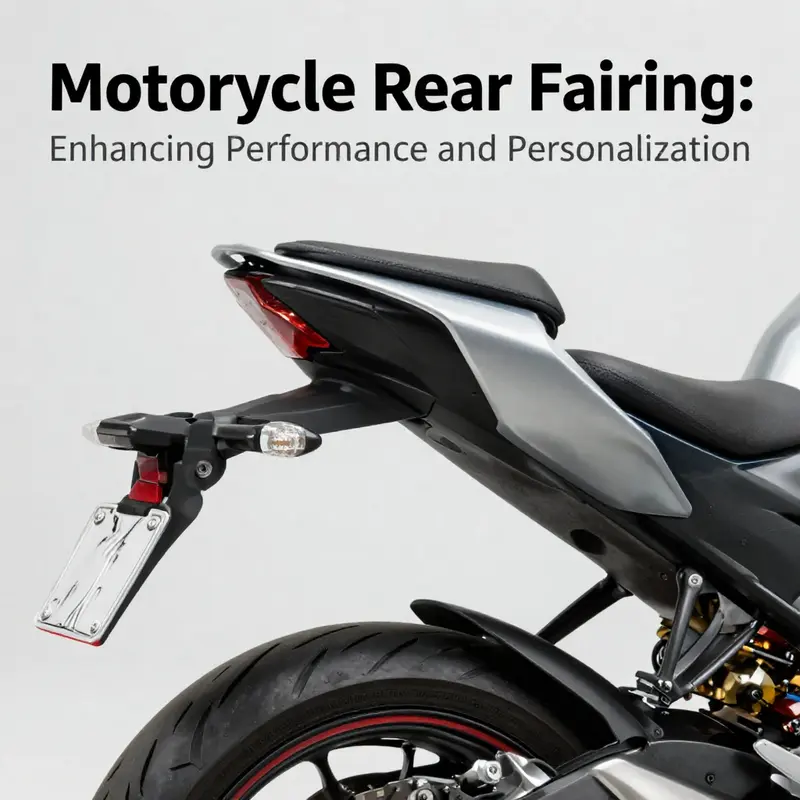
The rear fairing is more than a sculpted shell at the tail end of a motorcycle. It is an engineered element that blends form and function, shaping the air that slips past the bike and rider as they move through space. In high speed motion, the rear of the machine creates a wake of turbulent currents, and the fairing acts as a smoothing hand that guides those currents toward a stable, predictable flow. A well conceived rear fairing reduces drag and lift, helping the motorcycle maintain directional stability while the rider maintains control. By shaping the wake, it helps preserve a steady pressure distribution along the bike silhouette, which translates to a calmer ride at speed and a more efficient use of engine power for forward motion. The aerodynamic payoff may be invisible to the casual observer, but it shows up in measurable gains: lower fuel use on long rides, less energy spent fighting the wind at highway speeds, and a rider who is less buffeted by gusts and cross winds when the road stretches ahead.
Yet the rear fairing’s influence goes beyond speed and efficiency. It acts as a shield between the rider and the elements. Wind hitting the lower back and legs can sap warmth and stamina over hours on the road. By deflecting air away from the torso and providing a smoother barrier against rain spray and chilly gusts, the fairing contributes to rider comfort. For long distance travel or daily commutes through changing weather, that protection matters as much as engine tuning. It allows the rider to maintain a relaxed posture and a clearer line of sight, which supports focus and situational awareness. When fatigue is reduced, reaction times can stay sharper and safety follows as a natural byproduct of comfort.
The fairing also relates to carrying gear. Modern touring designs integrate with the tail and seat to support luggage systems, tail bags, or panniers. The tail area can be shaped to minimize the aerodynamic penalty of added load, using contours that preserve laminar flow even with soft luggage fixed on the back. The result is a practical balance of capacity and performance: you gain storage without paying a heavy toll in drag or handling. This is not only about how much you can carry; it is about how the load interacts with the bike’s aerodynamics. A well designed rear fairing keeps added weight as unobtrusive as possible to the bike’s overall streamlining, allowing riders to enjoy both convenience and confidence on the road.
From a materials standpoint, rear fairings offer a spectrum of choices that affect weight and stiffness. Original equipment often uses durable plastics such as high grade ABS for impact resistance and cost efficiency. But there is growing interest in lighter, stiffer, and visually distinctive options such as reinforced composites and carbon fiber. The advantage is clear: a lighter rear reduces unsprung weight and helps the bike adopt a wing like attitude with less inertia; a stiffer shell resists flex and maintains precise alignment with the tail and seat under gusts and hard braking. For riders who chase track days or high speed touring, carbon fiber can offer a premium mix of strength, weight savings, and a distinctive look that signals performance. Yet choosing carbon also brings considerations of cost, durability, and repairability, since carbon can be more susceptible to cosmetic damage and may require careful maintenance and specialist repair.
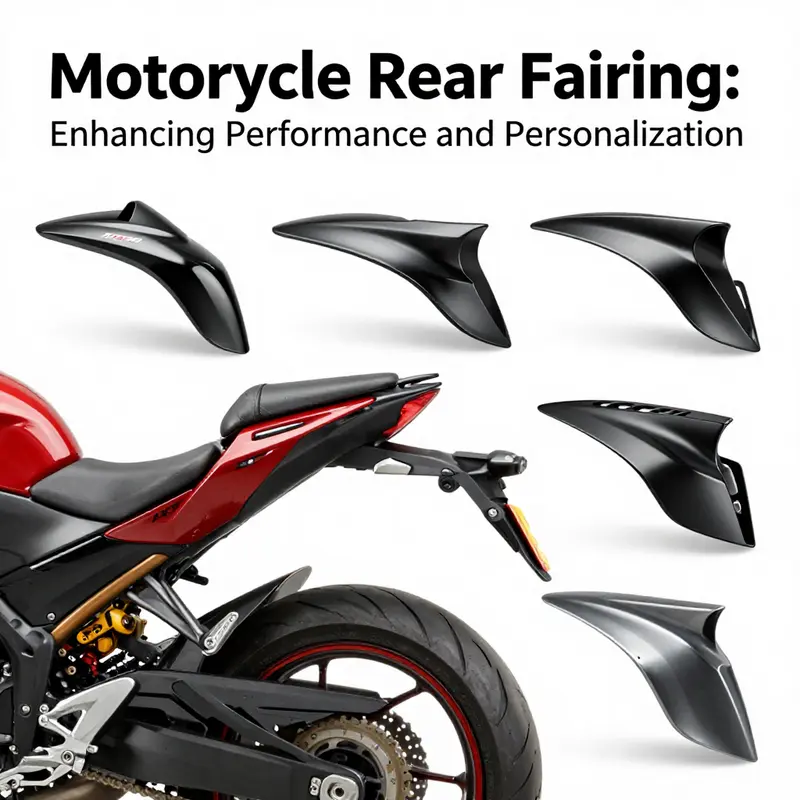
Design philosophy matters as much as materials. OEM rear fairings tend to emphasize durability, modularity, and broad compatibility. They are designed to fit a wide range of models with predictable mounting points, hardware, and color matching. Aftermarket options, especially lighter weight or carbon fiber variants, prioritize performance gains and aesthetic distinctiveness. Regardless of path, fitment matters. A fairing that does not align with mounting points or electrical routing can create leakage in airflow, rattles, or interfere with components such as tail lights, seat locks, or the exhaust. Careful verification of model compatibility and installation requirements is essential before purchase, as is realistic consideration of maintenance and repair workflows over the bike’s life.
The practical result is that a rear fairing can be tuned to meet a rider’s goals. For the sport rider, a clean, continuous fairing profile can reduce turbulence around the rear wheel and exhaust, helping to sustain stability through corners and at corner entry speeds. For the touring rider, a broader, more enveloping shape can improve wind protection and reduce fatigue on extended rides, especially when paired with a well integrated tail section and luggage solution. For riders who value personalized aesthetics, aftermarket options provide a palette of colors, finishes, and textures that let the motorcycle reflect personal taste. And there is always a balance: more protection and shelter may bring a bit more drag; a lighter, more aggressive shape may shave seconds off a lap time but requires careful mounting precision and component alignment.
In practice, choosing a rear fairing is not about chasing a single best option but about aligning three threads: model compatibility, rider goals for performance or comfort, and the realities of maintenance. The integration with the tail and seat is central. A properly integrated fairing extends the efficiency of the whole bodywork and smooths the air for the rider, luggage, and any accessory mounting points. If the aim is confident highway speed, a posture that reduces wind fatigue on long cruises, or simply the look of a race inspired silhouette, the rear fairing becomes the instrument of that aim. Even the color and finish interact with aerodynamics, influencing how the eye reads speed and the bike’s perceived mass and flow.
For readers navigating options, practical steps help translate ideas into a real world decision. Start with model compatibility to avoid misalignment and air gaps. Prioritize materials based on use case: ABS for sturdy, affordable longevity; carbon fiber or reinforced composites for weight savings where budget allows. Evaluate how the fairing integrates with the tail, seat, and any luggage system, and consider impact on cooling, electrical routing, and exhaust clearances. Finally, assess how the overall package changes riding posture, protection from the elements, and perceived speed. When these elements align, the rear fairing can elevate the riding experience through a harmonious blend of flow, shield, and comfort.
For riders exploring aftermarket paths, Yamaha fairings offer a broad spectrum of options that illustrate the varied approaches while serving the same core goals. The Yamaha fairings category shows how brands tailor contours to different riding styles and model families.
External resource for deeper technical context: BikeExifs overview of motorcycle aerodynamics and fairings offers a practical, real world perspective on how these design choices translate into performance gains and rider comfort.
Layered Armor: Materials Behind the Rear Fairing and How They Shape Performance, Comfort, and Style
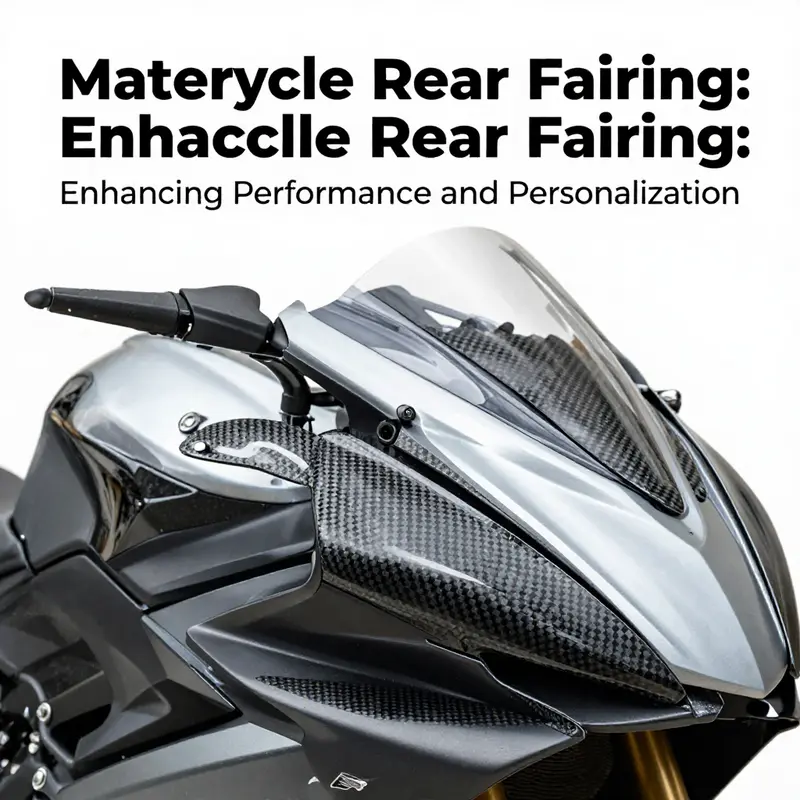
The rear fairing of a motorcycle is more than a cosmetic flourish or a single molded shell. It is a carefully engineered layer that interacts with the bike’s aerodynamics, weight distribution, and even its rider’s comfort over long miles. To understand why materials matter, think of the rear portion of the chassis as a small, high-stakes wind tunnel. Air rushing over and around the tail affects drag, airflow stability, and fuel efficiency. More subtly, the fairing protects vital components from road spray, small debris, and the constant rigors of vibration. It also provides a mounting platform for the tail, lights, and sometimes the passenger seat or comfort enhancements. Given these roles, the materials chosen for rear fairings must balance stiffness, impact resistance, manufacturability, and cost. The most common choices today are ABS plastic, carbon fiber, and polyurethane, each bringing a distinct blend of properties that suit different models, markets, and rider priorities.
ABS plastic occupies a foundational place in mass-produced rear fairings. Acrylonitrile butadiene styrene offers a robust mix of strength, toughness, and price performance that makes it ideal for high-volume production. It tolerates the rigors of road conditions—sand, rain, and the occasional curb strike—without cracking easily. Moreover, ABS is forgiving in molding processes. Its workability allows designers to weave complex, integrated shapes that blend the tail and the seat with a clean, continuous silhouette. The material accepts paint well, letting manufacturers align the fairing’s color and finish with the motorcycle’s overall aesthetics. For riders who value durability and serviceability at a reasonable price, ABS remains the go-to baseline material. When a bike needs to arrive on showroom floors with consistent color matching and predictable repair options, ABS is often the practical answer.
Carbon fiber represents a different class of material entirely. It is the premium option that many riders associate with high performance and a distinctive visual appeal. The strength-to-weight ratio of carbon fiber is exceptional, which means a fairing made from this composite can reduce the bike’s overall weight and stiffen the tail region. This stiffness translates to improved stability at speed and a more responsive feel through transitions, especially on sport-oriented models or track-focused builds. The reduction in weight can marginally improve acceleration, braking feel, and fuel economy, though those gains may be subtle in street riding. The more important benefits are often the enhanced handling characteristics and the premium, race-inspired aesthetic carbon fiber conveys. The downside is cost and production labor: carbon fiber parts require careful layup, curing, and sometimes autoclave processing or resin infusion, which drives up price and lead times. And because carbon fiber responds differently to impact than plastic, repairs can be more complex and costly. For riders who demand top-tier performance and are willing to pay for it, carbon fiber rear fairings offer a tangible edge in both feel and appearance.
Polyurethane sits in a niche between ABS and carbon fiber, offering a blend of resilience and flexibility that some specialized applications require. While polyurethane is more common in bumpers and certain impact zones on some vehicles, it can be used for rear panels in environments where vibrations and minor deformations demand a material that can absorb more energy without cracking. Its elastomeric characteristics allow for good impact resistance and can be advantageous in certain custom or aftermarket projects where a panel might experience unusual mounting stresses or require a forgiving fit during installation. In the context of full rear fairings, polyurethane remains less common than ABS or carbon fiber, but it can play a critical role in hybrid configurations or in models designed for rugged riding where extra durability under impact is prioritized.
Choosing the right material for a rear fairing is not a one-size-fits-all decision. Manufacturers weigh several criteria to land on a material strategy that aligns with the bike’s intended market and performance target. First, there is the desired performance envelope. A sportbike aimed at track use may prioritize carbon fiber for weight savings and stiffness, while a sport-touring machine might favor the impact resistance and ease of repair that ABS offers. Second, aesthetics and branding play a significant role. Carbon fiber has a premium look that many riders associate with performance and exclusivity, and some riders want a fairing that can be finished with a clear coat to showcase the weave. Third, price sensitivity shapes the offer. ABS enables competitive pricing and broad accessibility, while carbon fiber commands a premium that is often reserved for higher-end models or bespoke builds. Another key factor is compatibility and serviceability. OEM suppliers and aftermarket manufacturers must guarantee a precise fit with the rest of the tail section, tail lights, mounting points, and windscreen geometry. The epoxy or resin systems used in carbon fiber fairings must endure UV exposure, temperature cycles, and chemical exposure from road grime and cleaning agents, while ABS needs UV stabilization and proper surface treatments to prevent yellowing. Finally, market considerations cannot be ignored. In segments where riders savor customization, lightweight carbon fiber remains a popular choice for aftermarket rear fairings, even if the base model uses ABS. Accessibility of repair, availability of replacement parts, and the ease of color matching are practical realities that steer material decisions for many manufacturers.
From a manufacturing perspective, the approach to forming and assembling rear fairings reflects the material choices. ABS parts are typically produced through injection molding, a process well-suited to producing complex, integrated shapes with repeatable accuracy. The resulting panels can be painted and finished to match the motorcycle’s color scheme, and the tooling economics make it feasible to offer multiple variants or editions. Carbon fiber fairings, in contrast, follow a labor-intensive route. Each panel may be laid up from prepreg or dry fabric with resin transfer or vacuum-assisted methods, cured at elevated temperatures, and then trimmed and matched to the tail’s geometry. The result is a light, rigid shell with a distinctive surface finish that, with proper sealing and clear coating, can maintain its gloss and weave visibility for years. Polyurethane, where used, is typically formed through casting or flexible molding processes and can provide enhanced impact absorption in targeted areas. It may be joined to ABS panels with adhesives or mechanical fasteners designed to maintain weather sealing and structural integrity. The practical implication is that different materials demand different maintenance and repair strategies. ABS can often be repaired with heat or patching techniques, carbon fiber repairs tend to require more specialized methods to preserve resin integrity, and polyurethane repairs rely on flexible adhesives and compatible fillers. For riders who demand longevity and predictable maintenance, these realities matter when selecting a rear fairing in the first place.
In the aftermarket, the appeal of carbon fiber or reinforced composites is not only about performance. It is also about customization, branding, and the tactile experience of owning a piece that feels lighter and stiffer in the hand. Yet the decision to opt for a carbon fiber tail panel must be weighed against practical constraints, including the model’s fitment, the rider’s budget, and the level of color customization that will be needed to maintain the desired appearance. A rider who wants a sleek, race-inspired look may gravitate toward carbon fiber precisely because of its aesthetic and perceived performance value, while a rider who uses the bike primarily for touring or urban commuting may lean toward ABS for easier repairs and more predictable cost of ownership. In this sense, rear fairing material choice becomes part of a broader design philosophy. It speaks to how a model balances weight, durability, and style, and how it communicates the intended personality of the motorcycle to its rider.
For readers exploring compatible aftermarket options, there are clear paths to find panels that match a given bike’s brand and model family. A practical approach is to start with category pages that group fairings by brand, enabling you to compare how different materials are implemented across the lineup. For example, a dedicated catalog page for a brand’s fairings can serve as a starting point to assess fitment, finish options, and warranty terms. This kind of browsing not only helps you evaluate material choices but also illuminates how fitment tolerances and mounting hardware vary across generations of a model. When the time comes to choose a rear fairing, it is wise to consider how the panel will integrate with the tail’s lighting, vents, and seat geometry, as these interfaces are critical to both function and comfort. A well-chosen fairing that harmonizes with the bike’s overall silhouette can elevate the entire riding experience—from the way wind flows across the rider to the perception of speed at a standstill.
For riders who want to dip into the aftermarket while staying aligned with the bike’s original design language, the choice of material often maps to a broader customization strategy. ABS versions may be more forgiving and easier to color-match for a factory-like look, while carbon fiber versions offer a more aggressive, performance-oriented aesthetic. The decision blends practical considerations with personal taste: how much weight is acceptable, how much stiffness is desired, and how the finish will age under sun and rain. As with any substantial modification, verify model compatibility and installation requirements before purchasing, and consider a professional installation if the tail involves intricate wiring, vibration dampers, or integrated lighting.
Within this framework, the materials used in rear fairing manufacturing emerge as a clear reflection of a bike’s intended role. A sport-focused machine leans toward the lean efficiency of carbon fiber, where the payoff is primarily at speed and handling. A touring model may favor ABS for durability and repairability, ensuring longevity under long-distance use and varied climates. A design-forward or showroom-ready build might embrace the gloss and weave of carbon fiber to communicate a premium, performance-driven identity. In every case, the rear fairing is a strategic component that must satisfy a matrix of functional demands and aesthetic ambitions. By understanding the material choices—ABS for balance and economy, carbon fiber for weight and stiffness, polyurethane for targeted resilience—riders and builders can make informed decisions that align with riding goals, maintenance reality, and the visual language they want their motorcycle to express. For those curious about how these choices play out in practice and want to browse related aftermarket options, see the Honda fairings category for options that illustrate how material strategy translates into fitment and finish on a specific brand ecosystem.
null
null
From Fit to Finish: Navigating Compatibility and Installation of Rear Fairings
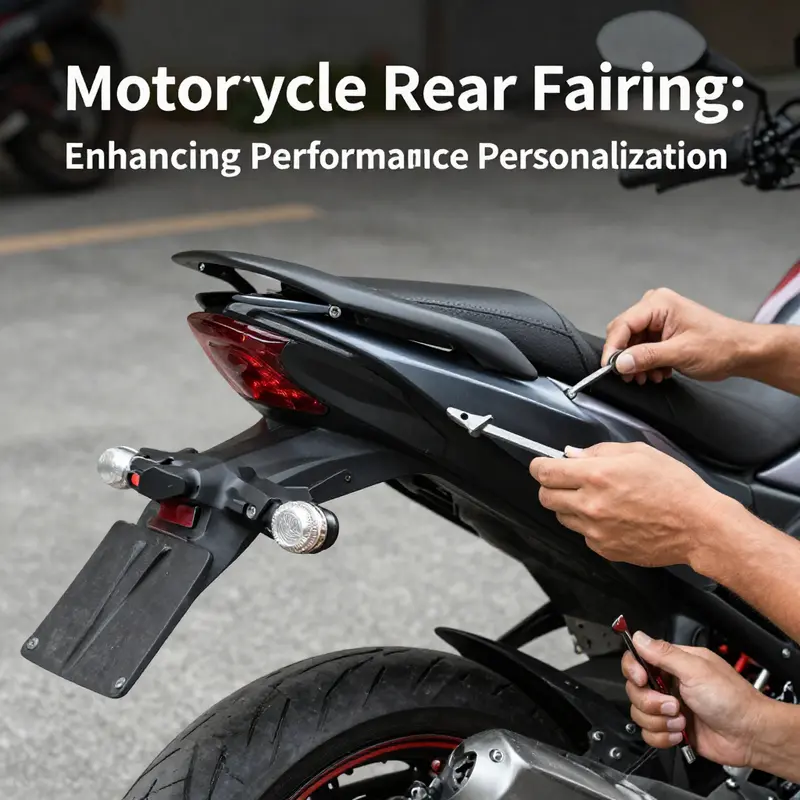
Rear fairings are not just cosmetic shells; they influence aerodynamics, protection, and rider comfort on long rides. A well-fitting rear fairing smooths airflow off the tail, reduces turbulence, and shields the engine, wiring, and exhaust from road spray. Because these parts sit at the intersection of form and function, their compatibility with a given bike and their precise installation deserve careful attention. Without it, even a stylish fairing can create gaps, wind noise, or misaligned lines that ruin the bike’s silhouette and performance. The goal is to preserve the intended aerodynamic path while maintaining comfort and the machine’s structural integrity.\n\nCompatibility begins before a single screw is touched. Verify the bike’s identity with the VIN or, in some cases, the year, make, and model code to ensure the panel set matches the frame geometry and tail subassembly. This is especially important on models with unique tail sections or nonstandard mounting points where aftermarket pieces can look right but fit poorly. The principle holds across the spectrum—from modern sportbikes to classic-era machines where factory-original alignment matters to collectors who prize the fairing’s lines as much as its aerodynamics. The aim is a seamless transition from tank to tail that preserves airflow and the bike’s overall balance.\n\nWithin the aftermarket and OEM landscapes, rear fairings come in full sets, halves, and custom or modified configurations. OEM plastic remains a practical choice for durability and cost, while carbon fiber and reinforced composites offer a lighter, stiffer option for riders chasing a performance edge. Regardless of material, the bottom line is fitment: the panels must align with the frame, the subframes, and the tail subassembly. Even a small misfit can create drag and stress on fasteners, and over time it can lead to cracked tabs or strained mounting points. Because fairings sit near heat, vibration, and road grit, the mounting hardware—bolts, spacers, and grommets—needs to tolerate fatigue without loosening or rubbing.\n\nThe choice between a full fairing and a partial setup shapes not only aesthetics but the rhythm of installation and the bike’s aerodynamics at speed. Full fairings deliver the greatest streamlined surface and protective coverage, producing the most significant gains in high-speed stability and rider comfort on long rides. They also demand precise alignment to preserve the designed airflow and to avoid interference with fuel fillers, taillights, and under-seat electronics. Partial fairings, by contrast, are lighter and quicker to fit, often easier for a DIY approach, but they sacrifice some of that aerodynamic cohesiveness and environmental protection. In either case, the critical metric is how cleanly the panels meet at seams, how evenly the gaps read under a paint finish, and whether the tail section maintains a continuous line that supports both the rider’s posture and the machine’s balance.\n\nWhen it comes to installing, the practical choreography matters as much as the parts themselves. The process typically begins with a careful removal of the old panels, followed by a thorough inspection of mounting points for wear, cracks, or elongation of screw holes. New fairings introduce a map of attachment points, brackets, and fasteners, and the installer must verify that each tab aligns with its corresponding point on the frame or subframe. A clean, dry surface is essential; dust and moisture can hide misalignments and make fastener threading more difficult. For many riders, a first test fit without permanent fastening is invaluable. It reveals conflicts with the exhaust heat shield, the taillight housing, wiring channels, or the seat latch—things that can only be caught when the pieces are near each other rather than imagined in isolation.\n\nAttention to detail extends to the order in which fasteners are tightened. A cross-pattern sequence helps distribute force evenly and reduce the risk of warping the panel edges. If the kit includes spacers or vibration-damping mounts, these must be seated correctly to prevent rubbing or loose panels that could rattle at speed. Sealing lines between panels deserve care as well; many riders add a thin layer of foam weather-stripping or gasket material at major joint lines to minimize water intrusion and to smooth the visual transition from one surface to the next. The wiring harness that snakes under the tail deserves a gentle routing plan so it never sits against a seam or a fastener head. Rerouting or protecting exposed wires now prevents chafing and potential short circuits later.\n\nFor those chasing a visually cohesive look and reliable performance, the adage from seasoned technicians rings true: Make sure your carpets match the drapes when installing motorcycle fairings. The idea is simple but often overlooked—the finish, texture, and hue of every panel should harmonize, so the entire tail seems designed as a single, uninterrupted shape rather than a patchwork of mismatched surfaces. If color codes or finish textures differ, the aerodynamic seams can feel like an afterthought, even when the fit is technically sound. The sensible path is to consult official manufacturer documentation or trusted aftermarket guides to confirm color-match options, paint codes, and surface treatments before you drill or clamp anything down.\n\nGuidance for model-specific compatibility is readily found, and for those aiming to broaden their reference points, an organized catalog of compatible options can be a useful compass. For a broad catalog of compatible options that can guide your search, explore the 2023new category. This reference can help you compare new panels with the original lines, ensuring updates remain faithful to the bike’s intended geometry and riding posture.\n\nIn practice, compatibility is what connects the engineering of the tail with the rider’s experience. A fairing must not only look right but stay aligned as the bike splits wind at freeway speeds, cushions the rider against buffeting, and shields critical components from the elements. The tactile feel of the tail—how smoothly you reach for the taillight, how easily you can access the rear seat latch, and how minimal the wind noise is behind the rider’s helmet—depends on a single, quiet truth: precise fitment and careful installation. The most durable installations arise from a blend of accurate measurement, patiently performed steps, and a willingness to reference official diagrams before making a single hole. The result is a rear end that looks like it grew with the bike, not one that was bolted on as an afterthought.\n\nFor those who want a deeper, model-specific sense of fit before committing, the practical approach is to combine this general framework with a trusted installation guide that aligns with your bike’s chassis and tail architecture. While the broader principles apply across brands and eras, precise mounting patterns and the geometry of hinge points can vary. If you’re exploring options in a catalog, rhythmic checks against the mounting bosses, seat adjacency, and the tail’s silhouette should guide you toward a set that preserves the bike’s original lines as closely as possible. In the end, the installation should feel like a seamless extension of the machine rather than a separate add-on.\n\nExternal resource: https://www.motorcycle.com/motorcycle-fairings-guide-kawasaki-zx7r/
Rear Fairings as Personal Canvases: Designing Identity on Two Wheels
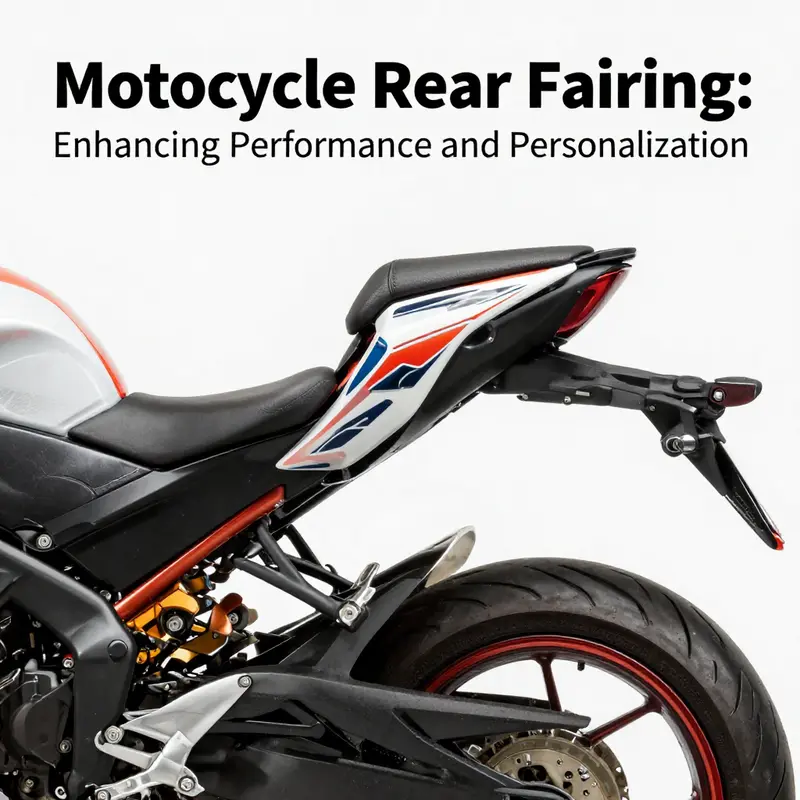
Rear fairings are more than plastic shells; they frame a rider’s stance and mood. They are the first line of identity after the tank and seat. When choosing color, finish, and graphics, riders tell a story about speed, discipline, or rebellion. A well-chosen fairing integrates with the bike’s geometry, supports comfort, and respects aerodynamics, while enabling personal expression. Textured finishes like carbon weave imply performance without changing structure. Gloss can highlight curvature; matte can suggest stealth. Graphics serve as a narrative thread—logos, emblems, or abstract motifs that read at a glance. Maintenance and fitment matter: the ideal fairing matches mounting points, respects clearance, and can be serviced without disassembly of key components. The aftermarket ecosystem offers options from subtle trims to full-scale shells, yet the best choice feels inevitable—like it grew from the bike rather than being bolted on. Lighting accents integrated into the tail can extend the atmosphere into night rides, reinforcing safety while maintaining cohesion with the design language. Ultimately, a rear fairing is a stage for the rider’s story. It’s the last visible act before the wheel meets the road, the place where intention meets motion. For those seeking inspiration, start with the bike’s lines, consider how your gear will interact with color, and evaluate how the finish will age under sun and rain. The result should be a unified silhouette that communicates who you are as a rider, without shouting.
Final thoughts
Understanding the role and benefits of motorcycle rear fairings is essential for business owners aiming to enhance their product offerings. These components are crucial not only for improving aerodynamics and rider comfort but also for providing opportunities for customization that resonate with a diverse customer base. By recognizing the significance of materials, aftermarket enhancements, and proper installation, businesses can better meet the demands of motorcycle enthusiasts, ultimately leading to increased customer satisfaction and loyalty. Investing in high-quality rear fairings will not only elevate the riding experience for your customers but also position your business as a leader in the ever-evolving motorcycle market.