
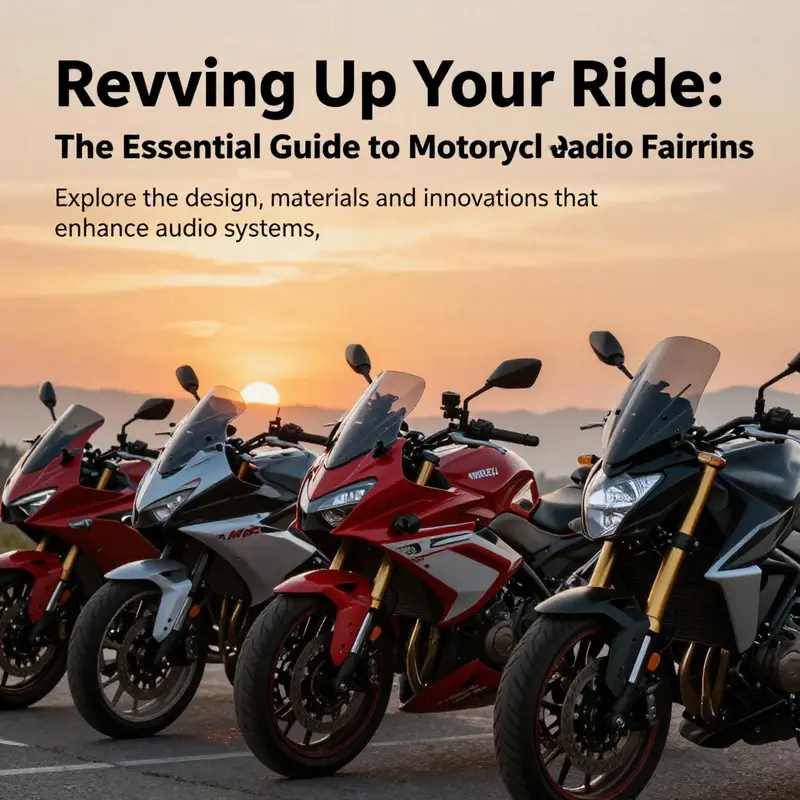
Motorcycle radio fairings are not merely accessories; they play a crucial role in enhancing the audio experience and comfort for riders. Designed to integrate seamlessly with motorcycles, particularly models like Harley-Davidson’s Road Glide and Electra Glide, these fairings serve multiple functions—from protecting audio equipment to improving aerodynamics. This guide delves into the intricate details of motorcycle radio fairings, exploring their design and functionality, materials used in construction, compatibility with audio systems, their impact on rider comfort, and the latest market trends and innovations within the realm of motorcycle fairings.
Sound in the Wind: The Integrated Craft of Motorcycle Radio Fairings

A motorcycle radio fairing is more than a protective shell for electronics; it is a carefully engineered interface between rider, machine, and environment. When a rider leans into the wind, the fairing becomes a partner in comfort, performance, and communication. It influences how sound travels to the cockpit, how air moves around the instrument cluster, and how the dash integrates with audio controls without disrupting the bike’s silhouette. In modern touring and performance-oriented models, the fairing is designed to manage not only wind flow but also heat, moisture, and vibration, ensuring that the radio, speakers, antennas, and control interfaces remain shielded from the most abusive weather and road conditions. The result is a riding experience where voice and music remain intelligible at speed, and weathering the elements does not degrade the quality of the rider’s connection to the machine. The design philosophy behind these fairings centers on a seamless blend of form and function, where aerodynamic efficiency, electronics integration, and aesthetic integrity reinforce one another rather than compete for attention. As a result, riders encounter a cockpit that feels both integrated and purposeful, a space where the radio is readily accessible without pulling focus from the road, and where the fairing supports the electronics without inviting rattles or leaks that would disrupt long-distance comfort.
From the outset, the choice of materials is a decisive factor in achieving this balance. ABS plastic remains a common choice for many fairings because it can be molded with precision, repels weathering, and absorbs the kind of impacts that occur on rough asphalt without cracking. Carbon fiber, by contrast, offers exceptional stiffness and a lighter weight, lending itself to high-end configurations where every gram saved can influence handling and fuel efficiency. The technology trade-off is clear: ABS is economical and forgiving for mass production, while carbon fiber signals premium performance at a higher cost. In either case, the material must resist UV exposure and temperature cycling, because a fairing lives in an environment that sees sun, rain, heat, and cold all in a single day. The right material choice preserves color and gloss, maintains dimensional stability around mounted electronics, and supports the long life of seals and gaskets that keep the interior electronics dry and dust-free. The surface finish—whether color-matched on the inside or a contrasting exterior—also contributes to the rider’s perception of quality. A color-matched inner fairing, for example, can offer a high-contrast backdrop that makes chrome instrument bezels and gauge faces pop, enriching the overall visual language of the bike while reducing glare that can obscure readings in bright sun.
Functionally, the fairing must cradle and protect essential electronics with a confidence that comes from careful routing and robust mounting points. Integrated radio housings, antenna elements, and control interfaces demand a level of modularity that allows technicians or experienced riders to upgrade or replace components without disrupting the bike’s original design. The modern approach often features an embedded space for audio hardware that is designed to minimize vibration and heat transfer, using strategically placed dampers and gaskets to isolate electronics from engine and road shocks. The architecture aims to keep wiring neat and secure, with weather-tight seals that prevent moisture ingress during rain or washing. The fairing also accommodates air management for the instrument cluster through discreet ducts and baffles that direct airflow to critical electronics, reducing turbulence and assisting cooling. This subtle aerodynamics work—air being channeled around the cluster rather than through the cockpit—helps maintain instrument readability and component longevity even on extended highway runs.
In practice, the integration of audio and control systems within the fairing demonstrates a philosophy of modularity and refinement. A typical installation strategy uses a DIN-based radio interface that fits within the factory dash contours, yielding a clean, integrated appearance rather than an aftermarket add-on that looks tacked on. This approach emphasizes structural integrity and electrical reliability, with mounting brackets and harnesses designed to withstand vibration and weather exposure. It is not merely a matter of placing a radio inside a fairing; it is about ensuring that the entire system—from speakers to antenna to the control knobs—works together in harmony. The result is a cockpit where the rider can adjust volume, change tracks, or switch channels without stretching for a handheld device or compromising grip on the bars. The control surface may be integrated into the fairing’s contour, offering tactile feedback through carefully shaped bezels and resistive touch points that respond even when wearing gloves. In addition to audio, many fairings anticipate other ancillary needs, providing space for vents, gauge bezels, and small weatherproof compartments that can house fuses, fuses, or remotes for accessories.
The aesthetic and functional elements of the fairing extend to its perceived solidity and alignment with the bike’s long, continuous lines. A well-designed fairing aligns with the bike’s chassis geometry and accentuates the rider’s line of sight toward the road while remaining discreet behind the instrument cluster. To achieve this, designers pay close attention to the color and texture transitions between inner and outer surfaces, balancing gloss and matte finishes to reduce harsh reflections while maintaining a premium look. The color-matched inner surfaces do more than enhance appearance; they create a visual cohesion that reduces the sense of bulk and makes the electronics and artwork on the dash feel like an integrated system rather than an afterthought. Beyond the visuals, LEDs or reflective elements within the fairing can support safety by improving visibility to following traffic at night, all while avoiding any increase in wind resistance that would degrade performance.
A final element of this integrated approach is modular compatibility. Modern fairings are designed to be compatible with a family of mounting options, engine guards, and accessory supports, enabling riders to upgrade audio systems, vents, or instrument bezels without altering the core structure of the bike. This modularity is essential for riders who want to tailor their setup without sacrificing the factory appearance or risking misalignment with the dash. In practice, this means a fairing that can accommodate a range of mounting kits, from slim, low-profile assemblies intended for minimal interference with hand controls to more robust configurations that provide additional stiffness for larger audio packages. It also means clear, consistent tolerances for fitment with the dash and surrounding components, so installation remains straightforward and does not require invasive modifications. For a broader sense of how fairing categories organize these pieces within the aftermarket landscape, readers can explore the broader BMW fairings category to see how designers package form, function, and modularity into cohesive, system-oriented products. BMW fairings category.
As the chapter closes on the practicalities, it is important to recognize the fairing as a living part of the motorcycle’s ecosystem. It is not a single component with a fixed job; it is a system that negotiates air, sound, and electronics across a spectrum of riding conditions. The rider’s experience depends on sound clarity at speed, a quiet perch for conversation or navigation prompts, and a cockpit that remains legible and comfortable even after hours in the saddle. In this sense, the radio fairing embodies an engineering ethos where aesthetics support performance and usability, and where the fairing’s construction is as much about protecting the rider’s investment as it is about enhancing the bike’s visual drama. The chapter above maps the core principles that guide this realm: durable materials, intelligent air management, integrated and secure electronics, and a design language that preserves the bike’s original identity while expanding its capabilities. For those who want to explore the broader technical context and standards that underlie these choices, an external resource that discusses material composition, technical standards, and common applications provides additional depth: https://www.oscarbennett.com/universal-motorcycle-headlight-fairing-material-composition-technical-standards-and-common-applications
Material Alchemy: How Construction Choices Shape Motorcycle Radio Fairings
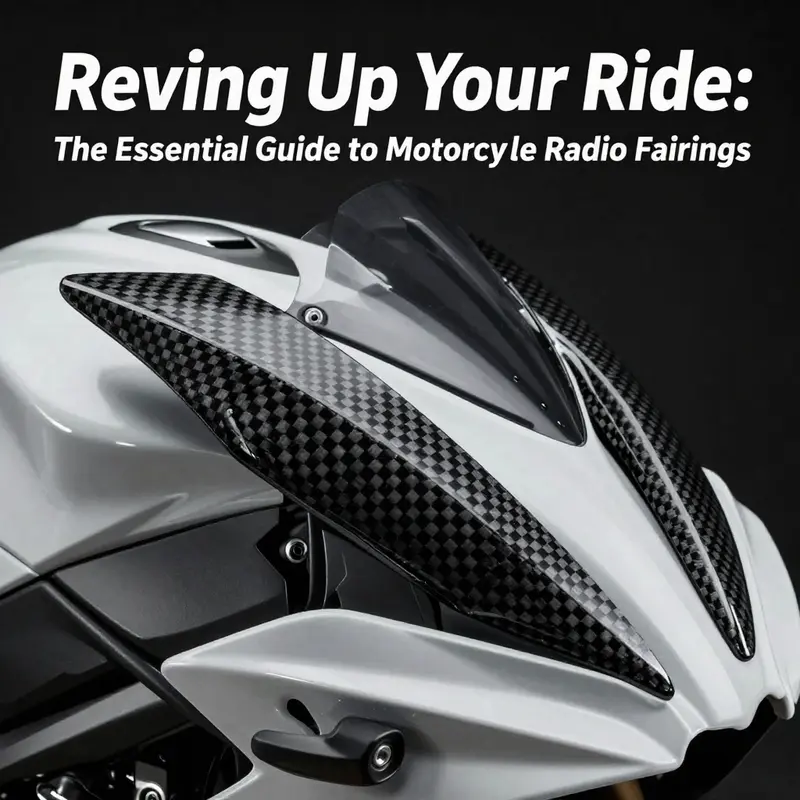
Materials are the unsung backbone of a motorcycle radio fairing. The shell that houses speakers, antennas, and control interfaces must endure wind, rain, sun, and road shock while preserving audio clarity and signal reliability. The fairing acts as both a protective envelope and a micro-environment that channels heat from compact electronics and shapes the rider’s perception of wind. In this role, material choice becomes a conversation among weight, stiffness, impact resistance, and weather durability. The balance is subtle: the shell should be light enough to limit rider fatigue, yet sturdy enough to survive a pothole strike or a stray branch without cracking. It must resist UV aging so color and finish stay stable, while remaining compatible with the electronics it encases. Achieving this balance involves selecting a foundational material set and layering it with protective coatings, sealants, and structural interfaces that together create a dependable housing for the radio system.
At the heart of the structure lie mounting brackets and frames that anchor the fairing to the bike and secure the radio assembly. Alloy steels are favored for these components because they deliver high strength and fatigue resistance without prohibitive weight. A robust bracket system keeps the radio aligned with the bike’s steering axis, preserving line-of-sight for antennas and avoiding contact with moving parts under heavy vibration. Corrosion resistance is embedded in the choice of alloy and the application of protective finishes so salt spray, rain, and humidity do not corrode fasteners or adapters over years of use. The goal is not to hide the hardware but to make it invisible to the rider’s eye while ensuring that the interface between the fairing and the chassis remains precise and serviceable. When mounting accuracy is steady, the electronics enjoy consistent performance, and audio remains clear at highway speeds.
Beyond the metal hardware, the exterior shell is typically a composite of reinforced plastics or fiber-reinforced polymers. Thermoplastics such as ABS and PC-ABS blends are widely used because they combine ease of shaping with resilient impact resistance. These materials can be injection-molded into complex forms that cradle speakers, route wires, and maintain clean seams that resist water entry. For riders who chase higher stiffness and stiffness-to-weight ratios, fiberglass- or carbon-fiber-reinforced laminates offer greater rigidity and damping. The trade-off is a steeper cost curve and more demanding manufacturing controls. In practice, many fairings use a layered approach: a tough outer skin with a core that adds stiffness, plus short, crisp radii that reduce stress concentrations. UV-stabilized resins and protective skins further shield the surface from sun exposure, helping color and gloss survive long rides through heat and humidity.
Finish and protection link the shell’s mechanical performance to its appearance and longevity. Gloss finishes or color-matched coatings give the fairing a seamless look that complements the motorcycle’s lines, but they also require coatings that are resistant to chipping, scratching, and UV fade. The coating system, whether a direct paint layer or a clear overcoat, must bond well to the base plastic or composite without delamination under temperature cycling. UV stabilizers can be embedded in the resin or applied in the topcoat to slow aging, while anti-scratch additives reduce the wear from glove rub and road grit. A well-considered surface also helps preserve the interior environment by limiting moisture ingress. The exterior protection thus contributes to the reliability of the embedded radio components by reducing environmental stressors that could otherwise deliver moisture, salts, or contaminants into seals and cavities.
Acoustics, heat management, and weather sealing all converge in the fairing’s interior architecture. The enclosure must shield sensitive electronics from vibration without isolating heat paths that keep amplifiers and radios from overheating. Internal cavities are designed with tuned volumes that support crisp speaker output while avoiding undesirable resonances. Thermal paths are built into the design through channels or contact points that carry heat to exterior surfaces or to integrated vents. Thoughtful wire routing and puncture-resistant grommets keep cables organized and protected from abrasion. Interior padding or liners help damp panel buzz without muffling desired acoustics, and foam blocks can tame standing waves that would otherwise distort the listening experience. The practical effect is a housing that feels solid in hand and sound when riding, a combination of engineering discipline and material nuance that translates into quieter, more intelligible audio on the move.
Manufacturing choices translate these material concepts into real-world performance. Thermoplastics enable high-volume production with tight tolerances and consistent finishes. They respond well to color matching and surface textures, which helps the finished fairing integrate with the bike’s aesthetic. When designers require higher stiffness or heat resistance, composite layups or resin-infused panels provide strength but demand more process control and quality assurance. Regardless of the path, seals, fasteners, and bonding agents must withstand cyclic temperature changes and moisture, maintaining watertight integrity and electrical reliability. Assembly accuracy matters: misaligned panels or poorly seated gaskets can lead to rattles, wind noise, or water ingress that undermines radio performance. In short, the manufacturing approach not only determines how the fairing looks but also how durable and maintainable it is under real-world riding conditions.
Material choices also shape the rider’s experience under diverse climates. In humid coastal environments, corrosion-resistant hardware and moisture barriers become critical, while in arid regions, UV stability and thermal compatibility dominate. The optimal design blends a polymer matrix with a reinforcing strategy so that the shell remains dimensionally stable as heat cycles up and down. This translates into stable speaker tolerances, predictable seals, and consistent radio performance across many miles. Importantly, the design must remain serviceable; riders should be able to access the electronics for upgrades or repairs without invasive disassembly. The result is a fairing that not only looks right but also stands up to the ignoring heat, sun, rain, and road spray that come with long journeys. That is the essence of durable, rider-friendly material engineering in radio fairings.
To see how these material strategies manifest in real-world product lines and to explore how a category page frames the design language across different models, examine the Honda fairings collection. This resource demonstrates how designers translate material choices into model-specific shapes that accommodate mounting points, vents, and integrated controls. You can explore this collection here: Honda fairings category. The narrative across these pages reinforces a common thread: the shell must protect the electronics, align with the rider’s ergonomics, and deliver a finished appearance that remains faithful to the bike’s identity over time. But the chapter’s core remains the same: every bolt, resin, and coating matters because it shapes how clearly the rider hears the music of motion. External reference for deeper technical grounding: https://www.oscarbennett.com/universal-motorcycle-headlight-fairing-material-composition-technical-standards-and-common-applications
Sound in the Shield: The Seamless Integration of Radio Fairings with Modern Motorcycle Audio Systems
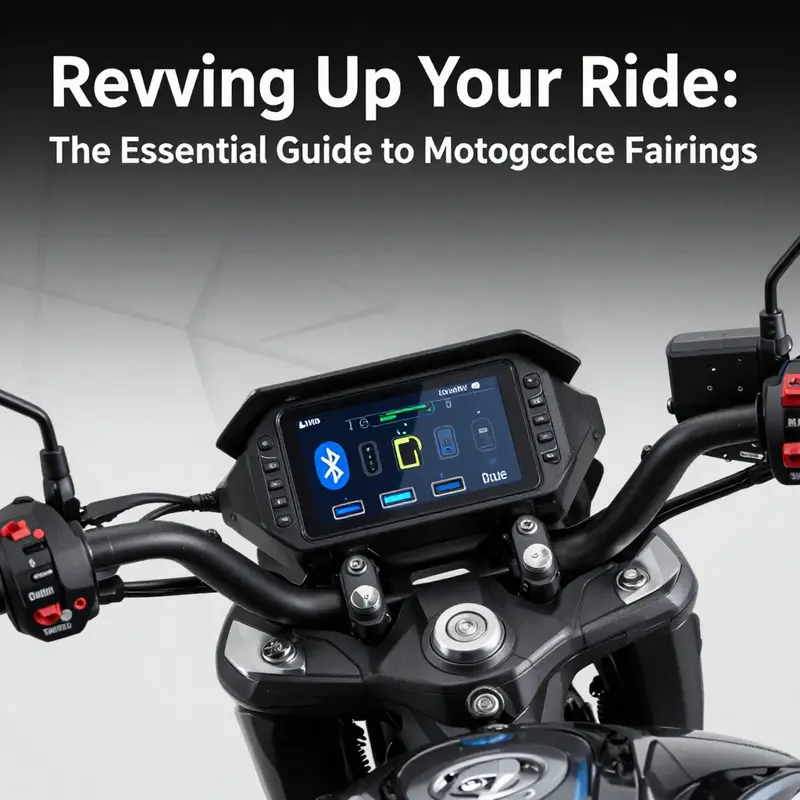
The fairing on a touring motorcycle does more than shape the machine’s silhouette; it channels wind, deflects rain, and, increasingly, hosts the rider’s soundtrack. In the era when audio and rider comfort are treated as a single design language, the motorcycle radio fairing emerges as a carefully engineered interface where acoustics, electronics, and aerodynamics meet. Far from being a mere enclosure, the fairing is now a collaborative platform where sound is sculpted to survive the road’s harsh realities. The challenge is not only to protect sensitive components from water, dust, and UV exposure but also to preserve or even enhance the rider’s perception of music and communication amidst engine roar and highway gusts. Crafting this balance requires more than robust materials; it demands a holistic system approach that integrates hardware, software, and the bike’s underlying electrical architecture without compromising the machine’s native character.\n\nA core element of this approach is the movement toward plug-and-play versatility. Modern configurations emphasize pre-configured kits that arrive with everything needed for a clean, factory-like installation: speakers, crossovers, amplifiers, and a wiring harness tailored to the bike’s fairing geometry. The goal is straightforward in principle—fitment should be direct, with no invasive modifications to the fairing housing or electrical system. In practice, this translates to connectors that snap into predefined points, harnesses that align with the bike’s original routing, and mounting hardware engineered to preserve the fairing’s integrity and aerodynamics. The rider benefits immediately from a streamlined install: less downtime, fewer custom alterations, and a result that looks and feels like an intended factory enhancement rather than an aftermarket add-on. This philosophy supports a smoother integration of sound into the bike’s overall silhouette, so the audio system becomes part of the vehicle’s character rather than an intrusive accessory.\n\nFrom the rider’s seat, the integration feels even more sophisticated when the audio system responds to the bike’s dynamic environment. A well-integrated setup uses weatherproofing as a baseline, ensuring that electronics tolerate rain showers and road splash while resuming normal operation once dry. The materials chosen for the fairing—whether reinforced plastics or composite skins—are vetted for fatigue resistance and UV stability, curbing color fade and cracking that could otherwise compromise seals and mounting points. The objective is quiet reliability: the hardware must resist the punishing vibration, temperature fluctuations, and dust intrusion typical of long rides. When the fairing and audio system are designed in concert, the result is a coherent acoustic experience that remains intelligible at highway speeds, where wind noise and engine rumble conspire to wash out subtle tonal detail. Even the shape of the vents and the placement of speaker apertures are optimized to minimize rattle, distortion, and stray resonance, turning a potentially harsh listening environment into a more forgiving cabin-like space for the rider’s ears.\n\nA central facet of this design philosophy is compatibility—the recognition that not all bikes share the same frame geometry, electrical architecture, or fairing depth. Compatibility is highly model-specific and year-dependent, so the integration strategy must respect those distinctions. Kits are crafted with precise fitment in mind, relying on model-specific harnesses and mounting interfaces that align with the bike’s existing fairing mounts. The result is a plug-and-play experience that preserves the factory aesthetics while delivering enhanced audio performance. In some configurations, achieving the right seal also means coordinating with other fairing accessories, such as gauge bezels or vent trim, to ensure that every component sits flush and functions in harmony. For riders exploring accessory catalogs, this translates into browsing a structured range where each option is bound to a defined set of model-year criteria, ensuring that the chosen audio solution plays nicely with the specific bike’s fairing geometry and electrical layout. This specificity matters because even small dimensional variances can alter speaker aiming, enclosure resonance, and cable routing, all of which ripple into perceived sound quality. When compatibility is addressed at the design stage, installation becomes a checkmark rather than a contingency.\n\nBeyond the hardware, the integration narrative extends into software-enabled control. Modern motorcycle audio ecosystems are no longer passive sound pumps; they are active interfaces that adapt to riding conditions. A contemporary setup often includes a touchscreen software interface capable of configuring and fine-tuning the system after installation. Riders can, for example, enable adaptive volume control that responds to ambient wind noise and engine speed, helping keep speech and music at comfortable levels without constant manual adjustments. A programmable equalizer, often offered as a multi-band spectrum tool, allows riders to tailor the sonic signature to their preferences or to the acoustics of the fairing itself. The software layer also supports app-based control, enabling quick tweaks on the move and preserving user settings through a ride cycle. This integration of hardware and software underlines a broader principle: the riding experience is enriched when the audio system is not just powerful but intelligently adaptive, remaining legible and immersive across a spectrum of speeds, speeds, and weather.\n\nFrom a professional standpoint, achieving reliable integration mandates expert calibration and validation. For newer systems, a dealer software update may be required to align the audio hardware with the bike’s electronic control architecture. Technicians use diagnostic tools to verify signal integrity, impedance matching, channel balance, and remote control interfaces, ensuring the system maintains factory-like reliability after installation. The emphasis on professional installation reinforces a broader design philosophy: the best-sounding system is not simply about loudness or tonal balance; it is about consistent performance under real-world conditions, backed by precise calibration that respects the bike’s electrical system, charging capacity, and thermal behavior. In this sense, installing a radio fairing is as much about orchestration as it is about components. The integration process choreographs power delivery, signal routing, venting, and tactile interfaces so that the rider’s attention remains on the road rather than the setup.\n\nTo illustrate the tangible implications of this approach, consider how compatibility dictates the choice of fairing-based audio configurations. A rider with a modern touring model will find that certain kits are paired with specific mounting footprints and saddlebag lid geometries. The relationship between sound and structure is not accidental; it is the product of a precise engineering conversation between the fairing’s acoustic portals, the enclosure’s internal volume, and the amplifier’s headroom. The design intent is to ensure that the speakers remain centered, the bass remains tight, and the treble retains clarity even when the bike is leaned into a curve or pounded by crosswinds. In such environments, the fairing itself becomes a resonance chamber that can either bolster or muddy the sound, depending on how carefully the system is designed and calibrated. This is why the integration narrative insists on model-specific kits and chassis-aware installation practices; it is not simply about adding speakers to a shell but about weaving a coherent auditory footprint into the bike’s overall dynamics.\n\nFor riders researching compatible options, catalog-driven resources can be helpful while keeping in mind the importance of fit and function. A practical step is to consult a fairing catalog that focuses on model-specific fitment and mounting details. For example, the Honda fairings catalog provides a sense of how fairing designs are cataloged and cross-referenced with compatible audio enhancements, helping riders and shops gauge compatibility before purchase. This approach keeps expectations aligned with the bike’s architecture and avoids uncertainties that could arise from generic, non-model-specific solutions. Internal navigation of such catalogs fosters a smoother decision-making process and reduces the risk of mismatched components after purchase. Honda fairings catalog encapsulates this principle by illustrating how cataloged fairings interact with additional accessories in a way that preserves the bike’s original lines and functional integrity.\n\nUltimately, the integration and compatibility story is not solely about the loudest speakers or the most feature-rich software. It is about a cohesive system where fairing design, acoustic performance, electrical reliability, and rider ergonomics converge. The industry’s best practices emphasize compatibility verification with each bike’s particular frame, a plug-and-play mindset for quick and clean installation, and software-enabled adaptability that keeps the listening experience aligned with riding conditions. When these elements align, the result is a soundscape that complements the visual storytelling of the machine rather than competing with it. Riders experience a sense of certainty: the music or navigation prompts are clear, the system remains resilient under sun, rain, and vibration, and the fairing continues to protect the electronics without compromising the bike’s identity. In this integrated vision, the radio fairing is not an accessory; it is an extension of the bike’s personality, amplifying the rider’s interaction with the road through a stable, adaptive, and aesthetically harmonious sonic presence.\n\nExternal resource for broader context on materials and standards:\n\nUniversal Motorcycle Headlight Fairing: Material Composition, Technical Standards, and Common Applications by Oscar Bennett, February 18, 2026. https://www.oscarbennett.com/universal-motorcycle-headlight-fairing-material-composition-technical-standards-and-common-applications
Sounding the Road: The Quiet Revolution of Radio-Integrated Motorcycle Fairings and Rider Comfort
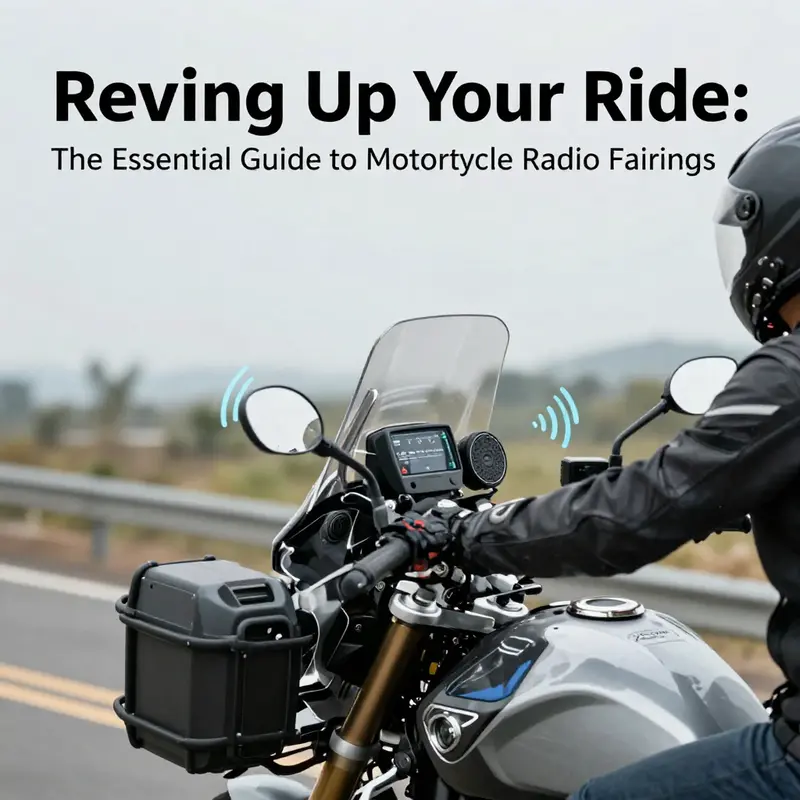
A motorcycle fairing that houses a radio system does more than add a soundtrack to the ride. It reconfigures how a rider experiences the road by turning the bike’s outer shell into a single, integrated information and entertainment platform. The shift from exposed handlebars with clumsy devices to a streamlined, fairing-centered interface changes not only what a rider hears, but how they hear and how they move through space. In this sense, the radio fairing evolves from accessory to essential component, a smarter extension of the rider’s senses that blends weather resistance, aerodynamics, and user-centered design into a single, coherent experience.
At the core of this transformation is the idea that a fairing’s interior can be engineered to protect and optimize audio without compromising wind protection or visual clarity. Built-in speakers, properly sealed against rain and splashes, can be positioned to project sound toward the rider with minimal flutter or resonance. The enclosure becomes a tuned chamber, where acoustics are considered alongside aerodynamics. The result is clearer audio at highway speeds, when wind noise otherwise muddies dialogue and directions. As riders lean into the throttle, the music or spoken directions emerge with a confidence that makes information more accessible, reducing the cognitive effort required to interpret tailgates of glare and wind hiss.
Sound quality is not the only benefit. The integration reduces clutter on the handlebars, where a tangle of devices, mounts, cables, and tiny screens can force riders to divert attention from the road. When controls are embedded in the fairing itself—buttons or touch surfaces located at a natural, repeated hand position—the rider can adjust volume, skip tracks, answer a call, or accept a navigation prompt without looking away from the road. This hands-free operation directly lowers cognitive load, which is a critical factor in maintaining situational awareness on busy highways or winding mountain passes. The smoother interaction between rider and system also means less time spent fumbling with gearboxes, chargers, or phone stands, which translates to steadier hands and a more relaxed posture over long miles.
The practical impact of these design choices extends into daily riding and long-distance journeys alike. For commuters, timely turn-by-turn cues, traffic advisories, and quick messages can be relayed through a weather-resistant interface rather than through a separate device that might require frequent fidgeting. For long-distance riders, the benefits compound. Music or audiobooks can help manage fatigue during hours of steady cruising, while real-time updates from a GPS-enabled radio can guide routes around congestion or construction. When the system supports Bluetooth connectivity, voice commands and smartphone integration become more accessible, enabling riders to keep both hands on the bars and eyes on the horizon while still receiving important updates. This combination of hands-free operation and integrated audio creates a lane-wide sense of calm, even in challenging conditions, and helps maintain focus on road texture, traffic patterns, and wildlife that might otherwise demand quick, disruptive glances.
From a safety perspective, the fairing’s audio channel can be a steady conduit for critical information. Clear, directional sound helps riders hear urgent navigation prompts or incoming calls without squinting at a screen or fumbling with a device in harsh weather. The design also supports robust weatherproofing, protecting sensitive electronics from rain, UV exposure, and vibration. Materials such as durable ABS plastics and carbon fiber are chosen not only for their strength and lightness but for their acoustic properties as well. The fairing’s geometry—its flares, lip lines, and vent placements—can influence how sound propagates to the rider and how wind interacts with the system. Some fairings feature integrated vents or vent trim that manage airflow around the radio components, reducing wind noise and keeping electronics cooler in hot weather. These features contribute to a more comfortable ride by curbing fatigue-inducing heat and by preserving audio clarity in a wide range of temperatures and speeds.
Aesthetics and function converge in the fairing’s design, where the integration of a radio system must respect the bike’s original styling. The goal is a seamless appearance that doesn’t betray the rider’s need for modern connectivity. The fairing can house antenna housings and gauge bezels that are visually cohesive with the bike’s lines, maintaining a clean silhouette while delivering reliable signal reception. The result is a riding experience that feels both contemporary and integrated, like the bike’s own sensors and systems were always meant to talk to the rider in this way. For riders who are exploring options across different brands or model families, the fairing’s adaptability is a key advantage. The ability to fit built-in radios into front- or side-mounted fairings allows for broad compatibility without requiring a complete bike rework, enabling riders to keep their preferred bike aesthetics while upgrading how they interact with the road.
The discussion of compatibility naturally leads to the question of customization. A modern radio-enabled fairing isn’t a one-size-fits-all solution; it’s a platform that can be tailored to a rider’s preferences and riding style. Some riders may prioritize an expansive audio stage with rich bass and wide dispersion, while others may value precise midrange for navigation cues and voice prompts. The control interface can be calibrated to accommodate glove use, with tactile buttons and intuitive layouts that map naturally to common tasks like volume control, seek, and pairing. Bluetooth and hands-free operation can be configured to work with a rider’s preferred devices, and some systems enable cloud or app-based customization for an even tighter fit with the rider’s daily routines. In this sense, the radio fairing becomes a personalized cocoon that supports comfort, safety, and enjoyment across miles and seasons.
For riders who shop within different fairing ecosystems, the concept of a built-in radio fairing remains remarkably transferable. The same principles apply whether the fairing is part of a touring package or an aftermarket integration: the antenna and speaker placements must be reliable, the enclosure must protect electronics from the elements, and the interface must offer an intuitive path to the rider’s immediate needs. The riding experience then hinges less on the availability of entertainment and more on how seamlessly the system presides over attention. When a rider’s focus is enhanced rather than diverted, the sense of freedom on the road grows. The capacity to hear critical cues—directional prompts, approaching traffic alerts, or a phone call with a clear voice—without tearing attention away from the road creates a form of cognitive relief that can translate into calmer handling, steadier lane position, and more relaxed riding muscles over long hours.
As with any ergonomic advance, the benefits accrue most fully when the design respects both the rider’s body and the bike’s spirit. The fairing must accommodate a rider’s height, seating position, and typical riding posture, ensuring that the audio field remains oriented toward the ear and not scattered into the wind. It should also preserve the rider’s line of sight and reach to vital controls, enabling a natural cadence of moves that minimizes fatigue. In practice, this means a well-integrated radio fairing that feels like a natural extension of the bike, not an afterthought bolted on. When that balance is achieved, the rider experiences a sense of continuity between intention and action—music that motivates without distracting, navigation that guides without shouting, and calls that come through as a calm, clear voice from the right location on the motorcycle.
For those who want to explore further, bikes with compatible fairings in the broader market offer a familiar entry point. Riders curious about the diversity of fairing designs can examine categories such as Yamaha fairings to observe how different lines accommodate integrated audio ecosystems while maintaining the bike’s own aesthetic language. Yamaha fairings provide a useful reference for how manufacturers balance form and function when embedding multimedia and communications capabilities into the fairing architecture.
Ultimately, the rise of radio-enabled fairings marks a shift in rider comfort from a secondary convenience to a core aspect of the riding experience. It reframes the journey as a connected venture where music, navigation, and hands-free communication are woven into the fabric of the bike and the rider’s perception of speed, space, and safety. The result is not simply a more entertaining ride; it is a more graceful one. Riders can enjoy a calmer, more focused state of mind as they traverse long roads, knowing that critical information travels with them in a predictable, accessible way. This quiet revolution—where the fairing becomes both shield and conduit—offers a compelling vision for how motorcycles can retain their essence while embracing smarter, more humane technology.
External resource: https://www.alibaba.com/product-detail/Upgrade-Your-Ride-with-Radio-for-Motorcycle_1600582937794.html
Smart Shields and Soundscapes: The Evolving Frontier of Motorcycle Radio Fairings
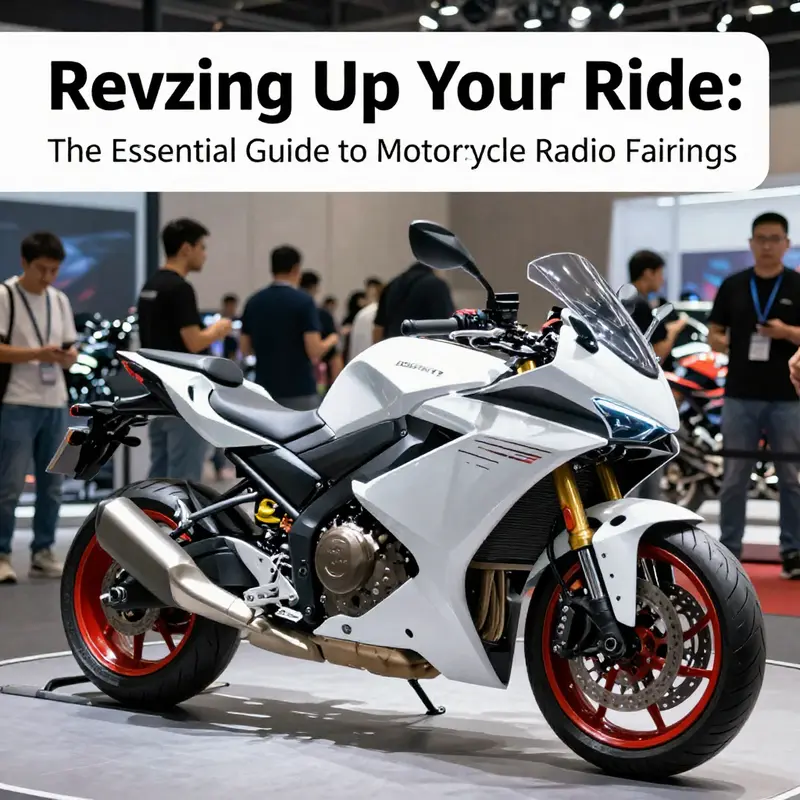
The motorcycle fairing, long celebrated for its aerodynamic grace and protective shelter, has entered a new era where form and function fuse with digital intelligence. Once a static shell carved to slice through wind and shield delicate components, the fairing now acts as a platform for a rider’s connected experience. Integrated radio, communications interfaces, and speakers are no longer afterthoughts tucked behind a panel; they are woven into the fairing’s DNA, shaping how riders hear, navigate, communicate, and react to the road ahead. As the weathered torque of the engine becomes less of a solitary melody and more of a symphony played in concert with data streams, the fairing assumes a role that is both protective shield and intelligent cockpit. The shift is less about cosmetics and more about ecosystems, where material choice, mounting strategies, and signal integrity all converge to deliver a smoother ride with clearer communication and safer handling in a world of increasing connectivity.
Market forces illuminate why this transformation is accelerating. The global motorcycle fairing market, which reached a notable size in the mid-2020s, is projected to sustain a robust growth trajectory into the early 2030s. A driving impulse behind this expansion is the rising demand for performance and technology, as riders seek more than speed and torque; they want seamless access to navigation, music, hands-free communication, and real-time telemetry from their rides. As fairings absorb and manage these technologies, they also become critical in shaping the rider’s cognitive load—reducing distraction by presenting information in a clear, contextual, and non-intrusive way. In practical terms, that means smarter control interfaces, more stable antenna housings, and integrated acoustic systems that withstand the weather, vibration, and UV exposure that come with long-distance exploration. The fairing’s interior and exterior now collaborate to preserve signal quality while guarding sensitive electronics from the elements, so the rider can focus on the road, not on fiddling with knobs or wrestling with jumbled cables.
The integration of AI-powered sensors and IoT connectivity marks one of the most consequential shifts. Modern fairings can host sensors that monitor wind speed and direction, road surface conditions, and even rider posture and fatigue indicators. These inputs can feed adaptive systems that adjust wind noise suppression, audio output, and display brightness in real time. Imagine a display that dims or brightens in response to ambient light while simultaneously filtering out wind-driven interference from the speaker outputs. The rider then experiences a more intimate soundscape and a more legible interface without sacrificing situational awareness. In addition, IoT connectivity enables the fairing to communicate with external devices—smartphones, helmets, or wearable controllers—so that navigation prompts, messages, or emergency alerts can be streamed directly into the cockpit. The net effect is not just convenience; it is a tangible uplift in safety, as critical information becomes readily accessible in the rider’s line of sight and auditory channel.
From a market perspective, the current landscape underscores both scale and sophistication. Valuations around 6.84 billion dollars for the broader fairing segment in 2025 are accompanied by an anticipated compound annual growth rate in the neighborhood of 12.8 percent through 2033. This expansion is not merely the result of more bikes on the road; it reflects a widening appetite for features that previously belonged to other segments of automotive technology. Riders who once prioritized raw performance now expect a choreographed experience where sound, navigation, and vehicle telemetry harmonize with the bike’s mechanical heartbeat. The growth is reinforced by a parallel surge in the adjacent sound systems market, which exceeded twelve billion dollars in 2025 and is growing even faster, signaling a consumer willingness to invest in immersive, high-quality audio within the constraints of two-wheeled environments. As fairings evolve, manufacturers and aftermarket specialists alike are racing to balance durability, weather resistance, and signal fidelity with the aesthetics that have long defined motorcycle culture. The challenge is designing a system resilient to rain, road spray, heat, and vibration while remaining accessible to the rider for maintenance, upgrades, and customization.
The spectrum of fairing configurations continues to diversify, responding to different riding styles, climates, and budgets. Full fairings deliver maximum aerodynamic efficiency and integrated compartments for electronics, yet may be heavier and more complex to install. Half and quarter fairings can offer lighter weight and easier customization while preserving a strong windbreak, particularly in touring and adventure contexts. Custom aftermarket options seek to blend OEM-inspired silhouettes with modern integrations, letting riders craft a personal aesthetic that echoes their riding philosophy while embedding audio, antenna housings, and control interfaces in a way that aligns with their preferred ergonomics. The material conversation mirrors this diversification. ABS plastic remains a reliable baseline, but a growing cohort of riders are turning to advanced composites and carbon fiber alternatives that deliver greater stiffness and weather resilience at a premium. The practical calculus—cost, fitment compatibility, and long-term durability—remains central when selecting a fairing, especially for those upgrading an older model or undertaking a full custom build.
A critical thread running through these developments is compatibility. The fairing ecosystem is not a single, universal interface; it is a spectrum of fitments tailored to makes and models, mounting patterns, and the electrical architectures of different bikes. For riders exploring aftermarket options, it is essential to verify fitment with their specific motorcycle year and configuration to ensure safe installation and reliable performance. The interplay between mounting hardware, weather seals, and signal routing demands careful planning: cables and antennas must be shielded from moisture and abrasion, while speaker enclosures should maintain acoustic clarity without introducing unwanted resonances. These considerations extend to venting and thermal management; some fairings integrate ventilation trims that affect both aerodynamics and the internal climate around the audio and radio components. The engineering objective is to preserve aerodynamic efficiency while providing secure, serviceable access to the electronics that now form part of the riding experience.
In this context, the rider’s choices about fairing type, materials, and integration strategy become a form of personal optimization. A full fairing with a well-integrated radio interface can deliver a cohesive, high-end aesthetic that complements the bike’s lines while delivering a robust audio and navigation package. A more modular approach, using a half or quarter fairing, can emphasize flexibility, ease of upgrade, and cost containment, while still delivering essentials like weatherproof audio, a dependable antenna, and a readable display. As this ecosystem matures, the lines between hardware and software blur. Display panels, control surfaces, and sound tuning are no longer fixed attributes; they are adaptable software-defined interfaces that can be updated as new features emerge, ensuring that the fairing remains current without requiring a full mechanical overhaul. This dynamic is as much about rider empowerment as it is about engineering prowess, enabling enthusiasts to tune their riding environment to their preferences, routes, and riding philosophy.
For riders who want to explore options without losing sight of the broader ecosystem, a practical touchstone is the accessibility of demonstrated fitment in popular categories. A relevant entry point for those curious about the breadth of aftermarket fairings is the BMW fairings section, which showcases how a modern fairing family can balance aggressive styling with modular audio and display integrations. This example underscores a broader principle: the value of a flexible, scalable platform that can be adapted to different bikes while maintaining a consistent user experience. It is not about chasing a single configuration but about cultivating a family of options that can be tailored to the rider’s needs, climate, and riding habits. By anchoring decisions to fitment accuracy, weather resistance, and ease of upgrade, riders can pursue a path of continuous enhancement without sacrificing reliability or safety. That mindset positions the fairing not as a passive guard against wind but as an active, intelligent interface that grows with the rider.
Looking ahead, the continued convergence of materials science, sensor technology, and wireless communications suggests a future where fairings become increasingly capable of autonomously managing environmental and cognitive workloads. Anticipating wind noise, adjusting audio levels, and presenting navigational cues through an unobtrusive head-up-like display are not far-fetched promises. The most compelling narrative, however, centers on safety and confidence: a smart cockpit that preserves attention for the road, filters out the noise of the ride, and keeps essential information within easy reach. As designers push toward lighter, stronger materials and more integrated, weatherproof electronics, the fairing will continue to evolve from a protective shell into a trusted co-pilot—one that respects the rider’s need for clarity, comfort, and connection while preserving the purity of the wind and the joy of the ride.
For readers seeking a broader arc of research and context, the evolution of motorcycle fairing technology is actively documented in industry analyses that explore material composition, technical standards, and common applications, offering a grounded complement to the practical considerations discussed here. External perspectives illuminate how the market is consolidating expertise in multi-material construction, antenna placement, and signal integrity, reinforcing the idea that successful fairings must harmonize aesthetics, aerodynamics, and electronics. Further reading in this vein helps bridge the gap between design aspirations and real-world performance, illustrating how planners translate ambitious concepts into durable, ride-ready solutions. As the landscape continues to shift, riders and builders alike can anticipate an increasingly cohesive approach to fairing design—one that treats the motorcycle as a single, connected system rather than a collection of discrete parts. For deeper exploration, see the detailed external overview linked below.
Internal link example for further options: For those curious about how modern fairings span the spectrum of models and styles, you can explore a curated catalog focused on BMW motorcycle fairings to observe how fitment and integration are balanced across a lineup. BMW motorcycle fairings.
External resource: A comprehensive industry overview of motorcycle fairing markets and technical considerations can be found in the Grand View Research analysis, which covers market drivers, material innovations, and the evolving role of fairings as platforms for smart technology. https://www.grandviewresearch.com/industry-analysis/motorcycle-fairing-market
Final thoughts
Motorcycle radio fairings serve as a vital enhancement to the riding experience by marrying functionality with aesthetics. By understanding their design, material composition, integration with audio systems, and overall impact on comfort, business owners can appreciate the significance of these components in their market offering. Keeping abreast of the latest trends and innovations allows manufacturers and retailers to remain competitive, offering products that not only appeal aesthetically but also elevate the performance and satisfaction of the motorcycle ride.