
Introduction
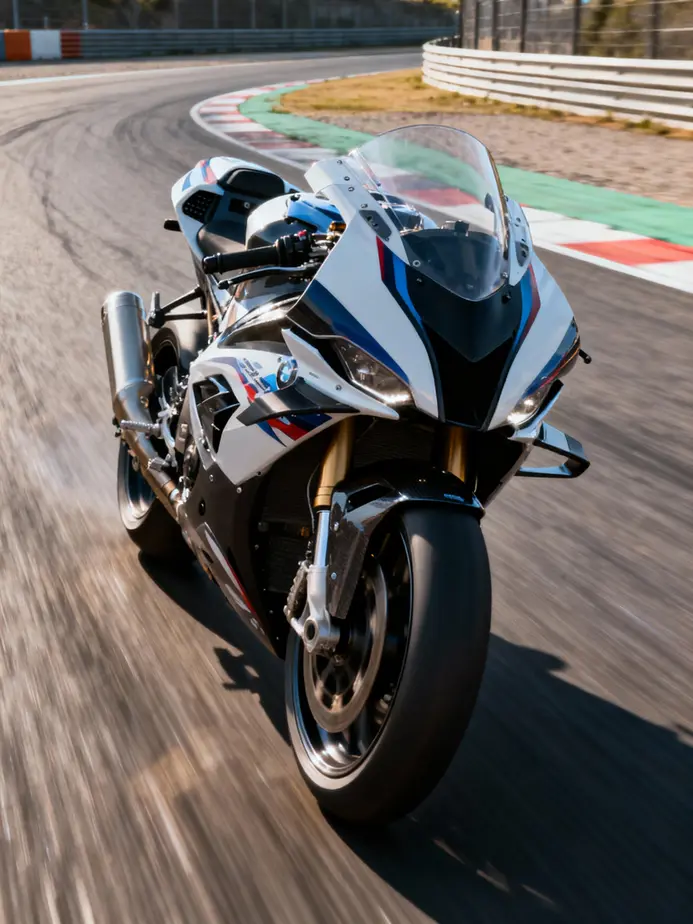
Motorcycle race fairings are crucial components designed specifically for high-performance environments, where every aerodynamic detail counts. These lightweight body panels not only enhance speed and handling but are engineered to optimize airflow and minimize drag by nearly 30%. Understanding the key features and benefits, the materials used, and the customization options available for these fairings is vital for business owners seeking to supply or enhance performance motorcycles. Each chapter will explore these aspects comprehensively, ultimately showcasing how motorcycle race fairings can propel bikes to new heights in competition and appeal to discerning riders.
Tables of Contents
Chapter 1: Unleashing Speed: The Aerodynamic Innovations of Motorcycle Race Fairings
- Harnessing Aerodynamics: The Key Enhancements of Motorcycle Race Fairings
- The Evolution of Materials in Enhancing Race Fairings’ Functionality and Advantage
- Aerodynamic Advantages and Weight Savers: Maximizing Performance with Race Fairings
Chapter 2: Exploring the Material Palette: Fiberglass in Motorcycle Race Fairings
- Unpacking the Strengths and Limitations of Fiberglass in Motorcycle Race Fairings
- The Superior Role of Carbon Fiber in Revolutionizing Motorcycle Race Fairings
- The Power of Kevlar-Carbon Composites in Maximizing Performance for Motorcycle Race Fairings
Chapter 3: Engineering Excellence: Crafting Motorcycle Race Fairings for Optimal Performance
- Tailoring Performance: Material Customization Options for Race Fairings
- Vibrant Finishes: Mastering Paint and Customization Techniques for Motorcycle Race Fairings
- Transformative Art: Exploring Graphics and Design Variations in Motorcycle Race Fairings
Chapter 1: Unleashing Speed: The Aerodynamic Innovations of Motorcycle Race Fairings
1. Harnessing Aerodynamics: The Key Enhancements of Motorcycle Race Fairings
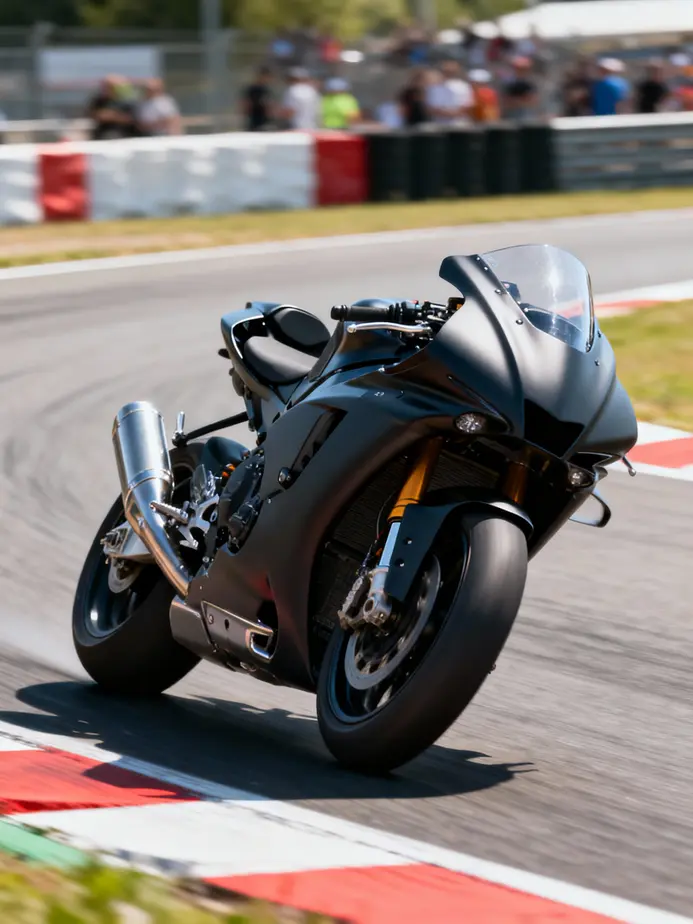
The quest for speed in motorsport drives continuous innovation, and motorcycle racing is no exception. Central to this endeavor is the role of motorcycle race fairings, whose aerodynamic enhancements significantly impact performance. By minimizing drag and optimizing airflow, these meticulously engineered body panels enable racers to achieve unparalleled speeds and handling on the track.
At the heart of motorcycle race fairings are revolutionary aerodynamic features designed to maximize performance. One of the most notable additions is the use of winglets and multi-stage aero devices. These components generate substantial downforce—up to 70kg at high speeds—thereby enhancing the motorcycle’s stability during critical maneuvers such as braking and acceleration from corners. Winglets achieve this by stabilizing the front end, reducing the tendency for wheelies, and ensuring that the bike maintains its grip when exiting turns. Furthermore, they guide airflow efficiently to brake systems for optimal cooling, an essential feature in the high-stress environment of closed-track racing.
Equally significant are the aerobodies and contoured fairing shapes that characterize these race fairings. By integrating air channels into their design, these shapes effectively manipulate airflow, minimizing drag while enhancing stability at velocity. Each curve and contour is engineered for precision to conform closely to high-performance machines like the Suzuki GSX-R and Kawasaki Ninja. The result is a finely-tuned aerodynamic profile that supports aggressive riding styles and allows riders to push their limits on the track without compromising control.
Additionally, features like downwash ducts and diffusers play a crucial role in channeling air around crucial components, such as the engine and tires. For instance, a design patented by Yamaha harnesses airflow in a way that not only cools the engine and tires but also avoids creating turbulence that may destabilize the motorcycle at speed. Such careful management of air not only sustains peak performance but also maximizes racing efficiency by lowering the chances of overheating during rigorous conditions.
The benefits of these aerodynamic enhancements extend well beyond just numbers on a speedometer. Riders experience improved stability and control as downforce enhances grip under braking and facilitates smoother handling at high speeds. With the introduction of lighter materials, such as carbon fiber, which can weigh 30% less than traditional ABS plastic, the power-to-weight ratio of motorcycles is significantly boosted. This contributes to quicker acceleration and reduces the flex experienced in heavier fairings, providing a more responsive feedback mechanism to the rider.
Moreover, effective airflow management has a profound impact on performance metrics. As drag is reduced, motorcycles can reach their top speeds more rapidly. This optimization of airflow not only enhances acceleration but also prevents situations like wheelies that can disrupt tire contact with the track surface, ensuring that handling remains precise while maneuvering around corners. Equally, the durability of high-quality fairings means that they can withstand the impacts and stresses associated with bike racing, providing confidence to riders even in the event of a crash.
From a thermal efficiency standpoint, the designs of contemporary race fairings direct airflow intentionally to critical components like the brakes and radiators, ensuring they remain adequately cooled during demanding racing conditions. This constant airflow directionality not only protects these components from overheating but also indirectly contributes to overall race performance by allowing for sustained high speeds without the risks associated with thermal failure.
However, it is essential to address the inherent trade-offs when selecting motorcycle race fairings. These designs prioritize aerodynamic efficiency at the expense of everyday comfort and utility. Race fairings generally create dirty air, which can disrupt the airflow of trailing bikes, complicating overtaking strategies during races. In response to these complexities, regulatory bodies, including MotoGP, are refining dimensional rules, such as adjusting fairing width limits and nose positions, to promote closer racing dynamics between competitors and enhance overtaking opportunities.
In conclusion, the aerodynamic enhancements integral to motorcycle race fairings are pivotal to their role in modern motorsports. From winglets that generate crucial downforce to finely contoured shapes that manage airflow with surgical precision, these features are designed not merely for speed but for an intricate synergy of speed, stability, and efficiency. While they may sacrifice practicality for the competitive edge on the racetrack, their influence on motorcycle design continues to shape the future of racing. As racing technology evolves, the marriage of innovative aerodynamics with advanced materials remains the keystone of motorcycle racing’s relentless pursuit of performance excellence. For enthusiasts keen on upgrading their rides and exploring the latest in aerodynamic designs, exploring options tailored to leading models can be enlightening. Visit the various pages dedicated to specific models like the Suzuki fairings for more insight into adapting these advancements for your bike.
2. The Evolution of Materials in Enhancing Race Fairings’ Functionality and Advantage
The world of motorcycle racing thrives on performance, where every element of design contributes to an unparalleled riding experience. Among these elements, race fairings have evolved significantly, not only shaping the aesthetic of the bike but also serving critical functional roles. At the heart of this innovation lies an array of materials engineered for strength, weight savings, and aerodynamic efficiency. Understanding these material developments provides deep insight into the features and benefits of contemporary motorcycle race fairings.
Carbon Fiber: The Pinnacle of Lightweight Performance
Among the materials reshaping the motorcycle race fairings landscape, carbon fiber stands out as a premium option. Renowned for its superior strength-to-weight ratio, this advanced composite material weighs approximately 30% less than traditional ABS plastic fairings while maintaining incredible durability. This dramatic reduction in weight translates directly to enhanced agility, allowing motorcycles to achieve higher top speeds more efficiently. Additionally, the rigidity and responsiveness of carbon fiber ensure that motorcycles handle better during cornering, providing riders with the confidence to push their limits. Riders can expect improved fuel efficiency as the lighter frame reduces energy required to accelerate and maintain top speeds, which is crucial during endurance races.
Fiberglass: The Durable Contender
While carbon fiber offers unmatched performance, fiberglass remains an industry staple due to its affordability and resilience. Although heavier than its carbon counterpart, fiberglass is often reinforced with eco-friendly polyester resins, making it suitable for use in a variety of racing applications. The durability of fiberglass means it can withstand the rigors of high-speed racing and the inevitable minor crashes that occur on the track. Manufacturers may favor fiberglass for entry-level race kits or among amateur racers where budget constraints overlay performance desires. Despite its weight, fiberglass fairings can still aid in reducing some degree of drag, ultimately contributing to improved speed and handling in competitive environments.
ABS Plastic: Agile and Adaptable
Another popular material, ABS plastic, has found a firm footing in the racing scene as a cost-effective yet robust solution for fairings. Known for its flexibility and impact resistance, ABS fairings are not only lighter than fiberglass but also more resistant to cracking and deformation during impacts. This adaptability allows for creative designs and proximity fit that maintain aerodynamics without sacrificing rider safety or comfort. Motorcycles equipped with ABS fairings often experience a significant increase in acceleration due to the reduced mass, making it an appealing choice for amateur and recreational racers eager to improve their performance without stretching their budgets.
Emerging Composites and Innovations
The push for advanced technology has sparked increased interest in emerging composite materials that utilize a blend of plastics, carbon fibers, and innovative polymers. Recent advancements, particularly in the 2025 racing models aimed at the Asia-Pacific and European markets, indicate a trend toward reducing the bulk of fairings while preserving strength and performance. These specialized composites leverage design intricacies that optimize airflow around the motorcycle, further enhancing aerodynamic efficiency while minimizing drag, thus allowing riders to experience unparalleled speeds and cornering prowess.
Technological Innovations and the Future
Looking beyond traditional materials, emerging innovations such as 3D-printed fairings are revolutionizing the manufacturing process. The ability to create complex, lightweight structures with minimal waste heralds a new era in motorcycle fairing production. This technological leap not only enables rapid customization but allows racing teams to produce specific parts only when needed, significantly reducing lead times and inventory costs. The World Superbike series has already seen teams like BMW adopt this method, showcasing the practical advantage of modern manufacturing technologies.
Additionally, the industry is witnessing a commendable shift toward sustainable practices, with a focus on recyclable composites and biodegradable materials derived from recycled plastics. As environmental awareness grows, the integration of such materials into high-performance fairings aims to deliver top-tier aerodynamic efficiency without compromising ecological responsibility.
Modular Designs for Enhanced Functionality
The latest trends in race fairings also emphasize modular designs adept at incorporating integrated features like smart sensors that allow for quick adjustments during races. This evolution not only bolsters functionality but enhances the racer’s ability to adapt to changing track conditions or personal riding styles. The versatility brought by these modular designs paves the way for a future where fairings can be tailored to individual racers or specific racing conditions, enhancing their performance capabilities.
Aesthetic Considerations and Protective Finishing
Manufacturing advancements extend beyond structure to finish, where high-quality painting processes, involving multiple layers of primer, paint, decals, and protective clear coats, ensure that race fairings can withstand environmental challenges. The rich variety of finishing options — ranging from metallic to matte or even exotic chameleon finishes — adds to the visual appeal and can enhance a team’s branding on the racetrack. This focus on aesthetics underscores the race fairings’ role as not simply functional performance components but also significant design elements that contribute to the identity of both the motorcycle and its rider.
In conclusion, the ongoing evolution of materials and designs in motorcycle race fairings reflects a commitment to improving performance while considering sustainability. Riders can look forward to even more innovative and efficient options in the future, as manufacturers continue to experiment and refine their approaches to meet the demanding conditions of racing. With each advance, the fusion of capability and creativity opens a world of possibilities for teams seeking to dominate the track, making motorcycle racing not just about speed but also about the cutting-edge technologies driving the sport forward.
For those interested in upgrading their motorcycle fairings, explore a diverse selection of premium race fairings available for various models.
3. Aerodynamic Advantages and Weight Savers: Maximizing Performance with Race Fairings
Motorcycle race fairings stand out as a critical enhancement for racers and enthusiasts alike, significantly contributing to performance through their innovative design and material choices. The essence of these fairings lies in their ability to minimize drag and enhance aerodynamics, allowing riders to unlock the full potential of their machines. With advancements in technology and materials, motorcycle race fairings deliver a nuanced balance between aggressive racing performance and top-tier craftsmanship, focused entirely on the racetrack experience.
One of the most compelling features of race fairings is their ability to reduce aerodynamic drag substantially. Compared to conventional full fairings, race fairings can achieve drag reductions approaching 30%. This innovative design effectively increases overall speed and efficiency, providing a noticeable advantage during both straight-line acceleration and top-speed pursuits. The streamlined profiles of these fairings guide airflow around the motorcycle in ways that reduce resistance, resulting in enhanced handling characteristics when navigating corners at high speed.
The aerodynamic benefits extend beyond mere speed: they include increased downforce, which has become a hallmark of competitive motorcycle design. In the heated world of racing where stability is paramount, race fairings can create downforce of up to 70 kg. This force plays a crucial role in ensuring that the front wheel maintains contact with the track, particularly during aggressive braking and cornering. The significance of this downforce cannot be overstated; it allows riders to corner at heightened angles with confidence and stability, dramatically reducing the risk of losing grip.
As riders push their machines to the limit on the track, the weight savings provided by race fairings emerge as another distinguishing benefit. Modern racing fairings typically utilize lightweight materials such as carbon fiber, which weighs approximately 30% less than traditional materials like ABS plastic. By decreasing the overall weight of the motorcycle, riders achieve an improved power-to-weight ratio—a vital measure of performance that directly correlates to superior acceleration, handling, and braking capabilities during races. With less mass to move, a motorcycle fitted with race fairings can respond more quickly to rider inputs, offering a distinct edge over competitors.
The strategic integration of design elements in race fairings further amplifies their performance gains. Features like winglets and dedicated airflow ducts are not merely aesthetic—they are engineered to optimize airflow and enhance downforce. Winglets, for instance, serve as critical components that increase stability during high-speed maneuvers. As the motorcycles dip and lean through corners, these elements ensure that airflow is manipulated in a way that maximizes grip and minimizes lift, allowing for sharp, precise turns without losing momentum.
Another important consideration is the cooling capabilities that race fairings provide. In high-performance environments, it is crucial for motorcycles to manage temperatures effectively. Close-fitting design features enable better cooling for key components such as brakes and engine parts, ensuring they operate at optimal temperatures even during intense racing sessions. This proactive cooling approach helps to mitigate the risk of overheating and subsequent mechanical failures, allowing riders to maintain focus and performance throughout the race.
The engineering behind race fairings also addresses issues of side turbulence, which can adversely affect handling and grip during critical turning moments. By effectively reducing side turbulence, race fairings contribute to improved tire contact with the asphalt, enabling higher cornering speeds and tighter lines around the track. As racers know, the ability to maintain control while accelerating through turns is essential for competitive edge.
When discussing the materials used in race fairings, carbon fiber stands out as the preferred choice among racers for numerous reasons. This advanced material offers not only weight reduction but also high durability, notably vibration resistance. In the heat of a race, the structural integrity provided by carbon fiber minimizes vibrations that could otherwise lead to rider discomfort or loss of control. Its ability to withstand extreme temperatures also plays a vital role, ensuring that fairings remain resilient under the stresses of high energy outputs.
In the unfortunate event of an accident, impact protection is yet another area where race fairings excel. Carbon fiber’s superior characteristics allow for better force absorption and distribution compared to alternative materials, greatly reducing the long-term costs associated with repairs or component replacements. This level of durability makes the investment in racing fairings not just a choice for performance, but also a sound financial decision for serious racers.
Innovations within the sport, particularly seen at the highest levels like MotoGP, highlight the importance of advanced aero technology in optimizing motorcycle performance. Aerial manipulation, through the deployment of winglets, alters airflow patterns to create scalable downforce, which is crucial during acceleration and braking phases. As the sport evolves, upcoming regulations are set to refine design parameters like fairing widths and nose positions, further impacting the balance between function and compliance while keeping performance standards high. These changes, expected by 2027, demonstrate the dynamic nature of race fairing technology.
Ultimately, the integration of race fairings into a motorcycle is not simply about aesthetics; it’s about obtaining maximum performance through focused engineering and material innovation. The cross-pollination of aerodynamics, weight savings, and cutting-edge technology culminates in a riding experience where speed, control, and efficiency reign supreme. Adopting race fairings represents a crucial commitment to competitive racing, ensuring that riders can face any challenge on the track with the agility and performance needed to excel. For anyone looking to enhance their motorcycle’s racing capabilities, the investment in quality race fairings, like those available from established manufacturers, is one that is sure to pay dividends in both speed and riding experience.
For those interested in customizing their motorcycle with high-performance fairings, options abound across various brands and models. From Yamaha to Ducati, you’ll find tailored solutions that ensure a perfect fit and optimal functionality. This level of customization allows riders not only to boost performance but also to express their individual styles, combining functionality with personalization for a truly unique racing experience.
Chapter 2: Exploring the Material Palette: Fiberglass in Motorcycle Race Fairings
1. Unpacking the Strengths and Limitations of Fiberglass in Motorcycle Race Fairings
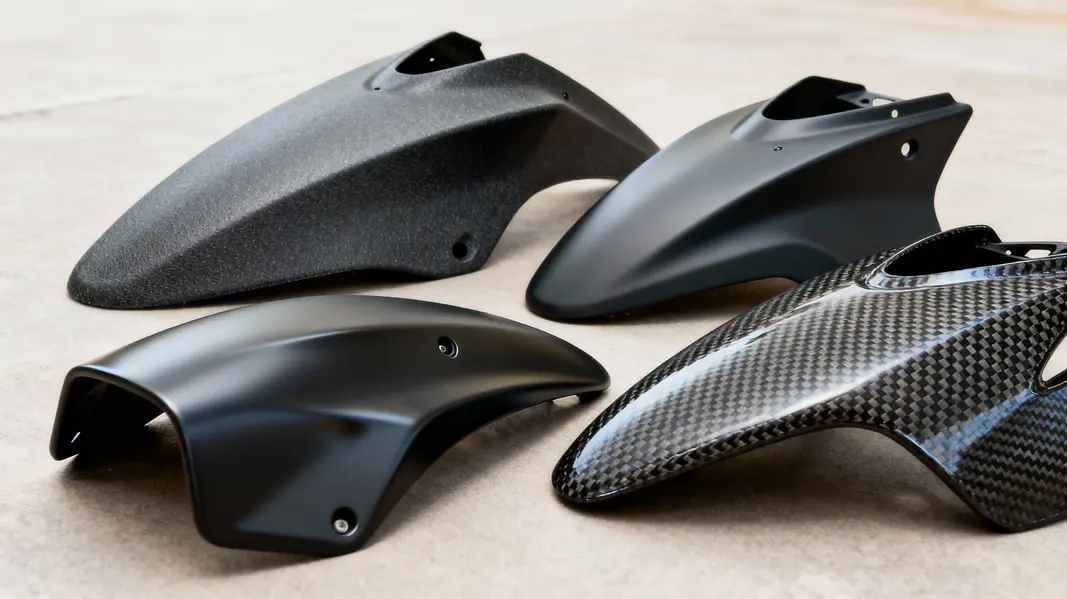
Fiberglass has carved a niche in the realm of motorcycle race fairings as a widely accepted material, appealing primarily to custom builders and amateur racers seeking an economical yet reliable option. Fiberglass-reinforced polyester (FRP) stands out due to its favorable mechanical properties, offering a balance between cost, modification ease, and decent performance capabilities. Although it may not wield the prestige of its carbon fiber counterpart, fiberglass remains a practical choice across various racing contexts, thanks to its relatively approachable price point and repair-friendly nature.
When considering the mechanical properties that make fiberglass suitable for racing applications, the key figures include a tensile strength of approximately 350 MPa, an impact resistance of around 30 J/cm², and a fatigue durability that exceeds 1000 cycles at 250 MPa. While these values establish fiberglass as a viable contender in terms of performance, they also reveal the material’s comparative limitations. Carbon fiber, for instance, boasts tensile strength nearing 700 MPa, and delivers superior outcomes in impact resistance and fatigue life, making it the gold standard in high-stakes racing scenarios where performance is paramount.
Nevertheless, the weight criterion often sways decision-making among racers. Fiberglass fairings typically weigh between 1.5 kg to 3 kg per set, which is on the heavier side compared to carbon fiber fairings, generally around 1 kg. Despite being heavier, fiberglass still trumps some thermoplastics in terms of performance—thermoplastics like ABS often weigh between 2 kg and 4 kg, impacting overall aerodynamics negatively. This positions fiberglass as a commendable compromise, delivering a balance of protection, aerodynamics, and comparatively lighter weight, especially key when riders are pushing their machines to the limit on racetracks.
From a cost perspective, fiberglass presents an undeniable advantage. Priced at approximately $30 to $70 per square meter or around $160 to $260 for complete kits, it is far cheaper than carbon fiber, which can run between $150 and $300 per square meter, with kits often exceeding $800. This price differential allows amateur racers to get competitive without breaking the bank, thereby increasing access to quality racing gear. The affordability of fiberglass also complements its practicality—modification, painting, and repair processes are far less complex, allowing racers and custom builders to customize their fairings to personal specifications.
However, while fiberglass offers these benefits, it is not without flaws. One significant drawback lies in its brittle nature; under high-impact situations, fiberglass can crack or shatter, which could lead to expensive repairs or replacements during races. Additionally, its moderate fatigue resistance stands in stark contrast to carbon fiber, particularly in high-intensity racing scenarios, where resilience against repetitive stress is crucial. Real-world experiences indicate variability in fitment, as fiberglass components may require trimming or adjustment to ensure a precise fit on various motorcycle models, occasionally leading to installation times of 3 to 4 hours.
Moreover, the UV resistance of fiberglass components is often noted as an area requiring attention. Extended exposure without a protective finish can lead to deterioration, affecting the aesthetics and integrity of the fairings over time. Riders favoring fiberglass must recognize the importance of adding UV protection to prevent any long-term impacts on their kits.
When juxtaposed against alternatives like carbon fiber and thermoplastics, fiberglass exhibits its unique pros and cons. Carbon fiber excels in terms of weight savings and stiffness, hugely benefiting professional racers where every millisecond matters. Nonetheless, its expense and complex repair processes discourage many from committing to it. On the other hand, ABS thermoplastics dominate in OEM applications and street use due to enhanced impact resistance. However, they particularly lack the lightness essential for bare-bones racing optimization, signaling that while fiberglass may not be the ultimate racing material, it still plays a crucial role in a hybrid market landscape where performance meets practicality.
The integration of fiberglass in motorcycle race fairings has led to a decade of innovation, fostering new designs and manufacturing techniques that enhance safety and reliability. Manufacturers often adopt fiberglass for entries into the racing market, with various modifications tailored to specific motorcycle models like the Yamaha R6 and Suzuki GSX-R series being common. Additional features like custom paint options—ranging from glossy to matte finishes—allow riders to personalize their machine and support brand loyalty without sacrificing the essential performance benefits.
Ultimately, fiberglass provides an appealing entry point for new riders and enthusiasts who prioritize both performance and affordability. With countless options available in the market—from sport-touring to track kits like those offered by industry stalwarts—fiberglass fairings present a viable solution for those looking to optimize their motorcycles for racing. They serve as a testament to the synergy between innovation and tradition, solidifying their place within the broader narrative of motorcycle racing advancements.
For further exploration of fiberglass options tailored to specific motorcycle models, enthusiasts can refer to the comprehensive selection available for brands such as Suzuki and Yamaha at Ultimate Motorx Fairings.
2. The Superior Role of Carbon Fiber in Revolutionizing Motorcycle Race Fairings
In the realm of motorcycle race fairings, carbon fiber stands out as the quintessential material, remarkably transforming the landscape of high-performance racing. Renowned for its strength-to-weight ratio, carbon fiber bears approximately 30% less mass than traditional ABS plastic while affirming its superiority through unmatched structural integrity. This distinctive property makes it the favored choice among racing enthusiasts and professional teams alike, highlighting its integral role in the construction of competitive motorcycle fairings.
The primary advantages of carbon fiber in race fairings can be attributed to its lightweight nature, which significantly enhances motorcycle performance. In racing, where every fraction of a second can define victory or defeat, weight reduction equates to an optimal power-to-weight ratio. This improvement allows riders to accelerate faster, handle their bikes with greater precision, and brake more effectively—critical factors when navigating the intense maneuvers that typify racetrack environments. As a result, motorcycles adorned with carbon fiber fairings can achieve higher speeds and exhibit improved handling dynamics, making them formidable competitors on the circuit.
Beyond weight considerations, the aerodynamic efficiency of carbon fiber fairings shapes their performance on the track. Engineered with close-fitting panels that foster enhanced downforce, these fairings are meticulously designed to reduce drag—a feat measurable up to 30% more effective than full fairings. Such aerodynamics are vital in facilitating essential airflow to crucial components, particularly the brakes, which require optimal cooling during high-speed runs. Maintaining a stable thermal condition around braking components can translate to enhanced safety and performance, ensuring riders can push their machines to the limit, lap after lap.
The durability and heat resistance of carbon fiber further substantiate its preeminence among racing materials. Capable of withstanding high temperatures without succumbing to structural degradation, carbon fiber maintains its form even in the most challenging environments, particularly in proximity to engines and exhaust systems where thermal stress is prevalent. This resilience against wear and tear means that fairings crafted from this material resist cracking and deformation, allowing riders to focus on competition without the nagging worry of frequent repairs. Consequently, while some cheaper materials may falter under stress, carbon fiber assures longevity and reliability.
Moreover, the structural rigidity of carbon fiber lends itself to enhanced performance attributes. Stiffer than its counterparts, carbon fiber effectively minimizes unwanted shock and vibration experienced during high-speed racing. This superior rigidity not only promotes smoother rides but also contributes to greater control over the motorcycle, allowing riders to maximize their capabilities on the track. The confidence instilled by such control is invaluable, particularly for competitors who navigate tight corners and execute rapid changes in direction amidst fierce competition.
Combining all these benefits involves a nuanced approach to the composition of carbon fiber race fairings. The typical construction utilizes advanced resin systems, often eco-friendly polyester blends with specialized fiberglass roving, strategically designed to maximize both robustness and lightweight properties. The culmination of such labor results in full carbon fiber race fairing sets, which typically start around $800. While the cost may deter some, the performance and durability benefits it offers justify such an investment for those committed to competitive racing.
It’s also worth noting that maintaining carbon fiber fairings requires attention to UV protection, as the material can be susceptible to sun damage without appropriate coatings. However, for those who take the necessary precautions, carbon fiber emerges not only as a material of choice but as a long-term ally in their racing endeavors.
As the motorcycle industry continues to innovate, the role of carbon fiber in race fairings does not just signify a choice of material but symbolizes the relentless pursuit of maximizing performance. From the tracks where speed is essence to the thrilling races that capture hearts, carbon fiber remains at the forefront of technological advancement. It allows manufacturers to produce fairings that cater to a dizzying array of motorcycle brands—from Aprilia and BMW to Yamaha and Suzuki—enabling riders to customize their machines for both aesthetic appeal and unrivaled performance.
Such extensive customization options afford riders the opportunity to truly make their machines their own. Personal touches, including custom paint finishes such as gloss or matte, eye-catching decals, and vibrant race numbers, can be applied, all facilitated through a meticulous painting process. Each piece is designed for precise fitment using advanced injection molding techniques, ensuring that riders receive race fairings that are optimized for their specific models.
In summary, as motorcycle racing evolves, the pivotal role of carbon fiber in race fairings cannot be overstated. The innovation it brings enhances every aspect of performance—from acceleration and handling to durability and stability under strain. This exceptional material not only meets the demands of seasoned racers but also sets the stage for future advancements. For enthusiasts eager to explore the potential of carbon fiber in motorcycle fairings, resources can be found that provide a wealth of options suited to diverse models. Whether it’s enhancing the performance of a Yamaha R6 or optimizing a Suzuki GSX-R, carbon fiber emerges as the premier choice for those committed to achieving excellence on the racetrack.
3. The Power of Kevlar-Carbon Composites in Maximizing Performance for Motorcycle Race Fairings
In the world of high-performance motorcycle racing, where every fraction of a second counts, the choice of materials used in motorcycle race fairings becomes crucial. Among the most advanced and effective materials in this domain are Kevlar-carbon composites. Combining the impenetrability and impact resistance of Kevlar fibers with the rigidity and lightweight characteristic of carbon fiber, these composites represent a significant technological advancement that benefits riders on the track.
Kevlar, well-known for its incredible toughness, is an aramid fiber that absorbs energy, making it highly effective in crash situations. On the other hand, carbon fiber is celebrated for its high tensile strength relative to its weight, ensuring that race fairings can maintain their structural integrity without adding unnecessary bulk. The ingenious combination of these two materials creates a composite with an exceptional strength-to-weight ratio, ideal for the demanding environment of motorcycle racing. The outer layers of fairings often use Kevlar-carbon laminates, enhancing overall durability while keeping total weight to a minimum.
Since its inception, Sebimoto has been at the forefront of producing race fairing kits that utilize Kevlar-carbon composites. Established in 1991, this manufacturer has dedicated its efforts to creating parts specifically designed for over 70 high-performance motorcycle models, such as the BMW M1000RR, Honda CBR1000RR-R, Triumph Daytona 660, and Yamaha R7. These parts undergo rigorous testing in collaboration with World Championship teams, which guarantees not only aerodynamic performance but also reliability on the track. Such careful manufacturing ensures that the fairings contribute effectively to the overall aerodynamic profile of the motorcycle, helping to reduce drag and optimize airflow at high speeds.
When it comes to the actual fabrication of Kevlar-carbon composites, the process is remarkably complex yet vital to achieving high-quality results. The layers consist of precise hand lay-ups that integrate both Kevlar and carbon fiber in specific orientations, often using epoxy resins to adhere them together. Such methods not only enhance impact resistance but also control weight, showcasing an advanced understanding of material science within the racing community. Controlled curing and UV protection are applied to avoid common issues like delamination and degradation, particularly relevant in the high-temperature environments that racing can impose.
Interestingly, the development of blended fabrics, such as a 3K 200g yellow Kevlar-carbon weave—which combines 1500D aramid with carbon fibers—is paving the way for customization in race fairing production. These materials allow both manufacturers and DIY enthusiasts to explore innovative designs for unique parts, from fairings to hoods and helmets. The adoption of such advanced composites signifies a shift toward customization in motorcycle racing, enabling riders to not only express personal style through bespoke designs but also enhance performance characteristics through tailored mechanical properties.
The advantages of Kevlar-carbon composites extend beyond just lightweight properties. When we stack these materials against more conventional ones, like fiberglass and pure carbon, they present substantial benefits. Fiberglass, albeit more affordable, is not as efficient in terms of weight and impact resistance as Kevlar-carbon composites. Conversely, pure carbon offers high stiffness but can be more expensive and potentially prone to delamination under severe conditions—common concerns for those competing at high velocity. In contrast, Kevlar-carbon hybrids provide a strategic balance of improved heat resistance, moisture management, and crash protection through construction that often includes lightweight foam cores. These qualities align perfectly with the needs of racers seeking not just speed but also reliability on the track.
Moreover, the effectiveness of Kevlar-carbon composites has been validated in high-stakes racing scenarios, where even minor material failures can lead to catastrophic outcomes. This material blend’s impressive performance characteristics have made it an essential component in the frameworks of motorcycle racing fairings, aiming to enhance both speed and rider safety. Racers and their teams increasingly opt for these composites, recognizing that the ability to withstand crashes without significant damage greatly enhances long-term performance and reliability—critical components in competitive racing.
Those interested in acquiring these advanced materials for their biking needs will find an accessible market. Various suppliers and manufacturers offer tailored kits designed specifically for popular motorcycle models, making it easier for racers to access cutting-edge materials that promise both performance and aesthetic appeal. For instance, enthusiasts can explore options tailored for well-known brands like Aprilia, BMW, Ducati, Honda, Kawasaki, Suzuki, Triumph, and Yamaha, among others, available at trusted online retailers specializing in motorcycle fairings.
As the landscape of motorcycle racing continues to evolve, so too does the integration of innovative materials like Kevlar-carbon composites into race fairings, standing as a testament to the relentless pursuit of performance. These advancements not only serve to enhance aerodynamics, speed, and efficiency—but ultimately contribute to a safer and more exhilarating racing experience for riders worldwide.
Chapter 3: Engineering Excellence: Crafting Motorcycle Race Fairings for Optimal Performance
1. Tailoring Performance: Material Customization Options for Race Fairings
In the intricate world of motorcycle racing, every component plays a pivotal role in securing victory, and the race fairing is no exception. High-performance motorcycle race fairings are crafted from a range of materials, each offering unique attributes that can be strategically customized to meet specific racing demands and adapt to varied track conditions.
Understanding the Core Materials
Carbon fiber stands as the choice of champions, revered for its unrivaled strength-to-weight ratio. This sophisticated composite not only reduces the motorcycle’s overall weight but also enhances acceleration and responsiveness in handling. A carbon fiber fairing can maintain structural integrity even in the extreme heat generated near the engine and exhaust, allowing for aerodynamic designs that promote better airflow around the bike and rider. However, with its premium qualities come substantial costs, typically ranging from $300–$800+ for front fairings, and maintenance challenges. The material is sensitive to UV rays, necessitating protective coatings to prolong its lifespan, while repairs following impact can be daunting and expensive.
In contrast, fiberglass offers a practical alternative for teams operating on a budget. While slightly heavier than carbon fiber and often considered more brittle, fiberglass fairings still provide excellent airflow management, contributing to race aesthetics with appealing gloss finishes. Available for approximately $180–$220, they can be installed relatively quickly, taking about 3–4 hours. However, their susceptibility to cracking under impact is a notable drawback, emphasizing the importance of material selection based on race conditions and rider experience.
Meanwhile, ABS plastic is the unsung hero in the world of race fairings, renowned for its durability and flexibility. This material offers impressive resistance to cracking and fading, ensuring it withstands the rigors of track performance. Its adaptable nature allows for easier painting and modification, making it a favorite for custom builds. With prices typically between $120–$150 for universal kits, ABS serves as a cost-effective option without sacrificing essential performance qualities.
Customization Techniques to Enhance Performance
Understanding the characteristics of these materials lays the foundation for further innovations through material customization techniques that allow teams to customize their fairings for optimal track performance. One such technique is material layup design, which enables engineers to customize the thickness of carbon fiber and the orientation of its fibers to achieve desired levels of stiffness and controlled flexibility. By placing extra strength in high-stress areas and utilizing economical composite materials in regions where flexibility is more beneficial, teams can strike a careful balance between enhancing performance and managing costs.
Composite blending is another significant strategy. For instance, integrating carbon fiber with Kevlar in areas prone to wear can improve durability while maintaining a lower weight. Furthermore, employing polycarbonate, particularly when reinforced and treated, can yield structures that resist adverse weather while ensuring aesthetic appeal with clarity and gloss finishes.
The impact of surface treatments and finishes cannot be overlooked. Custom aesthetics are not just for visual appeal in the pits; the choice of finishes—gloss, metallic, or even candy—can enhance aerodynamic properties. These finishes can withstand high-speed exposure and the rigors of racing, ensuring they remain intact even amid race day scuffs and scrapes. Additionally, applying UV protective coatings is crucial for carbon fiber to fend off discoloration and degradation from sun exposure, thereby extending the lifespan of the fairing.
Advanced Manufacturing Processes for Precision
The latest advancements in manufacturing processes have also revolutionized how race fairings are produced. Vacuum infusion, popularized in the realm of carbon fiber, allows for precise control over resin distribution and fiber saturation. This technique not only optimizes the structural integrity of the fairings but also enables rapid prototyping and customization. Manufacturers can quickly adjust designs based on specific aerodynamic requirements of the track, thereby reducing lead times and providing teams with agile solutions that keep them competitive.
Strategic Material Selection for Competitive Edge
Ultimately, the choice of fairing material significantly impacts the outcome of races. For example, lightweight carbon fiber fairings can reduce overall motorcycle weight by approximately 5 kg, leading to substantial improvements in acceleration, cornering precision, and braking performance. This reduction in weight boosts the power-to-weight ratio, crucial for achieving faster lap times and improved control at high speeds.
Moreover, tailored aerodynamic optimization through customized fairing shapes can lower drag and enhance stability, allowing riders to experience sharper turning capabilities and steadier high-speed performance. The inherent stiffness of carbon fiber reduces vibrations and shocks, promoting smoother rides—especially advantageous during competitive track driving.
For racing teams, the strategic use of materials becomes essential in maximizing performance. Employing carbon fiber where its benefits cannot be understated while integrating more economical materials in lower-stress areas can create a hybrid solution that enhances performance without overwhelming budgets or complicating repairs. While tuning the engine might take precedence in the pursuit of speed records, the optimization of fairings remains a crucial aspect that can tip the scales in a competitive arena. As the technology advances and materials evolve, the world of motorcycle race fairings will continue to refine the art of engineering for performance, speed, and victory on the track, leading teams to enduring success in their racing pursuits.
For enthusiasts looking to customize their motorcycles further, there are vast options available across various brands. Whether it’s enhancing a Yamaha, a Ducati, or a Kawasaki, riders can explore specific customization offerings tailored to their needs in the latest race fairing innovations.
2. Vibrant Finishes: Mastering Paint and Customization Techniques for Motorcycle Race Fairings
Motorcycle race fairings offer a unique canvas for personal expression as much as they serve a crucial role in performance optimization. While focusing on aerodynamic benefits, the surface of these fairings can also be transformed into a visual masterpiece through advanced paint and finishing techniques. A properly executed paint job not only enhances the aesthetic appeal but also contributes to the overall functionality of the fairing. Understanding the variety of options available for design and finishing is essential for any motorcyclist looking to personalize their racing bike without compromising performance.
The journey to customizing race fairings begins with a 7-step professional painting process that ensures high-quality application tailored for the demanding environment of a racetrack. Initially, surface preparation is vital; the fairings are sanded down to create a smooth base that promotes paint adhesion. Following this preparation, a primer is applied to seal the surface and provide a suitable foundation for the actual paint layers that follow. Multiple coats of premium paint are carefully added, with the application of bright colors and patterns following the racers’ wishes.
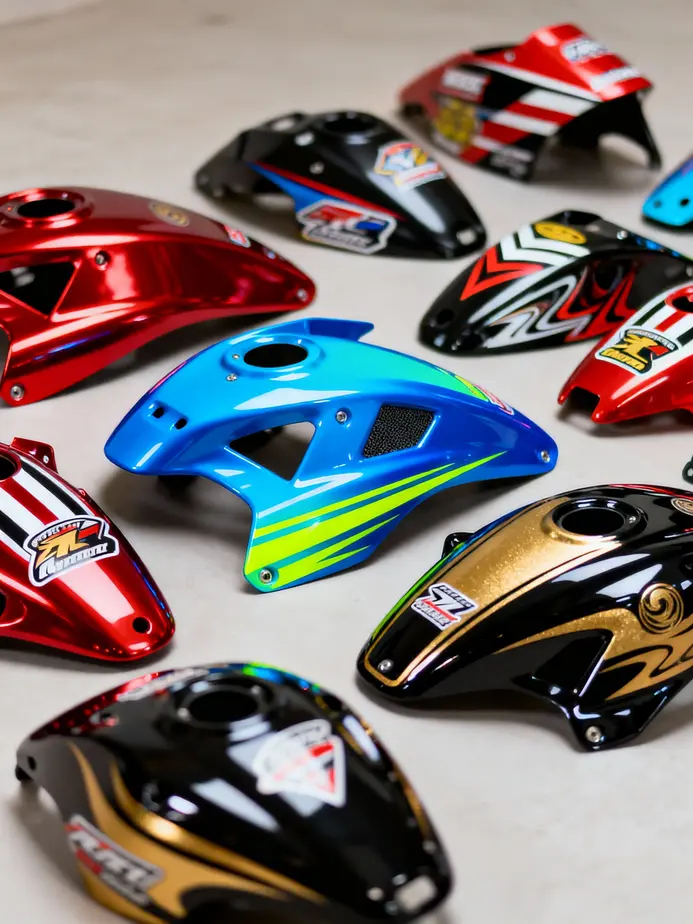
Once the base color is set, the thrilling phase of customization truly begins. Motorcyclists often incorporate logos, unique stripes, sponsorship decals, and even race numbers to their fairings. These design elements not only serve to individualize the motorcycle but can also create a striking visual resemblance to race replicas. With over 50,000 design variations possible—thanks to the diverse palette of colors and graphic styles—there’s something for every rider, whether they favor a bold, colorful representation or a sleek, stealthy look.
The spectrum of paint finishes extends across a wide variety of choices, with each finish emphasizing a different characteristic of the motorcycle’s design. Gloss finishes are among the most popular due to their high shine, which accentuates the curves and contours of the fairings. This surface style is incredibly durable and easy to clean, making it ideal for riders who frequent the circuit. On the other hand, a matte finish provides a subtle, modern aesthetic. However, while captivating, matte surfaces require a careful touch to avoid scratches and blemishes, which can detract from their otherwise beautiful appearance.
Another enticing option is the metallic finish, which incorporates microscopic reflective flakes that enhance depth and reflectivity, effectively capturing sunlight in a dazzling display. This finish stands out on the racetrack and is built for durability, maintaining its luster over time even in the face of rigorous use. For those seeking an extravagant presentation, pearl finishes display a shimmering, color-shifting effect when viewed from different angles. Much like the matte finish, pearl coats need delicate care to ensure even wear and avoid dullness.
For a more dramatic flair, riders might opt for a candy finish, which requires a multi-layer application that deepens the vibrancy of the chosen color. Candy finishes are eye-catching but demand significant maintenance effort to maintain their vibrant appearance.
Each finishing technique must be carefully selected based on its purpose and the aesthetic desired by the rider. As race fairings bear the brunt of wind resistance and potential abrasions, making informed decisions about paint types can affect not only appearance but also the longevity and integrity of the fairings. High-quality finishes, especially gloss or metallic options, excel at withstanding the demands of racing scenarios, while the delicate beauty of matte or pearl finishes offers a unique, albeit more fragile, representation of the rider’s style.
Within the realm of materials, motorcycle race fairings predominantly utilize ABS plastic or advanced composite materials. The lightweight nature of these materials is complemented by finishing techniques that uphold aerodynamic efficiency without sacrificing visual appeal. To protect their investments, riders can enhance their fairings further with a robust clear coat, which can significantly boost the durability of any finish.
A well-executed clear coat, often applied after the base paint and decals, adds an additional layer of UV and element protection that is essential when exposed to extreme conditions on racetracks. Integrating these techniques into the custom painting process transforms race fairings from mere practical components into integral parts of the motorcycle’s identity.
Ultimately, the artistry involved in personalizing motorcycle race fairings encapsulates more than aesthetics; it represents the heart and soul of the rider’s passion for speed and competition. Whether braving the circuits on a Yamaha R7, Suzuki GSX-R, or Kawasaki Ninja, the unique combination of paint techniques ensures that each motorcycle stands out while optimizing performance.
For those eager to dive deeper into customization options, manufacturers such as Kings Motorcycle Fairings and Monster Fairings cater to an extensive range of models from notable brands like BMW, Ducati, Honda, Triumph, and Aprilia. They offer comprehensive kits that are perfectly designed for fitment, reflective of both practical needs and aesthetic desires, making it possible for riders to craft a bike that expresses who they are on the racetrack.
With a vibrant array of colors and finishes at one’s fingertips, creating a unique visual statement that mirrors one’s racing spirit is an exhilarating aspect of the motorcycle culture that should be celebrated. Motorcycle race fairings, when properly painted and customized, become not just pieces of equipment, but extensions of the rider’s identity and aspirations in the high-octane world of competitive racing.
3. Transformative Art: Exploring Graphics and Design Variations in Motorcycle Race Fairings
Motorcycle race fairings are not merely functional components designed for aerodynamic performance; they also serve as a canvas for self-expression and artistic creativity. The significance of graphics and design variations in customizing race fairings goes beyond aesthetic enhancement; it opens an avenue for riders to convey their unique identities and styles on the racetrack. Utilizing a myriad of design options—including custom paint schemes, logos, decals, wraps, stripes, race numbers, and savvy social media handles—motorcycle enthusiasts can personalize their machines for both individual builds and competitive racing.
The versatility in customization reflects the diverse tastes and personalities found within the riding community. Managing an array of high-performance motorcycles, fairing manufacturers have developed advanced materials such as robust woven fiberglass, ABS plastic, carbon fiber, and innovative Kevlar-carbon composites. This variety in physical properties not only enhances durability but also caters to the specific functional needs of racing. Designers often employ undrilled fairing designs complemented by gel coat finishes, ensuring long-lasting performance under the rigors of competition.
Paint options are equally eclectic. Riders can choose from a spectrum ranging from classic blacks and vibrant reds to sleek silvers, deep blues, and eye-catching metallics. Advanced painting techniques allow for finishes that can be customized into chameleon, chrome, candy, pearl, or matte appearances. The high-impact customization process typically encompasses a professional seven-step method involving meticulous priming, multiple layers of paint, detailed decal application, and a robust clear coat to fortify against the wear and tear of racing. This multi-faceted approach guarantees that each fairing not only looks stunning but can withstand the demands of high-speed riding.
The design landscape itself encompasses several categories, such as street, race, and fully custom fairings. Each design category serves different purposes. Race kits often prioritize minimal weight and can offer delete options for non-essential parts, thus allowing for quick swaps depending on track requirements. For those seeking to create a unique visual statement, fully custom fairings enable riders to replicate professional racing liveries or integrate personal graphics that reflect their styles, resonating with fans and fellow riders alike.
Aesthetics aside, functional enhancements through graphics are also significant. Finishes like gloss and metallic enhance not only the visual appeal but also the overall durability of the fairings, effectively adding a layer of protection without compromising on style. On the other hand, finishes in matte or pearl tones may require careful handling and maintenance, but the visual payoff can be distinctly striking in competitive environments. The right graphics can serve to mimic professional racing themes, infusing a taste of the pro circuit into the everyday rider’s experience.
Customization goes further than just the surface look; it also allows for strategic upgrades. Individual fairing pieces can be adjusted or replaced without necessitating a full kit overhaul. This modularity supports precision in tailoring a bike’s capabilities while harmonizing with the rider’s creative vision. Consequently, a track-ready motorcycle can embody both performance and artistry, marrying function with flair.
Providers like Kings Motorcycle Fairings showcase an incredible repertoire of over 50,000 potential designs, inviting users to participate actively in the creative process. Their commitment to customization means riders can submit their ideas for bespoke designs, allowing a personal touch that transforms standard fairings into unique expressions of individuality. Meanwhile, shops such as Motorsport Exotica specialize in in-house liveries that span both street-level personalization and dedicated racing aesthetics, serving an expansive market from casual riders to serious competitors.
Specific segments of the motorcycle market also benefit from targeted design variations; for instance, Harley Davidson models often draw on robust woven fiberglass to enhance their competitive profiles. This niche not only elevates the performance standard but also ensures that even uniquely styled motorcycles are built for the rigors of racing.
While aftermarket fitment may sometimes lack the precision of original equipment manufacturer (OEM) parts, the flexibility afforded by customization often yields creative outcomes that OEMs cannot replicate. Although there are potential tolerances to be aware of, the ability to experiment and innovate distinguishes custom fairing design and represents a form of artistic expression in the motorcycle community. Rather than limiting creativity, the aftermarket industry thrives on the idea that every bike could be a canvas waiting to be transformed.
In conclusion, the graphics and design variations in motorcycle race fairings encapsulate not only a rider’s identity but also the spirit of the motorcycle culture itself. As technology and creativity blend in this vibrant segment of motorsport, riders can expect to see increasingly exciting and diverse designs that enhance their experience on and off the track. With the right fairing, every motorcycle can not only perform at its peak but also tell a story—one painted along its curves and angles, defined by the personality of the rider behind the handlebars. Those interested in exploring further can find exceptional options tailored to their preferences in classic collections from major manufacturers and specialty retailers alike. Drivers can look into specific offerings for their models at various categories, including BMW fairings or Yamaha fairings among others.
Final thoughts
Motorcycle race fairings are essential for any serious performance enthusiast. By understanding their key features, the variety of materials available, and the limitless customization options, business owners can cater effectively to their market. Offering motorcycle race fairings not only enriches the riders’ experience but also enhances the performance capabilities of high-performance motorcycles, making a significant impact on the competitive edge of their machines.
Upgrade your ride with UltimateMotorX’s premium motorcycle fairings—durably crafted, precision-fitted, and stylish. Meeting OEM standards for easy installation, our collection suits upgrades or replacements. Shop now for fast shipping, secure checkout, and expert support. Give your bike the ultimate quality it deserves!
About us
At UltimateMotorX, we’re rider-founded experts in top-tier motorcycle fairings. We source premium materials, partnering with trusted manufacturers for perfect fits and durability. Enjoy expert advice, hassle-free returns, and seamless shopping. Ride with confidence—style and quality guaranteed!