

Motorcycle plastic fairings serve as essential components for protecting vehicles and enhancing performance. As a business owner, understanding the diverse types of fairings, their benefits, customization options, and maintenance needs can significantly impact your operations and customer satisfaction. This article delves into the types of motorcycle fairings available, explores how they enhance performance and protection, discusses customization for aesthetic appeal, and offers guidance on maintenance and replacement, aiding you in making informed decisions for your business.
Shaping Performance and Protection: The Varieties of Motorcycle Plastic Fairings and Their Practical Roles
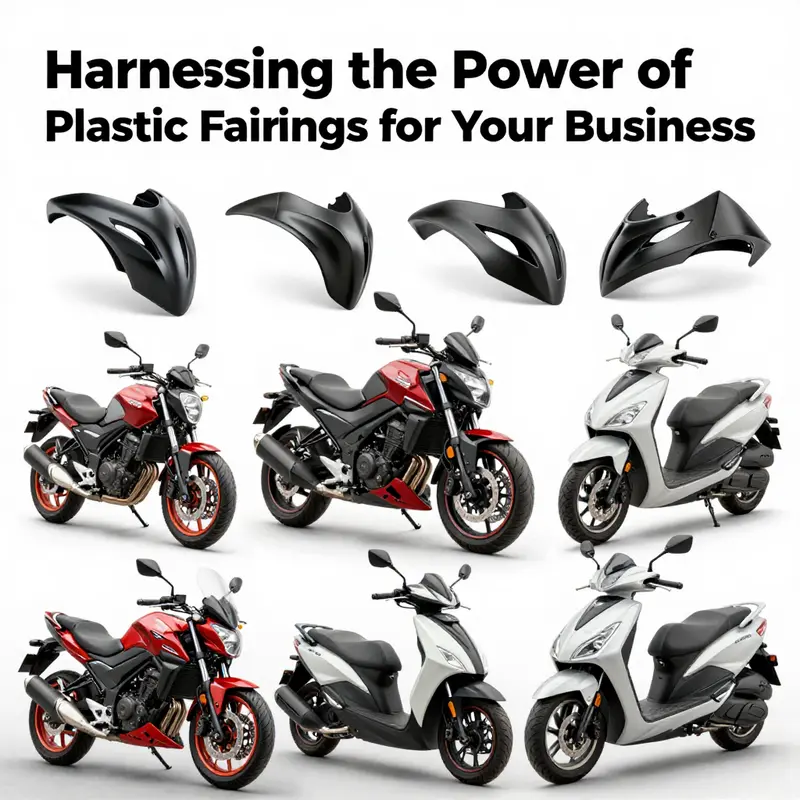
Fairings are more than external shells. They are engineered interfaces between rider, machine, and the road. In the world of motorcycles, a plastic fairing defines how a bike cuts through air, how much shield the rider enjoys from wind and weather, and how the bike’s core components remain protected against rocks, rain, and road debris. The chapter you’re about to read navigates the spectrum of plastic fairings—what they are, how they work, and why a rider chooses one configuration over another. It is a journey from the most encompassing, aerodynamically tuned shells to lighter, more exposed setups that prioritize agility and urban practicality. Along the way, we’ll explore materials, mounting philosophy, and the practical realities of maintenance and customization, all while keeping the guiding question in view: how does the right fairing balance protection, performance, and personality?
At its core, a fairing is a carefully contoured surface that interacts with the air as the bike moves. The design challenge is to minimize drag, manage lift, and streamline the flow of air around the engine bay, the cockpit, and the rider’s body. The size and shape of a fairing affect wind pressure against the rider, which in turn influences fatigue on longer rides and even fuel efficiency at highway speeds. A well-designed fairing reduces turbulence behind the rider, channeling air in a way that stabilizes the bike at speed and helps the engine breathe more efficiently. In practical terms, this can translate into higher top speeds, improved fuel economy, and a more composed ride at the limits of performance. Yet the same shell that reshapes airflow also shields the motorcycle’s guts from weathering, crude spray from the road, and the occasional stone impact. The result is a multi-purpose tool: a protective shell, an aerodynamic aid, and a canvas for personal expression.
Types of fairings sit along a spectrum of coverage and intent. Full fairings, sometimes called integral fairings, envelop the most of the front and midsection of the machine. They cradle the engine, wrap around the fuel tank, and often extend over the handlebars and even toward the rider’s knees. The appeal is clear for sportbikes and long-haul machines where high-speed stability and rider protection are paramount. Full fairings act like a composite shield, reducing drag more than any other single component and creating a smooth external surface that minimizes buffeting at high speed. They also serve as a cohesive aesthetic language, giving a bike a unified silhouette that speaks to intention and purpose. A full fairing is more than a shell; it’s a statement of performance philosophy.
Half fairings offer a lighter, more modular approach. They cover the upper front and sides, typically from the handlebars down toward the front wheel, sometimes incorporating a windscreen. The benefit is a blend of wind protection and maneuverability. Riders who prioritize agility, easier maintenance access, or a sport-touring compromise often favor half fairings. Because they do not enclose the entire engine compartment, they contribute less weight and can be easier to customize with aftermarket pieces. For many street riders, a half fairing provides the best balance between airflow management and the need to access electrical components, radiator intakes, or the handlebars for frequent adjustments on the road.
Split fairings present another approach to airflow and aesthetics. Two separate pieces—the upper body and the lower body—allow nuanced control over how air enters and exits around the bike’s midsection. Split designs are common on performance-focused machines where engineers want targeted management of heat, intake air paths, and exhaust flow. This modularity can accommodate different materials and thicknesses for each section, optimizing stiffness where it matters most while keeping weight in check. A split configuration can also facilitate easier replacement of damaged sections, which is a practical consideration for riders who ride aggressively or on rougher terrain.
A windshield-only or windscreen setup, while not a traditional “fairing” in the strict sense, remains a vital category for riders seeking wind deflection without the mass of a full shell. Windscreens are especially popular on cruisers, adventure bikes, and many scooters. They provide a forward shield that reduces helmet buffeting, keeps rain off the face, and maintains a freer field of view. The trade-off is clear: less protection for engine components from debris, and a lower dramatic impact on drag coefficients. Yet for many urban riders and touring enthusiasts, a well-chosen windscreen is enough to transform comfort without imposing a heavy aerodynamic penalty.
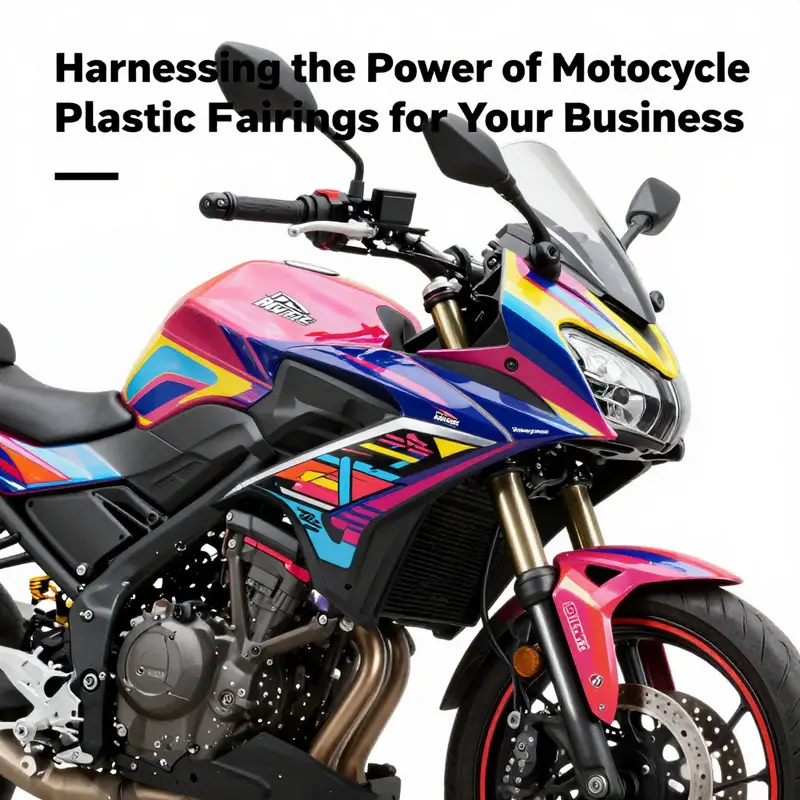
Beyond these core forms, the market is rich with custom and aftermarket fairings designed to express personality while retaining performance benefits. These kits may use the same families of materials—ABS, polycarbonate (PC), or composites—but they are often tailored with modular mounting systems, lighter weights, or integrated features such as LED accents, air vents, or cutouts for electronic cooling. The customization ethos is not merely cosmetic; it can be functional. A rider can swap a fairing to optimize airflow for a specific track in a weekend session, or replace a damaged panel with minimal downtime. The modular nature of many aftermarket kits means a bike can be refreshed with a different look or adjusted for a different riding discipline without a complete teardown.
Material choice matters as much as the shape. ABS plastic remains a common baseline, prized for its impact resistance, ease of injection molding, and cost efficiency. ABS is forgiving when it comes to minor impacts and scratches, which makes it a pragmatic option for street motorcycles where joints and mounting points are stressed by speed and vibration. For higher performance or more demanding conditions, manufacturers and builders increasingly turn to PC (polycarbonate) or PC blends. Polycarbonate offers superior impact resistance and clarity, making it attractive for designs that require transparent or near-transparent surfaces, such as certain windshields or light-covered panels. PET and composite materials also show up in differentiation strategies, offering a mix of rigidity, weight savings, and heat tolerance. In some constructions, fiberglass reinforcement provides stiffness where a lightweight shell must resist deformation without adding excessive mass.
The choice of material feeds directly into how a fairing behaves under load. A thicker section at the leading edge improves impact resistance on highway debris, while a thinner, more flexible panel might prioritize weight savings in a racing scenario. The core aim is a balance: adequate stiffness to hold its shape at speed, enough flexibility to absorb minor impacts without cracking, and a finish that can be repaired or repainted with reasonable ease. For riders who value longevity, UV resistance, and weather durability, the formulation of the plastic and the quality of the surface finish become as important as the geometry itself. Some manufacturers emphasize UV-stabilized resins and anti-scratch coatings to protect color and gloss over thousands of miles of exposure to sun, rain, and road salt.
But the best fairing in the world won’t deliver its full value if it doesn’t fit the bike—and fitment is where many riders encounter the practical realities of use. A truly effective fairing aligns with the bike’s frame geometry, mounting points, and bodywork contours. It must play nicely with the tank cover, radiator shrouds, and the bike’s frame spars so that vibration and heat do not magnify risk of loosening or cracking. This is why many riders look for OEM-inspired shapes or CE-certified aftermarket options that meet recognized standards for safety and durability. A well-fitting fairing is like a second skin for the motorcycle, reducing stress on the mounting points and ensuring that the rider’s experience remains predictable, even when the road throws a surprise.
The application spectrum for fairings is broad. Sport riders chasing high-speed stability and dramatic handling will lean toward full or split fairings that tame air resistance and help maintain a steady line at speed. Touring riders, seeking comfort over long distances, gravitate toward full fairings that enclose more of the cockpit and shield the rider from wind fatigue. Urban commuters may favor lighter, modular setups—half fairings or windshield-only configurations that keep weight and bulk down and make maneuvering through traffic more straightforward. Enthusiasts and customizers often pursue aftermarket fairings to express style or to push aerodynamic performance in specific directions, such as improved air intake routing and heat management for high-performance engines.
A central thread in this variety is the practical reality of maintenance and repair. The modular nature of many aftermarket fairings makes replacement more feasible after a mishap or a parking lot encounter. Panels can be swapped individually, connectors and clips replaced, and color schemes refreshed without disassembling the entire bodywork. This modularity also lends itself to customization: a rider can reconfigure a bike’s silhouette by exchanging key panels, tweaking the airflow paths, or adding a new color story with relative ease. The repair philosophy that accompanies modern plastic fairings often emphasizes simple joinery and standardized mounting points, which reduce downtime and improve long-term ownership costs. For riders who see their bikes as evolving platforms, this flexibility is part of the appeal.
When selecting a fairing, several criteria come into play. Material quality is foundational, but fitment accuracy is equally important. A fairing must align with mounting holes, radiator inlets, and instrument cluster housings without forcing the rider to perform hacks or improvisations. The intended riding context matters deeply: a fairing designed for high-speed track work will differ from one meant for daily commuting in a city climate. Safety standards, including EU certifications and other recognized benchmarks, help riders gauge the reliability and durability of a kit beyond glossy images and quick fit tests. A robust decision often weighs the promise of better aerodynamics and weather protection against the realities of weight, cost, and complexity of installation.
A practical dimension of choosing the right fairing emerges in the form of compatibility and customization. Many riders arrive at a choice through a combination of aesthetic preference and functional demand. Some want a fairing that can hold up under aggressive riding while still looking aggressive. Others seek a sleek, understated silhouette that fits the bike’s lineage and the rider’s personal style. The availability of modular, CE-certified options can simplify the process, but it also raises questions about how a particular kit will interact with the bike’s electrical system, windshields, turn signals, and headlights. A thoughtful approach includes considering the integration of LED accents, fuse-enabled turn signals, and wind tunnel-tested vents that help manage engine temperatures without compromising the shell’s integrity. In this space, the rider’s priorities—protective coverage, ease of repair, ease of installation, and the ability to customize—come together as a practical decision framework.
From a riding experience perspective, the most valuable fairings do more than look right. They are tuned for the machine’s power curve and chassis dynamics. A well-colored, precisely fitted full fairing can help retain stability in gusty conditions, allowing a rider to stay in control when weather changes abruptly. It can also soften the ride through reduced wind gusts that would otherwise amplify fatigue on a long day in the saddle. For track days or spirited weekend sessions, the ability to reconfigure a fairing to alter air intake routes or to reduce weight slightly can translate into tangible gains on a timed lap. Conversely, a rider who prioritizes visibility and tactile feedback from the handlebars may opt for a lighter, simpler assembly that keeps the rider more integrated with the machine and less insulated from the world around them.
In the end, the story of motorcycle plastic fairings is a story about optimization and personality. The best choice is not a single most-advanced shell but the configuration that harmonizes aerodynamics, protection, weight, and aesthetics for a given rider and a given journey. It is a story of balance: how much coverage is enough to keep the rider comfortable and the bike efficient, and how much openness is necessary to maintain agility, serviceability, and a sense of connection with the road. The modern fairing, in its many forms, is a testament to engineering that respects wind, heat, impact, and the rider’s desire to express themselves through their machine. And because every ride writes its own chapter, the fairing becomes both tool and canvas—an evolving system designed to perform when the road demands speed, and to perform kindly when the pavement requires patience.
For riders curious about specific fitment or aftermarket options tied to particular brands, a practical starting point is dedicated category pages that gather compatible panels and kits. For example, one widely used approach is to look for a factory-inspired or CE-certified kit that matches the bike’s frame geometry and mounting points. The aim is to minimize the guessing game and maximize the chance that new panels will align with existing hardware, electrical looms, and the rider’s protection needs. When a kit fits well, the sensation is immediate: the bike feels more cohesive, the wind feels more predictable, and the rider’s confidence increases because the design communicates a sense of engineering intention.
Internal link example: for riders seeking a direct path to proven fitment options, the Honda fairings category presents a curated selection of panels designed to preserve original geometry and provide modular customization. This kind of resource helps ensure compatibility while offering a platform for personalization: Honda fairings.
To close the loop on the discussion, the chapter’s aim is to illuminate how the different fairing types map to riding needs and how material science, engineering judgment, and practical ownership considerations converge in the choice. Full fairings deliver on wind protection and track-ready aerodynamics, half fairings offer accessibility and agility, split fairings enable refined airflow control, and windscreens provide targeted deflection without bulk. Custom and aftermarket options expand the possibilities, letting riders tailor weight, aesthetics, and performance. Across these choices, the unifying idea is clear: the fairing is a purposeful, versatile component that shapes the riding experience as much as the engine, the tires, and the rider’s own reflexes do. It is, in that sense, the interface between speed and safety, design and durability, and the rider’s personal story on the road.
External resource: https://www.motorcycle.com/motorcycle-fairings-explained/
Streamlined Shields: The Dual Role of Motorcycle Plastic Fairings in Performance and Rider Protection
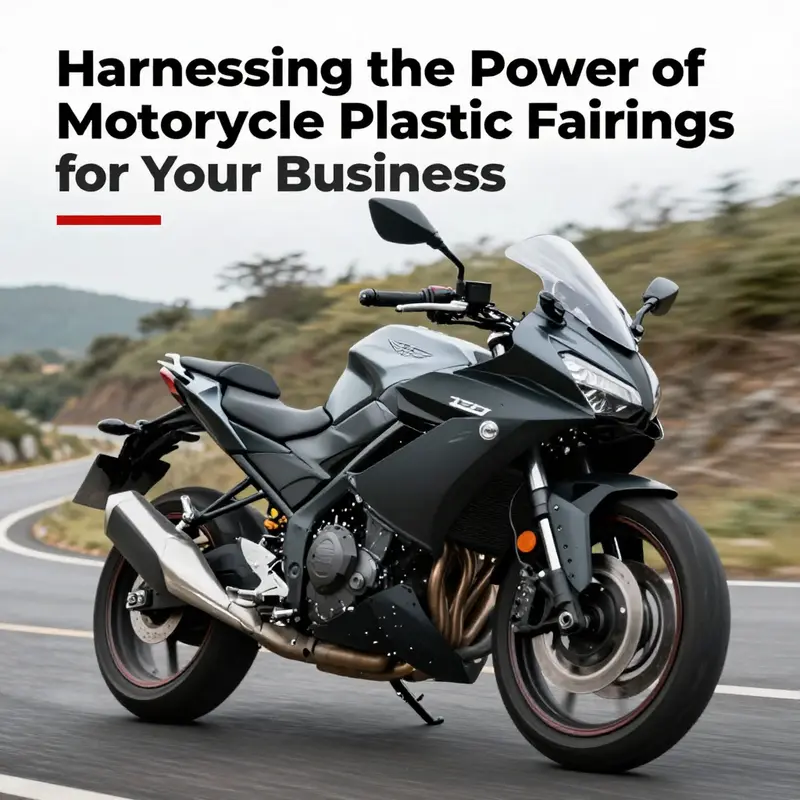
The protective shell that encases much of a motorcycle has long carried a reputation for simply dressing the machine. Yet the plastic fairing is more than a cosmetic cloak. It is a purpose-built system that shapes air, shares the rider’s burden, and guards sensitive components from the road’s every challenge. When viewed through the lens of performance and protection, modern fairings reveal a sophisticated balance between material science, engineering geometry, and practical usability. The result is a composite advantage: riders gain smoother travel, better efficiency, and a more reliable platform that endures a wide range of climates and road textures. This chapter explores how plastic fairings deliver those benefits, drawing on the material choices, design strategies, and functional features that have matured in recent years to meet the demands of everyday riding and the extremes of sport and touring alike. In doing so, it highlights how the same design decisions that reduce drag can also dampen vibration, shield electronics, and even open avenues for customization that preserve or enhance performance over time.
Aerodynamics forms the core of why plastic fairings exist in the first place. The bike’s silhouette is not fixed by accident but is carefully sculpted to manage the flow of air around the rider and the machine’s surfaces. A well-shaped fairing channels air to minimize turbulent wake behind the rider, reduces form drag, and helps maintain stable pressure distribution along the bike’s profile. These effects translate into measurable gains: lower wind resistance means that a given engine does not have to work as hard to achieve high speeds, which in turn improves fuel efficiency and reduces fatigue on long rides. At higher velocities, reduced drag correlates with better stability and lower wind-induced steering corrections, which keeps the rider more centered and less fatigued over hours on the road.
Weight is another critical thread in the performance tapestry. Plastic fairings pull a double duty by being both lightweight and sufficiently stiff to maintain form. Compared with metal alternatives, engineered plastics carry a substantial weight advantage. This reduction is not trivial; every gram saved in the outer shell contributes to a better power-to-weight ratio, which matters for acceleration, braking, and the agility that riders expect from sport and street motorcycles. Lighter fairings also reduce rotational inertia around the steering axis, which translates into quicker, crisper steering when the rider makes deliberate, dynamic inputs. In practical terms, a lighter, more maneuverable fairing system helps a motorcycle respond more readily to rider intent, whether the aim is precise line-holding in a twisty road or quick mid-corner adjustments to dodge debris or oncoming traffic. The weight saved in the fairing need not sacrifice stiffness or impact resistance because modern plastics achieve a favorable stiffness-to-weight ratio after sophisticated formulation and processing.
Thermal management and material stability are inseparable from durability in the hot spots where fairings live closest to engine heat. Engineered polymers—such as reinforced nylon and other high-temperature plastics—offer commendable thermal stability, sometimes with service temperatures that approach or exceed 150°C in localized areas. This performance ensures the fairing panels do not creep or distort during prolonged high-heat operation, preserving fitment and seal integrity around joints and fasteners. When heat and vibration stress the structure, the chosen material’s resilience helps prevent cracking or excessive fatigue, prolonging the life of the entire fairing system and the components it shields. The result is a fairing that stays visually clean and physically intact through daily commutes and ambitious weekend rides alike, maintaining the intended aerodynamic profile without requiring frequent realignment or panel replacement.
Protection is the other side of the fairing equation. Modern plastics excel at absorbing impact energy and resisting cracking under moderate, non-catastrophic impacts from road hazards. Toughened acrylic and reinforced nylon are engineered to flex and absorb energy rather than shatter, which helps protect critical components such as the engine, radiator, and electronics housed within the fairing’s envelope. Because plastics do not corrode, they naturally resist the corrosive effects of moisture, salts, oils, and common solvents encountered on everyday rides. This chemical stability reduces maintenance burdens and preserves appearance over years of exposure, particularly in climates with frequent rain or salted winter roads. Engineered plastics also offer reliable performance under weather extremes, retaining their mechanical integrity from freezing cold to intense heat, ensuring that fasteners stay in place and seams stay closed without constant adjustments.
An additional, practical layer of value emerges from the fairing’s ability to integrate more than just panels. Modern designs incorporate mounting points for mirrors, lights, and occasionally small storage compartments. The structural flexibility of plastic allows complex, lightweight geometries that would be difficult or heavy with metal. Integrated routing for cables and wiring can be cleaner and more protected, reducing the chance of snagging on rough terrain or road debris. This integration translates to a neater, more robust assembly that can withstand the vibrations and jolts of rough roads without compromising function or aesthetics. Because plastics can be molded into interconnected systems, designers can hide hardware behind panels that snap on or off for quick maintenance, which is a practical boon for riders who favor DIY customization and periodic upgrades.
From a lifecycle perspective, plastic fairings offer compelling maintenance advantages. Repairability is often more straightforward than with metal, because panels can be replaced individually rather than requiring a full repaint or rework of a larger section. Since plastics do not rust, the ongoing upkeep burden is reduced, and a quick panel change can restore appearance and aerodynamic function with minimal downtime. This is especially meaningful for riders who rely on their machines for daily transport or for those who maintain their bikes with a hands-on approach. The capacity to replace a panel or upgrade to a more weather-resistant finish without disassembling the entire fairing contributes to a lower total cost of ownership over time, which adds a practical dimension to the otherwise aesthetic appeal.
The conversation about performance and protection would be incomplete without acknowledging the broader scientific context. Modern material research emphasizes not only toughness and weight but also environmental resistance and longevity under UV exposure and weather cycling. The cited body of work in the Polymer Testing Journal highlights PMMA and reinforced polymers for automotive applications, showing how these materials can maintain mechanical and optical properties across a broad temperature spectrum and under aging conditions. While the chapter focuses on motorcycling applications, the underlying materials science applies across automotive contexts, making the case that a well-chosen fairing material can deliver sustained performance and protection for many seasons. External resources provide a rigorous analysis of PMMA and reinforced polymers under automotive-like conditions and can be valuable references for designers and enthusiasts alike.
In sum, the advantages of motorcycle plastic fairings in performance and protection are interwoven and mutually reinforcing. Aerodynamic shaping lowers drag and wind noise while supporting better fuel efficiency and high-speed stability. The weight savings compared with metal shells improves acceleration, handling, and steering response by reducing rotational inertia. Thermal stability and chemical resistance ensure durability in a wide range of environments, while transparent or high-clarity panels maintain visibility and safety for the rider. Integrated functionality—mounting points for lights and mirrors, clean cable routing, and the potential for modular replacement—extends practicality and customization without compromising strength. Taken together, these factors position plastic fairings as a central, enduring element of modern motorcycle design, one that harmonizes form, function, and resilience. The rider benefits from a smoother ride and a more dependable platform, while the machine gains a chassis-aligned shell that works in concert with the engine, suspension, and electronics to deliver consistent, confident performance mile after mile.
null
null
Guarding the Shape of Speed: A Practical Guide to Replacement and Maintenance of Motorcycle Plastic Fairings
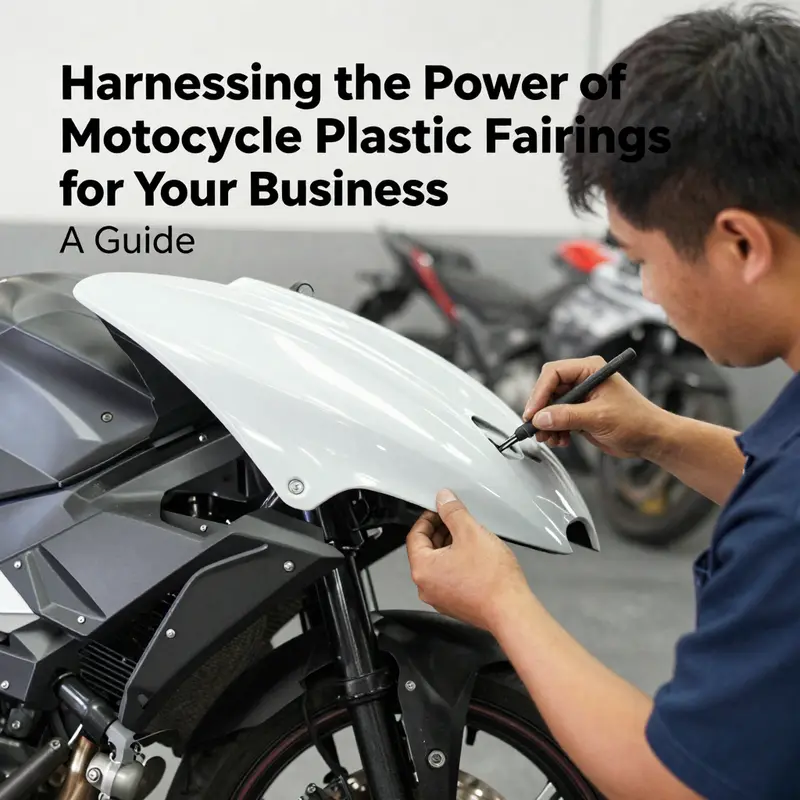
Motorcycle plastic fairings are more than just styling; they are the bike’s first line of defense against wind, rain, debris, and off-road hazards. They sculpt the airflow around the machine, improve handling at speed, and shield vital mechanicals from the environment. When they perform well, the rider notices smoother airflow, steadier stability, and a cleaner riding experience. When they falter, the consequences can manifest as reduced efficiency, degraded cooling, amplified drag, or even compromised safety. The way a rider cares for and, when needed, replaces fairings speaks to a broader discipline of motorcycle maintenance that blends practical know-how with a respect for the machine’s aerodynamic intent. This chapter discusses maintenance as a continuous practice and replacement as a deliberate, performance-driven decision rather than a last resort. It treats fairings not as cosmetic add-ons but as engineering components whose condition directly influences riding dynamics and safety on the road or trail.
Begin with a mindset of regular scrutiny. Plastic fairings, typically crafted from high-impact ABS or similar automotive-grade polymers, are designed to endure a lot, but they are not invincible. The same sun that powers a rider’s day also ages plastics through UV exposure. The road, with its salt, chemicals, and abrasive grit, wears down surfaces slowly. Even seemingly minor issues—micro scratches, small cracks along a seam, or a hinge that is slightly out of alignment—can propagate if ignored. A small fracture can grow with temperature cycles and vibrations, producing more cracks or misalignment that disrupts airflow. The intent of maintenance is twofold: preserve the fairing’s aerodynamic shape and maintain its protective function. When maintenance becomes part of a routine, the fairing ages with grace rather than with surprise, and the bike remains ready for longer stretches of riding without unexpected downtime.
A simple, disciplined cleaning routine is the foundation. Clean fairings regularly with mild soap and water, using a soft cloth or sponge. Harsh cleaners, solvent-based degreasers, or heavy abrasives can degrade the surface, strip paints or decals, and reduce the panel’s resistance to UV light. After washing, dry gently and thoroughly to prevent water spots and potential moisture that could reach fasteners or seams. It is wise to inspect the finish for dull patches or chalkiness after the wash, which can indicate UV damage or chemical exposure. When you polish, choose a product formulated for plastics and apply with a soft cloth in small, circular motions. Light abrasion can flatten shallow scratches, but avoid aggressive rubbing that could dull the gloss or alter the panel’s contour. A protective finish is not mandatory, but a cycle of careful cleaning and finishing can slow the onset of scuffs, chalking, and color fade, which, if left unchecked, can intensify the visible lines on a fairing and mask deeper structural concerns.
The most important maintenance habit is periodic inspections. After a day of off-road riding, a long highway sprint, or a minor incident, take a quiet moment to run a physical check along every exposed edge and joint. Look for cracks that radiate from mounting points, signs of warping near fastener positions, and any loose or missing hardware. Re-torqueing fasteners to manufacturer specification is essential; under-tightened bolts can allow panels to rattle and shift, while over-tightened ones can crack mounting points or warp plastics. Feasible repairs may include re-fastening, resealing seams with appropriate adhesives, or replacing a damaged clip or bracket. If you notice delamination—where the surface separates from the core structure—do not attempt to repair it alone. Delamination signals compromised strength and a higher likelihood of failure under load. In such cases, replacement is the safer course.
Temperature and storage considerations deserve equal attention. Plastic is a material that responds to temperature swings. Extreme heat can cause softening and increased vulnerability to dents, while cold can make ABS more brittle. If a bike is parked in direct sun for extended periods, the fairings can distort or discolor, particularly on darker colors that absorb more heat. Whenever possible, store the motorcycle in a shaded or climate-controlled environment, and consider a protective cover that doesn’t trap moisture or sweat between the fairing and the cover. A cover with a breathable fabric helps reduce heat buildup and minimizes chemical interaction with outside pollutants. If your climate features heavy rainfall, make sure the fairings and all mounting hardware are kept dry as water ingress into mounting points can promote corrosion on metal fasteners or create micro-movements that loosen components over time.
The decision to replace a fairing does not arise from a single dent or scratch. It is a synthesis of impact history, aerodynamic performance, and safety considerations. When a panel sustains deep cracks that cut through the skin and compromise structural integrity, or when large dents distort the panel’s shape enough to disrupt smooth airflow, replacement becomes prudent. Delamination, meaning the outer skin peels away from the internal backing, is another clear signal that repair is unlikely to restore full performance or rigidity. A fairing that no longer protects critical components or impedes proper mounting can create unsafe conditions at speed, where even a small misalignment can alter stability or reduce protection from debris. Some manufacturers adopt modular designs that allow straightforward panel replacement without disassembling the entire fairing assembly. This modularity makes repairs less daunting and supports easier customization, enabling riders to refresh the appearance or alter aerodynamic characteristics without a full fairing swap.
Choosing quality replacement parts hinges on material integrity and fitment precision. Automotive-grade plastics—often ABS or reinforced composites—provide a reliable balance of impact resistance, rigidity, and surface smoothness suitable for exterior use. The right replacement panels should preserve the original aerodynamic contour and ensure compatibility with existing mounting points, headlight cutouts, and instrument housing. While the market offers a spectrum of options, genuine effort should go into selecting parts that meet safety and durability benchmarks and are designed to withstand the rigors of daily riding and adverse weather. Before committing to a replacement, inspect the panel for uniform thickness, reinforced areas around fasteners, and consistency in the finish that will accept paint or decals. A panel that feels flimsy or flexes easily is likely to fail under engine heat and wind pressure, especially at highway speeds. When replacing a single section, ensure that the mounting hardware is matched and that the new panel does not interfere with the operation of the headlight, windscreen, or instrument cluster. Misalignment is not merely a cosmetic problem; it can alter airflow, create drag, and degrade stability in gusty conditions.
Riders who explore aftermarket or OEM-like options should also consider how the replacement integrates with the rest of the chassis. Compatibility is not a marketing slogan; it translates to precise hatch fits, fixed alignments, and predictable handling characteristics. In addition to fit, color and finish can play a practical role. If a replacement panel has a slightly different shade, it can be addressed through painting and finishing that matches the rest of the bike. There is a practical balance between aesthetics and performance: some riders prefer to re-skin the entire front end for a uniform look, while others opt for modular swaps to refresh the visual identity without a full makeover. The choice often depends on riding environment, climate, and the rider’s personal approach to maintenance.
For riders who want to explore specific categories of fairings, navigational choices in the online space can guide the decision. If you are researching options that align with a particular motorcycle family, consider visiting the Honda fairings category to explore designs that are commonly specified for that brand. The range includes panels tailored to fit the geometry and attachment points typical of that lineup, reducing the chance of misfit and the need for on-the-spot modifications. This approach emphasizes the practical benefits of relying on well-matched parts that preserve the integrity of airflow management and mounting strength. Honda fairings provides a straightforward entry point for riders prioritizing compatibility and straightforward installation.
Even with careful selection, the installation of a replacement fairing should be approached with methodical care. Start by removing the damaged panel and cleaning the underlying mounting points. Inspect for any cracked brackets or worn fasteners, and replace as needed. When fitting the new panel, anchor at the primary mounting points first to achieve proper alignment, then secure secondary points. Do not over-tighten, as excessive torque can crack the plastic or strip thread inserts. After installation, re-check the alignment with the bike in a balanced, upright position and verify that there is no contact with moving parts or routing for cables and wiring. A functional test should include a low-speed roll and a short, controlled ride to listen for rattles or unusual vibration indicating potential misfit. The install should restore the original line and contour of the bike, maintaining the intended airflow path and protecting vulnerable areas such as the engine bay, radiator, or undercarriage from road debris and weather exposure.
The lifecycle of a fairing—maintenance, repair, replacement—also invites a discussion about personalization and finish. Modern plastics can be painted, decaled, or left in a factory finish with protective coatings that resist UV exposure and grime. When finishing, the use of compatible primers and clear coats designed for plastics helps ensure adhesion and longevity. It is essential, however, to consider heat tolerance. The front fairing and surrounding panels are exposed to engine heat; materials and coatings must withstand those temperatures without peeling or yellowing. A thoughtful finishing approach not only maintains aesthetics but also contributes to long-term protection against environmental stressors. For riders who prefer a subtler aesthetic or a rugged look, texture and color can be chosen to minimize the visible wear from everyday use while preserving the aerodynamic profile that the fairing governs.
The maintenance journey is not a solitary one. It intersects with rider behavior, storage practices, and the respect given to the bike’s engineering. Routine checks, careful cleaning, timely repairs, and thoughtful replacement choices create a continuous cycle that protects performance, safety, and value. A well-maintained fairing is a quiet partner in the ride, keeping wind noise low, drag predictable, and protective functions intact. The result is not merely a better-looking motorcycle; it is a machine that preserves its efficiency, handling, and resilience over countless miles and years.
Finally, let this be a practical reminder: documentation and provenance matter. When purchasing replacement panels, request clear evidence of material specification, compatibility with mounting systems, and warranty terms. Keep track of service records for fasteners, brackets, and seals, and store spare clips in a labeled container. A small investment in organization reduces downtime and makes future maintenance tasks more straightforward. The goal is to preserve a fairing’s role as an aerodynamic envelope and protective shield, not just a cosmetic shell. For riders who want to explore options aligned with specific brands or models, the catalog approach can help streamline decisions while keeping safety and performance squarely in view. And for those who seek broader context on materials and standards, a careful reading of trusted supplier information can offer deeper insights into the durability and certification of fairing components. For reference, see the detailed listing that discusses material durability, modular design, and safety compliance.
External reference: For a comprehensive overview of durable, modular plastic fairing components that withstand rugged conditions and meet motorcycle safety benchmarks, see the detailed listing available online. https://www.alibaba.com/product-detail/Fender-Plastic-Fairing-Kit-for-Apollo-Orion_1600479583755.html
Final thoughts
In summary, motorcycle plastic fairings are not just aesthetic upgrades; they are crucial for performance, protection, and personalization. For business owners, understanding the various types, benefits, customization possibilities, and maintenance practices can enhance value, appeal, and longevity of motorcycles. By investing in quality fairings and encouraging customization, businesses can improve customer loyalty and satisfaction, ultimately leading to growth and success in the competitive motorcycle market.