
When it comes to maintaining the performance and aesthetics of motorcycles, heat shields for fairings are indispensable. These components serve as crucial barriers that guard against the high temperatures emitted by exhaust systems, preventing heat damage to the often delicate plastic or composite fairing materials. In this comprehensive exploration, we will delve into the critical aspects of motorcycle heat shields, focusing on material selection, installation techniques, and the performance and durability of different options available. Understanding these factors is essential for business owners aiming to enhance product offerings or improve service quality in the motorcycle industry.
Choosing the Right Materials for Effective Motorcycle Heat Shields
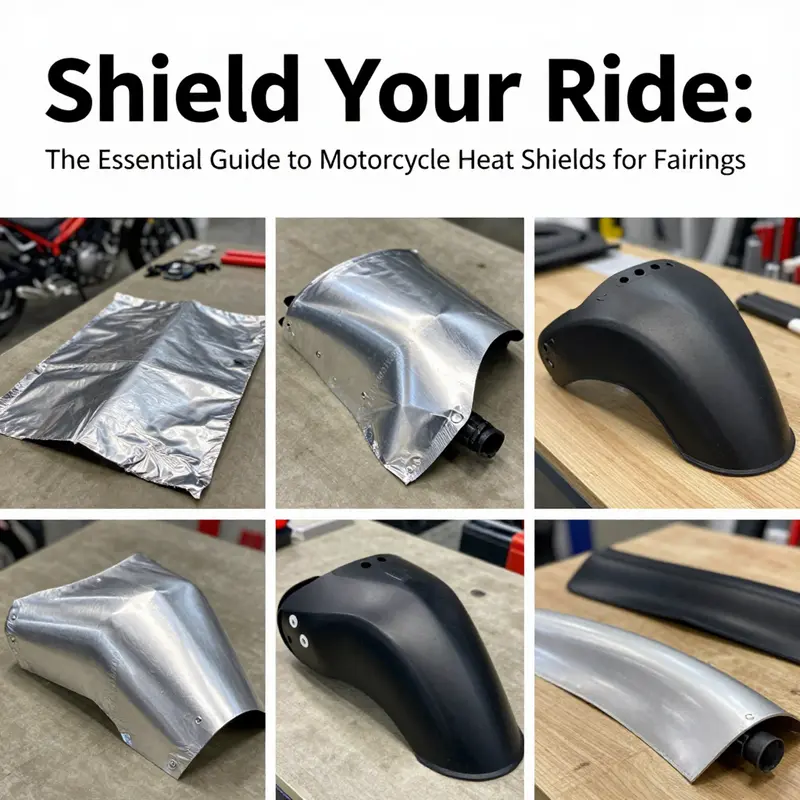
The selection of materials for motorcycle heat shields, particularly for fairings, is of paramount importance in ensuring both performance and longevity. These components are integral to protecting the motorcycle’s bodywork from the detrimental effects of heat emitted by the exhaust system. When selecting the ideal materials, several factors must be considered, including thermal resistance, weight, durability, and cost-effectiveness. Among the most popular materials used for motorcycle heat shields are aluminum and fiberglass, both of which provide unique advantages and drawbacks that must be weighed carefully in the decision-making process.
Aluminum is a widely favored choice for heat shields due to its excellent thermal conductivity and lightweight nature. These qualities not only make it an efficient heat dissipator—effectively reducing the temperature around sensitive areas such as plastic fairings and wiring harnesses—but also contribute to overall motorcycle performance by minimizing additional weight. Furthermore, aluminum’s corrosion resistance is a significant advantage, particularly in outdoor environments where moisture may accelerate deterioration. Its malleability allows for intricate designs, making it easy to manufacture custom heat shields that fit seamlessly onto a variety of motorcycle models.
However, aluminum is not without its drawbacks. The cost can be higher compared to alternative materials, which might deter those operating under budget constraints. Additionally, the metal may require surface treatments to prevent oxidation over time, as exposure to air and moisture can degrade its integrity. Therefore, while aluminum offers effective thermal management, the total cost of ownership and maintenance should be factored into the decision-making process.
Fiberglass, on the other hand, boasts exceptional heat insulation properties. Known for its thermal resistance, fiberglass can withstand prolonged exposure to high temperatures, making it an excellent choice for heat shields in high-performance motorcycles. Its rigidity and durability under sustained heat conditions render it suitable for applications where longevity is critical. Fiberglass has become a standard material in many industrial-grade and performance applications, where it frequently outlasts its alternatives in harsh environmental conditions.
However, fiberglass does come with certain limitations. Typically heavier than aluminum, it may add undesirable weight to the motorcycle, particularly if not designed strategically. The handling of fiberglass during fabrication typically requires specialized tools and skills, which can complicate DIY installation. Another consideration is its brittleness; while it performs well under normal conditions, it is more susceptible to cracking if subjected to impacts. This could pose a critical risk, especially in the harsh environments many motorcycles traverse.
For some high-end or track-oriented motorcycles, a combination of both materials is often used. This approach combines the rapid heat dissipation capabilities of aluminum with the robust thermal insulation properties of fiberglass, providing a balanced solution that maximizes protection while minimizing weight. In particular, mounting heat shields adjacent to the engine and exhaust headers can support a comprehensive heat management system that reduces the risk of heat transfer to other sensitive motorcycle components. This integration can also improve structural integrity under the dynamic thermal stresses experienced during aggressive riding.
When choosing between materials, the decision-making factors should not only consider the properties of the materials themselves but also the intended use of the motorcycle. Different operational environments—from everyday street riding to high-performance track applications—demand various approaches to heat management. Track riders, who often face higher and more fluctuating temperatures, may benefit more from the efficient cooling effects of aluminum, whereas casual or long-distance riders may prioritize the durability and insulation provided by fiberglass.
Ultimately, the right material choice comes down to evaluating your specific needs as a rider and understanding the characteristics of the materials in question. The ideal heat shield will effectively protect the fairing while further enhancing your motorcycle’s overall performance. Moreover, invest in quality installation, as proper application ensures that the heat shield effectively dissipates heat across exhaust surfaces, significantly enhancing its longevity and performance. For more in-depth information on specific material standards and applications used in high-performance motorcycles, refer to resources focused on industrial-grade fiberglass heat shield applications, which provide insights into effective real-world scenarios.
In terms of brands and products well-recommended within the motorcycle community, options like heat shields made from aluminized foil-coated fiberglass prove to be reliable choices, as they typically offer heat resistance up to 850°F (454°C) and come with an adhesive backing for straightforward installation. Similarly, universal motorcycle exhaust heat shields that utilize dense molded insulation are ideal for extreme applications, boasting temperature tolerances that can exceed 2000°F (1093°C).
In summary, careful consideration of the materials selected for motorcycle heat shields can dramatically impact performance, safety, and durability. Keeping an eye towards future maintenance and possible environmental factors will ensure that your motorcycle remains in top condition and allows for an enjoyable riding experience, whether cruising through the city, traversing long distances, or pushing the limits at the track.
To explore a variety of motorcycle fairing options across different models, visit Ultimate MotorX.
Mastering the Installation of Motorcycle Heat Shields for Fairings: Techniques and Best Practices
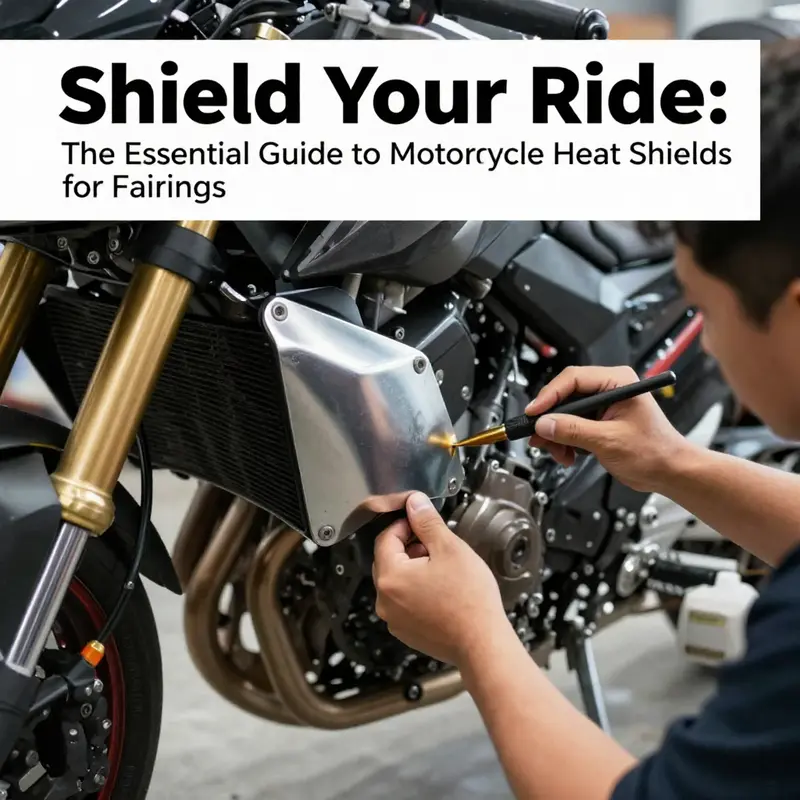
Proper installation of motorcycle heat shields for fairings is not just a task; it’s an essential practice for safeguarding both the aesthetic and functional aspects of your motorcycle. As riders push their machines to the limits, the underbelly of the fairing faces relentless heat from the exhaust system, which can lead to severe damage if left unprotected. This chapter delves into the meticulous techniques required for the precise installation of these heat shields, ensuring optimal thermal insulation while preserving the integrity and appearance of motorcycle fairings.
Selecting the Right Heat Shield
A critical first step in installation is selecting the correct heat shield that matches both the model of your motorcycle and the specific heat management needs based on your riding style. For instance, models like the Indian Chieftain or Honda Dio have tailored heat shield liners designed specifically for their constructions. When choosing a heat shield, consider materials such as aluminized foil-coated fiberglass, which can withstand temperatures up to 850°F (454°C), or high-temperature ceramic wraps capable of enduring conditions exceeding 2000°F (1093°C). Selecting a premium-grade heat shield ensures that you’re not only investing in the longevity of your motorcycle’s fairings but also prioritizing your comfort and safety on the road.
Preparation: Clean Slate for Installation
Before diving headfirst into the installation process, preparation is key. This phase involves not only gathering the right tools but also making sure the surface beneath the fairing is impeccably clean. Start by removing any dust, grease, or debris; contaminants in the installation zone can lead to adhesive failure or improper sealing. A clean surface dramatically increases the heat shield’s effectiveness by establishing a strong bond. Consider using a suitable degreaser or rubbing alcohol to wipe down the area thoroughly, allowing it to dry completely.
Employing Effective Installation Techniques
Once you have your heat shield selected and the area prepared, it’s time to get into the installation techniques that will guarantee optimal performance and durability. Here are the most effective methods:
-
Adhesive Tapes: Many heat shields come with double-sided adhesive tape on the back, simplifying installation. For best results, ensure that the adhesive surface is also clean before pressing it onto the fairing. Hold it in place for the recommended duration to ensure a solid bond.
-
Heat-Resistant Glue: If your heat shield does not include adhesive backing, a heat-resistant glue can be a viable alternative. Apply a thin layer of glue to both the shield and the fairing, allowing time for it to become tacky before pressing them together.
-
Mechanical Fasteners: In cases where you need extra security, especially for high-performance applications or long-distance rides, consider utilizing mechanical fasteners such as rivets or screws. This method may require drilling into the fairing, so ensure you are equipped with the appropriate hardware and tools, and always aim for an insulated fastening method to prevent any heat transfer through the fasteners.
Aligning the Shield
The alignment of the heat shield is something that requires a careful touch. For a DIY installation on popular bikes like the Indian Chieftain, follow an easy-to-follow guide to align the shield accurately. Misalignment can lead to air bubbles and wrinkles, significantly affecting the heat shield’s effectiveness. Take your time here, utilizing pre-cut templates or alignment guides included in many kits to ensure everything aligns perfectly. Adequate alignment will also help maintain the sleek visuals of your motorcycle, as improper fitting could detract from the overall look of the fairing.
Emphasizing Curing Time
After the heat shield is in place, allow adequate curing time based on the adhesive or glue used. Most manufacturers advise waiting at least 24 hours before riding the bike to ensure that the adhesive has cured completely. This crucial step prevents premature detachment during smooth rides or high-speed adventures, ultimately enhancing safety and functionality. Riding too soon can stress the bonds and result in failure, necessitating a redo of the installation process.
Model-Specific Considerations
It’s important to note that some motorcycles, like the Honda Dio, may come with custom fairing kits that incorporate heat shield features into their designs. These occurrences may require different installation considerations. If you’re working with a customized fairing kit, take additional time to understand how the heat shield integrates into the design, whether it’s during the initial assembly or as a retrofit. In-depth knowledge about your bike’s specific requirements fosters a successful heat shield application, which is essential for both performance and protection.
Best Practices for Successful Installation
To sum up, successful installation hinges on a few best practices: thorough preparation, careful material selection, precise alignment, and adequate curing time post-installation. These practices are paramount in enhancing not only the safety of the rider but also the performance and longevity of the motorcycle’s fairing components and surrounding parts. As an enthusiastic motorcycle owner, adhering to these techniques will empower you with confidence, knowing your bike is efficiently shielded against harmful excess heat.
As you prepare for your installation journey, remember that having the right tools and components at hand is half the battle won. By taking the time to follow these guidelines, you ensure that your motorcycle’s fairings receive the highest level of thermal protection possible, creating a seamless balance of performance, safety, and style on the road.
For further details and resources, check out this installation guide, which provides more in-depth instructions and visuals to assist in your efforts.
The Essential Role of Motorcycle Heat Shields for Fairings in Performance and Durability
Motorcycle heat shields for fairings are often regarded as unsung heroes within the complex ecosystem of a motorcycle’s design and operation. These critical components serve a dual purpose: safeguarding the integrity and appearance of fairings while enhancing the motorcycle’s overall performance during demanding riding conditions. The direct association between fairing durability and motorcycle performance cannot be overstated, as the effects of temperature can significantly influence both functionality and aesthetics.
The functionality of heat shields emerges from their ability to act as thermal barriers between hot exhaust components and the motorcycle’s bodywork. When a motorcycle is in operation, particularly at high speeds or during extended rides, exhaust temperatures can soar well above 600°C (1112°F). Without effective heat shielding, the heat radiating from the exhaust can warp, discolor, or even melt the fairing materials, which are typically made from plastics or composite materials. This type of damage not only detracts from the motorcycle’s visual appeal but may also compromise the aerodynamic properties of the fairings, leading to increased drag.
As modern motorcycles continue to push performance boundaries, the integration of high-quality heat shields has become a vital concern for manufacturers and riders alike. Innovations in materials have paved the way for more effective heat management solutions. Today, popular heat shield materials include aluminized foil-coated fiberglass, capable of withstanding temperatures up to 850°F (454°C), and high-performance composites like carbon fiber and aluminum, which present superior thermal insulation without substantial weight gain. The adoption of these advanced materials illustrates a trend where performance and durability go hand in hand, allowing motorcycles to operate effectively even under extreme conditions.
The design of motorcycle fairings, particularly in high-performance models, often includes split or dual configurations that feature separate front and rear sections. This design choice not only enhances aesthetics but also helps with aerodynamics. However, it poses additional challenges for heat management, as the separation increases the surface area that may be affected by excess heat. By accurately installing heat shields around the hot zones—specifically near exhaust headers and mufflers—riders can ensure that these vulnerable areas receive adequate protection, thereby prolonging the life of their fairings. It’s an often-overlooked fusion of engineering prowess and practicalism, where riders are equipped with features that enhance both performance and safety.
As the motorcycle industry evolves, manufacturers are increasingly aware that heating solutions must also retain an element of visual appeal. Striking this balance has led to the development of self-adhesive heat shields that can be easily customized to fit the unique contours of various motorcycle models. This facilitating design philosophy speaks directly to a rider’s desire for both functionality and aesthetics. The installation of these shields can be a straightforward process—often requiring only adhesion to the underside of the fairing—ensuring that riders can appreciate the protective benefits without facing cumbersome installation procedures. For instance, the contemporary market offers products such as Motorcycle Carbon Exhaust Cover Heat Shields, which leverage the lightweight properties of carbon fiber to provide exceptional durability. These shields excel not only in thermal resistance but also in longevity, ensuring that riders can confidently exploit the high-output performance of their motorcycles without fear of damaging the fairing materials.
The impact of effective heat shielding goes beyond just protecting the fairing; it is inherently tied to the motorcycle’s aerodynamic efficiency. A distortion-free fairing facilitates optimal airflow, which is crucial for reducing drag. For touring bikes and models meant for long-distance travel, minimizing drag can lead to improved fuel economy, an essential consideration for riders frequently on the road. Thus, by safeguarding the integrity of the fairings, heat shields indirectly contribute to enhanced riding experiences over long distances.
Additionally, as the environmental consciousness grows, the implications of fuel economy resonate deeper within biking communities. Riders who invest in high-quality heat shields can appreciably extend the lifespan of their fairings, aligning with sustainability initiatives aimed at reducing waste through prolonged use of motorcycle components. Such practices not only improve the economic feasibility of maintaining a motorcycle but also demonstrate a broader commitment to responsible riding practices.
Installation and regular maintenance of heat shields should not be neglected. Riders are encouraged to inspect their heat shields regularly, particularly after an extended ride or racing events where engine temperatures are pushed to extremes. Ensuring that the shielding is intact can prevent future issues, such as fairing damage or increased heat radiating into other components. Riders might consider incorporating checks into regular maintenance routines to monitor for signs of wear or loosening of the adhesive. By maintaining this vigilance, riders can enjoy both the aesthetic and functional benefits delivered by well-installed and operated heat shields.
In conclusion, motorcycle heat shields for fairings are more than mere accessories; they represent a necessary fusion of performance and durability in motorcycle design. As riders and manufacturers embrace the innovations in heat shielding technologies, the benefits will likely aggregate, resulting in safer, more efficient motorcycles capable of tackling the demands of both high-stakes races and leisurely long-distance journeys alike. As the significance of effective heat management becomes even more pronounced within the industry, the reputation of heat shields as indispensable motorcycle components will surely solidify, fostering a culture of care and longevity within the motorcycle community.
For more detailed guidance on strengthening your motorcycle’s fairing protection through high-quality heat shields, visit this Motorcycle Carbon Exhaust Cover Heat Shield Fairing for V4 page for comprehensive specifications and customer insights.
Final thoughts
Incorporating quality motorcycle heat shields for fairings is essential for maintaining the integrity of motorcycle bodywork against the damaging effects of heat. Business owners must prioritize understanding the materials used, the installation methods, and the durability of various heat shield options to meet the needs of their customers effectively. By investing in high-performance heat shields, companies can enhance customer satisfaction, extend the lifespan of motorcycles, and ultimately contribute to a safer and more reliable riding experience.
undefined
About us
undefined