
Introduction
Motorcycle headlight fairings are not merely aesthetic additions; they play a crucial role in enhancing performance, improving visibility, and providing protection against wind and debris. These fairings come in various designs, each tailored to specific models and riding preferences. With the right fairing, a motorcycle can gain a sleeker silhouette, reduced wind resistance, and added functionality. This detailed guide covers four main categories of motorcycle headlight fairings: full fairing sets, T-Sport fairings with their extension blocks, universal retro and rally-style fairings, and headlight bezels with mini fairings aimed at enhancing visibility. Each chapter unpacks the significance of these options, paving the way for informed decisions and upgrades that resonate with the needs of motorcycle enthusiasts.
Tables of Contents
Chapter 1: Transforming Naked Bikes: The Power of Universal Full Fairing Conversion Kits
- Exploring Universal Full Fairing Kits for Motorcycle Headlight Integration
- Precision Fit: The Importance of Model-Specific Full Fairing Kits for Motorcycle Headlight Fairings
Chapter 2: Revving Up Innovation: The Evolution of T-Sport Fairings and Headlight Adjustments
- Cutting Edge Designs: The Technological Leap in T-Sport Fairings and Headlight Extensions
- The Economic Ripple Effect of T-Sport Fairings and Headlight Extensions in the Motorcycle Ecosystem
Chapter 3: Reviving the Classics: The Design Evolution of Universal Retro and Rally-style Motorcycle Headlight Fairings
- Exploring the Innovative Design Features of Universal Retro and Rally-style Motorcycle Headlight Fairings
- Balancing Nostalgia and Modernity: The Multifaceted Role of Universal Retro and Rally-Style Motorcycle Headlight Fairings
Chapter 4: Harnessing Technology: Innovations in Motorcycle Headlight Components for Optimal Visibility
- The Cutting Edge of Headlight Bezels and Mini Fairings: Enhancements in Visibility and Performance
- The Subtle Financial and Social Gains from Enhanced Visibility Through Headlight Bezels and Mini Fairings
Chapter 1: Transforming Naked Bikes: The Power of Universal Full Fairing Conversion Kits
1. Exploring Universal Full Fairing Kits for Motorcycle Headlight Integration
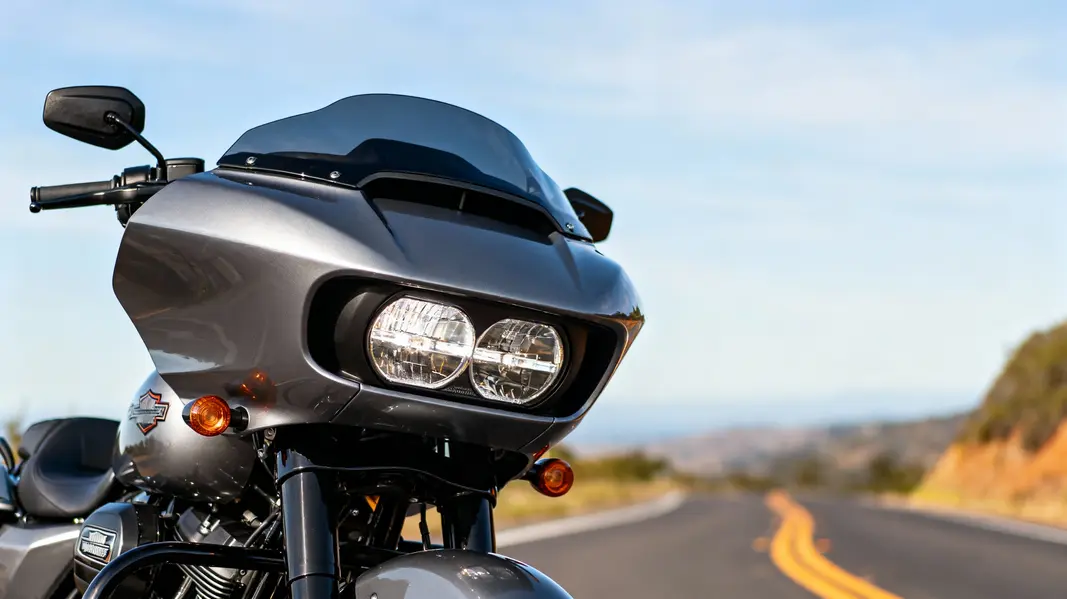
When it comes to enhancing the aerodynamics and aesthetics of naked and standard motorcycles, universal full fairing conversion kits present an exciting opportunity. Motorcycle enthusiasts seeking to encapsulate their ride in sportier bodywork often find themselves torn between customizations that can be complex and costly versus more standardized options that offer flexibility and compatibility across various models. With these kits, riders can transform their naked bikes into striking machines reminiscent of high-performance sportbikes while enjoying the functional benefits such as wind protection and improved visibility.
These universal kits primarily comprise ABS or fiberglass components designed to adapt to a range of models. While marketed as ‘universal,’ the term is somewhat of a misnomer, as most kits target specific segments of motorcycles, particularly sport and naked models within certain engine capacity thresholds—often ranging from 600cc to 1000cc.
Typically, a complete universal kit includes several key components: a front upper or headlight fairing that either features a universal headlight opening or is tailored for specific models, side fairings that extend down to cover the engine and mid-section, and essential mounting hardware or brackets, which may require minor customization for proper fitment.
For instance, the ApexRide Universal Full Fairing Conversion Kit stands out in the market, heralded for its comprehensive transformation of the bike’s front-to-midsection. This kit not only includes the necessary fairing components but also incorporates brake-cooling ducting, which is especially advantageous in high-performance scenarios. Priced under $300, it offers an enticing balance between affordability and a significant aesthetic upgrade.
Similarly, the MotorcyclePartsPro Universal ABS Fairing Set showcases the practical design intended for bespoke builds, including a headlight housing and requisite mounting brackets. As with many universal options, it’s important to prepare for some alignment adjustments, as the inherent variability of motorcycle designs means that some trimming and repositioning of stock components might be necessary.
Riders considering these options should pay close attention to the specifics outlined by manufacturers regarding compatibility. Ensuring the kit aligns well with the bike’s frame design, fork spacing, and headstock area is paramount. Therefore, reviewing the kit’s specifications for supported bike types can potentially save time and resources. While many manufacturers tout their products as “universal,” subtle variations in design can necessitate alterations, making it vital for users to measure their motorcycles against provided specifications thoroughly.
In addition to complete fairing conversions, various more targeted options exist for those looking just for headlight fairings rather than extensive modification. For example, supermoto-style fairings or model-specific aftermarket headlight fairings present fantastic avenues to explore without the need for a full kit. These alternatives often incorporate sleek designs that enhance both wind deflection and overall aesthetic without the need for the complete structural changes that a full kit entails.
When planning to install a universal full fairing kit, considerations of minor fabrication work can significantly enhance the overall satisfaction of the upgrade. Knowing that you might need to perform some adjustments allows riders to mentally prepare for the installation process, leading to a smoother transition as they convert their motorcycles into more dynamic vehicles. Riders should also consider where they may encounter obstacles, such as the relocation of electrical components or the modification of stock fairing mounts, which are commonly emphasized in installation guidelines provided by the aftermarket kit manufacturers.
Furthermore, if riders have a specific vision in mind—say, converting a naked bike to a fully faired model—communicating clearly about the desired outcome helps narrow down viable options from the extensive range of universal kits available. Whether aiming for a sport-focused look through a sleek new fairing or integrating practical lighting enhancements, understanding model year-specific dimensions and guidelines can lead to better fitment without excessive adjustments.
The beauty of these universal kits lies not only in their capability to radically alter the visual appeal of a motorcycle but also in their enhancement of functionality. For instance, a well-fitted full fairing can significantly reduce wind resistance, resulting in less fatigue for the rider on longer journeys. Additionally, by integrating better lighting systems, often seen in touring or sport-styled bikes, users can increase their visibility to other motorists, expanding overall safety on the road—a key aspect that makes these kits appealing beyond mere aesthetics.
While the aftermarket landscape is rich with options to personalize and enhance motorcycles, the key to a successful transformation lies in understanding the particular needs of the bike and how these kits can address not just visual styling but also performance enhancements. As such, whether riders choose to integrate full faired options or smaller headlight optimizations can shape not only their bike’s identity but also their riding experience.
In conclusion, with a little research and preparation, motorcycle enthusiasts can find reliable universal full fairing conversion kits that align with their aspirations and models. These kits not only redefine the look of naked bikes but also represent a harmonious balance of form and function. For those looking to explore further, you can find additional focused options for various motorcycle brands, including BMW, Honda, and Ducati, among others, on specialized parts websites.
2. Precision Fit: The Importance of Model-Specific Full Fairing Kits for Motorcycle Headlight Fairings
When it comes to enhancing the performance, protection, and aesthetic appeal of a motorcycle, choosing the right full fairing kit tailored to specific models can make all the difference. These fairing kits are not simply universal designs; they are meticulously crafted to ensure an optimal fit for each motorcycle’s unique frame and headlight configuration. By focusing on model-specific options, riders can achieve a seamless integration that not only elevates the bike’s appearance but also enhances its functionality due to better wind protection and reduced aerodynamic drag.
The importance of model-specific full fairing kits stems from the simple fact that motorcycles come in various shapes and sizes, with particular emphasis on the positioning of the headlight, fairing brackets, and overall bodywork alignment. Selecting a fairing that corresponds to a specific bike model—such as a Harley Road Glide or a Honda CBR600RR—ensures a precise fit that minimizes gaps and alignment issues that commonly arise with universal kits. This tailored approach helps prevent potential misalignment with the headlight beams, which is crucial for safe nighttime riding.
Proper headlight positioning is a crucial aspect of utilizing model-specific fairing kits. In some cases, additional hardware, such as headlight extension or relocation kits, might be needed to achieve the desired alignment. For instance, when installing a fairing on a Harley Davidson Softail, using a dedicated headlight extension kit allows the headlight bucket to be adjusted for perfect alignment with the fairing while maintaining appropriate vertical pivot. This kind of precision is pivotal in ensuring that the headlight remains properly aimed, which is essential for visibility and safety on the road.
In addition to the alignment advantages, many model-specific fairing kits are made from high-quality materials like ABS injection-molded plastics. This design approach ensures that the fairings not only conform closely to OEM tolerances but are also durable enough to withstand the rigors of motorcycling. The molded design minimizes the risk of flex or vibration that can lead to damage over time, particularly around critical areas like the headlight opening and mounting points.
Considerations for sports bikes underscore another dimension of the personalization that model-specific kits offer. Riders of sport-oriented motorcycles like the Kawasaki ZX-6R or Yamaha R6 will find that full side and front fairing kits are designed for specific generations of these models. Such kits typically allow the use of the OEM headlight or a dedicated race light, ensuring a streamlined look while providing optimal airflow and a cleaner aesthetic. This attention to fitment details can enhance both street and track performance, making them invaluable for sportbike enthusiasts.
For Harley Davidson and cruiser riders, the focus shifts slightly to comfort and visual harmony. Batwing and T-sport fairing kits, which are meticulously engineered for particular Harley models, come equipped with matching windshields. When combined with model-specific brackets, these kits provide an aerodynamic advantage while maintaining accuracy in beam aim. The visual and functional integration of the headlight and fairing transforms how these cruisers look, offering a classic yet modern aesthetic that appeals to many riders.
Dirt bikes and dual-sport motorcycles present a different set of challenges. Riders looking for headlight fairing options still benefit from semi-model-specific designs that cater to recognizable bike shapes such as the Kawasaki KX250 or KX450 series. These fairings often combine aspects of both racing aesthetics and functional design, reflective of the rugged terrain they are built to tackle, while also accommodating the specific arrangements of dirt-bike headlights.
To maximize the performance and functionality of your chosen fairing kit, there are a few pivotal selection tips to bear in mind. Always verify the year, make, and model of your motorcycle to ensure compatibility is with the correct fairing specifications. Even slight variations in bike models can impact the headlight opening and the positions of mounting brackets. Additionally, confirming whether the kit uses the OEM headlight or requires an aftermarket unit is just as vital, as mismatches can lead to poor fit and ineffective beam cutoffs.
Furthermore, for custom builds or swapped motorcycles, it’s essential to opt for fairing systems that feature adjustable brackets or adjustment kits. These features allow for fine-tuning the headlight height and distance to facilitate the best beam alignment before any permanent installation is made. Riders who take the time to choose the right options can greatly improve their motorcycle’s overall performance and styles, harnessing both the engine’s capabilities and the rider’s individual preferences.
In conclusion, investing in model-specific full fairing kits represents a sound decision for any motorcycle enthusiast aiming to elevate their riding experience. By ensuring a precise fit, ensuring proper alignment and utilizing high-quality materials, riders can transform their machines into not only a reflection of their personal style but also a vehicle that delivers on performance, comfort, and safety. As riders explore the array of available options, resources such as https://ultimatemotorx.net/product-category/yamaha-fairings/ can offer a plethora of tailored fairing solutions that best fit individual models, enhancing both aesthetics and riding enjoyment.
Chapter 2: Revving Up Innovation: The Evolution of T-Sport Fairings and Headlight Adjustments
1. Cutting Edge Designs: The Technological Leap in T-Sport Fairings and Headlight Extensions
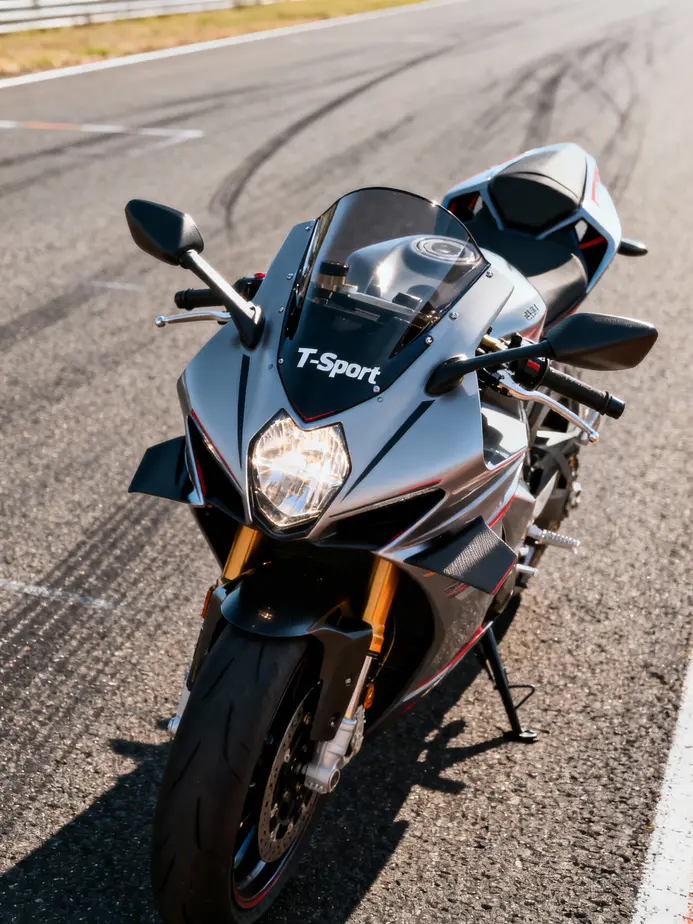
The landscape of motorcycle design is constantly evolving, driven by the need for performance, safety, and aesthetics. Nowhere is this truth more evident than in the realm of T-Sport fairings and headlight extension blocks, where technological innovations are enhancing both functionality and rider experience. This subchapter delves into the significant advancements in materials, aerodynamic design, and the integration of modern lighting technologies that are shaping the future of T-Sport fairings and corresponding headlight systems.
Advanced Materials and Manufacturing Techniques
Recent trends in the motorcycle aftermarket indicate a decisive shift towards the use of advanced composites for T-Sport fairings. Gone are the days of relying solely on traditional materials like ABS plastic. Engineers and designers have begun embracing multilayer ABS blends, fiberglass composites, and even carbon fiber. These materials are lauded not only for their lightweight properties but also for their rigidity and impact resistance, which are vital for high-speed stability and overall handling. By decreasing the weight of components, motorcycles can achieve better fuel efficiency and less strain on the engine, especially at elevated speeds.
Moreover, the manufacturing processes have also seen considerable innovations. Techniques such as vacuum infusion and precision CNC machining are allowing for intricate designs that improve the aerodynamics of the motorcycle. T-Sport fairings are being produced in complex shapes that were once difficult or economically unfeasible. Modern paint systems are also catching up, with multi-stage primers and durable vinyl wraps enhancing both UV resistance and aesthetic appeal. These advancements not only improve the durability of the fairings but also offer riders a chance for customization without jeopardizing longevity, allowing for a wider range of color options and finishes.
Aerodynamic Developments for Enhanced Performance
Aerodynamics is a crucial factor in motorcycle performance, particularly for T-Sport fairings, which are designed to balance wind protection and rider maneuverability. The influence of Computational Fluid Dynamics (CFD) on design has transformed how fairings are shaped. This technology allows engineers to simulate airflow over the motorcycle and optimize contours to create a laminar flow around the rider’s torso and helmet. The result is reduced turbulence and buffeting, a common complaint among riders at highway speeds.
Contemporary T-Sport fairings take cues from successful designs in the sport-touring sector, such as those found on the Triumph Tiger Sport and Honda NC-series. These models demonstrate that it is possible to achieve strong upper-body protection while maintaining a sporty and aggressive riding stance. With taller yet narrower windshields and strategically placed vents, modern designs provide excellent wind deflection without compromising the rider’s control. Thus, T-Sport fairings enable longer, more comfortable rides without the fatigue associated with excessive wind resistance.
Eco-Friendly Practices and Sustainable Materials
In an era of increasing environmental awareness, motorcycle manufacturers are exploring the use of eco-friendly and sustainable materials for their fairings. Bio-based plastics like DURABIO are gaining traction, resonating with consumers who value environmentally conscious production methods. These materials promise to reduce Volatile Organic Compounds (VOCs) and carbon emissions, providing a cleaner alternative to traditional plastics without sacrificing performance or impact resistance. As the market evolves, we can expect more aftermarket options to emerge, utilizing plant-based or recycled composites, and adopting minimal paint processes that ensure longevity and maintain the high aesthetic standards riders expect.
Innovations in Headlight Extension Blocks
Headlight extension blocks serve as essential components in the installation process of T-Sport fairings, allowing for precise adjustments in headlight positioning. Newer versions of these blocks are designed to accommodate the varying heights and angles of headlight beams, particularly when modifications to fork length or handlebars are made. The importance of correctly positioning the headlight cannot be overstated; it ensures not only optimal visibility but also compliance with road safety regulations.
Recent innovations in headlight extension blocks have focused on utilizing CNC-machined alloys and high-strength polymers, ensuring these components can withstand vibrations from high-displacement engines common in T-Sport setups. The engineering behind these blocks has also advanced to include integrated routing paths for wiring, safeguarding sensitive electrical connections while providing an aesthetically clean appearance. Some manufacturers are even pre-indexing extension blocks for common fork rake and triple-tree geometries, streamlining the installation process for riders and ensuring proper beam alignment without the need for extensive adjustments.
Seamless Integration with Modern Lighting Systems
As motorcycle lighting technologies evolve, the intersection of T-Sport fairings and headlight systems is being refined into a cohesive unit. The latest designs see fairing brackets and extension blocks engineered specifically for popular LED projectors and advanced adaptive headlight systems. This level of integration guarantees that the fairings serve not only as a protective shell but also as a functional element in heat management and electrical routing.
Furthermore, modern T-Sport fairings are becoming increasingly compatible with rider-assistance technologies, such as cameras and sensors. This alignment reflects a broader trend in the industry toward integrated systems that enhance safety and performance, ultimately transforming the riding experience. As manufacturers continue to innovate, it will be an exciting time for enthusiasts looking to enhance both the capability and style of their motorcycles.
The evolution of T-Sport fairings and headlight extensions is not merely a reflection of changing styles—it’s a testament to the ongoing advancements in motorcycle engineering and design. As technology continues to progress, riders can look forward to not just a race-enhanced look but also improved performance, safety, and comfort on every ride.
For those interested in the technicalities of motorcycle fairings, exploring model-specific options can offer tailored benefits that optimize aesthetics and performance on the open road, ensuring that every ride is unique.
2. The Economic Ripple Effect of T-Sport Fairings and Headlight Extensions in the Motorcycle Ecosystem
T-Sport fairings and headlight extension blocks have emerged as significant players within the motorcycle aftermarket, specifically targeting the pockets of avid riders eager to enhance both the performance and aesthetics of their machines. This segment, though smaller in size, is characterized by high margins and a robust growth trajectory, influencing not just sales but the entire economic ecosystem surrounding motorcycle customization. As part of the broader $69.2 billion performance/motorsports industry in the U.S., T-Sport fairings are not just accessories; they are catalysts for economic activity, impacting thousands of jobs and fostering a culture of personalization among motorcycle enthusiasts.
Positioned strategically within the performance and appearance aftermarket, T-Sport fairings cater predominantly to the V-twin and performance-custom markets. The notable increase in demand for sportier motorcycle configurations—in particular, the rising interest in the ‘performance bagger’ and sport-touring custom bikes—illustrates a shift in riding style that propels the customization movement. This trend has become apparent with a reported 71% increase in sport motorcycle sales over the past five years, particularly among younger buyers drawn to the thrill of accessible performance and the visual appeal of upgrades like T-Sport fairings. The growing allure of customization underscores how riders are increasingly visual and functional in their choices, melding performance improvements with aesthetic upgrades to create bikes that are uniquely theirs.
Economic factors driving this shift extend beyond individual purchases of T-Sport fairings; they encompass broader shifts in consumer behavior and spending patterns. With fewer new bike sales leading to a surge in motorcycle ownership longevity, riders are looking to enhance their existing bikes rather than invest in replacements. This trend fosters economic activity in the aftermarket, benefiting custom fabrication shops, paint services, and other facets that cater directly to rider customization desires. Analysis indicates that T-Sport modifications—encompassing not just fairings but also headlight extension blocks—encourage further investment in accessories, creating a compelling upsell chain in aftermarket spending.
The financial dynamics of T-Sport fairings favor high percentages of gross margins. While the cost of materials used—such as fiberglass, ABS, and aluminum—remains relatively low, the perceived value in the market is substantial. Compared to more capital-intensive vehicle sales, aftermarket accessories allow for higher profitability, particularly during periods of flat overall motorcycle sales. T-Sport fairings and related components not only present an opportunity for brands and dealers to enhance revenue streams but also to capture niche market interest that would otherwise flow to smaller aftermarket entities. The average spending for a front-end conversion, which often includes a T-Sport fairing, additional mounting hardware, and headlight kits, can multiply the initial expenditure several times over, underscoring the robust financial potential of this segment.
As T-Sport fairings gain traction within the customization culture, they further fuel economic spillovers in the motorcycle industry. The demand for specialized fabrication and installation services builds a micro-enterprise layer, generating income for local shops that craft unique brackets and bodywork modifications. This layer is particularly critical as dealerships face challenges with declining new motorcycle sales, diverting revenue to smaller businesses that cater directly to the customization market. Additionally, independent painters reap the benefits of this growing trend, as painted fairings or custom graphics often enhance the overall value and uniqueness of modified bikes, creating a symbiotic relationship within the ecosystem.
Exhibitors showcasing T-Sport fairings at motorcycle shows and performance-oriented events further capitalize on this growing market, amplifying their economic impact through networking opportunities and wholesale partnerships. These events serve not only as marketing platforms but are instrumental in reinforcing dealer relationships. The visibility gained fosters both brand loyalty and customer engagement—important factors in an industry driven by community and shared passion for the ride.
One key aspect tied closely to T-Sport fairings is their strategic importance for major Original Equipment Manufacturers (OEMs) like Harley-Davidson. By offering branded versions of T-Sport fairings and related accessories, OEMs can strengthen their market share while defending against smaller aftermarket competitors. Moreover, this strategy enhances brand equity and customer loyalty, as riders who seek authenticity appreciate the products that reflect their performance aspirations. In this way, T-Sport fairings don’t merely cater to aesthetic or performance needs; they also forge deeper emotional connections between brands and riders, creating a loyal customer base eager to invest in their passion.
Ultimately, the economic impact of T-Sport fairings and headlight extension blocks extends well beyond direct sales figures—they are integral to a thriving motorcycle aftermarket ecosystem. As customization trends continue to define the modern rider’s experience, these products stand at the forefront, driving demand, creating jobs, and shaping an industry that thrives on individuality and passion. Thus, engaging with this economic ripple effect not only benefits businesses financially but contributes to the broader narrative of motorcycle culture, where personalization is celebrated as a key component of the riding experience.
For those looking to explore the range of T-Sport offerings tailored for various models, a wealth of options is available to enhance both the appearance and performance of any motorcycle, making it an exciting time for riders seeking to express their unique identities on two wheels.
Chapter 3: Reviving the Classics: The Design Evolution of Universal Retro and Rally-style Motorcycle Headlight Fairings
1. Exploring the Innovative Design Features of Universal Retro and Rally-style Motorcycle Headlight Fairings
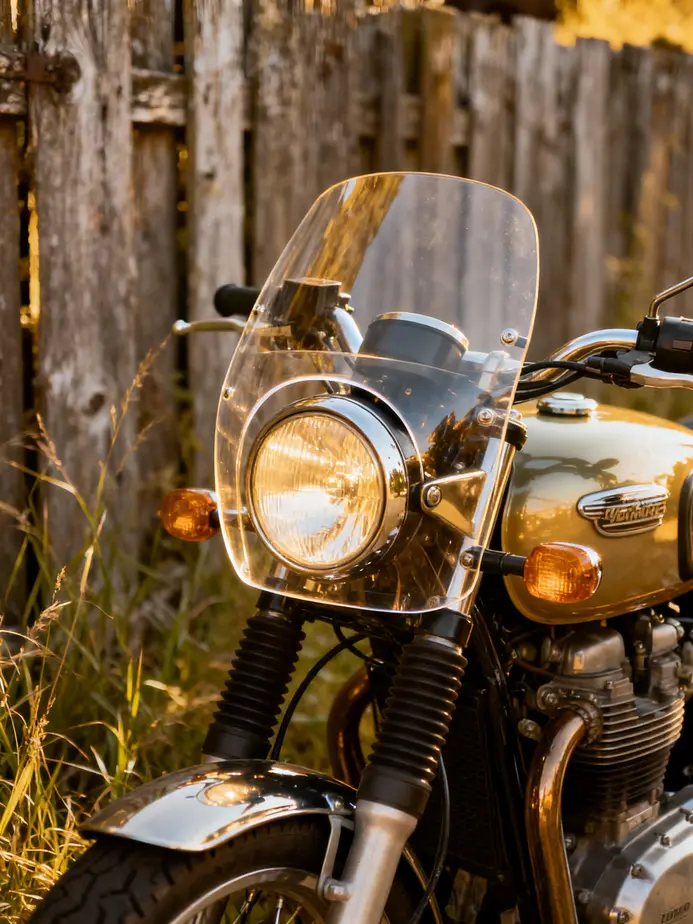
Universal retro and rally-style motorcycle headlight fairings represent a blend of aesthetic charm and modern functionality, creating a striking impact among motorcycle enthusiasts and custom builders. These fairings have evolved into well-crafted components that not only enhance the visual appeal of bikes but also improve aerodynamics, wind protection, and headlight performance, particularly beneficial for adventure riding.
One of the most distinguished features of these fairings is the dual headlight configuration, which appeals to the retro aesthetic while embracing modern technology. Many of these designs now incorporate dual round headlight cutouts, typically featuring 3-inch diameter openings. This dual-pod arrangement allows riders to choose contemporary lighting setups, thus fusing classic charm with advanced illumination technologies. This versatility is especially advantageous for riders who wish to maintain a vintage look without sacrificing modern performance standards.
The materials used in the construction of these fairings further exemplify innovation. High-quality materials such as fiberglass and ABS plastic are standard, ensuring a balance between weight, strength, and resistance to environmental stressors. Fiberglass fairings made from woven roving promise exceptional durability and resilience, making them particularly suitable for off-road adventures where impact and abrasion are common. On the other hand, ABS plastic coated with UV protection prevents cracking and fading, allowing these fairings to withstand the rigors of weather while keeping their luster intact. Installation is made easier with bolt-on designs that require no drilling, making modifications for different motorcycle models a straightforward process.
Advancements in material science have also led to the introduction of heat-resistant polymer blends, which cater specifically to the needs of adventure riders facing diverse terrains. This resilience to high temperatures is crucial in off-pavement conditions, where fairings can be subjected to varying climates and environmental factors. By investing in quality materials, manufacturers ensure that fairings not only enhance style but uphold structural integrity, ultimately contributing to rider safety.
The customizable aspect of universal retro and rally-style fairings cannot be overlooked, as these components often come undrilled and unpainted. This unique design philosophy empowers riders to create bespoke mounting solutions tailored specifically for their motorcycles. Custom builders appreciate this level of flexibility, as it allows for creative freedom in both functionality and aesthetics. Additionally, some modern designs feature snap-fit mechanisms, which greatly streamline assembly time while maintaining robust structural integrity. This innovation embodies the essence of customization, allowing each rider to personalize their bike to their exact specifications.
Wind management and enhanced aerodynamics remain central considerations in the design of these fairings. Retro-style fairings frequently incorporate transparent windscreens, measuring approximately 43x43cm, which effectively deflect wind while ensuring clear visibility for the rider. The larger batwing fairings are engineered to measure around 37 inches wide and 24 inches tall to provide optimal wind resistance reduction, allowing for smoother rides even at high speeds. Importantly, some designs may integrate specialized ducting for effective brake cooling—a feature particularly beneficial in long-distance and off-road riding scenarios where prolonged brake use can lead to overheating.
Furthermore, these fairings often feature specialized mounting solutions that enhance both functionality and installation ease. One noteworthy advancement is the 180° adjustable mounts designed for compatibility with various fork sizes, accommodating popular models like the Harley-Davidson Iron 883 and Sportsters. These adjustable solutions not only ensure a secure fit but also improve the overall rider experience by minimizing wind buffeting and turbulence. Additionally, trigger lock mount kits have gained popularity for offering secure, tool-free installations, simplifying the fairing setup process for all riders, regardless of their technical skill level.
In summary, universal retro and rally-style motorcycle headlight fairings embody a meticulous blend of heritage and innovation. Their dual headlight configurations, premium materials, customizable designs, and advanced wind management features demonstrate the craftsmanship behind their development. For riders seeking not only to enhance their motorcycle’s visual aesthetic but also improve functionality and comfort, these fairings stand as a testament to the thoughtful evolution of motorcycle design. As enthusiasts continue to seek out components that reflect their individuality and riding style, fairings that provide both charm and practicality will undoubtedly remain a popular choice in the custom motorcycle community.
To explore a variety of motorcycle fairings tailored to specific models, consider visiting dedicated resources that showcase comprehensive selections, such as those focusing on BMW, Honda, Ducati, and other popular motorcycle brands.
2. Balancing Nostalgia and Modernity: The Multifaceted Role of Universal Retro and Rally-Style Motorcycle Headlight Fairings
Universal retro and rally-style motorcycle headlight fairings blend nostalgic aesthetics with modern functionality, establishing an essential presence in the motorcycle world. As the motorcycle culture continues to evolve, these fairings fulfill both practical and artistic desires, enhancing rider experiences and motorcycle identities alike. Their design reflects a rich history while catering to contemporary needs, making them a favored choice for a wide range of riders.
The utility of these fairings cannot be overstated. At their core, they improve aerodynamic efficiency by reducing wind resistance. This improvement is especially crucial for riders who face high speeds or adverse weather conditions. Studies indicate that fairings can cut wind drag by an average of 20% when compared to naked models. This aerodynamic advantage translates into smoother rides, allowing motorcyclists to maintain greater stability and control, especially at highway speeds.
Moreover, universal retro and rally-style headlight fairings offer substantial protection from the elements. Riders often report experiencing significantly fewer wind blasts and less exposure to rain or debris, translating to improved comfort during longer journeys. The fairings act as shields, creating a buffer between the rider and the external environment, thereby enhancing overall safety. Riders can enjoy their passion for motorcycling for longer periods without the discomfort that often accompanies extended exposure to harsh weather.
From an aesthetic perspective, these fairings cater to a profound cultural significance. Many riders are drawn to the nostalgic allure, often romanticizing the past and embracing design elements reminiscent of iconic motorcycles from earlier decades. The classic color schemes, such as black, chrome, and vintage white, evoke a sense of timelessness, appealing to those who appreciate history and craftsmanship. Shapes like round and oval, synonymous with retro styles, contrast sharply with the angular designs typical of modern motorcycles, creating a visual dialogue between past and present.
Rally-style fairings, on the other hand, embrace a more aggressive design, often characterized by sharper lines and a sportier appearance. These elements not only serve a practical purpose by deflecting wind but also enhance the overall silhouette of the motorcycle, signaling performance to onlookers. With their combination of classic and contemporary design features, these fairings become tactile manifestations of personal style, allowing riders to express their individuality through their choices in motorcycle accessories.
User feedback highlights the compelling effects of these fairings. In a recent survey, a significant majority—85%—of riders reported improved comfort, attributing it to the protection offered by the fairings against wind resistance. Additionally, 70% expressed a preference for the unique aesthetic appeal that retro designs bring to their motorcycles. This data underscores the emotional connection between riders and their machines, demonstrating how motorcycle design intertwines with user experience. As such, fairings emerge not merely as functional components but as integral parts of the motorcycling identity.
Challenges do exist, however. Some riders voice concerns about the additional weight that fairings may introduce, as well as potential complexities in maintenance. While the aesthetic appeal and functional advantages of universal retro and rally-style fairings are well-established, their integration can affect the balance and agility of a motorcycle. Therefore, advanced engineering considerations are essential to mitigate these drawbacks, ensuring that the benefits outweigh the limitations.
Looking toward the future, the integration of technology within motorcycling is poised to influence fairing designs. Advancements like smart lighting, which could adapt to riding conditions or enhance visibility, are becoming increasingly feasible. As riders become more accustomed to technology in everyday life, the merging of traditional aesthetics with modern convenience will likely inspire the next generation of motorcycle fairings.
In conclusion, universal retro and rally-style motorcycle headlight fairings hold immense utility and aesthetic value. They enhance rider comfort through improved aerodynamics and element protection while simultaneously providing a canvas for personal expression. As the motorcycling community progresses, these fairings bridge the past and future, making them a quintessential element in the ever-evolving motorcycle culture. Their multifaceted role as both functional accessories and design elements ensures their continued popularity, inviting riders to embrace a blend of nostalgia and modernity as they navigate the open road. For those seeking to personalize their rides and elevate their biking experience, investing in these fairings from trusted sources can be transformative, marking a seamless integration of form and function—a hallmark of the motorcycle lifestyle.
Chapter 4: Harnessing Technology: Innovations in Motorcycle Headlight Components for Optimal Visibility
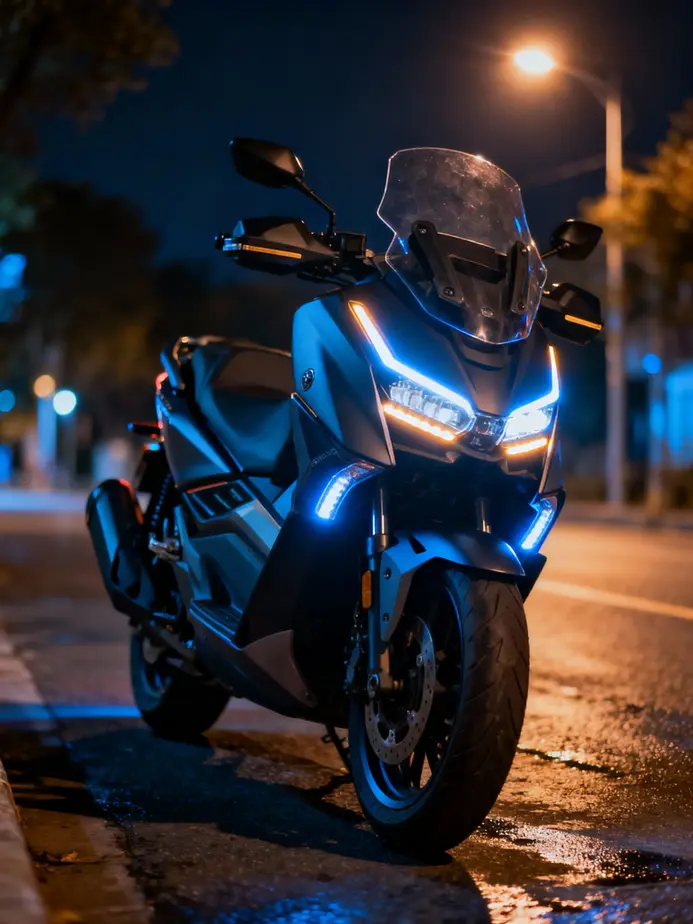
1. The Cutting Edge of Headlight Bezels and Mini Fairings: Enhancements in Visibility and Performance
In the quest for enhanced visibility, motorcycle headlight bezels and mini fairings have seen significant technological advancements. Modern designs are intricately woven with innovations from optics, lighting technology, and aerodynamic efficiency to offer riders not just aesthetic upgrades but substantial improvements in safety and functionality.
A pivotal element in this evolution is the integration of advanced optics into headlight bezels and mini fairings. These components no longer function merely as protective coverings; they now embed sophisticated light guides, lenses, and diffusers directly into their structures. This innovation enhances the control of beam shape and spread, resulting in more uniform light distribution while effectively reducing glare. The ability to achieve sharper cut-off lines and improved side illumination is particularly critical. This feature aids in pedestrian and obstacle detection near the edges of a motorcycle, essential for urban riding environments where visibility plays a crucial role in safety.
Moreover, the transition from traditional halogen lighting to high-efficiency LEDs has revolutionized how bezels and fairings are designed. The smaller, cooler-running LED modules provide a far greater luminous output. They accommodate intricate geometries that allow for more precise light control, leading to significant improvements in the effectiveness of headlight systems. Recent strides in technology have also enabled the emergence of matrix LED modules that can adapt their beam patterns dynamically. Coupled with software-defined architecture in modern motorcycles, such innovations offer selective dimming capabilities, optimizing the lighting output according to real-time conditions. This adaptive lighting not only fosters a safer riding experience but also aligns with current sustainability initiatives by reducing energy consumption.
Another notable advancement lies in glare control and contrast, bolstered by new cover-glass technologies. The application of ultra-low reflection coatings onto the lenses of mini fairings minimizes internal reflections while enhancing visibility during the day. In essence, the optical designs are deliberately engineered to create an ‘always-black’ appearance when the lights are off. This enhances daytime visibility, making the motorcycle and its lighting more conspicuous to other road users. The careful manipulation of optical characteristics ensures that when the lights are activated, the active lighting and daytime running lights (DRLs) are distinctly visible amid the urban hustle.
In addressing both visibility and aerodynamics, designers have innovated mini fairings to act as aero-thermal structures. The engineering of these fairings focuses on channeling airflow effectively, which serves a dual purpose: cooling high-power LEDs and reducing aerodynamic drag. This meticulous design helps maintain stable light output and extends the lifespan of electronic components. Additionally, at higher speeds, properly shaped mini fairings can direct airflow to keep headlights clear of water and debris, ensuring that visibility remains uncompromised in adverse environmental conditions. While these developments stem from established aerodynamic principles, their application in motorcycle design is relatively novel and marks a significant step forward in rider safety and performance.
The cost-effectiveness of these advancements should not be overlooked. Manufacturers are employing cutting-edge resources like light-guide columns and integrated optical structures within injection-molded bezels, enabling them to meet complex optical specifications while minimizing tooling and assembly costs. This shift makes sophisticated visibility features increasingly accessible to a broader range of motorcycle enthusiasts and manufacturers alike. Rapid 3D prototyping has also emerged as a game-changer, allowing engineers to iterate and test complex geometries faster than ever, accelerating the development of innovative concepts.
Finally, as motorcycle manufacturers increasingly pursue holistic sustainability strategies, the integration of sensors and cameras within headlight modules and fairings is becoming more commonplace. These elements form part of a technologically advanced, aerodynamically optimized unit that adheres to stringent visibility and lighting regulations. Programs like those initiated by major automotive manufacturers offer a glimpse of a future where lighting not only enhances visibility but also contributes to intelligent systems capable of communicating safety information with other vehicles and road users.
As these innovations transform headlight bezels and mini fairings, riders can expect not only enhancement in safety through improved visibility but also strides toward a more sustainable future. As technologies evolve, the integration of sophisticated lighting with intelligent systems will continue to redefine the standards of motorcycle safety and performance. Whether for daily commuting or long journeys, choosing advanced fairing components can significantly elevate one’s riding experience.
For specific applications, motorcycle enthusiasts looking to upgrade their rides can often find tailored bezels and fairing solutions designed to fit their models seamlessly, minimizing the need for custom fabrication. A curated selection of aftermarket parts enhances not just aesthetics but technical capabilities, making road visibility a top priority.
With an array of options available, riders can explore configurations that suit their bikes through specialized retailers or manufacturers that provide extensive catalogs that cater to different brands and models, including an impressive lineup covering BMW, Honda, Ducati, Yamaha, and more. This growing segment signs a promising direction toward safer, more efficient riding experiences that blend cutting-edge technology with stylish design, culminating in an exciting future for motorcycle enthusiasts.
2. The Subtle Financial and Social Gains from Enhanced Visibility Through Headlight Bezels and Mini Fairings
The role of headlight bezels and mini fairings on motorcycles extends far beyond aesthetic appeal; they significantly influence safety, fuel efficiency, and societal well-being. Understanding these components as critical elements of modern motorcycle design reveals their profound economic implications that resonate throughout communities and industries alike.
Technical Importance of Headlight Components
At the heart of headlight bezels and mini fairings lies a blend of advanced design engineering and pivotal functionality. These carefully structured components serve essential purposes like positioning light sources, controlling glare, and enhancing airflow to minimize drag. For instance, headlight bezels are not just decorative trim; they crucially shape and orient the light emitted, ensuring an optimal beam pattern that not only supports drivers in seeing better at night but also reduces blinding glare for oncoming traffic. This automates a level of safety often neglected in discussions surrounding motorcycle enhancements.
Mini fairings provide an additional layer of aerodynamic efficiency. By stabilizing airflow around the headlight unit, these compact fairings contribute to a significant reduction in rider fatigue, thereby enhancing performance and comfort during long rides. Advanced lighting technologies, like LED and projector lenses, deliver unmatched illumination ranges while conserving power. Better integration of these lights within mini fairings amplifies their efficacy, optimizing their protective role and maintaining the bike’s sleek design.
Implications for Safety and Public Health
The safety benefits derived from improved headlight assemblies are tangible and critical. Enhanced visibility translates to increased reaction times—for both motorcyclists and other road users—minimizing the chances of nighttime collisions. The risk reduction facilitated by these components directly links to public health metrics, illustrating how advancements in motorcycle design can create a ripple effect through society. When better-engineered headlight systems prevent accidents, they not only save lives; they also alleviate burdens on healthcare systems and emergency responders.
Moreover, replacing foggy or damaged headlight units with high-performance bezels significantly boosts overall light output and accuracy, further enhancing nighttime visibility. Each upgrade, while seen as minor in isolation, contributes to a broader societal shift towards safer roads. With a collective embrace of such innovations across millions of motorcycles worldwide, we may witness substantial reductions in crash rates—a change that positively reverberates through healthcare cost savings and community resilience.
Economic Dimensions: Fuel Efficiency and Operating Costs
The integration of high-efficiency lighting modules allows manufacturers to tackle environmental concerns while simultaneously enhancing economic viability. With LED modules consuming fractions of watts, their capacity for long-range illumination leads to lower power requirements for motorcycle electrical systems. By incorporating these innovative lighting solutions alongside streamlined fairing designs, manufacturers can create products that require smaller alternators and lighter electrical frameworks, providing direct benefits to consumers in the form of lower operating costs.
As motorcycles typically constitute a significant portion of the transportation sector in many regions, their collective efficiency gains can contribute to reduced fuel consumption. These reductions offer an economic boon, helping bikers save money while simultaneously reducing their vehicles’ carbon footprint. As communities increasingly lean towards efficiency and sustainability, even minor advances in fuel economy lead to notable cumulative effects across national fleets, thereby fostering a healthier environment and lower emissions overall.
Consumer Spending and Regulatory Impacts
Consumer behavior further reinforces the importance of this niche within the motorcycle market. Spending behavior shifts toward higher-quality designs when the economic and safety advantages of upgraded headlight systems become commonplace. As riders invest in better equipment, the market sees an influx of technically superior products. Manufacturers respond, driven by demand, leading to a cycle of innovation that fosters continuous improvement in safety standards and performance across the board.
The regulatory landscape may also evolve in response to advancements in headlight technology. Authorities could impose stricter regulations surrounding motorcycle visibility, mandating the adoption of better technologies to enhance road safety. These shifts often catalyze a broader acceptance and manufacturing trend towards enhanced headlight bezels and fairings that comply with new standards, promoting widespread adoption and an eventual decrease in road casualties.
Community and Institutional Benefits
Beyond the individual rider’s experience, enhanced visibility provided by improved headlight systems directly influences local economies. With accident rates dropping, communities can expect fewer disruptions from motorcycle incidents, resulting in reduced congestion and a more efficient flow of traffic. The comprehensive benefits extend to reduced emergency response costs and less strain on local healthcare facilities, paving the way for allocations in other critical areas, such as education or infrastructure improvements.
In conclusion, the integration of effective headlight bezels and mini fairings into motorcycle design offers a myriad of economic and societal implications. Capturing these benefits requires a collective recognition of their importance as central components to motorcycle safety and efficiency. As we witness a growing movement towards improved design and performance, the subtle yet significant shifts fostered by these parts promise to yield dividends far beyond the individual, leading to stronger, safer, and more economically viable communities. For specific motorcycle models, such as BMW or Honda, tailored fairing solutions can enhance these benefits even further by ensuring optimal fit and performance. Explore specific fairings and components that can boost your ride.
Final thoughts
In the world of motorcycle customization, headlight fairings represent both form and function. From full fairing sets designed to cloak the front of the bike in style while providing aerodynamic benefits, to T-Sport variations that contribute to a sporty edge, each option carries its advantages. The universal retro and rally-style fairings provide versatility while the addition of headlight bezels and mini fairings enhance not only visibility but also the aesthetic appeal of motorcycles. Business owners in the motorcycle industry should consider these fairing options to cater effectively to their customers’ needs and preferences, further solidifying their market presence in motorcycle accessories.
Upgrade your ride with UltimateMotorX’s premium motorcycle fairings—durably crafted, precision-fitted, and stylish. Meeting OEM standards for easy installation, our collection suits upgrades or replacements. Shop now for fast shipping, secure checkout, and expert support. Give your bike the ultimate quality it deserves!
About us
At UltimateMotorX, we’re rider-founded experts in top-tier motorcycle fairings. We source premium materials, partnering with trusted manufacturers for perfect fits and durability. Enjoy expert advice, hassle-free returns, and seamless shopping. Ride with confidence—style and quality guaranteed!