
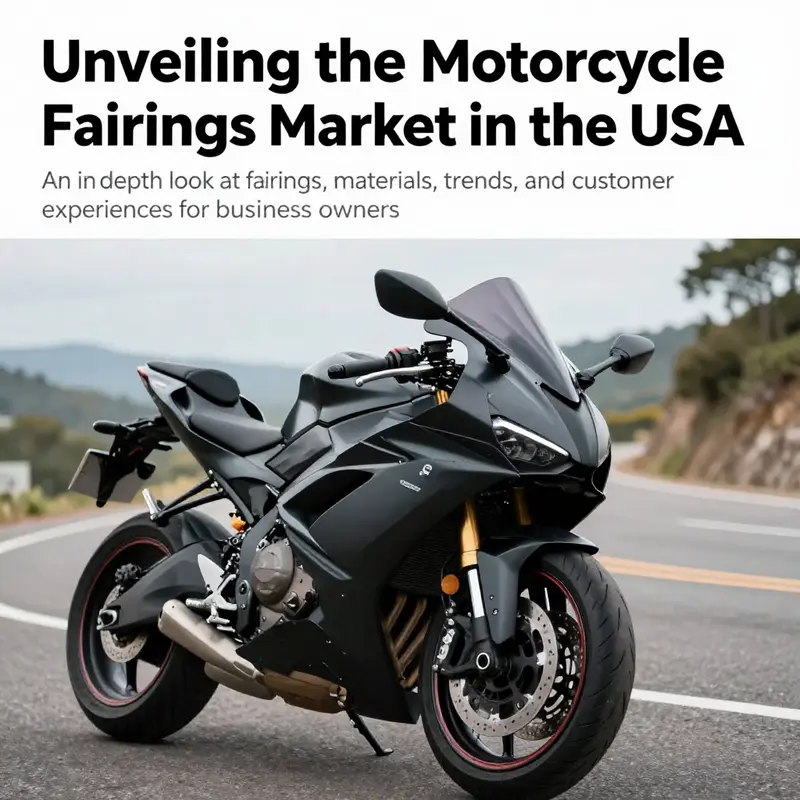
Motorcycle fairings represent a crucial element for riders in the USA, combining aesthetics, protection, and performance. Understanding this market is essential for business owners involved in motorcycle sales, repairs, or accessories. This article delves into the nuances of motorcycle fairings, highlighting the types available, materials used, and recent market trends. Alongside, it emphasizes customer satisfaction and overall experiences with these products. Together, these insights will equip business owners with a comprehensive understanding of the motorcycle fairing landscape to better meet consumer demands.
null
null
Aerodynamic Shields and Personal Expression: Navigating the Landscape of Motorcycle Fairings in the USA
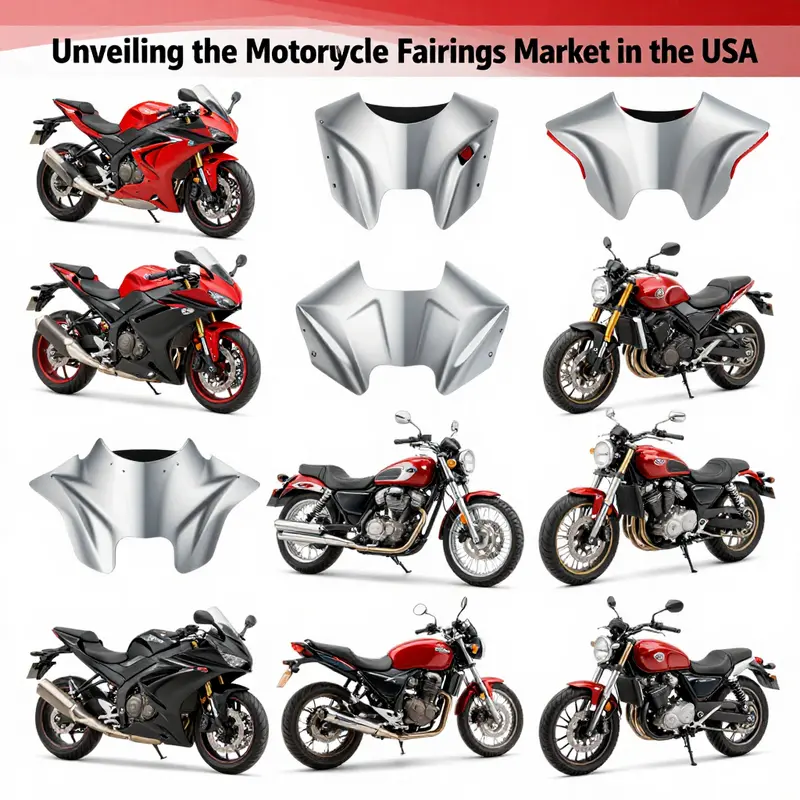
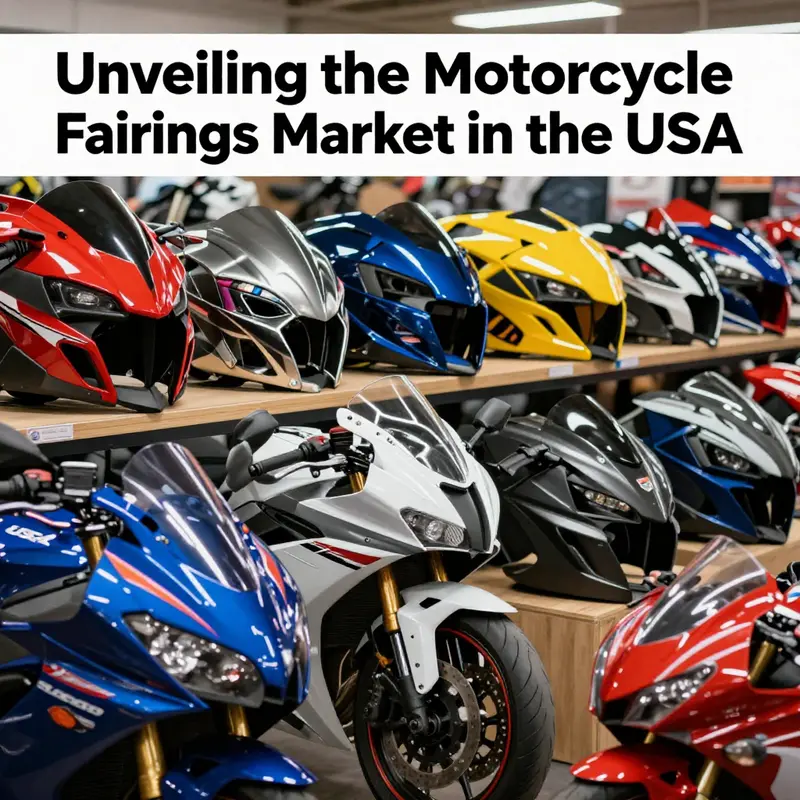
Fairings do more than dress a motorcycle for show. In the American riding landscape, they are the primary interface between a rider and the road, shaping not only the bike’s silhouette but also its efficiency, stability, and comfort at a range of speeds and weather conditions. Across the USA, the fairing ecosystem reflects a balance between performance and practicality, between the need to shield the rider from wind and the desire to retain a degree of accessibility to the bike’s core mechanics. When a rider steps into the catalog of options, they face a spectrum that begins with the simplest, most exposed frames and ends with fully enclosed aerodynamic shells. Between these poles lies a continuum defined by function, form, and the realities of US road types, climate zones, and riding traditions. This is where the story of fairings becomes a narrative about material science, human factors, and the evolving expectations of a diverse riding community.
The most expansive category in the United States is the full fairing. It creates an aerodynamic cocoon around the front of the motorcycle, sweeping back over the sides to form a continuous shell. On a highway at speed, this shell can shave wind resistance and reduce the roar of air pressing against the rider’s helmet, yielding steadier handling and lower fatigue over long distances. The wind becomes a partner rather than an adversary, pushing softly against the chest and shoulders in a way that allows the rider to maintain a more relaxed posture for hours. But there is a cost in weight and complexity. Full fairings add stiffness to the frame’s dynamic, can complicate maintenance access to the engine and ancillary systems, and often require more careful fitment with mounting points designed to align across a range of production lines. The durability of the materials matters here, too, because the shell faces the impact of road debris, subtle vibration, and the occasional low-speed tumble. In the US market, where long rides on varied surfaces are common, riders who opt for full fairings often pair performance with touring intent, seeking the protection and aero advantages that support endurance over cross-country journeys.
Semi-fairings or sport fairings represent a pragmatic middle path. They preserve a noticeable portion of the bike’s aerodynamic profile while staying lighter and more accessible than a full wrap. The windshield tends to be prominent, providing substantial wind deflection yet leaving much of the engine and frame visible for inspection and servicing. This configuration suits riders who balance speed with daily usability, who may want a sharper, more aggressive look without fully committing to the enclosure of a racing-focused design. The semi-fairing also tends to be kinder to maintenance workflows. With fewer integrous panels to remove for routine checks, many owners find it easier to manage routine service without dismantling a large shell. In climates with sudden changes in weather or frequent rain, semi-fairings still offer meaningful protection while keeping the bike approachable for those who value ease of repair and customization.
Naked bikes, by contrast, challenge the conventional wisdom of shielding. They deliberately expose the engine and frame, celebrating mechanical honesty, heat management, and a direct connection to the road. For riders in the United States who prioritize handling and a tactile riding experience, naked configurations can be liberating. The airflows around the chassis become a learning canvas, and the rider’s sense of speed is often more intimate because the wind is not filtered into a polished tunnel. Naked bikes appeal to enthusiasts who appreciate freedom of adjustment, lighter weight, and straightforward maintenance access. However, the absence of a fairing places more responsibility on riders to layer protection through gear and routing, especially in regions with wide temperature swings or gusty weather patterns. In practice, naked bike riding in the USA has grown with urban mobility in mind, where maneuverability, small footprints, and a low visual barrier to customization can be as compelling as outright speed.
Touring fairings address a different priority: long-haul comfort. These shells aim to optimize rider endurance, integrating larger windshields, thoughtful airflow management around the shoulders, and weather sealing that keeps rain and dust at bay. Touring fairings are less about sheer top-end speed and more about maintaining a steady, fatigue-free rhythm across hours of pavement. The acoustics of wind noise are a silent driver in rider satisfaction on interstates and backroads alike, and a well-designed touring fairing can transform an evening ride into a welcome ritual rather than a test of stamina. In the American market, where many motorcyclists combine everyday commuting with weekend excursions, touring fairings carry a practical appeal that transcends their aesthetic elegance. They merge the stability of a shielded ride with the flexibility of modular accessories that can adapt to weather, luggage demands, and digital navigation needs without sacrificing the essence of the bike’s character.
Material science fuels these design choices. ABS plastic has become a mainstay for its toughness, impact resistance, and relative lightness. It tolerates a broad range of temperatures and can be molded with a cost-effective, scalable production process. Carbons fiber, by contrast, is the whisper of high performance—extremely stiff and light, with a distinct seasonal shimmer that many riders find desirable for weight savings and aero efficiency. When carbon fiber is used, it is frequently in higher-end configurations or specific performance niches, where the balance of cost to benefit aligns with a rider’s dedication to weight reduction and stiffness. Some fairings employ metal reinforcements or hybrid constructions that blend the best of both worlds, leveraging the rigidity of metal for mounting anchors and the sculpted ease of plastics for outer shells. The US market reflects a practical philosophy: materials are chosen with an eye toward the riding context, maintenance realities, and the financial calculus of ownership. As weather cycles, road infrastructure, and traffic patterns evolve, so too do material strategies, nudging buyers toward configurations that deliver consistent performance and durable long-term value.
Fitment and installation are not an afterthought but a central part of the narrative. In a country as diverse as the United States, where bikes can be shipped across climates and road profiles, compatibility is a driving concern. Manufacturers and aftermarket suppliers offer fitment guides, sometimes integrated into the product pages themselves, to help riders verify that a given fairing will align with a particular frame geometry and mounting points. Even small misalignments can cascade into creaks, vibrations, or gaps that betray the careful engineering behind the shell. For this reason, many riders take a deliberate, iterative approach: they confirm the baseline fit, test the seal against the wind, and then perform incremental adjustments to achieve a clean, sturdy enclosure. The ease of installation matters as well. Some fairings are designed for straightforward bolt-on assembly, with standardized brackets and quick-release hardware that make field service feasible. Others require professional mounting or careful alignment with additional components such as windshields, cowling panels, and bumper-like chin guards. The US market’s service ecosystem recognizes this diversity and responds with guidance, diagrams, and customer support that help keep the bike in optimal form.
Beyond the mechanics of fit and weather protection lies a broader conversation about rider identity. A fairing is a statement of intent as much as a functional asset. The choice of a full enclosure, a sport-forward shell, or a minimalist approach can signal preference for control, speed, or a certain aesthetic. In the United States, riders express personal style through the silhouette they choose, the way wind behaves around their torso, and how the fairing integrates with other customization elements such as painted finishes or modular accessories. Yet beneath the surface, there is a shared appreciation for the practicalities of daily riding: a fairing that shrugs off rain, reduces fatigue, and preserves energy for the next stretch of road. The balance between protection, performance, and price is continually negotiated as new designs and manufacturing techniques emerge, and as customers demand more from systems meant to withstand long hours in the saddle.
The US market for fairings, then, is built on a pragmatic optimism. It recognizes that the road is not a single, uniform experience but a mosaic of conditions, speeds, and rider aspirations. A well-chosen fairing can harmonize aerodynamics with accessibility, shielding with weatherproofing, and style with durability. In this sense, fairings are less a single component than a system—a network of panels, fasteners, and mounting points that come together to form a singular riding experience. The conversation around fairings in the USA continues to evolve as new prototypes push the envelope, as consumer education improves, and as the logistics of domestic shipping and support reinforce a consumer culture that values both performance and practicality. For riders who ride primarily on interstate corridors, for those who commute in crowded urban centers, or for weekend explorers who chase winding backroads, the right fairing is less about standing out than about aligning with the conditions of the ride and the rhythm of the rider’s life. The ultimate measure is not just how quickly the shell slices through air, but how comfortably and confidently it supports the rider at every mile on American roads.
External reference: Types of motorcycle fairings and how they affect performancehttps://www.motorcycleperformance.com/types-of-motorcycle-fairings/
Material Currents: How ABS, Fiberglass, and Carbon Fiber Shape Motorcycle Fairings in the USA
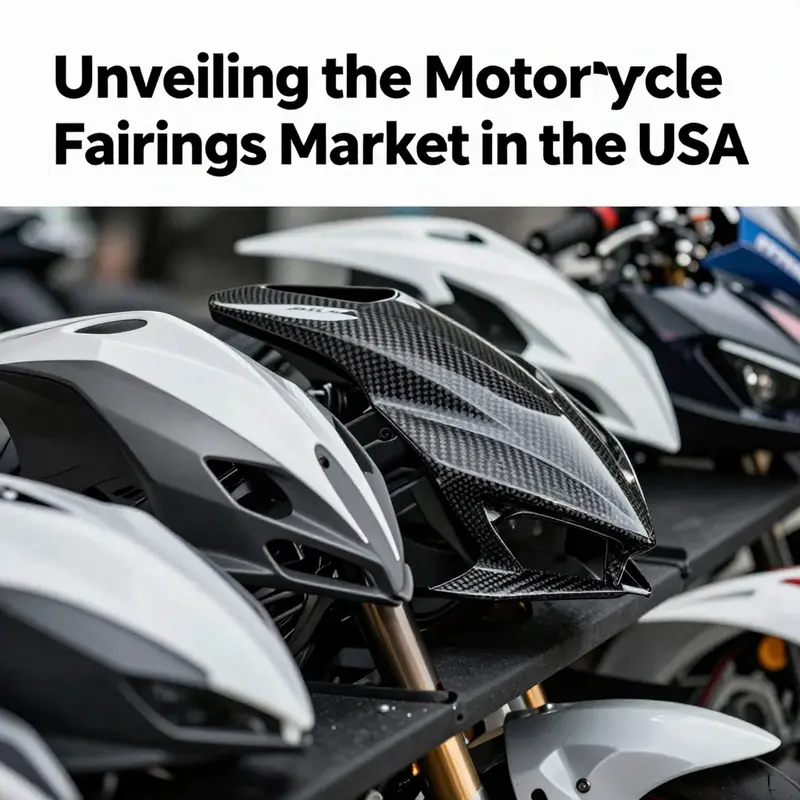
The US market for motorcycle fairings sits at the intersection of form, function, and regulation. Consumers want skins that reduce drag and protect mechanicals without ballooning weight or cost. Shops source parts that fit reliably and perform consistently under daily use, long trips, or track days. The materials chosen for fairings in this market tell a quiet story about manufacturing capabilities, consumer expectations, and safety standards that govern everything from the factory floor to the showroom. In 2026 and beyond, three materials dominate the landscape—ABS plastic, fiberglass, and carbon fiber—with a growing interest in hybrid composites that blend the strengths of each. This chapter explores how those choices shape the bikes in the USA, how they influence performance and safety, and how the market responds to price pressures, aesthetics, and regulatory demands. It also considers how the aftermarket ecosystem translates these materials into replacements and upgrades that retailers and repair shops present to riders.
ABS plastic stands at the core of mass production. Its value lies in a well-balanced combination of toughness, impact resistance, manufacturability, and price. ABS can be molded into complex, aerodynamically efficient shapes with relatively low tooling costs, which means manufacturers can deliver consistent parts at scale. In a country where millions of riders encounter a fairing at the first service interval, the durability of ABS translates into lower failure rates and fewer costly repairs after minor bumps or tip-overs. Its lighter weight compared with many other rigid options also contributes to a noticeable improvement in handling and fuel economy, particularly on mid-range motorcycles that emphasize daily usability. Yet ABS has limits: it can crack when subjected to sharp impacts and deeper scuffs, and its rigidity makes it somewhat less forgiving in truly high-energy impacts. What emerges from these trade-offs is a practical choice for volume production, where mass affordability and reliable performance for the everyday rider matter most.
Fiberglass, by contrast, offers a more rigid and structure-friendly option when the goal shifts toward stronger, more accurate shapes, or when a motorbike’s fairing has to withstand sustained contact with wind or road debris on longer rides. The material’s moldability makes it easier to reproduce complex contours and subtle aerodynamic surfaces that demand precision. Fiberglass builds are often favored in the custom or performance segments where a rider or shop needs a practical alternative to carbon fiber without paying the premium, but with a higher rigidity and impact resistance than standard ABS. The heavier weight of fiberglass, however, becomes a meaningful consideration in racing or aggressive riding scenarios where every gram matters for swing weight and overall balance. In the USA, where riders frequently customize their machines with altered ergonomics and unique bodywork, fiberglass finds a comfortable niche, providing durable shells that can be repaired and reshaped with relative ease, especially for mid- to high-performance builds that do not demand the absolute lightest materials.
Carbon fiber represents the apex of performance-oriented fairing design. It delivers an extraordinary strength-to-weight ratio, which translates into reduced inertia, improved acceleration feel, and a sharper, more precise handling profile when tuned correctly. The premium look accompanying carbon fiber—the characteristic weave and glossy finish—also has a strong resale and aspirational value for riders who chase track-level aesthetics on street machines. However, carbon fiber comes with a cost that can be steep, rooted in the material’s production process and the specialized labor required for lay-up, curing, and finishing. In the USA, this makes carbon fiber an option typically reserved for higher-end sportbikes or limited-edition designs, where performance gains justify the investment. The result is a market that treats carbon fiber as a strategic choice rather than a default standard. Where ABS and fiberglass meet broad accessibility, carbon fiber occupies the upper tier of offerings, serving riders who demand high stiffness, crisper feedback, and a premium visual impression while tolerating higher price points and, often, longer lead times for manufacturing.
The current trend in the market points toward hybrid composites, a development born from advancements in materials science and the practicalities of modern supply chains. Hybrids merge carbon fiber with resins or pair carbon with other reinforcements to improve impact resistance and stiffness without pushing weight and cost to the extreme. Some hybrids leverage nano-reinforcements within ABS or other thermoplastics, a technique that can deliver better fit and finish while maintaining compatibility with existing manufacturing lines. In the USA, where consumer expectations include strong safety performance and long-term reliability, hybrids are appealing because they can offer performance improvements without the logistical complexities of full carbon fiber. They can be designed to absorb energy from impact, reducing the risk of secondary damage to internal components, while still allowing for fast fabrication and scalable production. The development of these composites reflects a broader shift in engineering toward materials that can be tuned for specific riding contexts—urban commuting, weekend canyon carving, or occasional track days—without forcing a rider to compromise on safety, durability, or price.
Regulatory standards also shape the material choices behind fairings in the United States. The US Department of Transportation and allied standards bodies place emphasis on impact resistance, flame retardancy, and overall performance under typical riding conditions. While fairings do not bear the same crash-test load as some structural components, they still contribute to rider protection by guiding airflow, reducing drag, and providing some level of energy dispersion during collisions or slides. The technical requirements—driven by safety-focused agencies and industry consensus standards—also influence how manufacturers select resins, fiber orientations, and surface finishes that remain compliant with emissions, heat resistance, and labeling rules. In practice, this means that even lower-cost fairings must adhere to consistent tolerances and predictable behavior when exposed to temperature fluctuations, sun exposure, and road salt. The emphasis on reliability encourages suppliers to invest in quality assurance programs, robust fitment guides, and thorough testing for fit across diverse motorcycle platforms. In the aftermarket space, the same standards push suppliers to disclose material composition and warranty coverage so riders know what to expect in the long run.
From a design perspective, the material choice has a direct bearing on ride quality, maintenance, and long-term ownership costs. ABS provides a baseline of affordability and repairability, making it the workhorse of the mass market. When a rider encounters a faint crack or a minor abrasion, ABS-based shells can often be repaired with relatively straightforward techniques, enabling owners to restore aesthetics and aerodynamics without a full replacement. Fiberglass, though heavier, often survives the occasional collision with road debris better than thin ABS shells and can be repaired with a little more effort, which can be important for riders who value quick turnarounds on repairs without sacrificing performance. Carbon fiber, when used in a limited or strategic manner, can deliver not only weight savings but also a more stable aerodynamic profile at high speeds. For the performance-minded rider, this combination of weight reduction and rigidity matters, especially on windy highways, long straights, or when rapid directional changes are required. The maintenance implications differ as well: carbon fiber parts are typically finished with resin- or epoxy-based surfaces that require proper care to avoid UV damage and surface cracking, while ABS and fiberglass finishes often benefit from standard automotive-grade paints and sealants. The net effect is that material selection interacts with rider expectations, maintenance habits, and budget cycles, shaping how riders approach upgrades and how shops frame installation services and warranties.
The aftermarket ecosystem that grows around fairings in the USA is inherently material-aware. Shops and retailers recognize that the decision to go with ABS, fiberglass, or carbon fiber affects not only initial cost but also serviceability, repair options, and long-term ownership satisfaction. The choice can influence compatibility with wind protection features, mounting hardware, and even integration with electronic components or sensors that live on or near the fairing. A robust supply of OEM replacements and aftermarket shells allows owners to tune the balance between performance, appearance, and resilience. In practice, this means that a rider who wants a fairing that reduces drag and enhances stability at highway speeds might opt for a lighter, stiffer hybrid or carbon fiber option for the main panels, while retaining a more economical plastic for inner fairings or areas where impact is less of a concern. The distributor network, quality control measures, and clear fitment guides all contribute to a smoother ownership experience, given the diversity of motorcycle models and the variations in how each model’s fairing is shaped and mounted. The market’s sophistication in the USA makes it feasible for a rider to pursue a personal vision without sacrificing reliability, safety, or serviceability, which is a mark of a mature consumer ecosystem.
For readers who want to explore the broader catalog of fairing options, the 2023new product category provides access to recently introduced shapes and material combinations that reflect ongoing innovation in the space. This resource helps illustrate how the market deploys different materials across bodywork, aligning with evolving rider demands, regulatory expectations, and the realities of availability. The link below provides a practical entry point to observe how manufacturers and aftermarket suppliers present these choices, allowing a rider to compare fitments, finishes, and construction philosophies across a spectrum of models and uses. 2023new product category.
As the field continues to evolve, it is clear that the USA’s fairing market is not defined by a single material doctrine but by a pragmatic blend. Riders gain access to shells that balance weight, strength, and cost according to the application—daily commuting, sport riding, or competitive events. The wave of material innovations, combined with a robust regulatory environment and a responsive aftermarket, ensures fairings remain an integral part of motorcycle performance and safety. The ongoing dialogue among manufacturers, suppliers, and riders centers on how to engineer shells that protect, perform, and endure in diverse weather, terrain, and riding styles. It is not merely a matter of aesthetics or fashion; it is a continuous effort to optimize how bodywork interacts with aerodynamics, engine cooling, rider fatigue, and crash protection. It is this dynamic interplay that keeps the USA’s fairing market alive, relevant, and increasingly sophisticated, even as the underlying materials remain anchored in the three dominant families and a growing class of hybrids.
External resource: https://www.nhtsa.gov/vehicle-safety/motorcycle-safety
Riding the Wave: Market Trends, Innovation, and Economic Impact of Motorcycle Fairings in the United States
In the United States, the fairing that cloaks a motorcycle is increasingly recognized as more than a windscreen and a line of cosmetic armor. It is a living piece of engineering, a performance envelope, and a canvas for personal expression all at once. The current chapter of this evolving story sits at the intersection of aerodynamic science, material innovation, and a shifting consumer landscape that treats the bike as both a mobility tool and a statement of lifestyle. Across the nation, riders are demanding fairings that deliver not only protection from fatigue and weather but also enhancements in efficiency, safety, and aesthetics. This demand anchors a market that blends OEM replacements and aftermarket designs, a dual-stream ecosystem that supports everything from quick cosmetic refreshes to full-on performance builds. The US market, with its vast road networks, diverse riding cultures, and a robust network of specialty shops, serves as a litmus test for how far fairings can push performance without sacrificing reliability. The broad availability of parts and the increasing ease of domestic shipping have turned the fairing itself into a serviceable component—something a rider can replace, upgrade, or customize without road-blocking friction. When a rider inventories the tools, a fitting guide, and a trusted return policy, the fairing becomes both a practical investment and a personal banner of choice.
A defining force shaping the current wave of development is the rising popularity of electric motorcycles. As the transition toward electrified powertrains accelerates, designers and manufacturers are compelled to rethink aerodynamics, protection, and battery placement in tandem. Fairings must not merely reduce drag; they must accommodate heavier batteries, manage thermal profiles, and shield sensitive electronics from heat and vibration. In practice, this means fairings that integrate cooling ducts, battery protection scoops, and interior channels for cabling, all while preserving a sharp visual silhouette. Aerodynamics now foregrounds efficiency and range, with wind-tunnel-informed contours that minimize energy loss at varying speeds and rider positions. The economic implication of this shift is significant: it drives demand for lightweight materials that can sustain strength under stress, while also enabling form factors that maximize battery efficiency. In brief, the modern fairing is a performance module, a protective shell, and a signature design all in one.
From a material science perspective, the modern fairing relies on a careful trade-off between stiffness, impact resistance, and weight. ABS plastic remains a workhorse for many entry- to mid-level applications, prized for its toughness, cost-effectiveness, and ease of molding. Carbon fiber, by contrast, represents the upper tier of performance, offering substantial weight savings and exceptional stiffness for high-speed stability and aggressive riding. The choice between these materials—often dictated by the intended use, the rider’s budget, and the level of customization—is less about a single property and more about an integrated design philosophy. One rider may value the carbon-fiber aesthetic and the marginal gains in handling, while another prioritizes the impact resistance and repairability of ABS after a minor tumble or a road hazard. The market responds in kind, with suppliers offering both OEM-style replacements and aftermarket variants that emphasize different performance cues. In practice, the fairing becomes a bundle of choices: form, function, and fabrication technique—all negotiated in the language of weight, stiffness, and cost.
The economic landscape around fairings in the United States is pitched toward growth, underpinned by a strong aftermarket ecosystem and the ongoing modernization of the supply chain. Industry analyses place the broader North American motorcycle fairing market at a substantial scale, with the United States contributing heavily to that momentum. The numbers speak to a broad confidence among consumers and shops alike: after-market modifications and customization projects are common, supported by a steady stream of new shapes, textures, and colorways that riders can incorporate into their builds. The domestic focus—ordering, stocking, and shipping within the United States—helps reduce lead times and creates a more agile service model for small businesses and repair shops. In such an environment, thorough fitment data, user reviews, and clear installation guidance become critical quality signals. The market’s willingness to invest in high-quality, precisely engineered fairings mirrors a broader appetite for upgrading not just a bike’s look but its entire performance envelope.
As this narrative unfolds, the role of technology within fairings has grown from accessory to core platform. Integrated lighting systems and HUD (Heads-Up Display) compatibility are transitioning from novelty features to expected capabilities in many mid- to high-end builds. Sensor arrays embedded in the panels offer the promise of smarter, safer riding, enabling improved aerodynamics management, vibration dampening, and even adaptive protection strategies that respond to real-time conditions. The appeal is clear: riders want fairings that communicate with the bike’s electronics, provide useful feedback, and enhance situational awareness without adding complexity to maintenance. This trend opens new revenue streams across the supply chain, from design and prototyping to software integration and aftercare service. The synergy between material engineering and electronics design is driving an integrated ecosystem where fairings are less about a single component and more about a modular platform for performance, safety, and style.
In parallel with these technical advances, consumer behavior continues to mold the market’s trajectory. A growing segment of riders is willing to invest in a curated visual identity—custom colorways, tactile finishes, and branding that speaks to a rider’s personality. Yet the same buyer also seeks value in longevity and protection; a well-constructed fairing can endure years of wear, absorb impacts, and preserve the bike’s resale value. The aftermarket culture surrounding fairings thrives on the ability to mix and match, to experiment with different profiles, and to experiment with how a bike’s silhouette interacts with wind at highway speeds. Shops that emphasize precise fitment, documented installation steps, and transparent warranty policies are positioned to build lasting relationships with customers who treat their bikes as a platform for ongoing experimentation.
Against this backdrop, the availability of reliable fitment information becomes a pivotal service feature. Installers and enthusiasts alike rely on precise data to ensure that a fairing aligns with the bike’s frame, throttle bodies, sensors, and electrical pathways. When fitment guides are clear and comprehensive, the time from purchase to riding is minimized, and the risk of misalignment or damage is reduced. The result is a more confident consumer base, less friction in the purchasing journey, and a healthier market dynamic that rewards quality and accuracy. This is especially important for domestic buyers who depend on consistent, predictable shipping timelines and accessible aftercare. The domestic logistics tail also supports a robust network of workshops across the country, enabling faster turnarounds and a smoother path from upgrade to actual riding.
For readers curious about recent design directions and model-year revisions, there is also a glimpse into the latest wave of product categorization. The 2023 new category, for instance, highlights revisions in fairing design that respond to evolving regulatory, safety, and aesthetic expectations. It is in these revisions that you can observe the market’s compression of form and function into smarter, lighter, and better-integrated packages. This evolution matters because it signals a willingness to reimagine the bike’s outer shell as a dynamic interface rather than a static shell. It also hints at how a rider’s environmental footprint and fuel or energy efficiency considerations are becoming embedded in the design language of fairings. In practical terms, the newest entries tend to emphasize smoother profiles, improved edge protection, modular mounting systems, and precision in mounting points that minimize impact on the bike’s electrical harnesses and electronics. For those exploring the latest revisions in model-year updates, the 2023 new category offers a snapshot of how designs have evolved and what riders can expect when they consider an upgrade.
The chapter’s broader message is that fairings occupy a critical strategic position in the transformation of motorcycling in the United States. They are at once a protective shield, a performance enabler, and a stage for personal storytelling. This triad explains why the market is expanding so vigorously and why innovation is no longer a luxury but a necessity. The United States remains a major engine of this growth, offering a large, diverse, and sophisticated audience that values both the science of aerodynamics and the artistry of a rider’s chosen aesthetic. The integration of smart technologies within fairings further reinforces this trend, suggesting a future where a fairing might host micro-systems that monitor temperature, airflow, battery status, and rider inputs while maintaining a lightweight, clean, and visually compelling exterior. It is a future in which the fairing is as much a software-enabled shell as a piece of hardware.
The practical implications of these trends touch everyday riders, shop owners, and suppliers alike. For the rider, the payoff is a more comfortable, safer, and more exciting riding experience; for the shop, there is the opportunity to offer end-to-end upgrade packages that include installation, calibration, and post-sale support; for suppliers, the challenge is to balance performance with durability, to offer clear fitment data, and to maintain a pipeline of materials that meet evolving standards of weight, strength, and environmental resistance. In this sense, the fairing market is a microcosm of the broader motorcycling industry: a space where engineering rigor, design culture, and consumer passion converge to push the boundaries of what a motorcycle can be.
As this chapter closes, the narrative does not end with a single conclusion but with a trajectory that points toward stronger domestic capacity, more precise fitment data, and smarter, lighter, more capable fairings that embody both performance and personality. The market’s expansion will depend on the ability to deliver consistent quality, to provide educational resources that help riders select the right option, and to nurture a service ecosystem that can support a growing population of enthusiasts who treat their bikes as platforms for ongoing experimentation and self-expression. The fairing, in this light, is less a static cover and more an evolving interface—one that binds the rider to the machine and to a broader culture of customization and high-performance riding.
External resource: https://www.statista.com/outlook/industry/motorcycles/united-states
Internal reference for further exploration: 2023 new
Riding in Tune: How American Riders Shape Satisfaction with Motorcycle Fairings
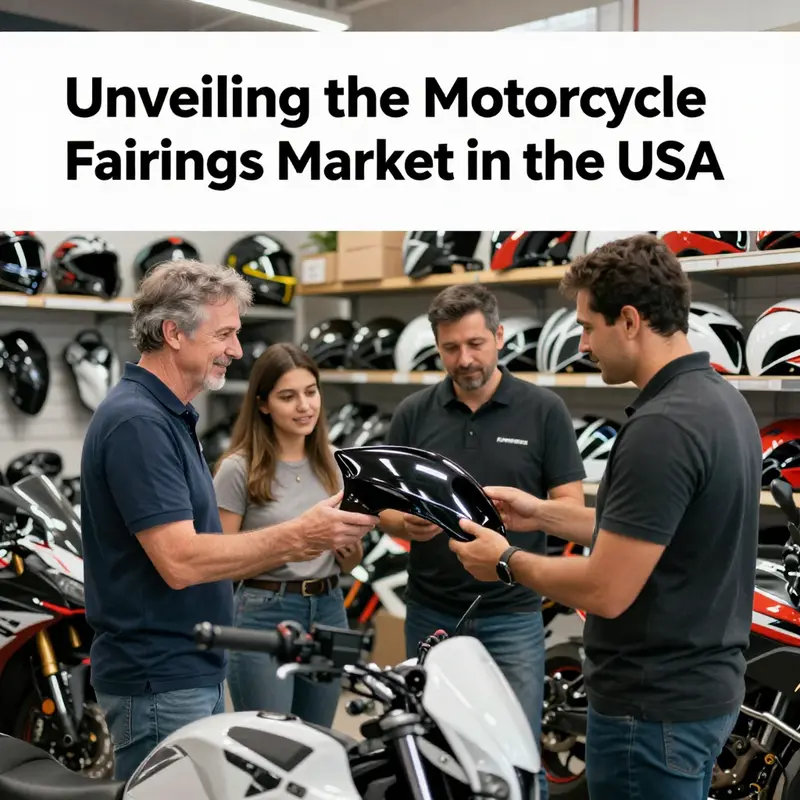
Across the United States, the market for motorcycle fairings is more than a supply chain. It is a reflection of a riding culture that values personal expression as much as wind protection. In American streets and along open highways, fairings do double duty: they shield riders from grit and rain, and they frame a machine with a personality that can be instantly recognizable from curbside. This confluence of function and form sits at the heart of why fairings matter to riders who live for long rides, spirited canyon routes, and weekend treks that demand both comfort and character. When a rider chooses a fairing, they are choosing a response to the wind, a shield against the elements, and a visual statement that communicates what the bike stands for. The USA market rewards those choices with a breadth of options that speak to the nation’s penchant for customization, efficiency, and a sense of ownership over the machine’s aesthetic and performance profile.
Functionality begins with aerodynamics. A fairing’s primary purpose is to manage airflow in ways that reduce drag, bend the wind around the rider, and lower fatigue over extended sessions. This is not merely a matter of speed; it is a matter of endurance. A well-designed fairing helps a touring rider maintain a steady posture in saddle for hours, while a sport rider benefits from improved stability and a more predictable throttle response at high speeds. A respected U.S. reference points out that the fairing is both a visual element and a functional device that manipulates airflow to deflect wind and reduce drag. The effect is tangible: riders report less wind fatigue, steadier weather protection, and an enhanced sense of control. In the live dynamics of the road, those small gains compound into a more comfortable journey and a more confident ride.
The American market’s reception of this balance between function and design is deeply tied to the country’s riding culture. North America has long fostered a strong emphasis on customization and premium craftsmanship. Motorcycles here are not simply vehicles; they are canvases for identity. High-quality fairings—whether OEM replacements or aftermarket designs—offer more than a snug fit. They promise a refined aerodynamic profile, a distinctive silhouette, and a sense of individuality that riders carry with pride. The result is a market where people are willing to invest in fairings that combine engineering excellence with aesthetics that make a bike feel singular. Beyond looks, this investment is also about reliability and fit. Riders want fairings that align with the rest of the machine’s geometry, mount securely, and integrate with the existing hardware without requiring exotic tools or excessive downtime.
Materials play a central role in shaping both performance and the perception of value. ABS plastic remains a mainstay for its impact resistance, durability, and affordability, making it a practical choice for everyday riders and long-haul enthusiasts alike. Carbon fiber, meanwhile, offers a different proposition: exceptional stiffness and reduced weight that can translate into slightly crisper handling and a more efficient power-to-weight dynamic. In practice, riders weigh the tradeoffs between cost, weight, and impact resistance when they evaluate a fairing. That calculus matters here in the United States, where riders span a wide spectrum of riding styles—from all-day touring to weekend sport riding—and expect materials to perform consistently across a variety of climates and conditions. The dialogue between material science and riding reality is ongoing, and it is precisely this dialogue that fuels a resilient market where choices reflect not only performance metrics but also the rider’s sense of protection and identity.
If the core promise of a fairing is to optimize the rider’s experience, then the way a rider discovers and selects a fairing is equally important. In the USA, ease of purchase, clear fitment guidance, and accessible support are instrumental to satisfaction. The domestic order model—where riders can source parts and have them shipped quickly within the country—reduces downtime and supports local shops that rely on timely repairs and upgrades. Fitment guides, detailed compatibility information, and reliable quality assurance help convert interest into confidence. This is critical in a market where thousands of combinations exist across brands and model years. When a rider can trust that a fairing will align with mounting points, will not require guesswork to install, and will behave predictably once fitted, satisfaction rises. Reviews and feedback play a vital role here, too: they offer community-generated insights into fit, finish, and functional impact that can be as influential as the specifications themselves.
The aesthetic dimension should not be treated as mere decoration. In places where biking culture is thick—the urban core, the coastal highways, the mountain stretches—the look of a fairing can amplify a rider’s sense of place and purpose. A fairing that emphasizes a bold silhouette or a streamlined profile communicates a rider’s ambitions without saying a word. This visual language matters because it reinforces a personal narrative: the rider’s preference for speed, endurance, and a certain uncompromising stance on style. Many riders pursue aftermarket options precisely because they want that distinctive appearance—the look that signals, even before the bike moves, a story about the rider’s journey and intent. Yet the best-looking fairings also respect form and function; their lines align with the bike’s structure, their transitions feel deliberate, and their graphics are integrated with the machine rather than slapped on as a layer of veneer.
For riders who want brand-specific options, the market provides a spectrum of choices that balance compatibility with brand identity. The broad ecosystem of fairings embraces OEM replacements that preserve the original design ethos and aftermarket variants that push performance and customization further. The experience of shopping for fairings in the USA is enhanced by access to fitment resources and community feedback, making the decision process both practical and aspirational. For readers who want to explore options tied to particular brands while maintaining a focus on compatibility and performance, a relevant category such as the Honda fairings collection offers a useful reference point. This collection represents how brand-focused options can align with the rider’s desire for precision fit and cohesive aesthetics. Honda fairings collection is one such gateway to understanding how manufacturer-aligned designs meet the demands of American riders who value both form and function.
The purchasing experience is also shaped by how suppliers communicate quality and service. In the US, customers benefit from clear product descriptions, robust support services, and a willingness to provide accurate fitment information and guidance. This transparency reduces friction and reinforces trust, which is essential in a market where riders often invest significant sums in components that affect safety, performance, and hours of riding. Quality assurance becomes not just a label but a lived expectation: riders want to know that what arrives at their door is built to the standard implied by the price and by the reputations of the brands behind the product. In a landscape where wind, weather, and road conditions can be unpredictable, confidence in a fairing’s fit and durability translates into a smoother riding experience. The cumulative effect of these factors—function, design, material choice, and service quality—shapes a comprehensive sense of satisfaction that extends beyond a single ride. It is the long arc of riding that matters: comfort on the highway, dependability while navigating daily commutes, and a visual identity that resonates with the rider’s self-image.
This integrated approach to satisfaction explains why the market for motorcycle fairings in the USA remains vibrant and evolving. It is not solely about reducing drag or improving top speed; it is about how a rider feels when perched on the bike, how confident they are in their equipment, and how freely they can steer their personal narrative through the fairing’s silhouette. The cultural emphasis on customization and premium design means riders expect fairings to deliver both measurable performance benefits and a visual language that communicates their values. The social dimension—rider testimonials, installation tips, and community reviews—adds a layer of trust that accelerates adoption and encourages experimentation. When a rider combines a high-performance fairing with a look that matches their personality—and when installation is straightforward and the product is dependable—the result is a satisfying, repeatable riding experience. In such an environment, fairings cease to be mere add-ons; they become an essential instrument in the art and science of riding.
External resource for further insights into airflow and protective fairings can be found on Harley-Davidson’s official accessories page, which discusses how airflow and protective fairings contribute to rider comfort and machine performance: https://www.harley-davidson.com/us/en/motorcycles/accessories/airflow-and-protective-fairings.html
Final thoughts
The motorcycle fairings market in the USA plays a pivotal role in enhancing the riding experience by adding both aesthetic appeal and functional benefits. Business owners who stay informed about the types of fairings, their material compositions, current market trends, and customer satisfaction can better serve their customers and position their businesses for growth. By adapting to these insights, businesses can ensure they meet the evolving demands of the motorcycle community, ultimately fostering loyalty and boosting sales.