
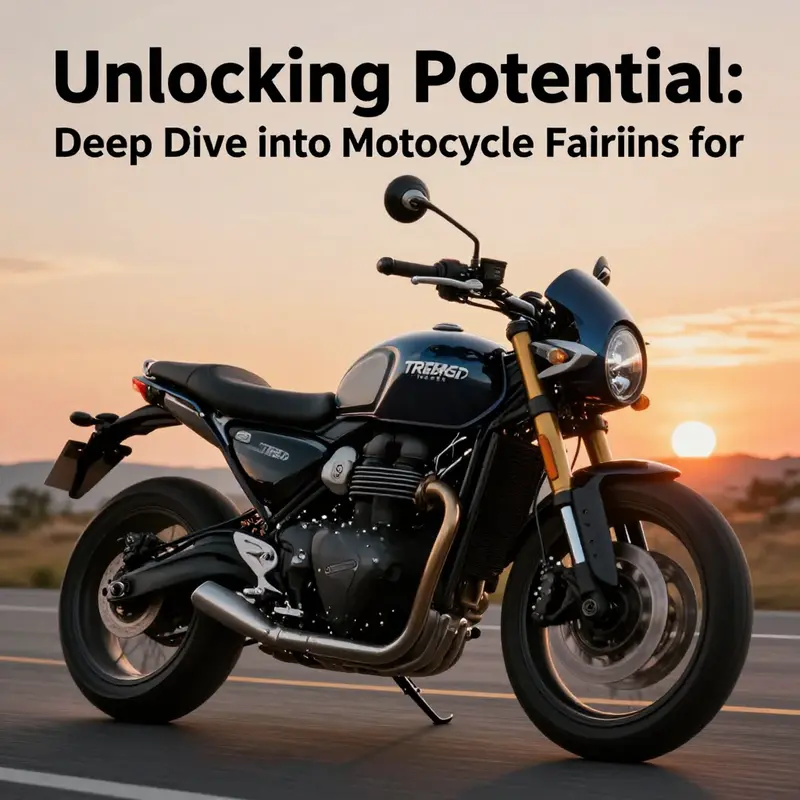
Motorcycle fairings serve as essential components in enhancing both the aesthetics and functionality of motorcycles, particularly for iconic brands like Triumph. As business owners look to capitalize on the growing motorcycle market, understanding the nuances of motorcycle fairings can provide significant advantages. In this article, we delve into the comprehensive aspects of Triumph motorcycle fairings, exploring their performance enhancements, economic implications, innovative designs, and cultural impacts. Each chapter will unveil strategies and insights that business owners can leverage to offer the best fairing solutions to their customers and boost their enterprises.
Shaping Performance: Choosing and Installing Fairings for Your Triumph
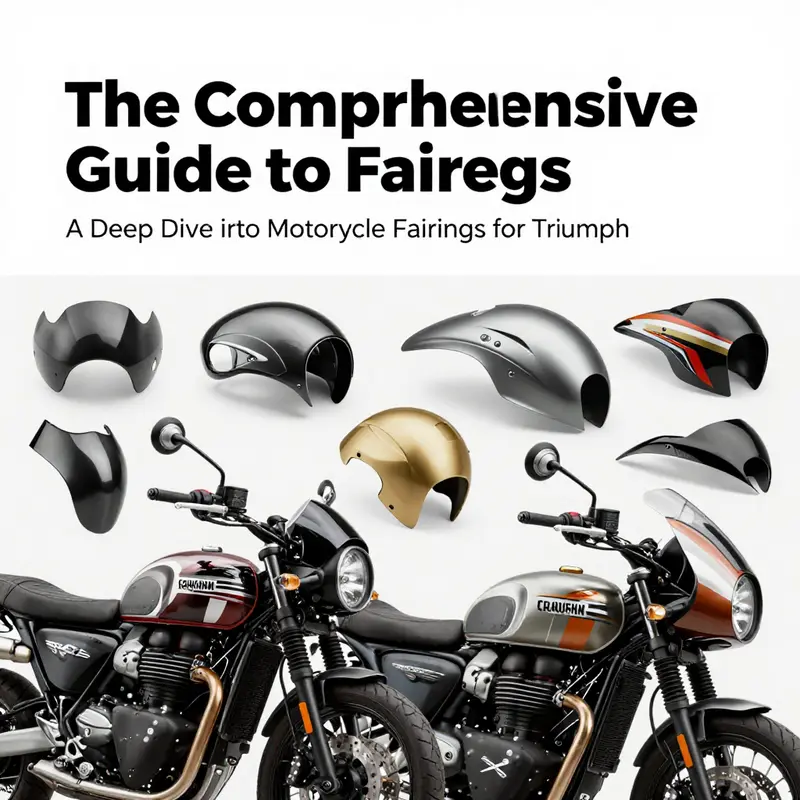
Fitment first. When you select fairings for a Triumph motorcycle, everything else follows. Proper fitment affects aerodynamics, cooling, electrical routing, and structural integrity. Genuine manufacturer panels are shaped and pre-drilled for exact mounting points. High-quality aftermarket alternatives often mimic those dimensions. Before you buy, confirm the model year and trim level. Differences between years can change the way panels align around the headlamp, tank, and frame. A slight mismatch forces extra force on mounting tabs. That can lead to cracks, rattles, and wiring stress over time. Treat fitment as a mechanical requirement, not an aesthetic option.
Materials dictate feel and function. The three common choices are ABS plastic, fiberglass, and polycarbonate. ABS is light, flexible, and forgiving in minor impacts. It holds paint well and is widely used for road-going machines. Fiberglass is stiffer and more sculptable. It suits track-focused riders who need precise shaping and strong impact resistance at speed. Fiberglass demands better finishing and care during installation. Polycarbonate appears mainly in windshields where clarity and impact resistance matter. Consider how you ride: daily commute, touring, aggressive track days, or custom show builds. Match material properties to those needs.
Aerodynamics matters more than many owners expect. Full fairings smooth airflow, reduce rider fatigue, and improve fuel economy on long runs. Short or half fairings trade wind protection for lighter weight and easier steering at low speed. Fairing geometry also affects cooling. Vents and ducts should channel air to the radiator and engine without creating turbulence. Poorly shaped panels can trap heat or blow air away from critical areas. If you ride at high speeds, choose fairings that maintain stability and reduce front-end lift. For city riders, the difference is less dramatic, but even then a well-fitted nose cowl can cut buffeting and make short trips more pleasant.
Safety and legality are not optional. Road-legal fairings must meet local standards and not obscure lights, reflectors, or license plates. Many jurisdictions require certified components for insurance validity. Ask suppliers about compliance labels and homologation documentation before you commit. Certified parts also tend to use better fasteners and reinforcements. That lowers the chance of panel failure in a crash or during an emergency maneuver.
Practical installation issues hide behind neat paint and glossy curves. Pre-drilled holes rarely line up perfectly on older frames. Wiring harnesses and sensors occupy tight spaces behind the upper cowls. Expect to remove clips, secure loose wiring, and sometimes trim foam or inner panels for a precise fit. Use proper fasteners and avoid over-tightening plastic bolts. Replace stressed or broken tabs rather than forcing new panels into place. A clean, correct installation prevents rattles and reduces long-term wear.
Painting and finishing are part of the total cost. Aftermarket panels may come unpainted, primed, or in generic colors. Even supposedly color-matched sets often require a blend coat to match faded originals. Invest in professional paint work for the best result. Proper adhesion requires sanding, high-quality primer, and a sealed finish. If you plan custom graphics, consider vinyl wraps as an alternative to full respray. Wraps protect the underlying finish and are removable without damaging the fairing surface.
Durability is about design and mounting, not just material. Impact resistance depends on how loads are transferred through mounting points. Reinforced brackets, metal studs, and proper spacers extend the life of panels. Beware of cheap sets that cut corners on reinforcements to save cost. Those panels may look fine initially but warp under heat, vibrate excessively, or shear off in minor low-speed drops. Choose parts backed by a solid warranty and clear return policies.
Sourcing smartly saves time and money. For individual owners, online marketplaces offer wide selection and competitive pricing. For shops and resellers, sourcing from experienced factories yields better quality control and consistent fit. When dealing with overseas suppliers, ask for sample testing, production photos, and lead-time guarantees. Prefer vendors that provide export documentation and shipping options that include duties and taxes. Certifications such as ISO or IATF indicate formal quality systems. If you work with a supplier long-term, establish a clear specification sheet. That reduces surprises in mold revisions, color batches, and packaging.
Customization opens performance and aesthetic possibilities. Track riders may choose reinforced fiberglass with tailored vents and mounting reinforcements. Street riders might prefer lightweight ABS in custom colors. For those seeking a unique look, custom molds and tailored fitment remain options, though cost rises with complexity. When customizing, balance looks with functionality: preserve cooling paths, maintain sensor access, and ensure visibility of lights and indicators.
Maintenance extends the life of any fairing set. Regularly check fasteners for loosening and inspect mounting tabs for cracks. Clean finishes with mild detergents, avoid high-pressure sprayers near seams, and treat polycarbonate windshields to protect against micro-scratches. Small repairs, like bonding a cracked tab or reinforcing a mounting hole with a steel insert, prevent larger failures. Keep a small kit with spare fasteners and clips that match the set you install.
For riders concerned with resale value, retain original panels when possible. Replacing a rare panel with a visibly different aftermarket piece can reduce appeal to collectors. If you change the look, document the origin and condition of original parts and store them carefully.
When you evaluate alternatives, weigh cost against long-term value. Lower-priced fairings may save money today but cost more in refits, repairs, and shorter service life. Quality aftermarket sets that replicate OEM geometry and use proper reinforcements often deliver the best balance of price and performance. For bulk purchases or business sourcing, investigate manufacturers with a track record producing compatible sets for the brand. An established supply chain and verified production capabilities reduce risk and improve delivery predictability.
If you want inspiration or ready-made options, review curated categories of brand-specific panels. For a focused selection of compatible sets, see this Triumph fairings collection for designs and fitment choices: https://ultimatemotorx.net/product-category/triumph-fairings/
For a broad marketplace with guaranteed fit listings and real-time availability, consult the comprehensive listing at https://www.ebay.com/bhp/triumph-motorcycle-fairings. It offers a wide view of current parts and pricing across sellers.
How Triumph Fairings Drive Real Performance: Aerodynamics, Protection, and Practical Gains
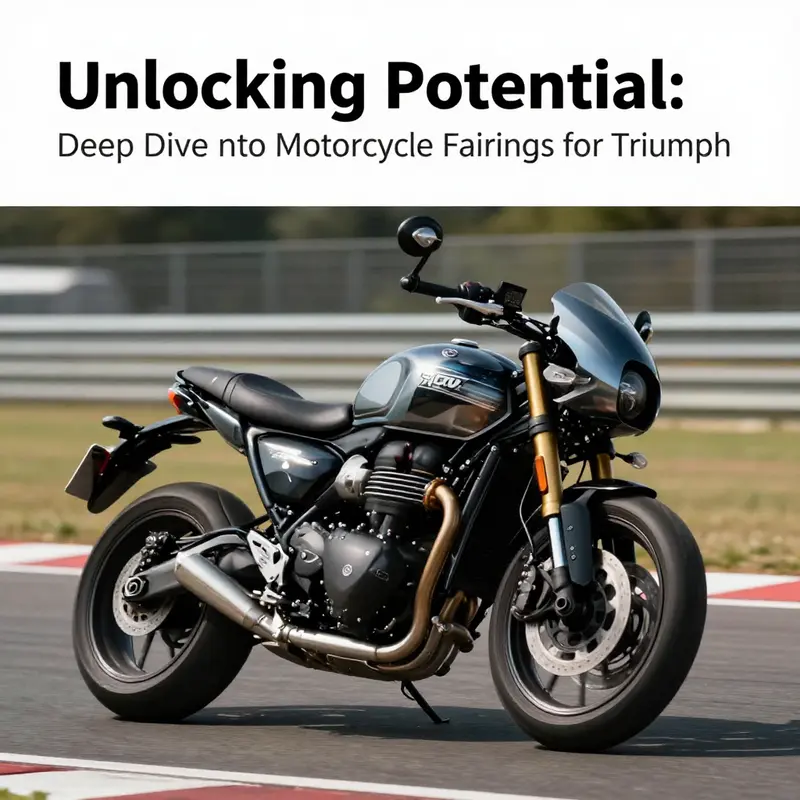
Fairings are far more than cosmetic shellwork on a Triumph motorcycle. They are engineered components that shape airflow, shield the rider and machinery, and create measurable performance benefits. When designed and fitted correctly, fairings transform how a Triumph behaves at speed, how it uses fuel, and how comfortable long rides become. This chapter examines those effects in an integrated way, showing how aerodynamic form, structural protection, material choice, and accessory integration work together to deliver real-world improvements.
At the heart of fairing performance is airflow management. A well-contoured fairing guides air smoothly around the motorcycle, reducing turbulent flow and lowering drag. Reduced drag means the engine expends less power to hold a given speed. For riders, that translates to higher achievable top speeds and easier cruise at highway velocities. More subtle, but equally important, is the change in throttle feel. With optimized aero, the bike resists headwinds less and responds more predictably to gusts. That predictability gives both confidence and speed when carving through corners or overtaking on open roads.
Fuel efficiency is a natural consequence of improved aerodynamics. When the engine faces less resistance, its workload drops and fuel consumption improves, especially at sustained speeds. Riders who travel long distances notice this effect the most. On extended highways and touring routes, fairings designed to minimize frontal drag create measurable savings. Those savings add up in lower fuel stops and reduced overall operating costs. The relationship between aero and economy also affects range calculations for touring. A bike with efficient fairing design can maintain higher average speeds while consuming less fuel than an equivalent naked machine.
Beyond raw numbers, rider protection is an equally important performance factor. Fairings include windscreens and bodywork surfaces that deflect turbulent air away from the torso, shoulders, and helmet. Less buffeting reduces fatigue and improves concentration. Over a multi-hour ride, small reductions in fatigue have outsized effects on safety and lap pace. Comfortable riders make fewer mistakes. On cold or wet days, a full fairing reduces direct exposure to the elements, maintaining body warmth and lowering the risk of distraction or loss of dexterity in the hands.
Fairings also act as shields for mechanical systems. They divert road spray, stones, and debris from sensitive areas. That protection prolongs the life of wiring, sensors, and fasteners. Exhausts and cooling systems benefit from bodywork that channels contaminants away. On machines intended for aggressive riding or varied environments, this protection reduces maintenance frequency and the chance of failure. In short, a fairing is a defense layer that preserves performance components and keeps a Triumph running closer to its designed parameters for longer.
Modern fairing design goes beyond simple covers. Integrated ducts and vents manage airflow not only around the bike but through it. Cooling ducts direct air toward radiators and brakes in a controlled way, balancing drag reduction with thermal management. Proper venting prevents overheating during spirited riding or slow, technical sections. When ducts are tuned to the bike’s cooling needs, engine efficiency and brake performance remain stable under load. Thoughtful placement of mounting points also makes it easy to add functional accessories. Riders can fit navigation units, auxiliary lights, or telemetry hardware without compromising the aerodynamic profile.
Material choice affects both weight and durability. Composite shells offer a balance of stiffness and lightness that helps maintain clean aerodynamics while minimizing added mass. Lighter fairings reduce the rotational inertia felt during direction changes, contributing to improved handling and quicker steering responses. Durable finishes resist chips and abrasion, keeping the aerodynamic surfaces smooth and effective. A smooth surface reduces skin friction and delays the onset of turbulent flow, preserving the designed aerodynamic benefit over time.
Fitment precision is another non-negotiable. Gaps, misaligned panels, and poor mounting points create vortices and drag spikes. A carefully fitted fairing maintains the intended airflow paths around the motorcycle. That precision also matters for stability: unsteady airflow can amplify crosswinds or cause lift at certain speeds, unsettling the bike. Properly installed fairings stabilize pressure distribution and keep the center of pressure predictable, improving high-speed steadiness and rider confidence.
Choosing the right fairing for a Triumph depends on the intended use. Sport-oriented shells emphasize low drag, a compact frontal area, and driver-focused ergonomics. They favor aggressive rider positioning for minimal cross-section. Touring fairings prioritize wind protection and integrated storage or accessory mounting. They aim to shelter the rider while still managing cooling and stability at variable loads and with luggage. Adventure-oriented fairings balance protection with easy access for maintenance, often placing a premium on robustness and debris deflection. The best choice aligns with typical riding conditions rather than aesthetics alone.
Installation and maintenance are part of the performance equation. Correct torque settings, secure fasteners, and regular inspections keep fairings functioning as designed. Small cracks or loose mounts can grow into performance issues, allowing panels to flutter and disrupt airflow. Replacing or repairing damaged sections restores aerodynamic fidelity. For riders who modify machines frequently, modular fairing systems that allow easy removal and refit provide flexibility without sacrificing the aero advantages.
Testing real-world gains often combines subjective feel with objective measurement. Riders may notice smoother throttle response, less windblast, and improved long-distance comfort. Those impressions can be quantified with speed runs, fuel-economy logging, or even wind-tunnel data when available. The interplay between rider posture, accessory load, and fairing geometry means that small adjustments—screen height, angle, or add-on deflectors—can yield meaningful changes. Iterative tuning lets owners refine their setup for peak efficiency and comfort.
Finally, fairings enable functional customization. Riders can add purposeful upgrades without undermining the bike’s aerodynamics. Mounting points designed into the bodywork accept lights, GPS mounts, and communication devices. These integrations keep the exterior clean and preserve airflow. When aftermarket or replacement fairings match the bike’s original geometry, the performance and protective benefits remain intact. For those seeking both performance and individuality, choosing high-quality panels that respect the factory lines is the safest path.
For those wanting to explore fairing options and finishes tailored to Triumph machines, the dedicated Triumph fairings category provides a focused starting point: https://ultimatemotorx.net/product-category/triumph-fairings/. For technical specifications and deeper engineering information on fairing design and integration, consult the manufacturer’s technical documentation: https://www.triumphmotorcycles.com/technical-documents
Balancing Cost and Value: The Economics Behind Triumph Motorcycle Fairings
Balancing Cost and Value: The Economics Behind Triumph Motorcycle Fairings
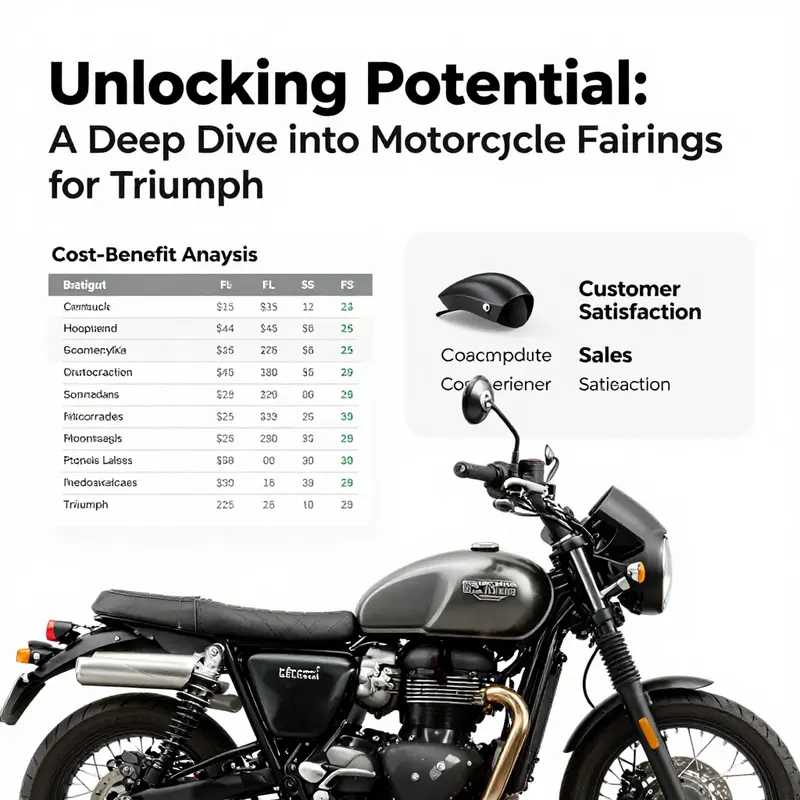
When a rider considers adding or replacing fairings on a Triumph, the decision is rarely purely aesthetic. The economic calculus blends initial outlay, ongoing savings, and intangible benefits. Understanding this balance helps buyers choose components that fit both riding goals and budgets. The variables are straightforward, but their interactions matter: material and manufacturing choices raise upfront prices. At the same time, improved aerodynamics, reduced maintenance, and higher resale appeal can return value over time.
Premium fairings often command higher prices because of precise production methods. Modern processes like 3D scanning and high-precision molds reduce fitment gaps and lower installation time. When parts match chassis points closely, riders face fewer alignment issues. That reduces labor costs for fitting and lowers the risk of paint or trim damage during installation. Precision also tends to increase part longevity. A piece that sits flush avoids fatigue from vibration and repeated stress. Over several years, that resilience translates into fewer replacements and a better total cost of ownership.
Material choice shapes both cost and performance. Fiberglass is a common, cost-effective option. It is easy to repair and offers decent strength. Thermoplastics and composites cost more but weigh less and resist impact better. For certain models, manufacturers use reinforced composites and layered laminates to achieve strength without excessive cost. Lightweight materials improve handling and acceleration. Less mass on the bike’s extremities reduces the rider’s energy loss during maneuvers. Those gains may be subtle on city rides, but they accumulate on long highway stretches and spirited runs, improving fuel efficiency and rider comfort.
Aerodynamics are a measurable contributor to long-term savings. Well-shaped fairings reduce drag. Reduced drag lowers fuel consumption at speed. For riders who do substantial highway miles, improved fuel economy can offset part costs over time. The financial impact depends on riding patterns. A commuter who crisscrosses the city gains less than a long-distance rider. Still, even modest drag reductions help maintain higher average speeds with lower fuel burn. Equally important, stable airflow reduces rider fatigue. That increases the frequency and length of rides, which is an indirect economic benefit through improved use of the machine.
Protection is another practical advantage with clear monetary effects. Fairings shield engines and electronics from road debris, salt, and standing water. That lowers the risk of corrosion and damage to sensitive components. Aftermarket parts that sacrifice fit or coverage may save money at purchase but can expose vulnerable areas. Over time, greater exposure equals higher maintenance bills. Impact resistance matters too. Durable panels absorb or deflect energy during minor slides and low-speed drops, reducing the likelihood of costly subframe or engine bodywork repairs.
Resale value should not be overlooked. A well-maintained bike with quality fairings sells better. Buyers often view complete, intact bodywork as a sign of careful ownership. Conversely, mismatched panels or poor repairs can reduce market interest and force sellers to lower asking prices. Investing in fairings that match the bike’s lines and color schemes preserves aesthetic coherence. This is an aspect where choice of supplier and finish influences returns. High-quality finishes that hold up against UV exposure and stone chips deliver the best return on investment at resale.
Customization and personalization fuel a thriving aftermarket. Riders who buy fairings for stylistic reasons contribute to a robust market for decorative components. Custom paint, decals, and race-inspired designs command premium prices and attract niche buyers. Manufacturers and retailers have responded by offering a range of options: full kits, individual panels, and pre-painted sets. That variety broadens price points and gives riders flexibility. Those seeking to stand out can spend more for a signature look, while practical riders can choose OEM-style panels focused on fit and protection.
Supply channels influence price and value perception. Direct-from-manufacturer parts often cost more but offer warranty and brand assurance. Aftermarket suppliers can lower entry costs with competitive pricing and stylistic options. Some vendors use advanced reproduction techniques to guarantee fitment across specific model years. That matters for bikes with evolving frames, mounting points, or instrument clusters. Buyers must weigh the security of a warranty against potential savings. Labor costs for installation also vary with part fitment quality. Better-fitting pieces save time and money during install and reduce the chance of follow-on repairs.
Economies of scale impact availability and price stability. Popular models benefit from lower per-unit costs as factories produce larger batches. Less common models or older bikes face scarcity premiums because molds are expensive to make and maintain. Smaller production runs push per-unit costs higher. For riders of newer, high-volume models, the market supports a competitive range of options. For niche or vintage machines, expect higher prices and longer lead times. Planning purchases during seasonal discounts or coordinated group buys can improve value for these rarer parts.
Installation and maintenance costs are part of the upfront economic picture. Riders who install panels themselves save labor costs but must consider tools, time, and the risk of improper fitting. Professional installation adds predictability and peace of mind. High-precision panels reduce labor hours. That matters at shops with hourly rates. Over many installations, a slight difference in labor time compounds into noticeable savings or expenses.
Warranty and post-sale support shape risk profiles. A longer warranty covers defects and reduces the probability of a second purchase due to early failure. Reputable manufacturers that back their parts with clear return policies reduce indirect costs like shipping and rework. The presence of certification programs or guarantees that parts will fit certain models brings buyer confidence. These assurances add measurable value beyond the sticker price.
Finally, individual goals determine whether a fairing purchase is an expense or an investment. A rider focused on competition values low weight and outright performance gains. A commuter values protection and fuel economy. A stylist prizes unique finishes. Each use case translates to a different acceptable purchase price. By weighing manufacturing quality, material benefits, aerodynamic gains, protection levels, and market dynamics, riders can make choices that align with both budget and long-term objectives.
For those looking to study manufacturer specifications and accessories standards, consult official sources for detailed design and compatibility guidance: https://www.triumphmotorcycles.com/en-us/accessories
For a curated selection of fairing options tailored to Triumph models, explore the Triumph fairings category to compare styles and fitment approaches: https://ultimatemotorx.net/product-category/triumph-fairings/
Shaping Speed: Triumph Fairings as the Quiet Engine of Aerodynamics, Protection, and Style
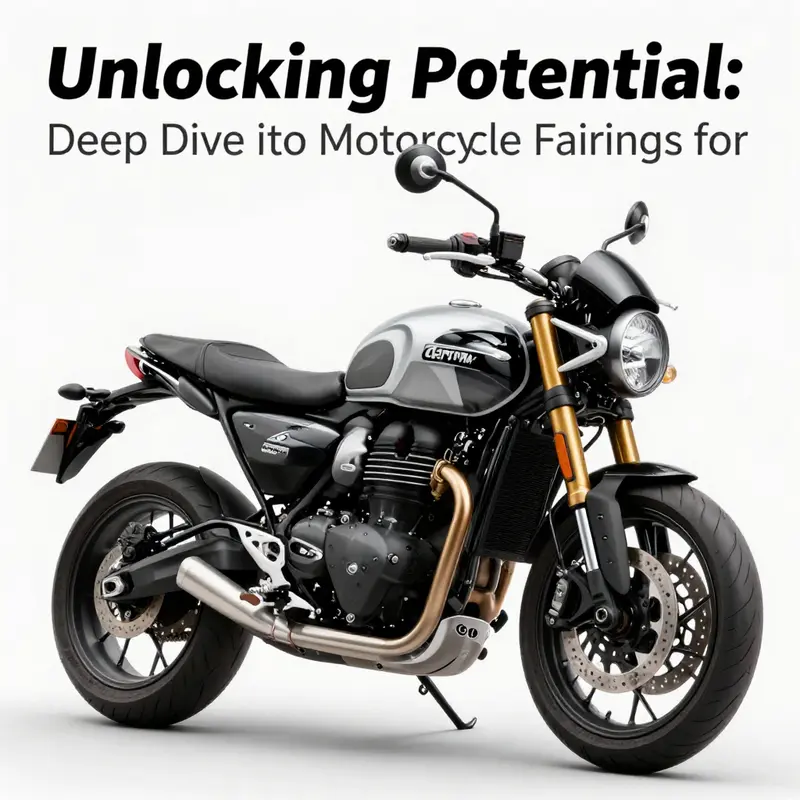
Triumph has long treated its fairings not as mere shells, but as the primary interface between rider and machine. In the narrative of a modern sport motorcycle, the fairing is where performance crystallizes into feel. The shapes, lines, and cutouts are not decorative; they are an expression of aerodynamic logic, mechanical safety, and visual language all braided into a single continuum. When a rider leans into the throttle, the fairing responds with an economy of movement that translates a complex cascade of air into stability, control, and momentum. In Triumph’s design philosophy, this is where engineering meets artistry, and the rider becomes the ultimate variable in a balancing act between air, weight, and intent. The result is not just a bike that looks fast; it is a machine whose speed is a consequence of its shape and its purpose.
From the outset, the three-dimensional sculpting of Triumph’s fairings embodies an effort to tame air rather than merely to enclose components. Three-dimensional shaping is not a buzzword; it is a discipline. The fairings are formed to redirect the flow along contours that merge with the rider’s posture and with the chassis geometry. The goal is to minimize turbulence where it would otherwise foster drag and wake, a reduction that yields more than a few seconds shaved off a lap time; it changes how the bike feels when coming off a straight and into a bend, when the rider is negotiating wind pressure at high speed, or when the machine is confronted with gusts that might otherwise destabilize the chassis. This is why every edge, every chine, and every upper panel is placed with aerodynamic intent. The effect can be barely perceptible in a showroom photo, yet it becomes palpable the moment a rider opens the throttle in a controlled environment: there is a sense of the air being coaxed into a cooperative partner rather than an adversary.
The fairings perform a dual duty: they protect and they empower. A motorcycle’s engine and exhaust are among its most exposed and most heat-sensitive components. A well-designed fairing acts as a shield against grit, rain, and crosswinds, guarding the powertrain and electronics from weathering and debris. At the same time, it channels air to manage heat dissipation and, in many designs, to contribute to cooling efficiency. In Triumph’s approach, protection is harmonized with airflow so that shielding never feels like a barrier to speed. The fairings’ lower sections are particularly crucial in this regard. Mounted along the sides of the engine or frame, they form a protective envelope while also shaping the path of the slipstream beneath the machine. These lower panels are not merely functional; they are tuned to reduce peak pressure zones that would otherwise disrupt stability during aggressive riding. The engineering logic is practical: keep the wind off the rider, keep the engine temperatures in a safe window, and let the air assist the chassis rather than fight it.
Fuel economy, often a byproduct of efficient design, benefits from this quiet choreography of air. A streamlined fairing reduces parasitic drag, so the engine does not have to work as hard at cruising speed. That efficiency translates into fewer fuel cycles for a given distance, a subtle but meaningful advantage for riders who log long days on the road or track work. Yet the rider should not have to sacrifice performance for economy. Triumph’s fairings are intended to stabilize at high speeds while remaining sensitive to the rider’s input. When a rider leans into a corner, the flow separation is minimized, and the bike responds with confidence rather than hesitation. The balancing act between drag reduction and downforce is delicate, and it is here that the artistry of fairing design reveals itself: you feel the wind, not the resistance of it.
Aesthetic cohesion is not an afterthought but a guiding principle. The fairings are conceived to integrate with the rest of the bodywork in a way that preserves a consistent visual language across the lineup. The silhouette reads as a unified sculpture, where headlights, windscreen, and side panels share the same rational geometry. This cohesion serves a dual purpose: it heightens the bike’s perceived speed and ensures predictability for riders who rely on a stable visual field to judge pace and position on the road or track. The fairings become a language in which speed is spoken through line, curvature, and junctions rather than through loud claims about power figures alone. In practice, this means that the fairings do not shout; they whisper in a language of control, precision, and purpose, inviting riders to trust the machine as an extension of their own body and intention.
Beyond the factory’s careful mathematics, the aftermarket and customization culture around Triumph fairings reveals another layer of the design conversation. Enthusiasts seek ways to express personal identity while preserving the core aerodynamic and protective functions. Custom design houses and artisans approach fairings as a canvas for racing-inspired graphics, street-oriented aesthetics, or track-ready forms that emphasize cooling and rigidity. The challenge lies in maintaining the essential wind- and heat-management characteristics while offering a distinct look. The best examples of this craft demonstrate respect for the original engineering, aligning every modification with the same priorities: durability, lightness, and clean integration with the bike’s frame and substructures. The result is a continuum from stock to bespoke that keeps the rider’s experience front and center, emphasizing that form and function can evolve together rather than diverge.
In parallel with the material and aesthetic considerations, there is a practical logistics thread that underpins the fairing ecosystem. For riders seeking genuine, well-fitting panels, the market hinges on accurate fitment and compatibility across model years. The fit is not a cosmetic issue; it is essential to performance. A precise fit ensures that the aerodynamics behave as designed, that there is no unintended contact with the exhaust or engine components, and that the riding position remains ergonomic. The more the fairings are integrated into a comprehensive design language, the more consistent the rider’s experience across different models and riding styles. This is a reminder that the fairings’ value lies not only in how they shield or shape the wind, but in how reliably they harmonize with the entire mechanical system over time.
For those who want to explore the breadth of Triumph’s fairing options within a marketplace of ideas and designs, a dedicated hub exists that curates various styles and configurations. This resource highlights the breadth of shapes, thicknesses, and cutouts that designers and engineers have developed to meet different riding intents. The hub serves as a pointer to the range of configurations available and, more importantly, as a guide to how a rider might begin to articulate their own priorities—whether that means prioritizing maximum frontal protection, minimizing drag for competitive speeds, or sculpting a look that matches a rider’s ambitions. Internal readers can follow this link to examine the Triumph fairings category and see how the language of speed translates into panel form. In the broader conversation, the fairings’ evolution mirrors the shifting expectations of riders who demand both performance and personality from their bikes.
The ongoing dialogue between wind, weight, and heat means that fairing design remains a living discipline. Designers continually test new materials, manufacturing processes, and integration strategies to push the envelope without compromising reliability. The result is a family of panels that can be tuned for balance, from the most aggressive racing posture to the more relaxed, street-oriented stance. Each new iteration carries forward a heritage of wind-tunnel insight and field feedback, ensuring that the rider’s experience remains at the center of every curve and straightaway. In this sense, Triumph’s fairings are more than protective shells; they are active participants in the ride, shaping how speed feels and how trust is built between rider and machine.
External to this narrative, a broader synthesis of how fairings influence industrial and riding performance is explored in an analytical piece that surveys types, properties, and performance enhancements. For readers seeking a deeper dive into the physics and design decisions that underlie these panels, that external resource offers a rigorous framework for understanding the trade-offs between protection, cooling, and aerodynamics. (https://www.motorcycleperformancejournal.com/2026/02/03/motorcycle-faring-types-properties-and-performance-enhancement/)
Winged Identity: Triumph Fairings and the Culture of Modern Riding
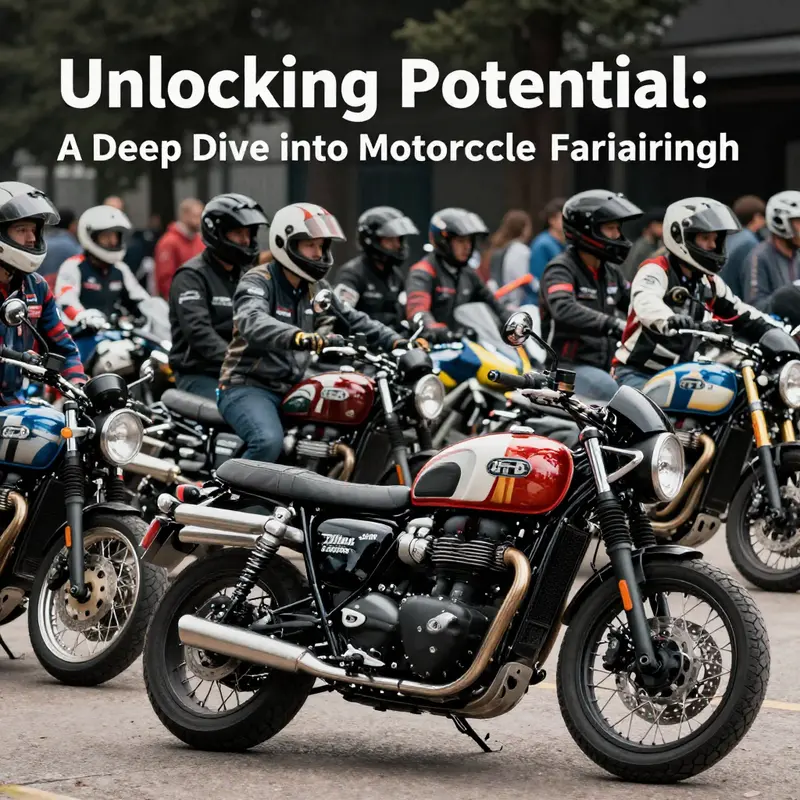
Triumph’s fairings are not mere wind shields; they signal a stance, a heritage, and a shared language among riders. Over time they have evolved from practical cocoons to design statements that balance aerodynamics with the brand’s muscular identity. The community reads them as a visual shorthand for engineering precision, discipline, and belonging. The modern fairing anchors Triumph’s evolution—honoring past cues like the centered fuel tank and mechanical honesty while embracing wind-tunnel savvy, weight distribution, and rider comfort. For new riders, fairings map a bridge between heritage and forward-looking performance, inviting a younger audience without alienating longtime fans. The aftermarket ecosystem broadens the conversation, offering kit-based or factory-sourced options that let riders script their own space within the Triumph story. Ultimately, the winged fairing becomes a wearable emblem of a living culture, where design literacy and technical ambition converge on the road to speed.
Final thoughts
In conclusion, motorcycle fairings for Triumph play a crucial role that transcends mere aesthetics to embrace function and community cultural relevance. From enhancing performance through improved aerodynamics to impacting economic viability in the aftermarket, these components offer numerous opportunities for business owners. Furthermore, by staying attuned to innovative designs and maintaining a strong connection with the motorcycle community, businesses can ensure they thrive in an ever-evolving market landscape. Ultimately, embracing the full potential of Triumph motorcycle fairings can lead to substantial benefits for any business in the motorcycle accessory sector.