

Motorcycle fairings are crucial for enhancing performance, aesthetics, and protection on the road. For business owners in the motorcycle industry, understanding how to source these essential parts locally can provide a competitive advantage. This guide delves into valuable resources available for finding motorcycle fairings near you, covers the different types available and their benefits, discusses installation and maintenance, outlines budgeting strategies, and emphasizes the importance of community and expert recommendations. Each chapter presents a unique perspective that contributes to the overall knowledge of sourcing motorcycle fairings effectively.
Where to Look and How to Choose: Practical Resources for Finding Motorcycle Fairings Near Me
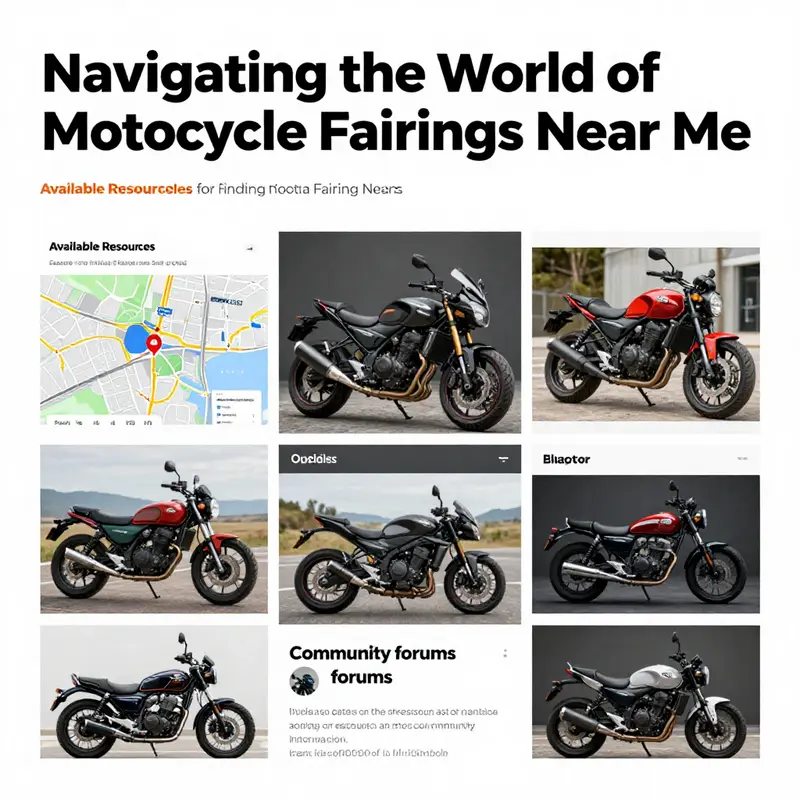
Finding fairings nearby starts with knowing where to look and what to ask. Whether you need a direct replacement, a custom piece, or a set that fits a modified bike, a clear search strategy saves time and money. Begin by gathering accurate model details: exact year, engine displacement, and any nonstandard bodywork already installed. Having photos of the damaged or existing panels helps sellers confirm compatibility. A vehicle identification number, when available, will narrow parts lists further and avoid costly returns.
Local searches often yield faster solutions. Independent repair shops and authorized dealers may stock common panels for popular models. A short visit lets you inspect the finish, verify mounting points, and get a feel for the material. Ask the shop if they work with local fabricators who make fiberglass or carbon fiber components. These contacts can produce one-off panels or modify off-the-shelf pieces to fit custom geometry. Small fabricators will often welcome the chance to show past work, and you can request references or photos of similar jobs.
For wider selection and price comparison, online marketplaces are indispensable. Use filters to target sellers near your region to cut shipping time and cost. Search using precise terms such as full fairing, half fairing, or model-specific kits, and cross-check compatibility notes in product descriptions. When evaluating listings, prioritize images that show both sides of a part and close-ups of mounting tabs. Sellers who provide measurements, template drawings, or fitment guides make it easier to evaluate a match before purchase. If a listing lacks detail, ask for photos of the mounting points and the inside surface. Reputable sellers should respond promptly and provide serial numbers or part references on request.
Specialized parts retailers and dedicated motorcycle parts catalogs offer curated selections with compatibility checks. These outlets often include customer reviews and technical notes about fitment or finish. Use these resources to verify part numbers and confirm whether a kit requires trimming or modification for your bike. If available, a compatibility checker can flag subtle fit issues between model years. When browsing retailer pages, note materials and manufacturing methods. ABS plastic panels are common and forgiving during installation. Fiberglass can be cheaper and easily repaired, but it is heavier and more brittle. Carbon fiber offers high strength and a premium look but often commands a higher price and can require careful handling.
Social platforms and local community forums provide valuable, practical intelligence. Join regional rider groups or model-specific communities to ask for sellers, swap meets, and trusted installers in your area. Community members often post photos of completed installations and name the shops they used. When you find a lead, ask community members if they inspected fitment before and after installation. Word-of-mouth checks can quickly reveal recurring issues with a particular supplier’s fit or finish. Use direct messages to request non-public images or installation notes when someone lists a part for sale.
If you are open to secondhand parts, salvage yards and dismantlers can be a goldmine. Dismantlers often remove fairings intact from lightly damaged bikes. When buying used parts, inspect for cracks around fastener holes and check for internal reinforcement. Small cracks can sometimes be repaired with plastic welding or fiberglass patches. Ask the seller about the bike’s history and reason for removal. Confirm whether fasteners, stays, or clips are included; missing small hardware often adds unexpected cost and installation time.
Custom fabrication becomes the right choice when fitment needs are unique. A custom shop can build fairings from templates or sculpt panels to match modified frame geometry. Bring detailed measurements and reference photos to your initial meeting. Discuss material trade-offs: fiberglass is more affordable and easy to repair; carbon fiber is lighter and stiffer, but it is pricier. Ask fabricators about the finishing options they provide, such as priming, painting, or gelcoat application. Get a timeline and a clear payment schedule in writing. Custom work usually requires longer lead times, so plan accordingly if the bike will be out of use.
When evaluating any seller—retailer, fabricator, or private seller—confirm return policies and warranty terms. Understand who pays return shipping and under what conditions refunds apply. Check whether the seller offers a fitment guarantee or will provide a refund if the part does not match described dimensions. For international purchases, verify customs duties and import taxes. These charges can add significantly to final cost and affect whether an international deal remains economical.
Measure twice before you buy. Create a simple template of your bike’s mounting points using cardboard or heavy paper. Label each hole and take photos from three angles with a tape measure visible in frame. This template is invaluable when communicating with sellers or fabricators. Keep an annotated image file to send with inquiries. When installing, use new fasteners where existing clips are brittle or missing. Replace any corroded brackets and double-check alignment before fully tightening bolts.
Price and lead time vary considerably by material, maker, and whether parts are new or used. Factor in painting and prep work when you compare quotes. A plain primed kit might be less costly to buy but will need painting to match your bike. Some buyers save by purchasing a primer-ready kit and hiring a local painter. If cost is a concern, request a breakdown of parts, shipping, and finishing charges. Transparent sellers will separate these costs and help you identify savings.
Communication is a key deciding factor. Responsive sellers who answer detailed technical questions tend to provide better post-sale support. Ask about available hardware, fitment tolerances, and whether they recommend any modification steps. For complex swaps or vintage models, request references from past customers who undertook the same conversion.
For a broad sampling of suppliers and wholesale options, one comprehensive online showroom provides a wide selection of fairings from global manufacturers and distributors. It allows you to filter by material, part type, and supplier region, which helps when you need expedited shipping or regional sourcing. Check that platform’s buyer protection and supplier verification details before committing to purchase (https://www.alibaba.com/showroom/motorcycle-fairings.html).
If you prefer browsing brand-specific catalogs, specialized collections can speed your search for direct-fit pieces. For example, a focused catalog for one major manufacturer showcases compatible fairings and model-specific kits. Use that catalog to cross-check part numbers and review product images before contacting sellers. See the Honda fairings catalog for a model-specific starting point: https://ultimatemotorx.net/product-category/honda-fairings/.
By blending local checks with targeted online searches, you gain both speed and choice. Start with a clear list of model details, use community feedback to vet sellers, and confirm return terms before purchase. Bring a simple template and clear photos when contacting shops or fabricators. With careful communication and a structured approach, finding the right fairing near you becomes a matter of method instead of luck.
Choosing the Right Fairing: Types, Trade-offs, and Real-World Benefits for Riders Searching ‘Motorcycle Fairings Near Me’
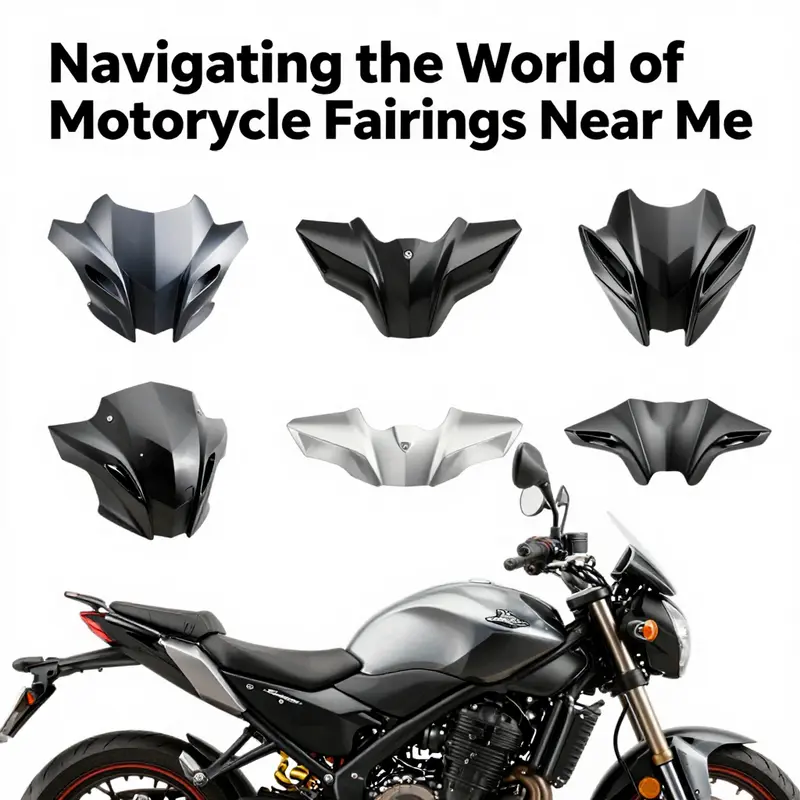
Understanding how fairing types affect performance and practicality helps when searching for “motorcycle fairings near me.” Fairings do more than shape a bike’s look. They change how wind hits the rider, how heat escapes the engine, and how easy maintenance becomes. Picking the right style depends on riding goals, local roads, climate, and how close you are to reliable suppliers or fitment experts. This chapter walks through the main fairing types, explains the benefits each offers, and highlights practical trade-offs to consider when sourcing parts locally or having them installed.
A full fairing encloses most of the motorcycle front to rear. It directs airflow smoothly around the machine and rider. That streamlining reduces drag and keeps noise lower at speed. For long rides on highways, reduced wind buffeting lowers rider fatigue. A full fairing also shields the engine and sensitive components from debris and weather. That protection can extend component life and reduce cleaning time. However, full fairings add bulk. They can make quick inspections and simple repairs slower. If ventilation is inadequate, tight bodywork may trap heat. Professional fitment and correctly cut vents matter for avoiding overheating.
Half fairings, sometimes called 3/4 fairings, present a middle way. They cover the upper front and sides, leaving the lower engine and much of the frame exposed. This balance improves wind protection for the rider while keeping service points accessible. Half fairings are lighter than full enclosures and generally cheaper to replace. That lighter weight can improve low-speed agility and make everyday commuting more practical. Riders who switch between spirited weekend rides and weekday errands often prefer this option. Noise and wind reduction are not as dramatic as with full fairings, yet they are substantial enough to increase comfort on longer rides.
Split fairings show up frequently on custom and classic-inspired builds. These designs separate the front and rear bodywork into distinct pieces. The front often frames the headlight and instruments; the rear focuses on tail styling and rider comfort. A split approach gives a classic silhouette while managing airflow in targeted ways. Modularity is one major advantage. If one panel gets damaged, replacing a section is easier and cheaper. Split fairings are also favored by riders who want to mix aftermarket parts without a complete redesign. They tend to be lighter and allow easier customization of airflow and aesthetics.
Quarter fairings are minimal by intent. They usually sit around the headlight or handlebars and offer focused protection against wind and spray for the rider’s upper torso. These small panels are common on café racers and retro-styled motorcycles where mechanical visibility is part of the appeal. Quarter fairings give a vintage, stripped-back look while still offering functional benefits. They will not yield the aerodynamic gains of larger fairings, but they reduce neck strain and direct windblast away from the rider’s chest and helmet. For urban riders and short-distance commuters, a quarter fairing mixes style with everyday practicality.
Materials make a big difference in how a fairing performs and how it fits your local needs. ABS plastic is common in many aftermarket kits. It is resilient against minor impacts and relatively inexpensive. Fiberglass offers easy repairability and is good for custom shapes, though it can be heavier. Carbon fiber provides the best strength-to-weight ratio, ideal for high-performance bikes, but it is considerably more expensive and can be brittle under certain impacts. Thermoplastic composites and injected molds produce consistent fitment and finish. When looking for “motorcycle fairings near me,” ask local suppliers about the materials they stock and whether they offer painted, primed, or raw panels. Local shops often provide fitment services that ensure a tight, vibration-free mount.
Beyond material, consider finish and paint compatibility. Many riders buy unpainted kits locally and then have a nearby shop color-match and paint them. Painting locally saves shipping costs and reduces the risk of damage in transit. However, paint quality varies. Shop portfolios and customer reviews are useful when evaluating local paint services. If you expect to change graphics often or prefer custom wraps, choose panels with smooth, consistent surfaces. Those prepare better for vinyl work and last longer under sun exposure when properly prepped and sealed.
Maintenance and repair are practical considerations that often determine which fairing type fits a rider’s life. Full fairings require more work for engine access and oil changes. Shops that service fairings know the quickest removal order and retain the right fasteners. Half and split fairings are more forgiving in day-to-day service. Quarter fairings demand the least mechanical disturbance. If you plan to maintain your own bike, think about how often you will remove panels and whether you have space at home for storage during paint or repair. Local vendors can advise on compatible fasteners and provide hardware kits to simplify repeated removal.
Aerodynamics and rider comfort are tied to fitment and stance more than panel shape alone. A well-fitted half fairing can feel more comfortable than a poorly mounted full fairing. Wind tunnels and computational designs help manufacturers, but real-world fit depends on rider height, seating position, and windshield angle. Local shops that offer customization can trim windshields, reposition mounts, and adapt panels to your posture. When searching nearby, ask whether the shop provides test rides or adjustable windscreen options. Small changes can dramatically reduce helmet buffeting and shoulder fatigue over a long ride.
Cost and availability are often the deciding factors for those searching for fairings locally. Aftermarket kits can be much cheaper than original equipment, but quality varies. Local suppliers may stock regionally popular models, making same-day pickup possible. If time is critical, a nearby shop can often repair or repaint existing panels faster than ordering replacements. Local expertise also helps with legal and safety considerations, such as ensuring lights and indicators remain visible and compliant after modifications. Ask local vendors about guarantees, return policies, and whether they align with vehicle regulations in your area.
Finally, fitment accuracy and professional installation are where local services add most value. A tight fit reduces vibration and stress on fasteners. Panels that sit flush with the frame look factory-made and stay cleaner. Professional installers trim edges, reinforce mounting points, and seal gaps to prevent water ingress. If you are searching for “motorcycle fairings near me,” choose a shop that documents their work and provides before-and-after photos. That track record shows they understand fitment nuances and can handle paint, repair, or custom work with consistent results.
If you ride a performance-focused bike, you might favor a full fairing for its aerodynamic advantage and heat management features. If mixed commuting and weekend rides are your norm, a half fairing provides the best balance of comfort and accessibility. Custom builders and classic fans will likely choose split or quarter fairings to emphasize aesthetics and modularity. No matter the choice, inspect material quality, ask about paint and repair services, and confirm fitment procedures with local vendors before purchase.
For technical reference on full-fairing structure and design considerations, see this detailed guide: https://www.motorcycle-technology.com/technical-guide-honda-fairings/.
For local options and to view available aftermarket kits by brand, consider checking a nearby supplier’s Kawasaki fairings collection to match style and fit with your machine: https://ultimatemotorx.net/product-category/kawasaki-fairings/.
Fit, Fasten, Preserve: Installing and Maintaining Fairings You Buy Near You
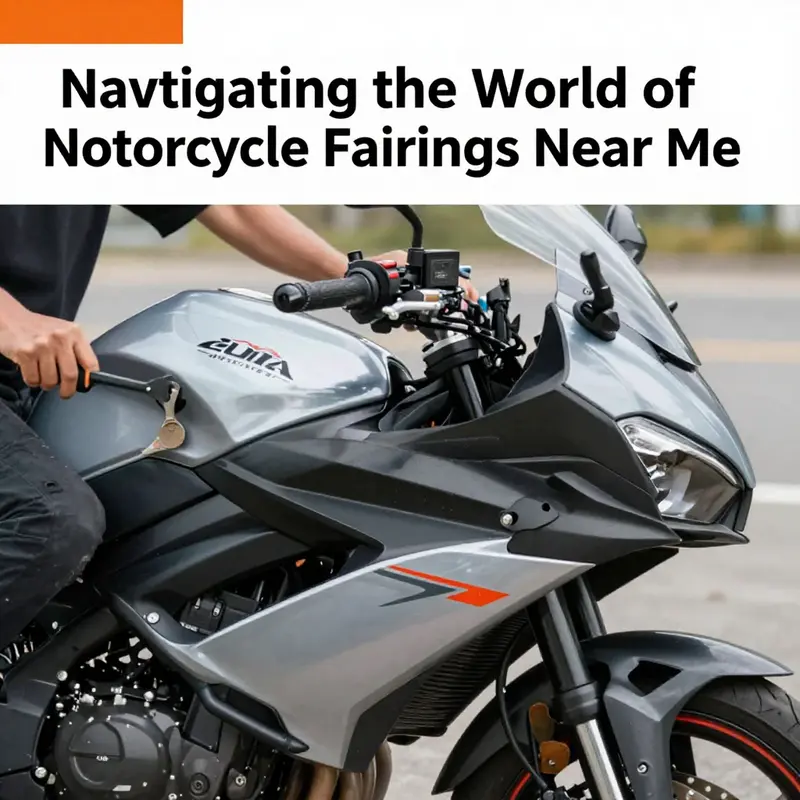
Installation and maintenance are what turn a purchased fairing into a durable, safe upgrade. Whether you picked up a new shell locally or ordered a compatible replacement, correct fitting and deliberate upkeep protect both appearance and performance. This chapter walks through a single, consistent workflow that combines preparation, measured installation, and routine care. It focuses on preventing common mistakes and extending service life, with practical checks you can use at home or hand to a local technician.
Start with preparation and inspection. Clear a well-lit, level workspace and gather tools before you touch any fasteners. Essential tools include a set of screwdrivers, a socket set, a torque wrench, and plastic prying tools. Keep a small container for bolts and clips. Before disconnecting anything, remove jewelry and wear eye protection. If the fairing was bought from a nearby shop, confirm compatibility by comparing the part to the bike while it is still assembled. Look at mounting points, electrical cutouts, and light openings. If holes or tabs do not line up within a few millimeters, do not force installation. Mismatched parts can cause stress cracks and safety hazards.
Remove the old fairing with care. Work slowly and document the process. Take photos of connector locations and screw counts. Use plastic pry tools to ease clips free; metal tools risk gouging paint and cracking plastic. When removing headlight and gauge surrounds, support the units so no wiring bears the load. If you must disconnect lights or switches, disconnect the battery negative terminal first. This small step prevents short circuits and accidental airbag or ECU triggers when work involves wiring.
Fit the new fairing in stages. Start by loosely positioning the largest panel. Align tabs and ensure no wiring is pinched. Insert fasteners by hand without fully tightening. This approach lets you make small adjustments to eliminate pressure points. Once all pieces sit correctly, use an orderly tightening pattern, working from the center outward or using a cross pattern for symmetrical panels. Finish with a torque wrench, tightening bolts to the specifications listed in the bike’s manual. Correct torque prevents both over-compression and vibrational loosening.
Pay special attention to the interface between the fairing and moving parts. Steering, forks, and handlebars need adequate clearance. Operate the bars through their full range while a helper holds the bike upright. Ensure no paint rubs or material contacts occur. Test front suspension travel to confirm the fairing does not contact the wheel or fork gaiters. Any rubbing requires loosening and minor repositioning of the fairing or addition of felt shims where permitted.
Electrical and lighting integration is a critical phase. Reconnect wiring harnesses only after the fairing is stable. Inspect connectors for corrosion and damaged pins. Use dielectric grease on exposed connectors to prevent moisture intrusion if appropriate. After connections are made and the battery is reconnected, power the electrical system and verify all lights and gauges function. Listen for unusual noises. A buzzing or intermittent light suggests a loose connector or grounding issue. If an electrical fault appears, disconnect the battery again and recheck the harness routing to ensure no wires are trapped by panels.
When the fit is complete, add protective and aesthetic finishing touches. Install rubber grommets on unprotected screw holes to reduce vibration and stress. Apply a small amount of thread locker on fasteners that are prone to vibration unless the manufacturer advises otherwise. For painted or glossy panels, apply a compatible surface protectant. Protective coatings reduce UV degradation and help repel road grime. If panels arrived unpainted, confirm paint adhesion by following the vendor’s curing recommendations before exposing the surface to weather.
Maintenance begins with a consistent cleaning routine. Wash fairings every one to two months, or after exposure to heavy rain, salt, or grit. Use a mild detergent and soft microfiber cloths. Avoid harsh solvents and abrasive pads which can dull the finish and weaken edges. Do not use a high-pressure washer at close range. High-pressure sprays can force water into vents and behind instruments, risking electronic damage. Instead, rinse with a gentle stream and dry with a soft towel.
Regular inspections should be part of every ride checklist. Before longer rides, check for loose fasteners and signs of cracking around mounting points. Look for paint lifting or delamination along edges. Small chips can be sealed with compatible touch-up materials to limit moisture infiltration. Fractures that compromise structure require replacement or professional repair. Temporary fixes, like epoxy or reinforced tape, can work across short trips. However, a structurally compromised fairing must be addressed before aggressive riding.
Understand material differences and their maintenance nuances. Thermoplastics are flexible and resist impact, but they can yellow over time in strong sunlight. Apply UV-specific protectants periodically. Composite materials offer rigidity and light weight, but they are more brittle under point impact. Inspect them frequently for hairline cracks. For either material, avoid prolonged exposure to solvents and aggressive cleaning agents. When replacing parts later, confirm the material type so you can match repair methods and maintenance treatments.
Storage matters as much as cleaning. If you store the bike for extended periods, remove or secure any loose panels. Keep the motorcycle inside, away from direct sunlight, when possible. If indoor space is limited, cover the bike with a breathable cover that resists moisture buildup. For spare fairings in your garage, stack them flat with soft padding between pieces. Store away from heat sources to avoid warping.
Routine tightening and hardware replacement prevents most mid-term failures. Vibration causes fasteners to back out slowly. Retorque visible bolts after the first 100 miles following an installation, and again after 500 miles. Replace worn rubber grommets and plastic clips proactively. Small, inexpensive parts failing will transfer load to the remaining fasteners and can escalate into cracks.
If damage occurs, evaluate repair options quickly. Small cracks can be stabilized with plastic welding or resin repair, depending on material. Larger breaks may need panel reinforcement with backing plates or replacement. When in doubt, consult an experienced technician. Local mechanics can often suggest solutions that preserve the part’s integrity without resorting to full replacement. If you sourced the fairing from a nearby supplier, ask them about return policies and repair services before you finalize the purchase.
Safety checks close the loop. After installation and initial inspections, perform a controlled test ride at low speed. Listen for new vibrations and monitor steering and braking feel. If anything seems off, stop and recheck the mounting. Keep a log of any adjustments and the dates they were made. This simple record helps you identify patterns and prevents recurring problems.
Finally, when searching for local options or replacement parts, verify compatibility carefully. If you want a starting place for model-specific fairings, see this resource for local stock and fitment options: Honda fairings. And for a clear visual walkthrough of a full installation process, refer to this practical video guide: https://www.tiktok.com/@zenith.frs/video/748923765432109876
Following this integrated approach to installing and maintaining fairings will reduce surprises. It balances careful preparation, methodical installation, and ongoing checks. That discipline keeps your bike safer, preserves the fairing’s look, and extends its service life.
Budgeting Real Costs for Motorcycle Fairings Near Me: Planning, Pricing, and Practical Savings
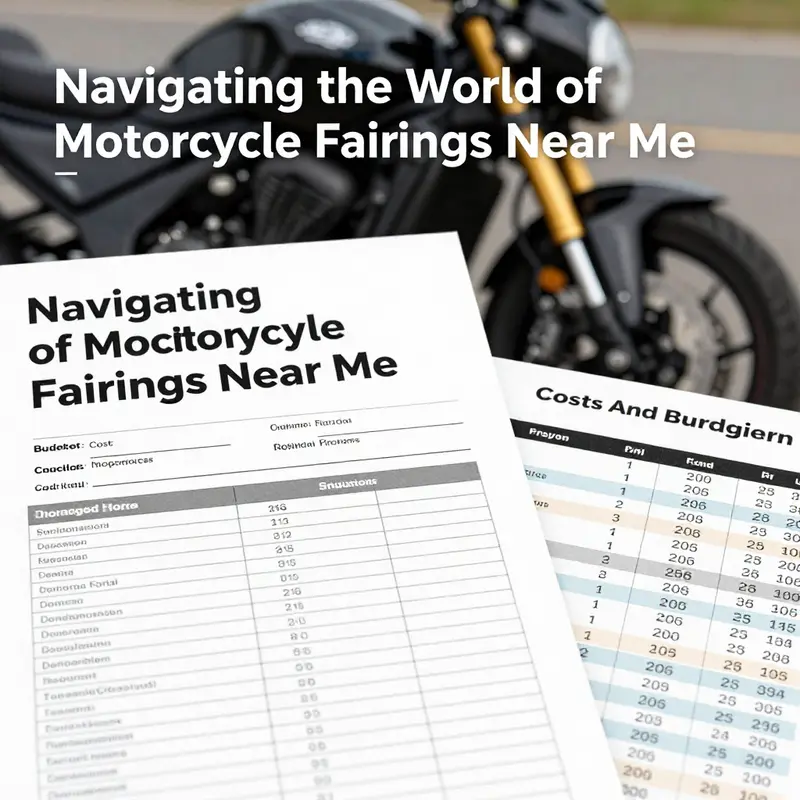
Understanding the true cost of motorcycle fairings near you means looking beyond sticker prices. A part’s label is only the start. Real expense includes materials, fitment, finishing, labor, and the time you invest. This chapter walks through the predictable and the hidden costs. It also outlines practical budgeting strategies you can apply whether you buy new, choose aftermarket alternatives, or restore used pieces.
Start by separating the categories that make up total cost. The first line item is the fairing itself. Original equipment components command a premium because they match factory tolerances and original fasteners. Aftermarket counterparts trade brand-name assurance for lower expense and greater variety. Used panels can be the cheapest route but may need repairs or matching work to fit correctly. Materials matter: ABS plastic remains the common, cost-effective standard, while fiberglass or carbon options change price and repairability. Knowing which category your bike needs helps you set a realistic baseline for spending.
Painting and surface finishing form the next major budget area. A basic single-color paint job on fairings typically costs several hundred dollars. That price covers labor, prep work like sanding and priming, and a single clear coat. More elaborate color schemes or multi-layer graphics raise the price substantially. Alternatively, vinyl wrapping often reduces expense and shortens turnaround time. Wrapping also creates a reversible finish for trends or resale flexibility. When budgeting, factor in both the upfront cost and the potential need for repainting if bumps or chips appear later.
Labor and installation add another variable. Some enthusiasts handle fitment themselves, cutting costs at the expense of time. But installation often requires specific fasteners, bracket adjustments, and trim alignment. Complex bikes with integrated electronics or bodywork that conceals wiring take longer to reassemble. A professional shop will bill for time and expertise. Ask for estimated labor hours and a detailed breakdown. You will then avoid surprise charges when reassembly uncovers compatibility issues or missing fasteners.
For a complete replacement and paint job, expect a combined budget range that covers parts, finishing, and shop labor. Entry-level scenarios with aftermarket parts and simple paint fall at the lower end. High-end OEM sets, custom painting, or specialized materials push totals upward. Partial repairs or single-panel repainting keep costs contained. Plan a buffer of 10–20% beyond quotes. This cushion covers small unforeseeable needs, such as additional prep work or replacement clips.
Sourcing decisions determine the next set of trade-offs. Buying locally gives advantages: you can inspect fit and finish in person, avoid import delays, and negotiate labor as a bundle with the installer. Searching local classifieds and motorcycle groups often reveals used sets in good condition. When looking locally, verify fitment with your exact year and model. Ask sellers about any structural damage, prior repairs, and whether the set was repainted. If buying online, confirm the return policy and shipping insurance.
When assessing aftermarket parts, pay attention to fitment notes and seller images. Many aftermarket systems are designed to be near-direct fits. Still, some require trimming or different fasteners. That extra adaptation adds labor hours. Cheaper parts sometimes use thinner material or simplified mounting points. Those subtle differences translate into future repairability and lifespan considerations. Buying the lowest-cost item without vetting these factors can lead to higher long-term expenses.
Used fairings can be a smart move when the seller discloses damage and the price reflects it. Small scuffs or cracks are often repairable, and professional technicians can bond and fill damaged sections for far less than buying new. But structural damage that affects mounting ears or internal supports is costly to fix and may compromise safety. When possible, view a used set on the bike it came from. That hands-on check reveals whether fasteners match and whether hidden stress damage exists. If you cannot inspect in person, request detailed photos of all mounting points and the inner surfaces.
Insurance claims and crash replacement follow their own budget logic. An insurance payout may let you return to OEM parts, but deductibles and coverage limits can influence your choices. Insurance-approved shops sometimes prefer OEM replacements. If you aim to keep costs low after a claim, discuss options with your adjuster and shop. You might find that using a high-quality aftermarket set, combined with professional installation, achieves a comparable finish at a lower net cost.
Timing and seasonal patterns also change pricing. Shops often book painting work weeks ahead during peak seasons. Off-peak months can yield discounts and faster turnaround. Retailers occasionally post promotions during holidays or model-year transitions. Watching local listings and joining community marketplaces can reveal these timed deals. Also, consider bundling services. Some installers offer package rates for supply-and-install jobs, which can reduce total expenditure compared to paying parts and labor separately.
Negotiate at every step. Whether buying parts or paying for installation, ask for itemized quotes and compare them. Confirm whether quotes include matching hardware, clips, and necessary adhesives. Ask shops about warranty terms on labor and paint. Clarify who is responsible if a newly installed fairing arrives with fitment defects. Insist that the estimator documents any caveats about alignment, trimming, or modifications.
Plan for fitment verification after installation. Even when parts are advertised as model-specific, small dimensional differences happen. Ask your installer to test-fit panels before painting or finishing. Test-fitting allows early detection of misaligned tabs or areas that need reinforcement. If you pay for paint before a final test-fit, you risk wasting a costly finish if the part requires trimming or adjustments.
Evaluate long-term value and resale impact. If preserving the bike’s resale value matters, OEM parts and factory-like finishes are often worth the extra spend. Buyers looking for original condition notice color and texture differences. Conversely, for a daily rider, durable aftermarket material and a functional finish might make more sense. Weigh what you want from the bike and budget accordingly.
Finally, practical cost-saving tips will stretch your budget further. Collect multiple quotes, and share them with prospective installers to encourage competitive pricing. If you possess basic mechanical skills, offer to handle disassembly and reassembly, saving shop hours. Consider purchasing parts during sales or from vetted local sellers where inspection is possible. When working with used panels, include the price of potential repairs in your offer. And remember that small investments in proper fastening hardware prevent rattles and future damage.
For riders who want model-specific sourcing, online category pages can simplify searches. For example, a dedicated listing helps find compatible pieces for many models. This kind of resource lets you compare options and estimate shipping costs before committing to purchase. Visit a model-focused category to check availability and get a sense of local versus shipped prices.
To cross-check market prices and see live listings that reflect current demand, consult online auction and marketplace search results. These listings provide a broad sense of what sellers are asking across regions. Use such data to validate quotes and local offers:
https://www.ebay.com/sch/i.html?_nkw=Motorcycle+Full+Fairings
Budgeting for fairings near you becomes more manageable when you plan, compare, and ask detailed questions. Separate parts, painting, and labor in your estimates. Build a contingency of 10–20% for surprises. Inspect used parts carefully. Negotiate package deals and time work for off-peak seasons. With a clear plan, you can achieve a great finish without overspending.
null
null
Final thoughts
In conclusion, understanding how to effectively locate and utilize motorcycle fairings near your business is essential for enhancing customer satisfaction and your operational efficiency. By utilizing the resources outlined, recognizing the types and benefits of fairings, implementing proper installation and maintenance techniques, budgeting wisely, and relying on community expertise, business owners can navigate the landscape of motorcycle parts confidently. Embracing these insights will empower businesses to better serve their clients and thrive in the competitive motorcycle industry.