
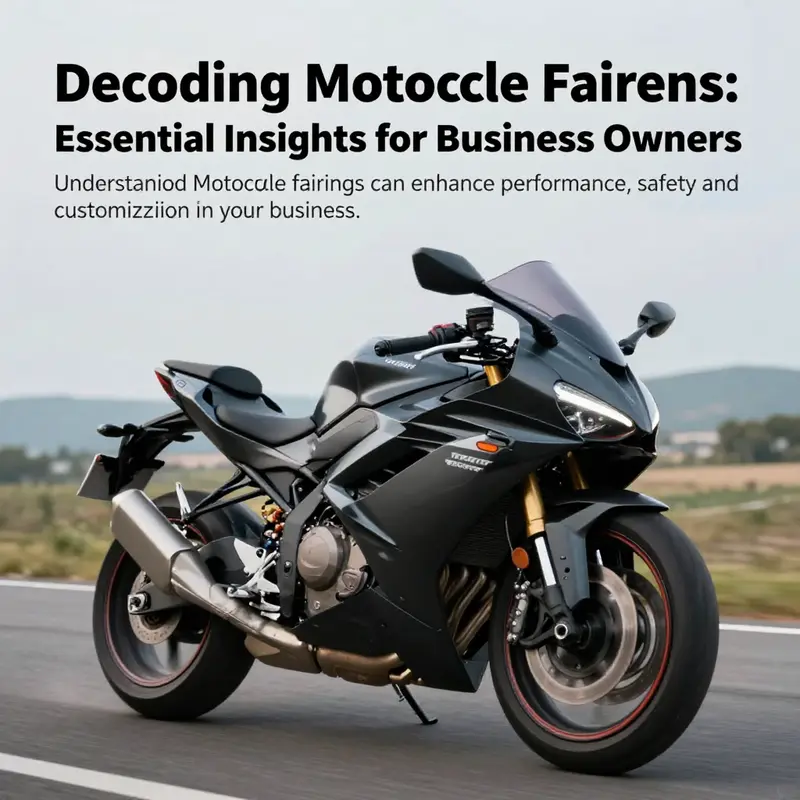
Motorcycle fairings play a pivotal role in enhancing both the performance and aesthetics of motorcycles. For business owners in the motorcycle industry, it is essential to understand the significance of fairings, as they not only contribute to a motorcycle’s aerodynamic efficiency but also provide protection against the elements. This article will delve into various aspects of motorcycle fairings, from their types and aerodynamic implications to their customization and selection process. Each chapter will build upon the last, offering a comprehensive understanding vital for making informed decisions in the motorcycle sector.
Between Shape and Speed: The Meaning of Motorcycle Fairings and How They Shape Speed, Comfort, and Style
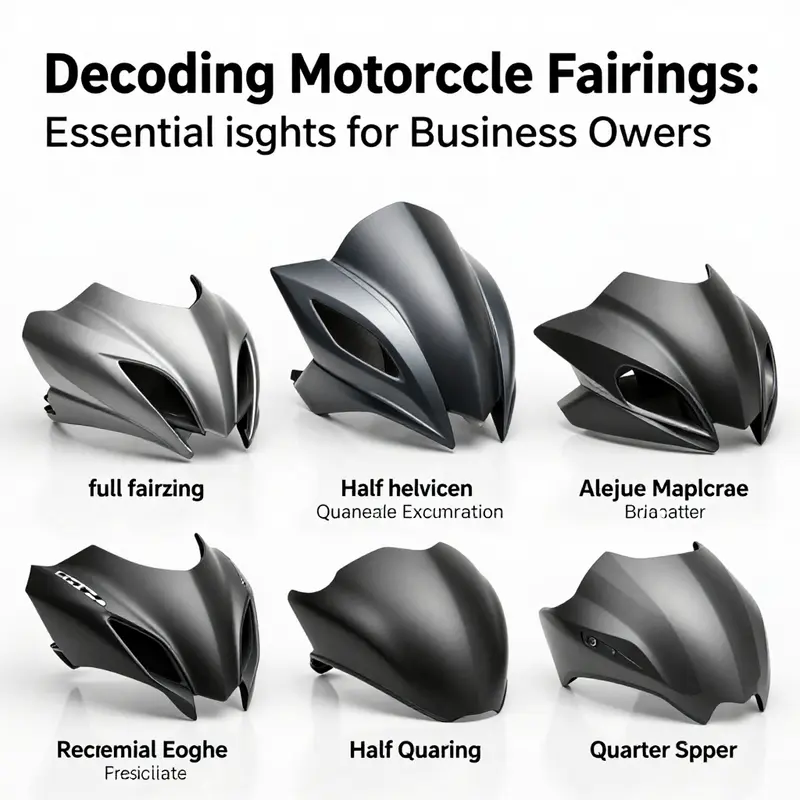
A motorcycle fairing is more than a sculpted shell turning a bike into a statement on the road. It is a functional language written in plastic, fiberglass, or carbon fiber, speaking in terms of aerodynamics, rider comfort, weather resilience, and even personality. In most discussions about motorcycles, the word fairing tends to be linked to speed or style, but the deeper meaning lies in how the fairing negotiates the space between machine and environment. It redefines what riding feels like by shaping air, directing noise, and wrapping the rider in a shell that can both protect and reveal. In this sense, a fairing is not merely an add-on; it is an interpretation of the bike itself. The meaning emerges when we consider how a given fairing aligns with the rider’s aims, the road conditions, and the expectations of performance that a modern motorcycle promises. It is a piece of design that translates intention into sensation while quietly outlining the rider’s stance on the machine.
The aerodynamic function of a fairing is a core part of this meaning. The bike is not stationary in the air as it rushes down a highway; it is a dynamic system where the fairing choreographs airflow. At high speeds, even small changes in airflow around the front and sides of the bike can produce noticeable reductions in drag and corresponding gains in stability. A well designed full fairing, for instance, can steer wind away from the rider and the engine, creating a more streamlined silhouette that reduces yaw and lift. The practical effect is tangible: smoother highway cruising, steadier cornering at speed, and a reduction in rider fatigue caused by buffeting and wind pressure. This is why sport bikes often rely on full fairings. The aesthetic impact accompanies the performance, producing a silhouette that communicates purpose: speed and precision. Yet the same principle can be applied more subtly to touring or naked bikes, where the goal shifts from absolute speed to predictable wind protection and a more relaxed ride over long distances.
Protection remains a central thread in the fairing’s meaning. Pedestrians and riders know that the road teaches harsh lessons—stones, rain, wind, and road spray are constant companions. A fairing acts as a shield, bundling wind and weather into a package that reduces the direct blast to the rider’s torso and arms. It keeps the engine slightly warmer in damp mornings, helps maintain consistent airflow for cooling, and helps prevent rain from soaking the rider’s chest during a sudden shower. It is also a barrier against debris kicked up by traffic and gravel kicked up by winter maintenance. This protection is not merely practical; it contributes to a psychological sense of control. When a rider feels shielded from the worst elements, confidence grows, and the journey becomes less of a test against the elements and more of a dialogue with the road.
Materials tell a story about how much meaning the fairing carries. ABS plastic and fiberglass have been longstanding workhorses, balancing cost, durability, and ease of production. Carbon fiber, meanwhile, has become synonymous with high-performance weight reduction and a certain aspirational aesthetic. Each material choice alters the bike’s personality as well as its performance. Heavier, more rugged materials might emphasize protection and durability for adventure or touring riders, while lighter composites emphasize speed and agility for track or sport riding. The materials also influence maintenance and repair. A damaged full fairing in a touring bike might be costly to replace, yet it can be more forgiving in the long run due to its protective role. The material choice thus contributes to the broader meaning: a fairing is a deliberate agreement about what the rider values most—ultimate speed, long distance comfort, or a balanced compromise between the two.
Riding style and climate play decisive roles in how the fairing translates into reality. A rider who spends most of the year in windy or wet regions will likely prioritize wind protection and weather resistance over a slender, lightweight appearance. In such a scenario a full or touring fairing may become the central feature of the motorcycle, shaping daily comfort and long haul endurance. Conversely, a rider who seeks agility, sport riding, or track days may lean toward lighter, more compact fairings that preserve lean angles and reduce weight, even if the exposure to wind is greater. Climate also informs maintenance choices. In harsher environments, materials must resist UV exposure, temperature swings, and impact from road debris; in milder climates, ease of repair and ease of replacement might take precedence over pristine weight savings. The meaning, then, is not universal. It rests with the rider’s expectations and the environment where the machine will spend most of its life.
The decision between full, half, quarter, and touring fairings is not simply about coverage. It is a negotiation between vulnerability and velocity, between ease of maintenance and the pleasure of driving feel. A full fairing encloses the engine and rider in an aerodynamic envelope that yields the most drag reduction and the cleanest wind stream. Yet it comes with the realities of higher weight, more complex maintenance, and higher costs for replacement after a spill or collision. A half fairing provides a middle ground: visible sporting aesthetics, improved protection over the chest and hands, but with easier engine access and lighter weight. A quarter fairing exists for those who value minimal wind shielding and a raw, café racer elegance; it is a nod to a different heritage of riding that emphasizes style and personal expression over all else. Touring fairings, with their larger windscreens and more expansive side panels, create a sanctuary for the rider over long miles. They emphasize endurance and comfort, sometimes at the expense of the crisp aero advantages seen on a race replica. The rider feels this trade-off through the steadier, more fatigue-free ride or, conversely, through a more forced alignment with airflow on fast straights. Each choice constructs a different relationship with the road, and that relationship is the heart of the fairing’s meaning.
This meaning is reinforced by the growing marketplace of aftermarket and custom fairings. Aftermarket options allow riders to tailor protection, weight, aesthetics, and maintenance access to their exact preferences. The conversation shifts from simply choosing a fairing to curating an entire philosophy of how a bike should behave on the street or track. In this space the fairing becomes a statement piece—part performance, part personality. It signals what the rider values: speed, comfort, ease of repair, or a distinctive visual signature. The process of choosing a fairing becomes a dialogue with one’s own riding history and future ambitions. In the end, the compatibility question remains essential. A fairing must align with the motorcycle’s make and model to preserve structural integrity, rider safety, and precise fit. The practical step—to verify that an aftermarket piece matches the exact make and model—underpins the broader meaning. Without that compatibility, the aesthetic appeal or aerodynamic promise risks becoming moot, a cosmetic addon that cannot reliably deliver on the intended performance or protection.
For readers who want to explore a brand specific direction, the Honda fairings category offers a curated range of styles that reflect how a rider might translate the general idea of a fairing into model specific performance. Explore Honda fairings. This link invites a closer look at how brand particular lines interpret the same aerodynamic and protective goals in ways that fit unique frame geometries and engine layouts. The result is a vivid reminder that fairings do not merely conceal mechanical parts; they reveal the philosophy behind a model line, from naked roadsters to race-inspired machines. The path from general function to individual identity is where the fairing’s meaning crystallizes—where science meets taste, and where aerodynamics meets aesthetics to shape the riding experience.
As the chapter closes, we are reminded that a fairing is a map of intent drawn onto the bike’s body. It is a design decision that translates a rider’s practical needs into a kinetic experience. The wind’s edge becomes a partner rather than an adversary. Weather, noise, and vibration are managed, not eliminated, so the rider can stay connected with the road while the motorcycle does the heavy lifting of the air around them. The fairing’s meaning thus encompasses capability and character in equal measure, a tangible intersection of physics and personal preference. It frames expectations about speed, comfort, and style, and it invites riders to consider not only how fast their bike can go, but how intelligently it can go there with them in control. This is the essence of the fairing’s meaning: a protective, efficient, and expressive extension of the motorcycle’s body that invites riders to understand what their machine can do when it is properly clothed in air and intention.
Wings on the Road: Decoding the Meaning and Performance of Motorcycle Fairings
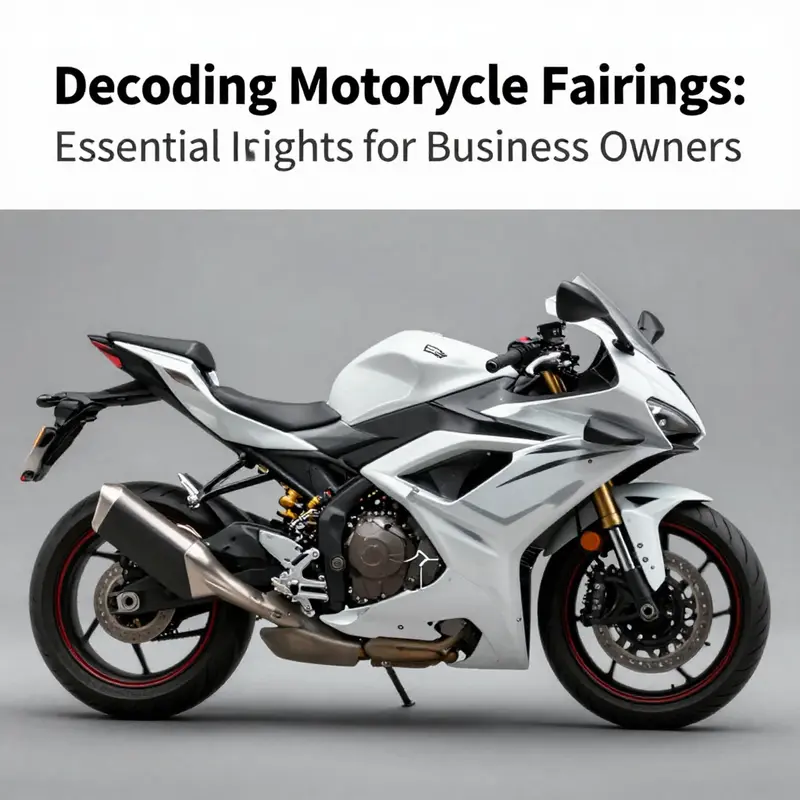
A motorcycle fairing is not merely a shell glued to the frame; it is a carefully shaped answer to how air behaves around a moving machine. To understand the meaning of fairings is to read the language of airflow, pressure, and control. The shape and material choices tell a story about intention. When you see a bike riding with a smooth, continuous front and flowing side panels, you are witnessing a design whose purpose is to guide air with minimal resistance while sheltering the rider from the elements. The meaning embedded in that shell goes beyond looks. It is a statement about efficiency, stability, and the rider’s experience at speed. Aerodynamics, after all, is about turning a chaotic flow into a manageable one, and fairings are the instruments that perform that transformation on two wheels. They convert the unpredictable nature of air into predictable performance, and that conversion has practical consequences in fuel economy, top speed, handling, and even comfort on long journeys.
The core idea behind fairings is drag reduction. Drag is the resistance air poses to a moving body, and it grows with speed. When a bike negotiates the open highway or darts along a race track, every extra watt spent fighting air translates into wasted energy and reduced acceleration. A well-designed fairing creates a smooth, continuous surface that minimizes turbulence and blends the rider into a single, aerodynamic silhouette. Full fairings, which enclose the front and much of the bike’s sides, are optimized for maximum swoop. They sculpt air to follow the bike’s contours with as little separation as possible, reducing pressure drag and enabling the engine to breathe more efficiently at high speeds. In this sense, the meaning of full fairings is practical: they promise higher sustained speeds, less wind buffeting, and the possibility of longer, more comfortable rides at highway pace. The trade-off, of course, is bulk and complexity; full shells demand precise fitting and more careful maintenance, but for riders who chase speed or long-distance stability, the benefits are tangible.
The impact of fairings on rider comfort cannot be overstated. Wind blast—the rush of air striking the rider’s body—can be fatiguing over hours. A fairing can redirect and soften that blast, creating a more humane wind environment. It is not merely about keeping the weather from the rider’s face; it is about reducing cabin-like noise and the fatigue that comes from fighting gusts and droning wind at speed. The quieter, calmer cockpit afforded by effective aerodynamics can translate into sharper focus on riding lines, reduced arm and shoulder strain, and better concentration during endurance rides. Weather protection is another facet of meaning. A well-sealed fairing shields against rain, road spray, and debris, which not only preserves comfort but also protects sensitive components and electronics near the engine bay. In racing environments, where every second counts, even small reductions in drag or wind-induced vibration can produce measurable gains in lap times or endurance performance. In everyday riding, the same aerodynamic stewardship yields tangible benefits in fuel efficiency and climate control inside the cockpit, allowing riders to travel further with less fuel and fewer weather compromises.
Different fairing configurations respond to different priorities. Full fairings envelop the bike in a continuous air-formed surface, offering the most aerodynamic efficiency and the strongest wind protection. They are favored by sport riders, touring enthusiasts, and track-focused builds where high-speed stability and lower drag equate to faster cruising and longer range between fuel stops. Half fairings provide a middle ground: partial coverage that reduces wind pressure and enhances a motorcycle’s aggressive stance while preserving easier access to the engine and better heat exchange. For riders who value nimbleness and a more open aesthetic, half fairings can improve maneuverability and maintenance convenience without sacrificing too much on resistance. Quarter fairings, which cover only the headlight area, are minimalism in motion—often chosen for certain naked bikes or custom silhouettes where weight saving and visibility are paramount. Then there are custom or aftermarket options, crafted to tailor the look, the airflow, and the protection to individual needs. These may use materials ranging from ABS plastic to fiberglass or carbon fiber, each delivering a different blend of weight, stiffness, and cost. The choice among these options is rarely about a single performance metric; it is a negotiation among riding style, climate, maintenance habits, and budget. A rider in a windy region may prioritize full coverage for weather protection and draft management, while a performance-focused rider might lean toward lighter materials to shave weight and improve throttle response. In this balancing act, compatibility becomes a practical compass. The right fairing must match the motorcycle’s make and model with precision, which is why many riders invest time in checking fitment before purchase and install. This is not just about how it looks; it is about how air flows around a specific silhouette, how the radiator and engine breathe, and how the rider’s ergonomics are preserved when the body is tucked into the bike’s curve.
If you pause to consider the physics, the fairing’s geometry is essentially a three-dimensional ornament of fluid dynamics. It interfaces with the vehicle’s body at the fuselage-like point where air would otherwise separate from the surface and form chaotic vortices. A clean, continuous surface pushes these separations back, aligning the flow to produce a smoother wake behind the motorcycle. Split or dual fairings—where front and rear sections manage airflow separately—offer targeted control over lift, downforce, and steering response. Track bikes may employ such configurations to direct high-pressure air away from radiators and to sculpt downwash in a way that supports cornering stability. On street machines, the goal often shifts toward a forgiving blend of protection, noise reduction, and a ride that remains comfortable over long distances. In every case, the aerodynamics of a fairing is a direct conversation with the road: the rider’s weight distribution, the bike’s geometry, the wind, and the engine’s demands all converge at the shell’s boundary layer.
The material story is also part of the chapter’s meaning. ABS plastic offers a good balance of rigidity, impact resistance, and cost. Fiberglass provides stiffness and formability that suit custom or larger-scale aftermarket projects, while carbon fiber delivers exceptional strength-to-weight ratio, translating into meaningful performance savings for riders who prize every gram saved. Each material has a pedigree in durability, repairability, and how it behaves under stress from heat, UV exposure, and road debris. The chassis of a sportbike and the fairing’s frame must work in concert so that fast passing wind does not amplify vibration into fatigue, or worse, loosen the shell’s alignment. This is where maintenance intersects with meaning: a fairing’s long-term value rests on how well it holds its shape, maintains a uniform surface for air to glide over, and withstands the occasional impact that comes with the inevitability of road contact. For the informed rider, it is not enough to choose a look; one must consider how the chosen material interacts with heat management around the engine and with the bike’s overall thermal envelope, because air that is too reactive to a hot engine can become a source of drag rather than relief.
The chapter of fairings is a living narrative in which aesthetics and physics intertwine. The choice of a full, half, or quarter shell sends a message about the rider’s intent—from high-speed pursuit to long-range exploration, from bare-bones efficiency to curated comfort. It is a message that artfully translates into speed and stamina, into the perception of control at the bar of the wind. The possibility of customization adds another layer of meaning. Beyond the mechanical calculus of drag coefficients and pressure distributions lies a rider’s desire to sculpt a personal relationship with the machine. Custom or aftermarket fairings let riders reframe identity on two wheels, express preferences in how the bike sits in the wind, and even experiment with heat management and acoustics. It is this intersection of function and self-expression that makes fairings a meaningful feature in modern motorcycling. When the bike rides true to its wind-educated design, riders feel the difference in smoother acceleration, steadier cornering, and the sense that the air is an ally rather than a foe. That is the essence of fairing meaning: a practical physics of speed and protection, and a domain where engineering, maintenance, and personal expression come together on the open road.
For readers seeking a deeper technical dive, consider the broader science of how fairings influence aerodynamics and fuel efficiency as discussed by engineering-focused resources. This chapter’s exploration sits alongside those analyses, which underscore that even incremental aerodynamic refinements can yield measurable performance dividends over time. If you would like to explore a related catalog of aftermarket choices that illustrates how these ideas translate into real-world options, you can browse the Honda fairings category here: https://ultimatemotorx.net/product-category/honda-fairings/. This link serves as a practical touchstone for understanding how design intent, material choice, and compatibility converge in a market that makes fairing customization accessible to riders who seek both performance and personality in equal measure. The journey from airflow theory to street-ready form is not just about acceleration or top speed; it is about cohering aerodynamics, protection, comfort, and identity into a riding experience that feels engineered for the wind as much as for the road itself. For a more technical perspective on how fairings translate aerodynamics into fuel efficiency, a detailed external resource provides a rigorous examination of the physics and testing methodologies behind this enduring design conversation: https://www.motorcycleengineeringinsights.com/2026/01/25/how-do-faired-motorcycles-improve-aerodynamics-and-fuel-efficiency/
How Fairings Shield Rider and Machine: Weather, Debris, and Stability Explained
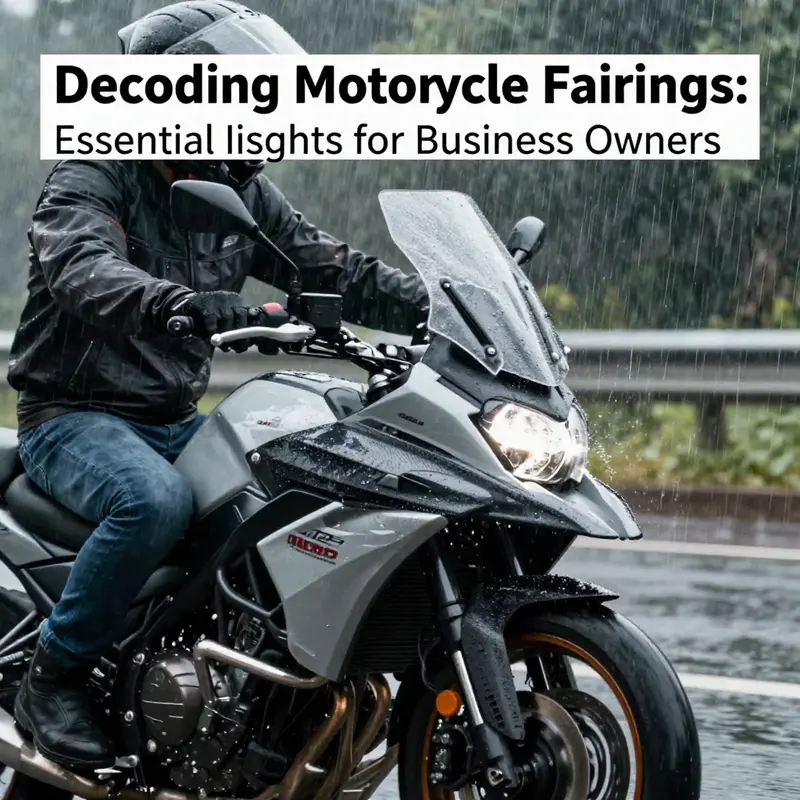
A fairing is more than styling. It is an engineered barrier that controls airflow while protecting rider and machine. When we talk about the meaning of motorcycle fairings, protection ranks equal to aerodynamic performance. The shell that wraps the front and sides of a bike diverts wind, blocks rain, and deflects road debris. That single role affects comfort, longevity, and safety.
At highway speeds, wind becomes a constant force. A rider without fairing faces sustained wind blast that causes fatigue and reduces control. A properly shaped fairing channels that air around the rider and motorcycle. The result is less rider strain, easier posture maintenance, and steadier inputs to handlebars. For long rides, the difference is dramatic: less physical wear and quicker reaction times.
Weather protection goes beyond comfort. Rain and dust driven into mechanical areas shorten component life. Fairings help keep water out of sensitive zones. Electrical connectors, exposed sensors, and the intake area benefit from this shielding. Moisture trapped against metallic parts accelerates corrosion. By redirecting spray and minimizing direct hits, fairings cut the risk of rust and electrical faults.
Fairings also reduce contamination from road grime. Gravel, grit, and oil mist sprayed by other vehicles can coat engine parts. A cover placed ahead of the engine limits the contact area. That small reduction in contamination lowers maintenance needs. Fewer buildups mean more efficient cooling and fewer filter cleanings. Over years of riding, this translates to measurable savings in time and repair costs.
When the road is scattered with loose stones and debris, a fairing acts like a shield. At speed, even small pebbles strike with notable force. They chip paint, dent panels, and damage lights. A full or lower fairing takes the initial impact, protecting structural parts behind it. For riders who frequent gravel shoulders or compromised surfaces, this protection preserves the bike’s integrity and resale value.
Design and material choices determine how well a fairing handles impacts. Thermoplastics like ABS absorb small strikes without cracking. Composite materials provide a balance of weight and stiffness. High-end composites manage larger energy loads, but often at greater cost. The right choice depends on riding conditions. Heavy touring demands durability. Track use favors lightweight panels that sacrifice some impact tolerance for better performance.
Protection also extends to rider visibility and control. A well-designed fairing reduces turbulence around the rider’s helmet. Less buffeting means the head stays stable, improving sightlines. Stability is not only about less movement. Fairings shape pressure zones around the bike. Reduced turbulence behind the windshield smooths flow over the rider. This smoother flow helps prevent sudden yaw moments in gusty crosswinds.
Aerodynamic tuning of fairings enhances high-speed stability. When airflow separates unpredictably, the bike can experience lift, twitching, or sudden steering corrections. Properly contoured panels maintain attached flow at typical riding speeds. That reduces lift and steadies the chassis. For sport-touring setups, this is crucial. Riders carry luggage and passengers, so consistent aerodynamic behavior keeps handling predictable under varying loads.
Fairings also work with other design elements to protect the rider. Windshields, vents, and deflectors direct air where it helps most. Adjustable screens let riders fine-tune airflow based on height and position. Small vent openings manage pressure, cooling, and buffeting. Combined, these features tailor protection to the rider’s needs and environment.
Protection has trade-offs. A large fairing increases frontal area and can trap heat near the engine. In slow, stop-and-go traffic, airflow may be insufficient, increasing engine temperatures. Designers balance coverage with cooling pathways. Well-placed ducts bring cooling air to radiators while keeping vulnerable parts shielded. Riders in hot climates should consider fairing designs that emphasize ventilation.
Maintenance and repair matter to keep protective benefits active. Scratches and cracks reduce a fairing’s ability to deflect debris. Loose fasteners create gaps that let water and dirt reach hidden areas. Regular inspection of mounting points and seals preserves effective coverage. A small tear or missing clip can transform a fairing from protector to liability by creating new turbulence.
Aftermarket fairings offer a route to restore or enhance protection. When choosing replacements, fitment is critical. A fairing that does not match your frame will not align with mounting points. Poor alignment can lead to rattles, gaps, and insecure fixings. Always verify compatibility for your specific make and model. If you ride a large tourer, seek panels designed for sustained weather exposure and durability. For sport-focused bikes, consider designs that prioritize airflow management while still shielding essentials.
Beyond basic protection, fairings influence rider confidence. Feeling sheltered reduces stress when passing large vehicles or riding in poor weather. That psychological benefit leads to steadier throttle control and smoother decision-making. Confidence matters because many incidents begin with hurried or panicked responses to wind or debris. A protective fairing reduces the stimulus that triggers those reactions.
Fairings make small contributions to safety that add up. Reduced windblast means less grip fatigue. Fewer stone chips lower the chance of headlight failure. Controlled airflow prevents sudden instability. These elements collectively reduce risk over miles of riding. They also extend service intervals and delay corrosion-related failures. Over the life of the motorcycle, a well-designed fairing preserves function and appearance.
Not all riders need the same level of coverage. Urban commuters rarely experience sustained high-speed wind. Those riders may prefer minimal fairing that provides some frontal protection without added complexity. Conversely, riders who regularly travel highways or ride through changing weather should opt for more comprehensive coverage. Consider local road conditions, typical weather, and luggage setup when deciding.
Installation and fit affect protection just as much as design. Ensure all fasteners are secure and seals intact. Replace weather-stripping that becomes brittle. Use mounting hardware that resists corrosion for long-term reliability. A tidy, tightly fitted fairing creates predictable airflow. Gaps, loose edges, and warped panels introduce turbulence and nullify many benefits.
Finally, the decision to add or upgrade fairings should be practical. Balance the need for protection with weight, heat management, and budget. Choose materials and designs suited to your riding profile. Verify compatibility with your model and inspect mountings regularly. Small investments in a quality fairing pay off through reduced maintenance, improved comfort, and increased safety.
For examples of model-specific fairing options, see the selection of fairings for FJR1300. For a technical overview of types and features, consult this detailed resource: https://www.motorcycle.com/motorcycle-fairings-types-and-features/
Shaping Identity and Performance: The Real Meaning of Custom Motorcycle Fairings
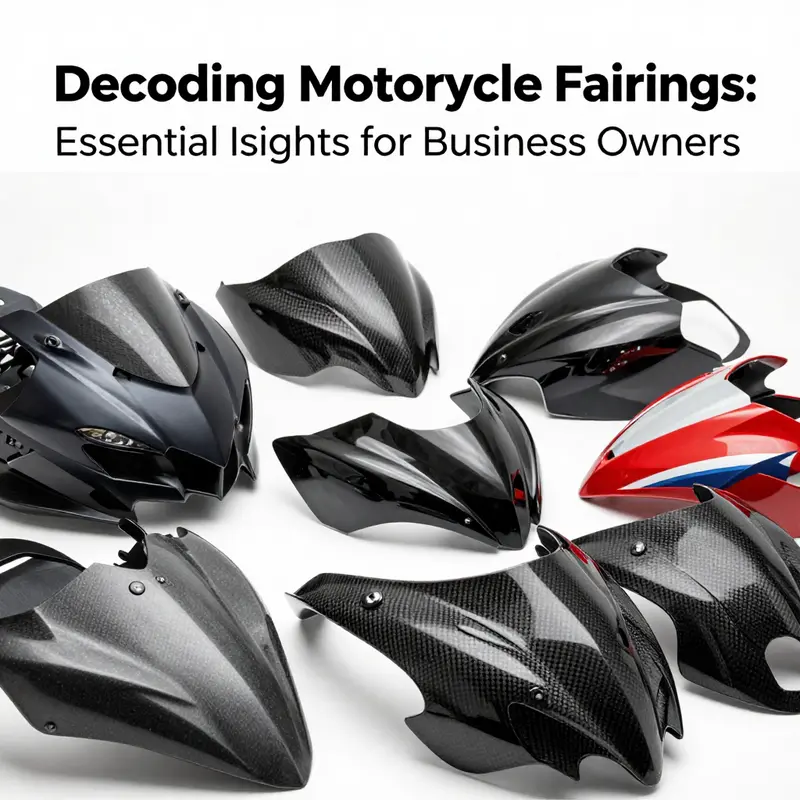
Shaping Identity and Performance: The Real Meaning of Custom Motorcycle Fairings
Customizing fairings is more than decoration; it’s a deliberate blend of identity, engineering, and practical trade-offs. Riders who change their motorcycle’s bodywork do so to express personality, to alter aerodynamic behavior, or to solve specific real-world problems. At its core, fairing customization rewrites how a bike meets the air, protects the rider, and fits into daily life.
Aesthetic customization is the most visible motive, but it rarely stands alone. A paint job, a set of racing stripes, or a minimal color swap communicates mood and background. These choices tell a story: a vintage-inspired matte finish suggests nostalgia, while aggressive two-tone graphics imply a performance focus. Visual changes are immediate and electrify curb appeal, but they also influence perception of the motorcycle’s purpose. Riders who want a sportier image often go further, reshaping and slimming panels to suggest speed even when parked.
Functionality drives many changes beneath the surface. Fairings are aerodynamic devices by design, and modifying their shape changes how the bike slices through wind. Subtle reshaping can reduce drag, smooth airflow around the rider, and improve stability at high speed. Adding integrated ducts and vents can channel air to hot areas, helping cool the engine or brakes. Conversely, removing panels or choosing half or quarter fairings can reduce weight and simplify maintenance. These are choices about behavior, not just looks.
Material selection is an important, practical layer of customization. Common materials include ABS plastic, fiberglass, and carbon fiber. Each brings trade-offs: ABS offers impact resistance and affordability, fiberglass is easy to repair and shape, and carbon fiber gives superior stiffness at low weight. The right choice depends on priorities. A commuter focused on longevity may favor durable ABS. A track rider chasing lap times may invest in carbon fiber for weight savings and torsional rigidity. Customizers often combine materials, reinforcing stress points while keeping cosmetic areas light.
Fitment and compatibility shape how a custom fairing functions on a specific motorcycle. Aftermarket kits must align with the frame, mounting points, and accessories. Poor fit creates gaps that increase drag and rattle at speed. Properly fitted fairings seal seams, guiding air cleanly around the machine. Many riders choose modular designs that allow them to swap pieces depending on ride type. The modular approach supports a tangible flexibility: long rides can favor fuller coverage, while city runs might use stripped-down panels.
Practical upgrades often hide inside the new skin. Integrated wind deflectors and adjustable screens let riders tune wind protection. Small aerodynamic aids, such as winglets or lip spoilers, can add downforce and stability without large weight penalties. Cooling improvements are another practical benefit. Enlarged ducts direct fresh air to radiator intakes or overheated components. In hot climates, these refinements keep engines in their optimal window and prevent heat soak on slow rides.
Customization intersects with routine maintenance and repair. Custom fairings should allow access to service points. Panels that require full removal for basic tasks become a maintenance burden. Thoughtful custom work balances aesthetics with ergonomics. Fasteners, clip locations, and removable sections should support quick oil changes, filter swaps, and chain adjustments. Riders who plan DIY maintenance often prioritize designs that minimize tool time.
Durability and repairability deserve attention when choosing finishes and construction methods. Paint and clearcoat quality determines how well a finish resists chips and UV fading. Protective films and ceramic coatings extend cosmetic life. In terms of structure, a well-laminated fiberglass panel can be repaired with relative ease, while damaged carbon fiber often needs specialized repair. Budget decisions must weigh initial cost against long-term repair costs and expected life.
Safety and legal considerations are part of the decision matrix. Any change that alters lighting, visibility, or aerodynamic stability can have safety implications. For example, relocating turn signals or covering reflective surfaces may reduce visibility and breach regulations. Heavily modified bodywork might also affect crash behavior. It’s sensible to confirm local rules on lighting and vehicle modifications and to maintain clear sightlines and reflective elements for rider safety.
Insurance and resale value are practical factors that shape customization strategy. Highly personal designs can reduce broad market appeal and affect resale price. Conversely, quality upgrades that clarify function, such as improved aerodynamics or documented performance parts, can enhance value for the right buyer. Always document modifications and retain receipts; detailed records help when filing claims or transferring ownership.
The choice between professional installers and DIY builds depends on skill, time, and the complexity of the project. Professional shops bring precise fitment, consistent finishes, and fabrication tools. They reduce trial-and-error and often offer warranties. DIY approaches lower cost and offer full creative control. They demand patience and a willingness to learn sanding, fiberglass layup, or composite handling. Many riders begin with small cosmetic projects and graduate to structural changes as their confidence grows.
A practical path through customization is to set clear priorities. Define what matters most: appearance, weight, cooling, modularity, or cost. Choose materials and designs to meet that goal. If improved airflow and engine cooling top the list, focus on ducts and vents rather than a full respray. If identity is primary, invest in a high-quality finish and graphics that can be preserved through protective coatings. Modular kits offer flexibility and can be a cost-effective way to test concepts before committing to permanent changes.
Compatibility with model-specific parts is crucial. Many aftermarket options are built to fit particular makes and models. Choosing a kit that matches your motorcycle avoids fit issues and preserves functionality. For riders looking for brand-specific options, there are resources and product categories dedicated to different manufacturers, including curated collections of new kits. These can be helpful when sourcing parts that require precise alignment.
Customization is an iterative process. Riders often refine choices after ride testing and real-world use. What looks perfect on a stand may behave differently at highway speed or in rain. Expect to evaluate wind loads, noise levels, and maintenance access after installation. Small refinements—trimmed edges, additional bracing, or revised venting—can yield big improvements.
The meaning of custom fairings lies in their dual nature. They are visual declarations and mechanical instruments. A successful custom fairing reconciles the two, creating a bike that looks intentional and performs reliably. Whether the goal is to reduce drag, improve cooling, or craft a personal statement, customization should be guided by clear priorities, sound materials, and attention to fit. For options that focus on new designs and recent kits, explore a curated selection of 2023 new fairings to see current trends and approaches. For technical guidance and expert insights, see the in-depth resources at Cycle World.
Choosing Motorcycle Fairings with Confidence: Fit, Material, and Real-World Tradeoffs
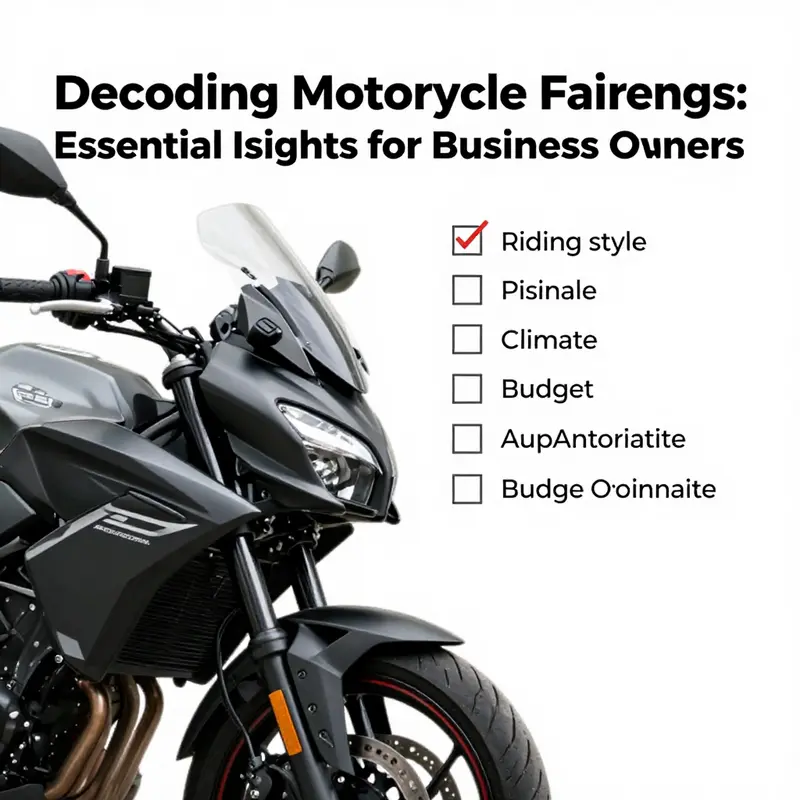
Choosing Motorcycle Fairings with Confidence
Selecting the right fairings requires more than picking a nice color or a trend. A fairing affects how your bike handles wind, how comfortable long rides feel, and how easily you maintain the machine. To make an informed choice, think of fairings as a system, not a cosmetic add-on. Consider fit, material, coverage, aerodynamics, safety rules, and long-term costs together. That single view will help you choose a fairing that serves purpose and style.
Compatibility sits at the center of every decision. A precisely fitted fairing aligns with mounting points, wiring runs, and the bike’s geometry. Poor fitment creates vibration, wind noise, and stress on fasteners. It can also change airflow patterns unpredictably. Before you buy, verify the fairing matches your motorcycle’s exact model and year. Factory-style replacements and model-specific aftermarket pieces are the safest route. Universal kits may appear cheaper, but they demand trimming, extra brackets, and compromises that often lead to frustration. If you want a quick place to check model-specific options, consult a dedicated category for your make, such as this Honda fairings collection, to confirm fitment details and compatible years.
Material choice defines weight, durability, and repairability. ABS plastic is common because it balances cost, toughness, and impact resistance. It resists cracking in minor impacts and is forgiving during installation. Polycarbonate is lighter and excels at absorbing impact, but it scratches more readily and can be harder to color-match. Fiberglass repairs easily and accepts custom finishes, yet it can fracture on strong impacts and tends to be heavier. Carbon fiber offers the best strength-to-weight ratio and a premium look, but it commands a high price and can splinter in a crash. Match the material to your priorities: cost and ease of repair, weight savings, or premium performance.
Equally important is the style of coverage. Full fairings wrap the front and sides, channeling air around the bike and lowering drag. For riders spending hours on highways, this coverage reduces fatigue and improves fuel economy. Half fairings keep the head and upper body sheltered while exposing the lower engine and frame. They balance protection with access and a sportier stance. Minimal or quarter fairings emphasize agility and a lightweight feel, but they offer little protection from wind or debris. Choose coverage to match typical rides: touring and commuting benefit from more enclosure, while track days and gymkhana-style riding favor smaller, lighter pieces.
Aerodynamics are not purely about speed. A well-shaped fairing smooths airflow to reduce buffeting and vibration. It can stabilize handling at speed and reduce the power needed to maintain highway pace. But aerodynamic gains often come with compromises. Larger surfaces add weight and increase the potential area for wind leverage in crosswinds. Overly complex shapes can trap dirt, complicate cleaning, and raise repair costs. Look for designs that improve streamlining without exotic ducts or moving parts, unless you need that level of refinement. Simple, clean lines usually deliver the most reliable tradeoff between function and maintenance.
Safety and legality should never be an afterthought. Regulations differ by jurisdiction regarding visibility, lighting, and structural changes. Some areas require certification for alterations that affect the bike’s crash structure or lighting placement. If you add integrated lighting or change the headlight assembly, make sure the modified setup meets local beam and alignment rules. Also evaluate how a fairing affects crash dynamics. A well-mounted fairing can reduce rider exposure to debris, but a loose or poorly designed unit can detach and create hazards. Always use proper hardware and mounting plates designed for the fairing and the bike.
Beyond the core choices, consider day-to-day practicality. Installation complexity varies dramatically. OEM-style fairings often bolt on using existing brackets and cutouts. Many aftermarket kits require additional brackets, trimming, or modification of inner panels. If you lack mechanical experience, factor in installation labor when budgeting. Some riders prefer kits that arrive pre-drilled and pre-painted; others enjoy the project of fitting and finishing a raw set. Maintenance also matters: textured finishes hide scratches, while glossy finishes show every imperfection. Ask how easily the material can be repaired. Fiberglass and ABS are straightforward to patch, while carbon fiber needs specialized repair techniques.
Weight affects both performance and rideability. Lightweight fairings reduce overall mass and lower the center of gravity marginally. The result is sharper handling and slightly faster acceleration. However, extremes in weight savings can sacrifice durability. If you plan to carry luggage or ride two-up frequently, prioritize strength over shaving grams. Consider the total system weight: brackets, hardware, and any integrated accessories all add up.
Color and finish influence perception and resale value. A color-matched set that preserves the bike’s original palette often commands a higher resale price. Custom finishes express individuality but may complicate later repairs. If you value flexibility, choose a base material and finish that accept paints and decals easily. That approach simplifies future touch-ups and allows changes without replacing large panels.
Think about long-term costs. The cheapest option up front may cost more later in repairs and replacements. Consider warranty, return policies, and the availability of spare parts. Aftermarket manufacturers vary in quality control. Check reviews from riders with the same model. Request clear fitment diagrams and ask about return procedures for incorrect parts.
When it comes time to buy, inspect samples where possible. Look for consistent wall thickness, clean mounting edges, and well-formed mounting bosses. Check holes for reinforcement. Poorly formed mounting points are the first places failures occur. If buying online, request close-up photos of mounting interfaces. Ask whether the kit includes fasteners, brackets, or only the shells. Missing hardware is a common frustration that adds time and expense.
Finally, plan the installation and break-in. Tighten all fasteners to the recommended torque and retorque after a few hundred miles. New plastics may flex and settle; recheck fitment to prevent rubbing or chafing. If you add windshields or vents, test them at typical riding speeds to confirm they reduce rather than increase buffeting. Keep a simple repair kit on hand for touring: a few fasteners, zip ties, and a small adhesive can keep you moving until a proper repair is possible.
Choosing motorcycle fairings well means balancing multiple priorities. Compatibility, material, coverage, aerodynamics, legal compliance, and practical maintenance shape a successful choice. Treat the decision as a systems engineering problem: each element affects the others. When you align those elements with your riding style and environment, you get a fairing that improves comfort, enhances performance, and adds the right amount of personality to your machine.
For deeper expert guidance and recent testing data, consult this comprehensive 2026 buying guide for motorcycle fairings: https://www.carinterior.com/motorcycle-fairings-guide-2026.
Final thoughts
Understanding motorcycle fairings is essential for business owners looking to enhance performance, safety, and customization in their offerings. By grasping the distinctions among various types of fairings, the importance of aerodynamics, and their protective qualities, businesses can better cater to the needs of riders. Customizing fairings can elevate style and functionality, while selecting the right fit can greatly impact rider experience. Ultimately, a comprehensive understanding of motorcycle fairings can lead to improved customer satisfaction and drive business growth.